
Understanding Basic Car Maintenance to Avoid Breakdowns
Keeping your car running smoothly isn't rocket science, but most people treat it like it is. My first car, a beat-up Geo Metro, needed more TLC than a newborn. I learned fast that ignoring a weird noise or a blinking light meant a much bigger, much more expensive headache later.
It's not about becoming a master mechanic overnight. It's about knowing the few key things that can save you from stranded-on-the-side-of-the-road misery. My goal is to give you the field notes so you can avoid the rookie mistakes I made, like ignoring that faint squeal that turned out to be my brake pads crying for mercy.
The honest version: a little bit of preventative care will save you a ton of cash and stress. This is the stuff that keeps your adventure machine actually moving.
Car Maintenance Guide: Everything You Need to Know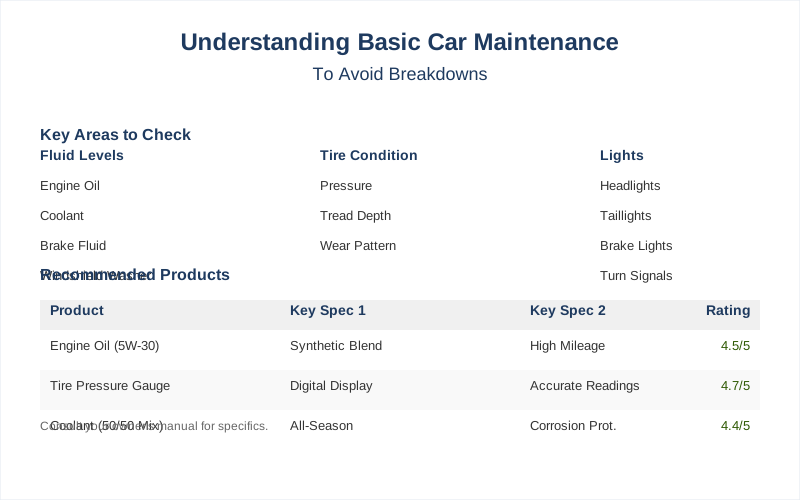
The Core Answer
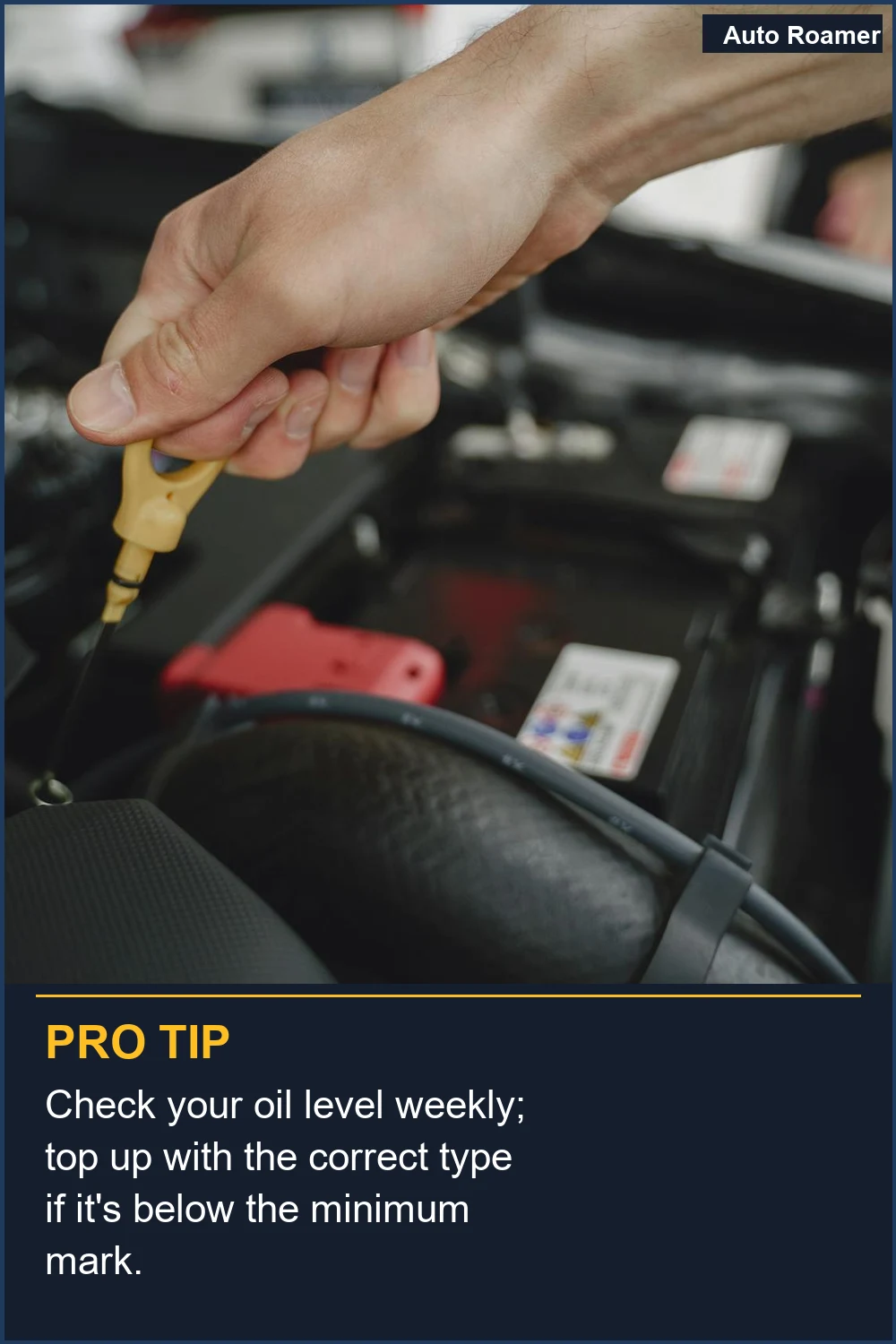
The core idea behind preventative car care is simple: check the easy stuff before it becomes the hard stuff. Most of this doesn't require a fancy degree, just a willingness to look. Your owner's manual is your best friend here; it tells you exactly what your specific car needs. Learn where everything is before you need it.Fluids are the lifeblood. Check your engine oil regularly, especially before any long trips. Low oil is like running your sleeping bag without a liner in freezing weather - it's going to end badly. I once drove 500 miles with oil so low the engine started making a sound like a bag of marbles. Turns out, a quart low was the least of my worries.
Coolant is another big one, particularly if you live somewhere with extreme temperatures. Overheating can warp your engine block, which is a repair that makes you wish you'd just bought a new car. Make sure it's topped up and not looking like rusty sludge. Seriously, rusty sludge is bad.
Tires are your only contact with the road. If they're bald or underinflated, you're asking for trouble. I learned this the hard way during a sudden downpour in the Smokies. My tires, which looked 'okay' to my untrained eye, hydroplaned like I was driving on ice. A quick check of tire pressure and tread depth would have saved me a white-knuckle drive.
Brakes are non-negotiable. That squealing noise? It's your brake pads telling you they're almost gone. Don't wait until you're metal-on-metal. It's cheaper to replace pads than to resurface or replace rotors, and way safer.
Batteries die. It's a fact of life, especially in extreme heat or cold. If your car is slow to start, or the lights dim when you crank it, the battery might be on its last legs. Getting it tested is usually free at auto parts stores.
Air filters. They're usually easy to access and replace. A clogged filter means your engine is struggling to breathe. Think of it like trying to run a marathon with your nose plugged - it's not going to be efficient.
Wiper blades are another simple one. You need to see clearly in the rain. If they're streaking or chattering, replace them. It's a $20 fix that can prevent an accident.
Ignoring warning lights on your dashboard is like ignoring a storm warning when you're trying to set up camp. That little engine light is trying to tell you something important. It might be something simple, or it might be the harbinger of doom. Get it checked out.
The real move is to get familiar with your car. Understand what the different fluids are for and how to check them. It sounds intimidating, but most of it is visual. You don't need to be a mechanic to check a dipstick.
This isn't about spending a fortune on maintenance. It's about spending a little bit regularly to avoid spending a lot later. A simple oil change every 5,000 miles is way cheaper than a new engine.
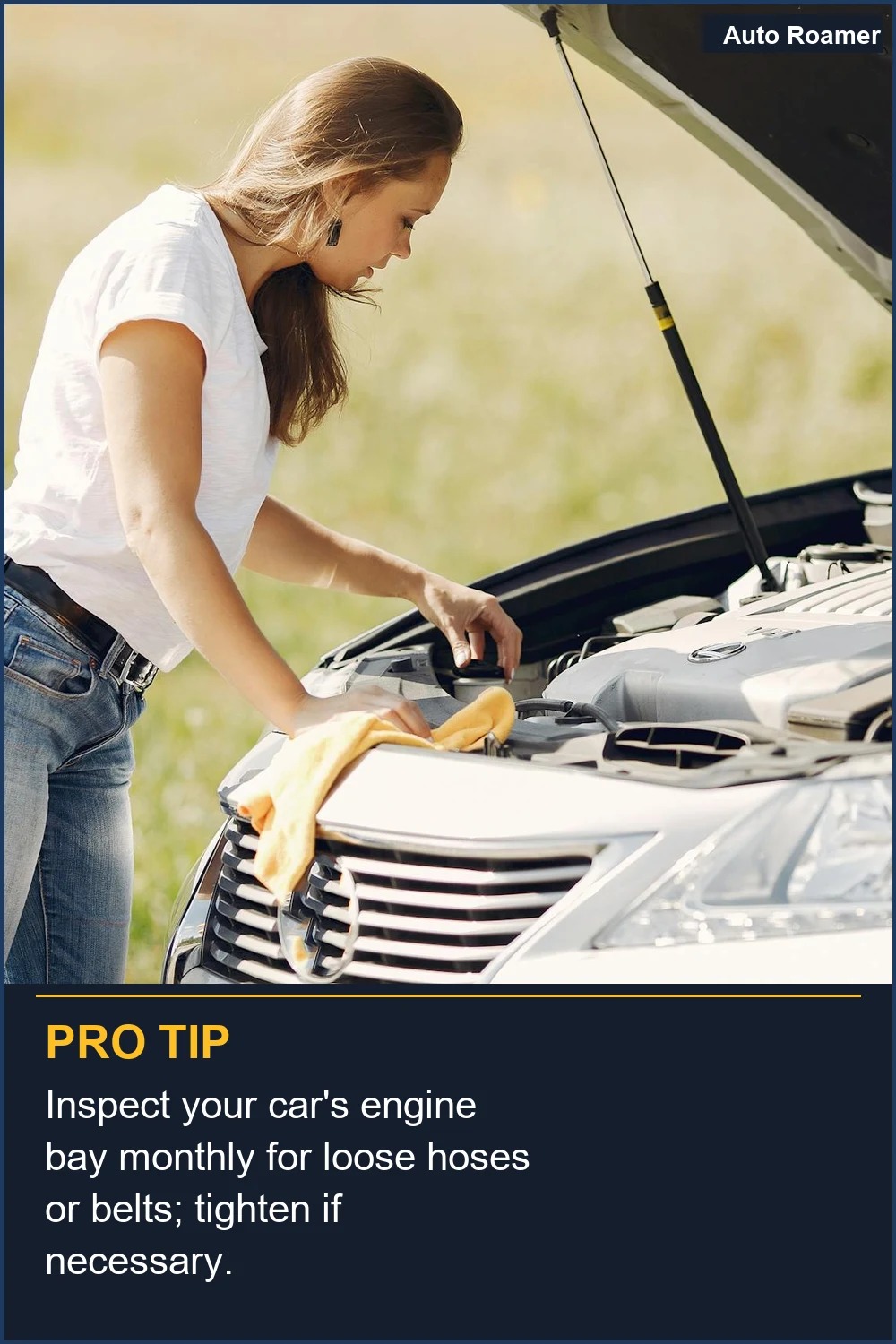
The Ultimate Car Maintenance Checklist - Bridgestone Tires5 Essential Maintenance Services to Avoid Major Auto Repair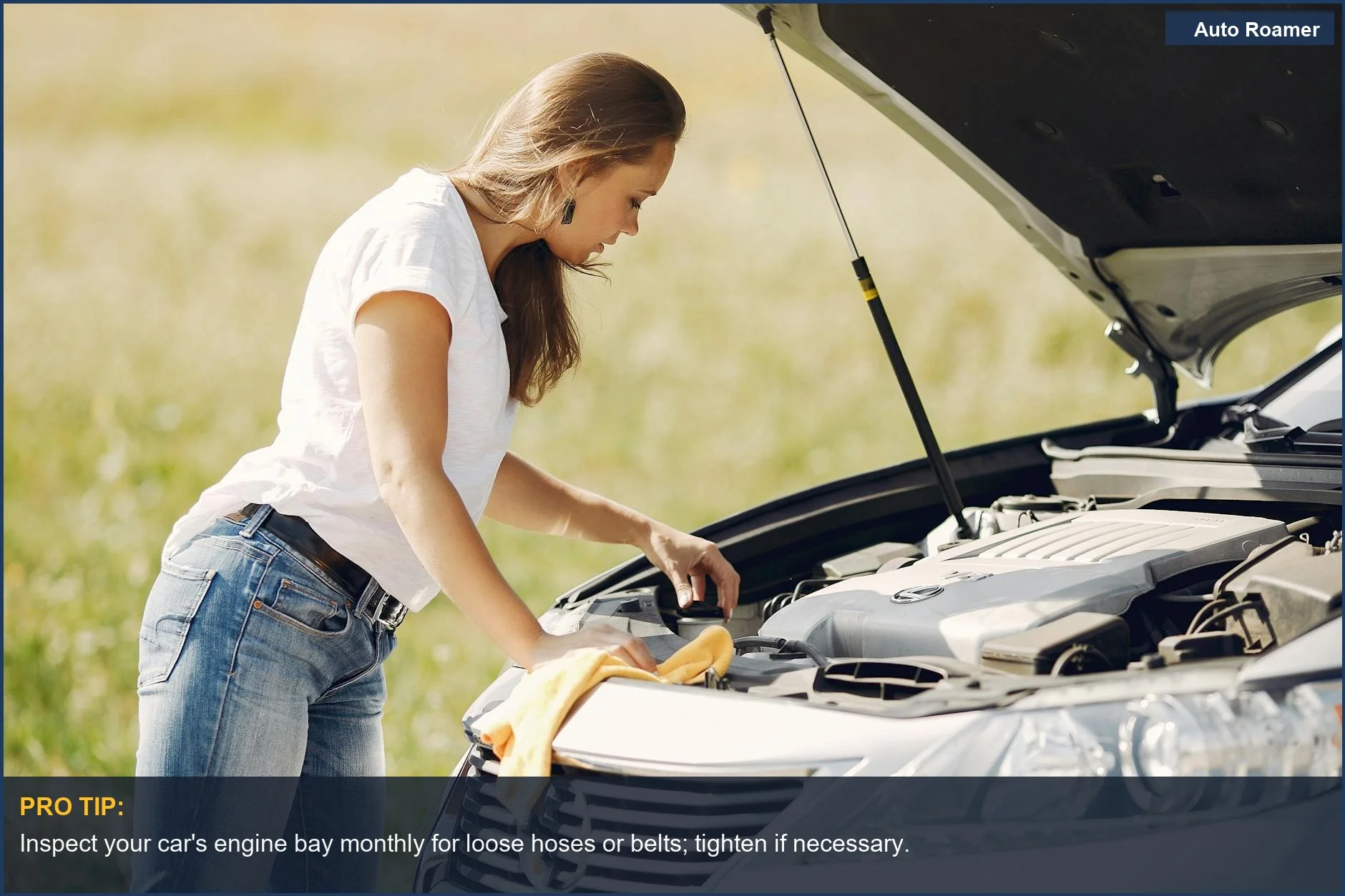
Why This Matters for Your Setup
Why does all this matter for your camping setup? Because your car is your mobile base camp. If it breaks down miles from civilization, your entire trip is toast. I learned this the hard way when my alternator decided to quit 60 miles from the nearest town in Arizona. No power steering, no headlights, and a rapidly dying battery. That was a $500 tow bill and a missed day of hiking.Here's the rundown on why this is game-time:
- Reliability: You want your car to start when you want to leave, not when it feels like it. A dead battery on a cold morning before a trip is a special kind of misery.
- Safety: Bald tires, worn brakes, or a cooling system failure can turn a fun drive into a dangerous situation in a hurry. Your life, and your passengers', depend on your car being in good shape.
- Cost Savings: That $75 oil change now prevents a $3,000 engine rebuild later. It's the $50 version of preventative medicine for your vehicle.
- Peace of Mind: Knowing your car is in decent shape lets you focus on setting up your tent and enjoying the campfire, not worrying if you'll make it home.
My second car, I actually took care of. I checked the fluids, rotated the tires, and replaced the wipers before they were completely useless. That car went on countless trips without a single roadside hiccup. It was glorious.
10 Car Maintenance Tips That Can Prevent Breakdowns10 Basic Car Maintenance Tips for Beginners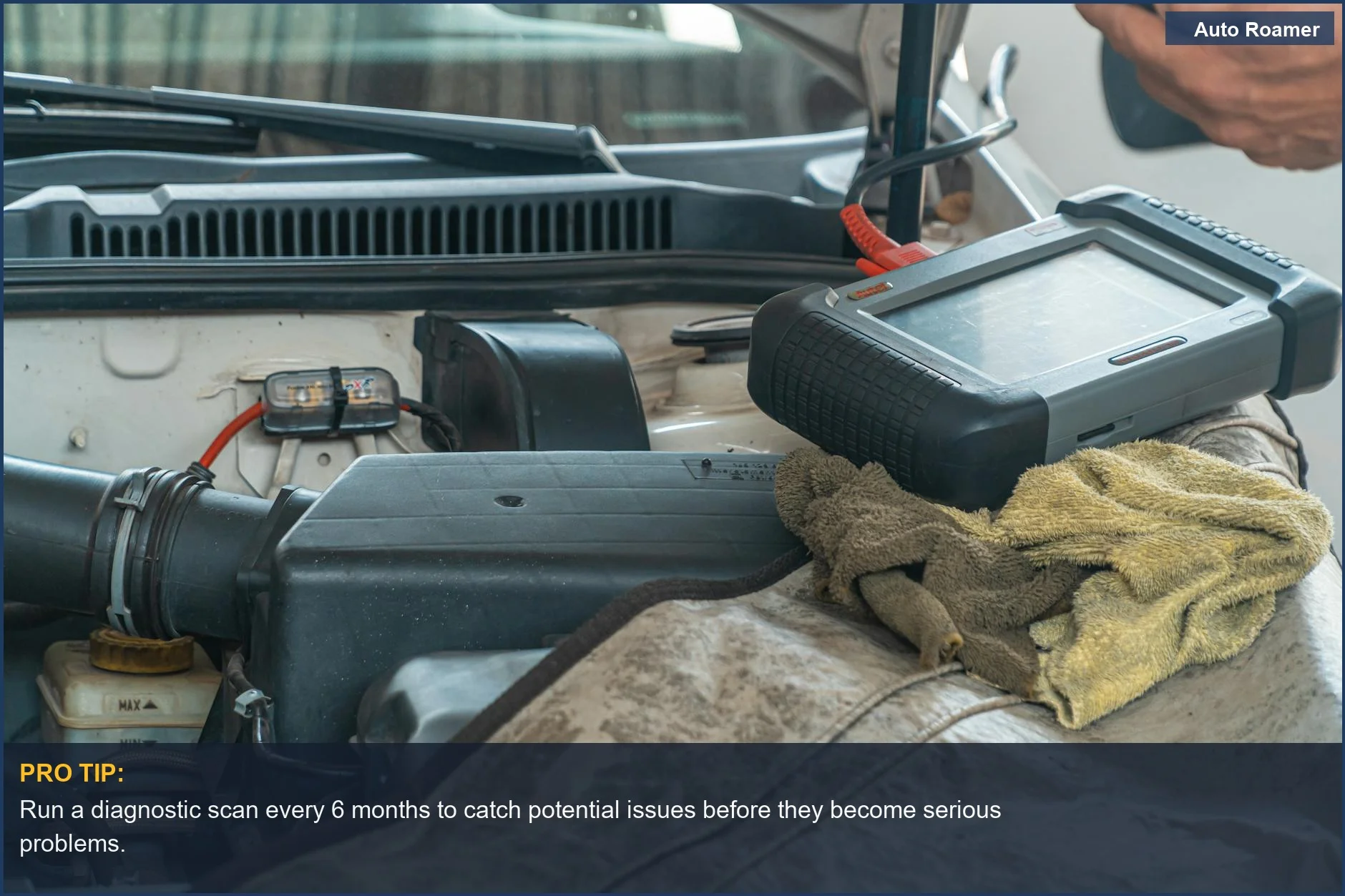
Making the Right Choice
Making the right choice with your car maintenance means choosing to be proactive, not reactive. It's about understanding that your vehicle is more than just transportation; it's your ticket to adventure. Don't let a preventable breakdown turn your weekend escape into a roadside nightmare.Think about it this way: you wouldn't go on a hike without checking your boots for holes, right? Your car deserves the same basic respect. A little bit of attention can go a long way.
- Educate Yourself: Grab that owner's manual. Look up videos online for your specific car model. It's not that hard.
- Schedule It: Put reminders on your phone for fluid checks or tire pressure. Treat it like an important appointment.
- Listen to Your Car: If something sounds or feels off, don't ignore it. That weird rattle could be a sign of something bigger brewing.
- Don't Be Afraid: Most basic checks are simple. If you're really unsure, a mechanic can do a quick inspection. It's better than gambling.
The honest version is that taking care of your car makes camping - and life in general - a lot more enjoyable. It's the ultimate form of self-reliance.
The Most Common Auto Repairs & Ways to Prevent Each OneDad's Essential Car Maintenance Tips - YouTube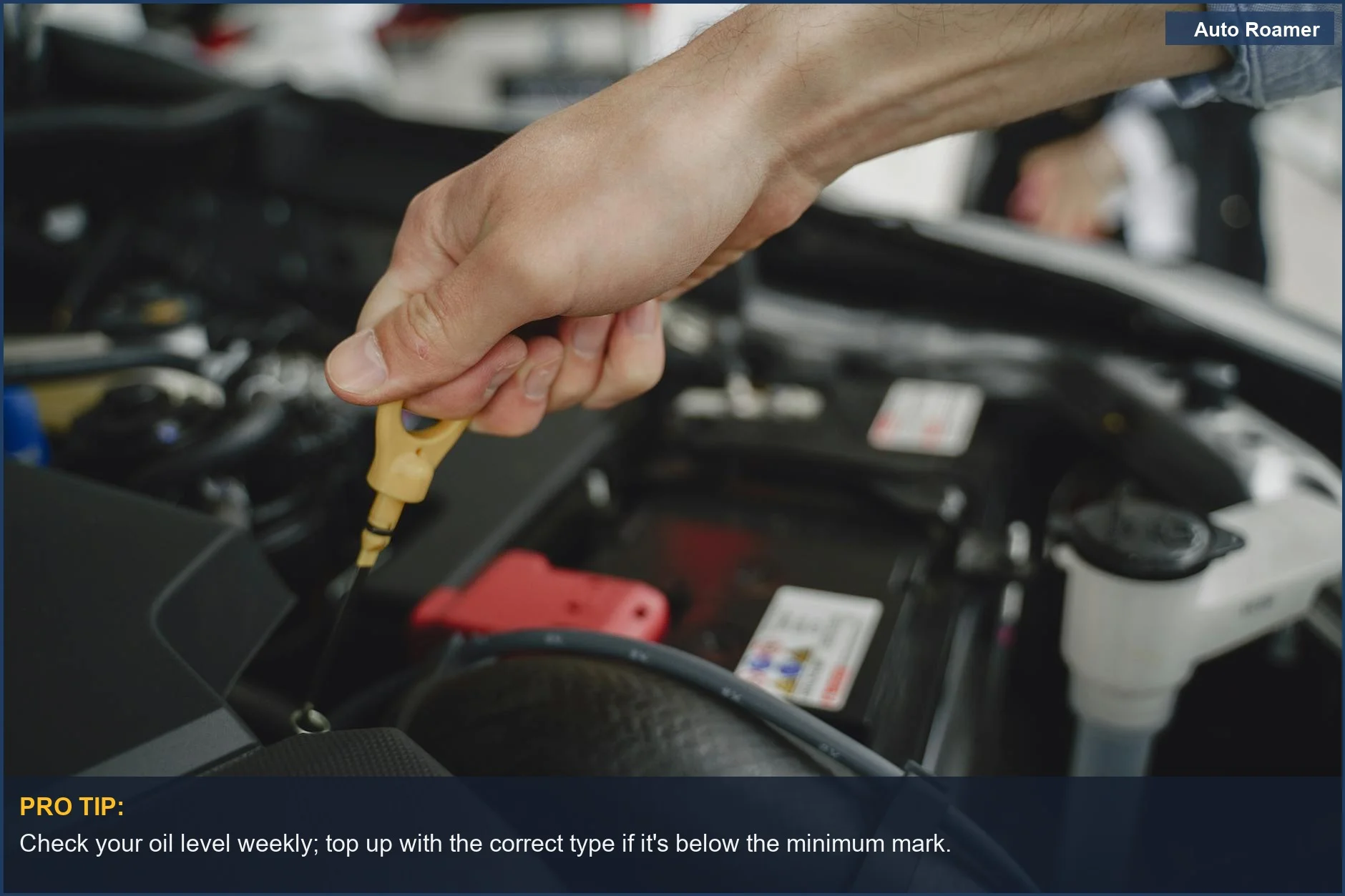
Frequently Asked Questions
If I take my car to a shop for an oil change, how much extra does it usually cost to have them check the other fluids and my tires?
Do I really need a fancy torque wrench or can I just tighten bolts by feel?
What if I check my oil and it's really low, but I don't have time to get it fixed right away? Can I just add some and keep driving?
If I ignore my car's warning lights for too long, can it permanently damage something expensive?
I heard you're supposed to check your tire pressure when the tires are cold. Does it really make that much difference?
🏅 Looking for Gear Recommendations?
Check out our tested gear guides for products that work with this setup:
Sources
- 10 Basic Car Maintenance Tips for Beginners - Davis Acura
- 5 Essential Maintenance Services to Avoid Major Auto Repair - CBAC
- The Ultimate Car Maintenance Checklist - Bridgestone Tires
- Dad's Essential Car Maintenance Tips - YouTube
- The Most Common Auto Repairs & Ways to Prevent Each One
- Car Maintenance Guide: Everything You Need to Know
- 10 Car Maintenance Tips That Can Prevent Breakdowns