
What Essential Tools Should I Carry to Handle Minor Car Breakdowns?
Car breakdowns are the worst. My first one happened at 10 PM on a deserted highway outside of Boise, Idaho. My car just sputtered and died. I had zero tools, zero clue, and spent three hours waiting for a tow truck that cost me $250.
Car breakdowns are the worst. My first one happened at 10 PM on a deserted highway outside of Boise, Idaho. My car just sputtered and died. I had zero tools, zero clue, and spent three hours waiting for a tow truck that cost me $250. That day taught me a hard lesson: a few basic tools can save you a lot of money and a lot of misery.
Having the right gear is the first step to handling those inevitable roadside hiccups. Don't be like me; get prepared.
The Core Answer
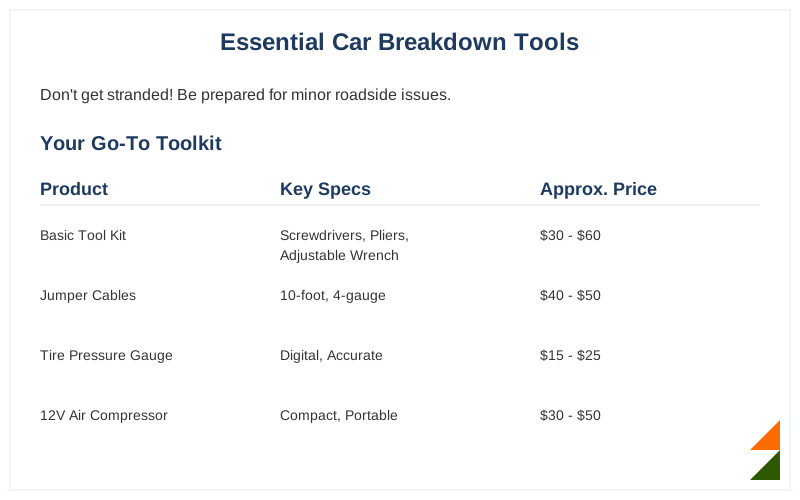
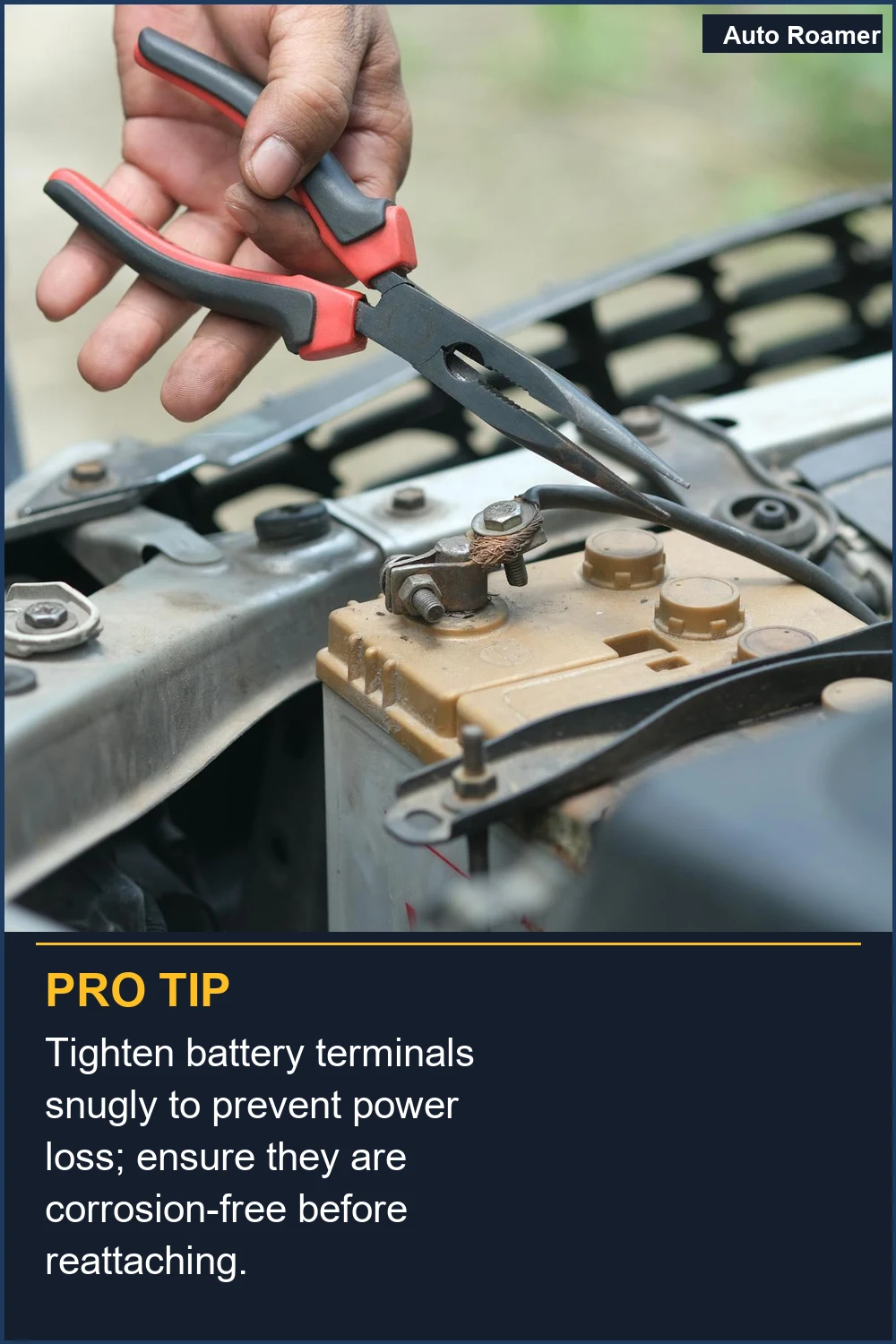
The real move for minor car issues is a compact tool kit. Think basic screwdrivers, a set of pliers, and an adjustable wrench. This covers about 80% of the stuff you might actually need to tighten or adjust on the fly. I learned this after trying to fix a loose battery terminal with a butter knife on a freezing morning in Minnesota. Rookie mistake. A basic tool kit is your first line of defense. Then there are jumper cables. Don't buy the cheap, thin ones. I bought a $20 pair once, and they barely got my old Civic started in the summer heat. You need at least 10-foot, 4-gauge cables. They're a little more upfront, maybe $40-$50, but they actually work when your battery decides to take a nap. Jumper cables are non-negotiable. A tire pressure gauge and a small 12-volt air compressor are also clutch. I used to just kick my tires, which is about as effective as using a crayon to write a novel. A decent digital gauge costs around $15, and a compact compressor is usually $30-$50. It means you can address slow leaks before they become a flat-out emergency. Tire maintenance is key. What nobody tells beginners is that a tire plug or patch kit is surprisingly easy to use. I remember staring at a nail in my tire in a campground parking lot in Utah, feeling completely helpless. A $20 kit and 15 minutes later, I was rolling again. It's not a permanent fix, but it gets you to a shop. A tire repair kit is a lifesaver. Finally, a good headlamp. Trying to change a tire or check an engine in the dark with your phone flashlight is a recipe for disaster. You'll drop things, bump your head, and generally make a mess. A solid LED headlamp costs about $20 and keeps your hands free. Hands-free light is essential.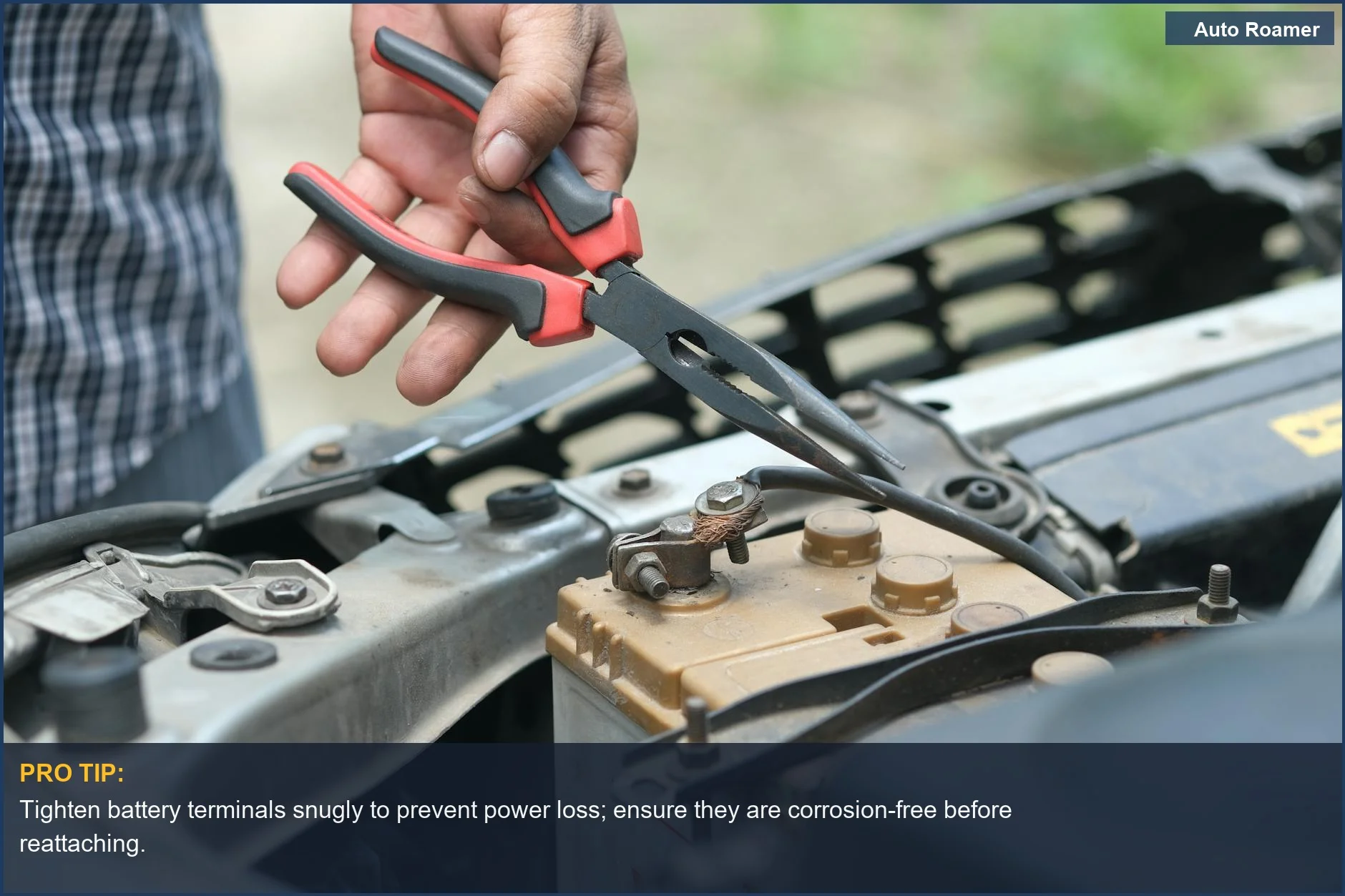
Why This Matters for Your Setup
Why this matters for your setup:- Cost Savings: A basic roadside kit might run you $50-$100. A single tow truck call can easily be $150-$300, not to mention the time you lose. The $50 version can save you hundreds.
- Peace of Mind: Knowing you can handle a dead battery or a slow leak means less stress when you're miles from anywhere. I felt way more confident on my last camping trip knowing I had my kit.
- Preventing Bigger Problems: Addressing a loose hose clamp or a slightly low tire pressure can prevent a minor issue from becoming a major breakdown. It's like taking care of a small cut before it gets infected.
- Independence: You're not solely reliant on roadside assistance, which can take hours to arrive in remote areas. This gives you options.
Making the Right Choice
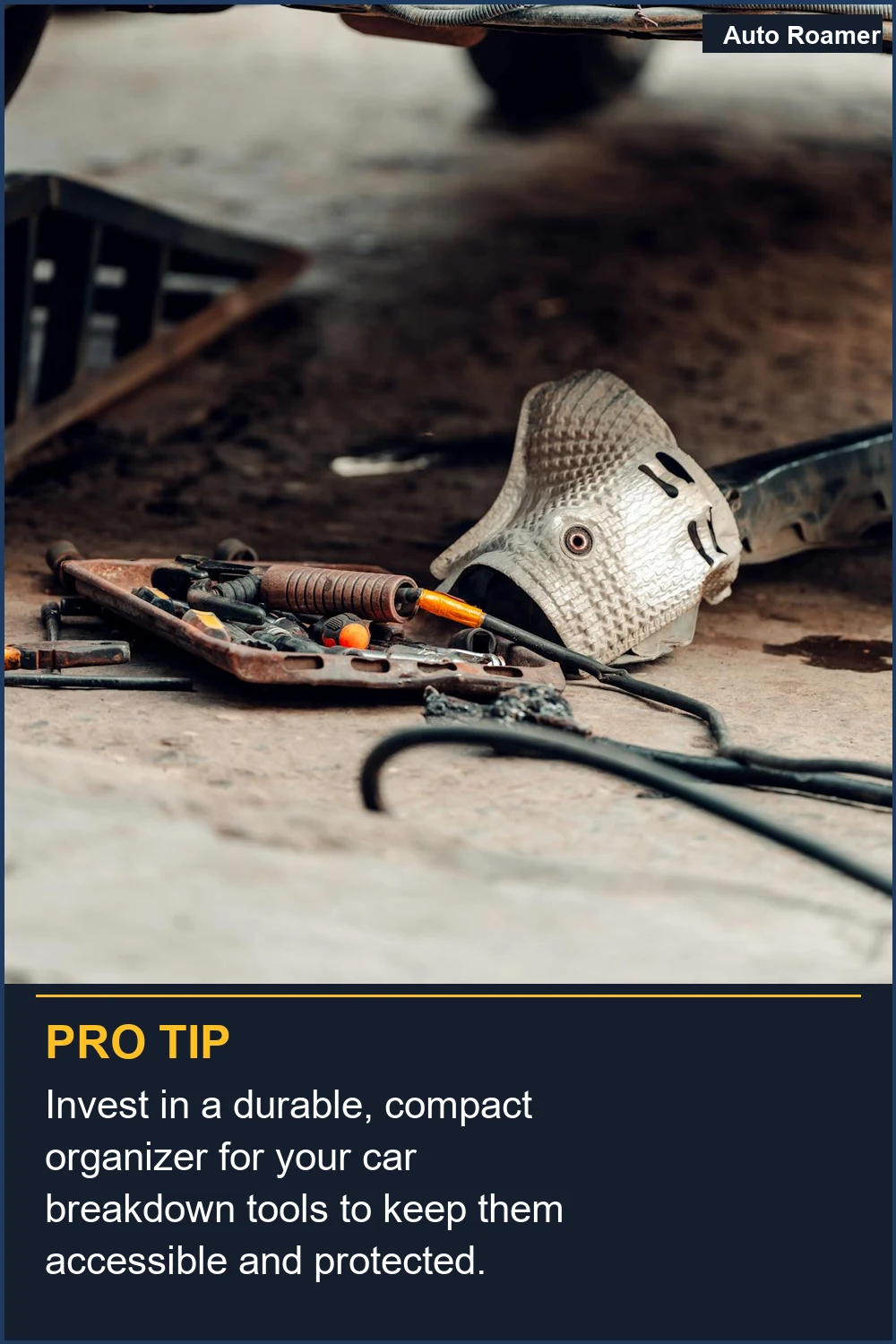
Making the right choice:- Start Simple: You don't need a mechanic's entire toolbox. Focus on the essentials that address common problems like dead batteries, flat tires, and minor loose connections.
- Quality Over Quantity: It's better to have a few good quality tools than a whole bag of cheap ones that will fail when you need them most. Think about the $15 tire gauge versus the $5 one that breaks after two uses.
- Know Your Vehicle: Understand the basics of your car. Know where your battery terminals are, how to check your oil, and what size your lug nuts are. This makes using your tools much easier.
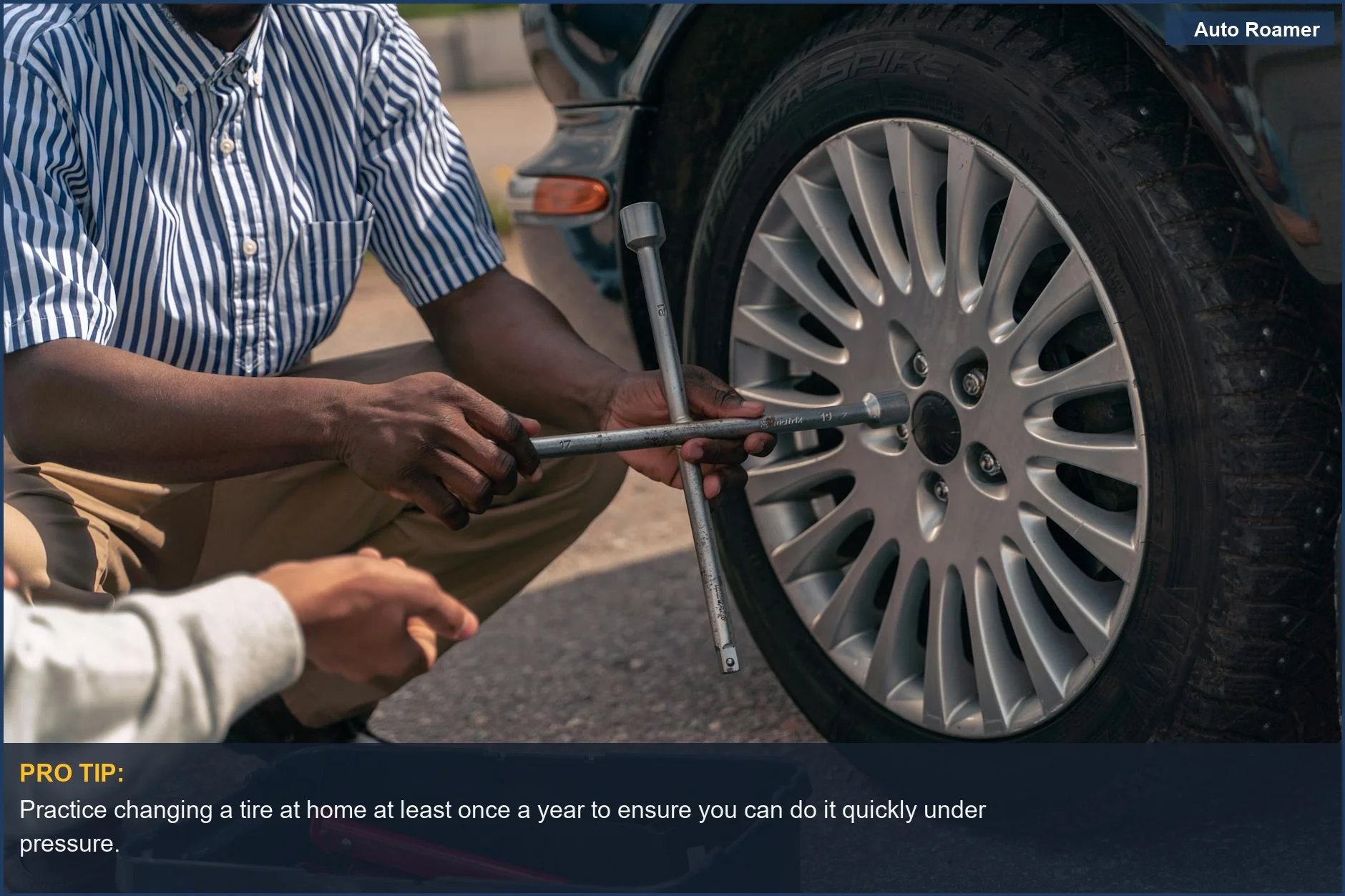
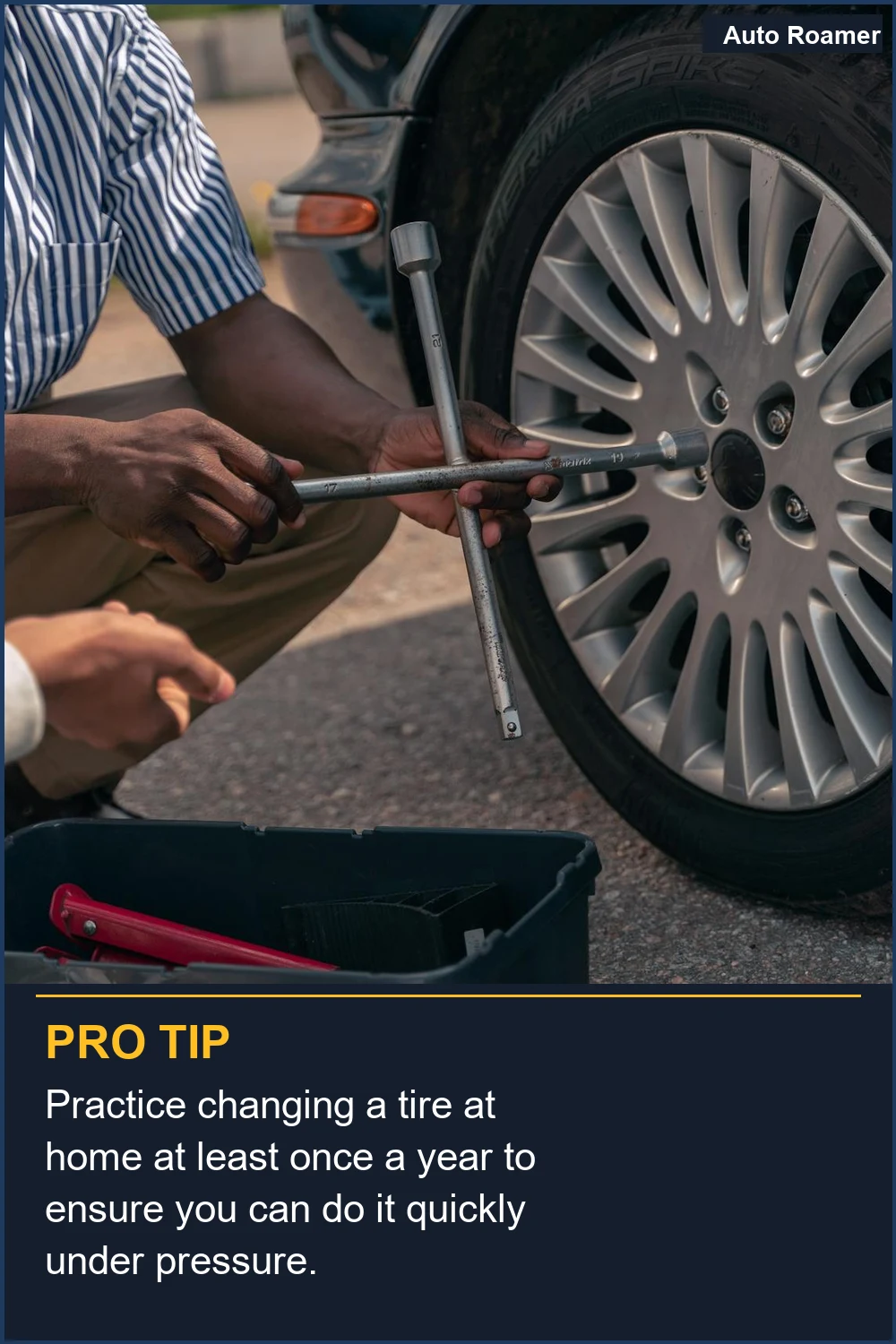
- Practice (If You Can): If you're really nervous, practice changing a tire in your driveway. It's way less stressful than doing it on the side of a busy road at dusk.
Frequently Asked Questions
What's the difference in cost between fixing a loose battery terminal myself versus taking it to a shop?
Do I really need a special tire plug kit, or can I just jam something in there?
What if I use my jumper cables and my car still won't start?
Can using jumper cables incorrectly permanently damage my car's electronics?
Is it true that most modern cars don't need jumper cables anymore because they have some fancy self-starting tech?
🏅 Looking for Gear Recommendations?
Check out our tested gear guides for products that work with this setup: