What You Need to Know
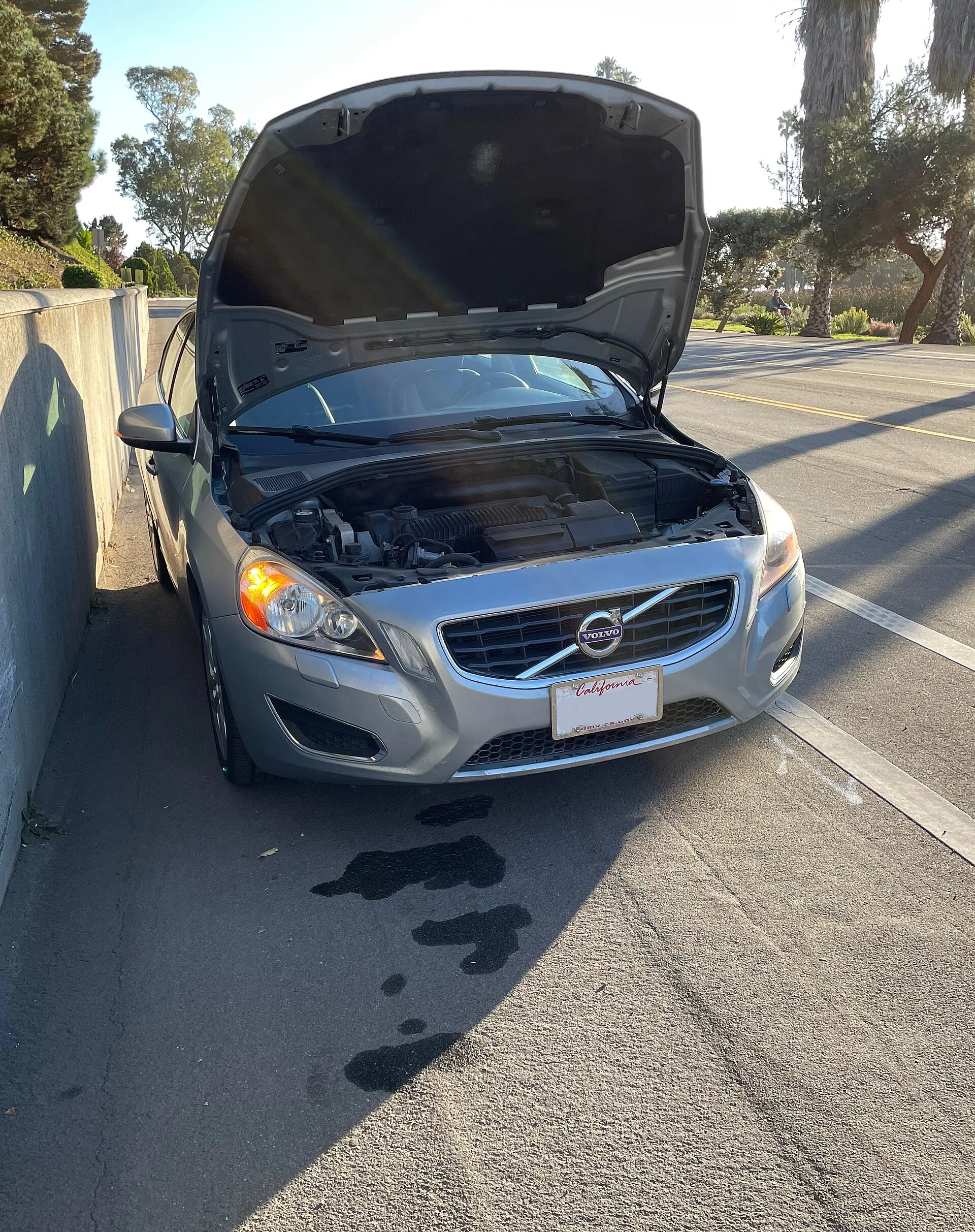
The dealer wanted $350 to tow my buddy's truck from 20 miles out when his alternator belt shredded, leaving him dead in the water. That's a 15-minute fix with a $25 belt and a basic wrench set, if you're not an idiot. Roadside assistance is a luxury, not a given, especially when you're 100 miles from the nearest town with cell service.
Breakdowns don't send calendar invites; they happen when you're least prepared, usually on a desolate stretch of road where the only thing working is the local mosquito population.
I've seen too many trips ruined by a flat tire on a gravel road, a dead battery in a Walmart parking lot, or a blown fuse taking out the entire dash. These aren't 'bad luck' scenarios; they're predictable mechanical failures or electrical gremlins that can be mitigated with a few pounds of gear and some basic knowledge. The cost-per-fix on these roadside calls is astronomical compared to the cost of prevention.
Think about the thermal cycling on a cheap tire plug or the mechanical stress on a corroded battery terminal. These aren't abstract concepts; they dictate whether you're rolling down the highway or waiting 4 hours for a flatbed. Keeping an emergency survival kit in your vehicle isn't about expecting the worst, it's about buying time when the inevitable happens. My goal is to make sure your only roadside stop is for gas, not a full-blown crisis.
Quick Verdict
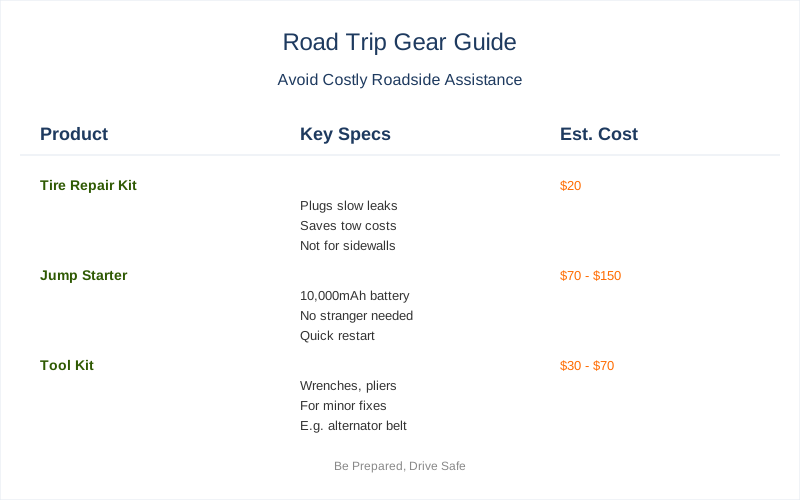
- Tire Repair Kit: A $20 plug kit and a portable air compressor can save you a $150 tow and a $200 tire repair. Most small punctures are slow leaks, not blowouts. Mechanical stress on the plug is low if installed correctly, but don't try to patch a sidewall failure.
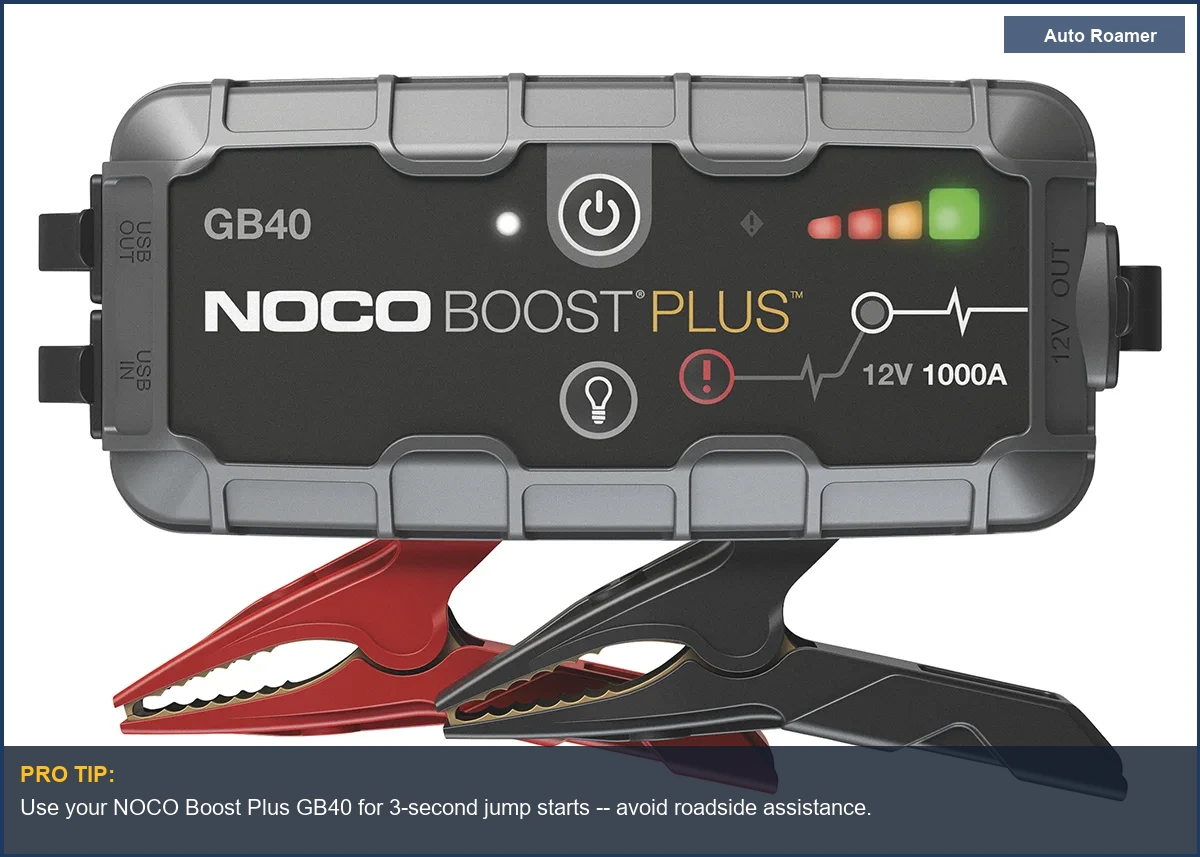
- Portable Jump Starter: Forget finicky jumper cables and waiting on strangers. A 10,000mAh lithium-ion jump starter weighs 2 pounds and can crank a V8 engine 20 times.
- Basic Tool Kit: A cheap $40 socket set and some pliers handle 80% of minor roadside issues. Loose battery terminals, a slipped hose clamp, or a blown fuse can all be fixed if you have the right leverage and torque.
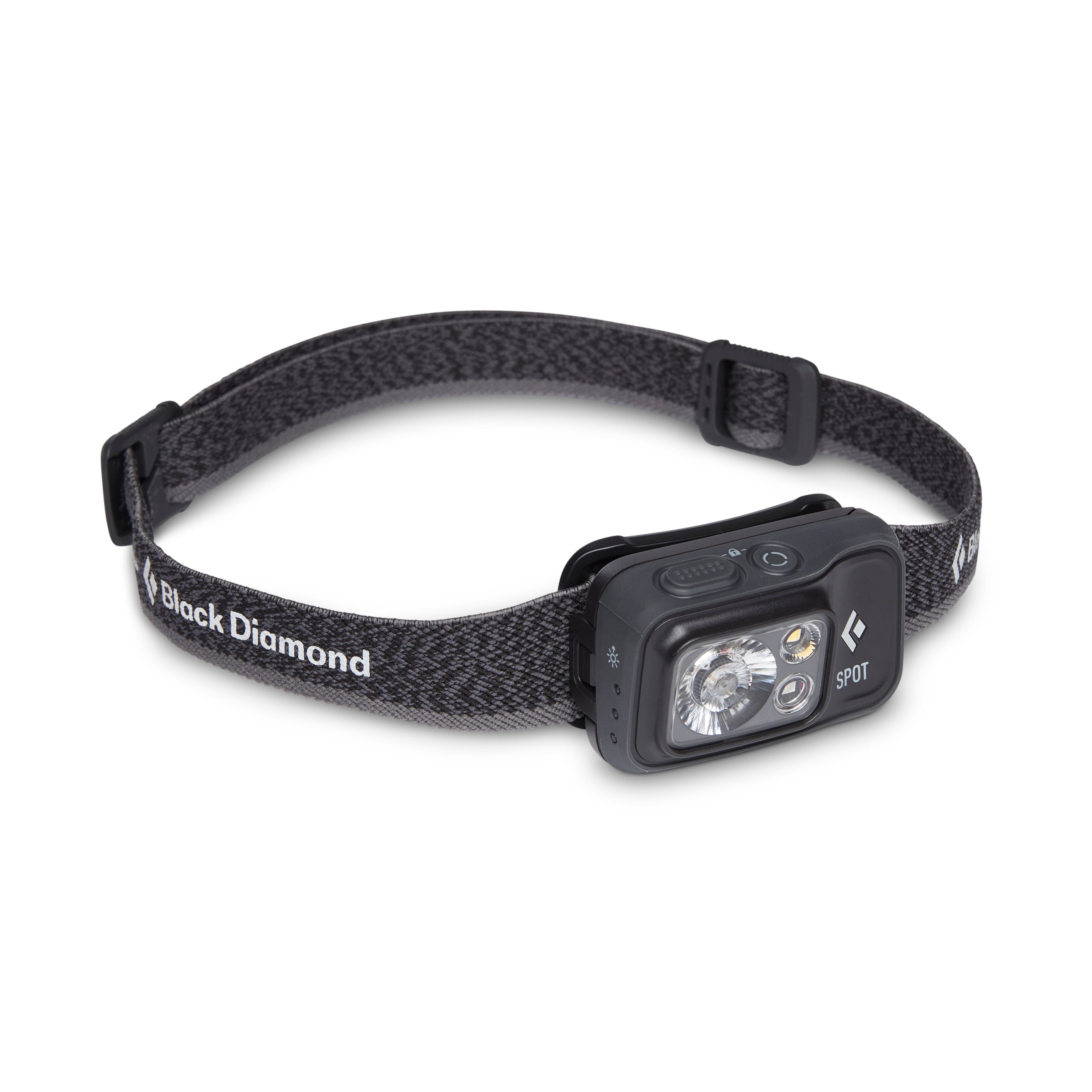
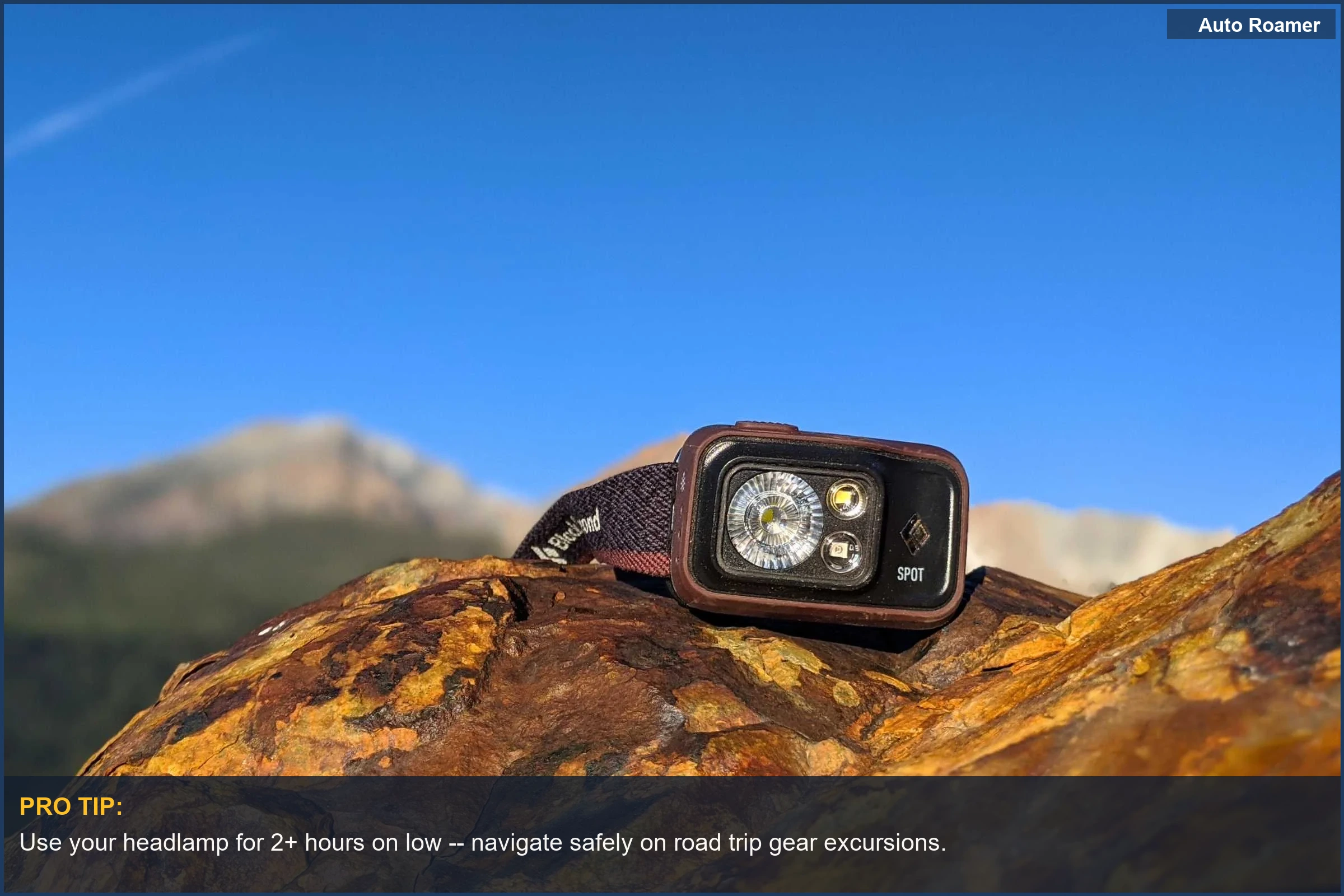
- Headlamp/Flashlight: Trying to diagnose a problem in the dark with your phone's flashlight is a joke. You need hands-free illumination. A 300-lumen headlamp ensures you can see that loose wire or leaking fluid without dropping your phone in the dirt.
- First-Aid Kit: Not just for major trauma. A simple Band-Aid for a scraped knuckle or some antiseptic wipes for a minor cut prevents infection.
- Reflective Triangles/Flares: Visibility is paramount. If you're stuck on the shoulder, especially at night, you need to be seen. A set of three reflective triangles costs $15 and provides a 500-foot warning zone, reducing the shear force potential from an oncoming semi.
- Duct Tape/Zip Ties: The universal fix. A flapping bumper, a loose wire, a temporary hose patch - these can get you to the next exit.
It's invaluable when your battery's internal resistance spikes in sub-freezing temps.
Don't expect to rebuild an engine, but a 10mm wrench goes a long way.
A well-stocked kit is a no-brainer.
They're not permanent, but they reduce vibration and prevent further damage until a proper fix.
What to Look For
When you're assembling your roadside kit, focus on items that address common failure modes, not just hypothetical worst-case scenarios. Most roadside calls are for dead batteries, flat tires, or minor electrical issues. A simple yet effective roadside emergency kit includes at least a flashlight, road flares, and reflective triangles. Anything else is gravy.
| Component | Critical Function | Failure Mode Addressed | Key Spec to Check |
|---|---|---|---|
| Portable Jump Starter | Provides instantaneous high-current electrical discharge. | Low battery voltage, high internal resistance in cold weather, parasitic draw. | Peak Amps (e.g., 1000A for 4-cyl, 2000A for V8). |
| Tire Plug Kit | Seals small punctures in tire tread. | Loss of air pressure from nail/screw penetration, leading to mechanical failure of sidewall. | Number of plugs, reamer/insert tool quality, rubber cement shelf life. |
| Portable Air Compressor | Restores tire pressure. | Slow leaks, under-inflation leading to increased tire carcass temperature and delamination. | Max PSI output, flow rate (LPM), duty cycle. |
| Basic Hand Tools | Enables mechanical adjustments and minor repairs. | Loose terminals, hose clamps, minor body panel detachment, fuse replacement. | Socket sizes (10mm, 12mm, 13mm, 14mm, 17mm), pliers, screwdriver set. |
| Headlamp | Illumination for hands-free work. | Lack of visibility for diagnosis/repair in low light, fumbling in the dark. | Lumen output (min 200), battery life, IPX rating for water resistance. |
| Reflective Triangles | Alerts oncoming traffic to roadside hazard. | Reduced visibility of disabled vehicle, high-speed impact risk from unaware drivers. | Compliance with DOT standards, stability in wind, reflective surface area. |
| Duct Tape/Zip Ties | Temporary mechanical fastening. | Vibration-induced component detachment, hose leaks, securing loose items. | Adhesive strength, UV resistance for tape; tensile strength for zip ties (min 50lb). |
Don't fall for the 'survival kit' garbage with a fishing line and a compass. You're not stranded in the Amazon; you're on I-95. Focus on the immediate mechanical and electrical integrity of your vehicle. At under $100, the Everlit Survival Car Emergency Kit feels like a steal, but check the actual tool quality. Cheap tools strip bolts, and that's worse than no tools at all.
Prioritize items that address the most common reasons people call a tow truck. A dead battery is a circuit integrity issue. A flat tire is a mechanical stress failure. These are solvable problems, not acts of God.
Our Top Picks for Reliable Performance
I'm not going to tell you to buy a $500 'tactical' shovel. We're talking about preventing roadside headaches, not preparing for the zombie apocalypse. These are the tools that address the most common failure points, built to last without outgassing cheap plastics in your trunk. Even if you have the best gear in the world, it's always best to address small problems before they become emergencies.
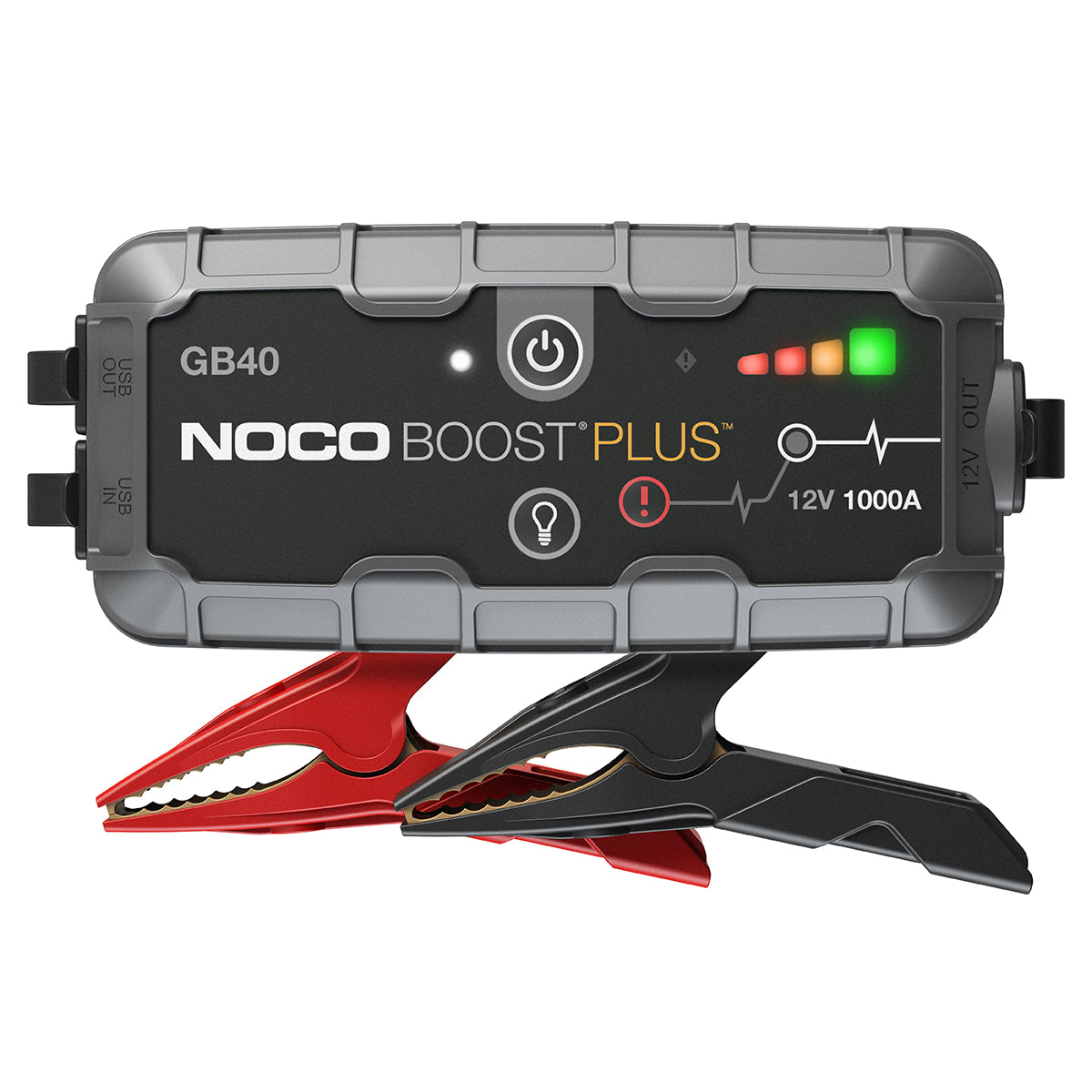
- NOCO Boost Plus GB40 (~$100)
1000 Peak Amps, 12V lithium-ion
Pros: Compact, reliable, can jump start a V8 up to 20 times on one charge. Minimal self-discharge, good thermal stability. Built-in flashlight. Charges via USB.
Cons: Clamps are a bit small for some heavy-duty battery terminals. Higher price point than generic units.
Best for: Any vehicle owner who wants a dead-reliable jump starter without the bulk. - Slime Deluxe Tire Repair Kit (~$20)
Includes reamer, plug insertion tool, 5 string plugs, rubber cement
Pros: Simple, effective for tread punctures up to 1/4 inch. Rubber cement creates a better chemical bond than dry plugs, reducing the chance of air egress under internal pressure. Good tactile feel on the T-handle tools.
Cons: Not for sidewall damage or large punctures. Plugs are a temporary fix, not a permanent tire repair. Shelf life of the rubber cement is finite.
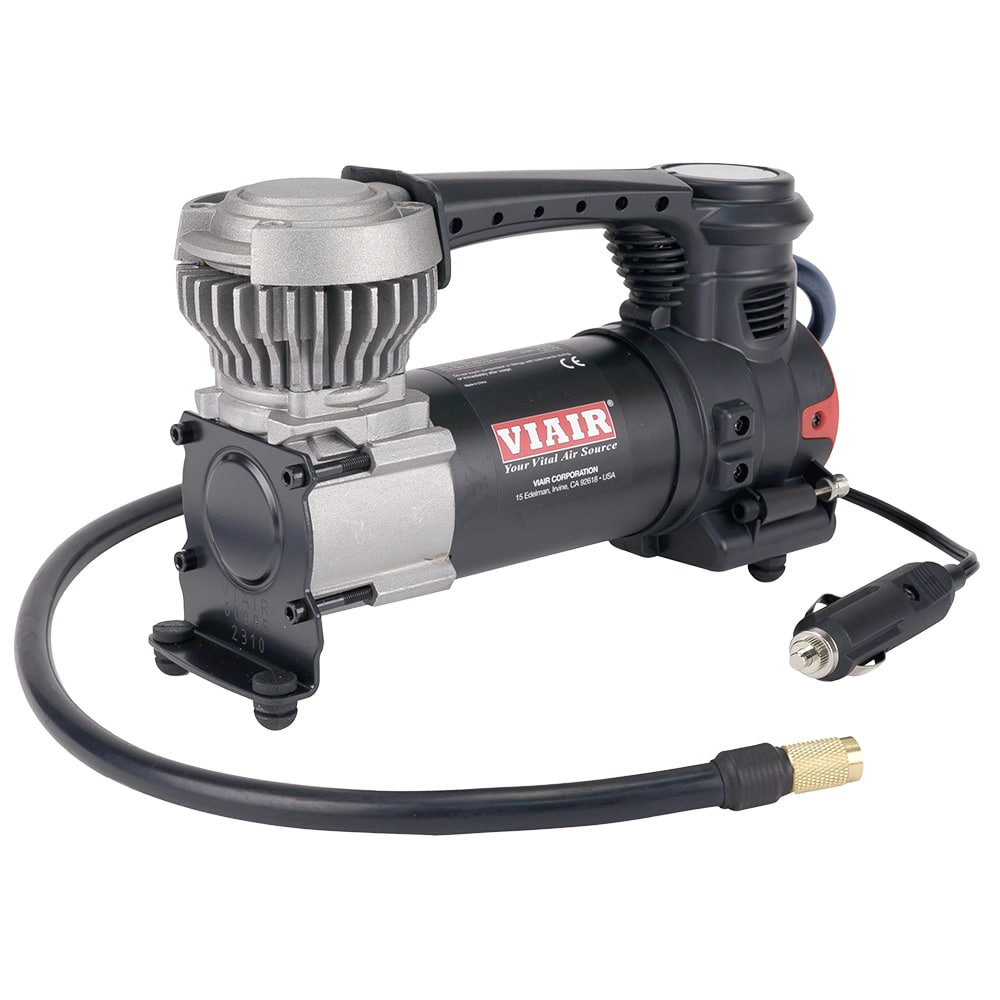
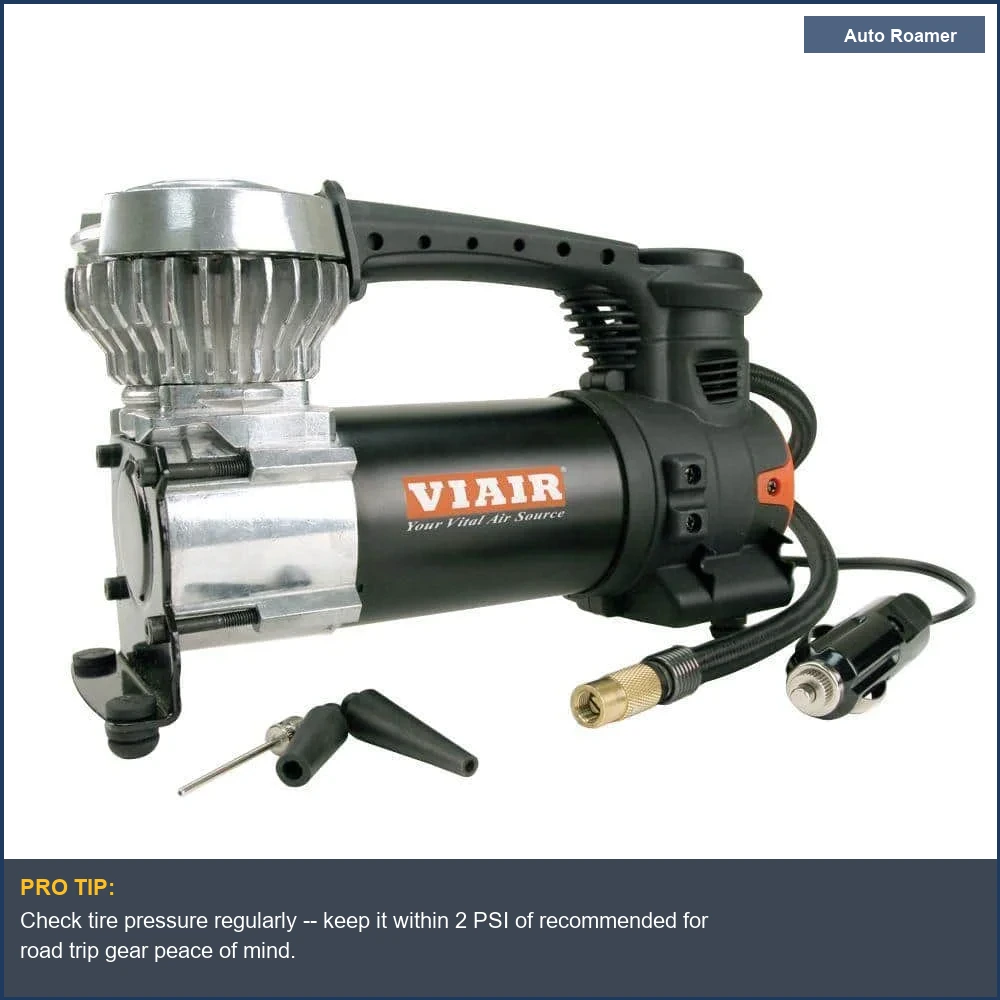
Best for: Quick, temporary fixes for common nail/screw punctures to avoid a full tire change on the shoulder. - VIAIR 85P Portable Air Compressor (~$70)
12V, 60 PSI max, 1.27 CFM flow rate
Pros: Direct-to-battery connection for consistent power, less chance of blowing a cigarette lighter fuse. Built-in pressure gauge. Can inflate a mid-size car tire from 20 to 30 PSI in under 2 minutes. Good duty cycle.
Cons: No auto-shutoff when target pressure is reached. Can get hot with extended use, watch that thermal cycling.
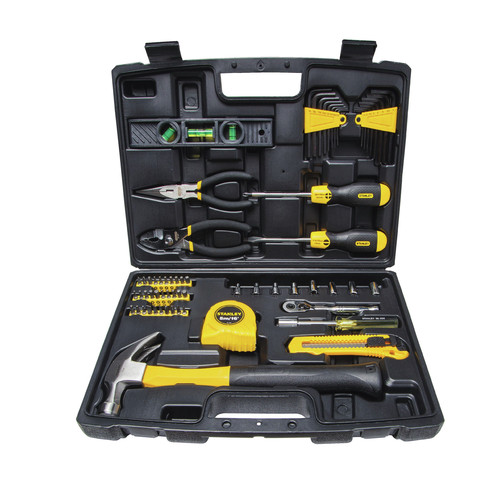
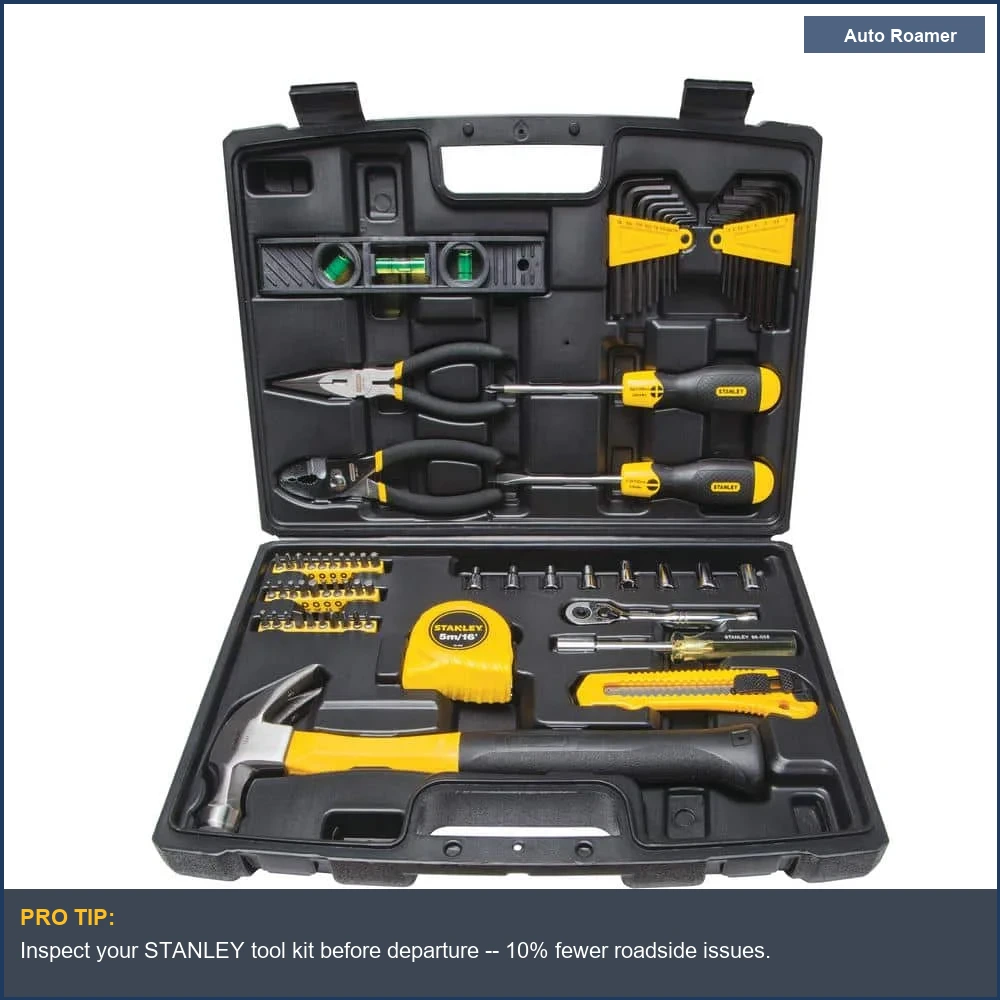
Best for: Re-inflating slow leaks, seating a newly plugged tire, or adjusting tire pressure for changing loads. - STANLEY STMT74862 Mixed Tool Set, 65-Piece (~$45)
Includes sockets (metric/SAE), wrenches, pliers, screwdrivers, ratchets.
Pros: Good selection of common sizes for automotive work. Chrome vanadium steel construction for decent shear strength. Comes in a compact, organized case.
Cons: Not professional-grade. The tolerances on some sockets might be a bit loose, leading to rounded bolt heads if you're not careful. Ratchet mechanism isn't buttery smooth.
Best for: General roadside repairs where you need a specific wrench or socket to tighten a loose connection. - Black Diamond Spot 400 Headlamp (~$40)
400 lumens, IPX8 waterproof, runs on 3 AAA batteries
Pros: Bright, hands-free illumination. Multiple modes (spot, flood, red night vision). IPX8 rating means it's dunkable to 1 meter for 30 minutes - great for working in the rain. Good battery life at lower settings.
Cons: Proprietary battery pack not included. The beam pattern can be a bit narrow on spot mode. Tactile button feedback could be better with gloves.
Best for: Any low-light roadside repair, from checking fluid levels to replacing a fuse under the dash. A small set that includes things like a wrench, pliers, screwdriver, and potentially even some flares is useful, but don't forget light. - Roadside Emergency Reflective Triangle Kit (3-pack) (~$25)
DOT compliant, weighted bases
Pros: Highly visible day or night, meets safety standards. Folds flat for storage. Weighted bases keep them stable in moderate wind, reducing tip-over failure rates. Bright orange plastic and reflective strips.
Cons: Can be bulky even when folded. Not as effective in heavy fog as actual flares. Plastic hinges can become brittle over time with thermal cycling.
Best for: Creating a safe zone around your disabled vehicle, especially on busy highways or at night, to prevent secondary collisions.
Head-to-Head Comparison
Let's break down the real impact of having - or not having - these essential tools. It's not about comfort; it's about minimizing the mean time to repair (MTTR) and preventing a minor incident from becoming a multi-hundred-dollar headache. road-trip-emergency-kit are key.
| Scenario | With Proper Gear (DIY) | Without Gear (Roadside Assistance) | Failure Analysis |
|---|---|---|---|
| Dead Battery | 1. Connect portable jump starter. 2. Start vehicle. 3. Disconnect. (5 minutes, ~$0 out of pocket) | 1. Call AAA/tow truck. 2. Wait 1-3 hours. 3. Jump start or tow. ($75-200, plus membership fee) | Chemical reaction kinetics too slow or parasitic draw depletes charge. Jump starter provides sufficient current to overcome internal resistance. |
| Flat Tire (Tread Puncture) | 1. Locate puncture. 2. Plug tire. 3. Inflate with compressor. (15-20 minutes, ~$2-5 for plug) | 1. Call AAA/tow truck. 2. Wait 1-3 hours. 3. Spare tire installed or towed for repair. ($75-200 for service, plus tire repair cost) | External object penetrates rubber carcass, leading to pressure differential. Plug creates mechanical seal to restore pressure integrity. |
| Loose Battery Terminal | 1. Identify loose terminal. 2. Tighten with wrench. (2 minutes, ~$0) | 1. Vehicle won't start. 2. Call AAA/tow truck. 3. Diagnosis and tightening. ($75-150) | Vibration causes clamp load loss, increasing electrical resistance at contact point, preventing current flow to starter. |
| Blown Fuse (e.g., cigarette lighter) | 1. Locate fuse box. 2. Identify blown fuse. 3. Replace with spare. (5 minutes, ~$1 for fuse) | 1. Device not working. 2. Drive to mechanic for diagnosis. 3. Fuse replacement. ($40-80 for diagnosis/labor) | Overcurrent condition causes resistive element (fuse wire) to melt, breaking circuit integrity. Replacing restores current path. |
The difference isn't just money; it's time, frustration, and exposure to potential hazards on the side of the road. A few basic tools address these high-probability, low-complexity failures with minimal effort.
Budget vs Premium: Where Your Money Actually Goes
You can throw $50 at a generic 'emergency kit' from Amazon, or you can spend $200 on individual, higher-quality components. The difference isn't just branding; it's in the materials, manufacturing tolerances, and the expected failure rate. Reflective safety gear helps oncoming vehicles see you from a mile away or more - but only if it doesn't fall apart in the wind.
| Component | Budget (~$20-50) | Premium (~$100-200+) | Why the Price Difference Matters (Physics/Engineering) |
|---|---|---|---|
| Jump Starter | Generic 600A peak, no-name brand. | NOCO Boost Plus GB40 (1000A peak). | Budget units often use lower-quality lithium cells with higher internal resistance, leading to less actual cranking power and faster degradation under thermal cycling. Premium units have better battery management systems and higher-grade cells for consistent current delivery. |
| Air Compressor | Cigarette lighter plug, 0.5 CFM. | VIAIR 85P (1.27 CFM, direct battery clip). | Budget compressors have smaller motors and lower flow rates, generating more heat and slower inflation. They often have high current draw through the lighter socket, risking fuse blowout. Premium units have larger pistons, better cooling, and often direct battery connections for robust electrical integrity and faster inflation. |
| Hand Tools | Stamped steel, loose tolerances. | STANLEY STMT74862 (Chrome Vanadium). | Budget tools use softer metals prone to deformation or fracture under torque (e.g., stripping a bolt head). Poor tolerances mean excessive play, leading to rounded fasteners. Premium tools use stronger alloys and tighter manufacturing specs, ensuring proper mechanical engagement and higher shear strength. |
| Reflective Triangles | Thin plastic, lightweight base. | DOT-compliant, weighted base. | Budget triangles often lack sufficient weight in the base, making them prone to blowing over in wind, negating their visibility function. The plastic can be brittle, failing from UV exposure and thermal cycling. Premium units are designed for stability and durability, maintaining their reflective properties and structural integrity. |
You're paying for reliability, not just a brand name. A cheap tool that breaks when you need it most is worse than no tool at all because it gives a false sense of security. I wouldn't trust some of these budget brands to open a can of beans, let alone torque a lug nut.
The Bottom Line
The bottom line is simple: your vehicle is a complex machine, and mechanical and electrical failures are a matter of 'when,' not 'if.' Relying solely on roadside assistance is like building a bridge with a known fatigue crack and hoping it holds. You're gambling with your time, your money, and potentially your safety.
- Prioritize Physics: Understand that a dead battery is a chemical reaction problem, a flat tire is a mechanical stress issue, and a dark road is a visibility problem. Address these root causes with appropriate gear.
- Invest Smart: A $100 jump starter and a $20 tire plug kit can prevent a $350 tow bill. The return on investment for quality roadside gear is immediate and significant. Don't cheap out on the things that keep your circuit integrity and mechanical stress factors in check.
- Knowledge is Power: Knowing how to use a jump starter or plug a tire is as crucial as having the tools. If you can't identify a loose battery terminal or a blown fuse, the best kit in the world won't help.
- Regular Checks: Don't just pack it and forget it. Check your jump starter's charge every 3 months. Verify your tire plug kit's rubber cement hasn't dried out. Everything you need to know about best car accessories for road trip includes maintenance of those accessories.
Your road trip shouldn't end because of a 12-volt problem or a tiny puncture. Equip yourself to handle the inevitable, and keep those wheels turning.