
Essential Winter Car Maintenance Tips to Prevent Breakdowns
Cold weather is a car's worst nightmare, and ignoring winter car maintenance is a rookie mistake that costs thousands. My first winter, I learned this the hard way when my engine coolant froze solid in my beat-up Civic outside of Denver.
Cold weather is a car's worst nightmare, and ignoring winter car maintenance is a rookie mistake that costs thousands. My first winter, I learned this the hard way when my engine coolant froze solid in my beat-up Civic outside of Denver. That $50 fix for a cracked block could have been avoided with a $20 bottle of antifreeze. It's not about fancy gadgets; it's about knowing the basics before the temperature dips below freezing.
This isn't complicated engineering; it's just common sense for your ride. NHTSA winter driving tips remind us that preparation is key to avoiding roadside disasters. Your car's health in winter depends on a few crucial checks, not luck. Benzelite Automotive lays it out: winterizing prevents breakdowns. It's that simple. Don't get stranded calling for a tow truck in a snowstorm. The real move is to check these things before it gets nasty.
The Core Answer
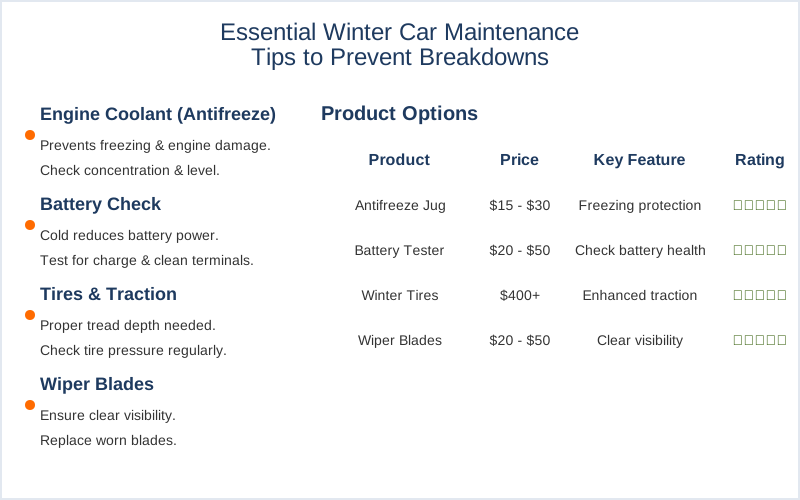
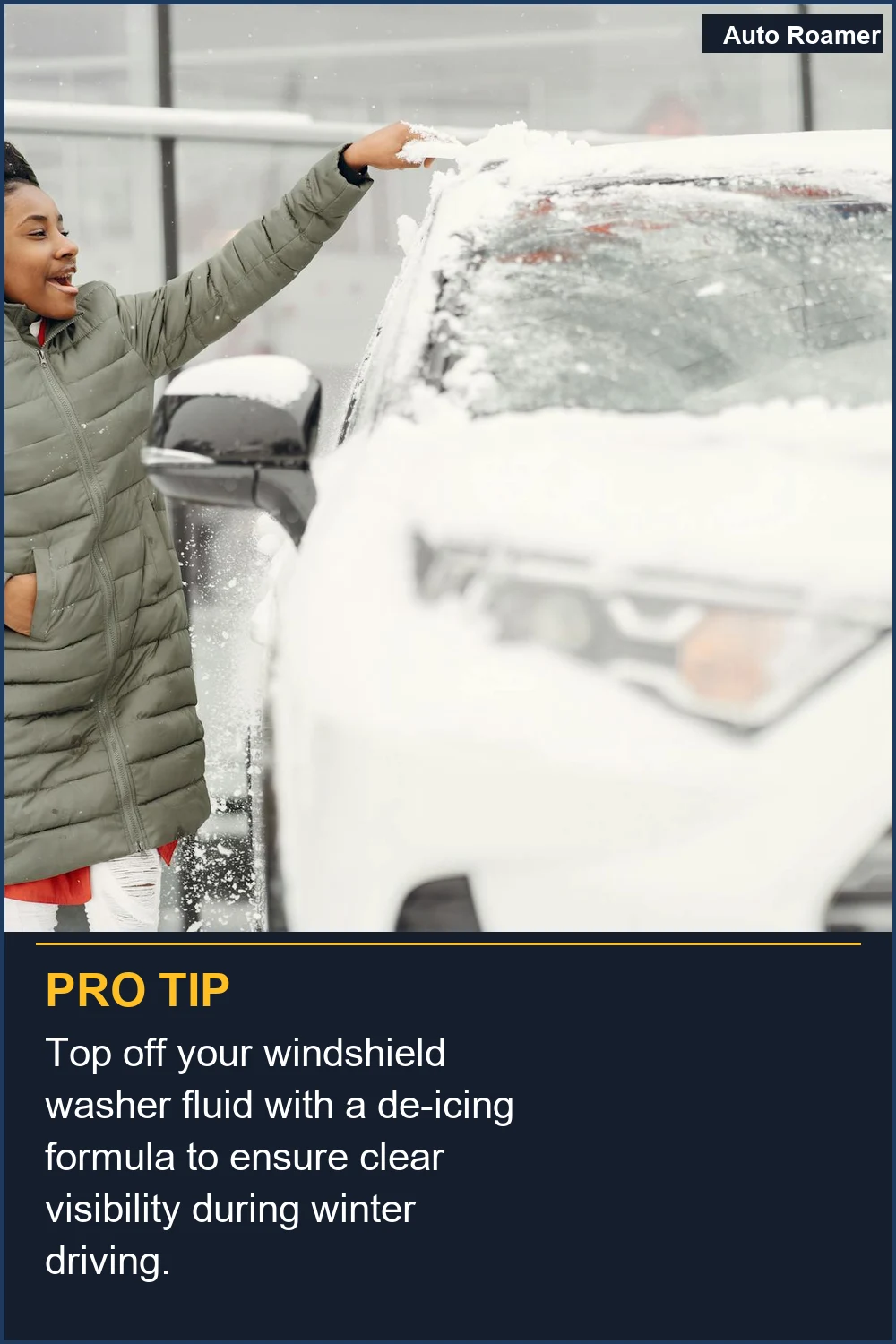
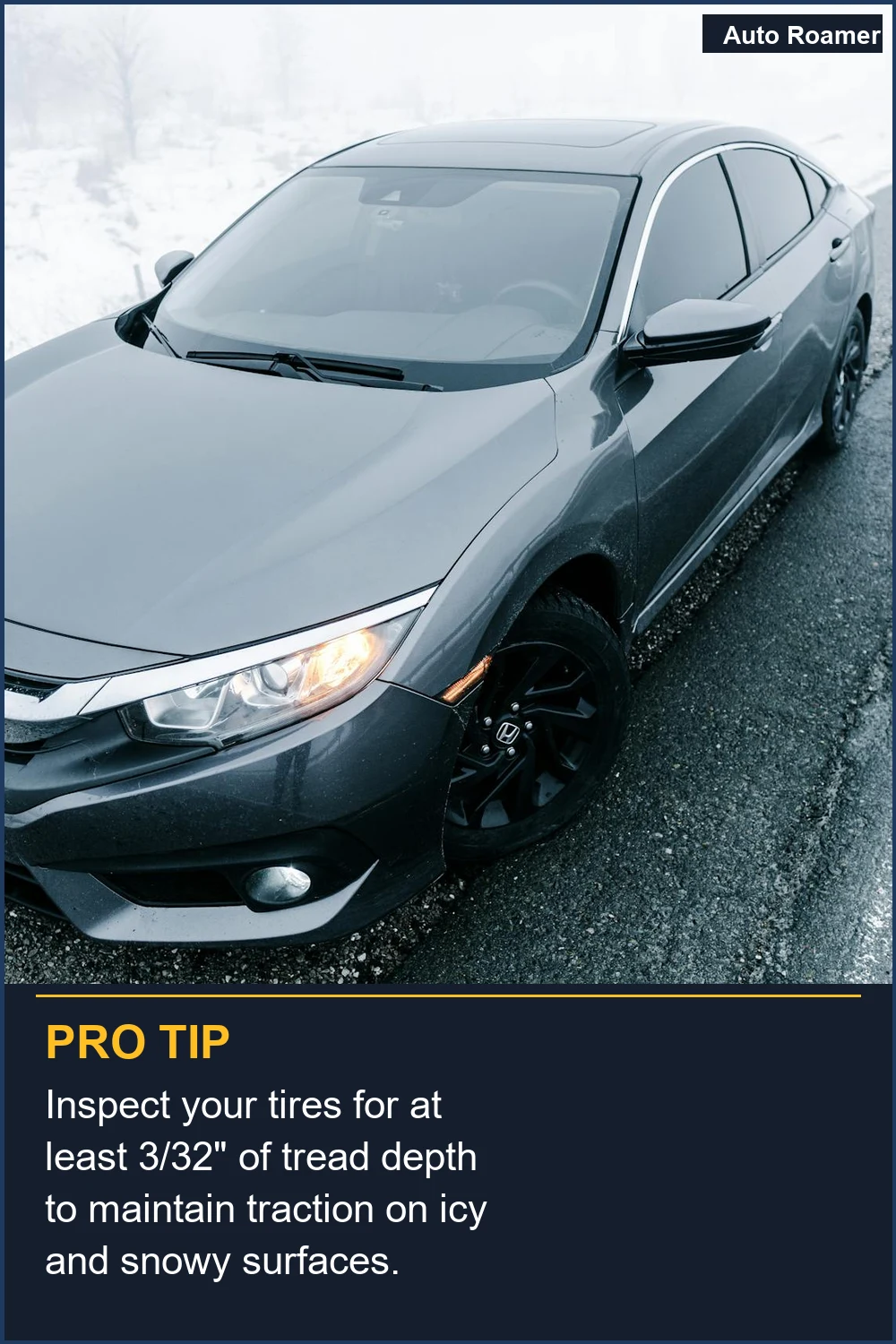
The core answer to preventing breakdowns in the cold is simple: don't let your car's vital fluids and components freeze or fail. It sounds obvious, but so many people skip it. Your antifreeze, for example, isn't just there to keep your engine from overheating in summer. It's a mix of chemicals that lowers the freezing point of the water in your cooling system. If that concentration is off, you're basically asking for trouble. Benzelite Automotive points out that freezing coolant can crack engine blocks, which is a repair that costs way more than a jug of antifreeze. Get the right mix, and test it. My buddy Dave learned this when his $500 Civic turned into a $3000 paperweight after a freak cold snap in Flagstaff because he just topped off with plain water. Rookie mistake. Your battery is another huge culprit. Cold weather is brutal on batteries because it slows down the chemical reactions that produce power. A battery that's already weak from years of service might seem fine on a mild day, but introduce freezing temps, and suddenly it's dead weight. Consumer Reports notes that at 0 degrees F, a battery has only half its cranking power. Get it load-tested annually, especially if it's over 3 years old. I once got stranded on a ski trip because my battery just gave up the ghost at 10 degrees F. Cost me $150 for a tow and a new battery on the spot. The $50 version is replacing it *before* it dies. Then there are your tires. Driving on bald tires in the snow is like trying to ice skate in flip-flops. You need tread to grip the road. Check for wear and make sure they're properly inflated. Cold weather makes tires lose pressure, about one pound per square inch for every 10-degree drop, according to United Nissan Reno. Low pressure means less contact with the road and more risk. My first winter camping trip, I didn't check my tire pressure and spun out on a patch of ice going 15 mph. Scared the life out of me. Thankfully, no damage, but it was a wake-up call. Windshield wipers are not optional in winter. You need to see. Worn-out wipers smear water and ice, making visibility terrible. Consumer Reports says even good ones lose effectiveness in about six months. Replace them if they're streaking or chattering. I once drove for an hour in a blizzard with half-frozen wipers that barely cleared the windshield. It was miserable and dangerous. For $30, I could have bought new ones and saved myself the white-knuckle drive. Finally, check your belts and hoses. These rubber parts degrade over time and can become brittle in the cold. A cracked belt or hose can lead to all sorts of problems, from a dead alternator to an overheating engine. It's not the most glamorous part of car maintenance, but it's critical. I had a hose burst on my old pickup once in a blizzard. The heater stopped working, and the engine overheated. Stranded for hours. The $20 hose would have saved me a $400 repair bill and a very cold night.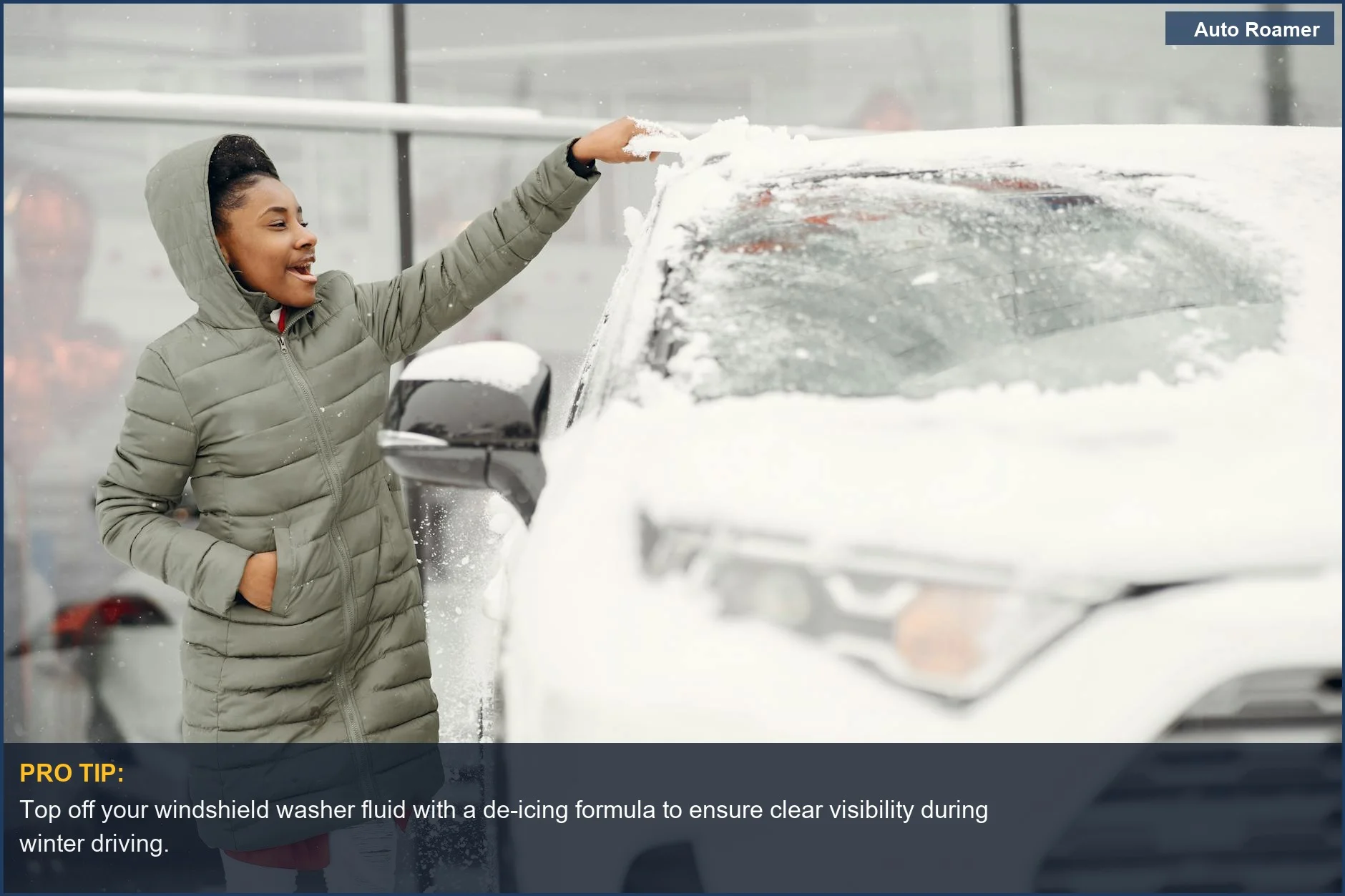
Why This Matters for Your Setup
Why does all this matter for your setup? Because your car isn't just how you get to the campsite; it's your mobile base camp in winter. If your car is unreliable, your whole trip is shot. Imagine getting to your winter campsite, setting up your tent, and then your car won't start for the drive home because the battery finally gave up. That's not a fun end to a weekend. Mission Motors highlights dead batteries as a top winter problem. It's game-time, and your car is useless. Here's the real breakdown of why this is crucial: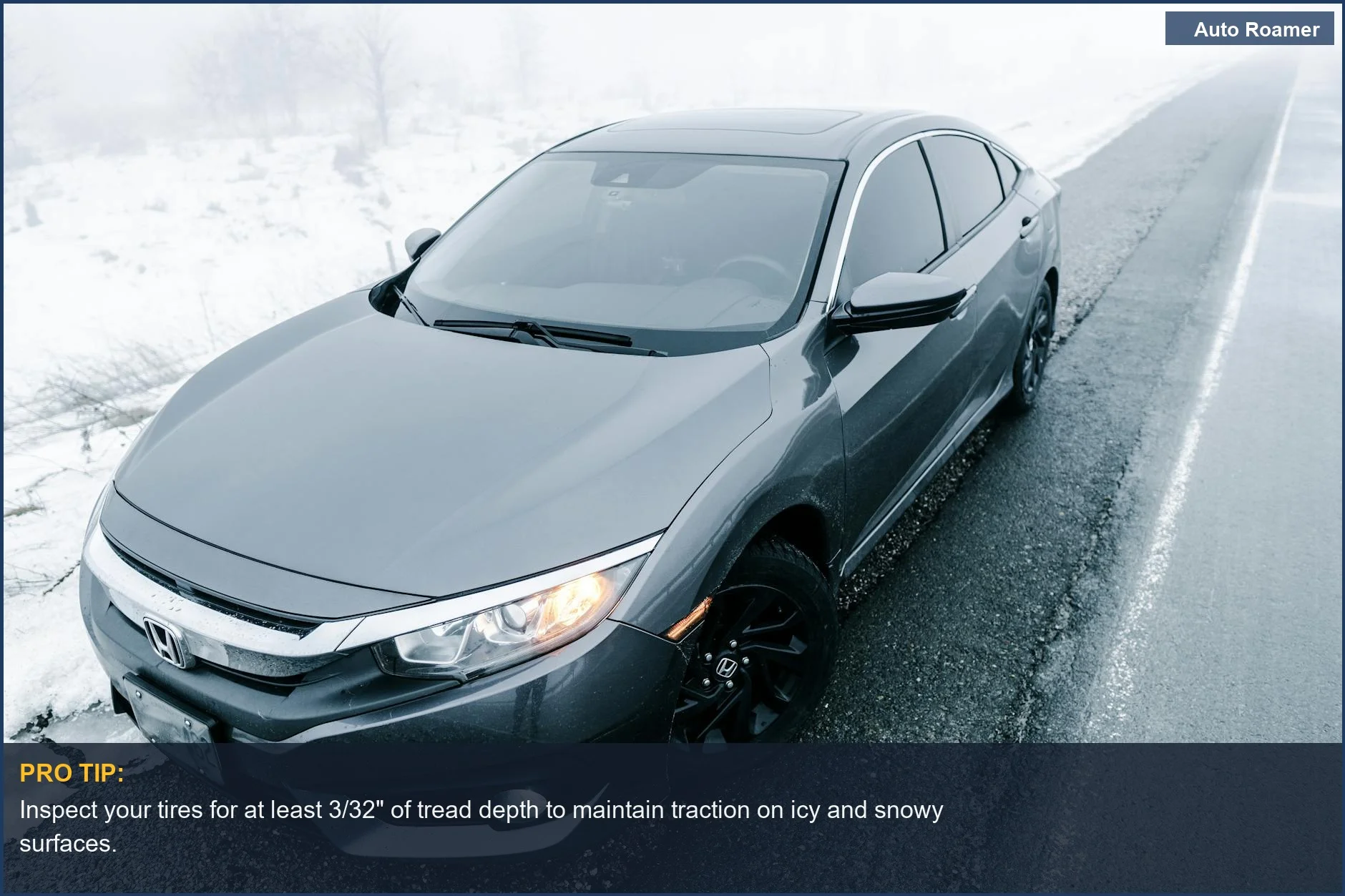
Making the Right Choice
Making the right choice for winter car maintenance isn't about being a gearhead; it's about being smart and avoiding headaches. My philosophy is always the $50 version: do the basic checks yourself or get them done before the weather turns nasty. It's way cheaper than dealing with a breakdown on the side of a snowy road. Benzelite Automotive agrees that preparation prevents costly repairs. Don't wait until it's freezing to think about your car's fluids. Here's the honest version of what to focus on:
Frequently Asked Questions
How much does it cost to have a mechanic check my antifreeze versus buying a jug myself?
Do I really need a special tool to check my antifreeze freezing point?
What if I check my antifreeze and it's already the right mix, but my car still overheats in the cold?
Can skipping antifreeze checks permanently damage my engine?
Myth: I can just use plain water in my radiator if I'm low on antifreeze.
🏅 Looking for Gear Recommendations?
Check out our tested gear guides for products that work with this setup: