The Big Picture
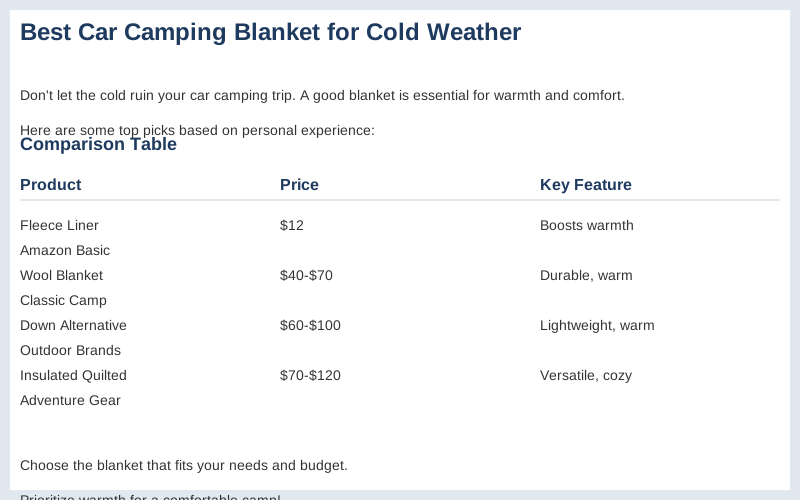
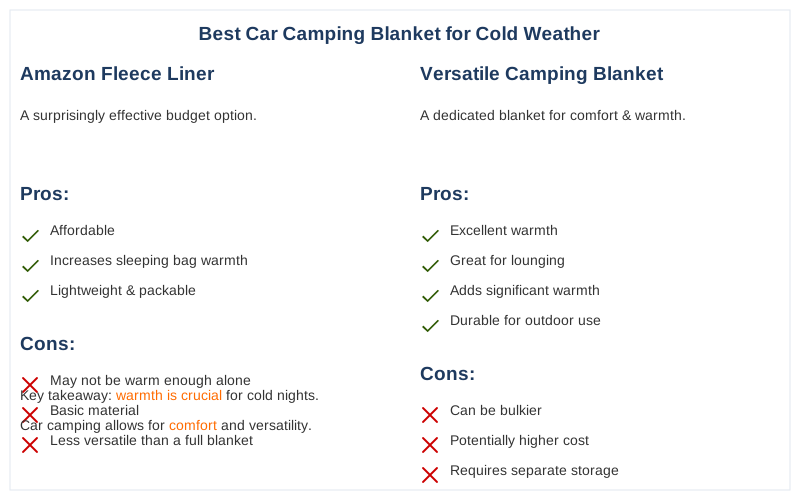
My first car camping trip was a $47 experiment in a Honda Civic hatchback in Shenandoah Valley. Mid-October. I had a Walmart foam pad, a sleeping bag rated to 40F, and zero idea that the temperature drops 15 degrees after midnight in the mountains. By 2AM I was wearing every piece of clothing in my bag and still shivering. The fix was a $12 fleece liner from Amazon that turned my 40F bag into a 25F bag.
Three years later I still use that same liner on every trip.
That shivering night taught me a crucial lesson: warmth is not optional. A good blanket can be the difference between a miserable night and actually enjoying your trip. Forget those fancy guides telling you about 'optimal thermal efficiency' or 'hydrophobic down treatments.' I'm talking about what actually keeps you warm when the mercury drops.
The honest version: you need something that works. Not something that looks good on Instagram. Not something that costs more than your tent. Just warmth. That's the game-time decision you need to make.
I've tried everything from cheap fleece throws to overpriced 'technical' blankets. Some were a rookie mistake, others were surprisingly effective. This isn't about what some expert says is the best camping blanket; it's about what I've personally dragged into the dirt and used to stay warm. CleverHiker and SFGate have their lists, but mine comes with actual frostbite anecdotes.
For car camping, you're not counting every ounce like a backpacker. You have room. Use it for comfort. A blanket adds a layer of versatility that a sleeping bag alone just can't match, especially when you're lounging around the campfire or just need an extra boost of warmth inside your sleeping bag. It's the real move.
Key Features to Consider
When I first started, I thought all blankets were the same. Rookie mistake. After a few cold nights, I learned what actually matters. It's not about the thread count.
| Feature | Why it matters (The Weekend Warrior's Field Notes) |
|---|---|
| Warmth Rating / Insulation Type | A 40F sleeping bag needs backup when it's 25F outside. I learned that in Shenandoah. Down is light and warm, but useless when wet. Synthetic still insulates if it gets damp. Choose based on your climate. Don't be like me, shivering in a Honda Civic. |
| Material (Shell & Fill) | My first cheap blanket felt great until it snagged on everything. Look for ripstop nylon or polyester for the shell. It holds up to actual use, not just looking pretty. Fill can be down or synthetic, each has its trade-offs. Treeline Review emphasizes water resistance, and they're not wrong. |
| Packability / Size | You're car camping, so 'packability' isn't as critical as backpacking. Still, you don't want a blanket that takes up your entire trunk. My first mistake was bringing a regular comforter. It was huge. Now I look for something that compresses reasonably, but not obsessively. |
| Water Resistance | This is what nobody tells beginners: dew. Condensation. Spilled coffee. Your blanket *will* get wet. A DWR (Durable Water Repellent) finish is a game-changer. My cheap fleece blanket was a sponge. Reddit users often praise wool for its warmth even when wet, which is solid advice. |
| Durability | Your blanket will be dragged on the ground, sat on, and probably used as a dog bed. It needs to withstand abuse. Thin fabrics rip. Cheap stitching unravels. Look for robust materials and good construction. My first 'camping' blanket lasted two trips. |
| Versatility (Snaps, Footbox) | Some blankets can snap into a poncho or have a cinched footbox. This is brilliant engineering. It keeps the blanket from sliding off when you're sitting by the fire, or adds extra warmth to your feet in the car. It's not strictly necessary, but it's a nice bonus. |
I wasted too much money on blankets that couldn't handle the real world. Learn from my mistakes. Prioritize function over fancy marketing.
Our Top Picks
Budget vs Premium Options
My first 'camping blanket' was a $15 fleece throw from Walmart. It was a rookie mistake. It soaked up dew like a sponge and offered zero warmth when it actually got cold. You get what you pay for, but you don't always need to spend a fortune.
| Option | The Weekend Warrior's Take |
|---|---|
| Budget-Friendly (Under $75) | This is where I started. You can find decent synthetic puffy blankets or robust wool options here. The Glorsign Outdoor Puffy, for example, is around $31 and CleverHiker rated it highly. I found a similar one for $40 that was good for shoulder season. The key is synthetic fill and a basic ripstop shell. It won't be the lightest or most packable, but it'll keep you warm. My $12 fleece liner was a budget savior for my sleeping bag. |
| Mid-Range ($75 - $150) | This is the sweet spot for most car campers. You start getting better materials, more durable construction, and often some clever features like snaps or a footbox. The Rumpl Original Puffy sits comfortably here, and for good reason. It's the real move for balancing cost and performance. You're paying for better insulation and water resistance that actually works. Outside Online highlights versatility in this range. |
| Premium (Over $150) | Here you're looking at top-tier down blankets, advanced synthetic fills, and features like specialized quilting or incredibly lightweight designs. The Kammok Mountain Blanket is a good example. While excellent, for car camping, some of the benefits (extreme packability, ultralight weight) are less critical. You're paying for marginal gains that might not justify the cost unless you're also backpacking with it. Outdoor Life features several premium options, but don't feel pressured to spend this much. |
My advice: don't cheap out so much that you're miserable, but don't overspend on features you don't need. The $50-$100 range gets you a lot of comfort for car camping. It's about smart choices, not just low prices.
Setup and Installation Tips
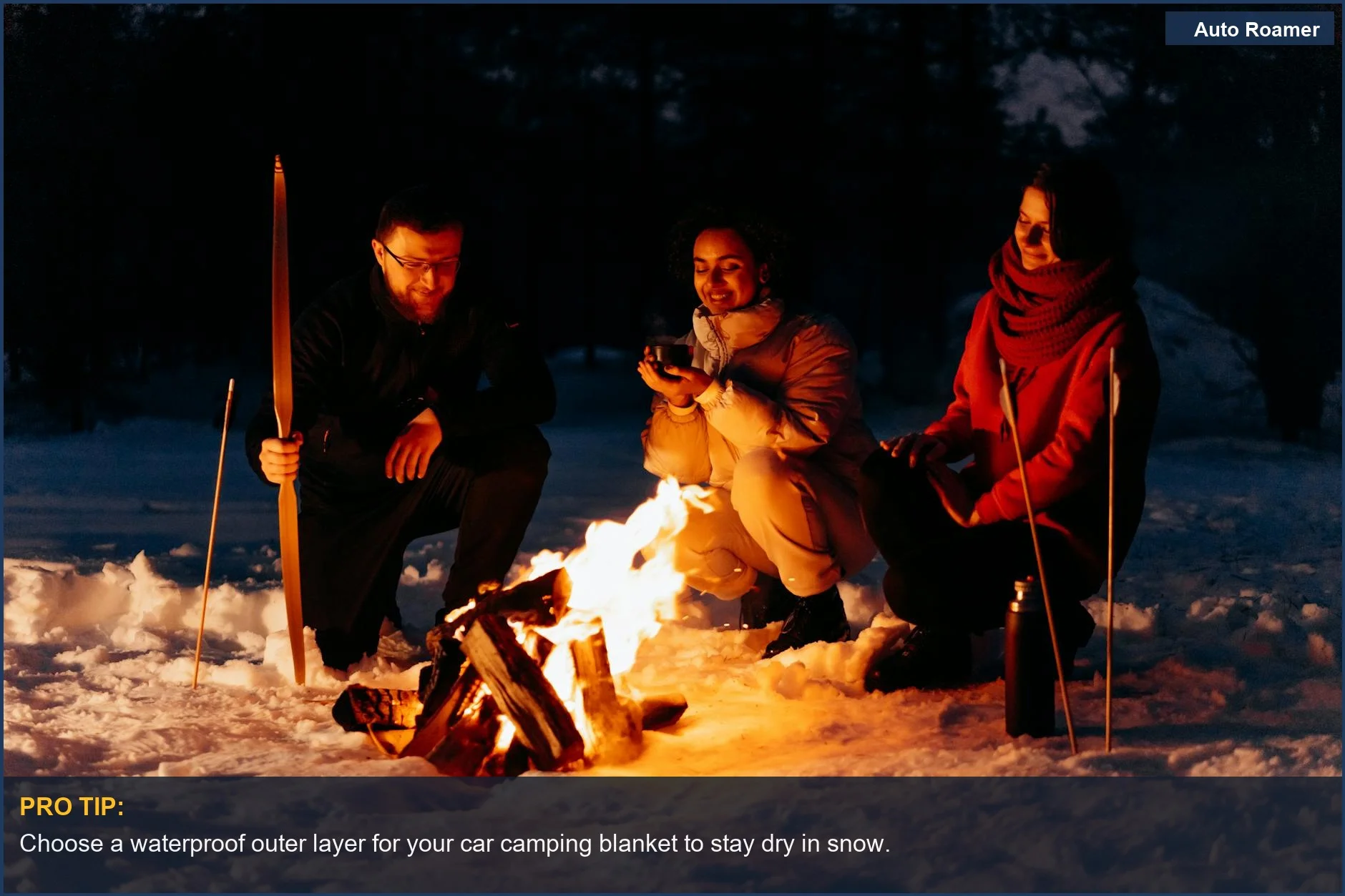
Setting up your sleeping situation in a car is less about 'installation' and more about making sure you don't freeze your butt off. I learned this the hard way after a 28 degrees F night in a Prius V. My biggest rookie mistake was just throwing the blanket over me.
Layer Up Your Base: Before anything, make sure your sleeping pad is insulated. A blanket on its own won't stop the cold coming up from the ground (or car floor). My first foam pad was a $20 investment, and I added a cheap reflective emergency blanket under it for extra insulation. Facebook groups often recommend a wool blanket as a middle layer, which is solid advice.
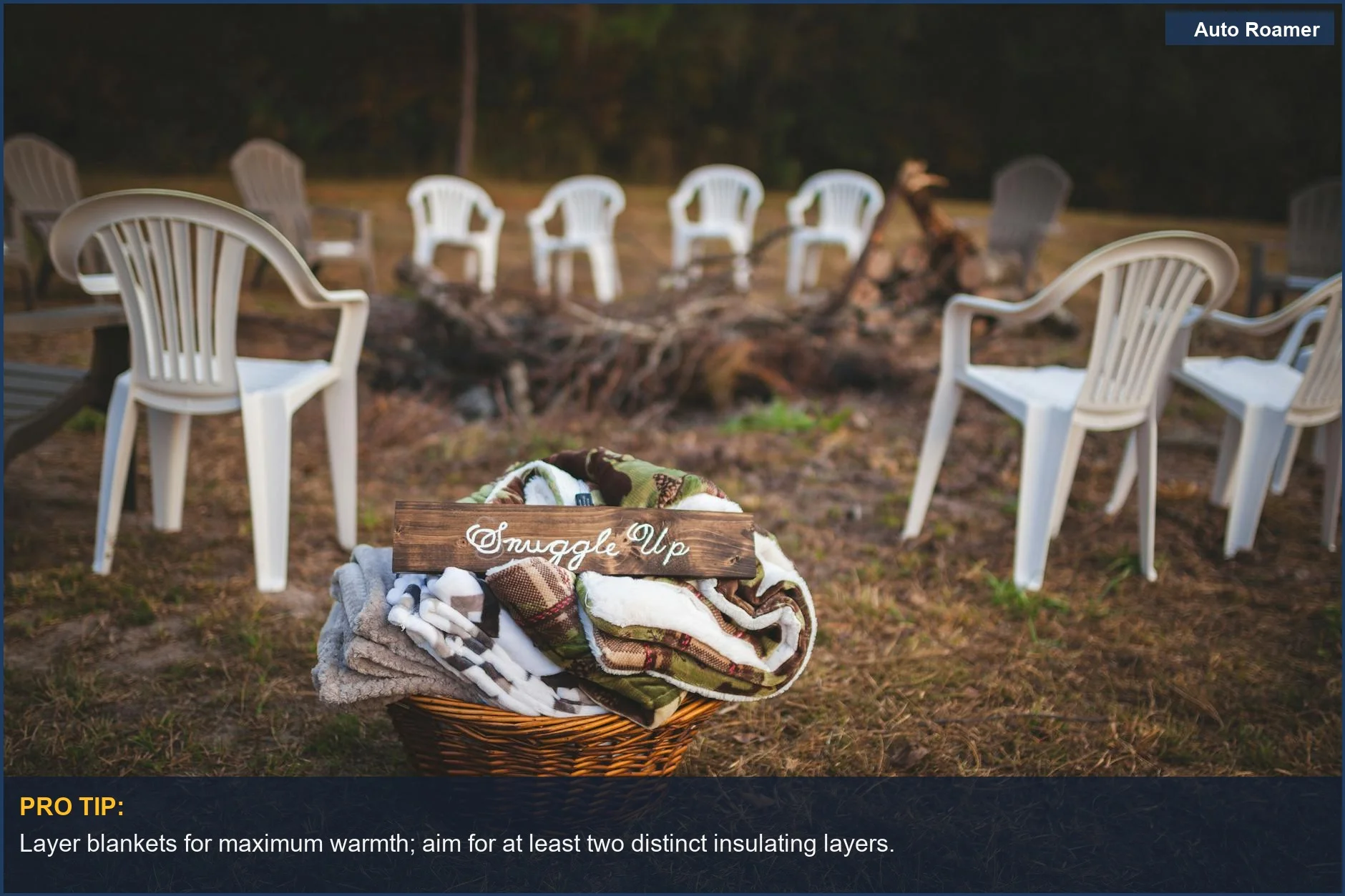
The Sleeping Bag Sandwich: If you're using a sleeping bag and a blanket, make a sandwich. Sleeping pad on the bottom, then you, then your sleeping bag, then the blanket on top. This traps air and creates an extra thermal barrier. I use my blanket inside my sleeping bag if it's really cold, or draped over it for moderate temps.
Eliminate Drafts: This is the real move for cold weather. Cracks around windows, gaps in doors - they're cold air highways. I use reflectix cut to size for my windows. You can also drape your blanket over yourself and tuck it in around the edges of your sleeping area. Even a small draft can make a huge difference, as I found out one windy night in a Honda Element.
Utilize Snaps/Loops (if applicable): If your blanket has snaps or loops, use them. Some blankets can be cinched into a footbox, which prevents cold feet. Others can snap around you like a poncho. This keeps the blanket from sliding off and losing precious heat. Hammock campers know all about drafts, and their quilt designs are brilliant engineering for warmth.
Head Protection: A lot of heat escapes through your head. Wear a warm hat. Seriously. My first night camping, I neglected this and woke up with an ice-cold scalp. A $5 beanie is one of the best investments you can make for cold weather comfort. It's a simple fix for a common rookie mistake.
Care and Maintenance Tips
You dragged your fancy blanket through mud, spilled coffee on it, and probably let your dog sleep on it. Now what? Proper care extends its life and keeps it performing. I've ruined one too many things by just tossing them in the wash with everything else.
Spot Clean Immediately: Don't let spills set. For mud or dirt, let it dry completely, then brush off as much as you can. For liquids, blot immediately with a damp cloth. My first puffy blanket got a coffee stain that became a permanent feature because I waited too long. Rookie mistake.
Washing Down Blankets: This is tricky. Use a front-loading washer (top loaders with agitators can damage down). Use a down-specific soap, not regular detergent. Wash on a gentle cycle with cold water. Dry on low heat with a few tennis balls to re-fluff the down. This can take hours, like 4-6 hours. Be patient. Wilderness Times advises careful washing for down.
Washing Synthetic Blankets: Much easier. Machine wash cold on a gentle cycle with mild detergent. You can use a regular dryer on low heat, but air drying is always safer to prevent melting synthetic fibers. Make sure it's completely dry before storing, or you'll get mildew. Ask me how I know.
Storing Your Blanket: Do NOT store your blanket compressed in its stuff sack long-term. This damages the insulation and reduces its loft over time. Hang it up or store it loosely in a large mesh bag. This maintains the fill's ability to trap air, which is the real move for warmth.
Addressing Odors: If your blanket starts smelling like stale campfire and sweat, a wash will usually fix it. For persistent odors, try adding a cup of white vinegar to the wash cycle. It's a cheap, effective solution that I've used countless times after particularly smoky nights.
Final Recommendations
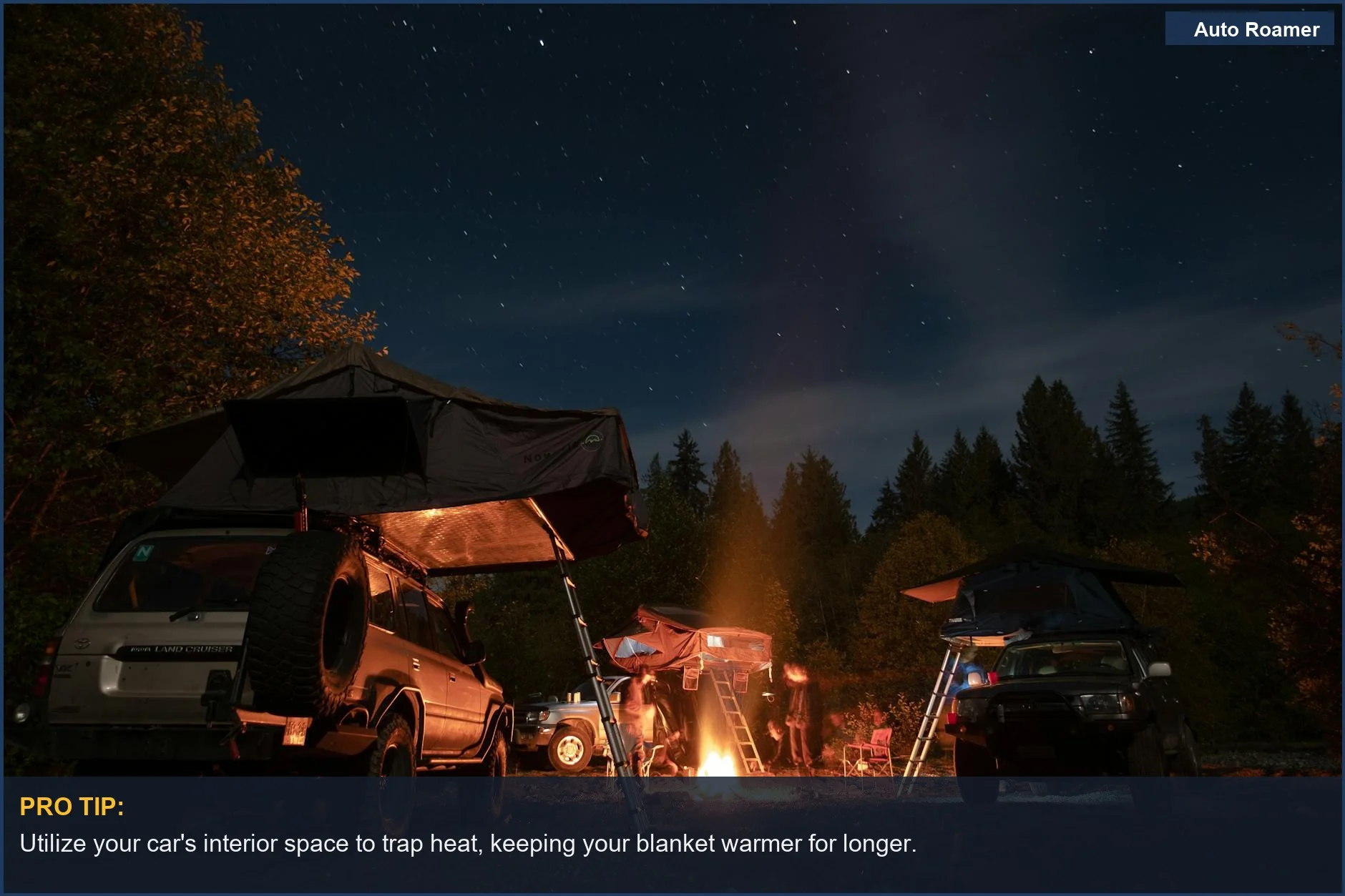
Choosing the best car camping blanket for cold weather isn't about finding the most expensive option or the one with the most tech specs. It's about finding what works for you and your specific camping style. My journey from shivering in a Civic to cozy nights taught me that.
- Prioritize Warmth and Durability: Don't skimp on insulation. Synthetic is generally more forgiving if it gets wet. A ripstop shell will save you from tears and snags. My $12 fleece liner was a game-time decision that paid off for years.
- Consider Versatility: Features like snaps or a footbox can transform a simple blanket into a more effective piece of gear, especially for lounging outside the car.
This is the real move for comfort around the campfire.
- Don't Overpack: You don't need five blankets. One good, warm blanket is better than three flimsy ones. My second trip had half the gear and was twice as comfortable. That's a lesson worth learning early.
- Balance Budget and Performance: You don't need to spend $300. The $75-$150 range offers excellent options that will keep you warm and last for years.
The Rumpl Original Puffy is a solid investment for most. Four Wheel Campers owners often discuss balancing warmth with packability.
- Test It Out: Take your new blanket on a short, easy trip first. See how it performs in real conditions. What works for me in a Subaru might be different for you in a minivan. Learn from your own experiences, not just mine.