The Short Version
My first flat tire on a road trip was 27 miles outside of Ely, Nevada, on a Friday afternoon. No cell service, a spare tire that turned out to be flat itself, and a jack that decided to seize up. It was a rookie mistake, thinking the spare was good to go just because it was there. My emergency kit consisted of a half-eaten bag of chips and a dusty owner's manual.
The honest version: I learned a lot that day about what you actually need when the pavement ends and the panic sets in.
Quick Verdict
- Don't trust your spare blindly: My biggest takeaway from getting stranded near Ely was realizing that the spare tire in my Subaru Outback was just as neglected as the rest of my car's undercarriage. Always check its pressure before a big trip. What nobody tells beginners is that a spare can go flat just sitting there for months.
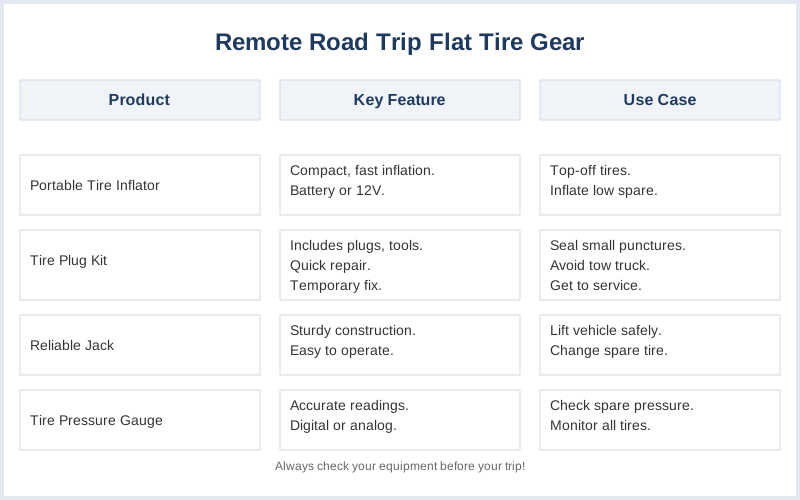
- Portable air is a game-changer: I finally invested in a decent portable tire inflator after that Nevada incident.
It's not just for flats; it's for topping off tires that lose a few PSI on a cold mountain morning. That 10-degree F rule? It's real. My tires dropped 4 PSI on a trip through the Rockies just from temperature changes.
- Tire plug kits aren't just for mechanics: I used to think tire plugs were some black magic only pros could do. Turns out, a basic kit and 15 minutes of YouTube can save you a tow.
I fixed a small nail puncture in a Walmart parking lot in Flagstaff with a $15 kit that included black ropes. It held for another 500 miles until I got a proper patch.
- Roadside assistance is insurance, not a solution: I've had AAA for years, but waiting two hours for a tow truck in a remote area is still two hours. It's good to have, but don't rely on it as your first line of defense.
My Wirecutter research showed that even basic plans have limitations.
- Safety first, always: Reflective triangles and a headlamp are non-negotiable. Trying to flag down help on a dark desert road with just your phone flashlight is a bad idea. My first time, I looked like a glow-worm trying to direct traffic.
What to Look For
When you're staring down a flat tire on some dusty backroad, what you actually need are tools that work the first time, not some flimsy garbage from a 'pre-packaged emergency kit.' Here's the field notes on what matters:
| Feature | Why It Matters (The Weekend Warrior's Take) | Rookie Mistake to Avoid |
|---|---|---|
| Portable Air Compressor Power | Can it actually inflate a truck tire, or just a bicycle? You want something that can hit at least 150 PSI and do it in under 5 minutes for a standard car tire. My cheap one took 20 minutes to get my Civic tire to 30 PSI, which felt like an eternity on the side of I-70. | Buying a mini-compressor that struggles with anything bigger than a sedan tire. Check the CFM (cubic feet per minute) rating. Higher is better. |
| Tire Plug Kit Durability | Those little rubber 'worms' need to be tough enough to jam into a tire without breaking. And the T-handle tools? They need to feel solid, not like they'll snap when you're wrestling with a stubborn puncture. I broke a cheap reamer on my first attempt. | Getting a kit with flimsy plastic handles or low-quality plugs that crumble. You only get one shot at this in the field. |
| Jack Stability & Lift Height | Your car isn't a feather. The jack needs a wide, stable base so it doesn't tip over on uneven ground. And it needs to lift high enough to get your tire completely off the ground, even if you're on a slight incline. My factory jack barely cut it on a gravel pull-off. | Relying solely on the dinky factory jack that came with your car. It's fine for a perfectly flat, paved surface, but real-world conditions are rarely perfect. |
| Lug Wrench Torque | Those lug nuts are TIGHT. You need a wrench with enough leverage to break them loose without you jumping on it. A telescoping lug wrench is the real move here. My first one was a fixed cross-bar, and I nearly threw my back out. | Using the tiny wrench from your factory kit. It's usually too short to give you proper leverage, especially if the nuts were overtightened at the last shop. |
| Lighting (Headlamp vs. Flashlight) | You need both hands free. Period. Trying to hold a flashlight with your teeth while changing a tire in the dark is a special kind of hell. A headlamp means light goes where you look. | Forgetting a headlamp. My emergency kit used to only have a flashlight. Trying to work under a car at night with one hand tied up holding a light is a joke. |
Our Top Picks for Reliable Performance
Look, I've seen enough cheap gear fail at game-time to know that sometimes it's worth spending a few extra bucks. Here are the things I've found that actually hold up when your tire decides to give up.
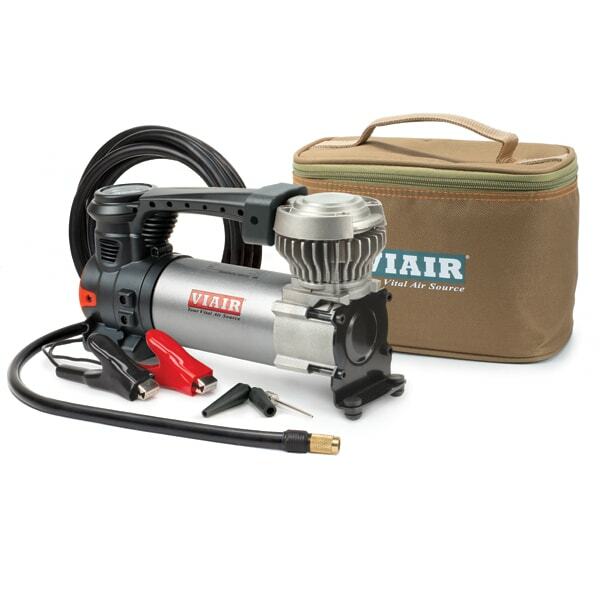
VIAIR 88P Portable Air Compressor (~$80)
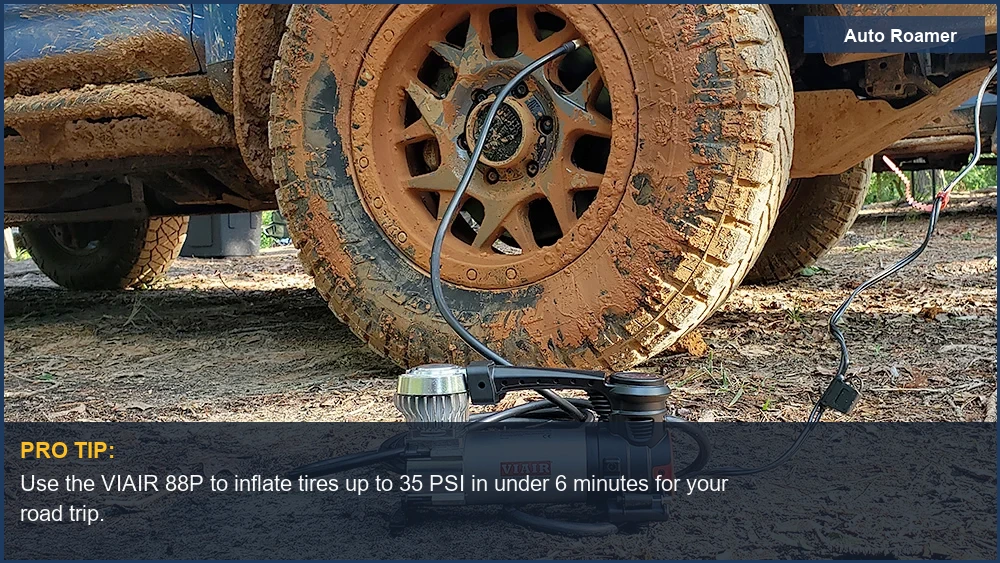
- Key Specs: 12V, 120 PSI max, 1.94 CFM, attaches directly to battery terminals.
- Pros: Inflates a standard car tire in about 3-4 minutes from flat to 30 PSI. It's built like a tank and uses alligator clips, which are way more reliable than a flimsy cigarette lighter plug. My buddy used his to air up his Jeep tires after off-roading, and it never missed a beat.
- Cons: A bit bulky, and the hose could be longer for larger vehicles. No built-in light, which is a minor annoyance if you're working at night.
- Best-for: Anyone with a car, SUV, or light truck who needs reliable, fast air. This is the $80 version of peace of mind.
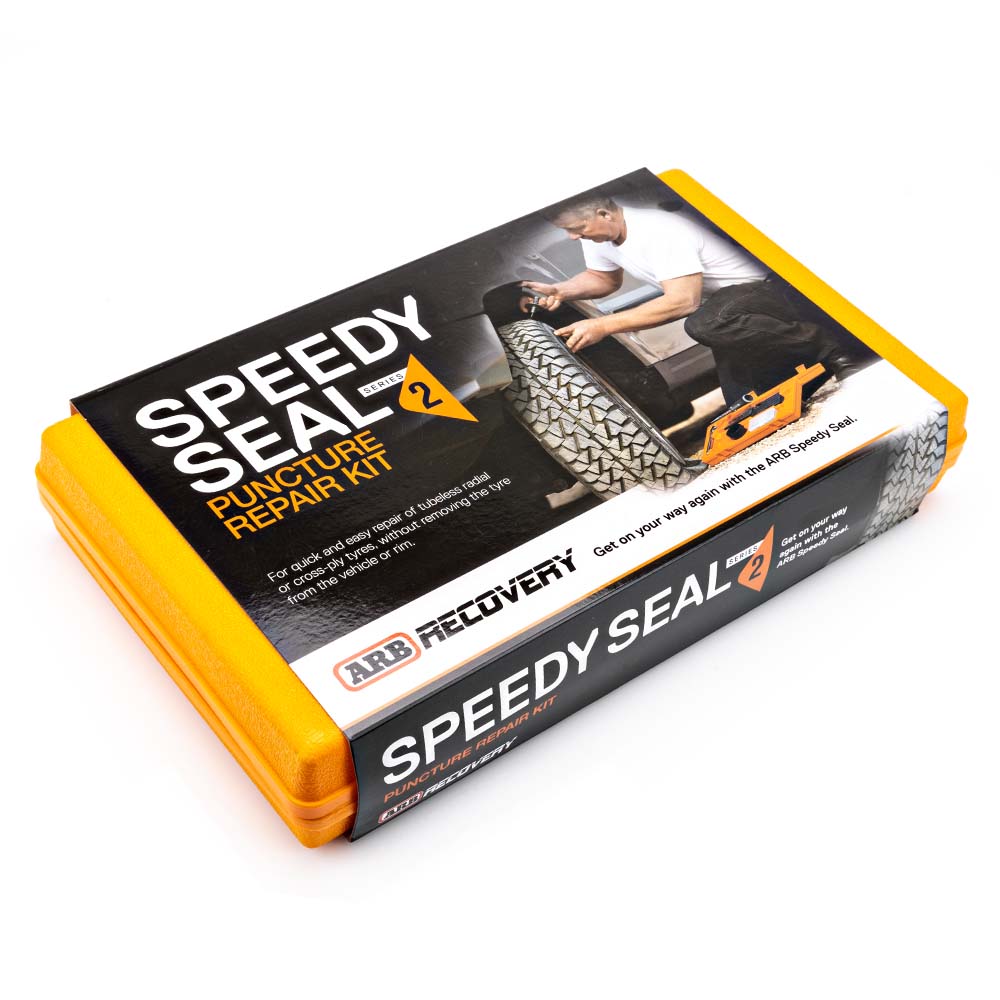
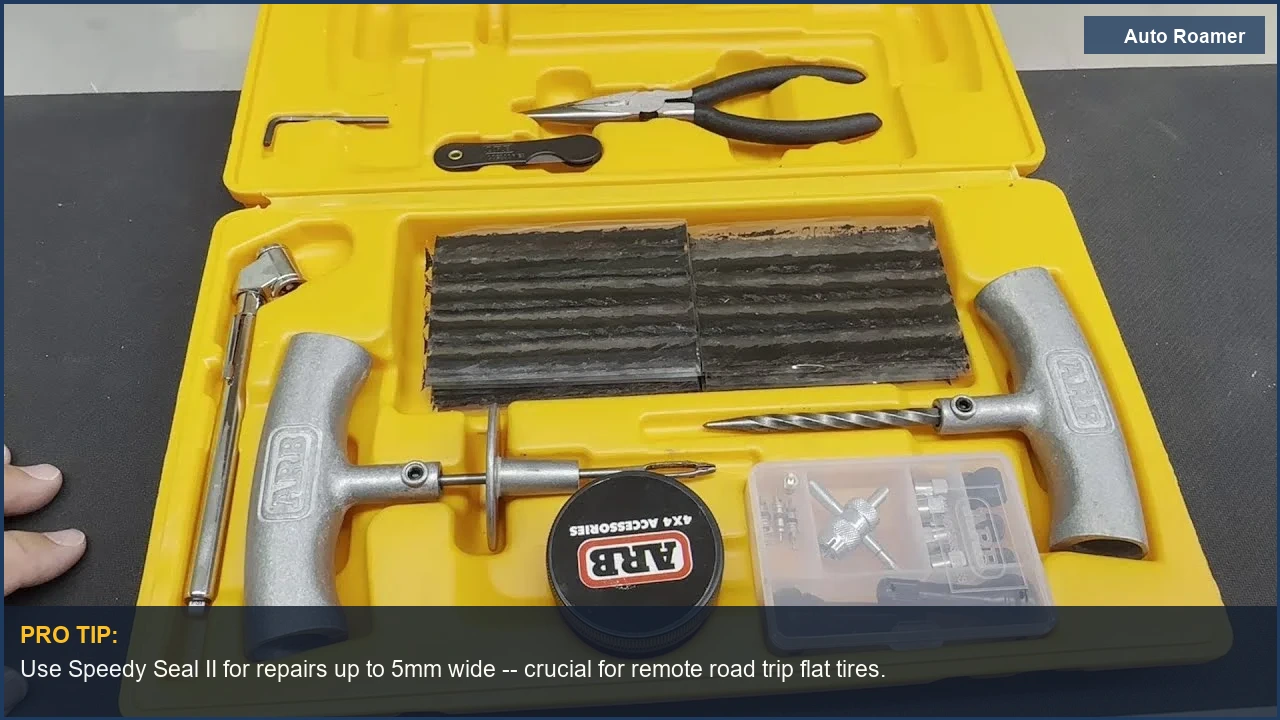
ARB Speedy Seal II Tire Repair Kit (~$65)
- Key Specs: Heavy-duty T-handle reamer and insertion tools, 50 self-vulcanizing repair cords.
- Pros: The tools are solid metal, no plastic to break. The plugs are thick and seal really well. I've heard stories on Facebook groups of these plugs lasting for thousands of miles. My own experience with a similar kit saved my bacon near Zion.
- Cons: More expensive than basic kits. Takes a bit of muscle to use, especially the reamer.
- Best-for: DIYers who want a permanent-ish roadside fix. This is for when you actually want the plug to hold until you get to a tire shop, not just limp home.
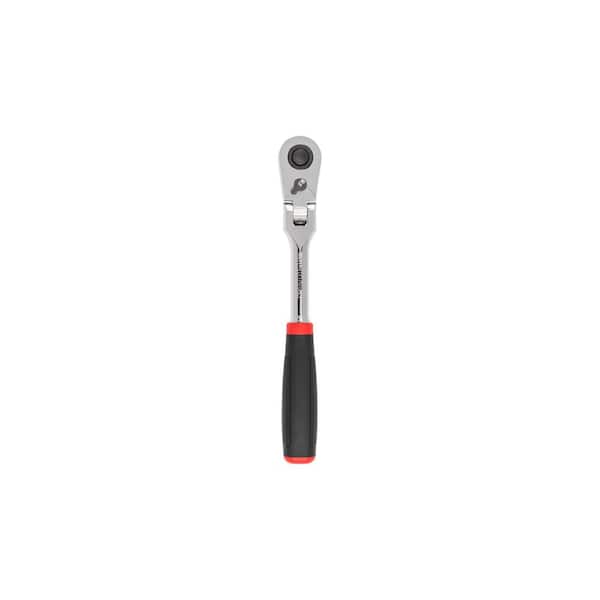
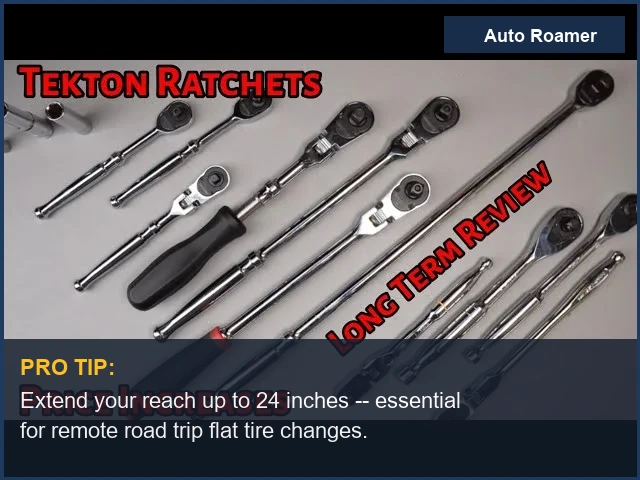
TEKTON 15286 1/2-Inch Drive Extendable Ratchet (~$40)
- Key Specs: Extends from 17 to 24 inches, 72-tooth ratchet mechanism.
- Pros: The extension gives you serious leverage for stubborn lug nuts. The ratchet head means you don't have to keep taking it off and repositioning. This is what nobody tells beginners: leverage is everything.
- Cons: Doesn't come with sockets, so you'll need to buy the right size for your vehicle separately.
- Best-for: Anyone tired of fighting their lug nuts. This turns a struggle into a simple task. My old cross wrench felt like a toy after using one of these.
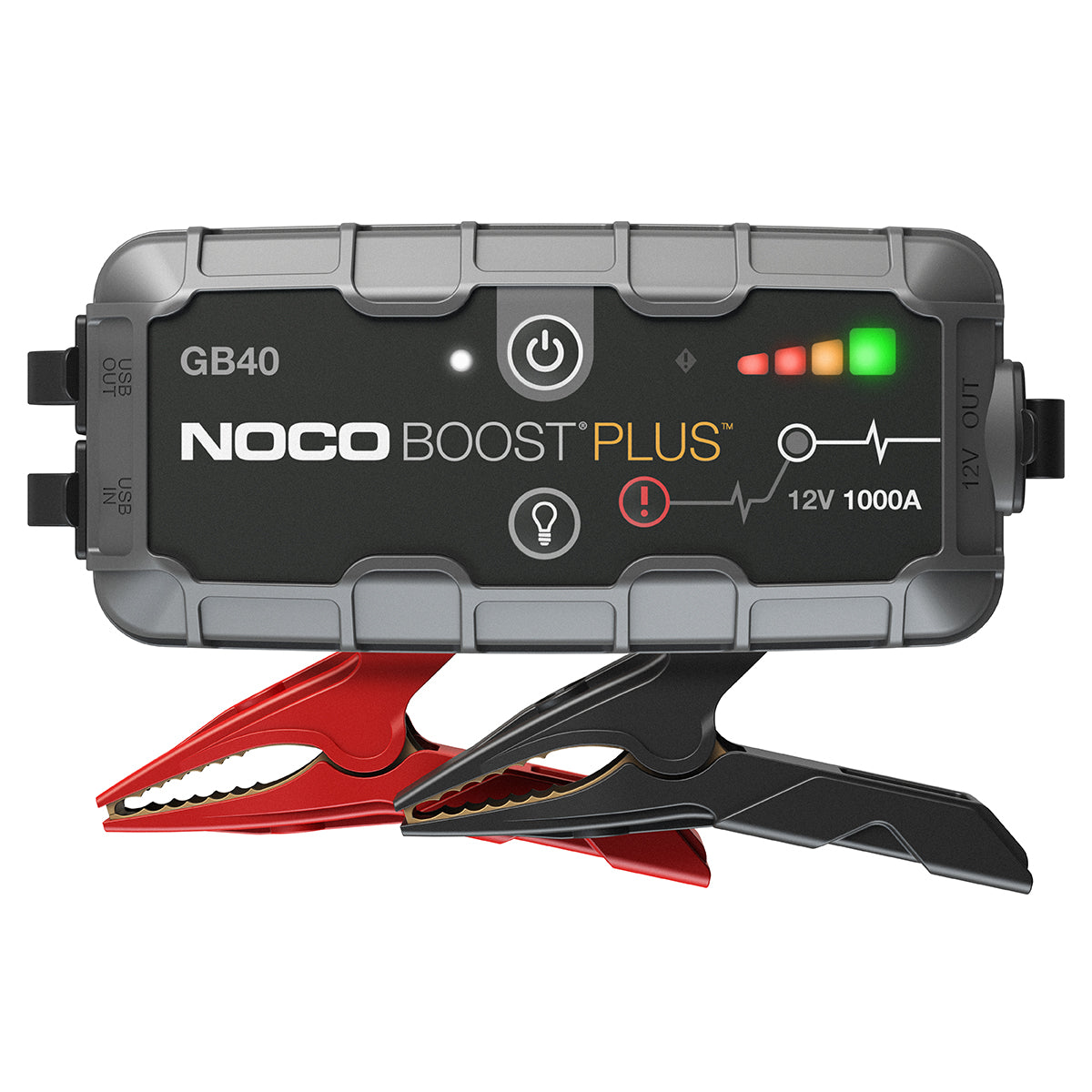
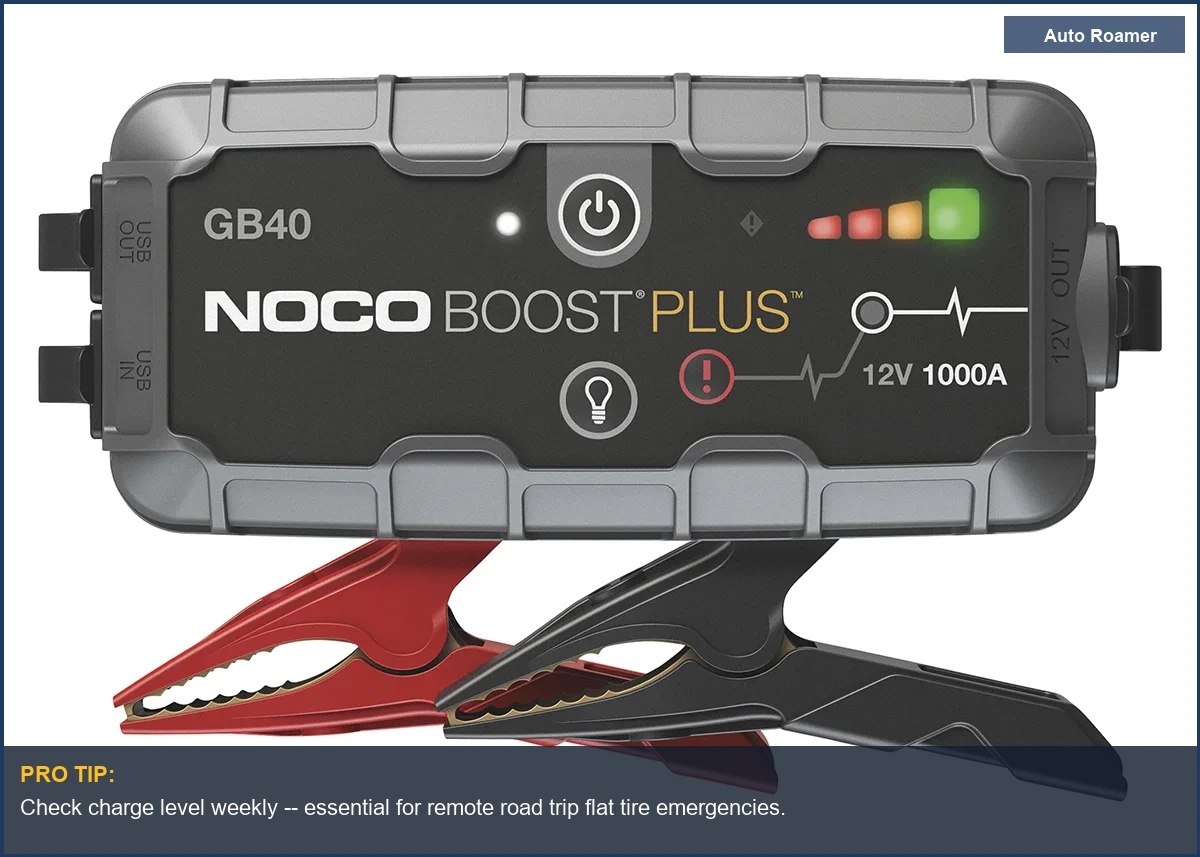
NOCO Boost Plus GB40 Jump Starter (~$100)
- Key Specs: 1000 Amps, for up to 6-liter gas and 3-liter diesel engines, built-in LED flashlight.
- Pros: It's small enough to fit in a glove box but powerful enough to jump-start most vehicles multiple times on a single charge. The flashlight is surprisingly bright. I used mine to jump a stranger's dead battery in a freezing parking lot in Colorado Springs.
- Cons: Needs to be charged periodically to maintain readiness. Doesn't come with a wall charger, just a USB cable.
- Best-for: Every single car owner. A dead battery is almost as common as a flat, and waiting for AAA can take an eternity. This is the ultimate road trip essential for battery issues.
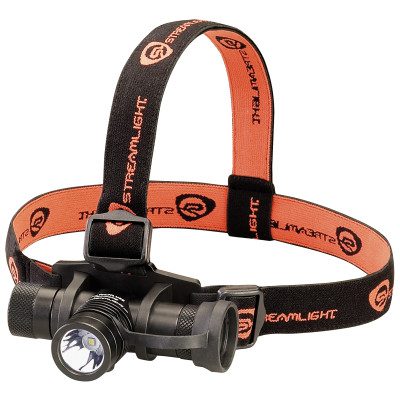
Streamlight ProTac HL-X USB Headlamp (~$75)
- Key Specs: 1000 lumens, USB rechargeable, runs on 2x CR123A or 1x 18650 battery.
- Pros: Super bright, durable aluminum construction. USB rechargeable means no hunting for weird batteries. Having both hands free when you're trying to find a dropped lug nut in the dark is priceless. My cheap headlamp from the hardware store barely put out 100 lumens.
- Cons: A bit heavier than some plastic headlamps. The price is higher than basic models.
- Best-for: Anyone who plans to do anything outdoors after dark, especially if it involves tools. This is a crucial safety item for any emergency kit.
Head-to-Head Comparison
When it comes to road trip gear for managing a flat, you've got options. But not all options are created equal. Here's a quick look at where the rubber meets the road, literally.
| Gear Category | DIY Option (Weekend Warrior Approved) | Professional Service (When You Tap Out) |
|---|---|---|
| Tire Inflation | Portable 12V Air Compressor (~$50-$100): Plugs into your car's power or battery. Can inflate a flat tire in 5-10 minutes. My mechanic friend swears by them. The $50 version will get you by, the $100 version will save you time. | Roadside Assistance (AAA, Car Insurance, etc. ~$5-$15/month): They'll send someone with a compressor or a spare. You wait. Could be 30 minutes, could be 3 hours in the middle of nowhere. |
| Puncture Repair | Tire Plug Kit (~$15-$60): A T-handle reamer, insertion tool, and rubber plugs. Can fix most nail/screw punctures in 15-20 minutes. I've done it in a dusty gravel lot in Arizona, no problem. It's a temporary fix, but it gets you to a shop. | Tire Shop Repair (~$20-$40 per patch): A professional patch is more robust. They'll dismount the tire, patch it from the inside, and remount it. This is the proper long-term fix after your DIY plug. |
| Tire Change | Factory Jack & Lug Wrench (Free, if you have them): Basic tools. The jack might be wobbly, the wrench might be too short. Expect to sweat and curse. My first time, it took me 43 minutes to get the lug nuts off. | Roadside Assistance or Mobile Tire Service (~$50-$100 per call): Someone else does the dirty work. They have proper jacks and power tools. Less hassle, but you're at their mercy for timing. |
| Visibility & Safety | Reflective Triangles/Flares & Headlamp (~$20-$50): Essential for not getting run over. My first night-time flat was a terrifying experience without proper lighting. The Fanttik guide emphasizes this for self-reliant travel. | Emergency Services (Free, in dire situations): For true emergencies, they'll block off traffic. But you don't call 911 because you have a flat tire. That's a rookie move. |
Budget vs Premium: Where Your Money Actually Goes
You can get by with the absolute basics, but there's a point where spending a little more just makes your life easier. Here's where your money actually goes when it comes to flat tire gear.
| Gear Item | Budget Option (~$Price) | Premium Option (~$Price) | The Difference (What You Get) |
|---|---|---|---|
| Tire Inflator | Harbor Freight 12V Compressor (~$20) | VIAIR 88P Portable Air Compressor (~$80) | The budget option might take 15-20 minutes to air up a tire, sometimes overheating. The premium VIAIR will do it in 3-5 minutes, run cooler, and last for years. My cheap one died halfway through airing up my second tire. Congratulations, you saved $60 to be stranded longer. |
| Tire Plug Kit | Basic Auto Parts Store Kit (~$15) | ARB Speedy Seal II Tire Repair Kit (~$65) | The budget kit often has flimsy plastic handles and brittle plugs. The premium ARB kit has heavy-duty metal tools and high-quality, long-lasting plugs. My budget kit's reamer snapped on a particularly stubborn piece of gravel. That's a bad time to learn about tool quality. |
| Jack | Factory Scissor Jack (~$0, if included) | Bottle Jack or Compact Hydraulic Jack (~$40-$80) | The factory jack is slow, wobbly, and only designed for a perfectly flat surface. A hydraulic jack is faster, more stable, and easier to use on uneven ground. My factory jack slipped on a slightly sloped gravel road in upstate New York. Not fun. |
| Lug Wrench | Factory Cross Wrench (~$0, if included) | TEKTON Extendable Ratchet (~$40) | The factory wrench often lacks leverage, making lug nuts a brute-force battle. The extendable ratchet gives you the leverage you need to break loose even overtightened nuts without breaking your back. Outside Online agrees that proper tools make all the difference. |
| Headlamp | Generic LED Headlamp (~$10) | Streamlight ProTac HL-X USB Headlamp (~$75) | The budget headlamp provides weak, inconsistent light and eats batteries. The premium option offers bright, reliable, rechargeable light that genuinely illuminates your workspace. Trying to change a tire with a weak headlamp is like trying to find a black cat in a coal mine. |
The Bottom Line
Look, getting a flat tire on a remote road is never going to be fun. But it doesn't have to be a disaster. My experience near Ely, Nevada, taught me that preparedness isn't about having a 'kit' from Amazon, it's about having reliable tools you know how to use.
- Know Your Gear: Don't just buy it; practice with it. Air up your tires with the compressor, try a plug in an old tire. The first time you use it shouldn't be when you're stranded and panicking.
- Prioritize Accessibility: Keep your flat tire gear in a spot where you can actually get to it without unpacking your entire trunk. My tools used to be buried under camping chairs and a cooler.
- Don't Be Afraid to DIY: A tire plug and a portable inflator can get you out of 90% of flat tire situations. It's empowering to solve your own problems on the road.
- Roadside Assistance is a Backup: It's great to have, but it's not a substitute for self-reliance. My road trip essentials list always includes tools before phone numbers.
- Safety First: Reflective triangles, a good headlamp, and a high-vis vest are cheap insurance against getting hit on the side of the road. Your life is worth more than $30.