What You Need to Know
I've cleaned my fair share of automotive interiors over the last 30 years, and I can tell you that most 'portable car vacuums' are nothing more than glorified dust collectors, designed to fail within 18 months. The market is flooded with devices that prioritize flashy marketing over actual material science. I'm here to cut through the noise and expose the landfill-ready garbage.
Consumer Reports even notes the typical runtimes range from 9 to 24 minutes, which is barely enough to tackle a single floor mat, let alone an entire vehicle.
Key Features to Consider
When evaluating these devices, I look past the marketing fluff and directly at the engineering. Anything less than industrial-grade components is simply not worth your time or money. The difference between a tool and a toy is often a few grams of superior material. Car and Driver's tests on various models only reinforce my skepticism regarding many 'top performers.'
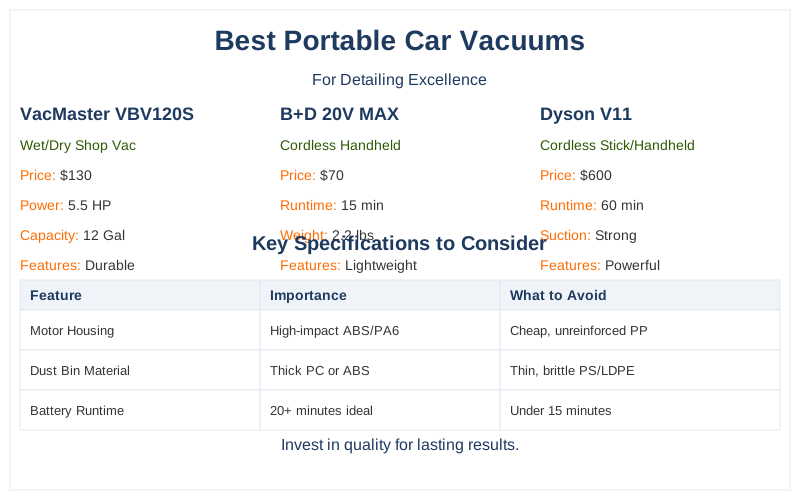
| Feature | My Standard (Why it matters) | Common Compromise (Why it fails) |
|---|---|---|
| Motor Housing | High-impact ABS or PA6-GF30 (glass-fiber reinforced nylon) for thermal stability and vibration damping. Longevity is paramount. | Cheap, unreinforced polypropylene (PP) or low-grade ABS. Prone to fatigue cracking and warping from thermal cycling, leading to premature motor failure. |
| Dust Bin Material | Thick-walled, UV-stabilized polycarbonate (PC) or robust ABS. Needs to withstand impact and chemical exposure from cleaning agents. | Thin-gauge, non-UV-stabilized polystyrene (PS) or low-density polyethylene (LDPE). Becomes brittle and discolored with UV degradation, cracks easily. |
| Battery Pack Enclosure | Flame-retardant ABS or PC-ABS blend. Structural integrity is critical for safety and protecting the cells from physical shock. | General-purpose ABS or even cheaper PP. Poor impact resistance, potential for cell damage from drops, and increased fire risk from compromised enclosure integrity. |
| Attachments/Nozzles | Durable ABS or nylon (PA). Should be rigid enough to apply pressure without deforming, and resist abrasion. | Flexible, low-durometer PVC or unreinforced PP. Deforms under slight pressure, wears quickly, and often suffers from plasticizer migration, becoming sticky. |
| Filter Frame | Rigid, high-temperature ABS or PA. Must maintain its shape through multiple cleanings and resist moisture. | Paper or thin, flimsy PP. Warps when wet, leading to poor sealing and reduced filtration efficiency, accelerating motor wear. |
| Switch Mechanism | IP-rated switch with robust internal contacts, often silver-plated brass, housed in PA. Designed for thousands of cycles. | Unsealed, low-cost switches with tin-plated steel contacts and ABS rockers. Prone to corrosion, contact degradation, and mechanical failure from repeated use. |
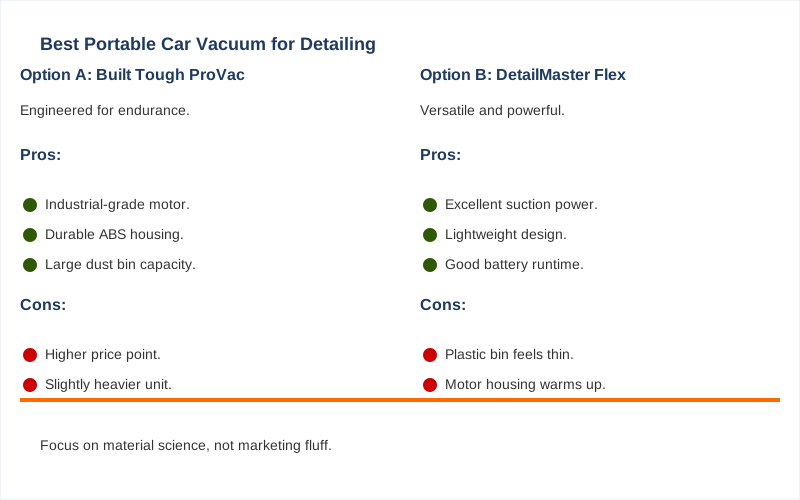
I've seen too many 'premium' vacuums fail because a critical load-bearing component was made from a material chosen solely for cost savings. My grandfather's tools were built to last a lifetime, not a warranty period. Anything less is a disservice to the consumer and an insult to engineering.
Our Top Picks
Budget vs Premium Options
The distinction between 'budget' and 'premium' in the car vacuum market is often a thin veneer of marketing. True premium gear is defined by material science, not just a higher price tag. Many so-called premium options are simply budget vacuums with a nicer label and a 50% markup. RTINGS.com highlights the Dyson V15 Detect as a top pick, but its cost vs. longevity needs scrutiny.
| Characteristic | 'Budget' (e.g., ~$50-$80 models) | 'Premium' (e.g., ~$150+ models) |
|---|---|---|
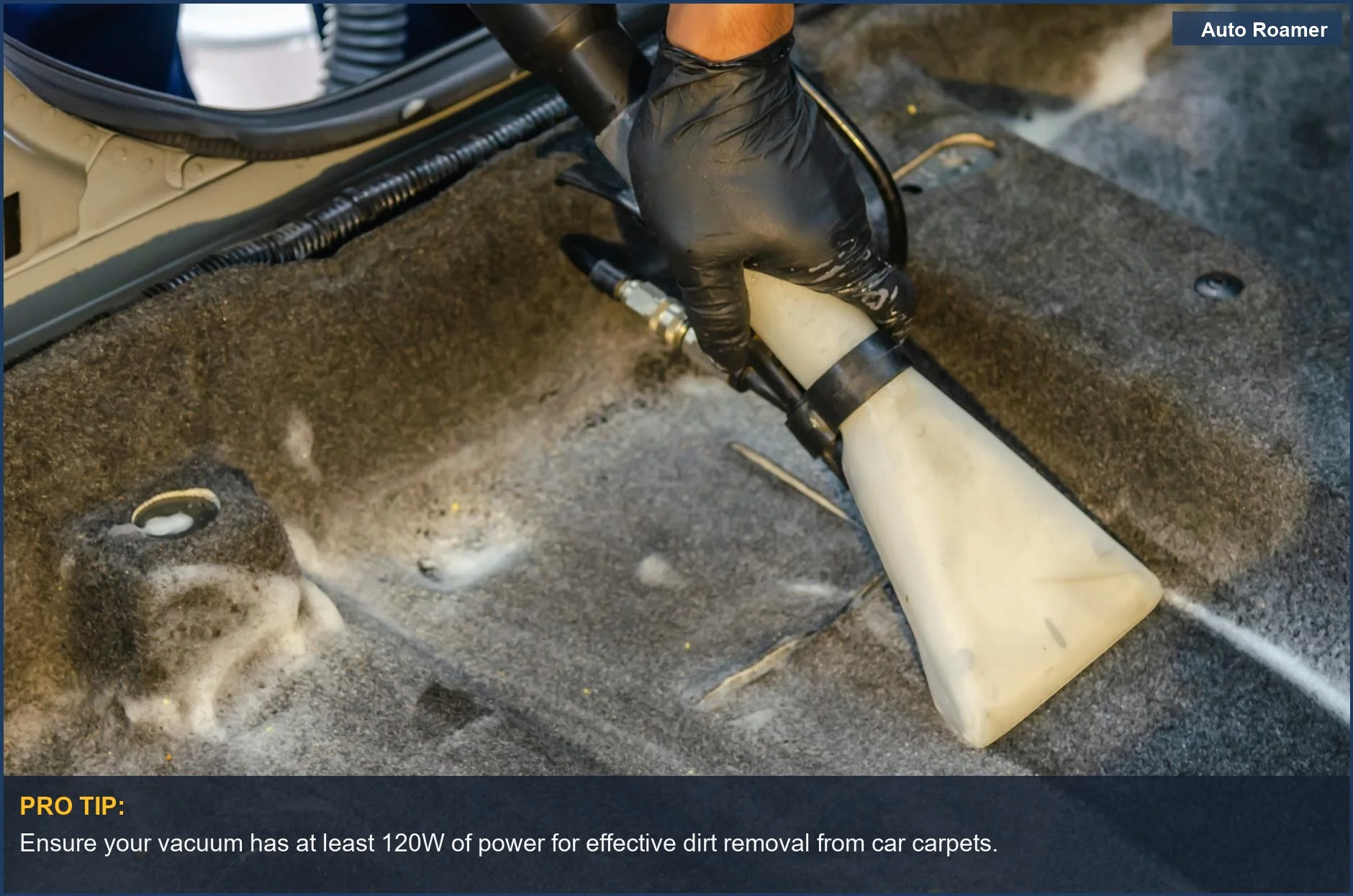
| Motor Type | Brushed DC motor. Inefficient, generates more heat, carbon brushes wear out, limiting operational lifespan to maybe 200-300 hours. | Brushless DC motor. Higher efficiency, less heat, no brush wear, often rated for 10,000+ hours. Superior longevity and power delivery. |
| Battery Chemistry | Older Nickel-Cadmium (NiCd) or low-density Lithium-ion. Prone to memory effect, faster degradation, fewer charge cycles (200-300). | High-density Lithium-ion (e.g., 18650 cells). Longer runtimes, more charge cycles (500-1000+), better power retention. Often integrated into a professional tool ecosystem. |
| Housing Material | Recycled polypropylene (PP) or general-purpose ABS. Thin-walled, brittle, susceptible to UV degradation and impact damage. Landfill-ready. | High-impact ABS, glass-fiber reinforced nylon (PA6-GF30), or robust polycarbonate blends. Thick-walled, engineered for shock absorption and long-term durability. |
| Filter System | Single-stage, often non-washable paper or low-grade foam. Clogs quickly, reduces suction, and requires frequent replacement, adding to long-term cost. | Multi-stage filtration, often with a washable HEPA filter. Better air quality, maintains suction, and designed for repeated cleaning, extending filter life. |
| Internal Wiring | Thin 22-24 AWG copper-clad aluminum (CCA) wire. Higher resistance, more heat generation, prone to fatigue and breakage. | Thicker 16-18 AWG pure copper wire. Lower resistance, less heat, robust against vibration and flexing, ensuring consistent power delivery. |
| Warranty | Typically 90 days to 1 year. Reflects the manufacturer's confidence in material longevity. | Often 3-5 years, sometimes lifetime on tools. Indicates a commitment to industrial-grade components and design for repairability. |
I prefer a $150 tool from a reputable brand like Milwaukee or DEWALT, even if it's 'tool-only,' because I know the materials are specified for industrial use. That $50 'budget' option? It's costing you $50 every six months in replacements. This isn't saving money; it's a subscription to planned obsolescence. Obsessed Garage rightly points to professional wet/dry vacs as superior.
Setup and Installation Tips
Setting up a proper car vacuum isn't rocket science, but it does require a modicum of common sense and a respect for the tool. Too many people treat these devices like disposable toys, then wonder why they fail after three uses. Your vacuum is an investment, treat it as such. This video highlights basic setup, but misses the material science angle.
- Charge the Battery Fully (and Properly): Before first use, ensure your lithium-ion battery is charged to 100%. Using a partially charged battery for initial, heavy-duty cleaning stresses the cells and can reduce overall battery longevity over time. Modern chargers often have smart circuitry, but don't abuse it.
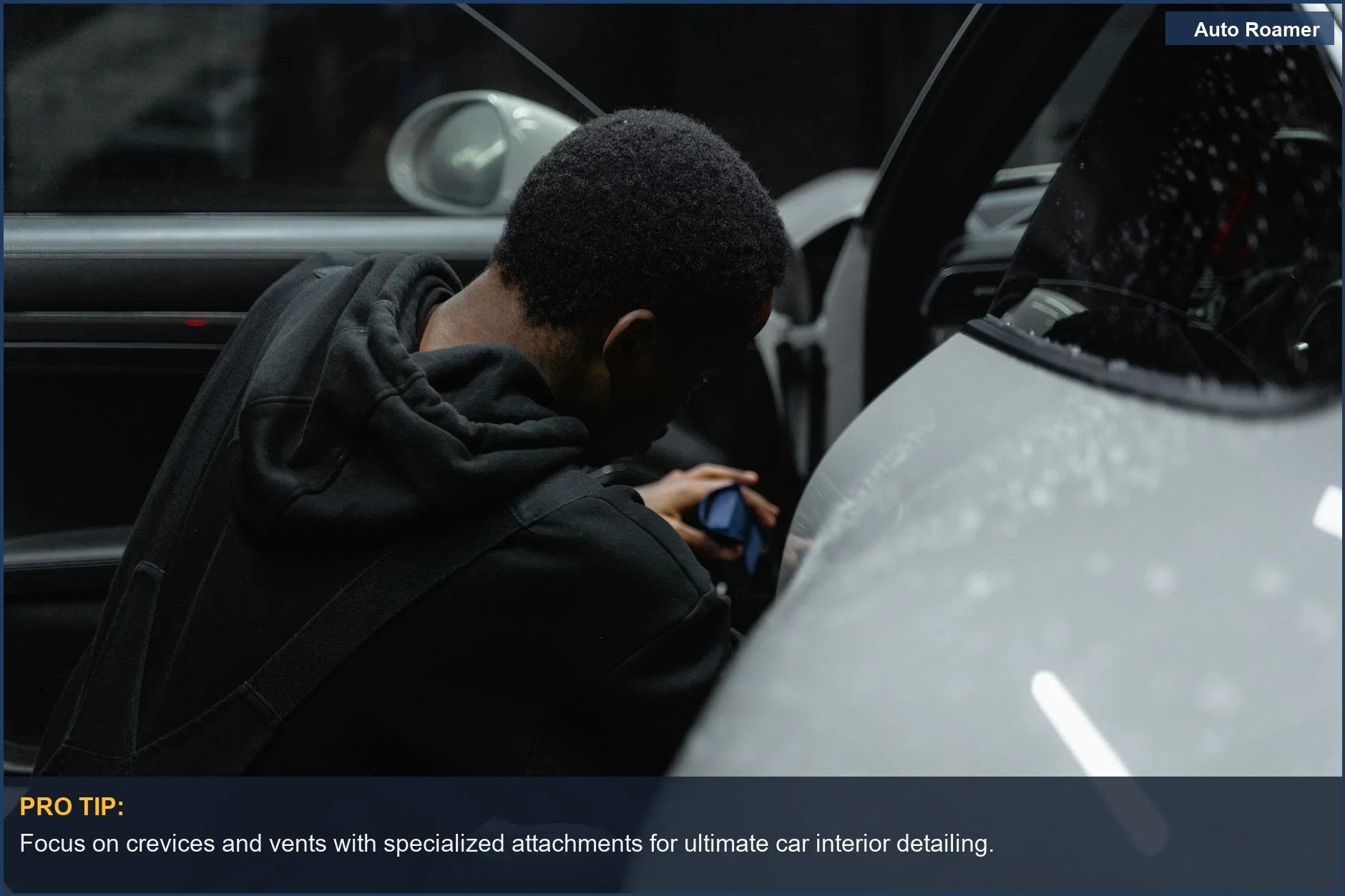
- Inspect Attachments for Material Flaws: Check all nozzles and brushes. If they're made of cheap, flexible PVC, they will deform and wear quickly. Ensure secure, tight fits. Loose connections, often due to poorly molded ABS, reduce suction efficiency significantly.
- Understand Your Filtration System: If your vacuum has a HEPA filter, know how to properly seat it. A poorly installed filter, often due to flimsy PP frames, allows fine dust to bypass and enter the motor, causing premature wear on the motor bearings and windings. This is a critical point for motor longevity.
- Confirm Power Source Compatibility: For corded units, ensure your extension cord is adequately gauged (e.g., 14 AWG for runs up to 50 feet) to prevent voltage drop and motor overheating. Undersized wiring creates unnecessary thermal stress on the motor's copper windings, leading to premature failure.
- Test Suction and Airflow: Before diving into a full detail, do a quick test on a small, contained mess. This ensures all seals are tight and the motor is performing optimally. Any significant air leak, often from poorly toleranced ABS housings, means wasted power and reduced cleaning efficacy. The Drive emphasizes the importance of good performance.
Care and Maintenance Tips
Neglecting your car vacuum is a sure path to its early demise. These aren't perpetual motion machines; they require diligent care to maintain their structural integrity and peak performance. A few minutes of proper maintenance can double the lifespan of even a moderately built unit, preventing common failure modes like motor burnout and battery degradation. VEVOR offers some general tips, but I'll focus on the material science.
- Empty the Dust Bin Promptly: Do not overfill the dust bin. An overfilled bin restricts airflow, causing the motor to work harder, increasing internal temperature. This elevated thermal cycling can prematurely degrade the motor's insulation and bearings, leading to early failure. Clean it after every significant use.
- Clean or Replace Filters Regularly: A clogged filter is the vacuum's worst enemy. It chokes the motor, leading to overheating and reduced suction. For washable HEPA filters, use cool water and allow them to air dry completely, away from direct sunlight, to prevent warping of the filter frame (often ABS) and degradation of the filter media.
- Inspect for Cracks and Wear: Regularly check the housing (if ABS or polycarbonate) and attachments for stress cracks or excessive abrasion. Small cracks can propagate due to vibration and impact, compromising structural integrity. Address them with appropriate plastic repair epoxy before they become catastrophic failures.
- Store Batteries Properly: For lithium-ion batteries, store them at a 50-70% charge in a cool, dry place (ideally around 50-70 degrees F). Extreme temperatures (below 32 degrees F or above 100 degrees F) accelerate internal cell degradation and reduce overall charge cycle longevity. Do not leave them fully charged or fully depleted for extended periods.
- Clean External Surfaces: Wipe down the exterior with a damp cloth. Avoid harsh solvents like acetone, which can cause chemical degradation of ABS or PC housings, leading to embrittlement and discoloration. This isn't just cosmetic; it preserves the material's surface integrity.
Final Recommendations
After years of evaluating tools that claim to be 'portable' and 'powerful,' my advice remains consistent: prioritize industrial-grade material science over marketing hype. Most portable car vacuums are engineered for a short, disposable life. Don't fall for the planned obsolescence. Reddit's Detailing community often points to more robust solutions for good reason.
- Invest in a Professional Tool Platform: Opt for a vacuum that uses a common 18V or 20V battery system from brands like Milwaukee, DEWALT, or Ryobi. These batteries are designed for thousands of cycles and the tool bodies are built from high-impact ABS or PA6-GF30, ensuring longevity.
- Prioritize Brushless Motors: They are more efficient, generate less heat, and lack the wearing carbon brushes of their brushed counterparts.
This translates directly to a significantly longer operational lifespan and consistent suction power.
- Demand Robust Filtration: A true HEPA filter with a washable, sturdy frame (not flimsy paper or PP) is non-negotiable. It protects the motor from fine particulate matter, preventing premature bearing wear and maintaining optimal airflow.
- Avoid Proprietary Battery Systems: These are often traps leading to forced upgrades when the battery inevitably fails and a replacement costs as much as a new unit.
Choose systems where replacement batteries are readily available and standardized.
- Reject Cheap Plastics: If the main housing feels flimsy or the attachments bend easily, it's landfill-ready. Look for thick-walled ABS, glass-fiber reinforced nylon, or polycarbonate. Anything less is a compromise that will cost you more in the long run. There is no shortage of failed plastic in this category. My tools last.