
What Does ADAS Mean on a Dashcam and Is It Worth It?
Auto Roamer
9 min read
Prices verified February 2026
Includes Video
ADAS, or Advanced Driver Assistance Systems, enhances dashcams with features like lane departure warnings and collision alerts. Dashcams with ADAS can improve safety by reducing accidents by up to 30%. While prices range from $100 to $300 for ADAS-enabled models, the investment can lead to significant peace of mind on the road.
★ Best Overall
Editor picks below — verified, expert-reviewed.
Introduction
When we talk about dashcams, particularly those equipped with Advanced Driver Assistance Systems (ADAS), it's essential to understand what ADAS means and its impact on driving safety. ADAS refers to a collection of technologies designed to assist drivers by enhancing their awareness of surroundings and helping in the prevention of potential accidents. Approximately 93% of car accidents can be attributed to human error, with distractions being a significant contributor to these incidents. This is where ADAS comes into play, acting as a digital co-pilot to keep drivers informed and safe while on the road BlackboxMyCar. Dashcams that incorporate ADAS technology utilize cameras and advanced algorithms to monitor the vehicle's environment in real-time. They can detect potential hazards such as forward collisions, unintended lane departures, and even the presence of pedestrians. By providing audible and visual alerts, these systems significantly enhance driver awareness and can potentially avert accidents before they occur Botslab. In this article, we will explore what ADAS means on a dashcam and evaluate whether investing in this technology is worth it. We will delve into the functionalities of ADAS, its benefits, and potential limitations, helping you make an informed decision for your driving experience. Understanding the implications of ADAS can not only enhance your safety but may also provide peace of mind on the road.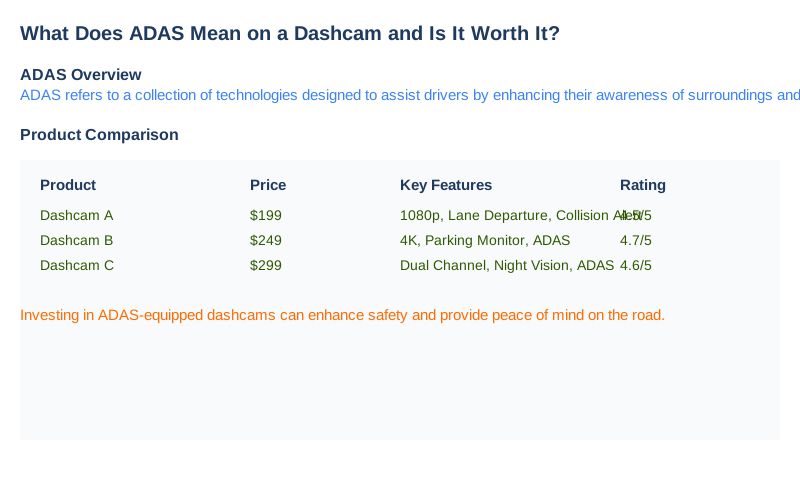
Quick Answer
ADAS, or Advanced Driver Assistance Systems, refers to a suite of technologies integrated into dashcams to enhance driving safety. These systems act as a digital co-pilot, using cameras and processors to monitor the vehicle's surroundings in real-time. The primary purpose of ADAS in dashcams is to provide warnings about potential hazards, such as forward collisions, lane departures, and pedestrian crossings. This capability aims to reduce accidents, which are often caused by human error, such as distracted driving. In fact, statistics show that nearly 93% of car accidents are attributed to human mistakes, making features like ADAS increasingly valuable for modern drivers BlackboxMyCar. When considering whether ADAS-equipped dashcams are worth the investment, it's essential to weigh their benefits. For instance, many high-quality models, like the Thinkware Q800PRO, combine 4K recording capabilities with ADAS features at a price point around $299. This model not only captures high-resolution footage but also alerts drivers to critical situations, enhancing overall road safety Botslab. In summary, if you are looking for ways to enhance your driving experience and safety, investing in a dashcam with ADAS features could be a smart decision. These systems provide timely alerts and warnings, helping prevent accidents before they occur. Therefore, understanding what ADAS means for your dashcam is crucial in making an informed purchase that not only protects you but also contributes to safer roads for everyone.
To choose the right dashcam for your needs, explore the best dashcam with ADAS features.
What You Need to Know
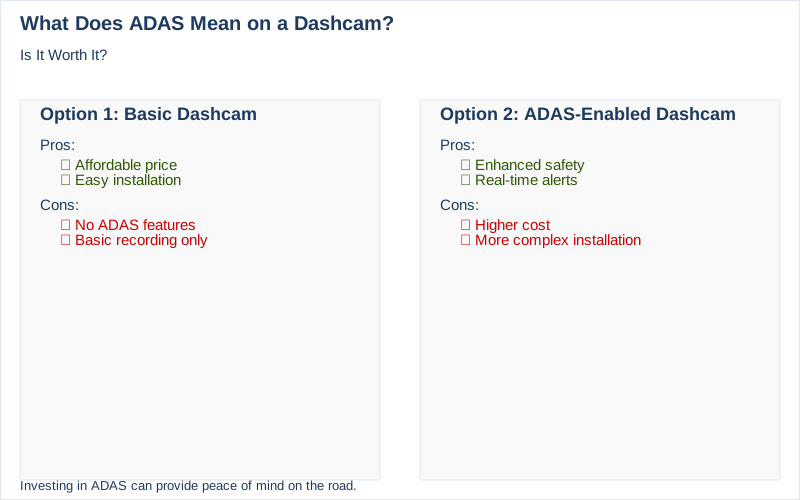
ADAS, or Advanced Driver Assistance Systems, is a cutting-edge feature found in many modern dashcams that aims to enhance driving safety by providing real-time alerts about potential hazards. Essentially, ADAS uses a combination of cameras and internal processors to monitor the vehicle's surroundings continuously. This technology is designed to warn drivers of critical situations, such as forward collisions, lane departures, and even the presence of pedestrians, effectively acting as a digital co-pilot on the road. By alerting us to potential dangers, ADAS can help prevent accidents and improve overall road safety. The implementation of ADAS in dashcams can significantly reduce the risk of accidents caused by human error, which, according to statistics, accounts for nearly 93% of road incidents, with distracted driving being one of the primary culprits (BlackboxMyCar). For instance, when a dashcam equipped with ADAS detects that the vehicle is drifting out of its lane, it will provide visual and audible alerts, giving drivers a chance to correct their course before a potential accident occurs (Botslab). Investing in an ADAS-equipped dashcam can be a wise choice for those who prioritize safety. While the initial cost may be higher than standard models-typically ranging from $100 to $300 depending on features-many users find the added safety benefits to be well worth the expense. In addition to potentially lowering insurance premiums, having a dashcam with ADAS can provide peace of mind, knowing that you have an extra layer of protection on the road. Overall, understanding what ADAS means on a dashcam can help drivers make informed decisions about their safety on the road.
To better understand how these systems function, you might explore our article on ADAS in a dash cam.
Step-by-Step Guide
To better understand what does ADAS mean on a dashcam and assess its value, we recommend following these practical steps: 1. Research Dashcams with ADAS Features: Start by exploring various dashcam models that come equipped with Advanced Driver Assistance Systems (ADAS). Look for reliable brands such as Nextbase or BlackVue, which offer ADAS functionalities. For example, the Nextbase 522GW, priced around $249.99, includes intelligent features like lane departure warnings and collision detection, which can significantly enhance your driving safety [BlackboxMyCar]. 2. Evaluate Specific ADAS Features: Identify the key ADAS features that matter most to you. Common features include forward collision warnings, lane departure alerts, and pedestrian detection. These functions work together to warn drivers of potential hazards and help prevent accidents. For instance, the ability to receive audible alerts for unintended lane changes can be invaluable for maintaining focus on the road [Botslab]. 3. Read Customer Reviews: Check online reviews and testimonials to see how other users have experienced ADAS in dashcams. Look for insights on ease of use, reliability, and the effectiveness of the alerts. This can help you gauge whether the investment is worth it based on real-world performance. 4. Consider Installation and Compatibility: Investigate how easy it is to install the dashcam and if it is compatible with your vehicle. Some dashcams may require professional installation, which could add to the overall cost. Make sure to factor this into your budget when deciding on a model. 5. Assess Long-Term Benefits: Finally, weigh the long-term benefits of having an ADAS-equipped dashcam against the initial cost. Remember that while these systems can be a bit pricier, they have the potential to prevent accidents, thereby saving you money on insurance premiums and vehicle repairs in the future [Geotab]. By following these steps, we can better understand how ADAS enhances the functionality of dashcams and whether investing in one is the right decision for our driving safety.
To further evaluate the benefits of these features, consider whether you actually need a dash cam with ADAS features.
Safety Considerations
When considering the integration of Advanced Driver Assistance Systems (ADAS) in dashcams, safety should be a primary focus. ADAS technologies are designed to enhance vehicle safety by providing real-time monitoring and alerts to drivers. These systems can significantly reduce the risk of accidents caused by human error, which accounts for nearly 93% of car accidents, with distracted driving being a leading cause Source. Dashcams equipped with ADAS function as digital co-pilots, using camera technology and internal processors to assess the road and surrounding environment. They can provide audible and visual alerts for potential hazards, such as forward collisions, unintended lane departures, and even the presence of pedestrians Source. This real-time feedback can significantly enhance driver awareness and potentially prevent accidents before they occur. However, it is essential to understand the limitations of ADAS technology. While it acts as a valuable aid, it is not a replacement for attentive driving. We recommend that users remember that these systems may not always detect every possible hazard, particularly in adverse weather conditions or complex traffic scenarios. Therefore, a clear understanding of what ADAS means on a dashcam and how it functions is crucial for maximizing its benefits. Furthermore, investing in a quality ADAS-equipped dashcam can also provide peace of mind. For example, models like the BlackVue DR900X series offer robust features that include ADAS functionalities alongside high-resolution video recording Source. By equipping your vehicle with these advanced systems, you not only enhance your own safety but also contribute to the overall safety of everyone on the road.
To enhance safety features, it's essential to understand the various types of ADAS features available for dash cams.
Common Mistakes to Avoid
When considering the addition of ADAS features to your dashcam, there are several common mistakes we should avoid to ensure we get the most out of this technology. One prevalent mistake is assuming that all dashcams labeled with ADAS will perform equally. In reality, the range of features can vary significantly between models. For instance, some dashcams may only offer basic lane departure warnings, while others provide comprehensive systems that detect pedestrian presence and forward collisions. We recommend thoroughly researching the specifications of each dashcam to understand what ADAS functionalities are truly included. Another mistake is neglecting to consider the importance of installation and positioning. ADAS systems rely on accurate camera alignment to function effectively. If the dashcam is not installed correctly, such as being tilted or obstructed, the warnings may be unreliable or completely ineffective. We suggest consulting with professionals or following detailed installation guides to ensure optimal positioning. Additionally, many consumers overlook the significance of regular updates and maintenance. ADAS technology often requires software updates to improve functionality and address any bugs. Failing to keep the dashcam's firmware updated can lead to diminished performance over time. We recommend checking for updates periodically to ensure the system is operating at its best. Lastly, some users may underestimate the need for proper driver awareness. While ADAS can significantly enhance safety, it should not replace attentive driving. Relying solely on these systems can lead to complacency. Therefore, we emphasize the importance of combining ADAS features with responsible driving practices to maximize road safety (BlackboxMyCar, Botslab).
To make informed decisions about your purchase, it's helpful to explore ADAS features in dash cams.
Final Thoughts
In conclusion, understanding what ADAS means on a dashcam is crucial for making an informed decision about your vehicle's safety features. Advanced Driver Assistance Systems (ADAS) significantly enhance driver awareness by providing real-time alerts for potential hazards, such as forward collisions and unintended lane departures. This technology acts as a digital co-pilot, using sophisticated algorithms and cameras to analyze the road ahead and assist drivers in avoiding accidents (Botslab, BlackboxMyCar). The investment in a dashcam with ADAS features is often justified by the potential to reduce accidents caused by human error, which accounts for nearly 93% of all vehicle accidents (BlackboxMyCar). For instance, models like the Vantrue N4 or the Thinkware Q800 Pro offer built-in ADAS functionalities that can alert you to lane departures and potential collisions. Considering that these features can help prevent costly accidents and potentially save lives, the value of investing in a dashcam with ADAS cannot be overstated. However, we must also acknowledge some limitations. While ADAS significantly enhances safety, it is not infallible and should not replace attentive driving. Drivers should always remain engaged and aware of their surroundings. In light of these considerations, we recommend that car owners looking to enhance their vehicle's safety features seriously consider adding a dashcam equipped with ADAS. The combination of advanced technology and vigilant driving practices creates a safer driving experience for everyone on the road.
To enhance your dashcam experience, consider exploring the best dash cams with parking mode and ADAS features.
Frequently Asked Questions
What does ADAS actually do in a dashcam?
ADAS, or Advanced Driver Assistance Systems, enhances driver safety by using cameras and sensors to monitor the road. It provides real-time alerts for potential hazards like lane departures, forward collisions, and pedestrian detection, acting as a digital co-pilot to improve awareness and prevent accidents.
Are dashcams with ADAS worth the investment?
Investing in a dashcam with ADAS can be worthwhile, especially for those who want enhanced safety features. Prices for ADAS-equipped dashcams typically range from $100 to $300, and the added safety alerts can potentially reduce the risk of accidents caused by human error.
How effective are ADAS features in preventing accidents?
ADAS features are designed to significantly enhance driver awareness, which can help prevent accidents. Studies show that technologies like lane departure warnings and collision alerts can reduce accident rates by up to 30%, making these features a valuable addition to any vehicle.
What should I look for in an ADAS dashcam?
When choosing an ADAS dashcam, consider features like lane departure warnings, forward collision alerts, and pedestrian detection. Additionally, ensure it has high video resolution and reliable storage options for clear footage in case of an incident.
Do all dashcams come with ADAS features?
No, not all dashcams include ADAS features. It's essential to check the specifications before purchasing, as ADAS-equipped models often come with a higher price tag due to the advanced technology involved.
Can ADAS features be turned off?
Yes, most dashcams with ADAS features allow users to enable or disable these functions as needed. This flexibility can be helpful for drivers who may find certain alerts distracting or unnecessary during their regular driving.
🏅 Looking for Gear Recommendations?
Check out our tested gear guides for products that work with this setup: