Setting the Scene
My first dash cam was a $75 impulse buy from Amazon that recorded grainy footage of my bumper. It had zero fancy features, just a loop of me driving, which was about as useful as a screen door on a submarine.
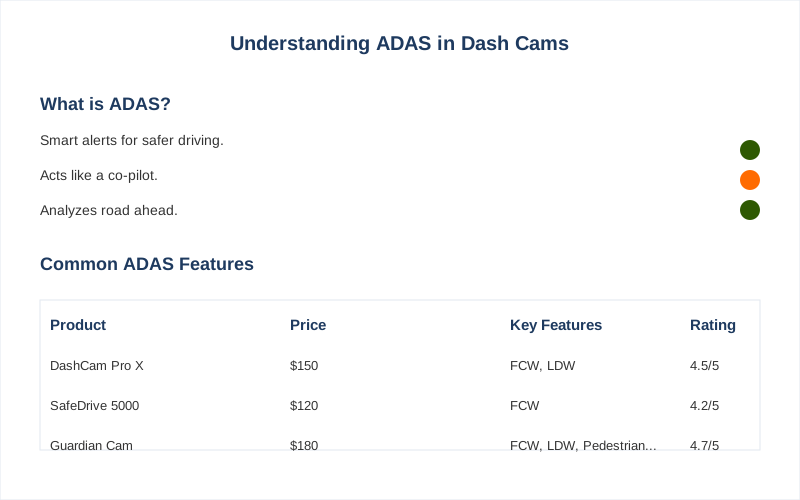
Then I started seeing these dash cams advertising 'ADAS' and thought, 'What's this tech jargon?' Turns out, it's just a fancy way of saying 'helpful alerts,' and frankly, I wish I'd known about them three years ago before I nearly rear-ended a minivan because I was fiddling with my coffee cup. What is ADAS in a dash cam means it's trying to be your copilot, not just a witness.
And for someone like me, who learns by doing (and occasionally by almost crashing), that's a game-changer. Some dash cams even have these extras.
The Core Answer
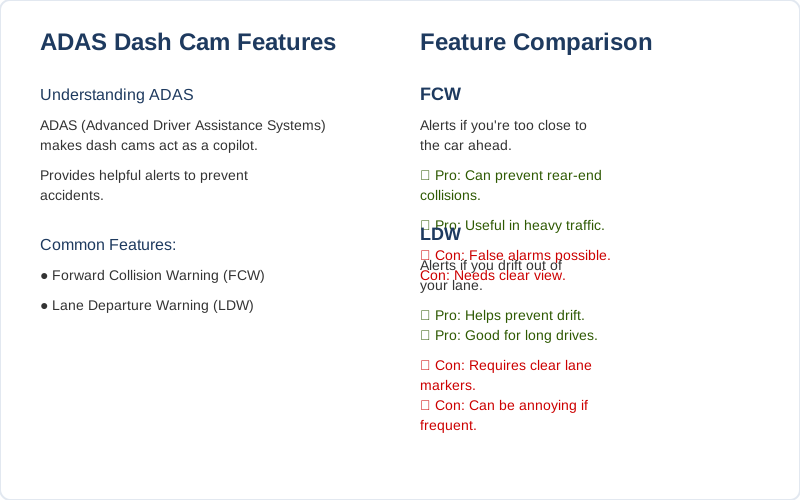
So, ADAS in a dash cam basically means the camera and its brain are smart enough to look at what's happening in front of you and yell if you're about to mess up. Think of it like a really attentive, slightly annoying passenger. The most common ones are Forward Collision Warning (FCW) and Lane Departure Warning (LDW). FCW is supposed to alert you if you're getting too close to the car in front.
I had a dash cam with this feature on a trip through the Smokies last fall, and honestly, it saved me from a rookie mistake when a tractor trailer slammed on its brakes out of nowhere. These systems use sensors, radar, and cameras. It analyzes the road ahead.
LDW is supposed to beep if you drift out of your lane without signaling. I'll be honest, I find this one a bit twitchy sometimes, especially on winding mountain roads where the lines are faded. One time, on a foggy morning near Asheville, NC, it went off like a fire alarm when I knew I was in my lane. Turns out, the fog was messing with its vision. The real move is to understand these aren't perfect.
They're aids, not replacements for your own eyes. Essential ADAS functionalities include these warnings. Lane departure warning is one of them.
Some dash cams also offer things like Safe Distance Warning (SDW), which is basically the same as FCW but with a clearer numerical readout of how far back you are. Others might have pedestrian detection, which is pretty neat but I haven't personally tested that feature extensively enough to give you the honest version. The key is that the dash cam's camera is doing the heavy lifting, analyzing the video feed in real-time. These technologies support drivers.
It's like having a digital co-pilot.
Why This Matters for Your Setup
Why does this matter for your car camping setup? Because long drives, especially when you're tired or distracted by that perfect campsite photo op, are when you're most likely to make a mistake. I learned this the hard way on a solo trip to the Oregon coast. My mind was on setting up the tent, and I almost drifted into the shoulder on a deserted highway. My dash cam's LDW chirped, and it snapped me back to attention.
It was a $150 dash cam, and that single alert felt worth every penny.
- Preventing Accidents: The most obvious benefit is avoiding fender-benders. A simple forward collision alert can give you those crucial extra seconds to brake. I swear, my heart rate still spikes thinking about that tractor trailer incident. Real-time Safe Distance Warning is a big deal.
- Reducing Driver Fatigue: On long hauls, especially through monotonous stretches of highway, it's easy to zone out. These alerts act as a gentle nudge to stay focused.
I used to rely on loud music, but a little beep is far more effective and less annoying than losing my entire playlist.
- Evidence in Case of Incident: While not strictly an ADAS function, the recording capability is the primary reason most people get dash cams. If an accident does happen, having clear footage, especially if an ADAS alert was triggered just before, can be incredibly valuable. It's the difference between your word against theirs and actual proof.
ADAS features can help make driving safer.
Making the Right Choice
Picking an ADAS dash cam isn't rocket science, but it's more than just grabbing the cheapest option. You need to think about what kind of driving you do most. If you're on the highway a lot, forward collision and lane departure warnings are probably your best bet. If you do a lot of city driving, maybe look for something with pedestrian detection, though those tend to cost more.
- Don't Overpay for Gimmicks: Some dash cams tout every ADAS feature under the sun, but the execution can be iffy. Stick to reputable brands with good reviews for the features you actually need. My $75 impulse buy proved that. Dash cam ADAS functionality is sophisticated.
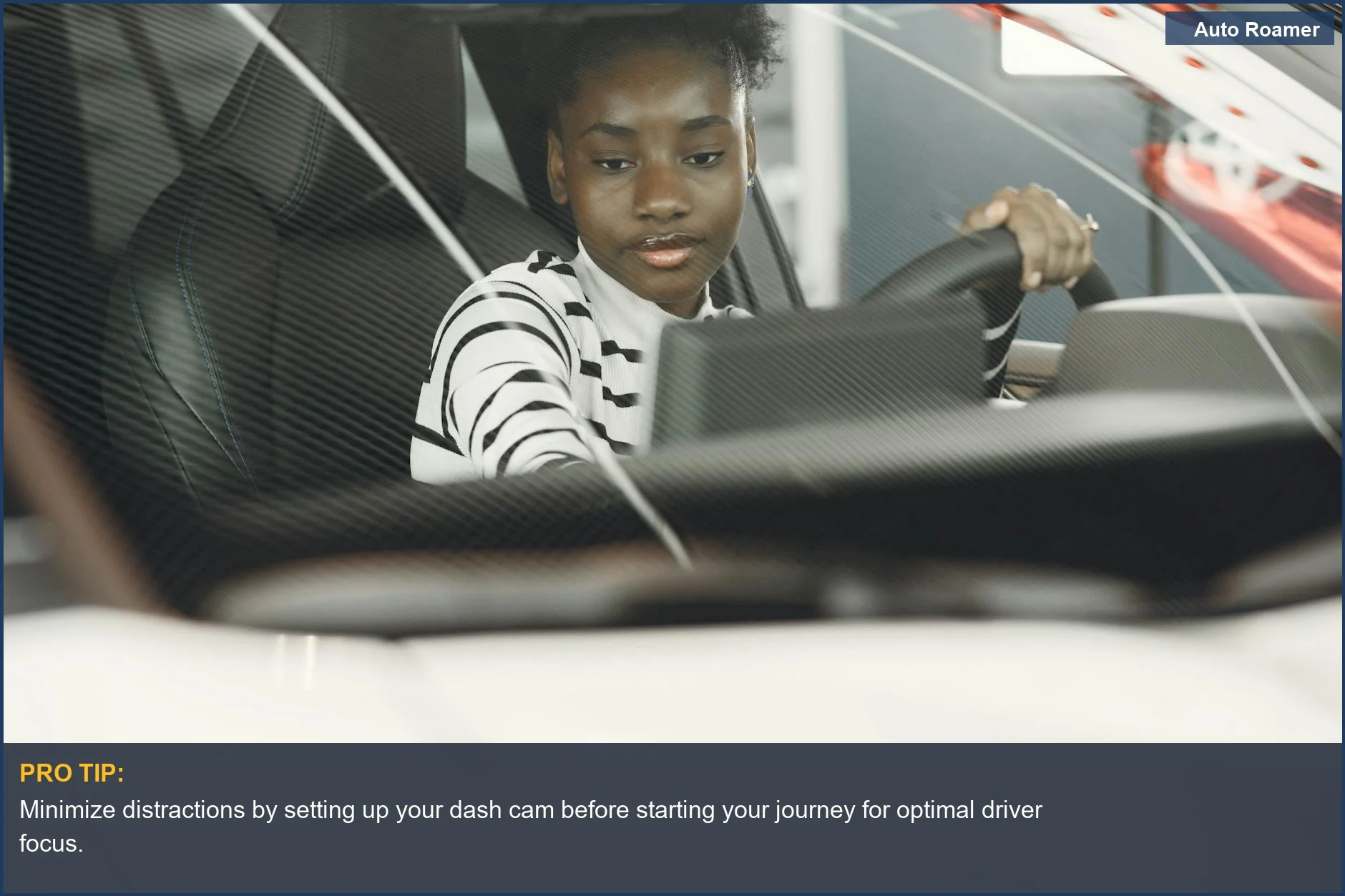
- Consider Installation: Most ADAS dash cams are pretty straightforward to install yourself, usually just plugging into the cigarette lighter or a USB port.
If you're not comfortable running a wire to hide it, plan for a $50-$100 installation fee at a car audio shop. But honestly, I did mine in 15 minutes with zero tools.
- Understand Limitations: These systems aren't magic. Bad weather, poor lane markings, or even a dirty lens can render them useless. They're there to help, not to make you invincible. Non-negotiable features are important.