The Short Version
Headlight glare, that blinding white flash that makes you squint and question your life choices on a dark road, is more than just annoying. It's a real safety hazard. My first real night drive after getting my license, I swear I saw spots for an hour after a semi truck passed me. It's a combination of how bright modern lights are and how our eyes react to them, especially as we get older night driving glare.
The physics of light scattering in your eyeball doesn't care if you're a seasoned road warrior or a rookie just trying to get home. It's science, and it can make you temporarily blind as a bat blinded by headlights.
The Core Answer
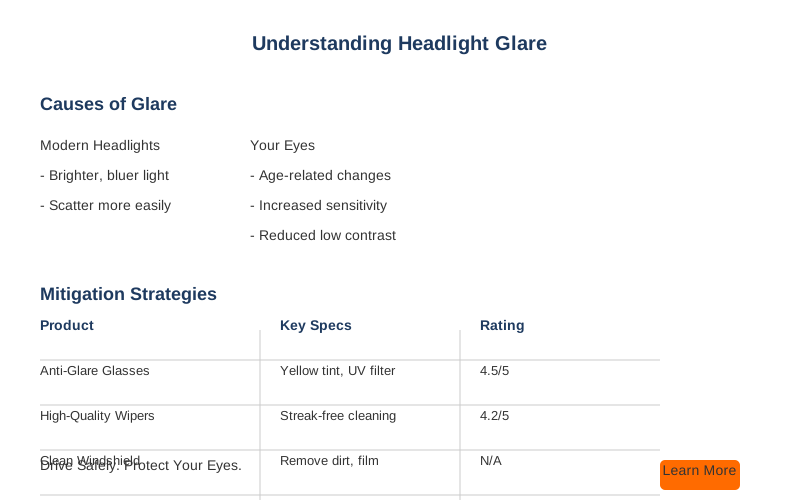
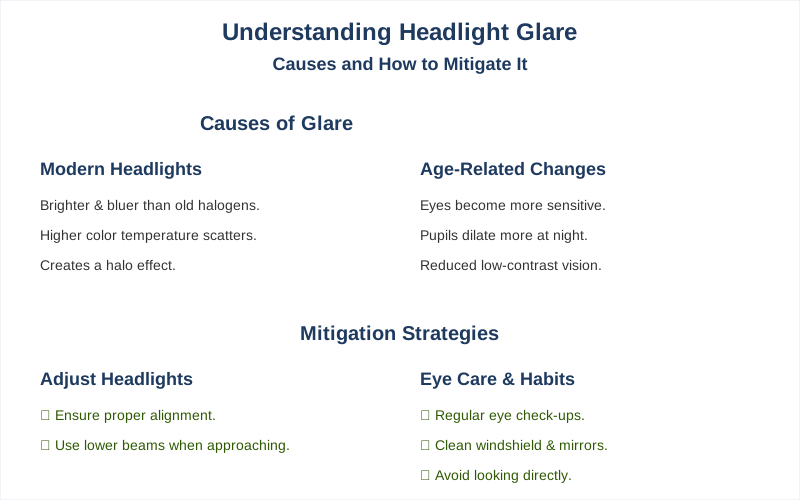
The whole headlight glare thing really boils down to two main culprits: the lights themselves and your eyeballs. Modern headlights, especially those LED ones, are just way brighter and bluer than the old-school yellow halogens. Think of it like going from a campfire to a spotlight. These brighter lights, with their higher color temperature, scatter more easily inside your eye, creating that halo effect that makes it tough to see anything else headlight glare.
It's like trying to read a book while someone's shining a flashlight directly at your face.
And then there's you. As we get older, our eyes change. The natural lens gets a bit cloudier, and our pupils dilate more in the dark. This makes us way more sensitive to bright lights and reduces our ability to see in low contrast situations. A minor eye issue you barely notice during the day can become a flashing beacon of doom at night age-related changes in the eye. Seriously, I noticed it myself around 35.
Suddenly, every oncoming car felt like a supernova.
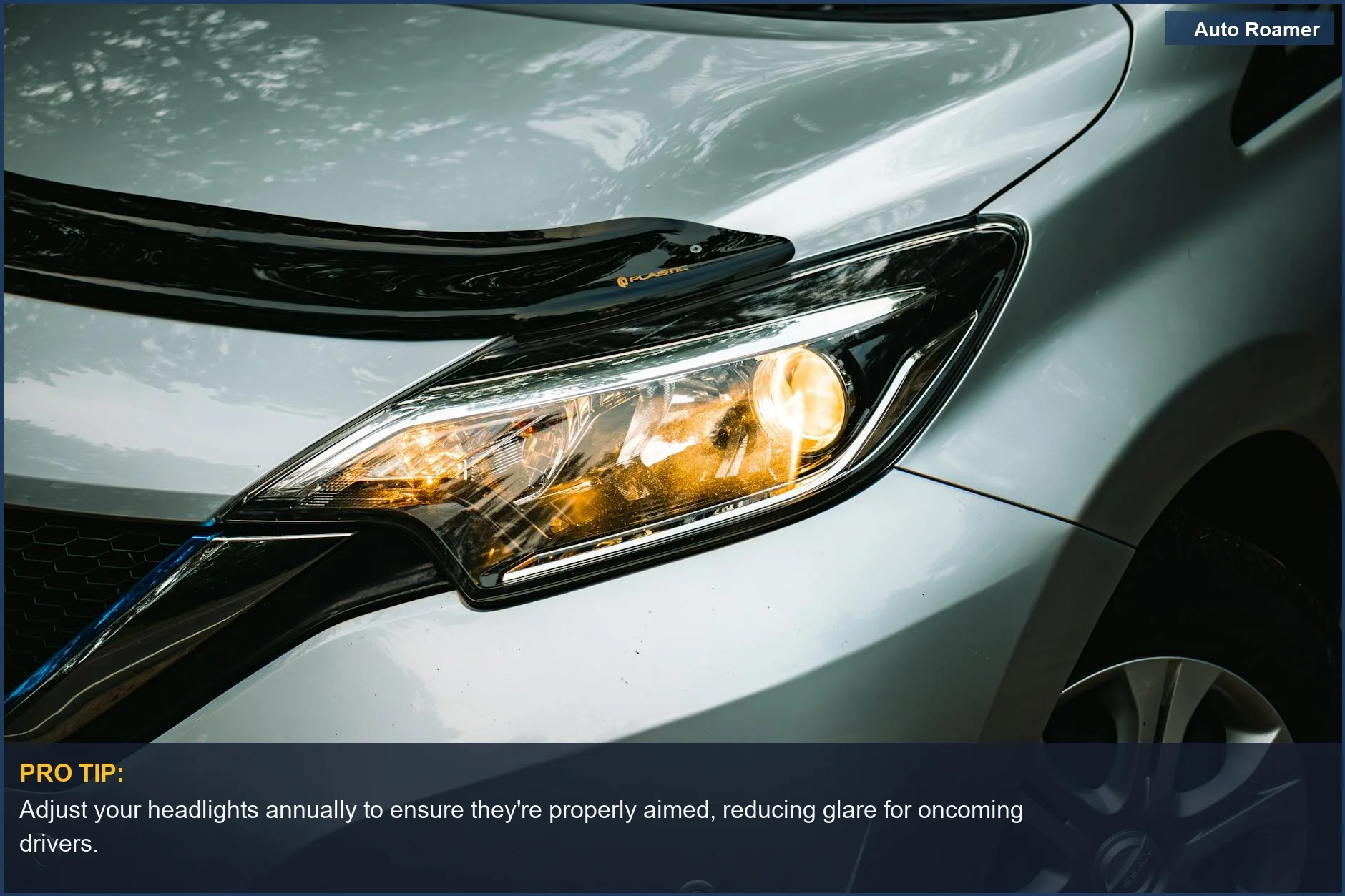
Poorly aimed headlights are another huge factor. I've seen cars with headlights pointed so high, they're practically signaling to aircraft. If your headlights are aimed even a few degrees too high, they're shining directly into the eyes of oncoming drivers. It's not rocket science, it's just basic aiming, but apparently, some folks skipped that lesson headlights are often misaligned. The real move here is to make sure your own headlights are dialed in.
It's courteous and it's safer for everyone. My buddy Dave once spent 20 minutes adjusting his headlights in a parking lot after a guy yelled at him. Turns out, they were aimed at the sky. Rookie mistake, but he learned.
Sometimes, it's just the sheer intensity. The jump from a 3200K halogen bulb to a 6000K LED is massive. That bluer light scatters more in the atmosphere and within your own eyes, making that glare much more pronounced. It's not just a perception thing; the physics are different LED headlights. This is why I've seen groups online lobbying for better lighting standards. They're tired of being blinded safety organizations are calling for updated lighting standards.
Why This Matters for Your Setup
Look, nobody wants to be that person who can't drive at night. It cuts into your freedom, right? My first campsite was a solid 3 hours away, and I remember dreading the drive after sunset. The real move to combat this glare stuff is multi-pronged, like a good defense strategy.
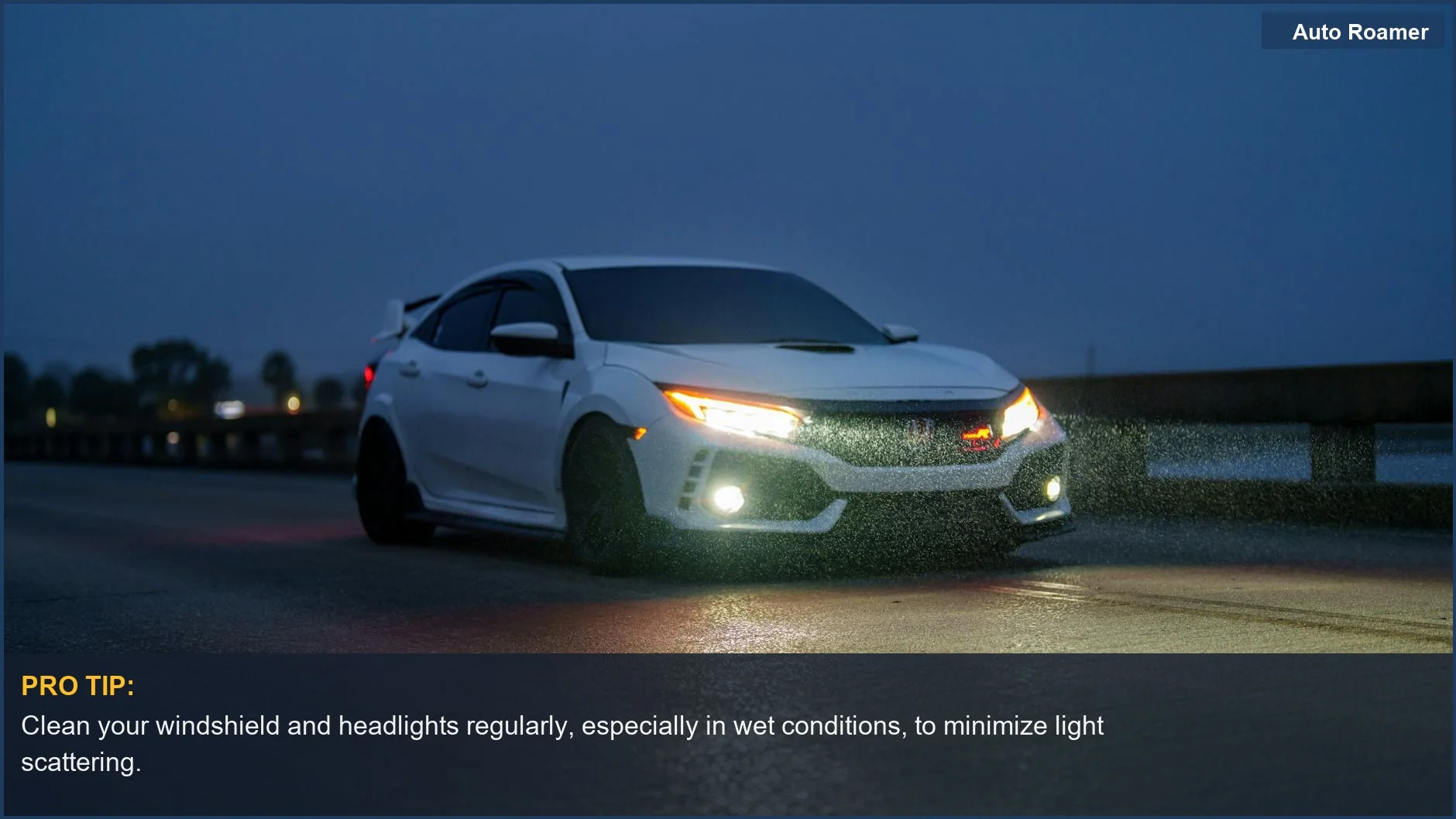
- Cleanliness is King: Keep your windshield and headlights spotless. Seriously. A dirty windshield is like a cheap, smudged lens. I learned this the hard way on a foggy night drive through the mountains. Every speck of dirt on my windshield turned into a little light-bending monster keep glasses and car windows spotless.
- Eye Care Matters: Get your eyes checked annually. Small vision issues you don't notice in daylight can become major glare problems at night. If your prescription is off, or you have early cataracts, that bright light will find it eye surgery is recommended.
- Lens Tech: Consider glasses with anti-reflective coatings. They're not magic, but they do help reduce internal reflections and light scatter in your own eyes. Some people swear by yellow-tinted lenses for night driving, claiming they cut down on that harsh blue light yellow-tinted glasses. I tried a pair once, and while they didn't make me a superhero, they did take the edge off.
- Headlight Aim: Make sure your car's headlights are aimed correctly. If you're unsure, many auto shops can check and adjust them for a small fee, usually around $20-$40. It's worth not blinding everyone else.
Making the Right Choice
So, headlight glare isn't just a minor inconvenience; it's a genuine safety issue that affects a lot of drivers. The tech in cars is changing fast, and sometimes it feels like our eyes can't keep up. My first few years of driving, I never gave it a second thought, but now I see it everywhere.
- Modern Lights are Bright: LED and HID headlights are significantly brighter and bluer than older halogen bulbs, leading to more scatter and discomfort LED lights differ.
- Aging Eyes: As we age, our eyes become more sensitive to light, making glare worse. It's a natural process, but it impacts night driving significantly age-related changes.
- Alignment Issues: Misaligned headlights can beam directly into the eyes of oncoming drivers, creating unnecessary glare. Proper aiming is crucial for everyone's safety headlights are often misaligned.
- Solutions Exist: Simple steps like keeping your car clean, getting regular eye exams, and ensuring your headlights are properly aimed can make a big difference. Specialized eyewear can also offer some relief.
It's about being proactive and understanding the science behind it. Don't let it stop you from enjoying those weekend adventures.