
How to Adjust Your Car's Headlights for Optimal Night Vision
Adjusting your car's headlights isn't just about passing inspection; it's about not being the guy who blinds everyone coming the other way on a dark road. My first few night drives after getting new tires on my old Civic were rough.
Adjusting your car's headlights isn't just about passing inspection; it's about not being the guy who blinds everyone coming the other way on a dark road. My first few night drives after getting new tires on my old Civic were rough. I thought more aggressive tires meant better night driving. Nope. The real issue was how my headlights were still pointing at the sky like I was signaling aliens.
State Farm has some solid points on night driving glare, and a big part of that is simply having your lights pointed where they should be. It's a basic maintenance step that many people, myself included initially, just gloss over. This guide breaks down how to get it right.
The Core Answer
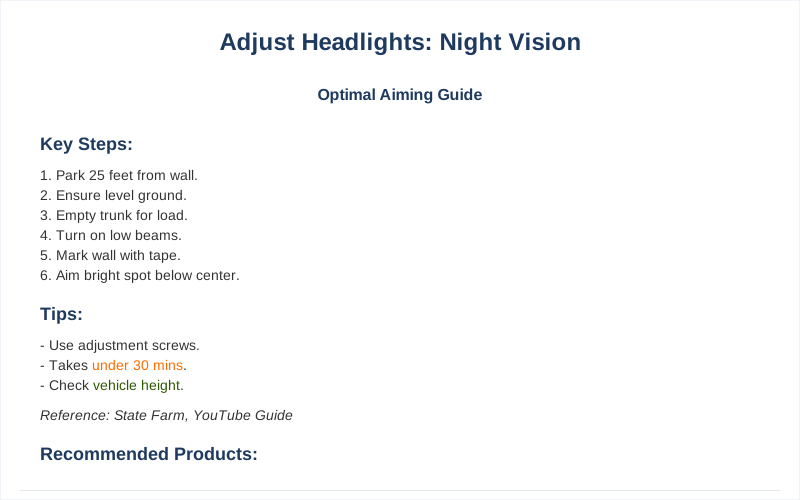
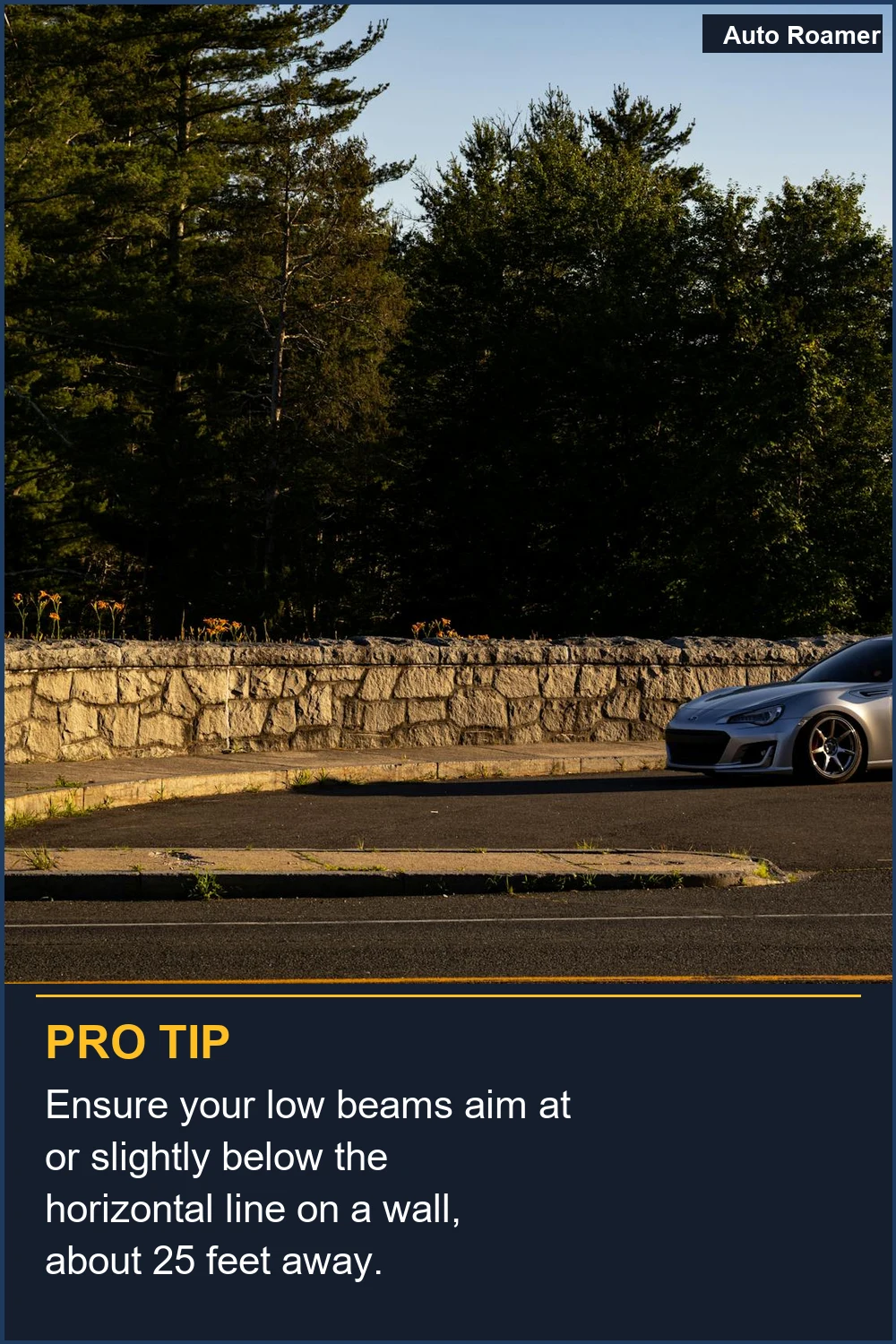
The real move for adjusting your headlights is finding a flat spot and a wall. Seriously, that's it. Forget fancy laser alignment tools; your car's headlights have adjustment screws for a reason. This whole process usually takes less than 30 minutes, assuming you don't have a rookie mistake like I did and forget to turn your lights *on* first. So, here's the game-time setup. Park your car about 25 feet from a garage door or a solid wall. Make sure the ground is level. If your car is packed for a trip, empty out some of that unnecessary gear from the trunk so the suspension is sitting normally. Vehicle height matters, so a standard load is key. Now, turn on your low beams. You'll use tape to mark some reference points on the wall. The goal is to get the center of the bright spot from each headlight to be just below the horizontal center line of the headlight itself. Think of it as aiming them slightly down, not up at the birds. This video shows how the beam pattern should look. Most cars have two adjustment screws per headlight: one for vertical aim and one for horizontal. You'll usually find them behind the headlight assembly, often requiring a screwdriver or a specific tool. Turn them slowly, making small adjustments. The honest version: it's a bit of trial and error, like tuning an instrument. This TikTok gives a quick visual on marking the wall. What nobody tells beginners is that the horizontal adjustment is mostly for aligning the beams with the edge of the road. The vertical adjustment is the critical one for not blinding oncoming traffic. I once spent 15 minutes at a campsite arguing with myself if I should adjust the horizontal first. Spoiler: it barely mattered compared to getting the vertical right. Proper alignment is about seeing the road, not the trees. After adjusting, drive around at night and see how it feels. If you're still getting flashed by oncoming cars, you probably aimed them too high. If you can't see more than 50 feet ahead, they're likely too low. It's a balance, and the $50 version of this fix is just your time and some tape.
Why This Matters for Your Setup
This isn't just about passing a safety check; it's about making your night drives actually safe, especially if you're driving to remote spots for camping. Bad headlight aim is a huge part of why night driving feels so difficult for so many people.- See Further, React Sooner: When your headlights are aimed correctly, the light pattern hits the road where you need it. This means you can see potholes, animals, or fallen branches much earlier. My first trip to the mountains at night, I swear I almost hit a deer because my beams were pointed at the horizon.
- Don't Be 'That Guy': Blinding other drivers is not only annoying, it's dangerous. Properly aimed lights mean you're not forcing oncoming traffic to squint or worse. It's the basic courtesy of the road.
- Save Money: While a mechanic might charge $75-$150 to adjust your headlights, doing it yourself costs virtually nothing. The only 'tool' you really need is a wall and some tape.
Making the Right Choice
Ultimately, getting your headlights dialed in is a small task with a big payoff for night driving. It's the kind of thing that makes you wonder why you didn't do it sooner.- DIY is King: For most vehicles, the adjustment screws are right there. You don't need to be a master mechanic. Save that money for an extra night at a campground or some better trail mix.
- Check Regularly: After a rough drive over potholes or if you've installed new suspension, it's worth re-checking your aim. It's a quick check that can prevent bigger problems.
- Safety First: The goal is clear visibility for you and minimal glare for others. It's not about having the brightest lights, but the smartest ones. This is about safe driving, plain and simple.
Frequently Asked Questions
How much does it cost to have a shop adjust my headlights versus doing it myself?
Do I really need a fancy bubble level to make sure my car is sitting level?
What if I adjust them and still feel like I'm not seeing well at night?
Can I permanently damage my headlights by trying to adjust them myself?
Is it true that all aftermarket headlights are impossible to aim correctly?
🏅 Looking for Gear Recommendations?
Check out our tested gear guides for products that work with this setup:
Sources
- how-to-aim-your-headlights-for-safer-clearer-night-driving
- Proper Headlight Alignment for Safe Night Driving - Facebook
- How To Properly Adjust Your Headlights | Optimize Your Lighting!
- how-to-adjust-car-headlights-for-better-night-driving?srsltid=AfmBOoqSEco0CdWl1pPKgn4dJnNVRA1dI6Ll0LUpZh2SqBtPe7hC8VT1
- How do you make night driving easier when everyone's headlights ...
- Perfectly Aim Your Headlights | Step-by-Step Guide for Cars, Trucks ...
- How to Aim Your Headlights for Safer Night Driving - TikTok
- Night Driving and Headlight Glare - State Farm®