What the Tacoma can really tow
The Toyota Tacoma is the best-selling midsize truck for good reason — and one of the most common questions before buying one is the simplest: what can it actually tow? The honest answer is a range, not a single number, because the rating swings with cab, bed, drivetrain and whether the truck has the factory tow package. A properly equipped current Tacoma tows up to roughly 6,000 to 6,500 pounds; many configurations are rated less.
This guide lays out the real numbers and, just as importantly, the parts of the story the headline rating hides — payload, tongue weight, and the gear you genuinely need to reach the rating safely. The decision isn't 'can the Tacoma tow my trailer'; it's 'can MY Tacoma configuration tow it within payload and with the right equipment.'
This guide leans on Toyota's published specs, Car and Driver's testing, and the real-world towing discussions on TacomaWorld — where owners separate the brochure number from what the truck feels like with a loaded trailer in the mountains. Where the spec is best-case and where the practical limit is, I say which.
The numbers that actually matter
Four figures decide whether a tow is safe and legal, and only one is the headline:
- Max tow rating (by configuration). Up to ~6,000–6,500 lb on tow-package trims; lower on others. Your door-jamb sticker and manual give YOUR truck's number, not the brochure's best case.
- Payload. What you can carry in cab and bed — passengers, gear AND the trailer's tongue weight. It's often the limit you hit first when loaded.
- Tongue weight. Usually 10–15% of trailer weight, pressing down on the hitch; too little causes trailer sway, too much overloads the rear axle.
- GCWR (gross combined weight rating). The total of truck plus trailer plus everything; exceed it and you're over the manufacturer's safety envelope no matter what the tow number says.
The temptation is to read only the max tow number and stop, but that figure assumes a near-empty truck. Add four passengers, a bed full of gear and the trailer's tongue weight and you can blow past payload while still 'under' the tow rating — which is exactly how people end up overloaded without realizing it. Run all four numbers for your real load, not the showroom one.
The gear that makes the rating real
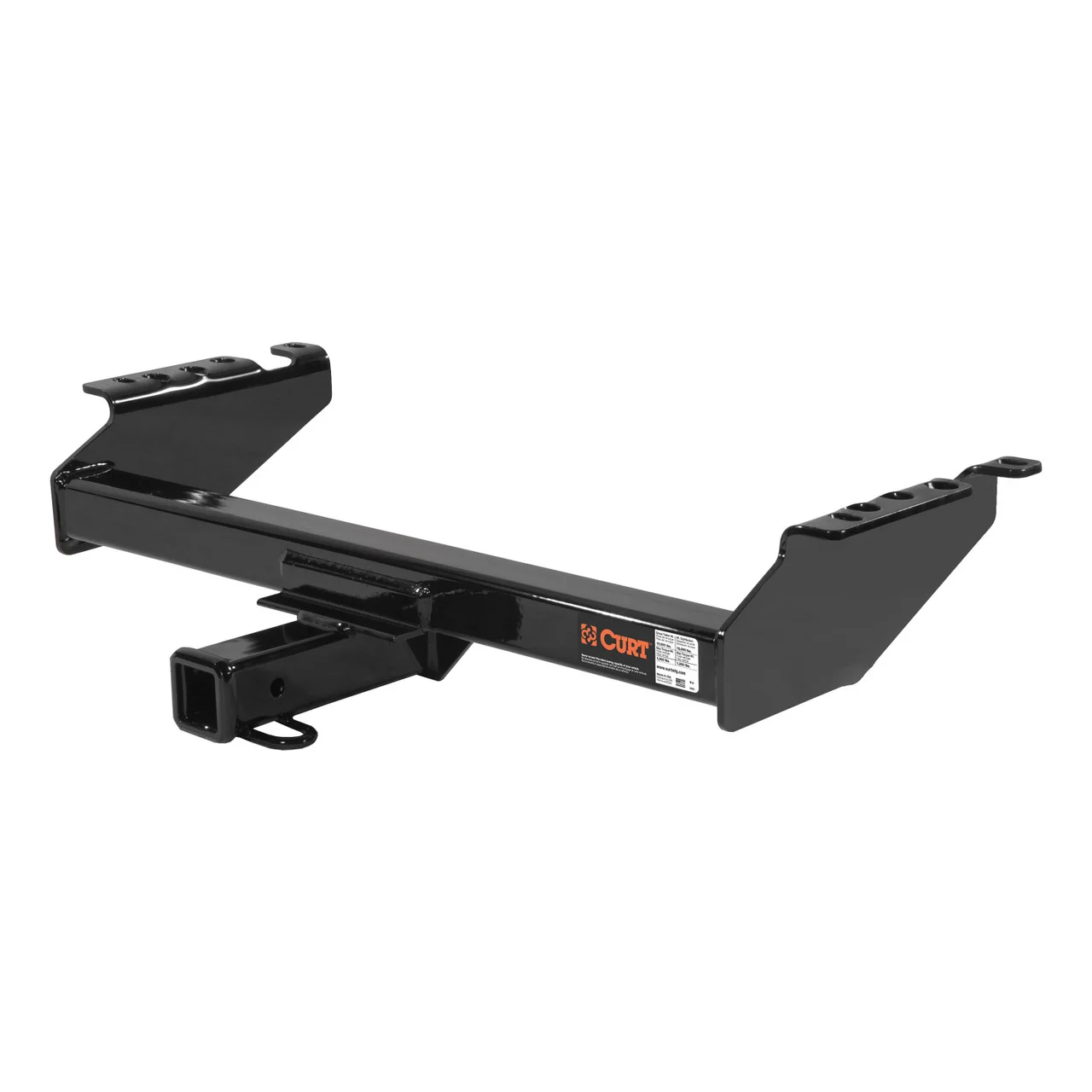
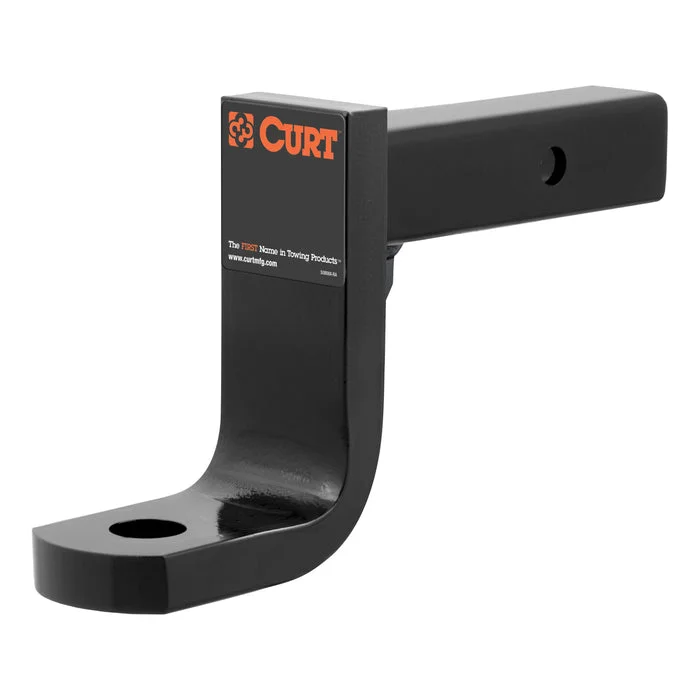
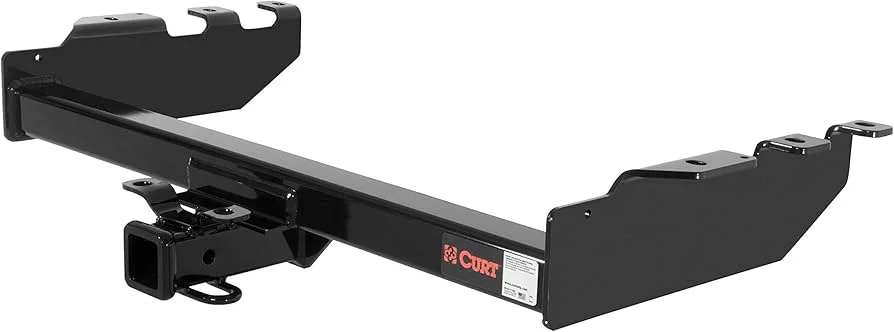
A tow rating on paper means nothing without the hardware to use it safely. The CURT Class IV trailer hitch sized to the Tacoma is the foundation — a receiver rated to handle loads near the truck's capacity, where a lighter hitch would be the weak link. If your Tacoma didn't come with the factory tow package, this is where you start.
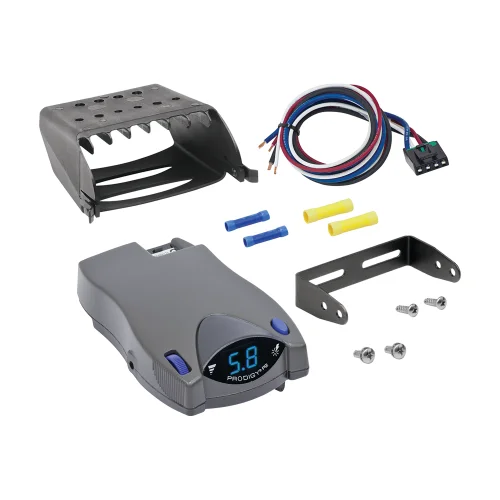
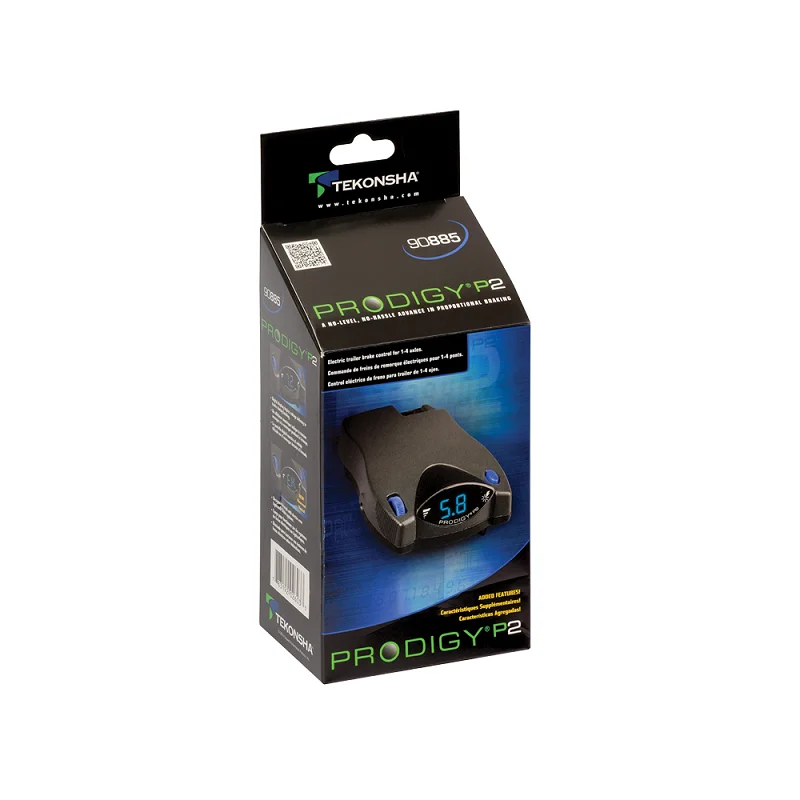
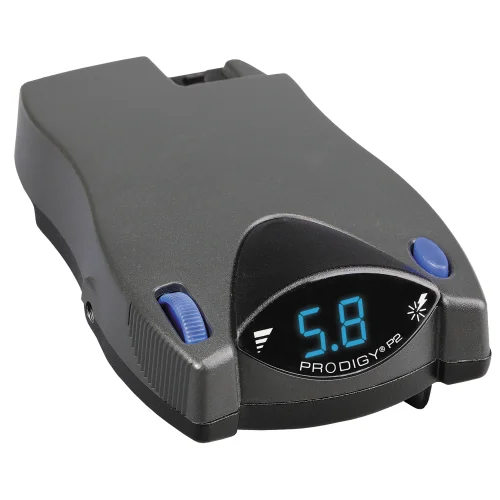
The Tekonsha Prodigy P2 brake controller is non-negotiable once you're towing real weight: it lets the trailer's electric brakes help stop the rig proportionally to how hard you brake, which transforms stopping distance and is legally required for heavier trailers in many states. It's the single biggest safety upgrade for towing.
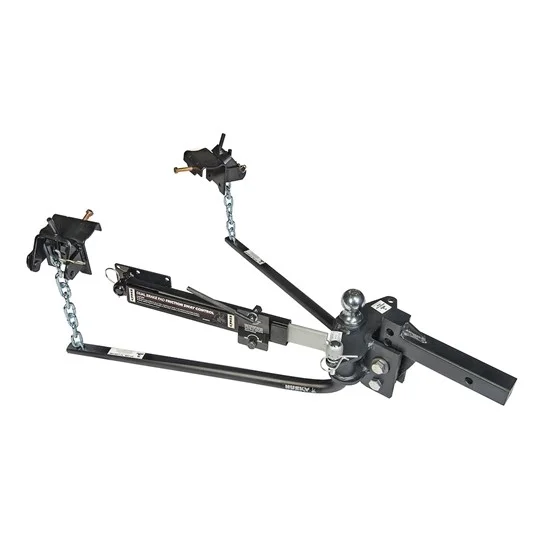
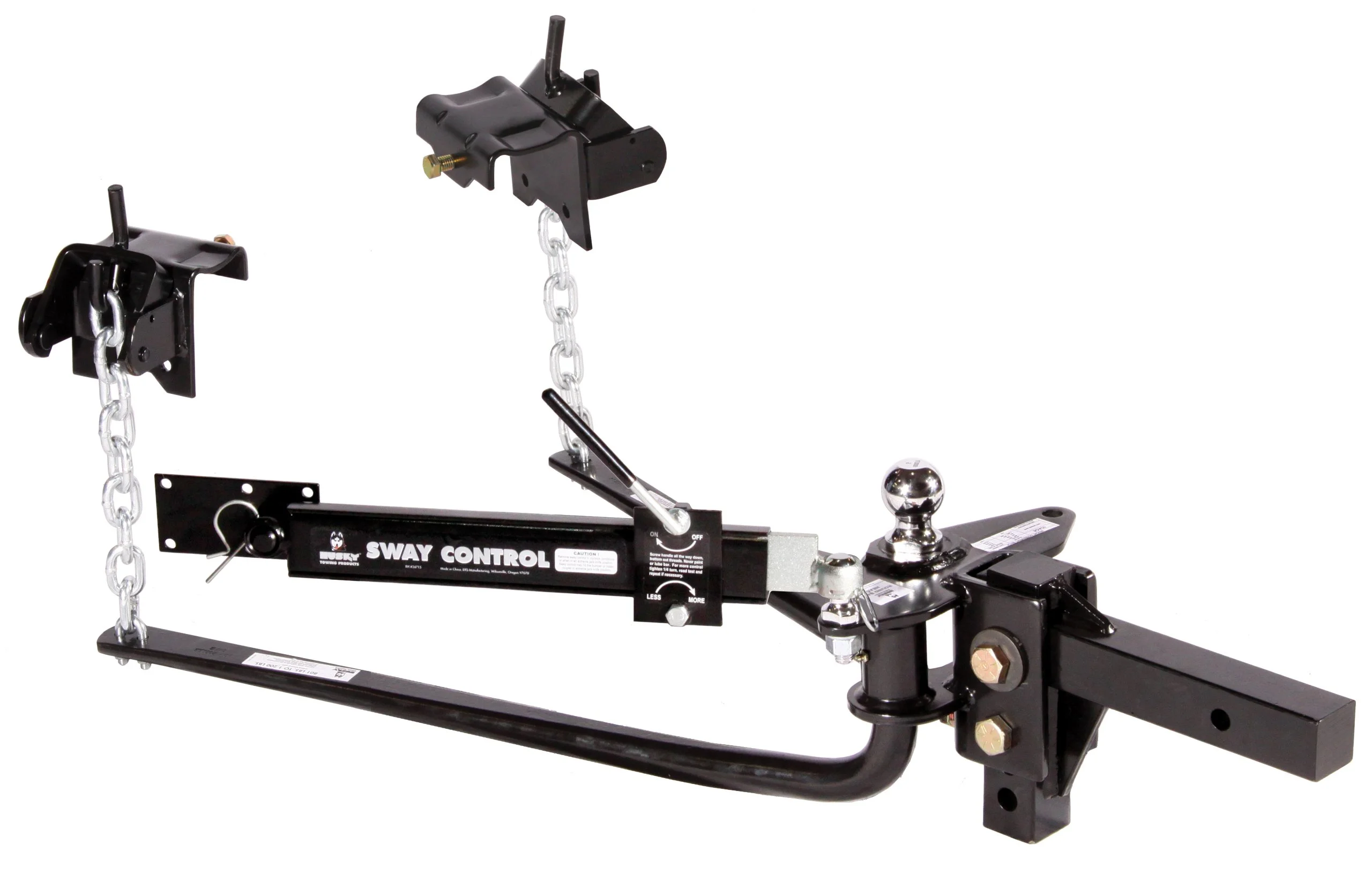
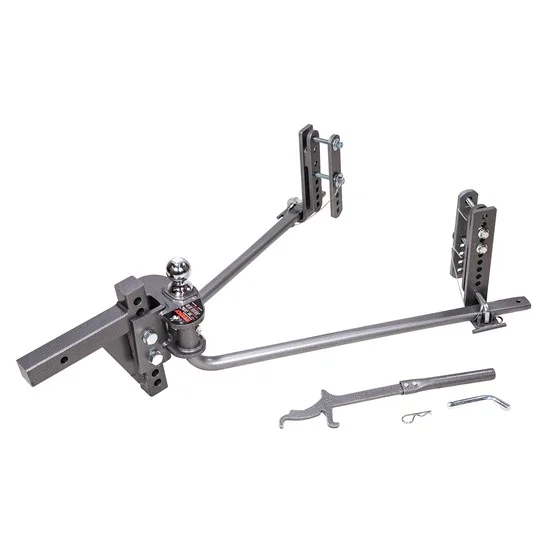
The Husky Towing Weight Distribution Hitch earns its place when you tow near the Tacoma's limit: it spreads the tongue weight across both axles, levels a truck that would otherwise squat, and restores the steering and braking feel that a heavy trailer steals. Owners towing larger travel trailers consistently say it's the difference between white-knuckle and composed.
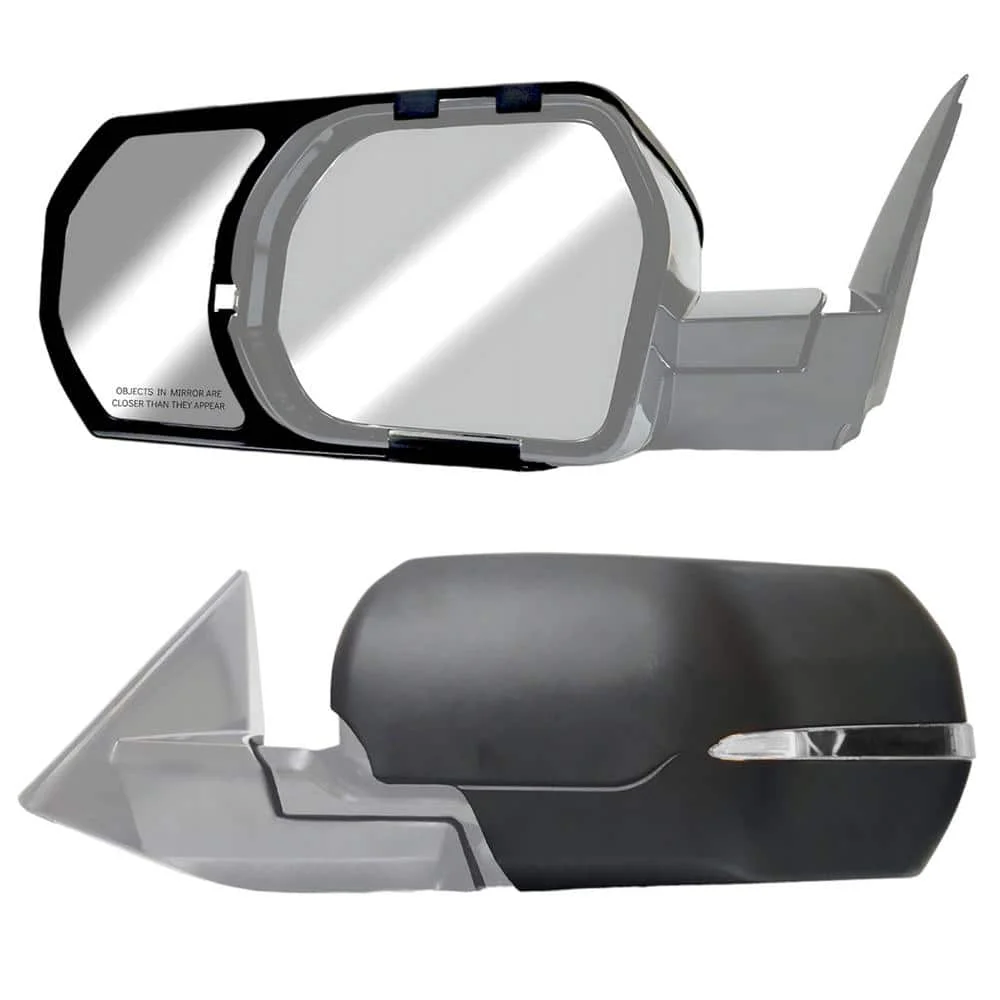
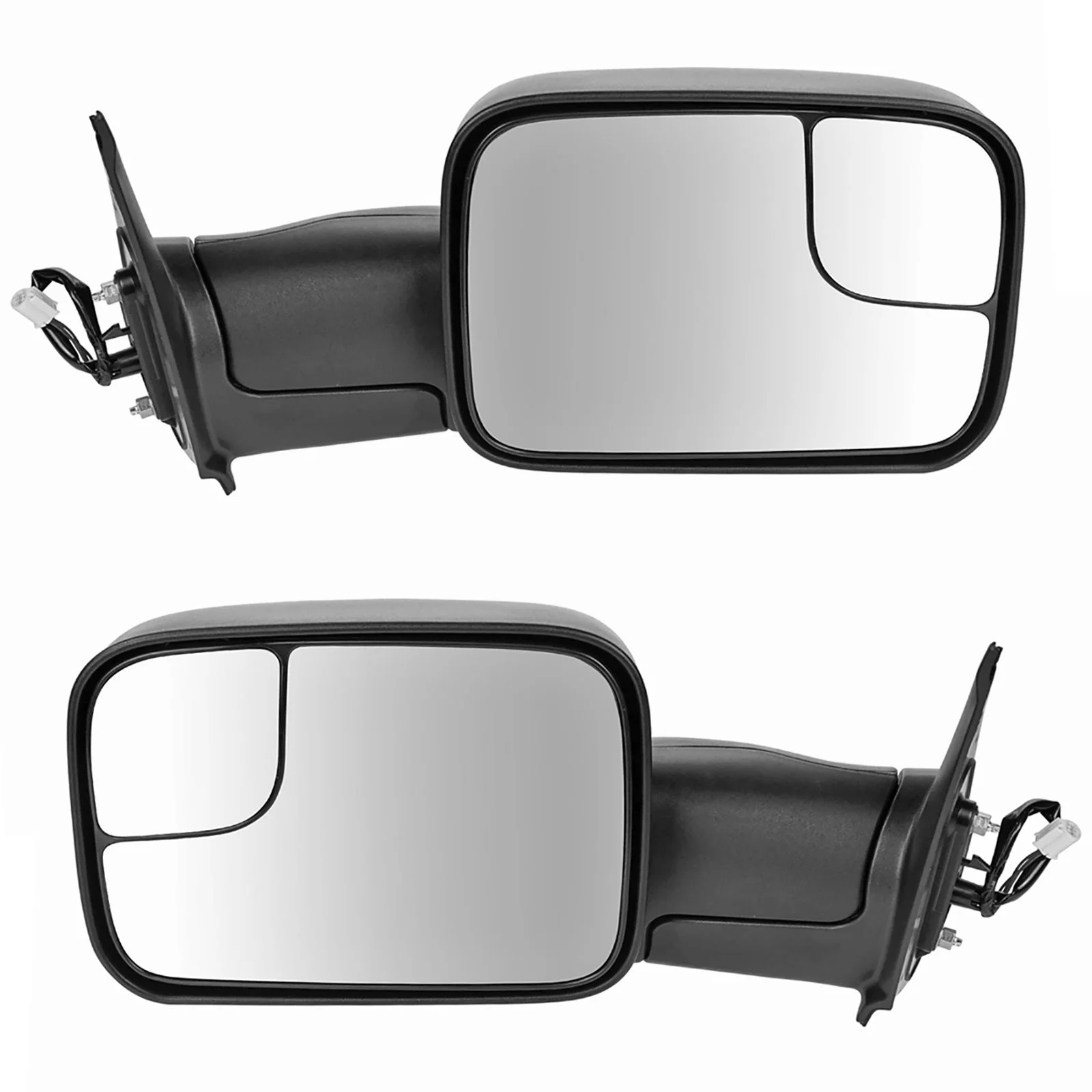
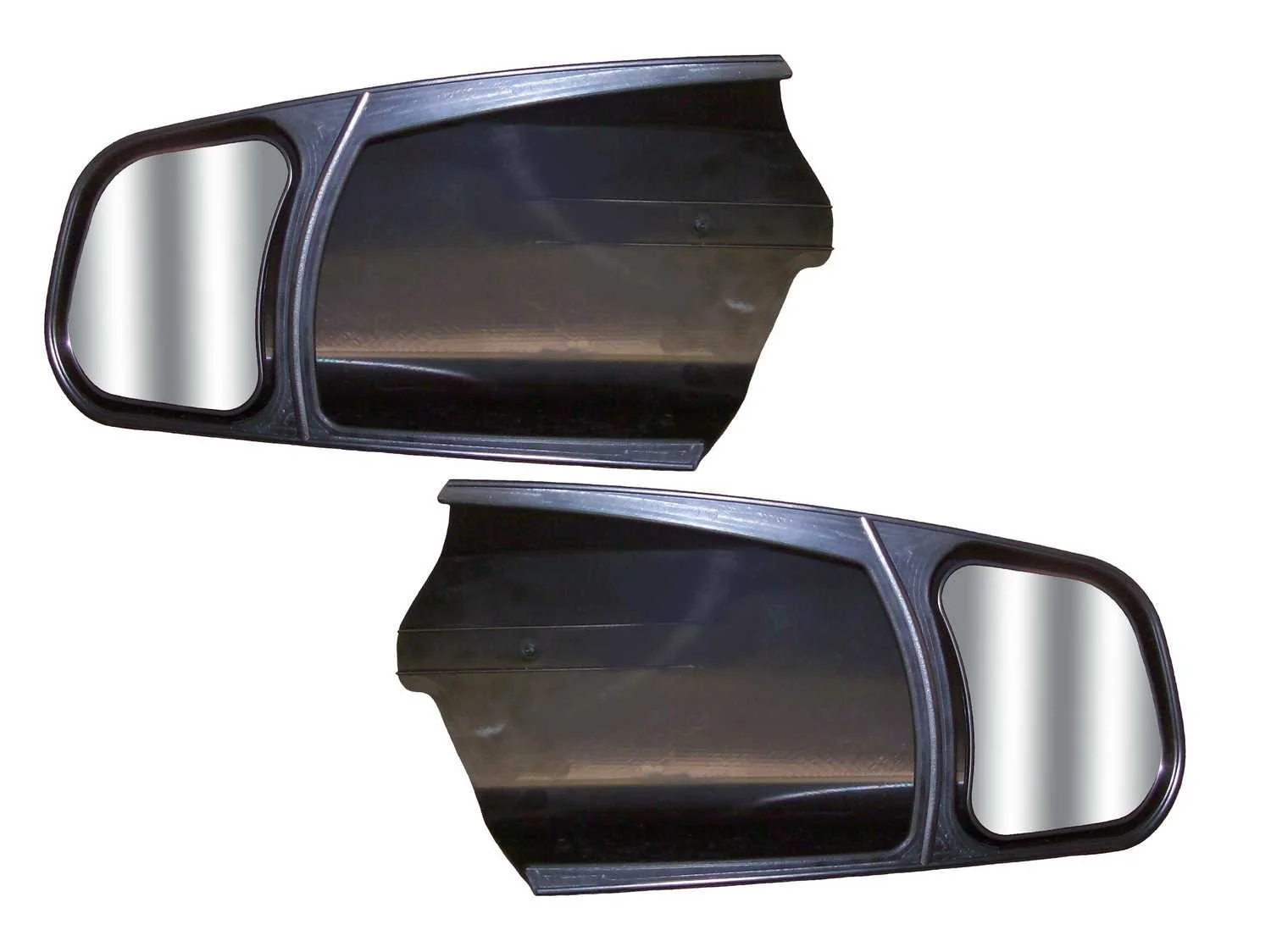
And the tow mirror extensions are the easy, essential one — a wide trailer blinds your factory mirrors, and extended visibility down both sides is both a legal requirement in most places and the thing that lets you change lanes and back up without guessing.
Two pieces of gear owners often forget until they need them: a sway-control device or a weight-distribution hitch with integrated sway control, and a quality hitch-mounted ball sized to your trailer's coupler. Trailer sway at highway speed — that slow fishtail that builds on a downhill or in a crosswind — is the single scariest thing a midsize tow rig does, and it's almost always a setup problem: too little tongue weight, no sway control, or speed that's simply too high for the load. The fix is cheap and mechanical, which is exactly why it's worth doing before the first big trip rather than learning about it at 65 mph with a loaded trailer behind you.
Tow package vs base, and how it changes the number
The biggest single factor in what a Tacoma can tow is whether it has the factory tow package. The tow package adds the upgraded hitch receiver and wiring, and on the drivetrain side typically the cooling and gearing that let the truck reach the top of the rated range. A base Tacoma without it is rated lower and lacks the hardware to tow heavy safely.
So the real comparison isn't Tacoma versus rival — it's tow-package Tacoma versus base Tacoma. If towing is a real part of why you're buying the truck, the factory tow package (or its equivalent retrofit hitch, controller and cooling) is what makes the headline number achievable. Buying a base trim and expecting the brochure's max tow figure is the most common mistake owners flag on the forums.
One more honest note: even a maxed-out Tacoma is a midsize truck. Towing near 6,500 pounds in the mountains, with a passenger load and gear, works — but it works the truck hard, and a full-size half-ton does the same job with far more margin. The Tacoma's sweet spot is small-to-mid trailers where it feels relaxed, not its absolute ceiling where it feels busy.
It's also worth knowing how the current Tacoma's drivetrain changes the towing feel. The turbocharged four-cylinder makes strong low-end torque that pulls a trailer up to speed easily, but a heavily loaded rig works the engine and transmission harder on long grades, where heat management matters — another reason the tow package's cooling earns its keep. Owners towing in real mountains report the truck is fully capable but rewards a lighter right foot and a willingness to let the transmission hold a lower gear on descents rather than riding the brakes. Tow within the numbers and drive it like a loaded truck, not a sports car, and it holds up to the job for years.
What goes wrong (and how to avoid it)
Quoting the brochure max for your trim. The headline number is the best-case configuration; your door-jamb sticker and manual give your truck's real rating, which can be a thousand pounds lower. Blowing past payload while 'under' tow rating. Tongue weight plus passengers plus bed gear eats payload fast — weigh the loaded truck, don't guess.
Towing heavy without a brake controller. Without trailer brakes assisting, stopping distance balloons and you may be illegal; a proportional controller is the first thing to add. Skipping weight distribution near the limit. A heavy tongue squats the rear, lightens the steering and dims the headlights skyward — a WD hitch fixes all three.
A few more that catch people out:
- Wrong tongue weight causing sway. Aim for 10–15% of trailer weight on the hitch; too little and the trailer fishtails at highway speed.
- Ignoring GCWR. You can be under both tow rating AND payload and still exceed the gross combined weight — run that number too.
- No tow mirrors for a wide trailer. Blind spots down the trailer's sides are how lane changes go wrong; extended mirrors are cheap insurance.
How to size your tow in one minute
The whole guide compressed to a quick check:
- Find YOUR truck's tow rating on the door-jamb sticker / manual — not the brochure.
- Add up cab + bed load + tongue weight; confirm you're under payload.
- Confirm truck + trailer + gear is under GCWR.
- Heavier trailer: add a brake controller + weight-distribution hitch + tow mirrors.
- If you're regularly near 6,000+ lb in mountains, consider a full-size truck for margin.
Match the trailer to your specific configuration's numbers, add the safety gear once you're towing real weight, and the Tacoma is a genuinely capable mid-size tow rig.
The verdict
The Toyota Tacoma tows up to roughly 6,000–6,500 pounds in the right configuration, and within its sweet spot — small-to-mid travel trailers, boats, utility and toy trailers — it's a relaxed, reliable tow vehicle that doubles as a daily driver. The key is to tow your truck's real number, not the brochure's, and to respect payload and GCWR, which you'll often hit before the tow rating.
If towing is part of why you're buying, get the factory tow package or its equivalent hardware, add a proportional brake controller and — once you're near the limit — a weight-distribution hitch and tow mirrors. Do that and the Tacoma earns its reputation: a midsize truck that tows what most people actually haul, without the size and thirst of a full-size, and with Toyota's long-haul reliability behind it. For anything consistently heavier, step up to a half-ton — but for the trailers most Tacoma owners pull, the truck is exactly enough.
Before you hitch up for the first time, take the loaded rig to a public scale and weigh it — truck alone, then truck plus trailer. It costs a few dollars and settles every guess at once: your real payload, your tongue weight, and whether you're under GCWR. Owners who do this routinely are surprised how fast a 'well within rating' load creeps toward a limit once the family, the dog, the firewood and a full water tank are all aboard. The scale is the one number that doesn't lie, and it's the cheapest peace of mind in towing.