What You Need to Know
Car window rain guards, often called window visors, are those little plastic strips that hug the top of your car doors. They look simple, but they actually do more than just keep the rain out when you crack the window.
Rain guards are designed to deflect rain and debris, but they have a surprising impact on how your car breathes, especially when you're trying to keep cool or just get some fresh air without the roar of the wind. They're a cheap upgrade that can make a big difference for anyone who uses their car for more than just commuting. I love them for ventilation during car-camping.
The Core Answer
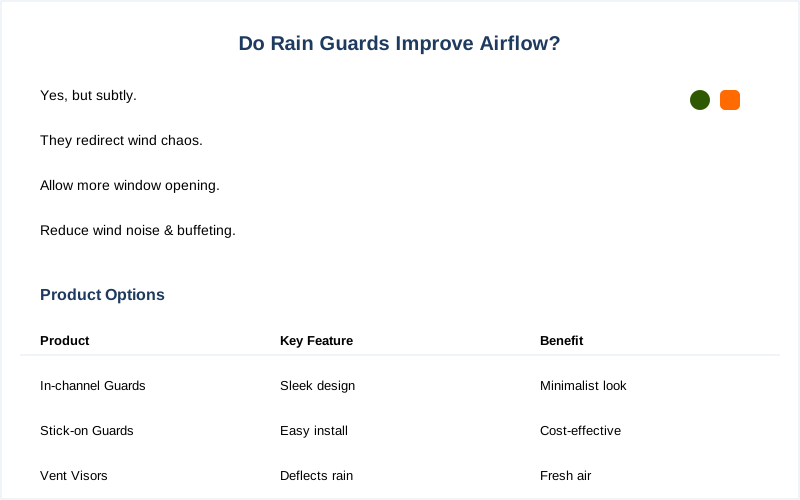
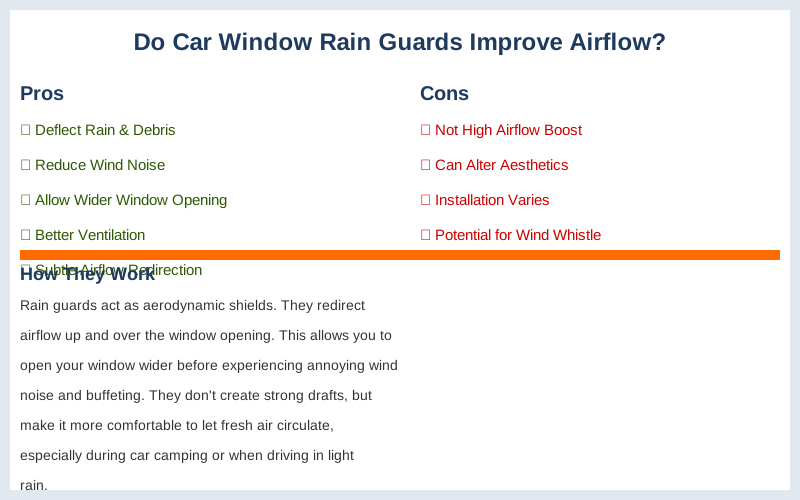
So, do these things actually improve airflow? The honest version: yes, but not like blasting your AC. Think of them as redirecting the chaos. When you crack a window, air wants to rush in, creating buffeting and noise. These guards create a little aerodynamic shield. They push the main rush of air up and over the window opening.
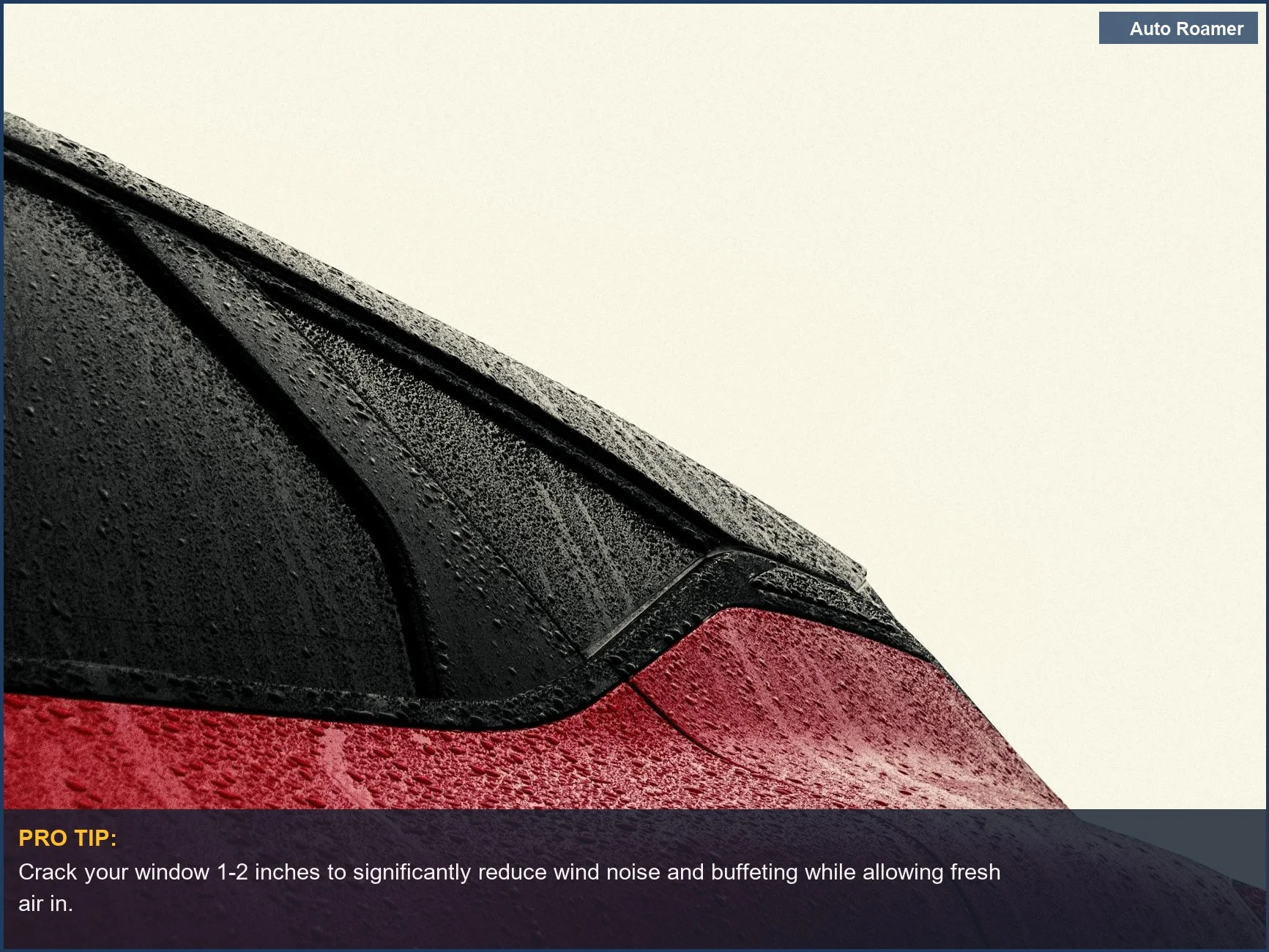
What that means for you is you can open your window a few inches more before the annoying wind noise and flapping starts. The real move is being able to crack them just enough. They let fresh air circulate without turning your car into a wind tunnel.
It's not about creating a gale force wind inside your car; it's about making it bearable to have a little fresh air. The physics are simple: you're changing the path of the air. Instead of hitting your face directly, it's guided around. This is huge for keeping stuffy air out. It also helps reduce that awful pressure build-up when you open just one window. You know, the one that makes your ears pop.
Depending on the quality, you might even get less wind noise overall. I noticed a difference on my drive to Zion, where I could actually listen to a podcast with the windows down. It's not a magic bullet for silence, but it's a noticeable improvement. The key is that they allow you to keep the windows open slightly, which is where the real airflow benefit comes in for ventilation.
It's the difference between feeling like you're in a stuffy box and having a gentle breeze. Brilliant engineering for a simple plastic strip. What nobody tells beginners is that this is the $50 version of a much more expensive ventilation system. I specifically purchased the OEM ones after hearing some aftermarket ones are prone to falling off.
A typical set runs about $30 on Amazon and can hold up for years. So, the airflow improvement is real, but it's subtle. It's about making it possible to get that airflow without the downsides.
Why This Matters for Your Setup
Why does this matter for your weekend warrior setup? Simple. When you're car camping, especially in warmer weather or when you're trying to avoid running your AC constantly, airflow is king. The car was basically an oven.
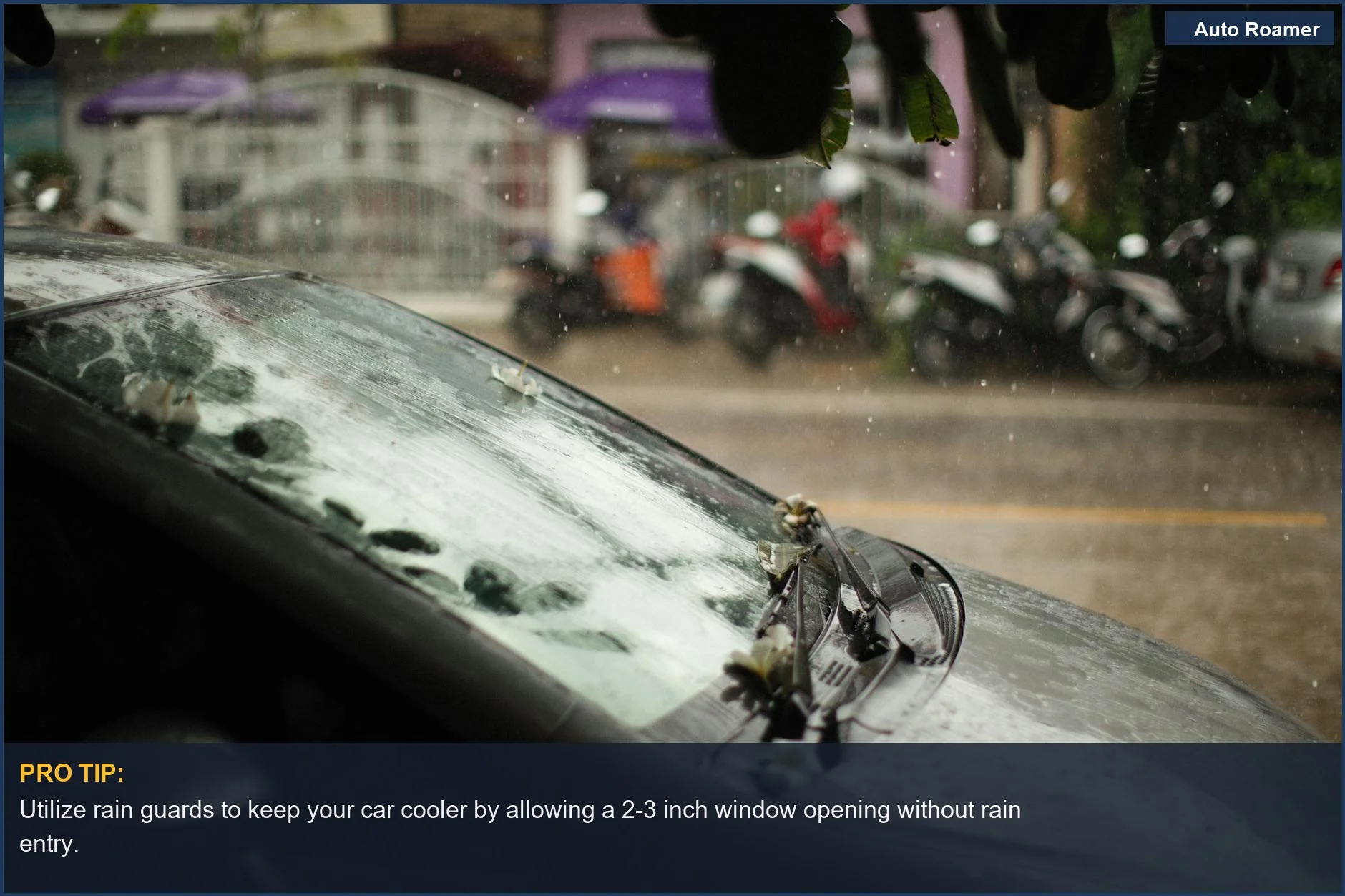
With them, you can open the windows a good 2-3 inches for decent air circulation without the wind-tunnel roar. It's also a lifesaver if you have pets. You can leave the windows cracked enough for them to get fresh air without worrying about rain or them sticking their heads out too far.
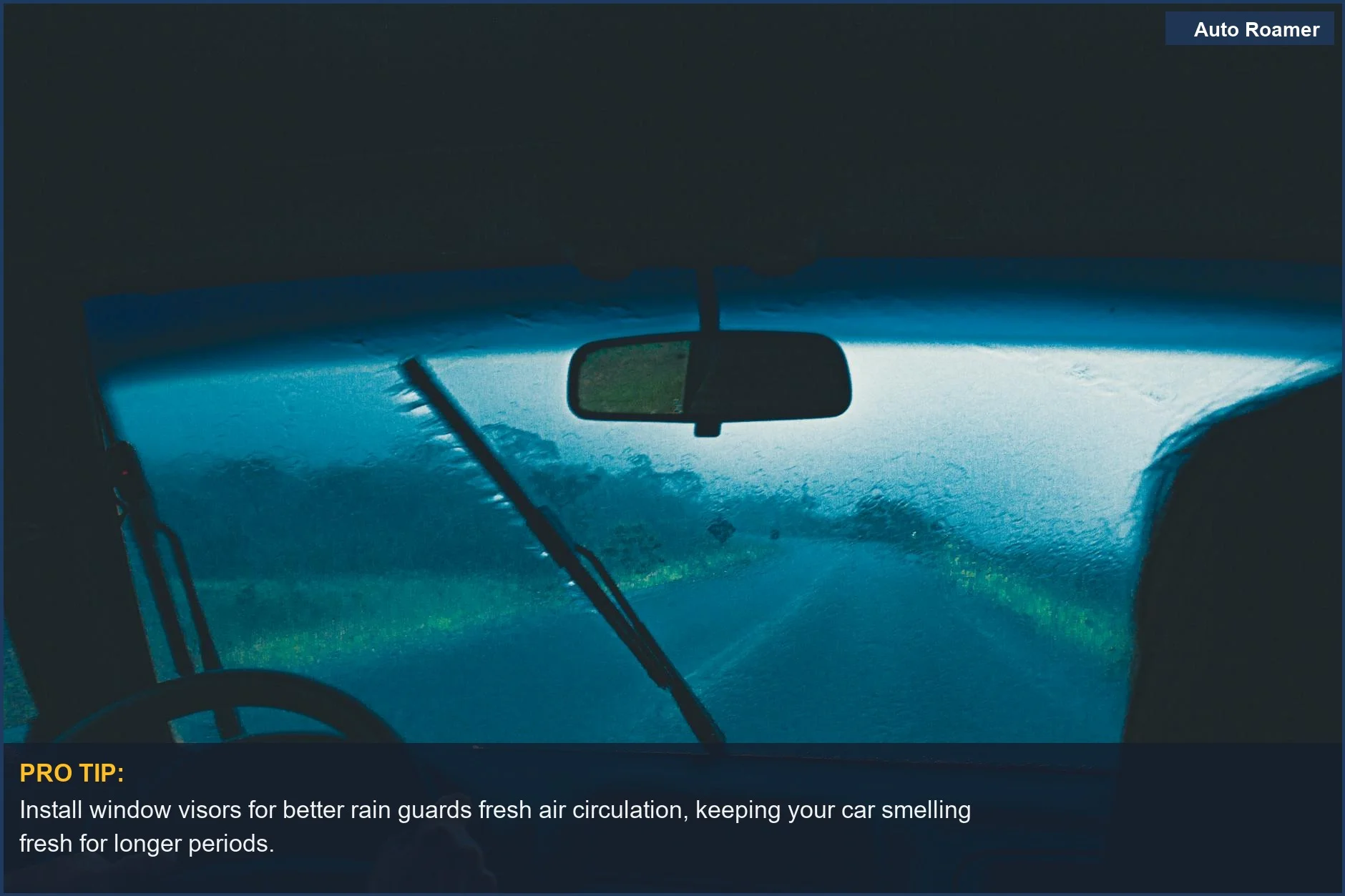
Protection from rain and debris is a given, which means you don't have to slam your windows shut the second a cloud appears. This allows for sustained ventilation. Think about it: you want to keep your car cool, but you also want to avoid cooking your electronics or your dog. These guards give you that flexibility.
It's a rookie mistake to think you need a complex vent system when a simple piece of plastic can do a lot of the heavy lifting. The real move is using these to create a comfortable microclimate in your car.
So, for anyone trying to make their car camping setup more comfortable, these are a low-cost, high-impact addition. They help prevent that stuffy, hot-car feeling. Improved air circulation is a major benefit.
Making the Right Choice
So, the verdict on rain guards for airflow? They definitely help. They're not going to replace your car's AC, but they make it way more comfortable to get fresh air when you need it. For car camping, this is huge. It means you can keep your car from turning into a greenhouse. It also means you can avoid that annoying wind buffeting that makes it impossible to enjoy a breeze.
My field notes say they are a must-have for anyone who likes to crack their windows. They offer a noticeable improvement in ventilation. Its a rain guard. It stops rain and water from dripping into your car when the window is open. This is their primary function, but the secondary benefit of improved airflow is what makes them great for camping. They are a simple solution to a common problem. Consider them an investment in your comfort.
Better airflow than standard window rain guards is a key selling point. They're a cheap way to make your car more livable, especially if you're spending weekends in it.