The Big Picture
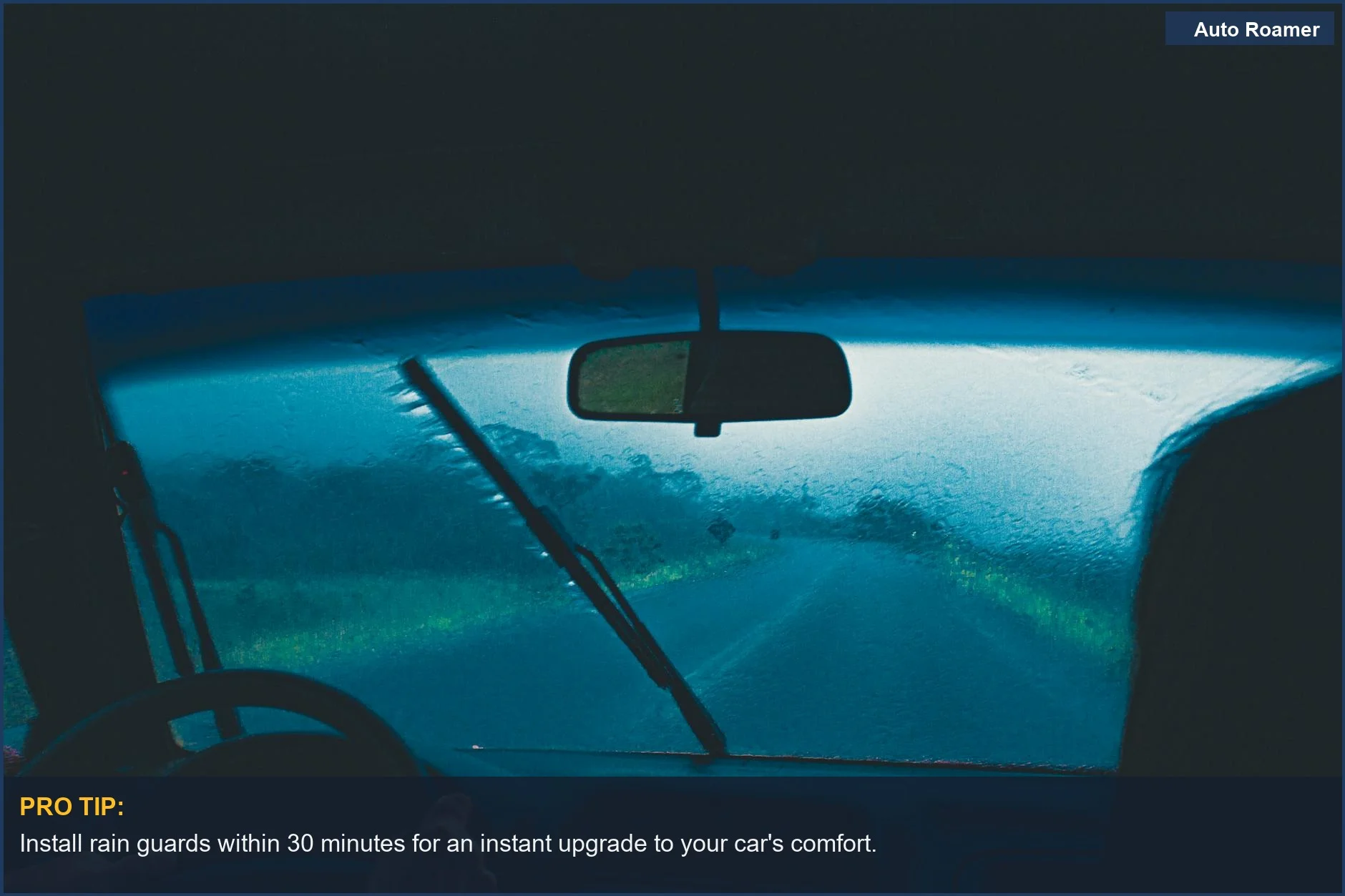
Car window rain guards, also known as wind deflectors or visors, are those plastic strips that hug the top of your car doors. They're not just for looks; they actually do some pretty useful stuff. Think of them as tiny spoilers for your windows, redirecting air and water so you can crack your windows without getting soaked. This becomes clear on a sweltering afternoon. My ancient Corolla had zero AC, and I was roasting.
I thought cracking the windows would help, but the dust just billowed in. wind visors or rain guards are designed to redirect wind away from the car, which keeps everything nice and quiet while you drive.
The Core Answer
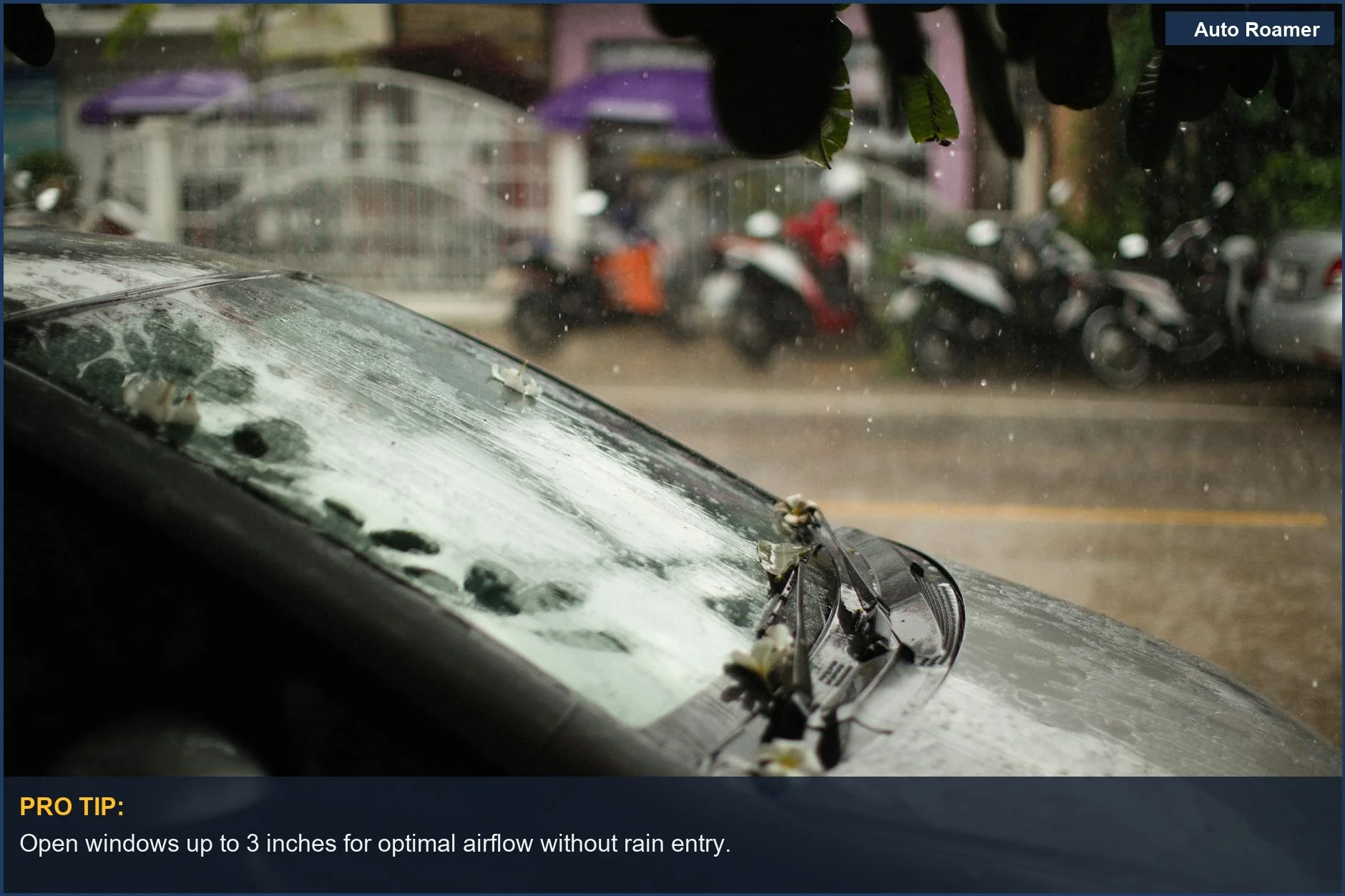
The basic idea behind these things is simple physics, but they work surprisingly well. They're shaped to grab the air flowing over your car and push it up and away from your open window. This means you can get fresh air without getting blasted by wind or rained on. Side Window Deflectors (also known as rain guards or window visors) are custom-fit pieces of plastic that sit in your window channel or attach to the frame.
They create a little barrier.
What nobody tells beginners is how much they help on a hot day. I wanted to air it out, but even a slight breeze kicked up so much dust. With these, you can crack the windows just enough to let hot air escape without inviting the entire desert inside. They are designed to, as much as possible, keep you dry.
They also cut down on wind noise. Driving with the windows down at highway speeds can sound like a jet engine taking off. These deflectors smooth out that airflow. I've heard people say they can reduce wind noise by as much as 40 to 50 percent, which is a huge difference on a long drive. This is hugely beneficial during the warmer months when windows are down more often.
There are generally two types: in-channel and stick-on. The in-channel ones slide into the rubber seal of your window frame. They look cleaner and are more streamlined. The stick-on ones use strong adhesive tape to attach to the outside of the door frame. Both get the job done, but the in-channel ones are usually the better pick.
Brilliant engineering.
The material is usually a tough, smoked acrylic or similar plastic. It needs to withstand sun, rain, and the occasional rock chip. The real move is to get ones specifically designed for your car model. They fit better and look like they belong there, not like an afterthought. Wind deflectors channel rain and other precipitation away from your open windows.
Why This Matters for Your Setup
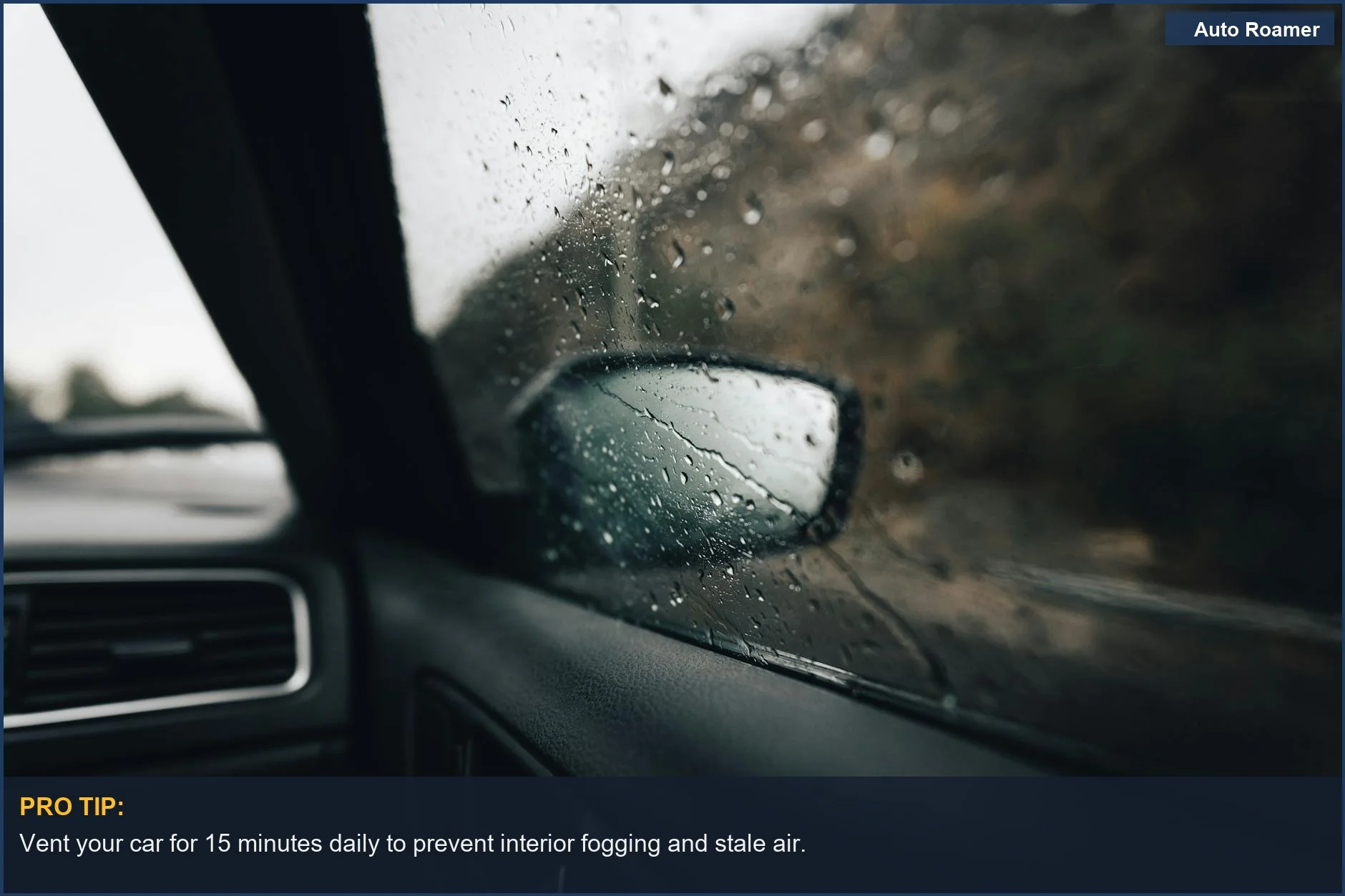
Why does this matter for your setup? Well, imagine this: You're camping somewhere remote, and it starts to drizzle. Your windows are fogging up inside, but you don't want to let the rain in. This is where rain guards become your best friend. You can crack your windows just enough to get some airflow without turning your car into a swamp. Its a rain guard.
It stops rain and water from dripping into your car when the window is open.
On a hot day, they let you vent your car without letting in dust and bugs. This matters most during a heatwave. My car was a solar oven. I cracked the windows, but the dust storm that followed was not fun. With deflectors, you can keep the windows slightly open for ventilation while keeping the worst of the dust out.
If adding rain guards helped the car stay cooler, that's a bonus.
They also help keep your car interior drier if you get caught in a downpour while the windows are slightly open. This is super handy when you're trying to keep your gear dry in the car. They create a shield that keeps rain and snow from falling directly into your car when the windows are open.
For car campers, this means you can maintain a more comfortable temperature inside your vehicle, even when the weather isn't cooperating. It's about making your car a more functional part of your camping setup, not just a place to sleep.
Making the Right Choice
So, what's the takeaway? Window rain guards are a simple, relatively inexpensive way to make your car more comfortable, especially during camping trips. They help keep rain out when windows are cracked, reduce wind noise, and can even help vent your car on hot days. Side Window Deflectors are custom fit, in-window-channel, rain and debris guards.
Don't overthink it. You don't need a fancy, expensive set for them to work. The $50 version is usually perfectly adequate for the job. A typical set costs about $45 and can last around three years. keeps rain out and fresh air in.
Think of them as a functional upgrade for your vehicle that pays off in comfort, especially when you're living out of your car for a weekend. It's one of those small things that makes a big difference in the overall experience. Making the right choice is just about finding ones that fit your car and your budget.