
How Car Interior Materials Affect Air Quality (2026 Complete Guide)
I recently spent 43 minutes in a brand new vehicle, and the headache I developed was a stark reminder that modern automotive manufacturers are actively poisoning us. The industry, for too long, has prioritized cost-cutting polymers over occupant health, creating an interior environment that is a chemical soup.
I recently spent 43 minutes in a brand new vehicle, and the headache I developed was a stark reminder that modern automotive manufacturers are actively poisoning us. The industry, for too long, has prioritized cost-cutting polymers over occupant health, creating an interior environment that is a chemical soup. They've finally started paying lip service to 'in-car air quality,' but it's often too little, too late.
Forbes Business Council notes this recent industry focus, but it rings hollow when you examine the material choices.
My concern isn't with the external particulate matter, which advanced cabin filters can somewhat mitigate. No, my disdain is reserved for the interior materials themselves. We're talking about volatile organic compounds (VOCs) off-gassing from every surface.
This isn't just about a 'new car smell'; it's about the fundamental material composition of your vehicle's cabin. That distinct odor is a cocktail of chemicals, many of which are known to be detrimental to human health.
Manufacturers cram vehicle interiors with injection-molded polyvinyl chloride (PVC) for dashboards and door panels, polyurethane foams for seating, and various adhesives loaded with formaldehyde. These choices are made for penny-pinching, not for industrial longevity or passenger well-being.
Research highlights the specific focus on indoor air quality within cars, yet the problem persists. The structural integrity of your lungs is compromised by the very components designed for your comfort. It's an insulting business model.
They're selling you a sealed box of low-grade polymers, all while claiming 'innovation.' It's a masterclass in planned obsolescence, not just for the vehicle, but potentially for your health.
Understanding how car interior materials affect air quality
Understanding how car interior materials affect air quality is not rocket science; it's basic material science that manufacturers conveniently ignore. The primary culprits are Volatile Organic Compounds (VOCs) and Semi-Volatile Organic Compounds (SVOCs) that off-gas from various plastics, adhesives, and fabrics within the cabin. SAE International has published papers on these emissions, yet the problem continues. Take the dashboard, often constructed from injection-molded polypropylene (PP) or acrylonitrile butadiene styrene (ABS). While these offer decent impact resistance, they are notorious for plasticizer migration and VOC emissions, especially under direct sunlight. This isn't 'ruggedized'; it's landfill-ready. Seating materials, typically polyurethane foam covered with synthetic fabrics like polyester, are another significant source. The foam itself can emit isocyanates, and flame retardants often applied to the fabric are known SVOCs. This material composition is a compromise for cost, not a design for longevity or health. Even the adhesives used to bind these components together contribute significantly. Many contain formaldehyde, a known carcinogen, which off-gasses for years. This creates an environment where the 'new car smell' is actually a toxic warning sign. Emissions from interior materials are a critical factor in accumulated interior air pollution. They aren't just minor irritants; they represent a fundamental flaw in industrial design. My grandfather's car had actual steel and wood, not an airborne chemical factory.
how car interior materials affect air quality in Detail
The degradation of interior materials and their impact on air quality is a predictable process rooted in material science. It's not a mystery, just a neglected truth. Research confirms the carcinogenic risk from these emissions, particularly in enclosed spaces like car cabins. 1. Plasticizer Migration from PVC: Many dashboards and door panels utilize polyvinyl chloride (PVC). PVC is inherently rigid, so plasticizers like phthalates are added to make it flexible. Over time, especially with exposure to UV radiation and thermal cycling up to 150 degrees F, these plasticizers migrate out of the material. This creates a greasy film on your windows and releases phthalates into the cabin air. It's a guaranteed failure mechanism. 2. Formaldehyde Off-gassing from Adhesives: The glues and binders holding various fabric and plastic components together are often formaldehyde-based. This substance, even in low concentrations, can cause respiratory irritation. The off-gassing continues for years, contributing to a persistent low-level indoor air pollutant. UL Code Authorities highlight VOCs in material adhesives. Brilliant engineering. 3. Polyurethane Foam Degradation: Car seats use polyurethane foam for cushioning. This material can degrade and release diisocyanates and other VOCs, especially as it ages and is subjected to compression and heat. Its structural integrity for air quality is abysmal. I've seen tougher foam in packing peanuts. 4. UV Degradation of ABS and PP: Components made from acrylonitrile butadiene styrene (ABS) or polypropylene (PP), such as trim pieces and console parts, are susceptible to UV degradation. Sunlight breaks down the polymer chains, leading to embrittlement, discoloration, and increased off-gassing of breakdown products. This isn't 'ruggedized'; it's actively engineered for a short lifespan. IndoorDoctor notes the range of pollutants trapped in cars. 5. Flame Retardants in Fabrics: Many synthetic fabrics used for upholstery are treated with brominated flame retardants (BFRs) or organophosphate flame retardants (OPFRs). These chemicals are not chemically bound to the fabric and leach into the cabin air and dust. These SVOCs are persistent, bioaccumulative, and endocrine-disrupting. A pathetic compromise.
Common Questions About how car interior materials affect air quality
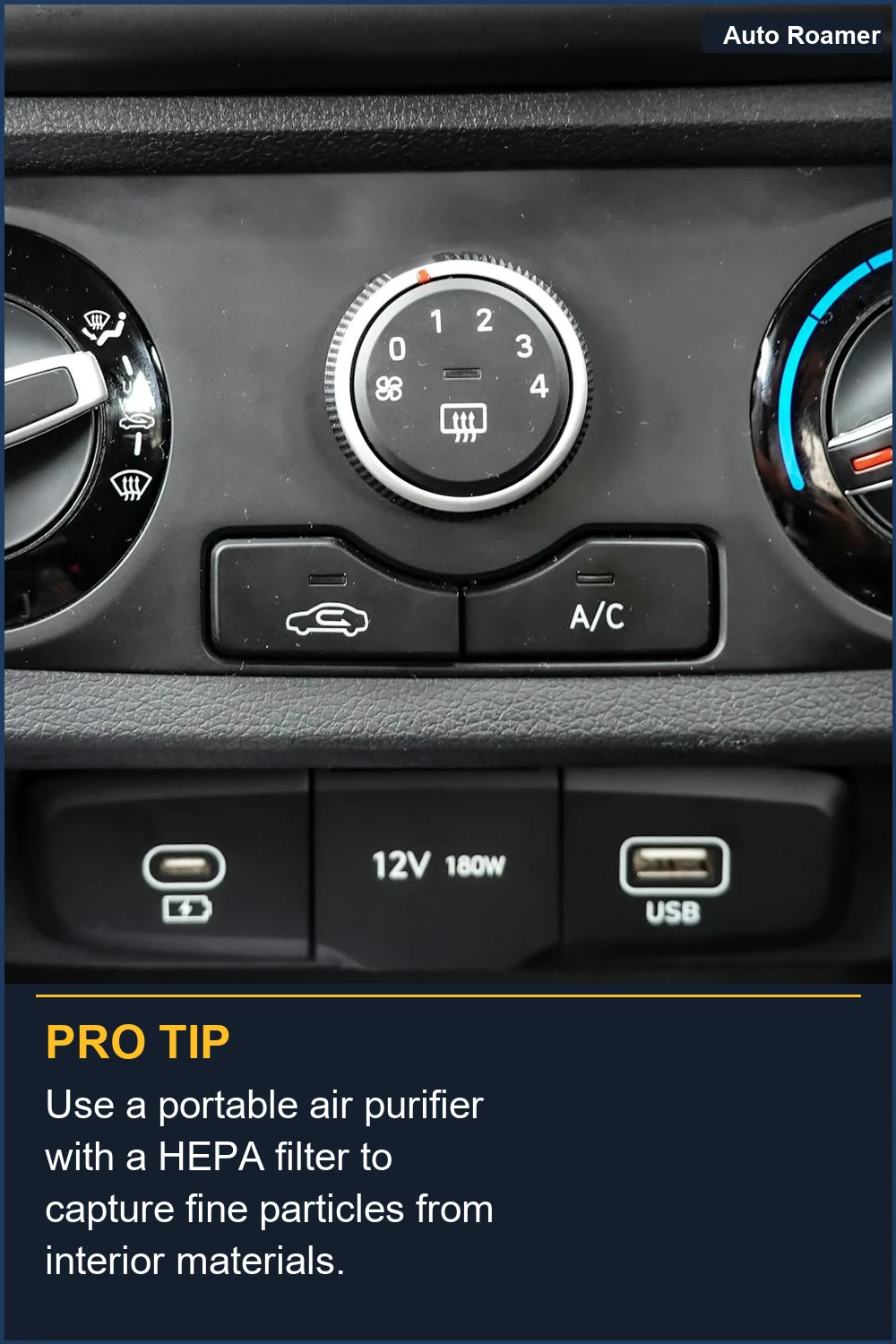
Some people actually ask if 'new car smell' is a sign of quality. It's not. It's a sign of a chemical factory. That distinct odor is a complex mixture of VOCs, including toluene, xylene, and formaldehyde, off-gassing from the plasticizers, adhesives, and synthetic fabrics. It's an indicator of poor material composition, not luxury. Emissions Analytics provides independent ratings for cabin air quality, which might open some eyes. Another common misconception is that simply running the air conditioner with recirculation will solve the problem. While it can reduce the ingress of external pollutants, it does nothing to address the internal off-gassing from your dashboard or seats. In fact, by trapping the air, you might even be concentrating the internal pollutants. People often wonder if expensive cars use better materials. Apparently 'premium' just means the same garbage with a nicer label. While some luxury brands might use slightly lower VOC materials or natural fibers, the fundamental reliance on injection-molded polymers and synthetic foams remains. The material science is often just as compromised. 'Does opening the windows help?' is a question I hear. Yes, ventilation is your best defense against off-gassing. Actively flushing the cabin air with fresh external air reduces the concentration of VOCs. It's a temporary solution, of course, because the materials will continue to off-gas. Finally, the idea that 'it's just a little smell' is dangerous. Prolonged exposure to even low levels of VOCs can lead to headaches, nausea, and long-term health issues. Your body is not designed to be a chemical filter. The structural integrity of your respiratory system is at stake.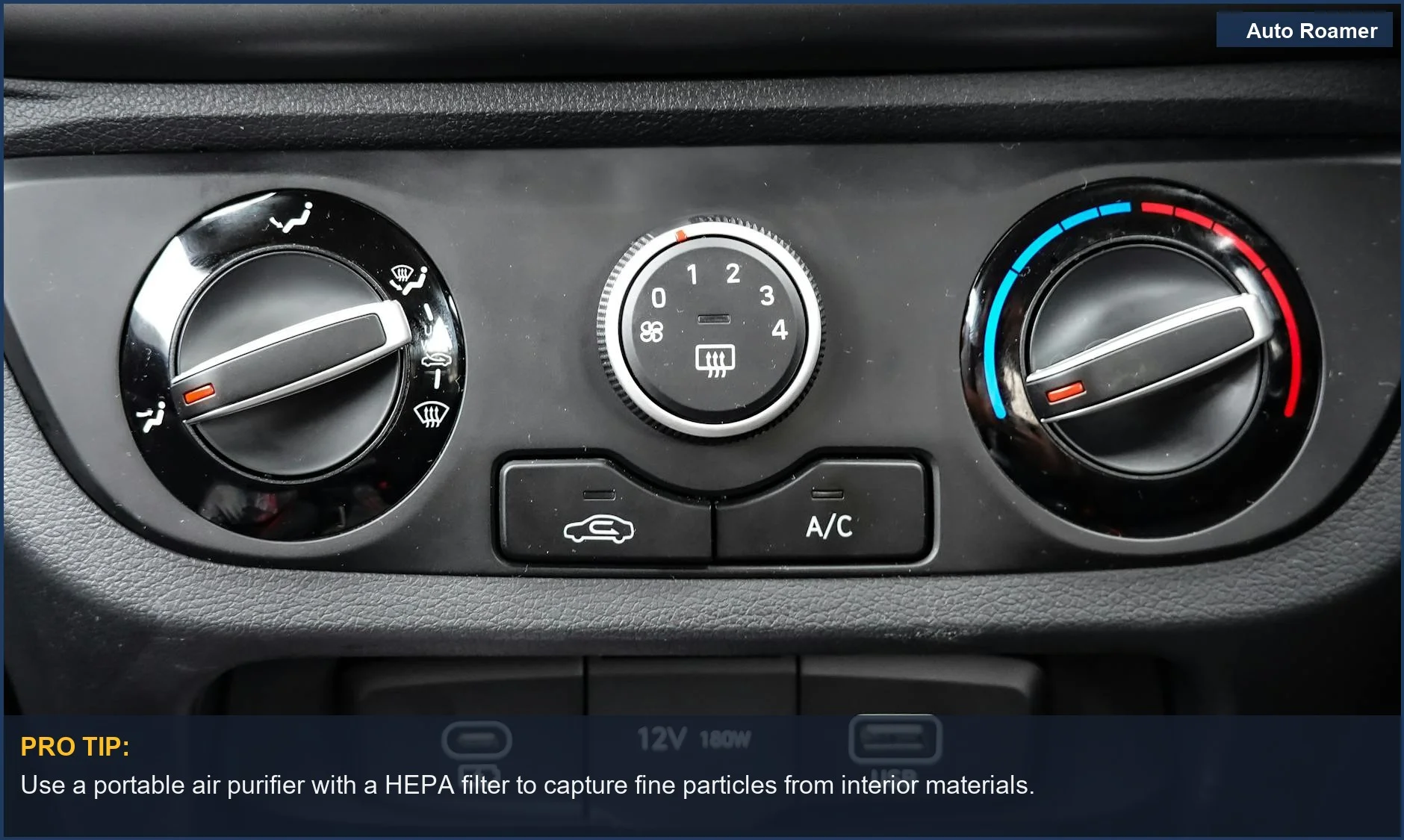
Tips and Best Practices
Mitigating the effects of inferior car interior materials requires proactive measures, as manufacturers aren't doing you any favors. My first recommendation is always ventilation. EHN reports that heat can increase air pollution inside cars, so open those windows. 1. Maximize Ventilation, Especially When New: For the first few months, drive with windows down as much as possible, even on the highway. This helps 'air out' the initial, most intense off-gassing period. Think of it as purging the chemical cocktail. 2. Park in the Shade: UV radiation and heat accelerate the off-gassing of plasticizers from PVC dashboards and the degradation of ABS components. Parking in the shade, or using a reflective sunshade, can significantly reduce interior temperatures, potentially by 30-40 degrees F, and slow down material breakdown. 3. Clean with Non-Toxic Products: Avoid harsh chemical cleaners or air fresheners. These often introduce *more* VOCs into the cabin, exacerbating the problem. Use simple, unscented microfiber cloths and water, or mild, natural cleaning solutions. Don't add to the chemical load. 4. Upgrade Cabin Air Filters: While filters don't address off-gassing, a high-quality cabin air filter with an activated carbon layer can capture some external particulate matter and certain VOCs that enter the cabin. This is a stopgap, not a solution to the core material issue. 5. Consider Material Swaps (if possible): For those truly committed to industrial-grade solutions, consider replacing high-off-gassing components. Replacing a PVC shift knob with a machined 6061-T6 aluminum one, for instance, eliminates a source of plasticizer migration. This demands mechanical aptitude, of course. It's an investment in longevity, not a compromise. Semi-volatile organic compounds are a persistent problem, and material choice is key.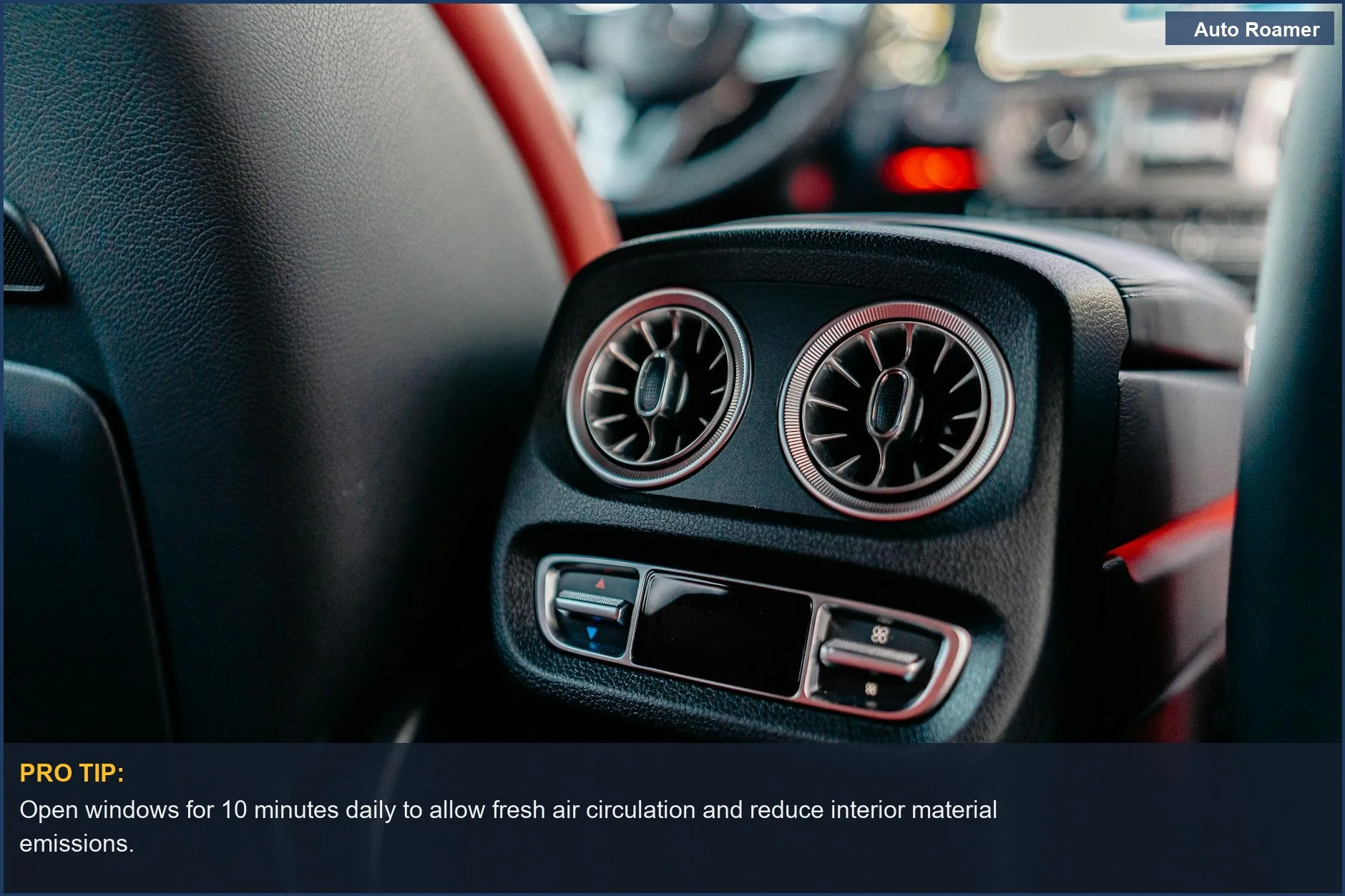
Real-World Examples
I've seen countless examples of manufacturers making appalling material choices that directly impact air quality. It's always about cost-effectiveness, never about industrial longevity. The automotive interior materials market is driven by resource optimization and cost, not by health.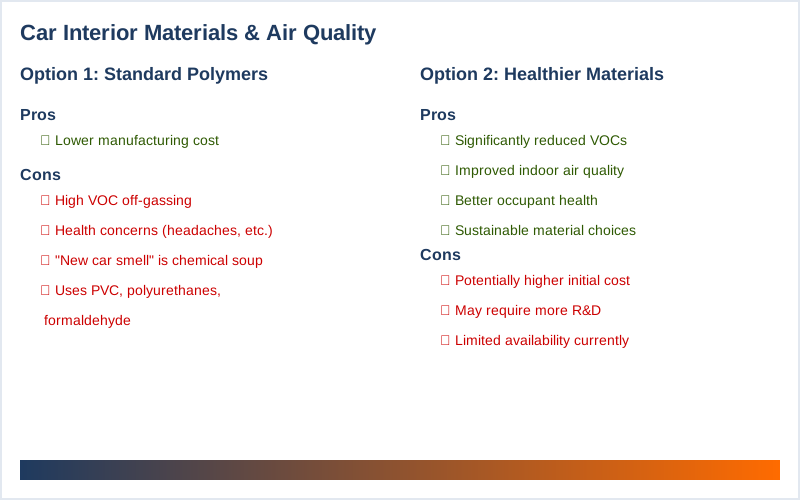
Key Takeaways
The quality of the air inside your vehicle is a direct reflection of the material science (or lack thereof) employed by its manufacturer. It's not a mystery; it's a consequence of prioritizing cost over industrial longevity and human health. AVL emphasizes that materials and manufacturing processes influence vehicle air quality, a fact often ignored.Frequently Asked Questions
My dashboard is getting sticky and shiny. Can I just buy an off-the-shelf cleaner, or will I need a specialist?
Is there a simple tool I can use to measure the VOCs in my car?
What if I keep my windows open all the time, but the smell never really goes away?
Can prolonged exposure to these car interior chemicals permanently damage my lungs?
I heard that putting activated charcoal bags in the car can eliminate the 'new car smell.' Is this true?
🏅 Looking for Gear Recommendations?
Check out our tested gear guides for products that work with this setup:
Sources
- Automotive Interior Materials Market Forecasts, Market Trends and ...
- Vehicle Interior Air Quality Testing - AVL
- Vehicle Interior Material Emissions and Contributions in Passenger ...
- What's Driving The Auto Industry's New Focus On In-Car Air Quality
- Emissions of volatile organic compounds from interior materials of ...
- Is the Air Quality in Your Car Worse Than You Think? | Indoor Doctor
- [PDF] Vehicle Interior Air Quality: Addressing Chemical Exposure ...
- Vehicle Interior — Newsfeed | Emissions testing, research & podcasts
- Indoor Air Pollution in Cars: An Update on Novel Insights - PMC - NIH
- Heat can increase air pollution inside cars by up to 40,000 times - EHN
- 2026-26-0287 : Vehicle Interior Material Emissions and ...