
Legal Implications of Using Radar Detectors and Dashcams
My first radar detector was a $50 Cobra unit I got at a truck stop on I-81 in Pennsylvania. It chirped at everything, from automatic doors at gas stations to my own car's adaptive cruise control. I spent 20 minutes at a rest stop trying to figure out if the Ka-band alert was real or just my car being fancy.
My first radar detector was a $50 Cobra unit I got at a truck stop on I-81 in Pennsylvania. It chirped at everything, from automatic doors at gas stations to my own car's adaptive cruise control. I spent 20 minutes at a rest stop trying to figure out if the Ka-band alert was real or just my car being fancy. The honest version: most of these things are overkill unless you drive a lot in speed-trap central.
Dashcams, on the other hand, are a no-brainer. I bought my first one for $75, a cheapie that recorded grainy footage. It paid for itself the first time someone cut me off and I had proof. New York is generally fine with detectors for personal cars, but things get complicated fast depending on where you are and what you're driving.
The Core Answer
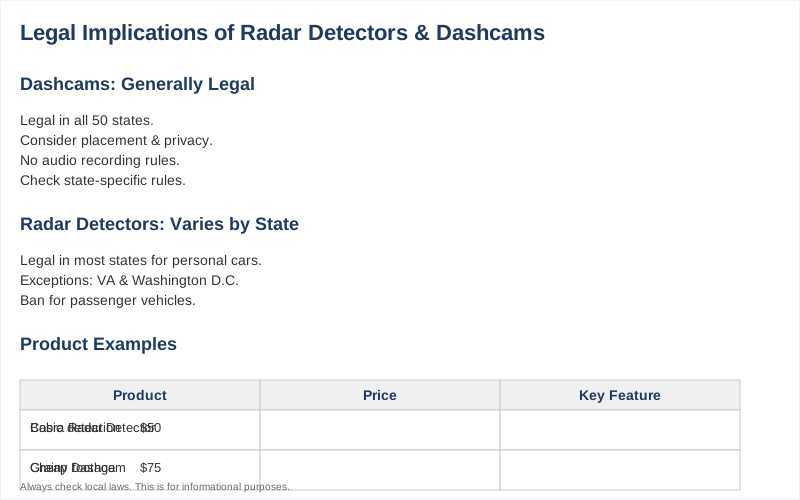
Alright, let's cut to the chase. You want to know if you can slap a radar detector and a dashcam on your ride without getting into trouble. The short answer is: dashcams are legal everywhere in the US, no sweat. Radar detectors? That's a whole different ballgame. Dashcams are legal in all 50 states, but there are still some nuances to keep in mind, like placement and privacy. Nobody's going to arrest you for having a camera pointed forward, but some states have rules about recording audio or where you can stick it. Each state has specific regulations. Radar detectors are where things get spicy. Most states are cool with you having one in your personal vehicle. It's like having an extra pair of eyes on the road, but for speed guns. However, there are a couple of major buzzkills. Virginia and Washington D.C. are the big exceptions; they flat-out ban them for passenger cars. Seriously, don't even think about it there. Virginia and Washington, D.C. are the only places that broadly prohibit them. It's a rookie mistake to assume they're okay everywhere. And then there's the commercial vehicle angle. If you're driving anything over 10,000 pounds, forget about it. Federal law says no radar detectors for big rigs and commercial trucks. You're looking at fines and device seizure. Federal law prohibits radar detectors in commercial motor vehicles. It's a federal law, so it applies everywhere. So, for your weekend warrior adventures in your Subaru Outback, you're probably fine in most places with a detector. Just avoid Virginia and D.C. and don't be in a commercial truck. The real move is to check your specific state laws before you mount that thing. New York, for example, is fine with personal vehicles, but always double-check.
Why This Matters for Your Setup
Look, I'm not saying you're going to get pulled over just for having a radar detector. But if you're in one of those ban states, it's an easy ticket. I saw a guy get a $200 fine in Virginia for his detector. That's money you could spend on actual camping gear, like a decent sleeping bag. The placement of dashcams can also vary, so make sure it's not blocking your view or violating any obscure state laws. Brilliant engineering, making you worry about where to stick a camera.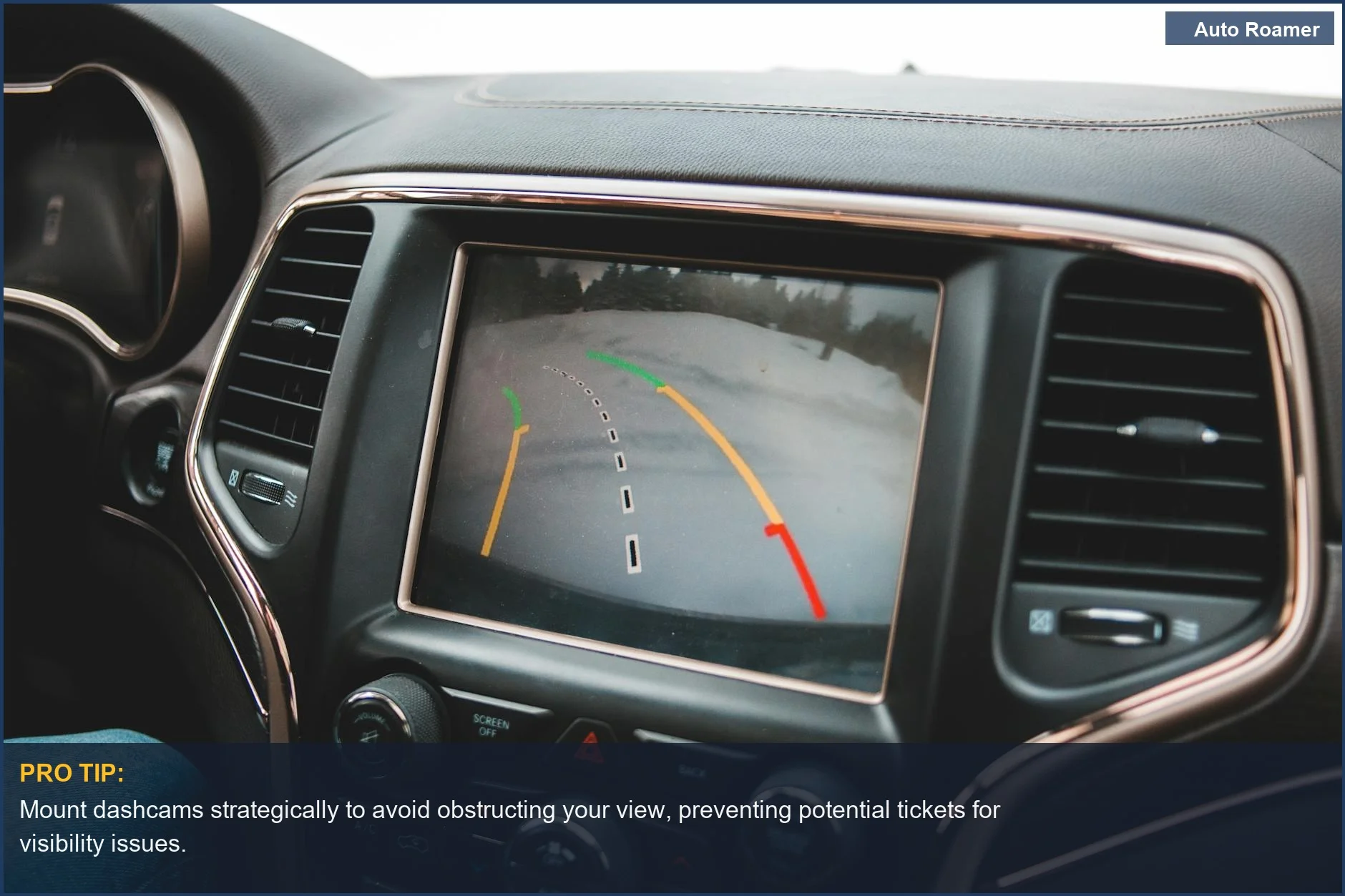
Making the Right Choice
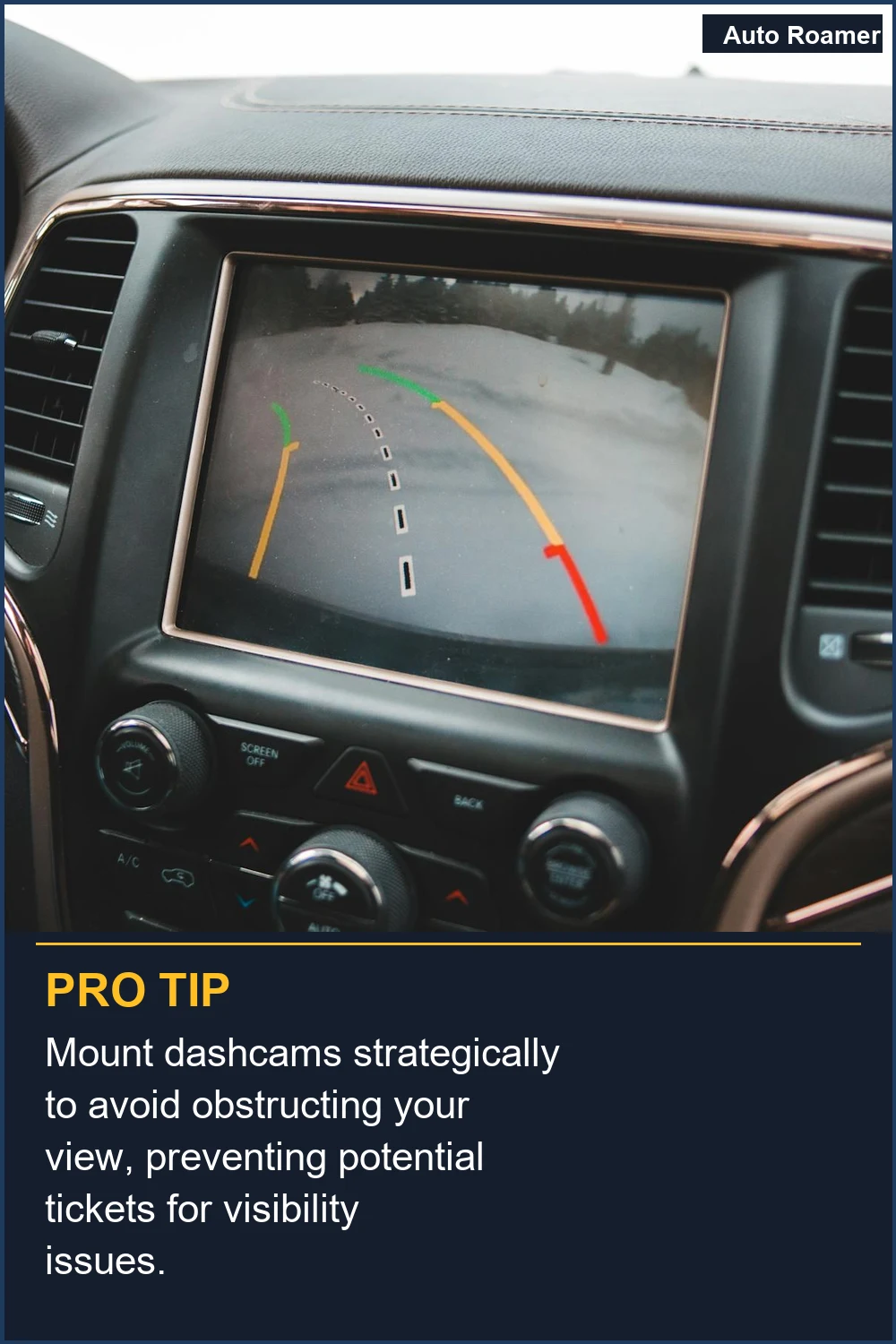
So, here's the deal. If you're thinking about getting a dashcam, go for it. They're legal everywhere and can save your bacon in an accident. Just make sure you mount it right so it doesn't get you a ticket for something silly like obstructing your view. Restrictions affecting legal dash cam installation do vary. Radar detectors are more of a gamble. If you drive a lot in states where they're banned, you're asking for trouble. It's not worth the risk of a fine or having your gear confiscated. The presence of a radar detector does not prove fault unless it directly contributed to an accident. Think about your typical driving routes. Are you mostly sticking to places where they're legal? If you're going to be in Virginia, leave it at home. Virginia and Washington, D.C. are the main offenders. Ultimately, the honest version is that dashcams are a smart, universally legal investment for any driver. Radar detectors? They're more of a luxury item with legal headaches depending on your ZIP code. Choose wisely, and stay safe out there. Potential privacy issues are also a thing with dashcams, so be mindful.
Frequently Asked Questions
My radar detector cost me $300, but the ticket I avoided saved me $150. Does that mean it paid for itself?
Do I really need to buy a special dashcam mount, or can I just use some heavy-duty double-sided tape?
What if my dashcam records something incriminating about *me*? Can that be used against me?
Can having a radar detector permanently damage my car's electronics?
I heard that if your dashcam records an accident, the police will automatically assume you were at fault. Is that true?
🏅 Looking for Gear Recommendations?
Check out our tested gear guides for products that work with this setup:
Sources
- Are Radar Detectors Legal in New York? Yes, But With ... - RoadSpy
- Radar Detectors: Understanding the Legal Landscape and Practical ...
- Radar Detector Laws by State: What's Legal and What's Not - Uniden
- Do cops care about trucks with radar detectors? Bought a dashcam ...
- Dash Cam and Radar Detectors Laws You Need To Know
- Are Dash Cams Legal? A State-by-State Guide to Dash Cam Laws ...
- Dashcam legal question | Radar Detector & Countermeasure Forum
- Understanding Dash Cam Laws in Every State (2025) - DDPAI