
Understanding Radar Detector Technology for Safer Driving
My first car camping trip was a $47 experiment in a Honda Civic hatchback in Shenandoah Valley. Mid-October. I had a Walmart foam pad, a sleeping bag rated to 40F, and zero idea that the temperature drops 15 degrees after midnight in the mountains.
My first car camping trip was a $47 experiment in a Honda Civic hatchback in Shenandoah Valley. Mid-October. I had a Walmart foam pad, a sleeping bag rated to 40F, and zero idea that the temperature drops 15 degrees after midnight in the mountains. By 2AM I was wearing every piece of clothing in my bag and still shivering. The fix was a $12 fleece liner from Amazon that turned my 40F bag into a 25F bag.
Three years later I still use that same liner on every trip.
This whole radar detector thing feels a lot like that first camping trip. Everyone tells you how essential it is, but then you're staring at a wall of jargon and $500 devices and thinking, 'What even IS X-band?' The honest version: it's about not getting blindsided by a speed trap. These things basically listen for police radar guns. That's it. And knowing that makes choosing one a lot less scary.
I learned this the hard way, naturally. After a particularly expensive weekend in the Smokies, I decided to actually figure out what I was buying. Turns out, you don't need a PhD in radio waves to pick a decent detector. You just need to know what to listen for. The goal is simple: avoid tickets and drive smarter.
The Core Answer
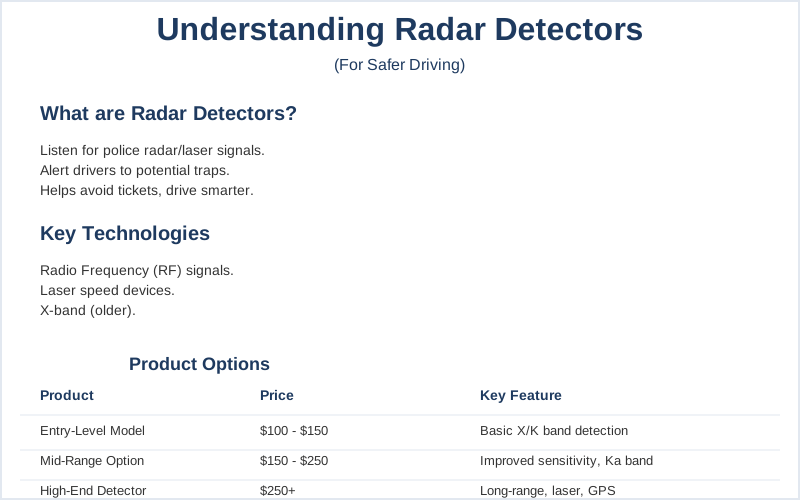
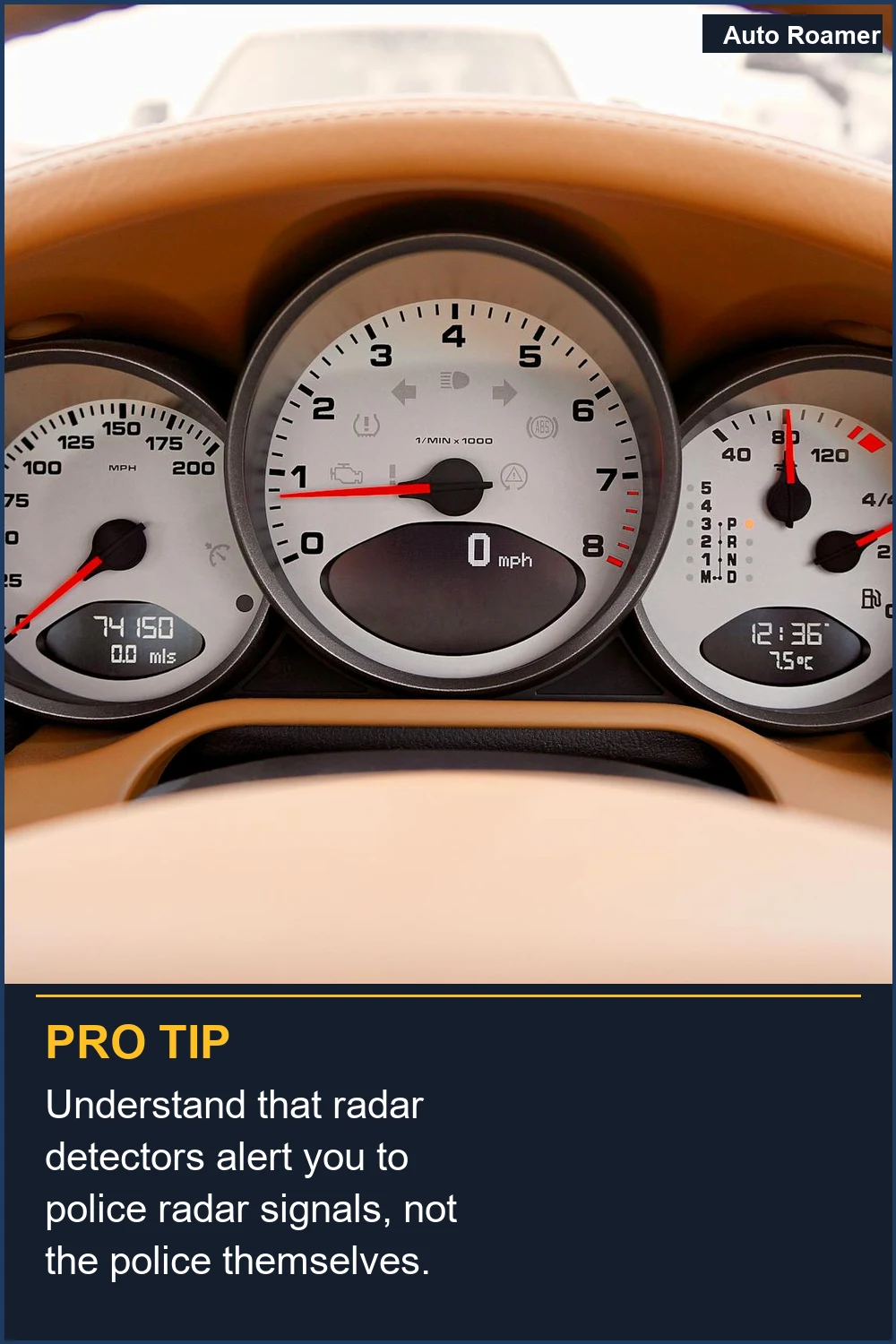
The real move with radar detectors is understanding they don't see the cops; they hear the cops' equipment. It's like a smoke detector for speed traps. These devices listen for specific radio frequency (RF) signals and laser pulses that radar guns and laser speed devices emit. When they catch one, they blast an alert. Think of it in terms of radio bands. There's X-band, which is older and mostly phased out for speed enforcement, but still pops up in other stuff, so many detectors let you turn it off. Then there's K-band, which is common for speed guns but also used by your car's blind-spot monitoring system. Big rookie mistake: not realizing K-band alerts can be your own car. That's why you need filters. Ka-band is where most of the action is today for speed traps. It's a higher frequency and what police radar guns are typically using. Laser (or LiDAR) is a whole different beast, basically a focused beam of light. Detectors can pick up laser, but it's directional, so you get less warning time. It's like trying to detect a laser pointer aimed at you. My first detector was a $50 special from eBay. It picked up everything from automatic doors at grocery stores to my neighbor's garage opener. I got so many false alarms I eventually just turned it off. The fix was spending a bit more, maybe $150, for a model that actually knew the difference between a police radar gun and a microwave oven. Better filtering means fewer headaches. So, the core tech is pretty simple: listen for signals, tell you when you hear one. The complexity comes in distinguishing between the real threats and the noise. It's not magic; it's just radio waves. Some of the fancier ones have GPS to remember where you get false alarms, or even connect to your phone. That's overkill for a first-timer. Just make sure it can reliably detect K and Ka bands, and ideally has some way to cut down on false positives from your own car's safety features. You want a detector, not a constant annoyance.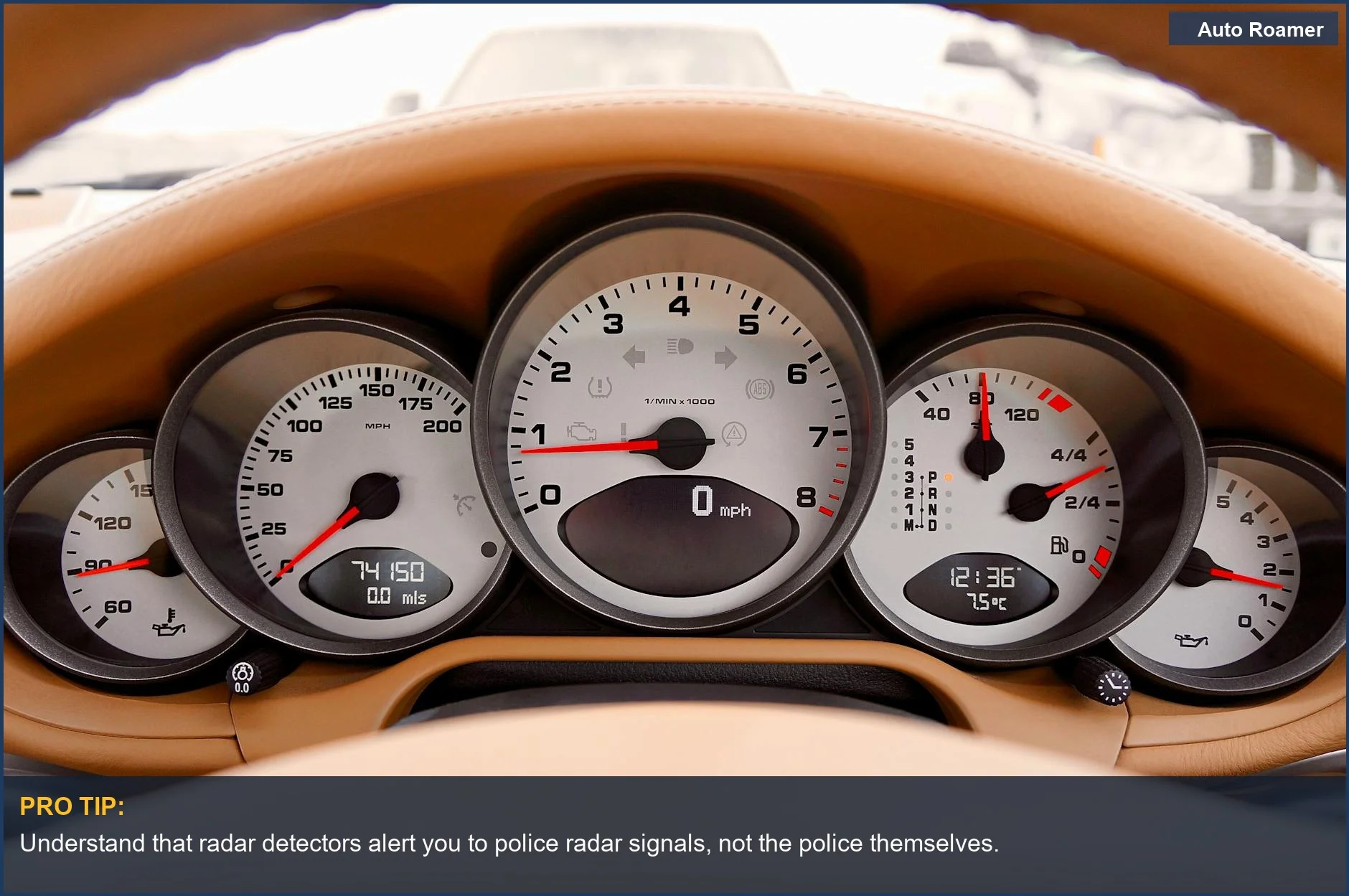
Why This Matters for Your Setup
Why does any of this matter when you're just trying to get from Point A to Point B without a ticket? Because if you don't understand the basics, you'll buy the wrong thing.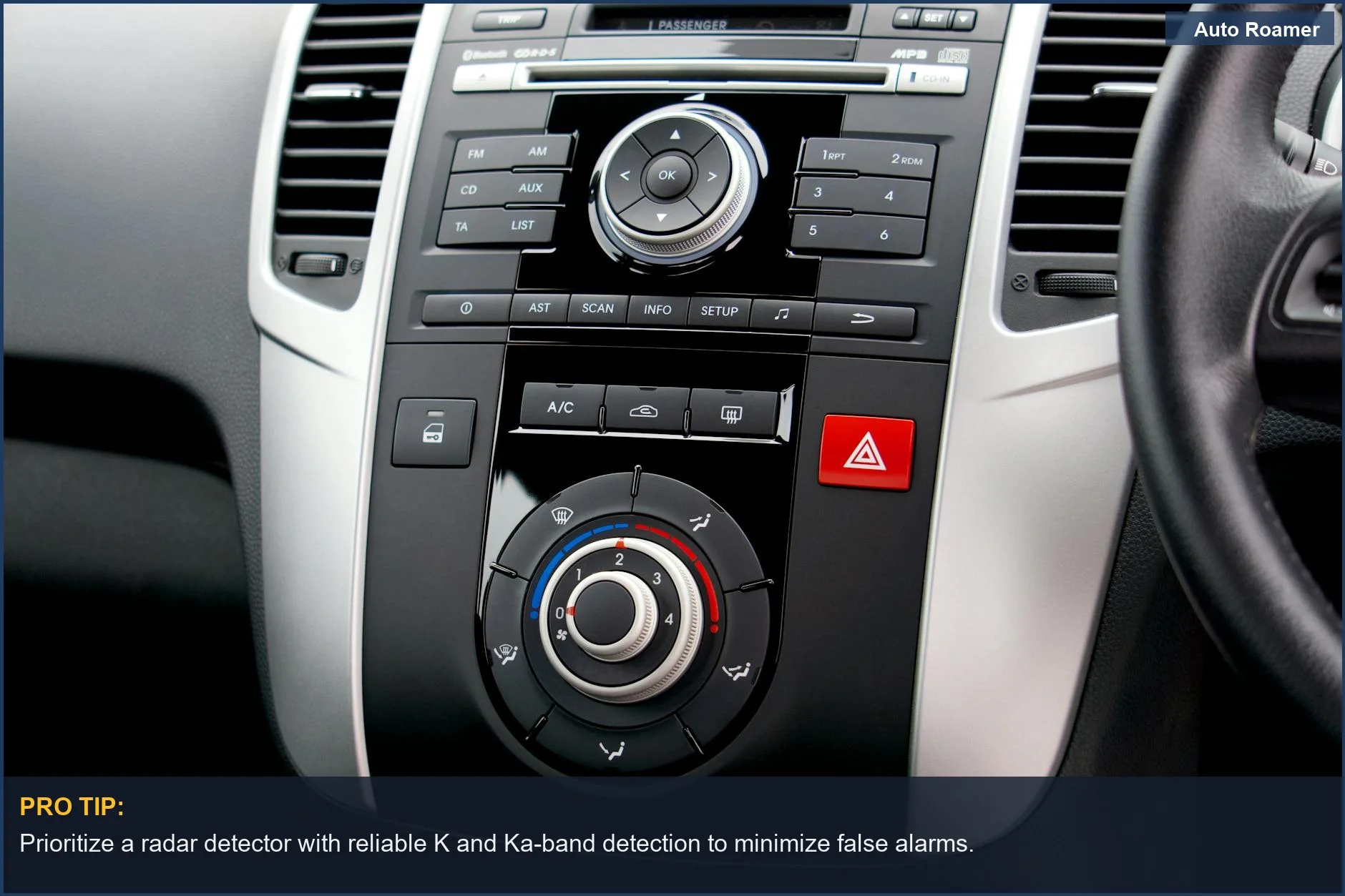
Making the Right Choice
So, you've got a basic idea of what's going on under the hood of these things. The honest version is, you don't need the $500 top-of-the-line model for your first go. Focus on reliable K and Ka-band detection. Look for a unit that has decent reviews for reducing false alarms. A lot of detectors will claim to have the best tech, but if it's constantly screaming at you about automatic doors, it's useless. My $120 Uniden is still going strong after 3 years. Don't get bogged down in the specs. If it tells you when radar is around and doesn't drive you insane with fake alerts, it's probably good enough to start. You're not building a fighter jet; you're just trying to avoid a ticket.
Frequently Asked Questions
Okay, so my car already has 'safety features' that beep at me. Is a radar detector just going to make that worse, or can I get one that plays nice with my car?
Do I really need a separate mount, or can I just wedge my radar detector somewhere on the dashboard?
What if I buy a radar detector and it doesn't seem to pick up anything, even when I see a cop car ahead?
Can running a radar detector for years mess with my car's electronics or something?
I heard radar detectors don't even work anymore because cops use laser. Is that true?
🏅 Looking for Gear Recommendations?
Check out our tested gear guides for products that work with this setup:
Sources
- How Does a Radar Detector Work? A Comprehensive Guide
- How to choose a radar detector - Crutchfield
- Radar Detectors 101: Beginners Guide - YouTube
- Stay Safe and Informed: The Benefits of Owning a Radar Detector
- Learn How Advanced Radar Detectors Make Driving Safer
- How Radar Detectors Work: Bands, Radar vs Laser, Limits - Uniden