
Essential Dash Cam Features for SUV Camping Adventures
My first car camping trip was a $47 experiment in a Honda Civic hatchback in Shenandoah Valley. Mid-October. I had a Walmart foam pad, a sleeping bag rated to 40F, and zero idea that the temperature drops 15 degrees after midnight in the mountains.
My first car camping trip was a $47 experiment in a Honda Civic hatchback in Shenandoah Valley. Mid-October. I had a Walmart foam pad, a sleeping bag rated to 40F, and zero idea that the temperature drops 15 degrees after midnight in the mountains. By 2AM I was wearing every piece of clothing in my bag and still shivering. The fix was a $12 fleece liner from Amazon that turned my 40F bag into a 25F bag.
Three years later I still use that same liner on every trip. This isn't about fancy gear lists; it's about what actually works when you're miles from anywhere. When you're taking your SUV out for some serious camping, you need more than just a good sleeping bag. You need eyes in the front and back, especially when you're parked for the night or navigating tricky terrain. That's where a dash cam comes in, and not just any dash cam.
We're talking about the ones that actually do the job without costing you an arm and a leg or requiring a degree in engineering. Car and Driver has tested a bunch, and the consensus is clear: features matter, but so does simplicity. You don't need a selfie camera unless you're planning a YouTube channel about your car's interior. Think practical. Think safety. Think about not getting ripped off by a shady mechanic or a bad driver.
The Core Answer
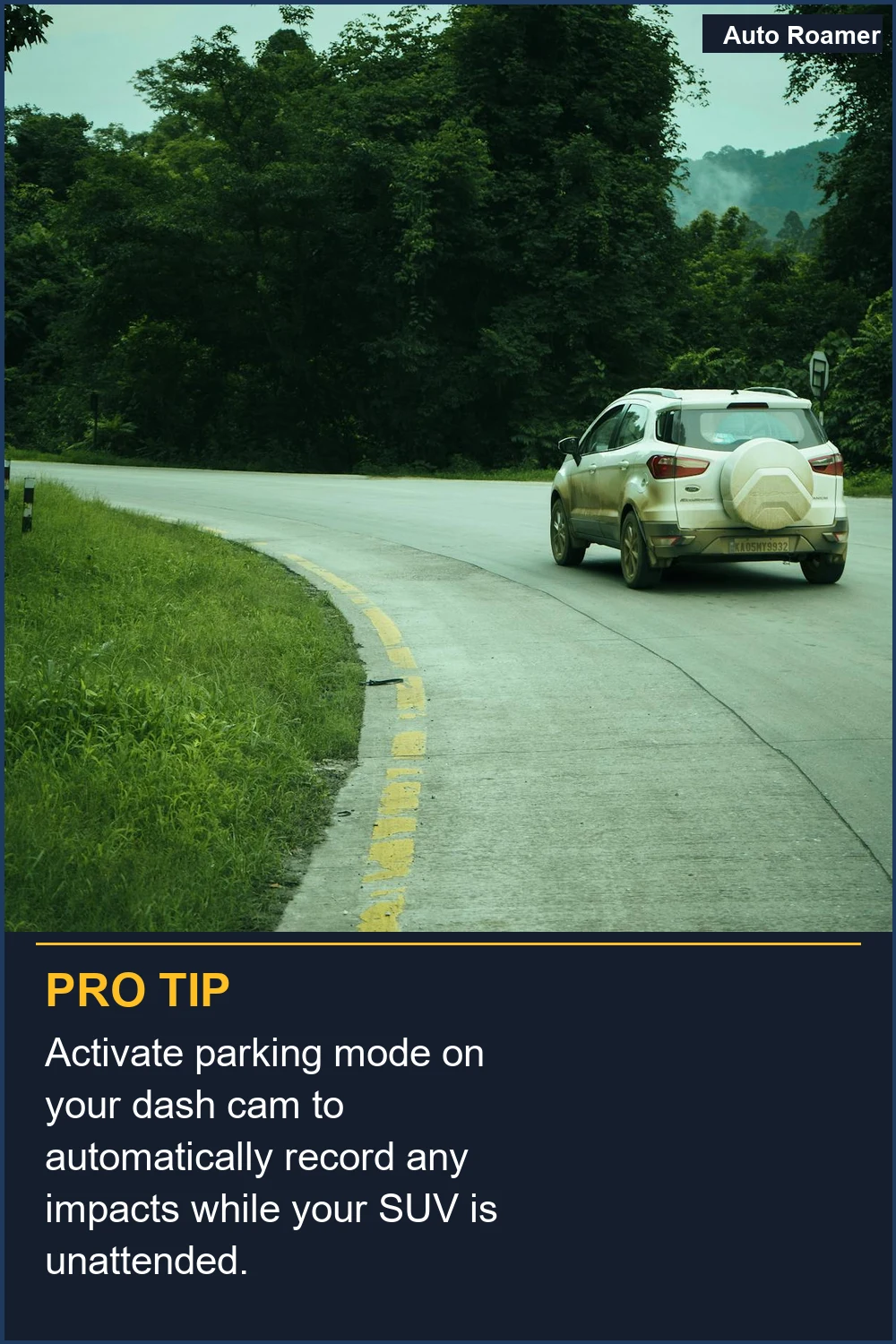
The core answer for a dash cam in your SUV, especially for camping trips, boils down to two main things: capturing what's happening in front of you and having a reliable way to see when you're parked. I learned this the hard way after a minor fender bender in a Wal-Mart parking lot at 10 PM. The other driver swore I backed into them, but my cheap, no-name dash cam only recorded fuzzy static. It was useless. Texas Diamond Garage mentions that SUVs need wide-angle views, and they aren't wrong. My Civic's tiny field of vision barely caught the mailbox, let alone the whole scene. You need something that sees more. Look for high-definition recording, at least 1080p, but 4K is even better if your budget allows. This is the difference between seeing a license plate and seeing a blurry smudge. My buddy tried to save $50 on a dash cam once, and when he got rear-ended, all he had was a blurry potato video. Brilliant engineering, that. YouTube videos show how much detail you can miss with lower resolutions. Night vision is non-negotiable for camping. Those dark forest roads or sketchy truck stops at 2 AM are no joke. The camera needs to see more than just headlights. I once camped near Big Bend National Park, and the wildlife at night was incredible, but my old camera just showed blackness. Parking mode is your best friend when you leave your rig parked at a trailhead or a campsite. This feature automatically records if it detects motion or impact. It's like having a security guard for your car. Without it, you're blind if someone bumps your vehicle while you're off hiking. Think of it as a digital witness. CNET talks about how these features are standard now, but the quality varies wildly. GPS logging is also a nice-to-have. It records your speed and location, which can be super helpful for reviewing your trip later or, you know, proving you weren't speeding when some yahoo cuts you off. My first trip with GPS showed me I was averaging 15 mph slower than I thought on some of those mountain roads. The honest version? You need clear video, good night vision, and parking mode. Everything else is gravy.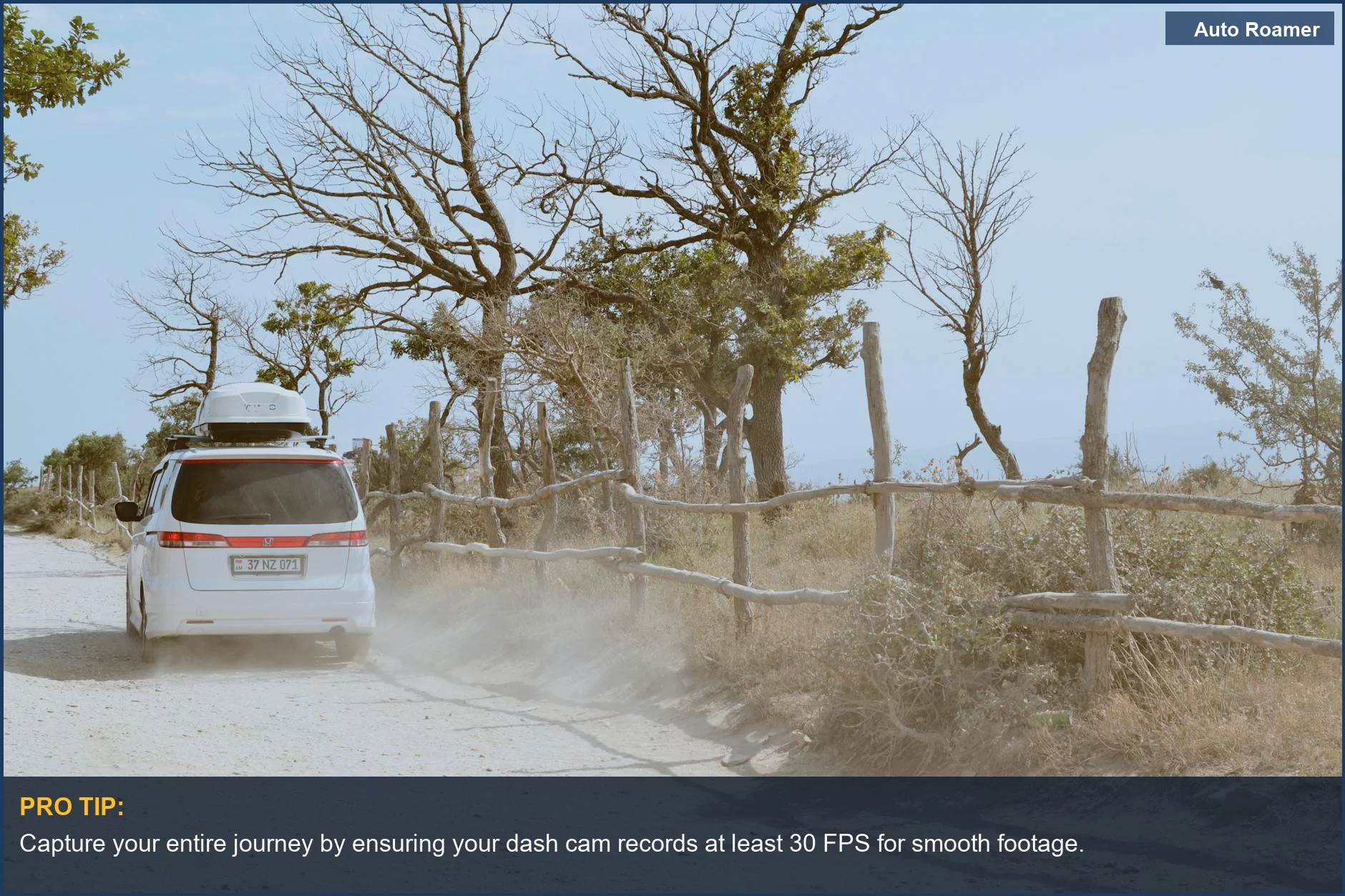
Why This Matters for Your Setup
Why does all this matter when you're just trying to get to a quiet spot in the woods? Because life happens, even when you're off the grid. I learned this the hard way when a deer decided to play chicken with my Subaru Outback on a back road at dusk, and my old dash cam just recorded a brown blur. It was useless for insurance. r/overlanding users often talk about capturing the adventure, but safety is paramount.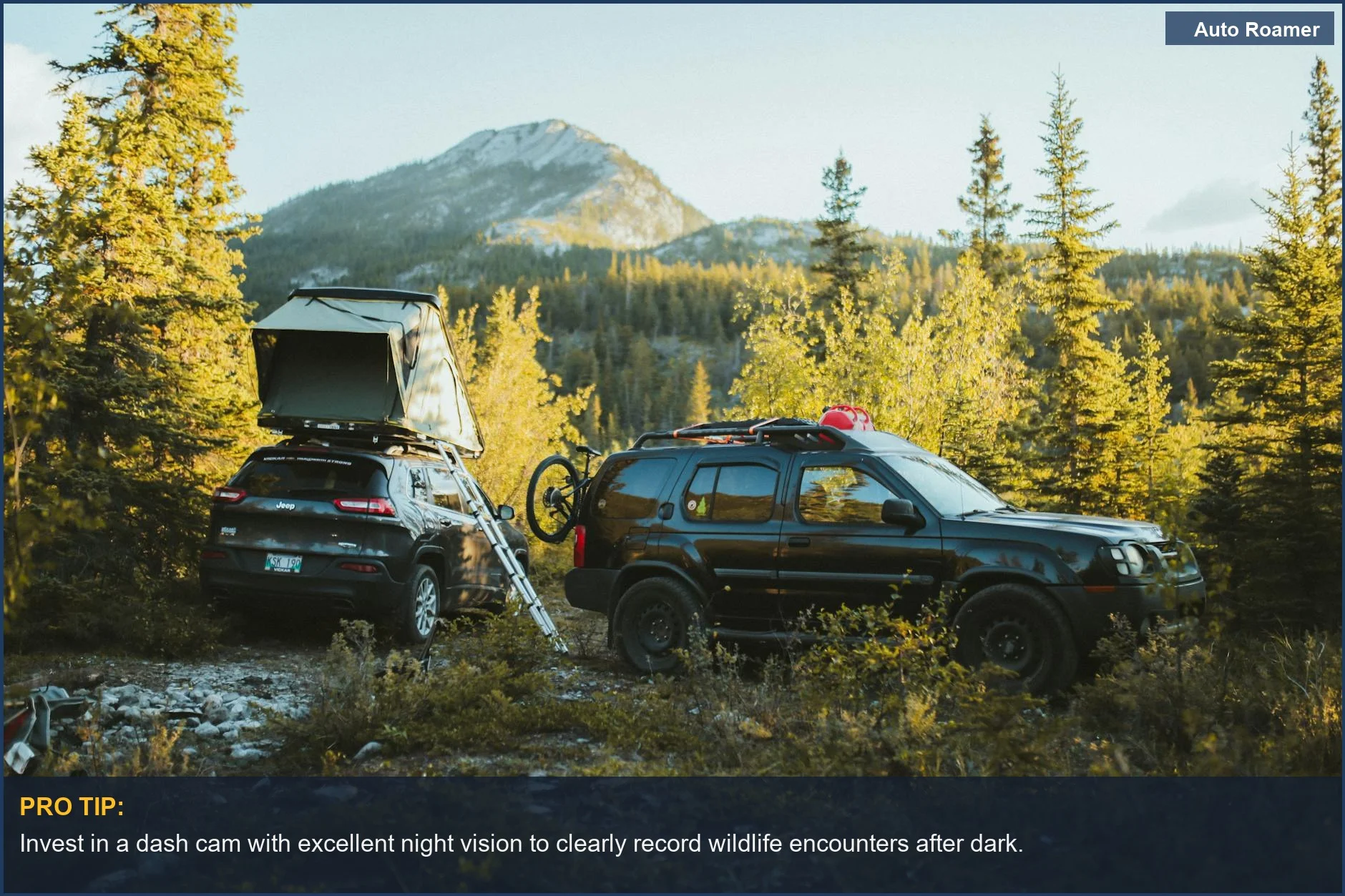
Making the Right Choice
Choosing the right dash cam for your SUV camping adventures doesn't have to be complicated. Focus on the features that actually matter for safety and documentation. You don't need the fanciest gadget; you need the one that works reliably when you need it most.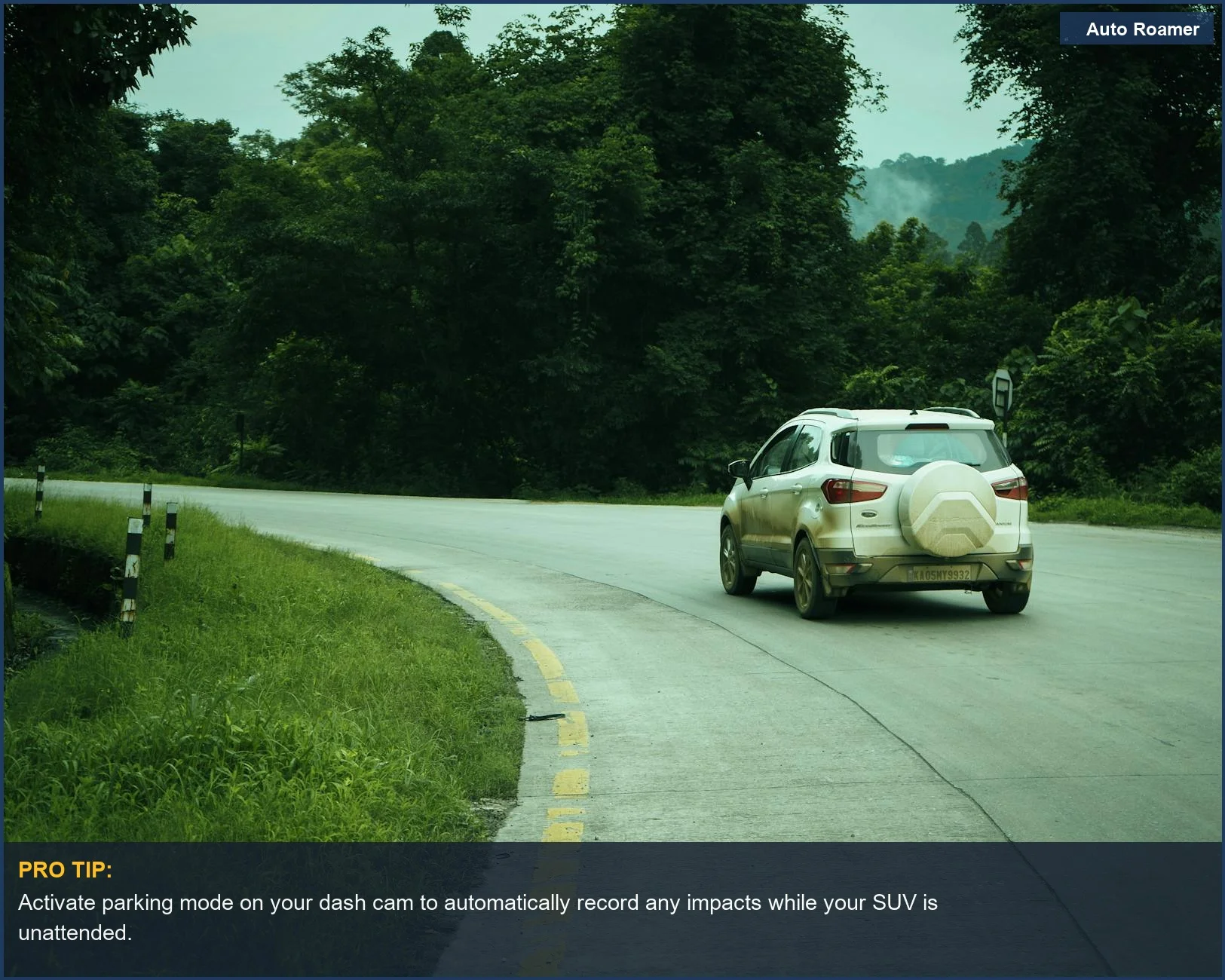
Frequently Asked Questions
If I get a dual-channel dash cam, will the rear camera install be a nightmare that takes me 3 hours and requires me to drill holes in my nice SUV?
Do I really need to buy a special hardwiring kit for parking mode, or can I just plug it into my cigarette lighter like my phone charger?
What if my dash cam records the whole trip, but then I forget to format the memory card and it just stops recording halfway through my epic off-road adventure?
Can leaving a dash cam plugged in all the time permanently damage my SUV's electrical system?
I heard that some dash cams can affect my car's radio reception. Is that true, or is it just internet mumbo jumbo?
🏅 Looking for Gear Recommendations?
Check out our tested gear guides for products that work with this setup:
Sources
- Best Dash Cams for 2026, Tested and Reviewed - Car and Driver
- Best Dash Cams of 2026: Top Front and Rear Car Cameras ... - CNET
- Best Dash Cam for Road Trip Adventures: Capture Every Moment
- Best Dash Cam For SUV That Will Blow Your Mind Today
- Looking for a dash cam to capture the adventure : r/overlanding
- Best Dash Cam Features: Complete Guide for Car Owners
- Before You Buy A Dash Cam In 2026 – Watch This First - YouTube
- Recommendations for a dash cam? - Facebook