Why the right radar detector matters
A radar detector promises a simple thing: a few seconds of warning so you are not caught out by a speed trap on an unfamiliar road. Done well, that early heads-up turns a long highway drive into a calmer, more aware one. Done badly, it becomes a shrieking box you mute within a week because it screams at every automatic door and blind-spot-monitoring car.
The market splits sharply. At the bottom are cheap detectors that technically pick up radar but cannot filter the flood of false alerts that saturate modern roads, so you stop trusting them. At the top are sophisticated detectors whose real value is not raw sensitivity but the intelligence to stay quiet when there is no threat and to tell you clearly — with direction and band — when there is.
This guide covers what actually matters: false-alert filtering, real-world range, GPS lockouts and databases, and how the detector talks to you. Then it matches those to the best picks with honest trade-offs and a head-to-head. It is written for drivers who want genuine situational awareness on the highway — not a magic ticket-proof shield, which no detector is. Understand filtering, range and alerts, and the choice gets clear.
One framing helps before the details: a radar detector is a probability tool, not a force field. It improves your odds of noticing enforcement and of staying attentive to your speed, especially on open highways where it shines, but it cannot guarantee you will never get a ticket and it does nothing to excuse genuinely unsafe driving. Read the rest of this guide with that in mind and you will buy the right detector for the right reasons rather than chasing a myth.
What to look for: the buying criteria
False-alert filtering comes first on modern roads: the detector must distinguish real police Ka-band from the K-band noise of automatic doors and in-car radar, or you will mute it. Real-world range is next — how far ahead it warns you on open highway, which depends on antenna design and mounting height. GPS features follow: lockouts that silence known fixed falses, plus red-light and speed-camera databases.
Alert clarity and bands round it out — directional arrows, clear band identification (X, K, Ka, laser), and an interface you can read at a glance. We weighted filtering and GPS lockouts most heavily, because on today's roads they decide whether the detector is a trusted co-pilot or a box you ignore. Raw range is wonderful on an empty interstate but useless if you have already silenced the unit.
- False-alert filtering — the make-or-break on modern roads
- Real-world range — antenna design and high windshield mount
- GPS lockouts + databases — silence fixed falses, flag cameras
- Clear directional alerts — arrows and band ID you read instantly
Our top picks for a radar detector
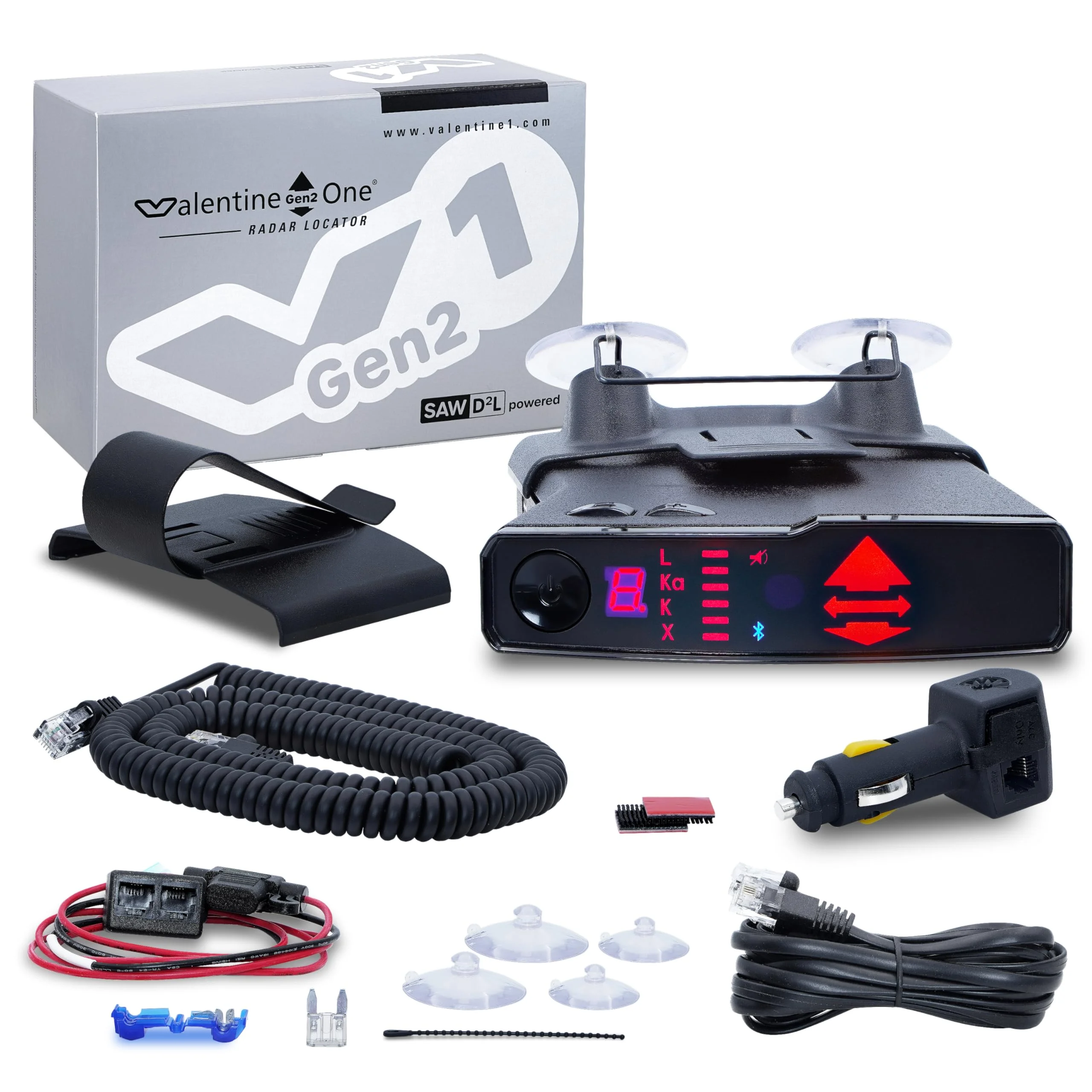
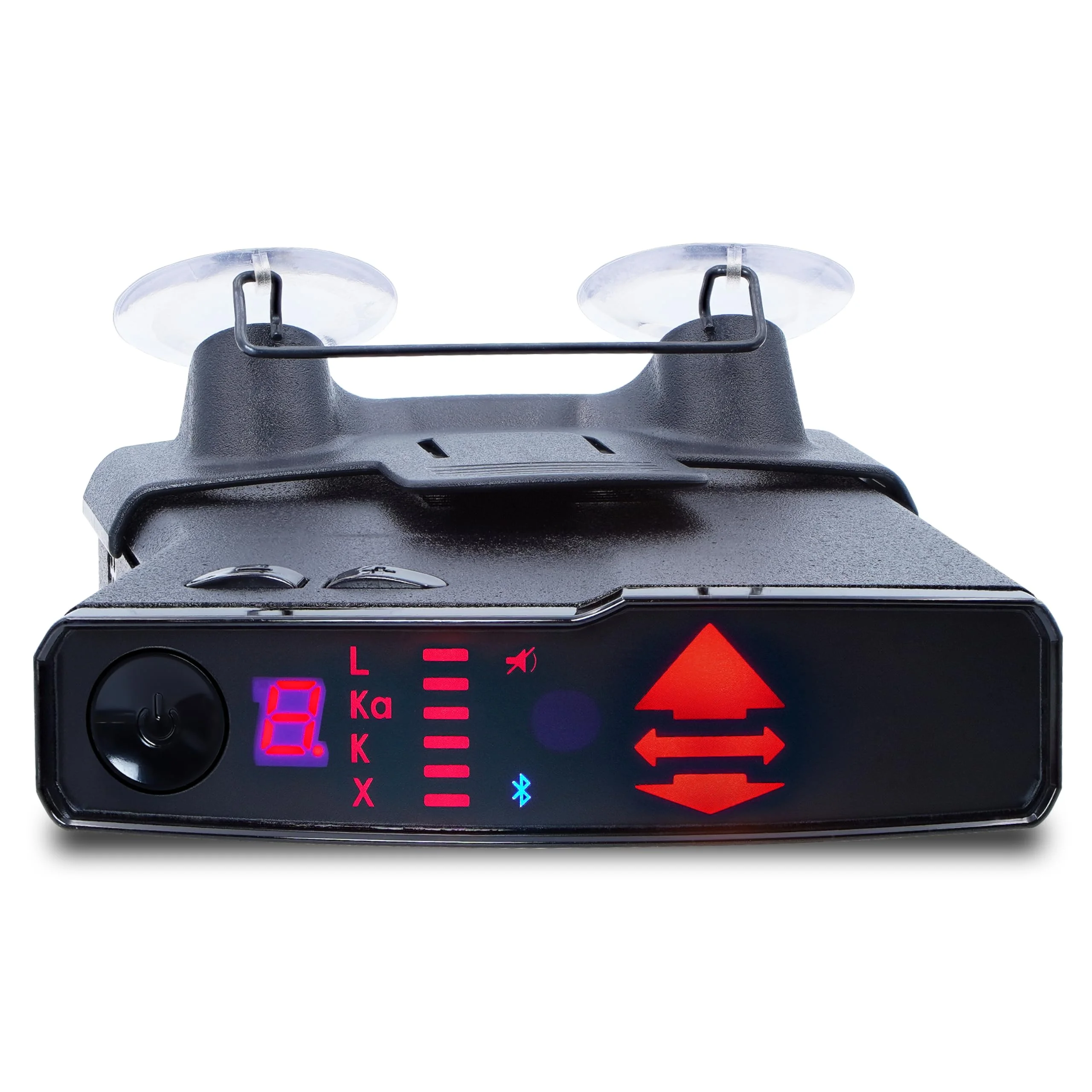
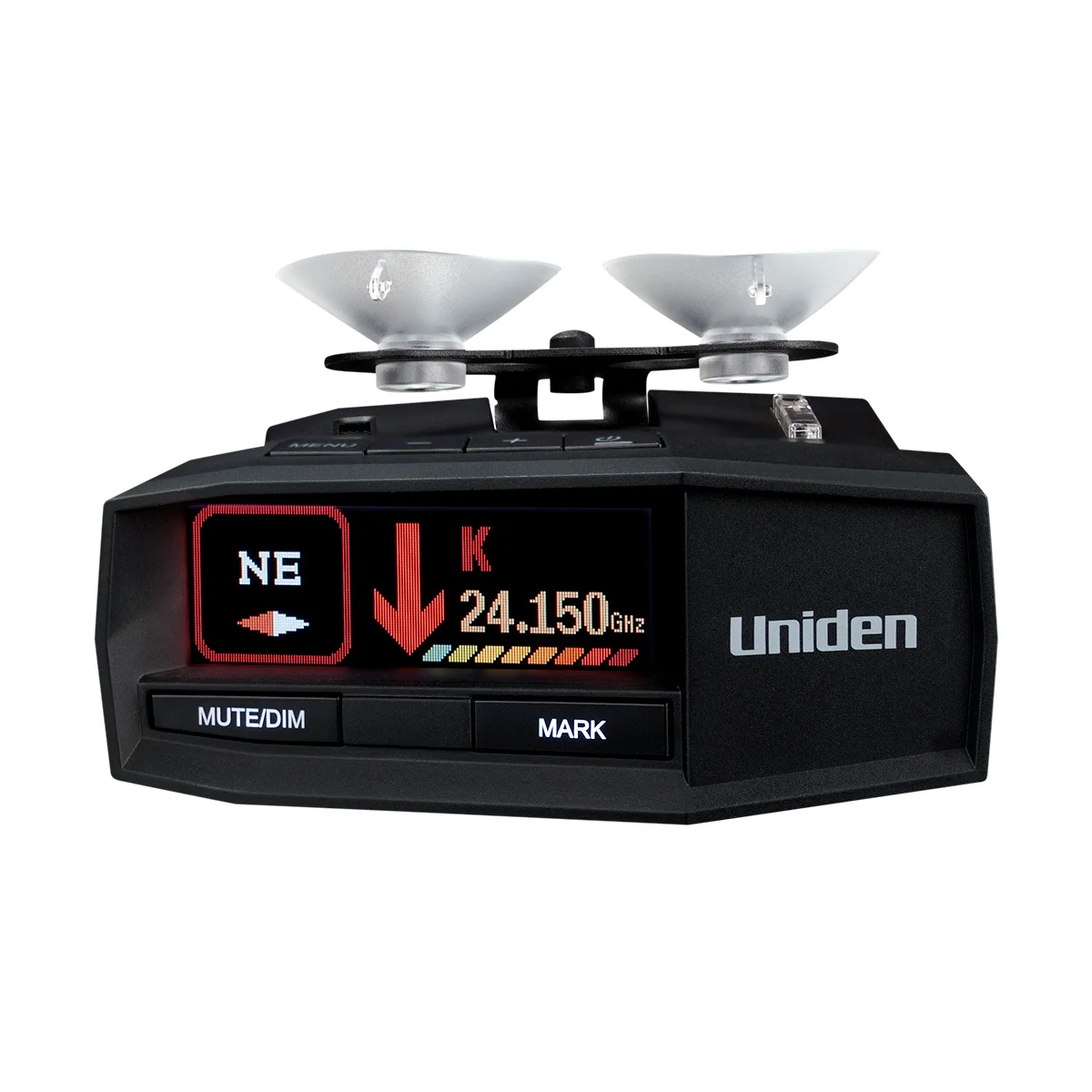
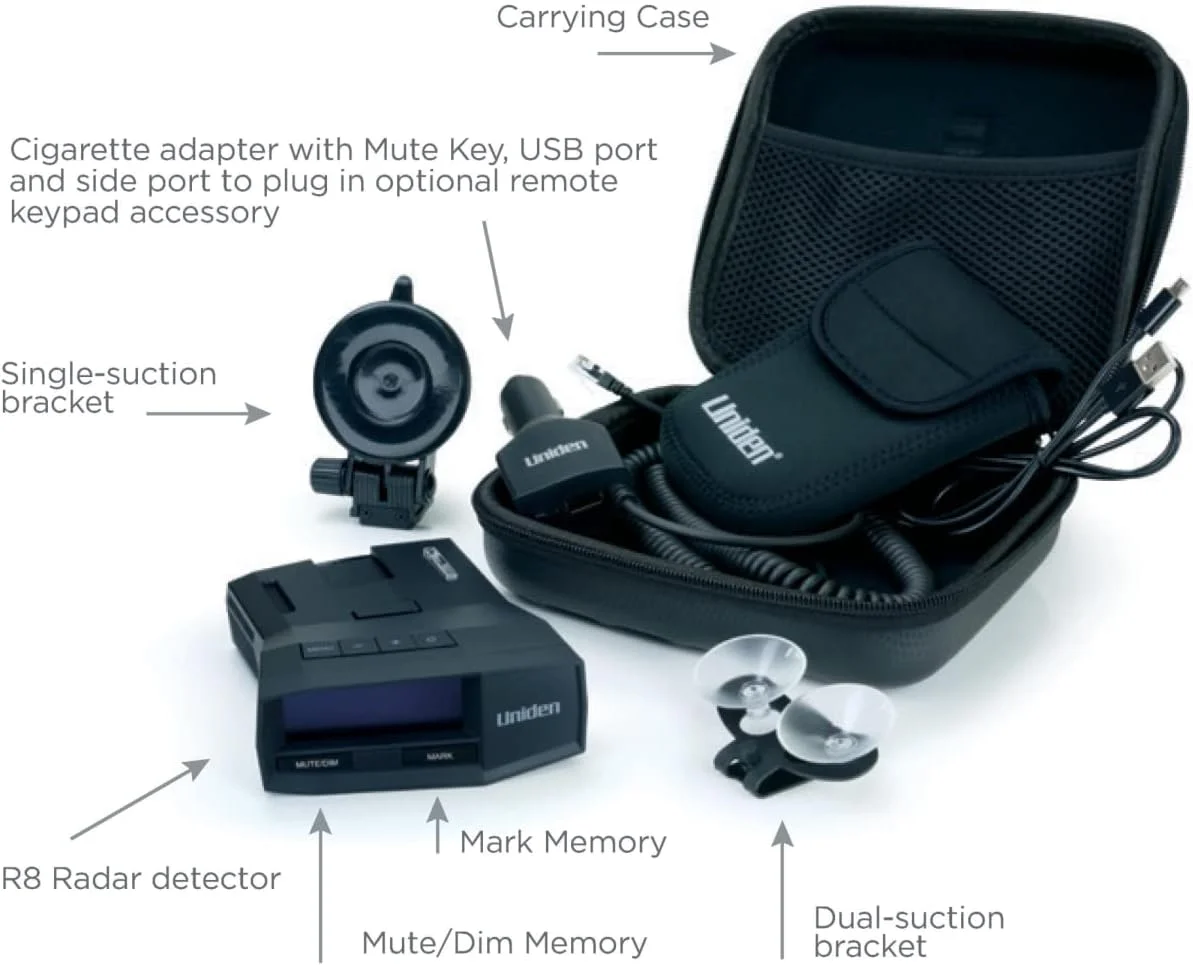
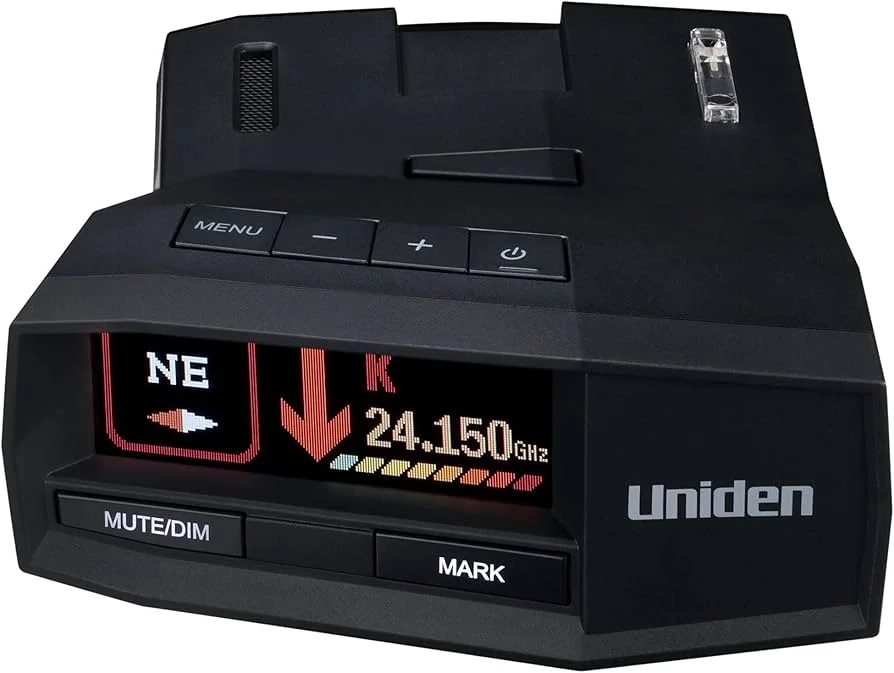
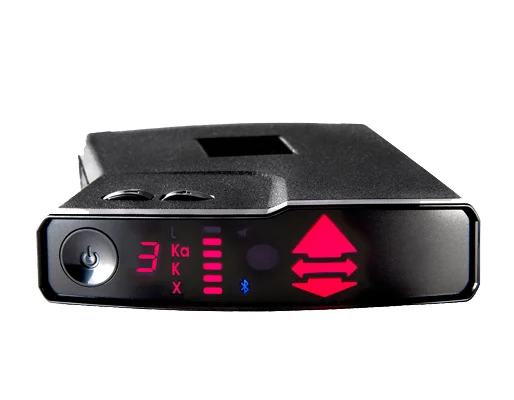
For the best overall awareness the Valentine One Gen2 is the pick: its front-and-rear dual antennas and directional arrows tell you not just that a threat exists but exactly where it is, with filtering that stays sharp in heavy traffic. For nearly the same long-range, dual-antenna capability at a friendlier price, the Uniden R8 is the value performance champion, with directional arrows and built-in GPS lockouts.
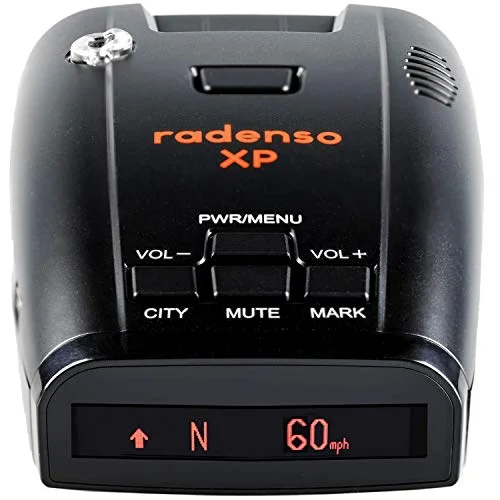
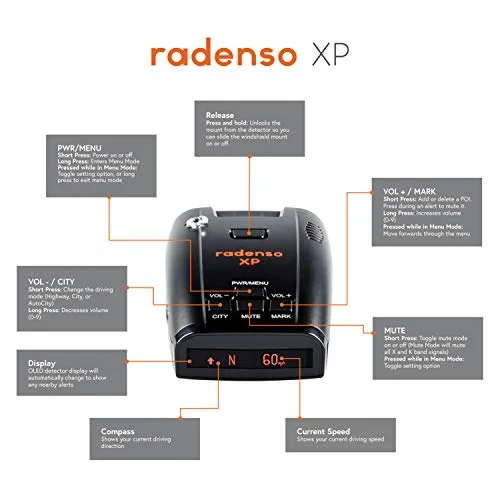
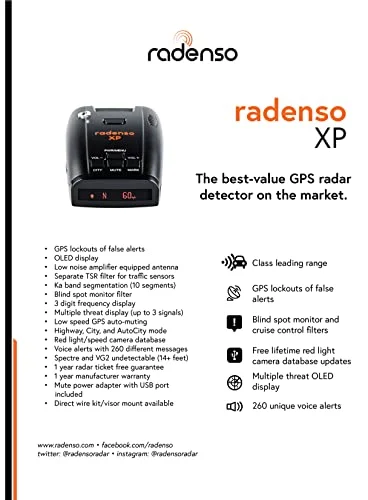
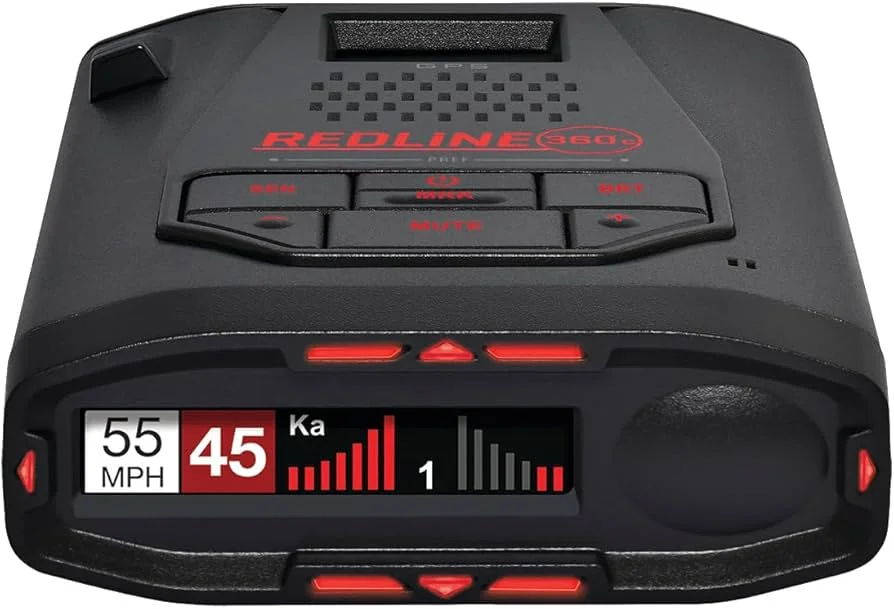
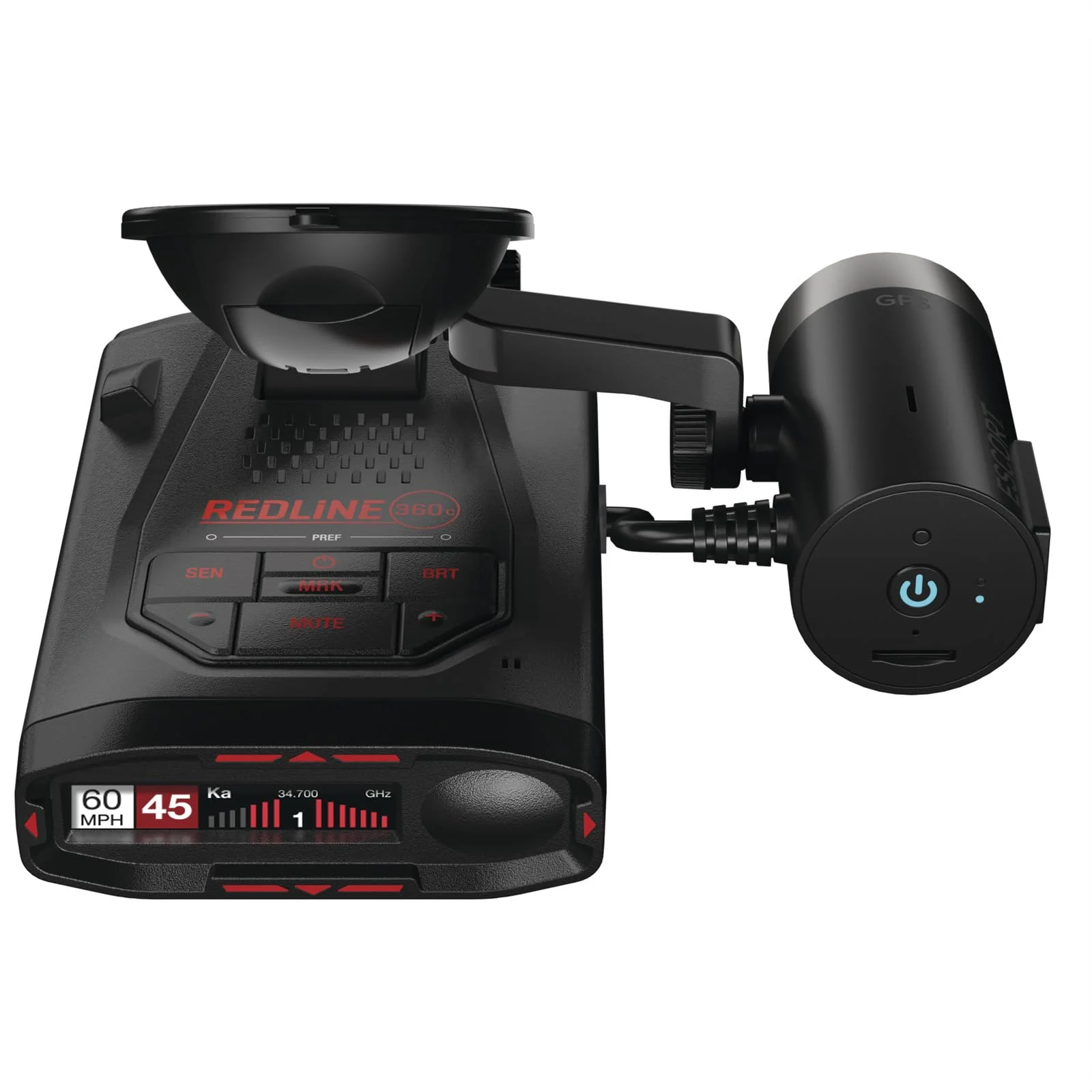
If you want the cleanest false-alert filtering money can buy, the Radenso XP is built around exactly that job — Radenso's filtering targets the blind-spot monitors and traffic sensors that generate most K-band noise, and its GPS lockouts memorise the falses on the roads you drive every day — and for an integrated, app-connected premium experience the Escort Redline 360c pairs long range with directional alerts and a live, crowd-sourced threat network. Each is named for the driver and road it suits best.
Quick pick: best overall awareness, the Valentine One Gen2; best value performance, the Uniden R8; cleanest filtering, the Radenso XP; best app-connected premium, the Escort Redline 360c.
Head-to-head: which detector for which driver
The Valentine One Gen2 is the situational-awareness champion: dual antennas and front/rear arrows make it uniquely good at telling you where a threat is, ideal for drivers who want the most information and will pay for it. The Uniden R8 delivers strikingly similar long-range, dual-antenna, directional performance for noticeably less, the pick for enthusiasts who want flagship capability without the flagship price.
The Radenso XP wins for anyone whose pain is false alerts. It is a single-antenna windshield unit, so it will not tell you which direction a threat is coming from, but the filtering and the route-learning GPS lockouts are what keep the cabin quiet in town — and it costs a fraction of the arrow-equipped units. Best for heavy city-and-suburb driving on a budget. The Escort Redline 360c is the connected pick: long range plus a live app network that shares alerts between drivers, suited to those who want a modern, integrated, frequently-updated experience. There is no single winner; match the detector to whether you prize direction, value, quiet filtering, or connectivity.
False alerts: the real test of a modern radar detector
Here is the truth that separates the era of cheap detectors from today: modern roads are drowning in radar that has nothing to do with police. Automatic supermarket doors blast K-band, and a huge and growing share of cars use K-band radar for blind-spot monitoring and adaptive cruise control. A detector that cannot tell those apart from a real threat becomes a constant nuisance you silence.
This is exactly where premium units earn their price. The Radenso XP is aimed squarely at this problem — its listing calls out blind-spot-monitor and traffic-monitor rejection by name — and the Valentine One Gen2 and Escort Redline 360c combine signal analysis with GPS lockouts that learn and silence a false source at a specific location. The practical rule: on city and suburban roads, filtering quality matters more than raw range, because a detector you have muted protects no one. Buy for quiet accuracy in town and you keep a detector you actually trust on the highway.
Rule of thumb: judge a modern detector by how quiet it is around false sources, not just how far it reaches — a unit you trust enough to leave un-muted is the only one that helps.
Range and antennas: where raw detection still wins
On open highway, range is still king, and range comes mostly from antenna design and mounting. Dual-antenna detectors like the Valentine One Gen2 and Uniden R8 use front and rear antennas to extend reach and, crucially, to indicate direction — you learn whether the threat is ahead or behind. Mounting the detector high on the windshield gives it the clearest line of sight, which is why corded windshield units typically out-range tidy cordless ones.
The caveat is that headline range numbers come from open-road testing and shrink in hilly, wooded or urban terrain, and they are nearly irrelevant against instant-on radar, where an officer triggers the gun only as you come into view. For instant-on, a detector's value is catching the radar as it hits other cars ahead of you. So buy long range for the highways you cruise, but remember that on a winding back road or in town, filtering and the warnings from cars ahead matter far more than a big open-road figure.
GPS, lockouts and camera databases
GPS is the feature that quietly transforms a detector from annoying to genuinely smart. Lockouts let the detector remember that the K-band blast at a particular intersection is the same automatic door every day and silence it there automatically, so the unit gets quieter and more trustworthy the more you drive your regular routes.
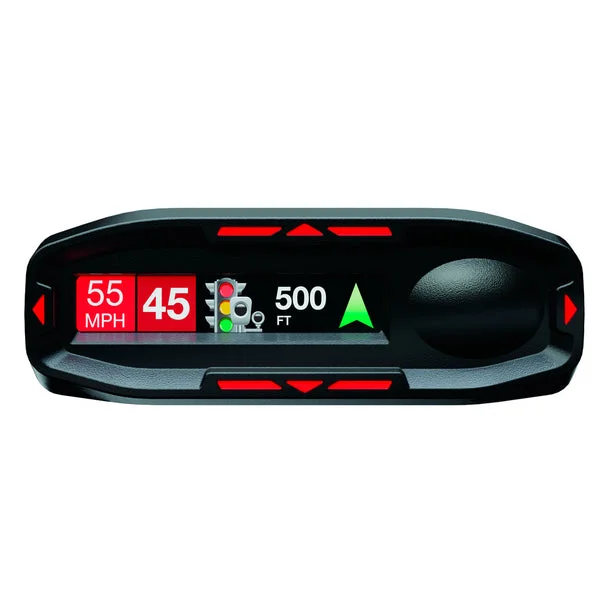
On top of that, GPS enables red-light and speed-camera databases: the detector warns you of fixed cameras at known locations even though those emit no radar at all. The Escort Redline 360c layers a live, crowd-sourced network so alerts shared by other drivers appear on your screen, and units like the Uniden R8 include solid built-in lockouts and camera data. The honest note is that databases need updating to stay accurate, so a detector with easy app updates earns its keep. For mixed city-and-highway driving, GPS smarts add more day-to-day value than another mile of raw range.
- GPS lockouts: auto-silence repeat false sources by location
- Camera databases: warn of fixed red-light and speed cameras
- Live networks: crowd-shared alerts on connected units
Radar bands and laser: what your detector can and cannot do
Understanding the bands tells you what protection you are actually buying. X-band is old and mostly a source of falses today; K-band is used both by police and by automatic doors and in-car radar (hence the filtering challenge); and Ka-band is the modern police band a good detector prioritizes. A capable unit like the Valentine One Gen2 clearly identifies the band so you know how seriously to take an alert.
Laser (lidar) is the honest weak spot of every detector. Units like the Uniden R8 include a laser sensor, but lidar is a tight, fast beam, so by the time the detector alerts, your speed has usually already been captured — the alert is a notice, not a warning. Genuine laser defense means separate laser jammers where legal, which is a different purchase with its own legal restrictions. Buy a detector for its radar warning and treat the laser alert as a secondary heads-up, not protection.
The honest read: a detector gives real early warning against highway Ka-band radar, partial help against K-band, and only an after-the-fact notice against laser. Buy with those limits in mind.
Mounting, install and using it well
How you fit and use a detector shapes how well it works. A high windshield mount, centered and with a clear view forward, gives a corded unit like the Uniden R8 the best range and keeps the directional arrows useful. Hardwiring the power instead of using the cigarette socket cleans up the cable and frees the outlet, and remote-install options exist if you want the detector hidden for stealth and theft-resistance.
Just as important is learning the unit. Set sensitivity appropriately for city versus highway, build up your GPS lockouts on regular routes so the detector goes quiet around known falses, and keep the camera database updated through the companion app. A detector you have tuned to your roads — quiet in town, alert on the highway — is dramatically more useful than one left on factory defaults that cries wolf until you stop listening. The best hardware still needs a few weeks of teaching to reach its potential.
Common mistakes buying a radar detector
The predictable errors waste money and trust. The first is buying on range alone and ending up with a cheap detector that floods you with falses until you mute it — prioritize filtering with a unit like the Radenso XP or Valentine One Gen2. The second is expecting laser protection from a detector; the laser alert comes too late to help, so do not buy on that promise.
The third is ignoring the law where you drive — detectors are banned in some places and in commercial vehicles, and jammers are heavily restricted, so check before you buy. The fourth is never setting up GPS lockouts, leaving a smart detector like the Uniden R8 screaming at the same door every day. Buy for filtering, understand the laser limit, obey local law, and teach the unit your routes, and a radar detector becomes a genuine awareness aid rather than noise.
- Range over filtering: a falsing detector gets muted
- Expecting laser defense: the alert arrives too late
- Ignoring local law: detectors and jammers are restricted
- Skipping GPS lockouts: a smart unit left crying wolf
Value: what each price tier actually gets you
Radar detectors span a wide price range, and understanding what the money buys keeps you from over- or under-spending. At the budget end, a cheap detector picks up radar but skimps on the filtering and GPS that make a detector usable on modern roads, so it cries wolf and you mute it — false economy, because a detector you ignore protects nothing.
The mid-to-upper tier, where the Uniden R8 sits, is the value sweet spot: you get the dual-antenna range, directional arrows, GPS lockouts and serious false-alert filtering that actually matter, often for meaningfully less than the flagship names. This is where most enthusiasts should look, because it delivers the features that change the experience without the top-tier premium. One rung below it, the Radenso XP drops the second antenna and the arrows but keeps the filtering and the GPS lockouts — the right trade if quiet is what you are buying and direction is not.
At the flagship end, the Valentine One Gen2 and Escort Redline 360c add the finest direction-finding, the longest real-world range, and connected, frequently-updated databases — worth it for drivers who log heavy highway miles and want the best information available. The honest guidance is to spend enough to clear the filtering-and-GPS threshold (which rules out the cheapest units), then decide whether flagship direction-finding and connectivity justify the step up for how you drive. Buying below the threshold wastes money on a muted box; buying at the top makes sense only if you will use what it adds.
- Budget: detects radar but falses badly — usually false economy
- Mid-upper: the value sweet spot with real filtering and GPS
- Flagship: best direction-finding and range, for heavy highway use
Verdict
For real situational awareness on the road, false-alert filtering, honest range, GPS lockouts and clear directional alerts beat a big headline number every time. The Valentine One Gen2 is the best overall for knowing exactly where a threat is; the Uniden R8 is the value performance pick; the Radenso XP is the filtering pick for heavy city driving; and the Escort Redline 360c is the connected, frequently-updated premium choice.
Decide where you mostly drive, prize filtering and GPS smarts over raw range, understand that no detector defends against laser, and check the law for your area before you buy. Do that and a radar detector becomes a calm, trusted co-pilot on long drives; buy on range and hype alone and you will mute it within a week. It is an awareness tool — never a license to speed.