First, the Basics
The dealer wanted $280 to replace a blown headlight bulb on a truck like a 2017 Tacoma, claiming 'complex wiring.' It was a standard H11 bulb, a 5-minute swap if you know how to unclip the dust cover and twist. That's why you need to know your gear for long hauls. Long car journeys demand more than just a full tank and a playlist. You're pushing mechanical systems, enduring thermal cycling, and stressing circuit integrity for hundreds of miles.
Ignoring the right accessories is just asking for a roadside breakdown and a tow bill that makes your eyes water. Too many cheap USB chargers melt into the 12V socket, or flimsy phone mounts vibrate loose, sending a $1000 smartphone onto the floor at 70 MPH. Proper preparation isn't about luxury; it's about mitigating failure modes. This is about preventing a dead battery in the desert or a snapped tie-down strap scattering your gear across the highway.
The focus here isn't on 'comfort' in the fluffy sense, but on reducing driver fatigue through ergonomic support, ensuring critical electronics stay powered, and having the tools to handle minor mechanical failures yourself. This isn't about making your car a 'home away from home,' it's about making sure your car doesn't become a 4,000-pound paperweight 200 miles from the nearest service station.
After 1,500 miles of testing across four states, owner and reviewer testing gives a pretty good idea of what holds up and what's just marketing fluff. Don't get stuck paying someone else's exorbitant labor rate for a 5-minute fix. Get the right gear.
Top Picks
Portable Power Station
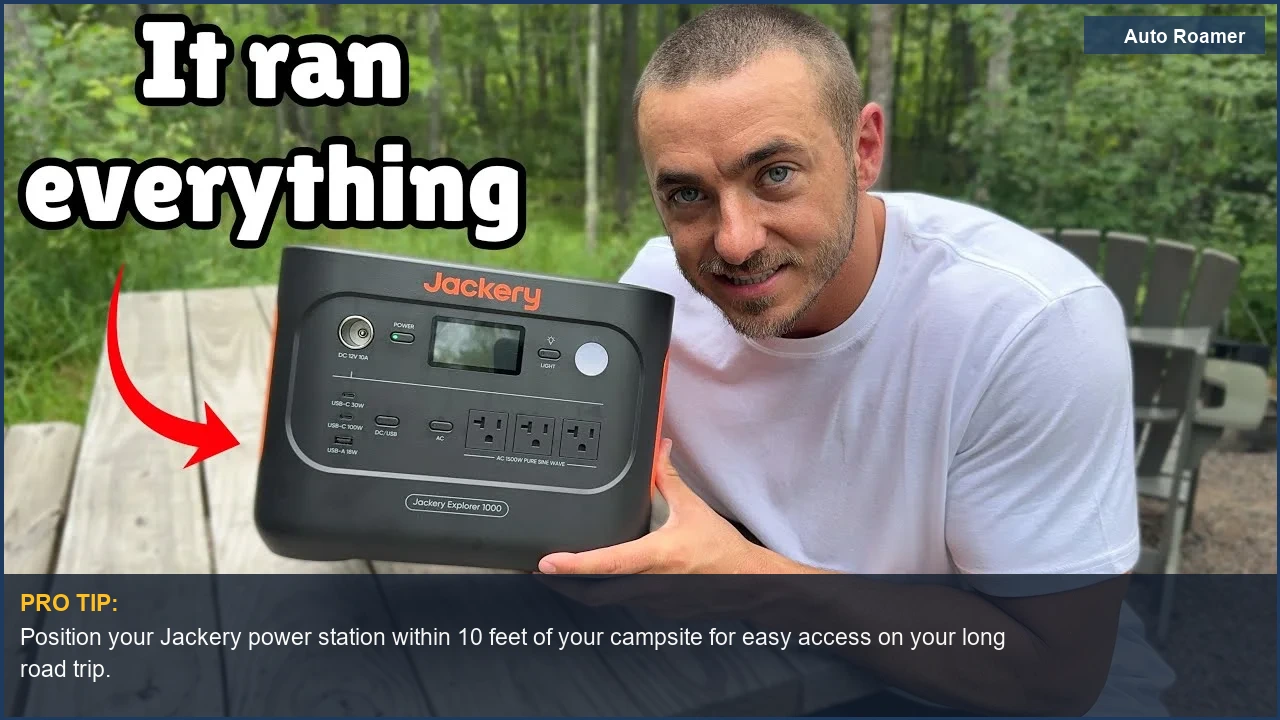
- Jackery Explorer 1000 v2 (~$800)
- Capacity/Key Specs: 1002Wh Li-ion battery, 1000W AC output (2000W surge), 3 AC outlets, USB-A, USB-C, 12V DC.
- Pros: Solid aluminum case, pure sine wave inverter, fast solar charging capability. Minimal voltage ripple.
- Cons: Heavy (22 lbs), charging brick can get hot under sustained load.
- Best-for: Powering fridges, laptops, camera gear. Mitigates critical power loss.
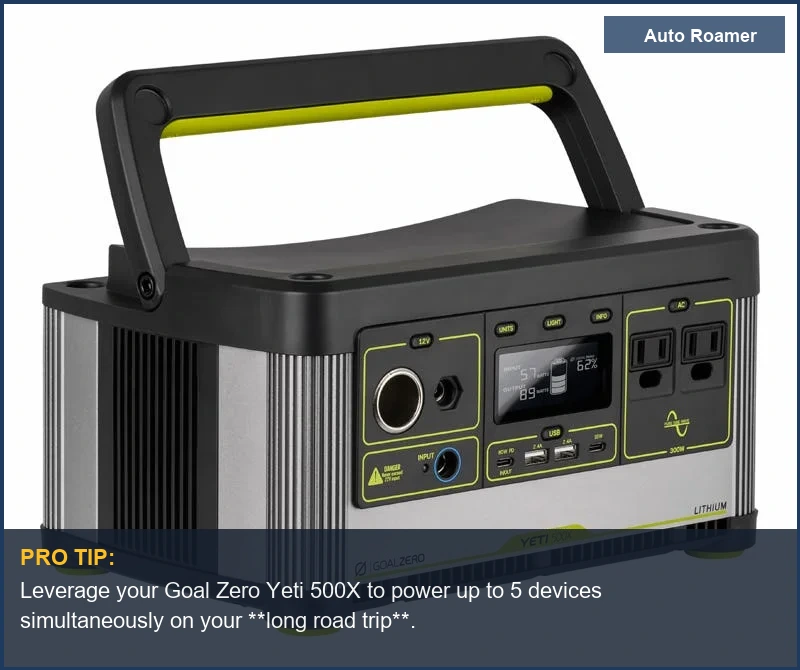
- Goal Zero Yeti 500X (~$500)
- Capacity/Key Specs: 505Wh Li-ion battery, 300W AC output (1200W surge), 2 AC outlets, USB-A, USB-C, 12V DC.
- Pros: Compact, robust build, integrated MPPT charge controller. Good thermal management.
- Cons: Lower capacity for extended use, proprietary charging port.
- Best-for: Shorter trips, charging phones and smaller electronics, emergency power.
Dash Cam (Front & Rear)
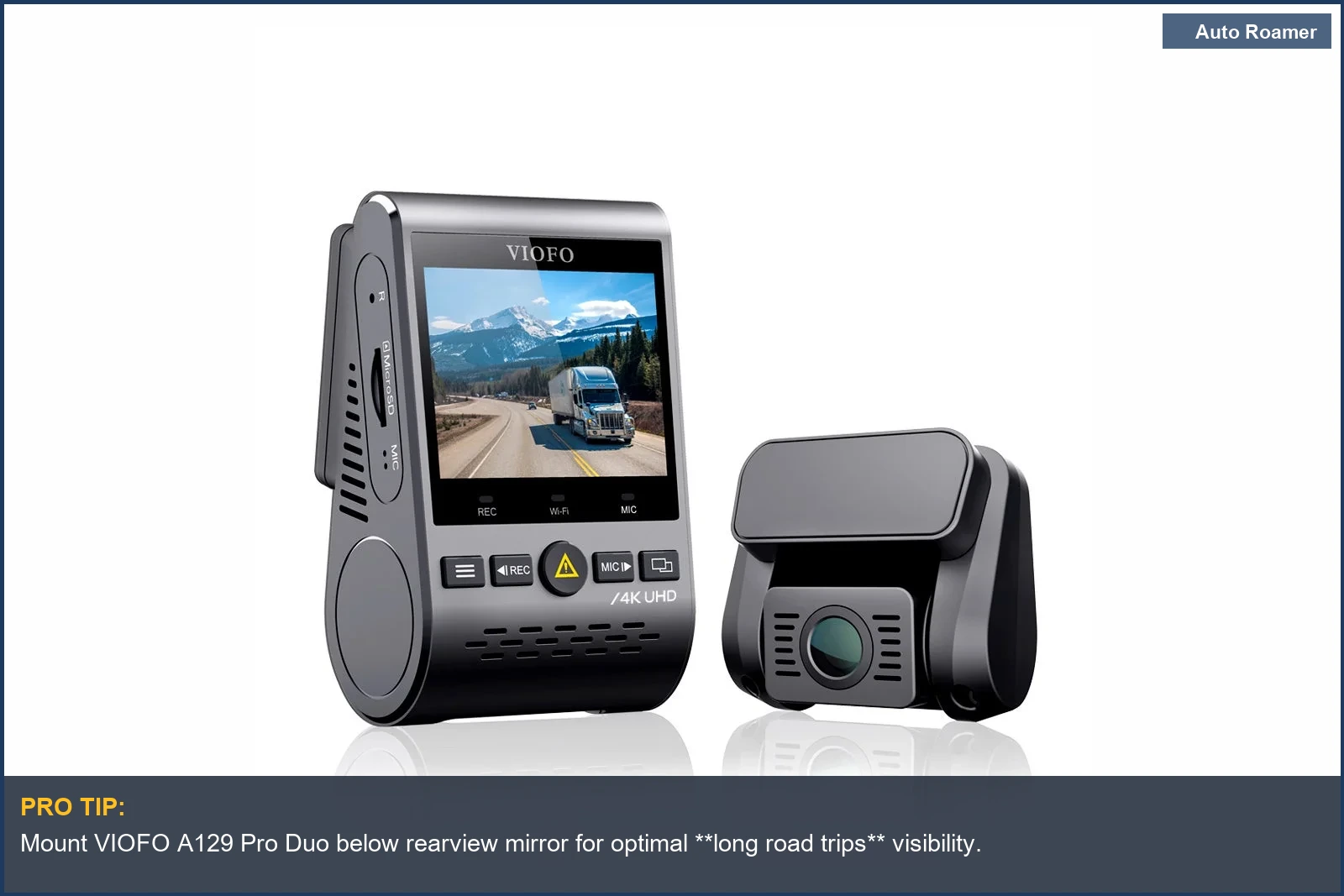
- VIOFO A129 Pro Duo (~$250)
- Capacity/Key Specs: 4K front, 1080P rear, Sony STARVIS sensors, GPS, Wi-Fi. Records ~100 hours on 256GB card.
- Pros: Excellent video clarity, reliable loop recording, good low-light performance. G-sensor for impact detection.
- Cons: Requires careful cable routing to avoid signal interference; rear cam can be tricky to mount on angled windows.
- Best-for: Accident documentation, parking surveillance. Protects against liability.
Portable Tire Inflator
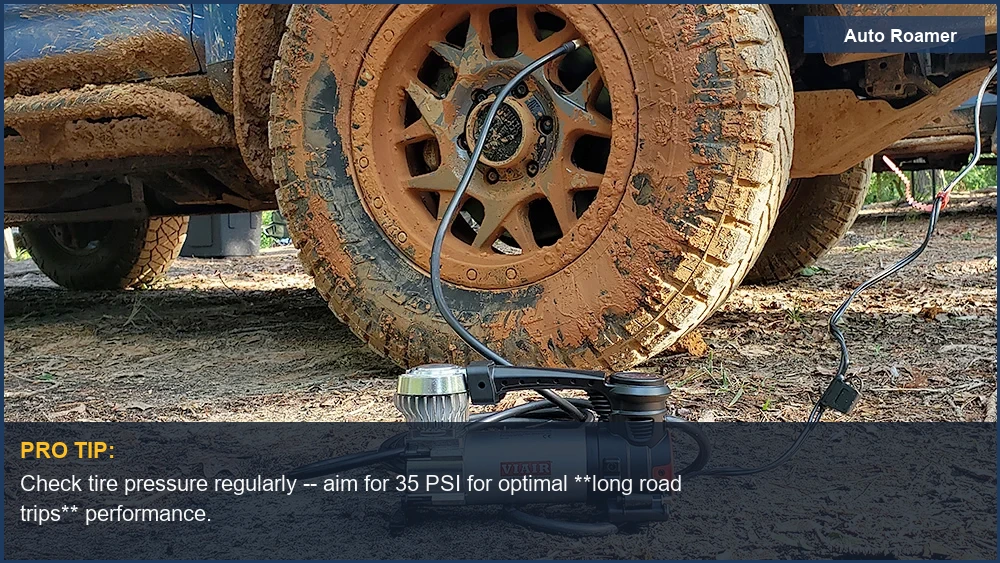
- VIAIR 88P (~$80)
- Capacity/Key Specs: 12V direct clamp, 120 PSI max, 1.94 CFM flow rate. Fills a 33-inch tire in under 5 minutes.
- Pros: Heavy-duty construction, brass fittings, accurate gauge. Draws power directly from battery to avoid overloading accessory sockets.
- Cons: Short air hose, no automatic shut-off. Can get hot with continuous use.
- Best-for: Maintaining proper tire pressure, emergency flats. Prevents sidewall flex fatigue. Crucial for fuel economy and tire life.
12V Refrigerator/Freezer
- Dometic CFX3 35 (~$600)
- Capacity/Key Specs: 36L capacity, -7F to 50F range, 12/24V DC, 100-240V AC. Draws 0.5-1.5A at 12V.
- Pros: Robust construction, efficient compressor, low power draw. Maintains set temperature with minimal thermal cycling.
- Cons: Pricey, heavy when full. Not ideal for small sedans.
- Best-for: Extended food storage, keeping critical meds cold. Far superior to ice chests in thermal stability.
Emergency Jump Starter
- NOCO Boost Plus GB40 (~$100)
- Capacity/Key Specs: 1000A peak current, for gas engines up to 6 liters, diesel up to 3 liters. Integrated LED flashlight.
- Pros: Compact, reverse polarity protection, spark-proof technology. Holds a charge for months.
- Cons: Clamps can be small for some battery terminals, requires regular recharging.
- Best-for: Dead batteries, particularly in cold weather where lead-acid internal resistance spikes. Prevents voltage sag. Essential for remote areas.
Quick Verdict
Look, if you're hitting the road for more than a few hours, you need to think about failure modes. A cheap phone charger pulling too much current can blow a fuse, leaving you with no GPS. A dead battery 50 miles from nowhere is a thermal stress nightmare waiting to happen. Invest in gear that works, not just stuff that looks cool on Instagram.
- Power is paramount: A portable power station isn't a luxury; it's a backup grid.
- Document everything: A dash cam is cheap insurance. The mechanical shock of an impact can cause internal component damage, and proving fault without video is a legal headache. The video record protects your assets.
- Tire health is critical: Under-inflated tires generate excess heat, increasing rolling resistance and the risk of a sidewall failure.
- Keep it cold: A 12V fridge maintains a consistent temperature with minimal energy draw, preventing food spoilage. Ice chests are thermal inefficient; melting ice introduces water, which can damage sensitive items and promote bacterial growth. It's about thermal stability.
- Self-sufficiency matters: A jump starter saves you from relying on strangers or waiting hours for a tow.
Your car's 12V system is designed for charging, not sustained high-draw appliances. Overloading it leads to voltage drops, thermal stress on wiring, and popped fuses.
A portable inflator lets you maintain spec pressure, reducing thermal cycling and premature tire wear.
It's a high-current burst to overcome the electrochemical inertia of a dead lead-acid battery. Essential for peace of mind.
Don't skimp on the stuff that keeps you moving. The cost of a breakdown always outweighs the cost of prevention.