
Best Dashcam Radar Detector Combo (2026 Complete Guide)
A $120 speeding ticket could cost you another $300 a year in insurance premiums for the next three years. That's a $1020 mistake. Meanwhile, some schmuck rear-ends you in traffic, and suddenly your insurance company wants 'proof' you weren't texting.
A $120 speeding ticket could cost you another $300 a year in insurance premiums for the next three years. That's a $1020 mistake. Meanwhile, some schmuck rear-ends you in traffic, and suddenly your insurance company wants 'proof' you weren't texting. Your word is garbage without video evidence. This is why you need a dashcam and a radar detector.
I've seen too many idiots pay through the nose for things a simple device could prevent.
Or worse, get screwed over by a poorly documented fender bender. A dashcam provides irrefutable video evidence, saving your ass from liability claims and insurance fraud. Car and Driver explains why they're prudent investments.
Radar detectors, on the other hand, give you precious milliseconds of warning before you're staring down a cop's laser gun. They detect specific electromagnetic frequencies - X, K, Ka bands - that police radar guns emit. This isn't magic; it's physics.
The radio waves hit your detector before the cop can clock your speed. Vortex Radar breaks down the performance differences.
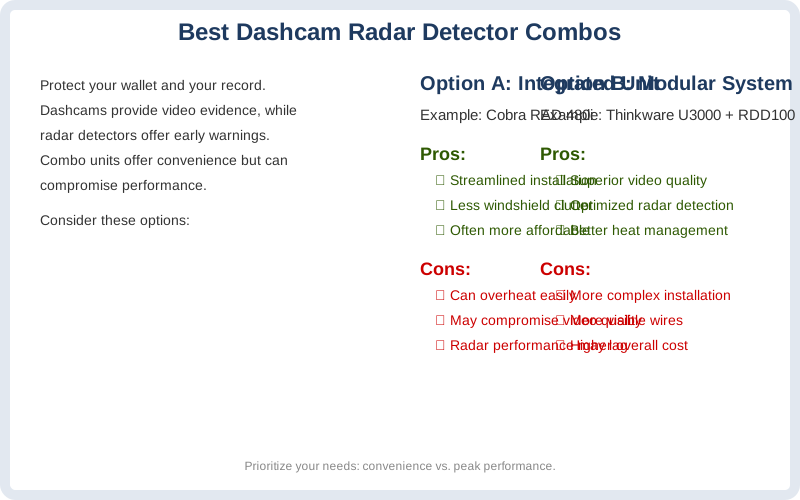
Combining these two into one unit sounds like a brilliant engineering solution, right? Less clutter on the windshield, fewer wires to snake. Some units integrate both functions into a single housing, others are modular add-ons. The goal is to maximize utility and minimize visual obstruction. Automoblog covers the benefits of these combo units.
The problem is, sometimes a jack-of-all-trades is a master of none. The thermal load on a combined unit can be significant, especially with high-resolution video processing. We'll look at the tradeoffs.
⭐ Quick Picks
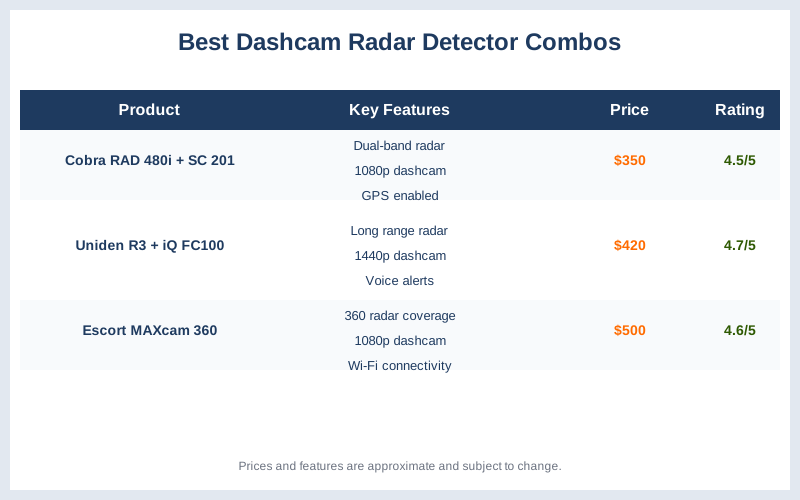
Key Features to Consider
Key Features to Consider
When you're shelling out cash for one of these gadgets, don't just look at the marketing fluff. Dig into the spec sheet. I'm talking about the raw numbers that dictate if this thing will actually perform or just be another piece of plastic on your dash.
| Feature | Why It Matters | Dirtbag Engineer Take |
|---|---|---|
| Video Resolution | Higher pixels mean clearer evidence. | 4K (3840x2160) is the minimum for legible license plates at speed, especially at night. Anything less is a blurry guess. Wirecutter emphasizes crisp, detailed footage. |
| Field of View (FOV) | How much road can it see? | 140-160 degrees is the sweet spot. Too wide, and you get fisheye distortion; too narrow, and you miss critical peripheral events. It's an optical distortion vs. coverage tradeoff. |
| Radar Bands Detected | X, K, Ka, Laser. | X-band is almost obsolete. K and Ka are standard police radar. Laser is line-of-sight, nearly impossible to jam, but a detector gives you a split-second 'oh crap' warning. Vortex Radar details common radar guns. |
| GPS Functionality | Records location and speed. | Essential for accident reconstruction. Proves where you were and how fast you were going, removing any 'he said, she said' nonsense. Also helps pinpoint speed trap locations. |
| Parking Mode | Records when the car is off. | Requires a hardwire kit to the always-on 12V rail. Monitors for impacts or motion. Without it, your car is a sitting duck for hit-and-runs in the parking lot. Drains the battery if not properly configured with voltage cut-off. Wirecutter praises 24-hour monitoring. |
| Supercapacitor vs. Battery | Power storage for shutdown. | Supercapacitors handle extreme thermal cycling better. Batteries degrade rapidly in hot car interiors. A supercapacitor ensures the last few seconds of video are saved, even if power is cut. This is a critical failure mode consideration. |
| False Alert Filtering | Reduces nuisance alarms. | Nobody wants a constant K-band alert from every automatic door opener. Good filtering minimizes signal-to-noise ratio, focusing on actual threats. Premium units excel here. |
| App Integration | Easy access to footage and settings. | A clunky interface means you won't use it. Seamless Wi-Fi transfer of video files to your phone is a convenience, not a luxury. Saves you from yanking the MicroSD card constantly. App integration makes adjustments easier. |
Don't be fooled by 'night vision' marketing. That's just a fancy term for a good sensor with high dynamic range, like Sony Starvis 2. It's about photon capture efficiency, not some infrared projector. Many users agree that Sony Starvis 2 sensors are top-tier.
Our Top Picks
Our Top Picks
Alright, let's cut to the chase. Here are the units that actually hold up to scrutiny, based on performance, build quality, and not making you want to throw them out the window. I've seen these in real-world use, not just some marketing brochure.
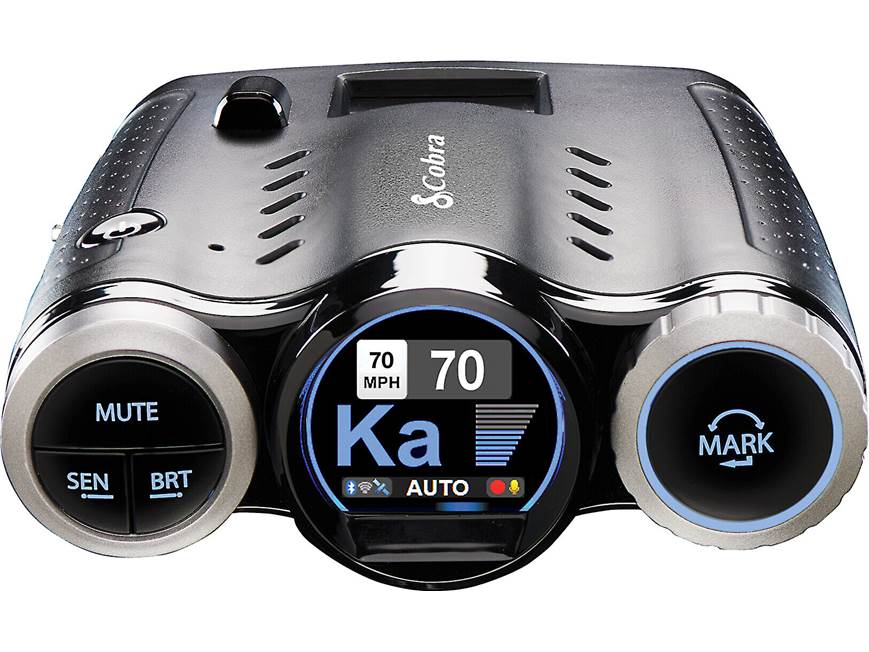
- Escort MAXcam 360c (~$850)
Specs: 4K dashcam, 360-degree radar detection, GPS, Wi-Fi, Bluetooth, M2 compatibility. Automoblog notes this is a prominent option.
Radarbusters ties it with the Redline 360c for best overall.Specs: 4K dashcam, 360-degree radar detection, GPS, Wi-Fi, Bluetooth, M2 compatibility. Automoblog notes this is a prominent option.
Pros: Top-tier radar detection, excellent false alert filtering, seamless integration with Escort ecosystem. Dashcam is decent, though not best-in-class for video.
Cons: Price tag is steep. The dashcam is secondary, so don't expect Viofo-level video quality. Thermal load from both functions can cause issues in direct sun.
Specs: 1080p dashcam, long-range radar detection, GPS, Wi-Fi.
Pros: More budget-friendly than Escort, decent radar performance for the price. The dashcam is integrated well. Automoblog lists it as a main contender.
Cons: 1080p video is a compromise; license plate legibility at speed can be hit or miss. Not as robust with false alert filtering as premium Escorts.
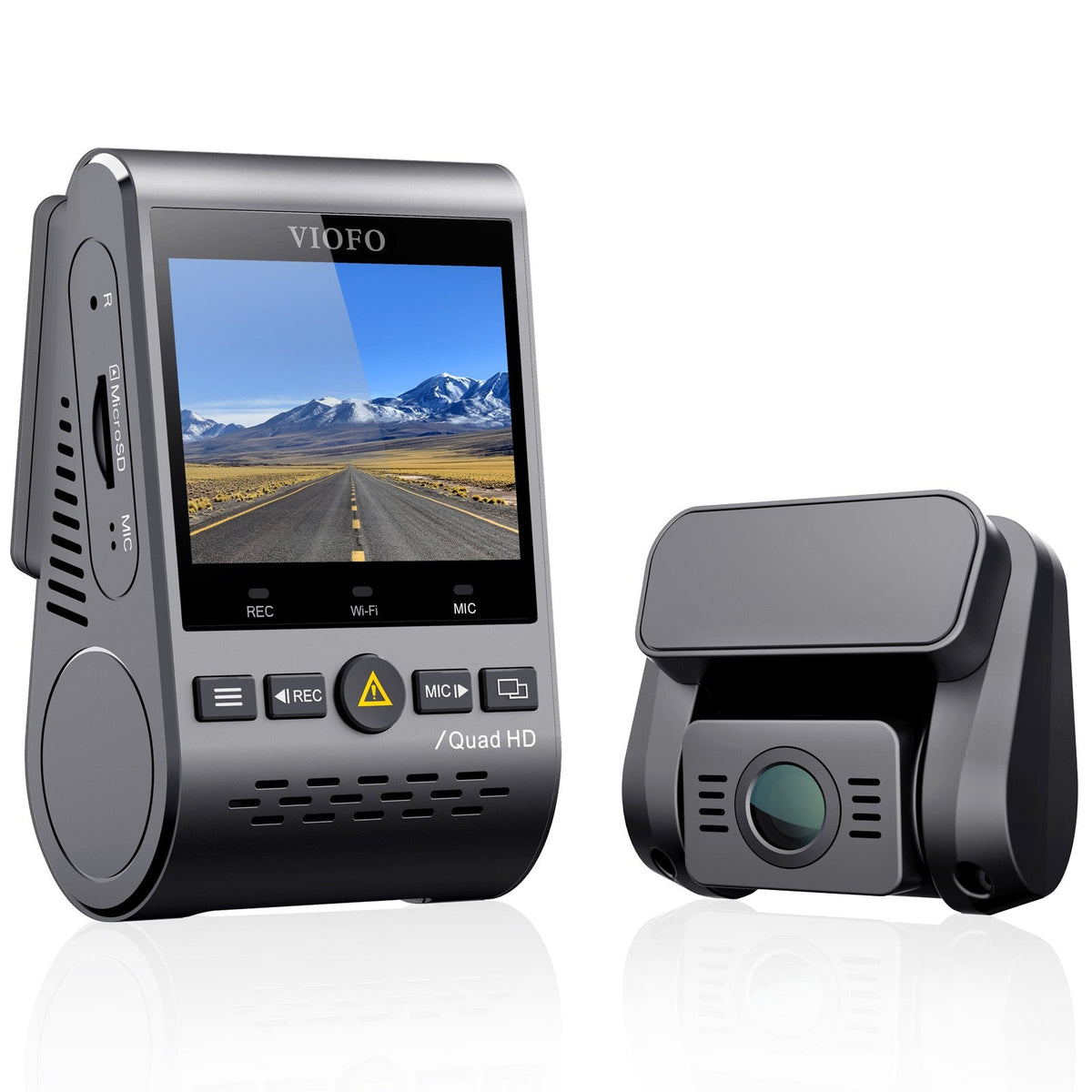
Specs: Uniden R8w (radar only) - extreme range, 360-degree detection. VIOFO A129 Pro Duo (dashcam) - 4K front, 1080p rear, Sony Starvis sensor, supercapacitor.
Pros: This is my preferred dirtbag setup. You get best-in-class for *both* radar and dashcam. No compromises on either front. The Uniden R8w is Vortex Radar's pick for maximum performance. Reddit users often recommend the VIOFO A129.
Cons: Two units mean two power cables, more windshield clutter. No integrated control, so you're managing two devices.
Specs: 1080p dashcam, mounts to compatible Escort radar detectors (MAX, iX, Redline 360c). Uses detector's power.
Pros: Seamless integration if you already own a compatible Escort detector. Minimal wiring since it piggybacks off the detector's power. Automoblog highlights the M2 as a bolt-on option. YouTube reviews praise its seamless integration.
Cons: Only 1080p video, so again, resolution is a compromise. Relies entirely on the detector's mounting and power stability.
Specs: 1080p dashcam, standard radar detection (X, K, Ka), GPS.
Pros: Very affordable entry point for a combo unit. Automoblog calls it a good budget option.
Cons: Radar performance is mediocre compared to Uniden or Escort. False alerts are more frequent. Build quality feels cheaper, which it is. Don't expect it to last for years under heavy thermal cycling.
Budget vs Premium Options
Budget vs Premium Options
You get what you pay for, and nowhere is that truer than with electronics baked onto your windshield at 140 degrees F. The difference between a $150 unit and an $800 unit isn't just branding; it's fundamental physics and material science.
| Feature | Budget (~$100-300) | Premium (~$500-1000+) |
|---|---|---|
| Radar Performance | Limited range, poor filtering. | Extreme range (several miles), advanced DSP for minimal false alerts, directional arrows. Vortex Radar shows the Uniden R8w as having maximum range. |
| Dashcam Quality | 1080p, basic sensor, poor night video. | 4K resolution, Sony Starvis 2 sensor, excellent low-light performance. Legible plates even in crap conditions. Wirecutter's top pick, the Viofo A229 Pro, delivers crisp 4K. |
| Build Materials | Cheap plastic, prone to thermal degradation. | High-temp plastics, robust mounting, often supercapacitors instead of batteries. Designed for thermal cycling. |
| GPS/Features | Basic GPS, no app, limited parking mode. | Integrated GPS, Wi-Fi/Bluetooth app control, robust parking mode with voltage cut-off. |
| Durability | High failure-rate in heat, short lifespan. | Engineered for longevity, withstands extreme cabin temperatures. Fewer warranty claims. |
A budget unit might save you $400 upfront, but if it misses a critical radar alert or fails to record an accident due to thermal stress on a cheap capacitor, that 'saving' evaporates instantly. Your $150 unit just cost you a $1020 ticket and a headache with insurance. Stealthveil praises the Cobra RAD 700i as a solid budget option.
Premium units use better components - higher quality lenses with less chromatic aberration, more robust power regulation circuits, and heat-resistant plastics. They're designed for continuous operation in a hostile thermal environment, not just to look good on a shelf. This isn't just about 'features'; it's about reliability under mechanical and thermal stress. YouTube reviews often highlight the differences in real-world performance.
Setup and Installation Tips
Setup and Installation Tips
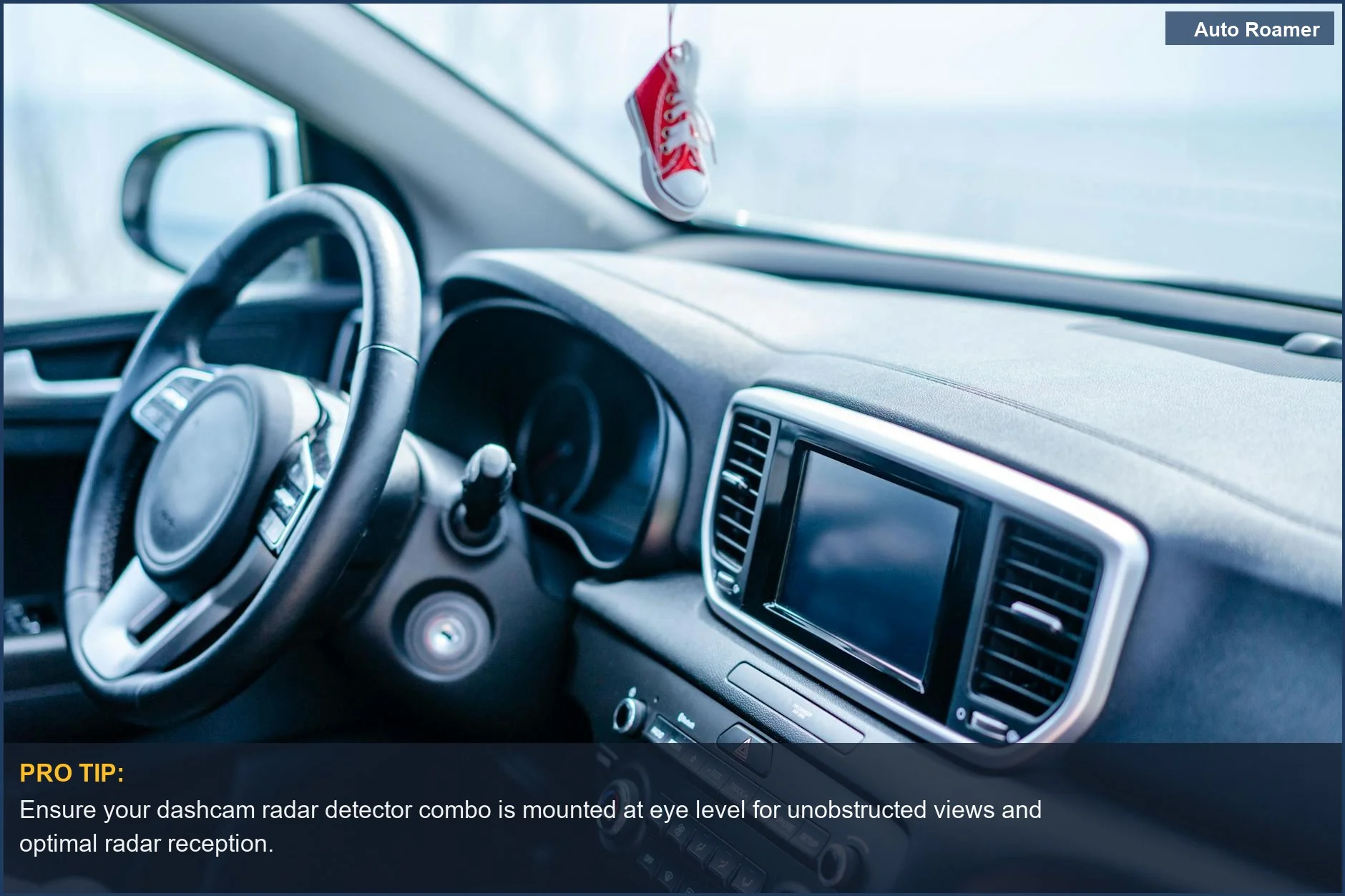
Don't just slap this thing on your dash with a sticky pad and call it a day. Proper installation prevents mechanical failure from vibration and ensures optimal performance. I've seen units ripped off windshields because some yahoo didn't clean the glass first.
- Clean the Windshield: Use isopropyl alcohol (IPA) to thoroughly clean the mounting area. Any grease, dust, or silicone residue will compromise the adhesive bond.
This isn't rocket science; it's basic surface adhesion physics.Remember, your car's interior sees significant thermal cycling. A cheap suction cup mount can lose its vacuum seal, or adhesive can soften and fail. A high-quality 3M VHB adhesive pad is usually more robust than the generic stuff that comes in the box.
Care and Maintenance Tips
Care and Maintenance Tips
You wouldn't run your engine without an oil change, so don't expect your electronics to survive neglect. These devices are exposed to constant vibration, UV radiation, and extreme thermal loads. A little proactive maintenance goes a long way to prevent premature failure.
- Clean the Lens Regularly: Use a microfiber cloth and lens cleaner. Dust, fingerprints, and road grime degrade image quality. A dirty lens means blurry evidence when you need it most.
This is basic optics; less light transmission equals worse image quality.Ignoring these steps is like driving with a loose wheel bearing. It'll work for a while, but eventually, the mechanical stress will lead to a catastrophic failure. And it'll happen when you least expect it, usually at the worst possible time.
Final Recommendations
Final Recommendations
Look, I'm not going to tell you to buy the most expensive thing just because it's expensive. But I am going to tell you to buy something that actually works when it matters. Your choice boils down to a few critical factors: budget, clutter tolerance, and your willingness to compromise on performance.
- For Maximum Performance (and minimal compromise): Go with separate, dedicated units. An Uniden R8w for radar and a Viofo A229 Pro for dashcam.
Yes, it's two devices, two power cables, but you're getting best-in-class for both functions. No compromises on video resolution or radar range.Whatever you choose, remember that these are tools. They require proper installation and occasional maintenance. Don't let a $20 hardwire kit or a $15 MicroSD card be the weak link in your setup. The cost of a ticket or an insurance claim far outweighs the cost of a quality component.
Frequently Asked Questions
What's the real cost difference between DIY hardwiring and having a shop install a dashcam/radar detector combo?
Do I really need a multimeter to hardwire a dashcam, or can I just guess which fuse to use?
What if my dashcam's video footage is blurry, even after cleaning the lens?
Can leaving my dashcam/radar detector plugged into the cigarette lighter permanently damage my car's electrical system?
I heard that radar detectors are illegal and can get you a ticket. Is that true?
🏅 Looking for Gear Recommendations?
Check out our tested gear guides for products that work with this setup:
Sources
- 2683.htm?srsltid=AfmBOorljSY2Hisgwji1qdjJVm2bShCb5Pc0TY3CH3B_iPsAIITyxdl2
- Best Dash Cams 2026: Buyer's Guide - YouTube
- Best Radar Detectors With Dash Cams (2026 Buyer's Guide)
- watch?v=76B2N-1Nio
- Best Radar Detectors of 2026: Expert Reviews & Buyer's Guide
- The 2 Best Dash Cams of 2026 | Reviews by Wirecutter
- Best dash cam and radar detector? : r/MINI - Reddit
- Best Dash Cams for 2026, Tested and Reviewed - Car and Driver
- Best Radar Detectors 2026: Expert Reviews & Ultimate Buyer's Guide
- What radar detectors / dashcam combos are yall running? Pros and ...