
Extra Battery For Car Camping (2026 Complete Guide)
An extra battery for car camping should have at least 100Ah capacity for reliable power. Look for options with 12V output and the ability to recharge via solar or your vehicle. Prices typically range from $150-500 depending on brand and features. Consider weight and portability for easy transport.
When it comes to car camping, an extra battery is an essential component that can greatly enhance our outdoor experience. As we venture into the wilderness, having a reliable power source is crucial for operating various camping gear, such as portable fridges, lights, and charging devices. Whether we're embarking on a weekend road trip or an extended off-grid adventure, the right battery can ensure that we stay connected, comfortable, and equipped for any situation.
In this complete guide, we will dive into the world of auxiliary batteries specifically designed for car camping. We will discuss the different types of batteries available, such as Gel, AGM, and Lithium, helping you understand their unique advantages and disadvantages. Additionally, we will explore important factors like mounting locations, estimated run times, and key performance metrics to help you select the ideal battery for your specific needs.
Furthermore, we will provide insights on how to recharge these batteries effectively, whether through solar panels or your vehicle's alternator. By the end of this guide, you will have a comprehensive understanding of how to choose the right extra battery, ensuring that your car camping experience is not only enjoyable but also powered up for whatever adventures lie ahead.
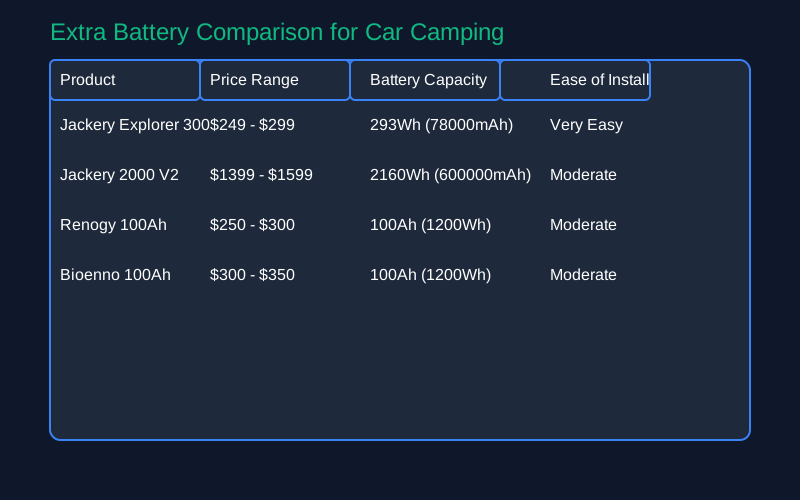
What to Look For in a Extra Battery For Car Camping
When selecting an extra battery for car camping, several key features should guide your decision-making process. First, consider the buying criteria. It's essential to identify your power needs based on the devices you'll be using, such as lights, fridges, or charging stations. For instance, the Jackery Explorer 300, weighing just 7.1 pounds, is an excellent option for light use, while the Jackery 2000 v2 is ideal for multi-day off-grid camping, offering a more robust power supply for higher-demand appliances. Next, focus on the specifications that matter most. Look for battery capacity measured in mAh or Ah, as this indicates how much energy the battery can store. A battery with 15000mAh paired with a solar panel can extend your camping experience without worrying about running out of power in remote areas. Additionally, consider the battery type, such as Lithium, AGM, or Gel; Lithium batteries are increasingly popular due to their lightweight nature and longer life cycles. Features to prioritize include the battery's charging time and the types of outputs available. For example, having multiple USB ports and an AC outlet can make it easier to charge multiple devices simultaneously. We recommend looking for power banks that offer both AC and DC output options for versatility. Lastly, what separates good batteries from great ones is not just their specifications but also their reliability during your camping trips. Research user reviews and brand reputation, focusing on models like Ecoflow and Bluetti, which consistently receive positive feedback for performance and durability. By considering these aspects, we can confidently choose the best extra battery for our car camping adventures.Top Extra Battery For Car Camping Recommendations
When it comes to extra batteries for car camping, we recommend considering a few top products that cater to various needs and budgets. Here's a detailed look at our top picks: 1. Jackery Explorer 300How to Set Up Your Extra Battery For Car Camping
When setting up an extra battery for car camping, it's essential to consider both practical usage and installation tips to ensure a smooth experience. First, we recommend selecting a suitable battery type for your needs. Options include Gel, AGM (Absorbent Glass Mat), and Lithium batteries. For camping purposes, Lithium batteries like the Jackery Explorer 300 are popular due to their lightweight design and efficiency. At around $300, they provide ample power for running small appliances, lights, and charging devices without draining your vehicle's starting battery. To get started, we suggest determining the power requirements of the devices you plan to use. For instance, if you intend to power a portable fridge, we recommend estimating its wattage and calculating the total amp hours you'll need. This will help you choose the right size battery, ensuring you have enough power for your trip. A good rule of thumb is to select a battery that provides at least 20% more capacity than your calculation to allow for unforeseen power consumption. Installation is key to maximizing your battery's performance. We recommend mounting your auxiliary battery securely in your vehicle, ideally in a location that minimizes exposure to heat and moisture. Using a dual battery system can be beneficial; it keeps your vehicle's starting power separate from your camping power. This setup allows you to run accessories for hours without the risk of draining your main battery. When installing, always follow the manufacturer's guidelines and consider using an Anderson plug for easy connection and disconnection. Finally, we suggest incorporating a solar panel, especially if you're camping in remote areas. A battery bank of 15,000mAh combined with a solar panel can significantly extend your power availability, allowing for multi-day excursions without the need for a generator. By following these guidelines, we can ensure that our car camping trips are powered smoothly and efficiently, letting us fully enjoy the great outdoors.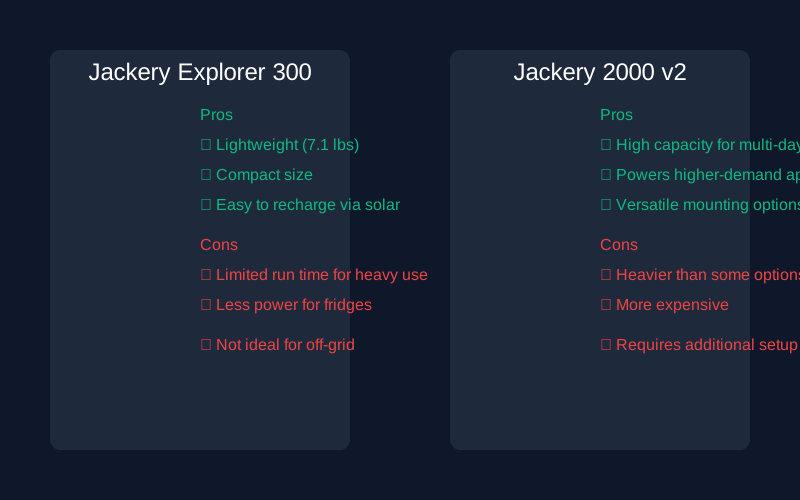
Care and Maintenance Tips
To ensure the longevity and optimal performance of our extra battery for car camping, we recommend following a few essential care and maintenance tips. First, proper cleaning is crucial. Dust and debris can accumulate on battery terminals, leading to poor connections and reduced efficiency. Periodically, we should use a mixture of baking soda and water to clean the terminals, ensuring they are corrosion-free. Additionally, a soft brush can help remove any dirt from the battery casing. Storage is equally important. When not in use, we should store our battery in a cool, dry place. Extreme temperatures can affect battery performance and lifespan. For example, lithium batteries thrive best in temperatures between 32°F and 86°F (0°C to 30°C). If our battery has a charge level below 50%, we should recharge it before storage to prevent deep discharge, which can lead to permanent damage. We must also be aware of common issues to avoid. Overcharging our battery can significantly shorten its lifespan, so using a smart charger that automatically stops when the battery is full is a wise choice. Furthermore, we should avoid connecting too many high-draw devices simultaneously, as this can drain the battery quickly and lead to overheating. By following these care and maintenance tips, we can ensure our extra battery remains a reliable power source for our camping adventures.Final Recommendations
In conclusion, choosing the right extra battery for car camping can significantly enhance your outdoor adventures, and we have identified some top picks to cater to various user types and budgets. For those seeking a robust power solution, the Jackery 2000 v2 stands out as the best option for multi-day off-grid camping, currently priced around $1,500. Its capacity and reliability make it perfect for frequent campers who need substantial power for appliances and devices. For beginners or casual campers, the Jackery Explorer 300 offers a lightweight solution at approximately $300, providing enough power for basic needs like charging phones and running small lights. If you're on a tight budget, consider a power bank like the Anker PowerCore 15000mAh, which retails for around $50 and is ideal for short trips while ensuring your devices stay charged. For those interested in a dual battery system, we recommend exploring options like AGM or Lithium batteries, depending on your vehicle's compatibility and your intended use. AGM batteries are often favored for their durability, while Lithium batteries, despite being pricier, offer longer lifespans and faster recharging capabilities. Ultimately, understanding your power requirements and budget will guide you in selecting the best extra battery for your car camping needs, ensuring a smooth and enjoyable experience in the great outdoors.Frequently Asked Questions
What is the best extra battery for car camping?
How much does an extra battery for car camping cost?
Is an extra battery for car camping worth it?
What should I look for in an extra battery for car camping?
How long does an extra battery for car camping last?
🏅 Looking for Gear Recommendations?
Check out our tested gear guides for products that work with this setup: