Setting the Scene
Deciding how to power your dash cam in your Volkswagen Tiguan boils down to two main paths: the easy-peasy 12V socket or the slightly-more-involved hardwiring. Honestly, I spent way too long staring at my car's fuse box on my first attempt, thinking I needed a degree in electrical engineering. The real move is understanding what each option actually gets you, not just what the instruction manual vaguely hints at.
The cigarette lighter plug is the default for a reason. It's simple.
You plug it in, and if your car's socket works, your dash cam gets power when the engine is on. The honest version? It's the $10 version of powering your dash cam. But if you want your dash cam to keep an eye on things when your Tiguan is parked, that's where things get interesting. That's the stuff nobody tells beginners when they're just trying to get a camera rolling. This is the fundamental decision.
The Core Answer
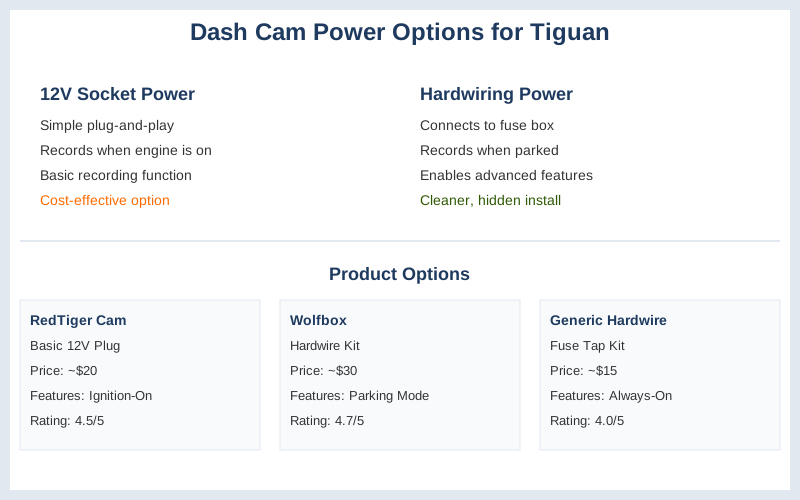
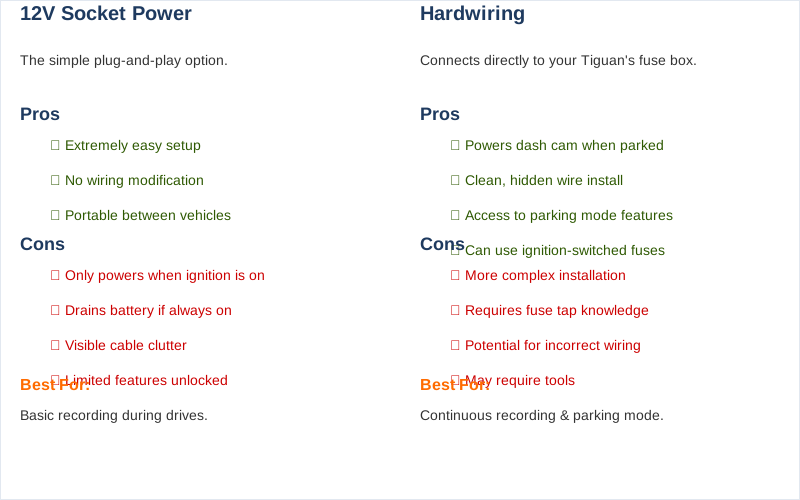
The core difference between powering your dash cam through the 12V socket versus hardwiring it is how the power flows and what features you unlock. Think of the 12V socket, often called the cigarette lighter, as a direct line to your car's ignition. When the car is on, the socket has power. When the car is off, it's usually dead.
This is great for recording your drives, but it means your dash cam stops recording the second you turn the key. It's the $5 version of basic recording. This is the simplest setup.
Hardwiring, on the other hand, connects your dash cam directly to your car's fuse box. This is where things get a little more advanced, but the payoff is huge.
You can typically tap into fuses that are always hot, or fuses that turn on and off with the ignition. This offers a much cleaner look, with no visible wires dangling around your dashboard. I remember my first attempt at hiding wires; it looked like a bird's nest had taken up residence under my steering wheel. The real move here is a tidy install.
The big game-changer with hardwiring is parking mode.
This feature allows your dash cam to continue recording even when your Tiguan is parked and turned off. It can detect motion or impacts, capturing any incidents that happen while you're away. Without constant power, your dash cam is just a fancy paperweight when the engine is off. This is the $50 version of peace of mind.
Parking mode is the key benefit.
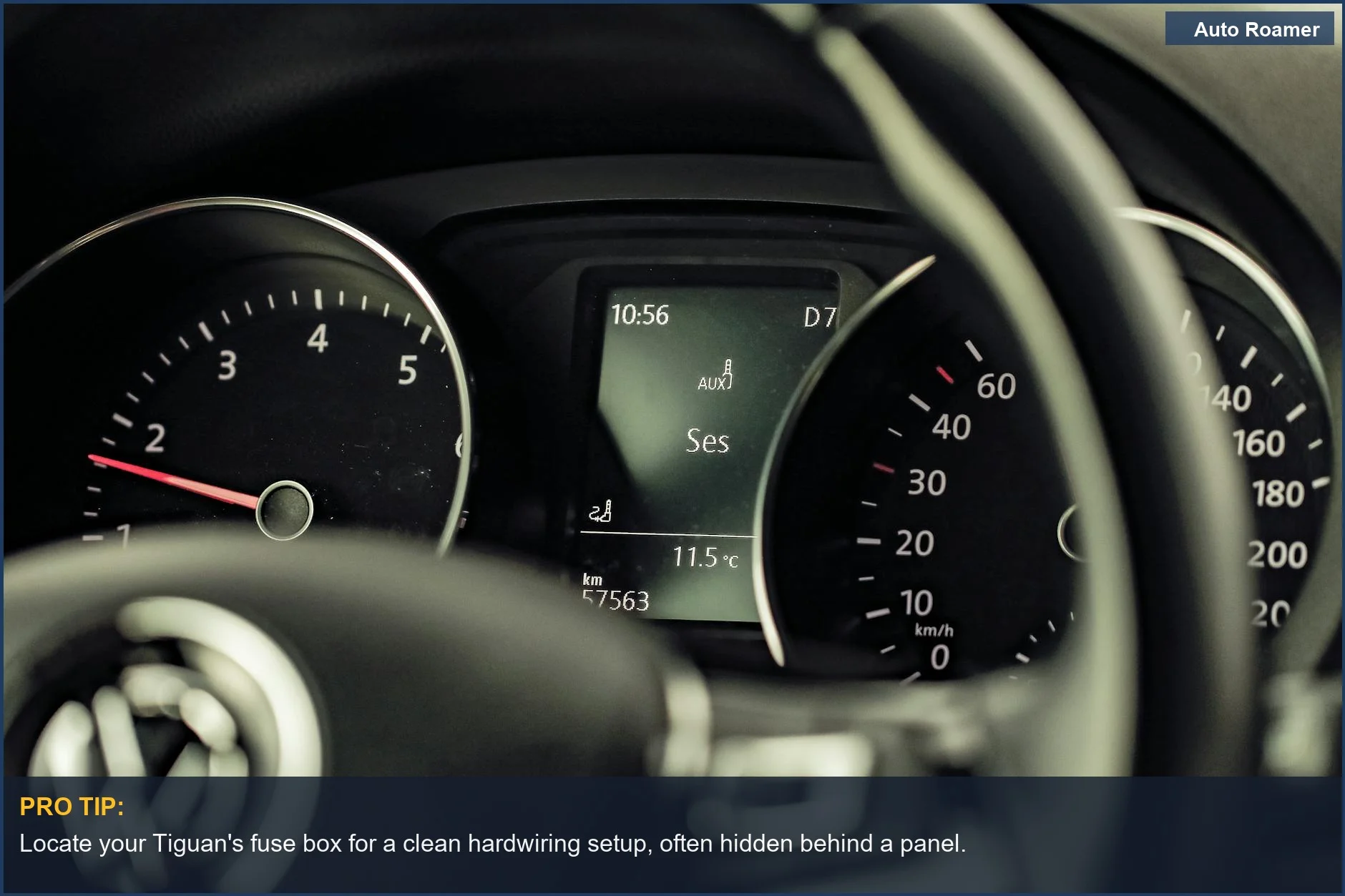
Your Tiguan's fuse box has a bunch of different circuits, and not all of them are ideal for a dash cam. You want to find a fuse that's switched with the ignition for when you're driving, and potentially another one that's always on if you want full parking mode. This is where understanding your car's manual becomes important.
I found a great YouTube video once that showed exactly which fuse to use for my model, and it saved me hours of guesswork. It was like finding a cheat code for my car. Fuse box diagrams are your friend.
There are kits available that make hardwiring much simpler. These usually include a fuse tap, which is a little adapter that lets you plug your dash cam's power into an existing fuse slot without messing up the original circuit.
It's a bit like using a Y-splitter for your power outlets. This is the $20 version of not cutting any wires. It's designed for people like me who want a clean install but don't have a degree in automotive electrical systems. Fuse taps are clutch.
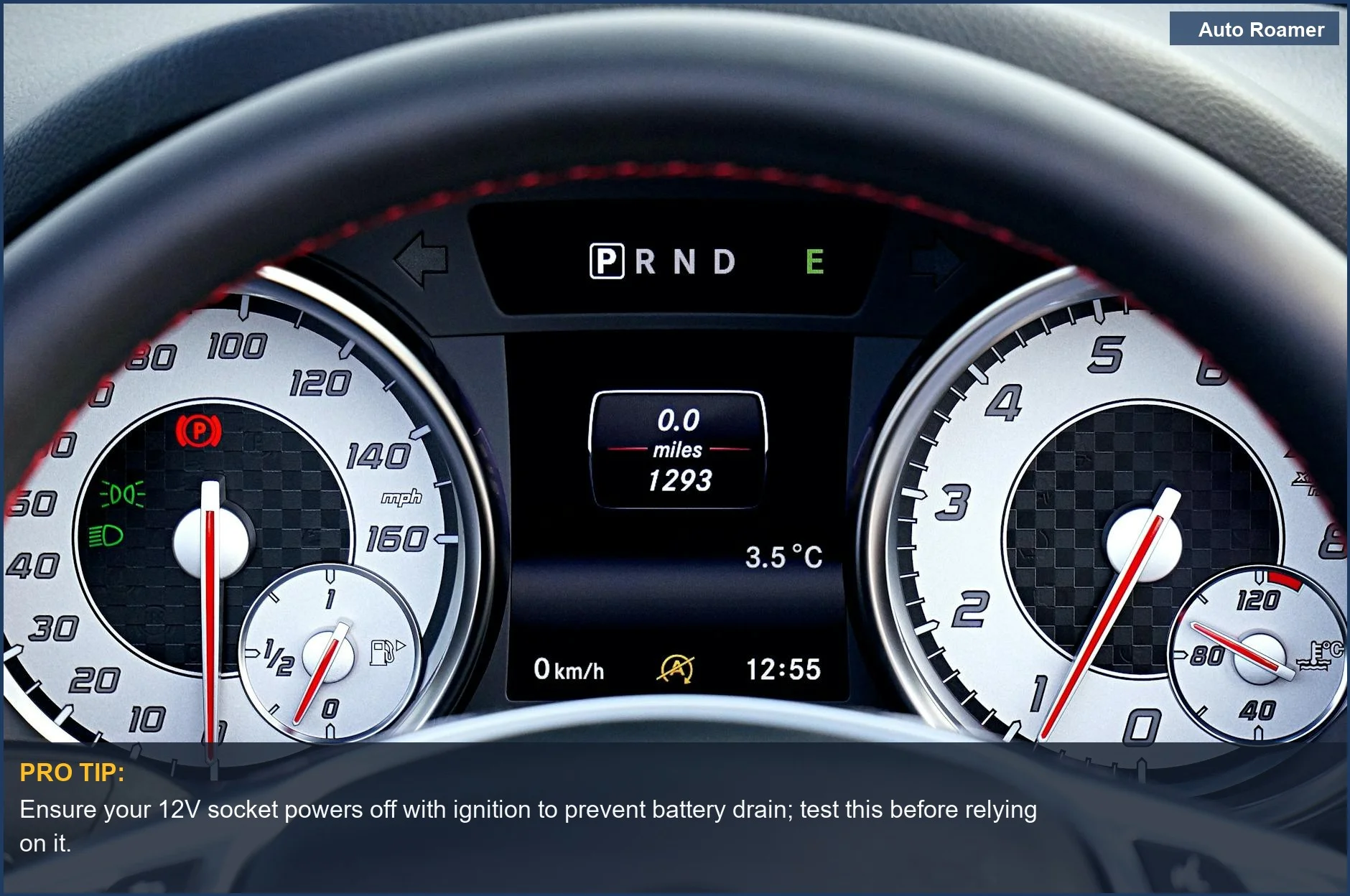
Some 12V sockets in cars are always on, while others only get power when the ignition is on. This is a crucial detail.
If your Tiguan's 12V socket turns off with the engine, you're back to the basic recording situation. You can often figure this out by plugging something into the socket and then turning the car off. If it loses power, it's ignition-switched. It's a simple test that avoids a lot of frustration. Check your socket's behavior.
Why This Matters for Your Setup
Why this whole power debate matters for your Tiguan setup is pretty straightforward: it dictates what your dash cam can actually do for you.
- Recording While Driving: Both the 12V socket and hardwiring will get your dash cam powered up to record your commutes. This is the baseline. My first trip with just the 12V socket meant I had footage of my drives, but that's it. This is the most basic function.
- Parking Mode: This is where hardwiring really shines.
If you want to catch that fender-bender that happens while your Tiguan is parked in a crowded lot, you need constant power. The 12V socket alone won't cut it unless it's one of the rare always-on types. I learned this the hard way when someone dinged my door and drove off. No footage. Parking mode is a huge advantage.
- Wire Management: Let's be honest, nobody wants a spaghetti monster of wires hanging from their rearview mirror.
Hardwiring tucks everything away neatly. It looks professional, and more importantly, it doesn't obstruct your view. My initial 12V setup looked like a tech support call waiting to happen. A clean install makes a difference.
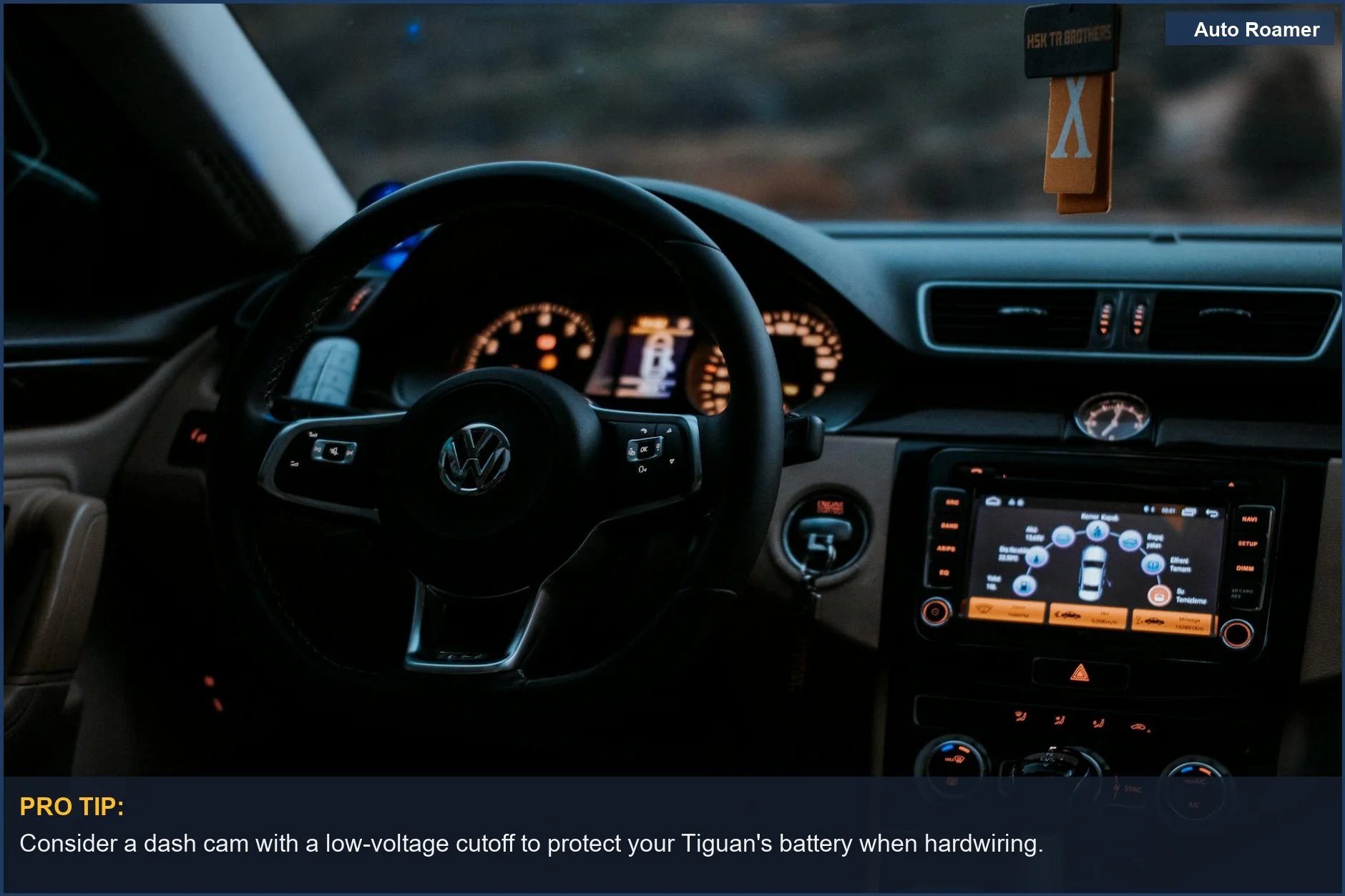
- Battery Drain Concerns: If you hardwire for parking mode, you need to make sure your kit has a voltage cutoff. This prevents your dash cam from draining your Tiguan's battery completely. Most decent kits have this feature built-in.
It's like a little guardian for your car's power. Protecting your car's battery is key.
Making the Right Choice
So, making the choice between powering your dash cam via the 12V socket or hardwiring in your Tiguan comes down to what you need it to do and how much effort you're willing to put in.
- For Basic Recording: If you only need footage of your drives and don't care about what happens when your car is parked, the 12V socket is the simplest, quickest option. It's the $10 fix for basic needs.
- For 24/7 Protection: If you want the peace of mind that comes with your dash cam watching over your Tiguan even when it's off, hardwiring is the way to go. This unlocks parking mode and generally offers a cleaner installation. It's the $50 solution for comprehensive coverage. Parking mode is a major plus.
- DIY vs.
Pro: Hardwiring can be a bit intimidating at first, but with the right kit and a little patience, it's totally doable. If you're not comfortable poking around your car's fuse box, most auto shops or dash cam installers can do it for you. Just be prepared for a potentially higher cost. My first hardwire job took me about 2 hours, but it was worth it. DIY can save money.
- Future-Proofing: Consider what features you might want down the line.
If you think you'll eventually want parking mode, it might be worth hardwiring from the start, even if you don't use that feature immediately. It's easier to do it right the first time. Think long-term.