The Big Picture
The idea of a dash cam with parking mode for your Volkswagen Tiguan sounds fancy, like something a Hollywood stunt driver needs. But really, it's just another piece of tech that promises to watch your back when you're not around. I learned this the hard way after someone dinged my bumper in a grocery store parking lot and drove off. Zero witnesses, zero evidence. Just me and a dent.
many owners have similar stories, wondering if their car's electrical system can even handle it. It's not just about catching fender benders; it's about having proof when your car is sitting idle. This is the field notes version of understanding what parking mode actually does for your Tiguan, and if it's worth the hassle. There are a lot of opinions out there, and most of them are just noise.
We're cutting through that noise to what actually matters for a weekend warrior like you. It's about practical application, not just theoretical 'what-ifs'.
The Core Answer
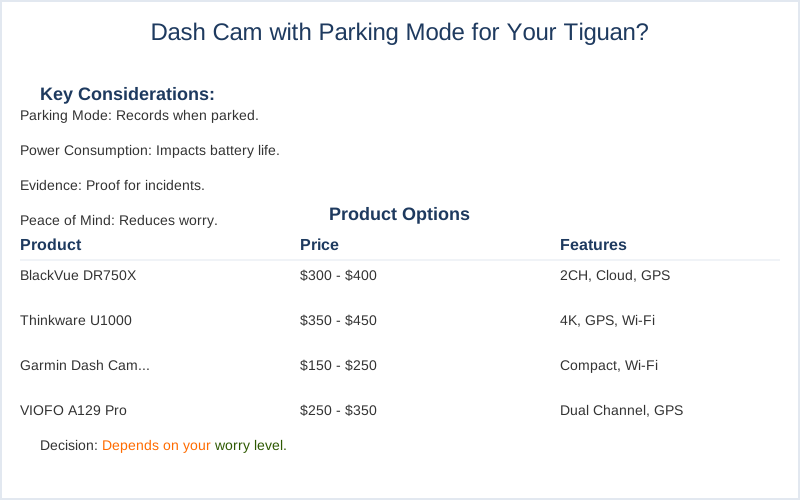
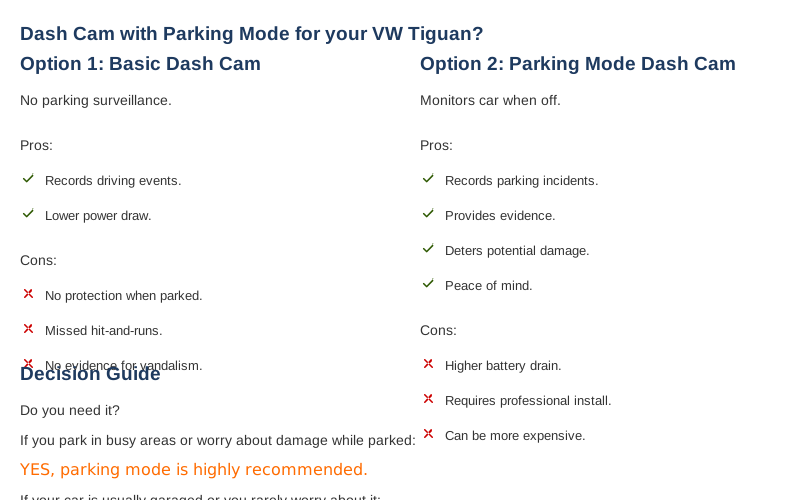
So, do you NEED a dash cam with parking mode for your Volkswagen Tiguan? The honest version is: probably not, but it depends on how much you worry about your car when it's parked. Think of parking mode like a security camera for your car. When your Tiguan is turned off, the dash cam doesn't just go to sleep; it enters a low-power state where it's still watching.
It'll usually record either short clips when it detects motion or impact, or it might continuously record at a very low frame rate, like 1 frame per second. This is what keeps an eye on things while you're inside grabbing coffee, or, more importantly, when your car is parked overnight. The big question with any dash cam, especially one that's always on, is power.
Your Tiguan's battery is designed to start the engine, run the lights, and power your infotainment system. It's not designed to run a continuous surveillance system 24/7. This is where the 'parking mode' feature comes into play, but also where the potential for a dead battery becomes real. Most parking mode setups have a voltage cutoff. This is a lifesaver.
It means the dash cam will shut itself off before it drains your battery completely, preventing that dreaded click when you try to start your car. You do NOT want to be that person at 6 AM on a Saturday, trying to get to the trailhead, with a dead battery. This cutoff is usually adjustable, so you can set it based on your car's battery health and how long you plan to leave it parked.
Some fancier setups use a dedicated battery pack that charges while you drive and powers the dash cam when parked. This takes the strain off your car's main battery entirely. It's like having a portable power bank for your dash cam. The real move is to understand your car's electrical system and the dash cam's power draw. A typical dash cam might draw anywhere from 1 to 3 watts in parking mode.
That doesn't sound like much, but over 12-24 hours, it adds up. I've seen forum posts where people complain about their Tiguan's start-stop function acting weird, or not working at all, after installing a dash cam without proper wiring. This is usually a sign that something isn't quite right with the power draw or installation, and it's not necessarily the dash cam's fault.
The honest version: if you park in sketchy areas, deal with a lot of hit-and-runs, or just want that extra peace of mind, parking mode is a solid feature. But you MUST ensure it's wired correctly and has a reliable voltage cutoff or use a separate battery pack. Otherwise, you're just asking for trouble and a potentially expensive tow truck ride. It's not about the brand of dash cam; it's about how you power it.
Why This Matters for Your Setup
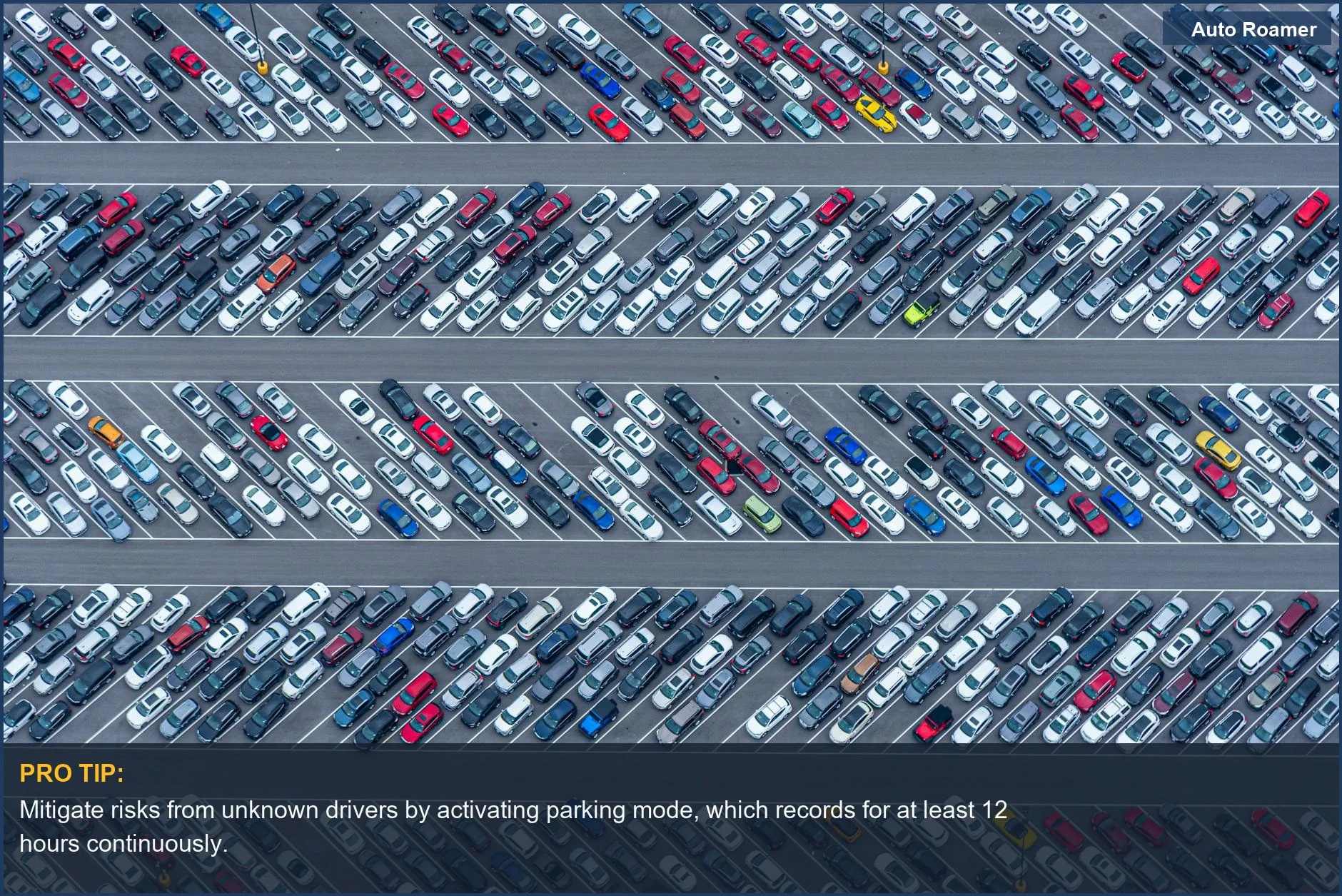
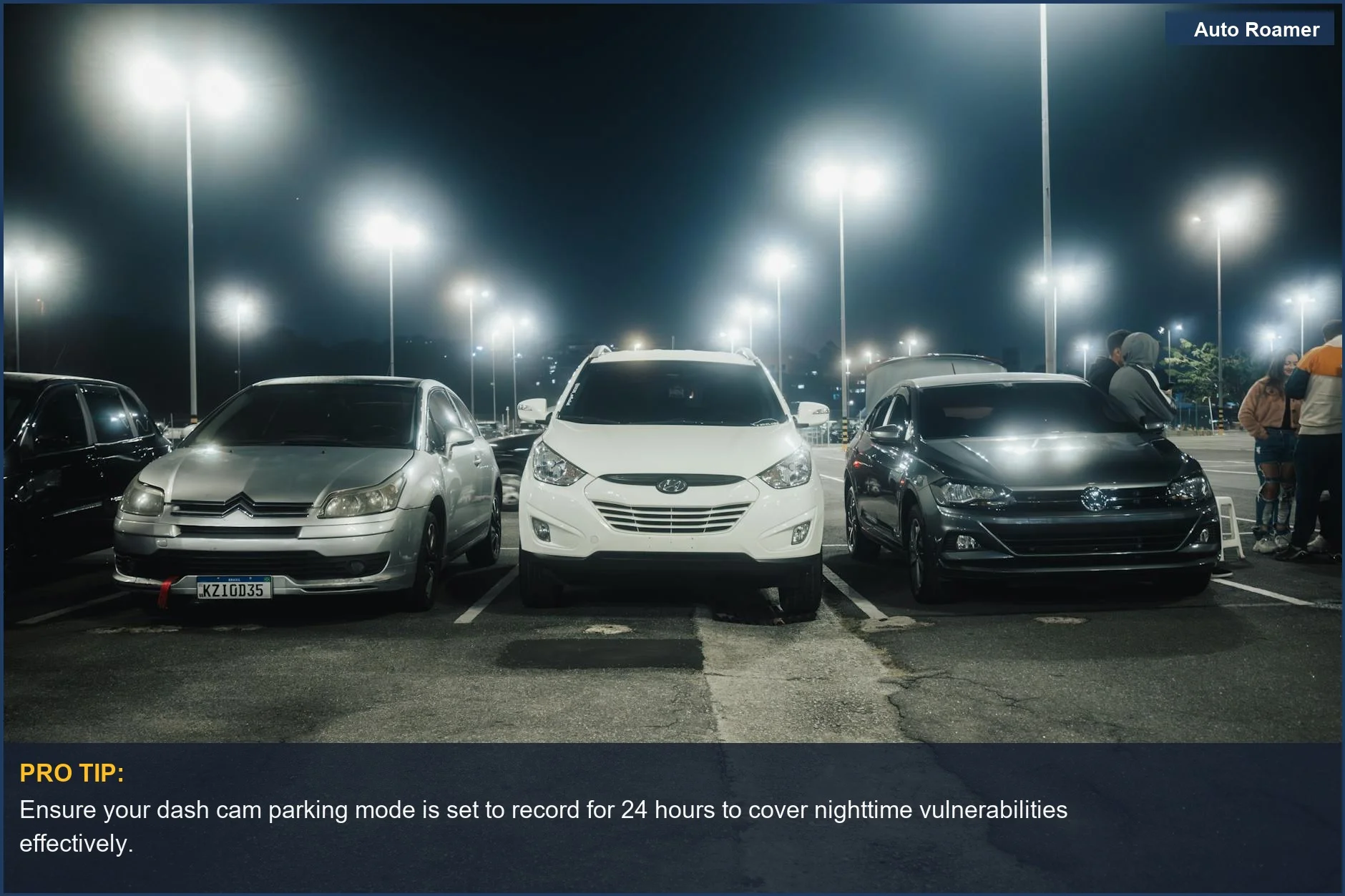
Why would you even bother with a dash cam that watches your car when it's off? Well, let me tell you. I once parked my car at a busy trailhead for a weekend hike. Came back to find a nice, fresh scratch down the passenger side door. No note, no witnesses. Just me and my new paint damage. The frustration was immense. If I'd had parking mode active, I might have had footage of the culprit.
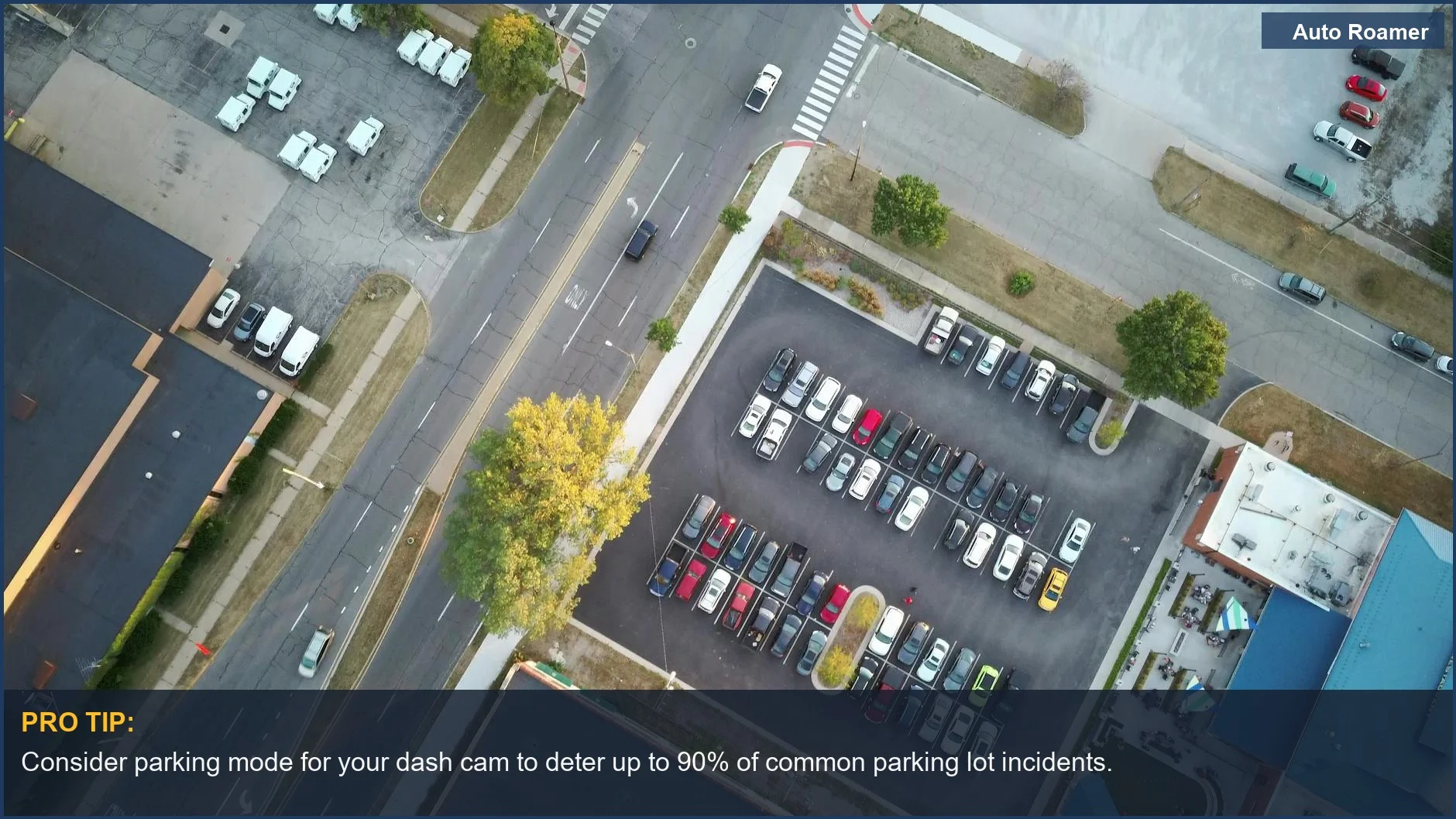
- Parking Lot Prowlers: This is the big one. That person who bumps your car and scoots? Or the shopping cart runaway? Parking mode is your best defense. It provides evidence that insurance companies can't ignore.
- Vandalism: Sadly, it happens. Someone keying your car, slashing a tire. Having video evidence can help police identify suspects and might even lead to recovery of damages.
- Accidental Damage: Sometimes, it's not malicious.
Maybe someone backs into you while you're out of the car, or a delivery driver misjudges a turn. Parking mode captures these moments so you're not left guessing.
- Peace of Mind: For some folks, it's just about knowing that their vehicle is being monitored. It's an extra layer of security, especially if you park in areas you don't feel entirely comfortable with. I know I sleep better on camping trips knowing my car is being watched.
It's like having a silent guardian. This kind of tech can be a real game-changer for vehicle owners.
Making the Right Choice
So, is parking mode for your Tiguan a must-have? The answer, like most things in life, is 'it depends.'
- Assess Your Risk: If you consistently park in well-lit, secure areas, and haven't had parking incidents before, you might be fine without it. But if you park on busy streets, in large parking lots, or in areas with higher crime rates, it's worth considering.
- Understand Power Draw: Don't just plug it in and forget it. Research how much power your chosen dash cam draws in parking mode. A dedicated hardwiring kit with a low-voltage cutoff is crucial.
This is non-negotiable. Many kits offer this protection.
- Consider Battery Packs: If you're really worried about draining your car battery, a separate dash cam battery pack is a smart investment. It adds cost, sure, but it removes a major headache. I've seen these setups work flawlessly for days on end.
- DIY vs.
Professional: While some dealers might quote you hundreds of dollars for installation, a basic hardwiring job can often be done yourself in under an hour with the right tools. It's not rocket science, but if you're not comfortable with car electrics, a professional install is worth the peace of mind. My first install took me 45 minutes and involved a lot of fumbling, but it worked.