
Choosing a Pet Travel Setup for a High Mileage Vehicle
My first road trip with my dog, Buster, was a 9-hour haul from DC to Asheville in my ancient 2008 Honda CR-V. The odometer was pushing 180,000 miles. I figured a blanket in the back seat was good enough. Rookie mistake.
My first road trip with my dog, Buster, was a 9-hour haul from DC to Asheville in my ancient 2008 Honda CR-V. The odometer was pushing 180,000 miles. I figured a blanket in the back seat was good enough. Rookie mistake. Every time I hit the brakes, Buster slid forward, ending up in the footwell. He was stressed, I was distracted, and by hour three, my patience was thinner than my worn-out tires.
What nobody tells beginners is that a loose pet is a projectile in a crash, not just a nuisance Wirecutter reminds us. And a 10-pound dog in a 30 mph crash hits with 300 pounds of force Petfessor says. Suddenly, that blanket felt a lot less safe.
I learned that the hard way. The real move isn't just about getting from A to B; it's about getting there safely and without a nervous breakdown from your furry co-pilot. Especially when your ride has seen more miles than a cross-country trucker. My CR-V was reliable, but it wasn't exactly a luxury pet transport vehicle. That trip taught me that accessibility isn't just about budget; it's about minimizing chaos for both of you.
We hear a lot about crash-tested harnesses and airline-approved carriers, but what about the actual experience of trying to get your cat into one of those things when they think it's a torture device? And what if your car is closer to a clunker than a brand-new SUV? Most guides assume you're driving something shiny and new. I assume you're driving something with a check engine light that sometimes just... goes away.
This isn't about buying the most expensive gear. It's about finding the $50 version that actually works, and knowing what to do when your high-mileage vehicle decides to throw a tantrum 200 miles from home. Because 78% of American pet owners travel with their pets each year, and 64% of those trips are by car GlobalVetLink reports. We all need to figure this out, usually on a budget and with a car that's seen better days.
My authority comes from every spilled water bowl, every unexpected roadside stop, and every time I thought, "There has to be a better way." This is about real-world experience, not theoretical best practices. So, let's talk about how to make pet travel less of a circus and more of a chill adventure, even in your trusty, high-mileage steed Short Pump Vet recommends planning.
⭐ Quick Picks
Key Features to Consider
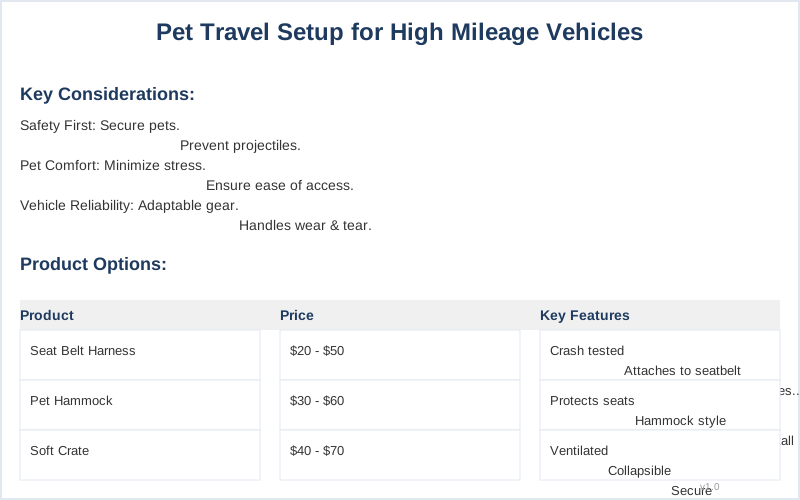
When you're rolling in a high-mileage vehicle with your pet, you're not just looking for comfort; you're looking for survival gear. My 2008 CR-V taught me that. Here's what actually matters.| Feature | Why It Matters (Weekend Warrior Edition) | My Field Notes (Mistakes I Made) |
|---|---|---|
| Restraint Method | Keeps your pet from becoming a furry missile in an accident and prevents distracted driving. Essential for safety, especially with an older car that might not brake as smoothly. MotorMindedGuide emphasizes restraints. | I thought a dog bed in the back seat of my Civic was fine. Buster ended up in the footwell under hard braking on I-81 in Virginia. He wasn't hurt, but I was white-knuckling the wheel. |
| Ventilation & Temperature Control | High-mileage cars often have finicky AC or heating. Pets can overheat or get too cold fast, especially in the cargo area. You need consistent airflow. | My old Ford Ranger's AC died on a 90 degrees F day in Arizona. My cat, Mittens, in her carrier in the back, started panting. I had to pull over every 30 minutes to give her water and cool her down. |
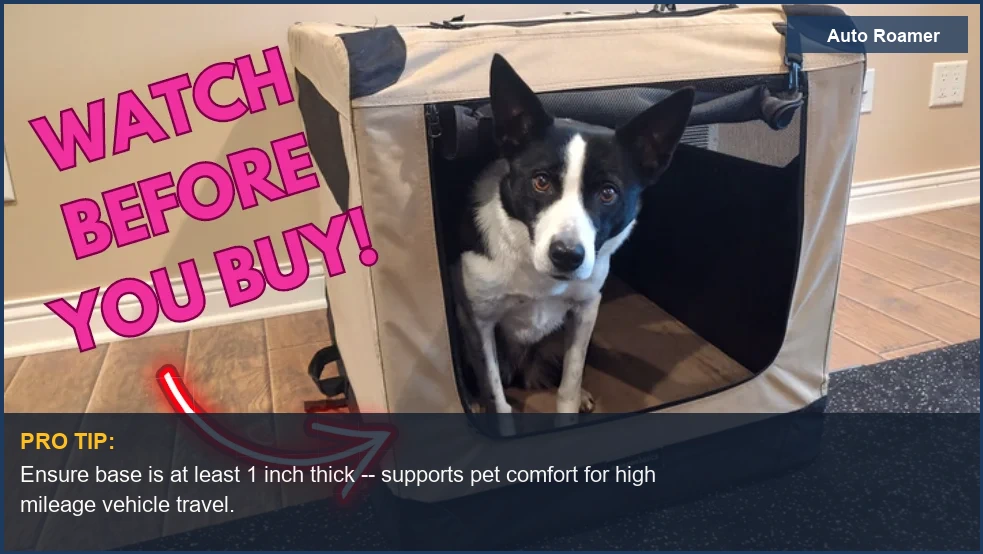
| Durability & Cleanability | Spills, accidents, and muddy paws are inevitable. A setup that's easy to clean saves your sanity and your car's interior. My CR-V's interior has seen it all. | Buster got car sick on a trip to the beach near Ocean City, Maryland. His cheap fabric car seat cover was soaked. It took three washes and still smelled faintly of vomit. Brilliant engineering. |
| Portability & Storage | When you're not using it, you need somewhere to put it. High-mileage cars often mean less space. A collapsible carrier or a harness that stows easily is a game-changer. | My first large crate for Buster took up half my garage when not in use. Then I realized I needed to actually *store* it. Not every car has the cargo space of a minivan A Girl's Guide to Cars notes some cars are better. |
| Emergency Preparedness | Your old car is more likely to break down. You need a plan for your pet if you're stranded. This includes roadside assistance that covers pet transport. | My alternator died on a back road in rural Pennsylvania. I had no cell service. Imagining Buster stuck in a hot car for hours taught me to always have a backup plan. What nobody tells beginners is that your pet needs a plan too. |
Our Top Picks
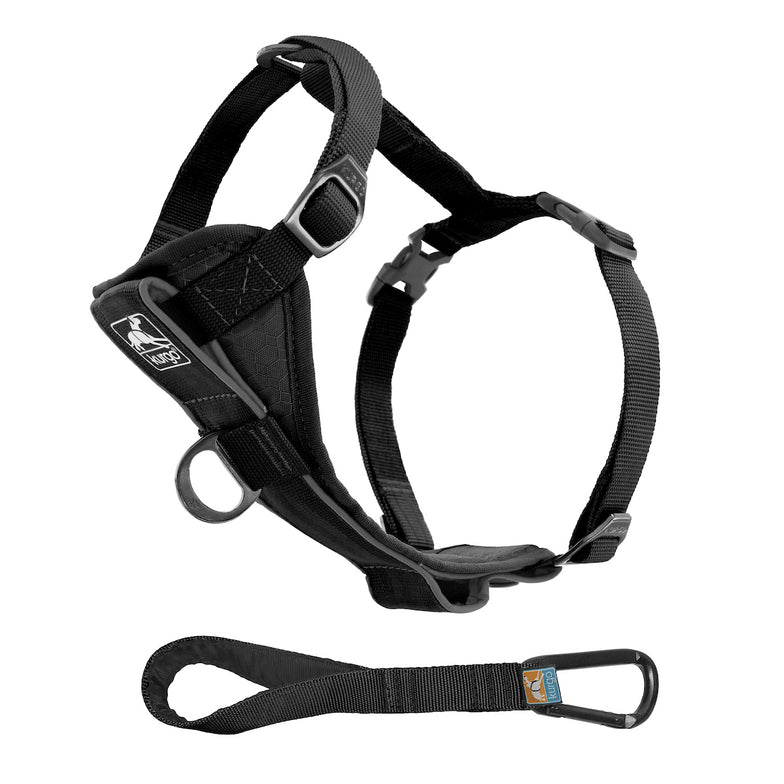
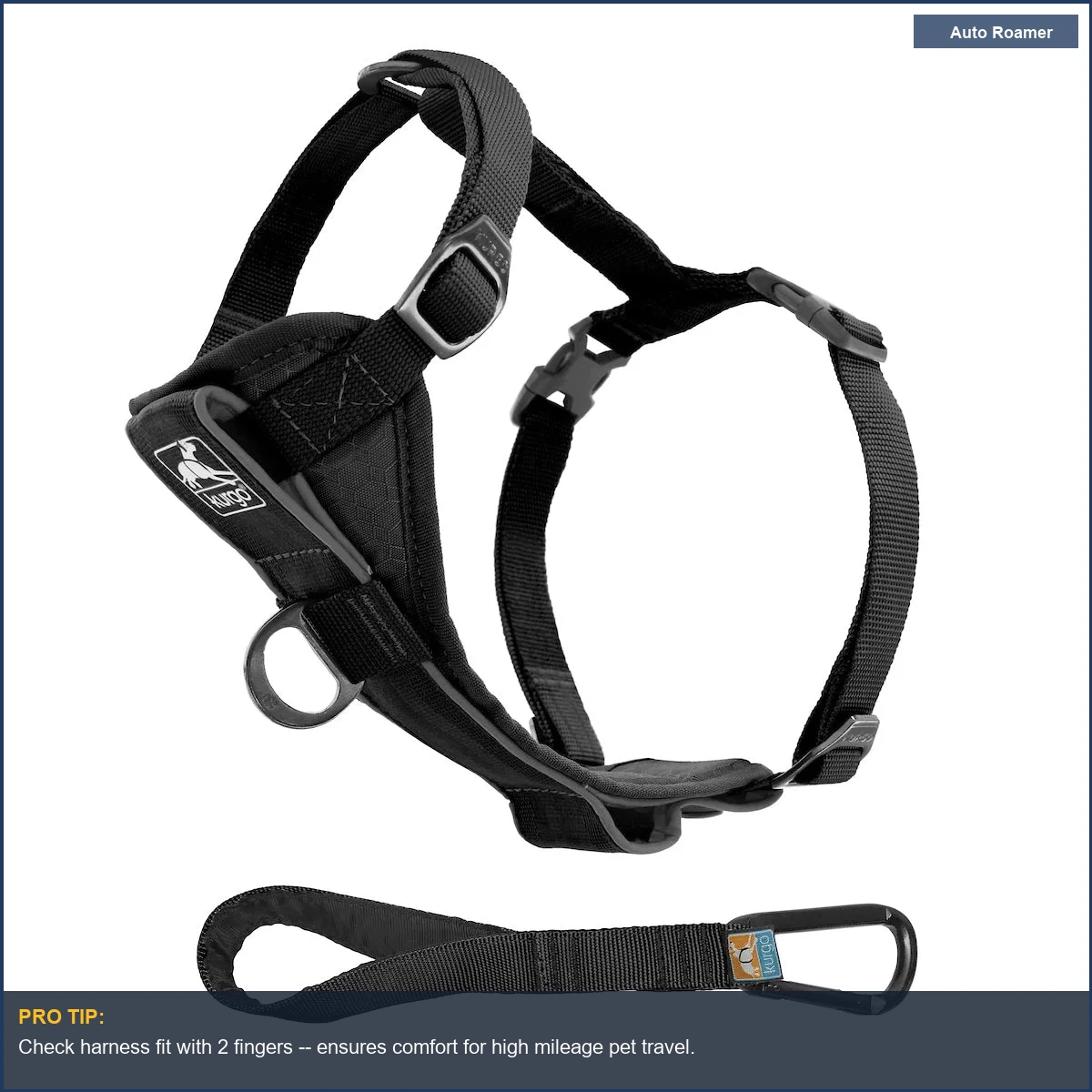
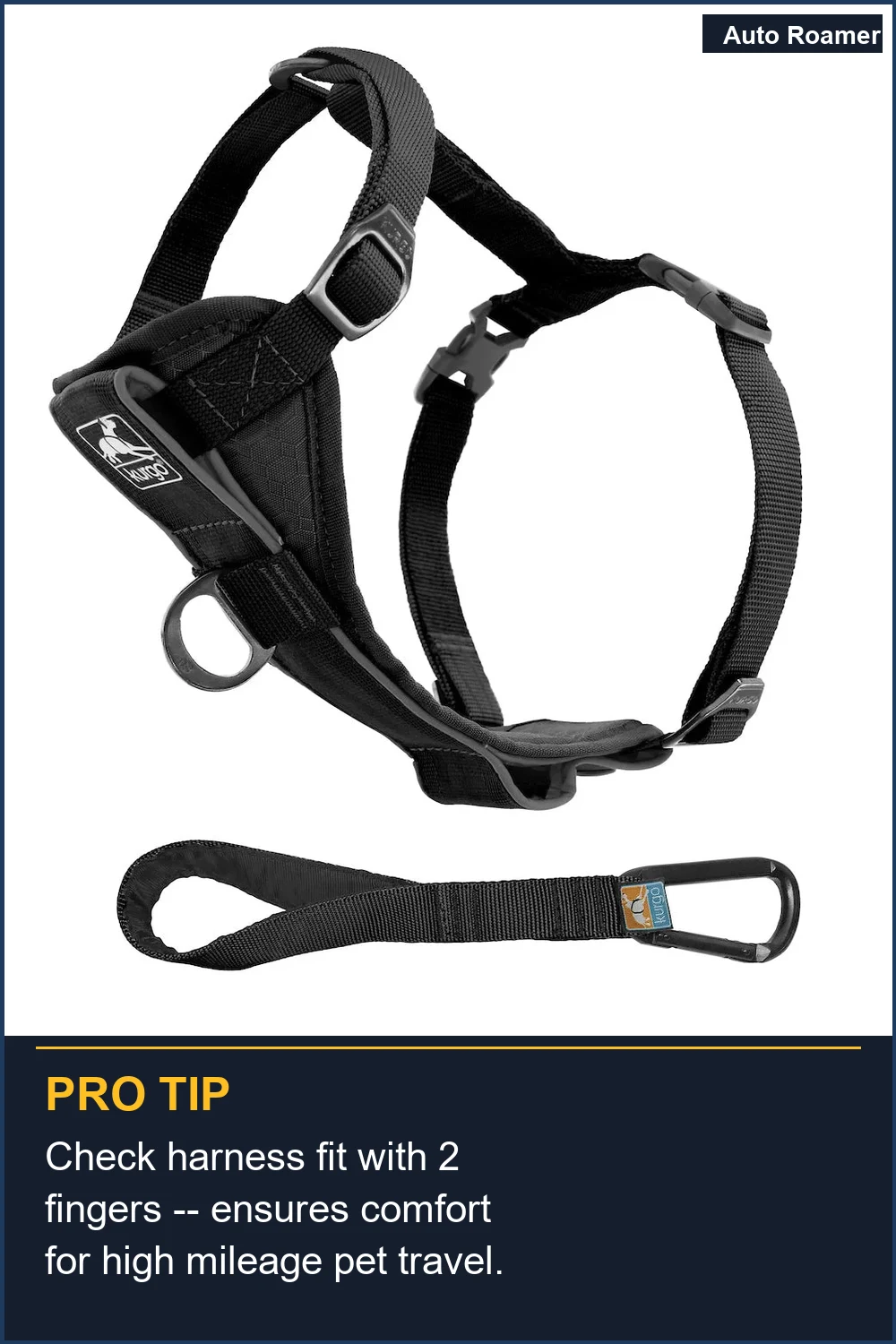
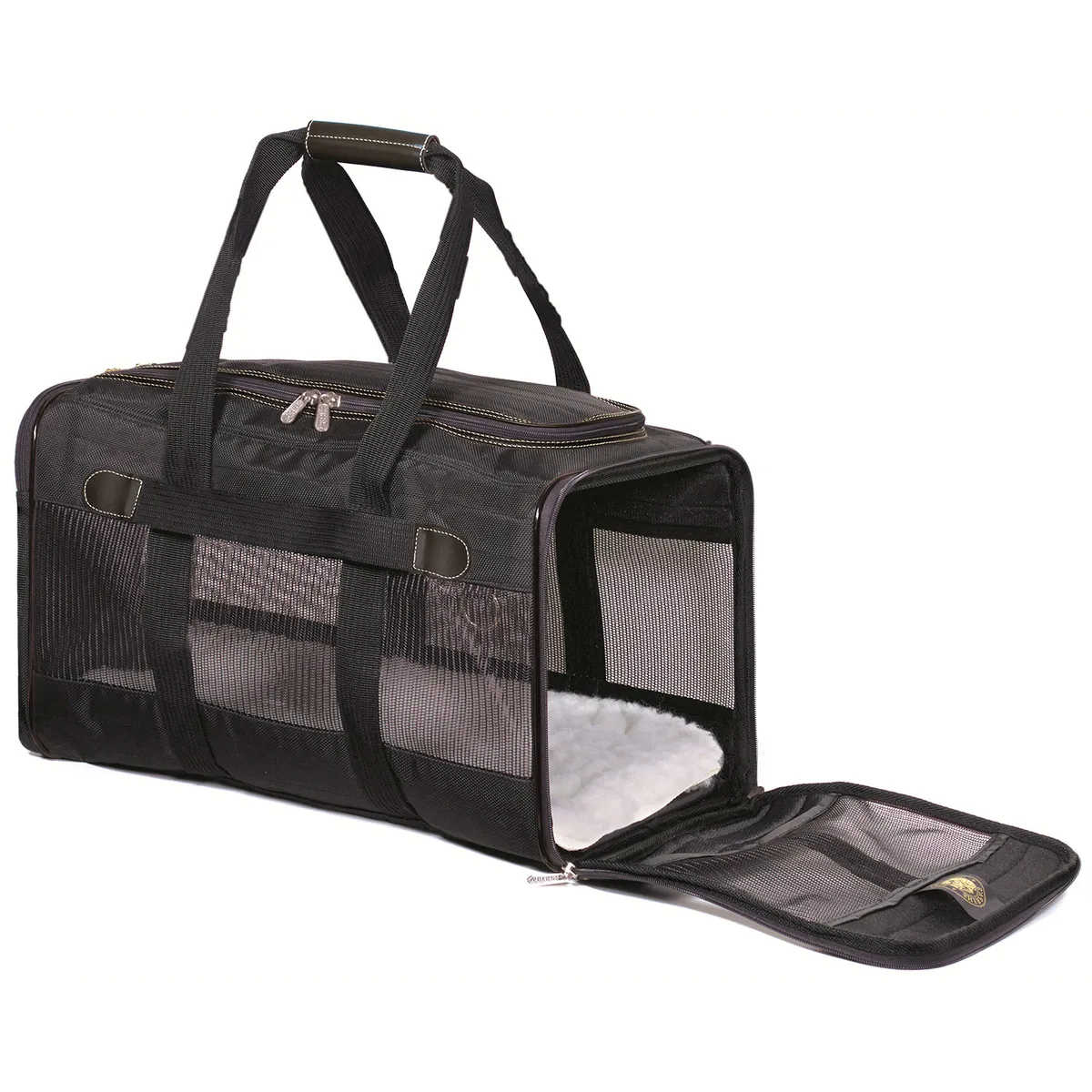
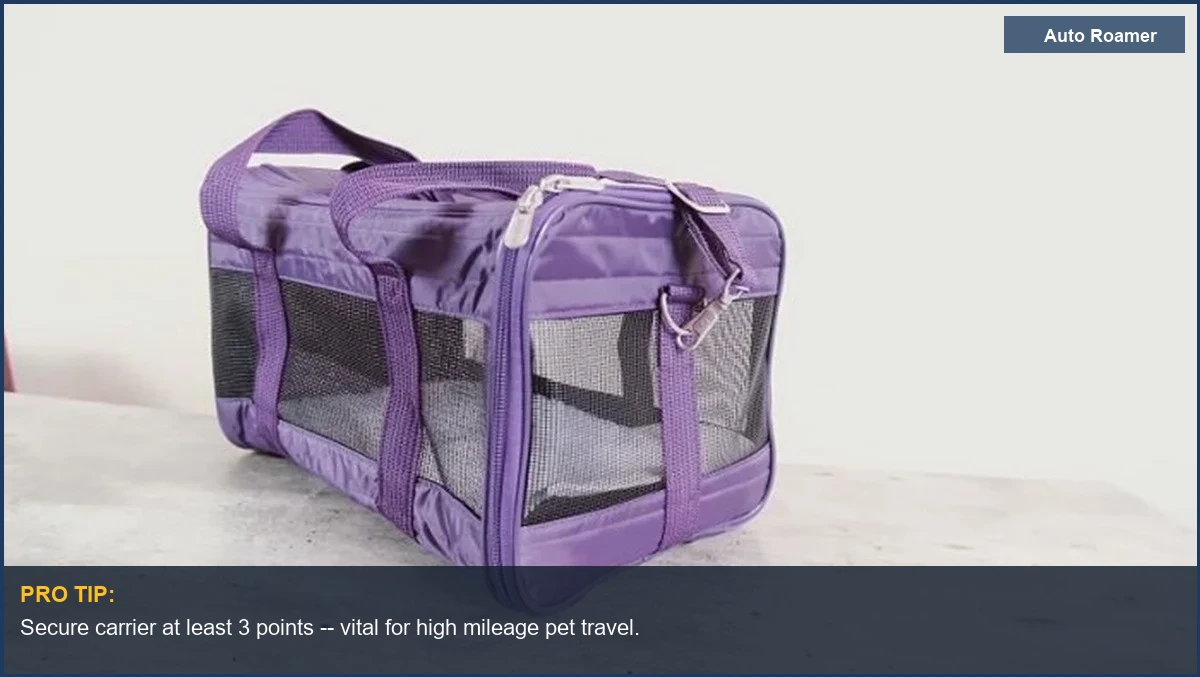
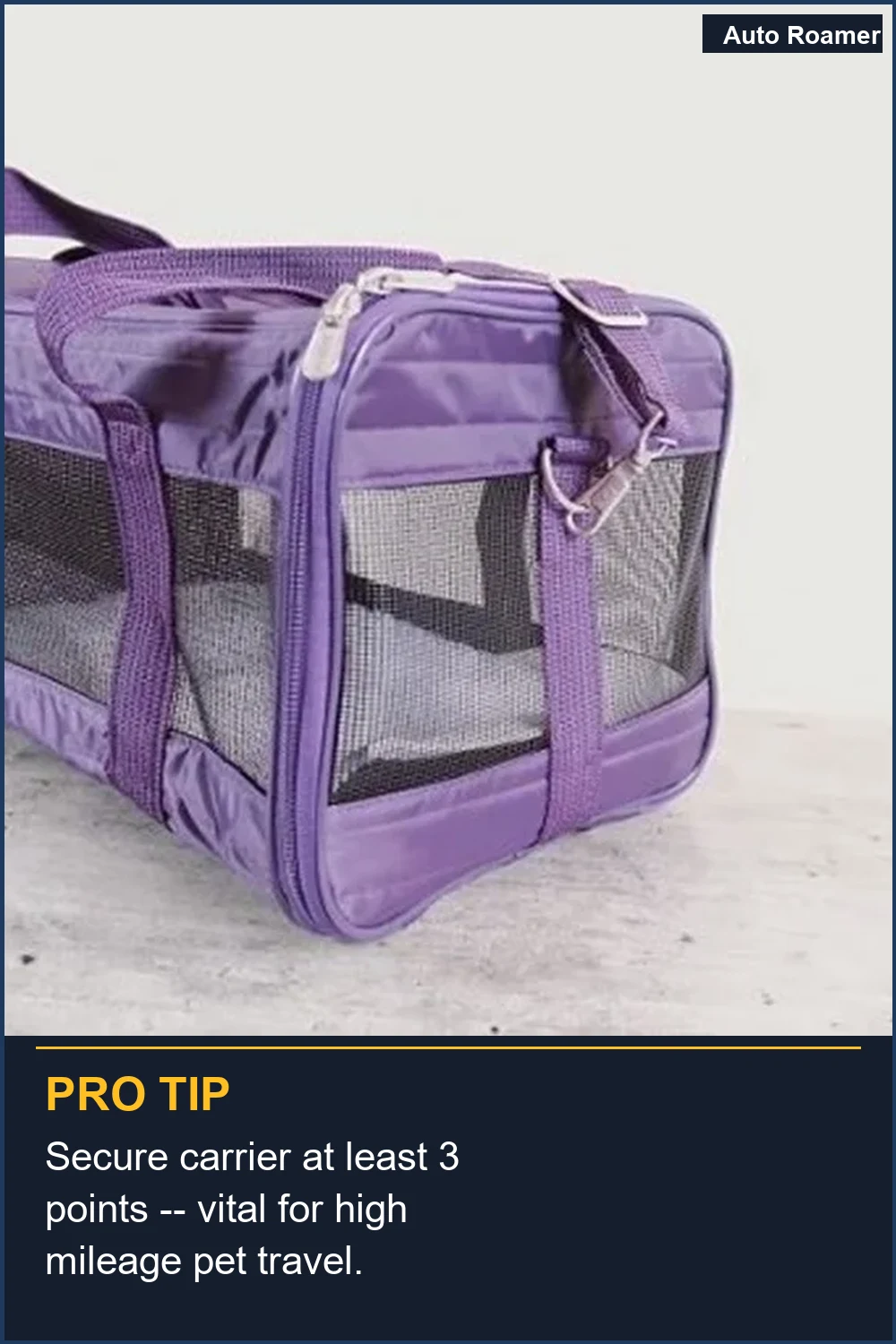
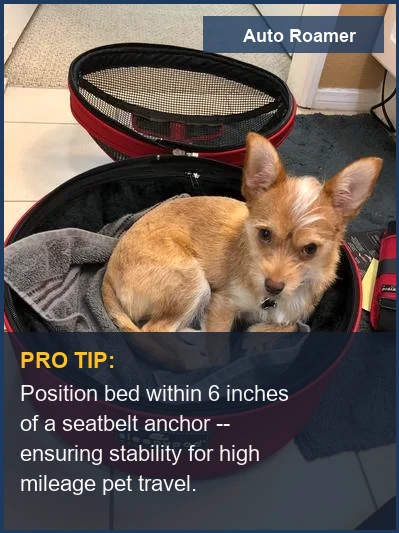
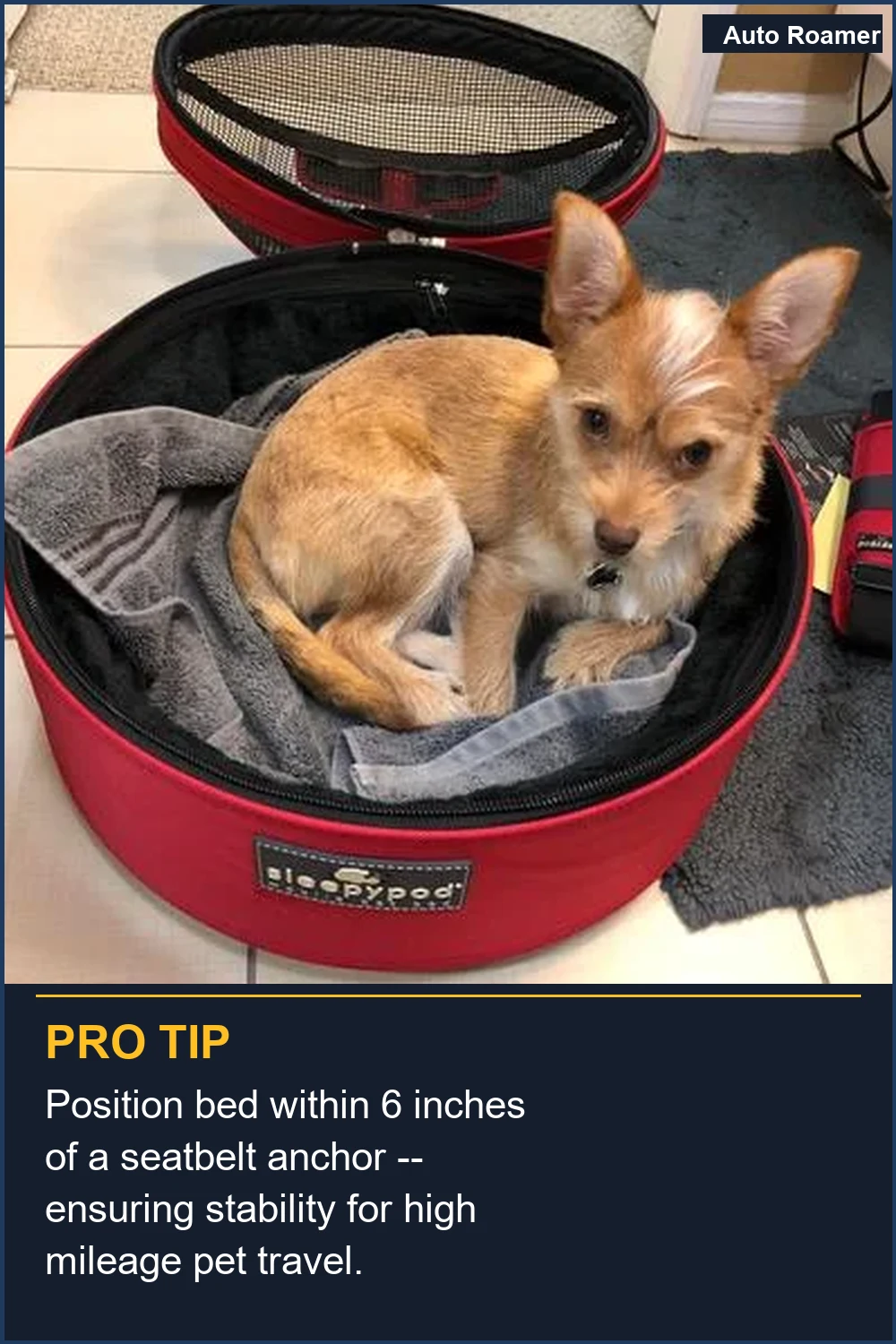
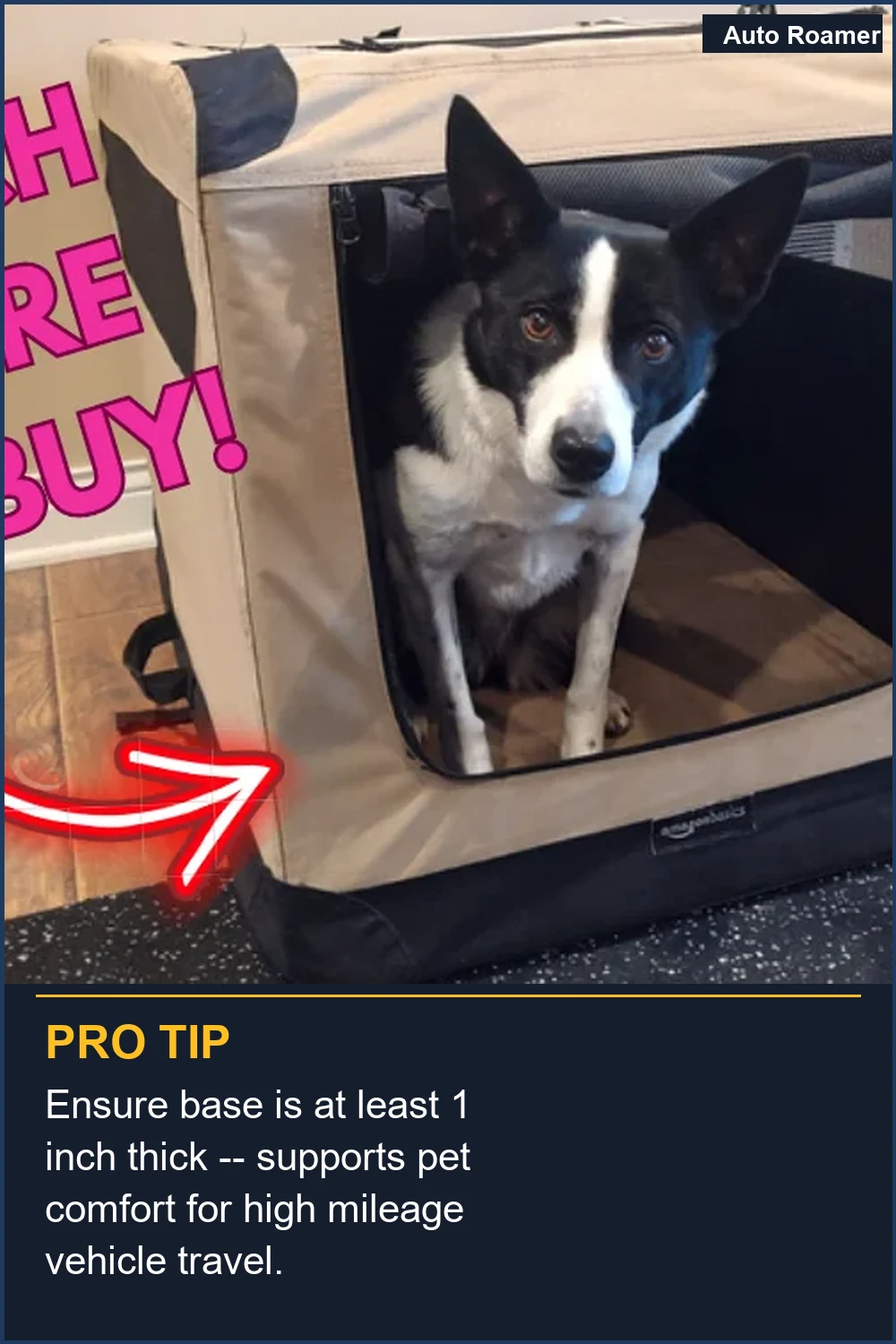
Forget the fancy ads. Here are the pet travel setups I've actually used, or wish I'd used, based on what happens in the real world with a car that's seen a few too many winters. Kurgo Tru-Fit Smart Harness (~$35) Capacity/Key Specs: Crash-tested for dogs up to 75 pounds. Attaches to a seatbelt. Includes a seatbelt tether. Pros: Affordable, easy to put on (once your dog gets used to it), leaves room for your pet to lie down or sit up. Converts to a walking harness The Divine Magazine mentions crash-tested harnesses. Cons: Some dogs don't like harnesses. Can get tangled if your dog moves around too much. Not ideal for very small dogs or cats. Best-for: Medium to large dogs who are mostly chill in the car but need to be restrained. My dog Buster tolerated this much better than a full crate. Sherpa Original Deluxe Pet Carrier (~$40) Capacity/Key Specs: Soft-sided, airline-approved (check dimensions for your specific airline), various sizes for pets up to 22 pounds. Pros: Flexible for fitting under seats (if flying), comfortable for cats and small dogs. Zippers are pretty sturdy. Cons: Not crash-tested for car safety, though it can be buckled in. Can be crushed in an accident. My cat, Mittens, despises any carrier, but this one causes the least drama. Best-for: Cats and small dogs who prefer a cozy, den-like space and for short car rides or when flying. Sleepypod Mobile Pet Bed (~$180) Capacity/Key Specs: Crash-tested for pets up to 17.5 pounds, acts as a carrier, car seat, and pet bed. Comes in different sizes. Pros: Multi-functional, high safety ratings, comfortable for pets. My friend swears by this for her anxious terrier. Cons: Expensive for a carrier. Heavier than soft-sided options. Might not fit larger cats or small dogs comfortably for long periods. Best-for: Small pets whose owners prioritize crash safety and comfort, and are willing to pay for it. Amazon Basics Soft-Sided Pet Carrier (~$25) Capacity/Key Specs: Various sizes for pets up to 20 pounds, mesh windows, fleece bed insert. Pros: The $25 version. Super affordable, lightweight. Easy to carry. I bought this as a backup for Mittens. Cons: Not crash-tested. Zippers can be flimsy. Won't last forever. My first one had a zipper break after about 10 uses The Spruce Pets reviews carriers. Best-for: Budget-conscious owners for short trips or vet visits, or as a temporary solution. Gunner Kennels G1 Intermediate (~$700) Capacity/Key Specs: Crash-tested, rotomolded construction, double-walled. For dogs up to 75 pounds. Pros: The gold standard for crash safety. Indestructible. Your dog will be safer than you. My friend with the German Shepherd uses this. Cons: Extremely expensive, heavy, takes up a lot of space. Not practical for smaller cars or tight budgets. Best-for: Owners of large dogs who prioritize absolute maximum safety and have a large vehicle with plenty of cargo space. Ruffland Performance Kennels (~$300) Capacity/Key Specs: Single-piece, rotomolded construction, various sizes. Often used by hunters and K9 units. Pros: Very sturdy and safe, often seen as a more accessible alternative to Gunner. Can be stacked. My GBGV Life recommends Ruffland. Cons: Still a significant investment. Can be bulky. Not crash-tested to the same rigorous standards as Gunner, but still very robust. Best-for: Owners needing a durable, safe kennel for medium to large dogs without the top-tier Gunner price tag.View on Amazon — Kurgo Tru-Fit Smart Harness
View on Amazon — Sherpa Original Deluxe Pet Carrier
View on Amazon — Sleepypod Mobile Pet Bed
View on Amazon — Amazon Basics Soft-Sided Pet Carrier
Budget vs Premium Options
When your car has 200,000 miles on it, you're usually not looking at the premium options first. My first pet travel setup was definitely on the budget end, and I learned where to spend and where to save the hard way.| Feature | Budget Option (My Experience) | Premium Option (What I learned I needed) |
|---|---|---|
| Restraint | A cheap nylon harness and a leash clipped to the seatbelt. Cost: ~$15. Buster was technically restrained, but had too much slack and could still get tangled. Petfessor warns against unrestrained pets. | Crash-tested harness (like Kurgo Tru-Fit, ~$35) or a sturdy, crash-rated crate. Less slack, more secure attachment. Peace of mind is priceless, but in this case, it's about $20 more. |
| Comfort Layer | Old blanket from the house. Cost: $0. Absorbed smells, hard to clean, offered no cushioning or stability for Buster. | Washable, durable pet bed or crate pad with non-slip bottom. Cost: ~$20-$50. Made a huge difference in Buster's anxiety and cleanliness. |
| Car Protection | Towel draped over the back seat. Cost: $0. Slid around, exposed the seats to dirt and fur. My CR-V's upholstery paid the price. | Waterproof, non-slip seat cover or cargo liner. Cost: ~$30-$60. Saves your car's interior from fur, mud, and accidents. Essential for resale value on an older car. |
| Water & Food | Regular bowls from home, usually spilled. Cost: $0 (plus cleanup). My Honda Civic's floorboards have seen more spilled water than a car wash. | No-spill travel bowls or a water bottle with a dispenser. Cost: ~$10-$25. Prevents mess, keeps your pet hydrated without needing to pull over every 15 minutes. |
| Emergency Kit | A bag of dog food and some old poop bags. Cost: Minimal. Useless when my car broke down on a deserted highway. | Dedicated pet emergency kit: first aid, extra water, leash, treats, and proof of roadside assistance. Cost: ~$50-$100 (plus roadside). This is not optional for high-mileage vehicles. |

Setup and Installation Tips
Setting up your pet travel rig in a high-mileage car is about making the best of what you've got. It's not about perfection; it's about practicality. I learned this wrestling a cat carrier into the back of my CR-V. 1. Vet Visit First (No Excuses): Before you even think about packing, get your pet a check-up. My vet caught an ear infection in Buster before a long trip that would've made him miserable. Make sure vaccinations are up to date and bring records Wirecutter advises. Don't skip this, especially with an older pet. 2. Secure the Restraint (No Projectiles): If you're using a harness, make sure it's properly fitted and clipped directly into a seatbelt anchor, not just the buckle. For carriers, put smaller ones on the floor behind the front seats. For larger crates, use cargo straps to secure them to D-rings in the back of your SUV or wagon. My Kia Borrego had five D-rings, which was brilliant for securing Buster's crate PetRelocation mentions the Borrego's D-rings. 3. Climate Control Check (No Hot Dogs): Test your car's AC and heat *before* the trip. Run it for 15 minutes. If it's weak, plan for extra stops or use window shades. Always ensure airflow to the pet's area. My old CR-V's rear vents were weak, so I cracked a window slightly for Buster, even in winter. 4. Comfort & Familiarity (Reduce Stress): Put a familiar blanket or toy from home in the carrier or on the car seat. This makes the space less alien. For cats, leave the carrier out in the house for a few days before the trip with treats inside Reddit users suggest this for cats. Mittens still hates her carrier, but at least she knows it's not a surprise. 5. Pack Smart (Essentials Only): Don't overpack. You need food, water, bowls, leash, waste bags, any medications, and a basic first-aid kit. My first trip, I brought Buster's entire toy box. He played with none of it. Keep it lean, especially in a car with limited space. This is the honest version of packing.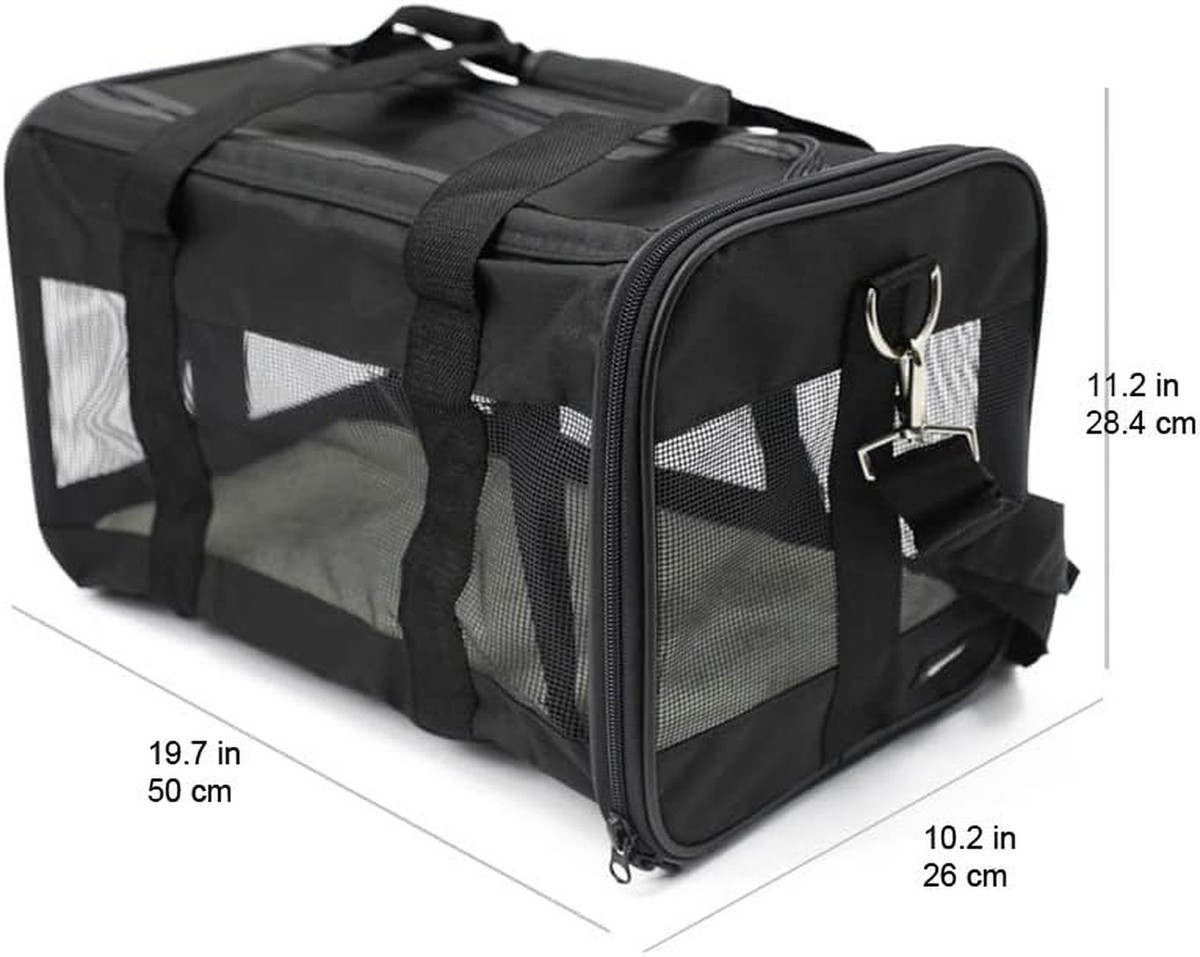
Care and Maintenance Tips
Keeping your pet travel setup in tip-top shape, especially when you're already wrangling a high-mileage vehicle, is all about simple, consistent effort. My gear has seen some things, and a little care goes a long way. 1. Clean After Every Trip (No Lingering Smells): Immediately after a trip, remove all blankets, pads, and toys from the carrier or car setup. Wash them. Vacuum out the car and wipe down the carrier. My first mistake was letting Buster's car-sick smell linger for a week. Never again. Use pet-safe cleaners. 2. Inspect for Wear and Tear (Safety First): Check harnesses for frayed straps or loose stitching. Examine crates for cracks or broken latches. My cheap harness once started fraying after a few months, which would have been a disaster if I hadn't caught it. This is especially important for crash-tested gear; any damage compromises safety. 3. Store Properly (Extend Life): Don't just toss the carrier in the garage. Clean it, then store it somewhere dry and out of direct sunlight. Collapsible carriers should be folded neatly. This prevents mildew and extends the life of your gear. My first soft-sided carrier molded because I left it damp in the trunk for a week. Congratulations, I learned. 4. Keep Pet Records Handy (Digital is Key): In 2026, digital health certificates are becoming the norm The Divine Magazine highlights 2026 regulations. Keep digital copies of vaccination records and vet contacts on your phone, and a physical copy in your glove box. GlobalVetLink even helps vets create digital health certificates GlobalVetLink assists with compliant services. My old CR-V's glove box is packed, but the vet records always have a spot. 5. Practice Makes Perfect (Desensitize): For anxious pets, short practice drives around the block can help. Don't just throw them in the car for a 5-hour drive. Gradually increase the time. My cat, Mittens, still complains, but at least she expects it now. This is a game-time decision you need to prepare for.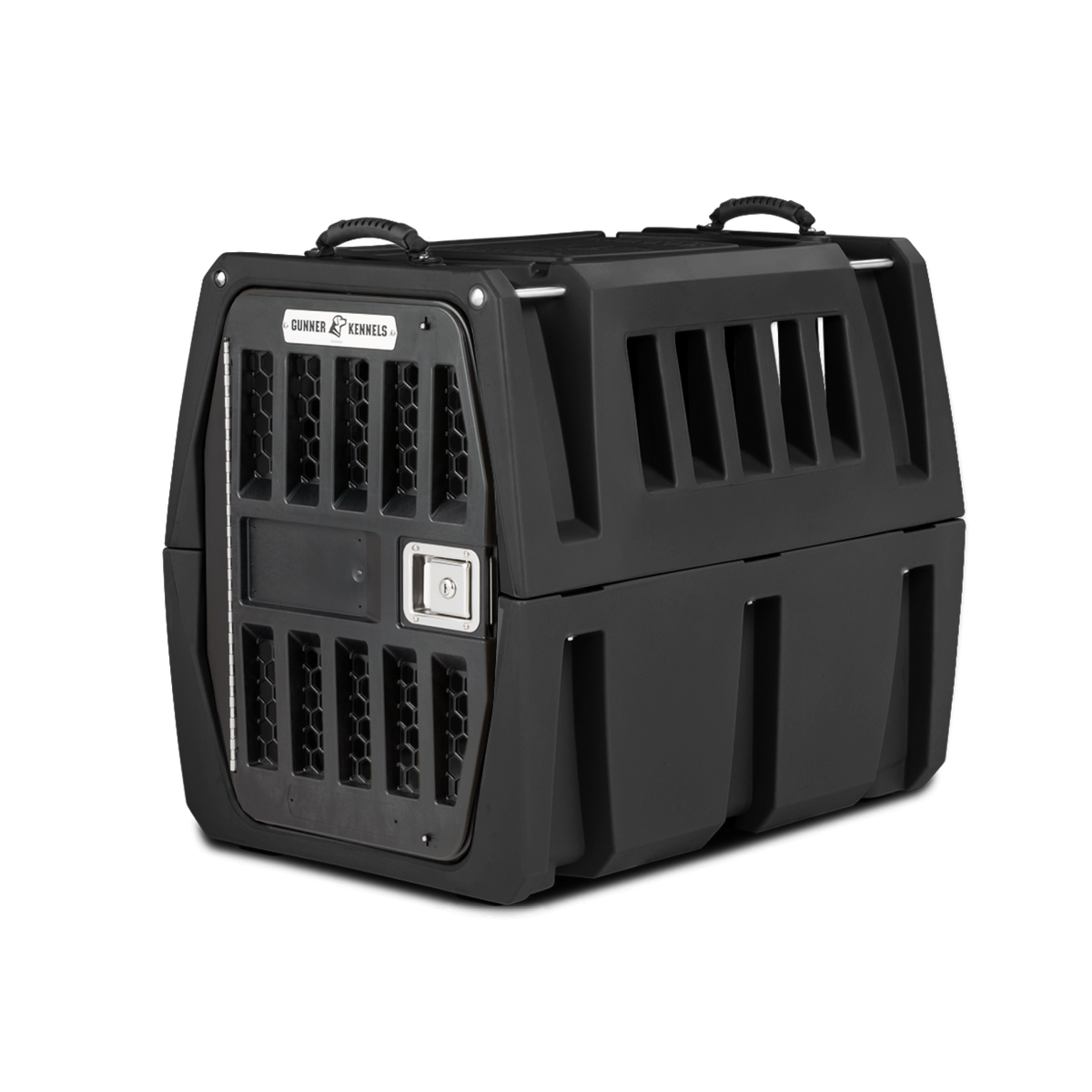
Final Recommendations
Traveling with your pet in a high-mileage vehicle doesn't have to be a nightmare. I've been there, done that, and bought the mediocre t-shirt. The key is prioritizing what truly matters: safety, comfort, and preparedness, all within a realistic budget for your older ride.Frequently Asked Questions
My high-mileage car probably needs new tires before a long trip. Should I DIY replace them or go to a shop?
Do I really need a special no-spill water bowl for my pet, or can I just use a regular bowl?
What if my pet still gets anxious in the car, even with a comfortable setup?
Can using a cheap, non-crash-tested harness permanently damage my pet in a collision?
I heard that putting a pet carrier on the front passenger seat is safer so I can keep an eye on them. Is that true?
🏅 Looking for Gear Recommendations?
Check out our tested gear guides for products that work with this setup:
Sources
- Road Trip with Pets 2026: The Ultimate Safety Checklist & Gear Guide
- Pet Travel Safety 2026 - So Very Important! - My GBGV Life
- Pet Travel Trends in February 2026 - GlobalVetLink
- Help! I need tips for traveling 1,000 miles by car in the winter with a ...
- How to Travel With a Pet: 2026 Guide to Stress-Free Trips
- Top 10 Pet Safe Vehicles for Pet Travel by Car | PetRelocation
- The 9 Best Cars For Traveling With Dogs—and Spoil Your Fur Babies
- The 5 Best Cat Carriers for Car Travel, Tested and Reviewed
- Travel With Pets: Car Setup, Break Schedule, and a Packing Checklist
- The Ultimate Guide to Traveling With Your Pet | Reviews by Wirecutter
- Long-Distance Pet Travel Guide: Essential Safety Tips
- How to Transport Pets in Car Safely: 2026 Stress-Free Guide