
Are Cargo Nets Safe for Transporting Gear on a Roof Rack?
The question of whether cargo nets are safe for transporting gear on a roof rack comes up a lot. People see them in pictures, maybe on a Jeep heading out to the trails, and think, 'That looks easy.' It's the $50 version of securing your stuff, and sometimes that's appealing.
The question of whether cargo nets are safe for transporting gear on a roof rack comes up a lot. People see them in pictures, maybe on a Jeep heading out to the trails, and think, 'That looks easy.' It's the $50 version of securing your stuff, and sometimes that's appealing. But what happens when you hit a strong crosswind at 70 miles per hour? Those bungee nets, especially, aren't always built for serious forces.
My first thought was, 'How much can a bit of elastic really hold?' Turns out, quite a bit, but also, not enough if you're not careful. It's less about the net itself and more about how you use it, and what you're putting under it. Safety notes always mention not exceeding weight limits, but nobody talks about aerodynamic forces on your sleeping bags. That's the stuff I learned the hard way.
The Core Answer
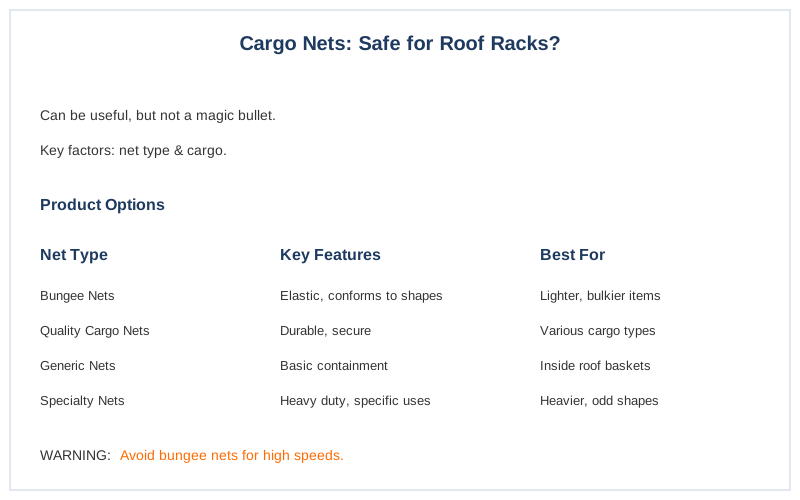
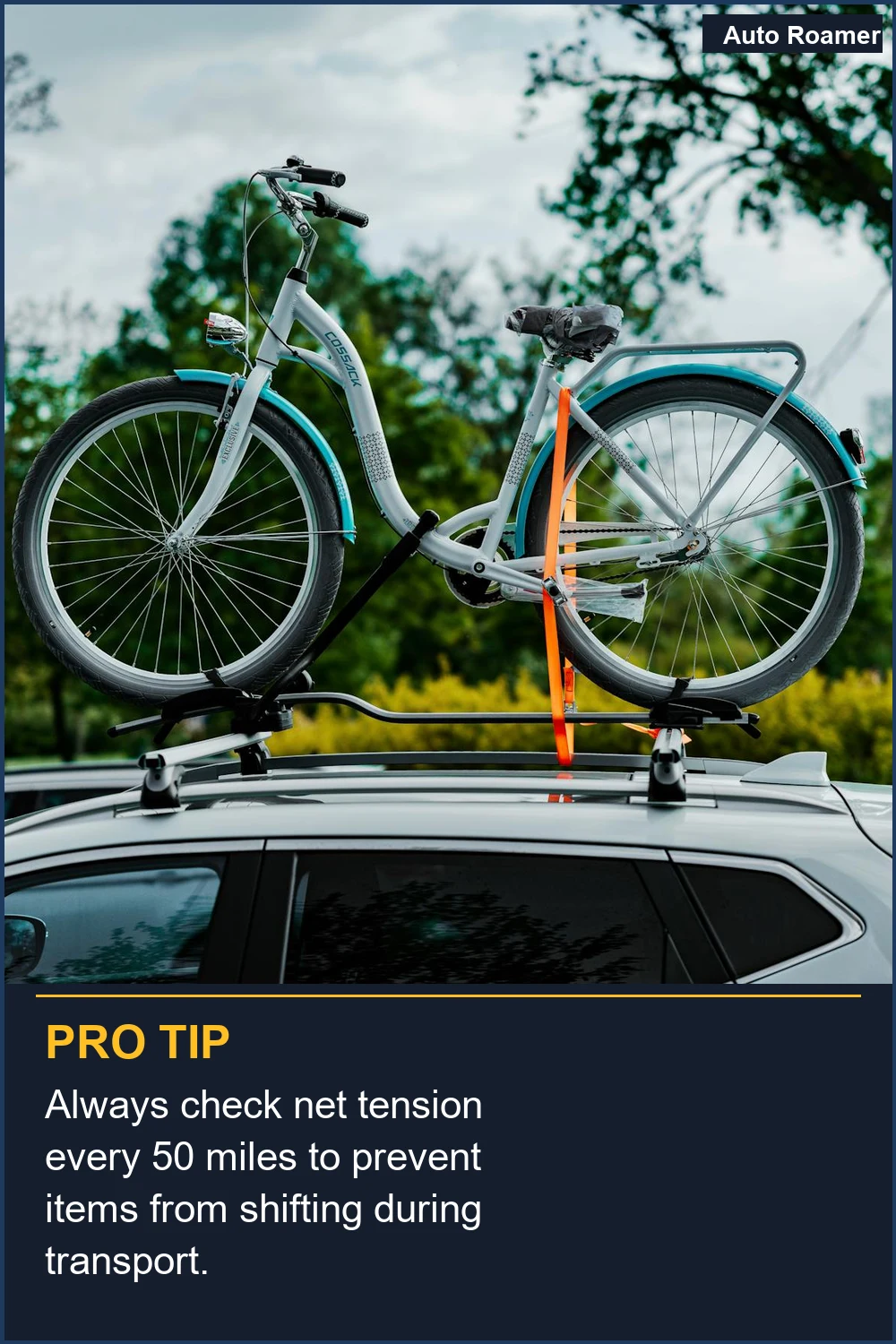
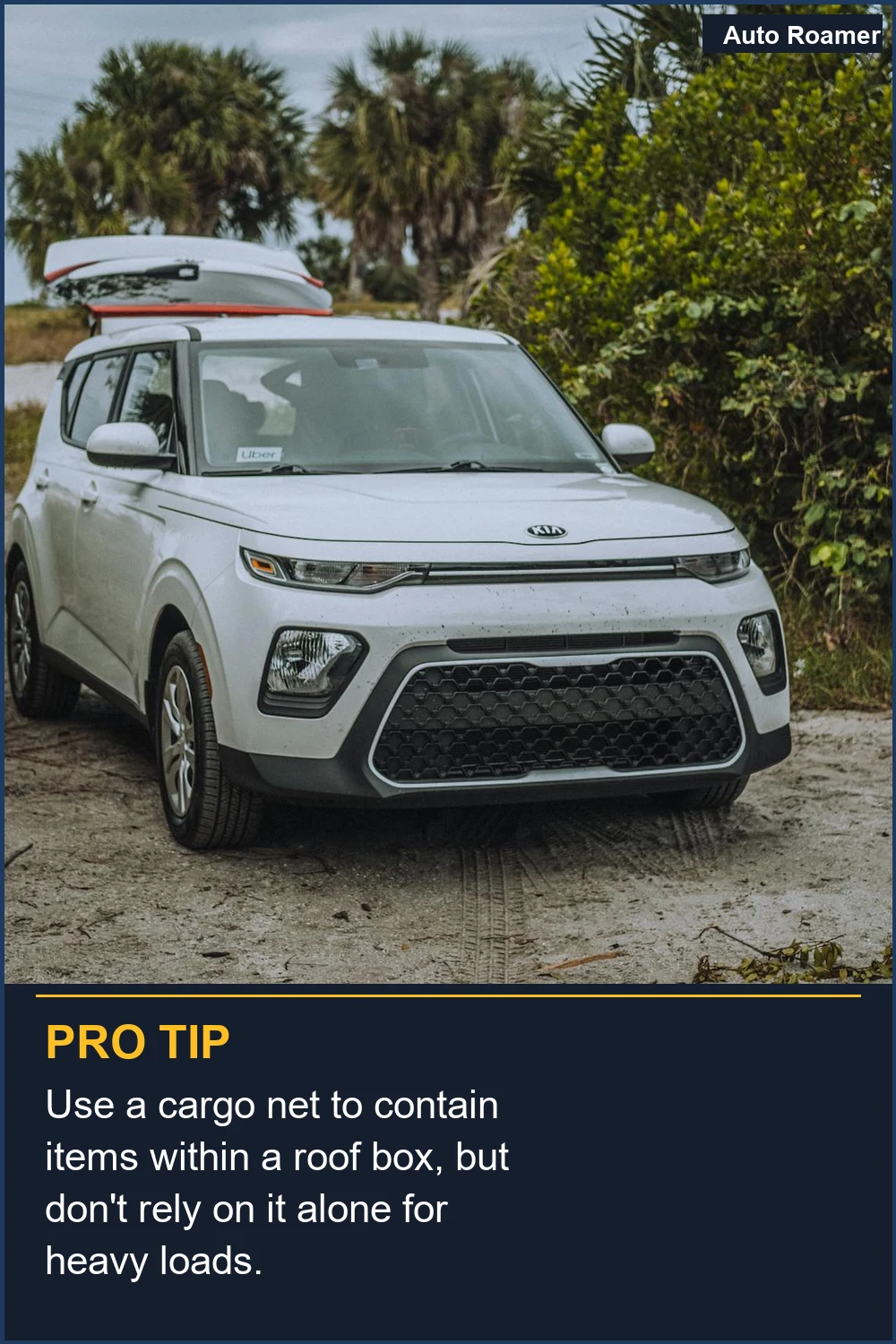
Look, cargo nets can work for securing gear on a roof rack, but they're not a magic bullet. The real move depends on the type of net and what you're hauling. For lighter, bulkier stuff like sleeping bags or tents inside a roof basket, a good quality cargo net can be perfectly fine. It keeps things from shifting around too much, which is better than nothing. These nets are designed to conform to odd shapes, which is their main advantage. My first trip with a net involved a bunch of camp chairs and a cooler in a basket. It looked secure. Then I hit a patch of road construction with some serious wind gusts. I was white-knuckling the steering wheel, convinced my cooler was about to become a projectile. The net held, but it was stretched tighter than a guitar string. They can be useful for long road trips to keep items contained. But here's the rookie mistake: relying solely on a bungee-style net for heavy or awkwardly shaped items. Those stretchy cords can lose tension, especially in cold weather, and they don't offer the same kind of rigid security as proper tie-down straps. People debate between nets, cam straps, and ratchet straps for a reason. Nets are fast, but straps offer more control. If your net has hooks that can come undone, or if the mesh itself is flimsy, you're asking for trouble. Think about the wind load. At 70 mph, your gear is catching a ton of air, and that force is pushing outwards. A net with wide, stretchy openings might just let the wind get under your stuff. Wind blast can really stress these nets. The honest version is, for anything truly heavy or that could cause a hazard if it came loose, you need more than just a net. Combination is usually best: use straps to cinch down the main load, then a net over the top to keep smaller bits from escaping. This is what nobody tells beginners: the net is often the last line of defense, not the first. I saw a guy once on I-81 with a pile of lumber strapped only with a cargo net. By the time he got to the next exit, half of it was gone. Brilliant engineering, that. Nets reduce the risk of sudden strap release, but they don't eliminate the need for proper tension. Always check your load after an hour of driving, and again after a few hours. It's game-time for safety. It's crucial to use a net with a tight weave and strong attachment points. And never, ever exceed your roof rack's weight capacity. That's a recipe for disaster, not adventure.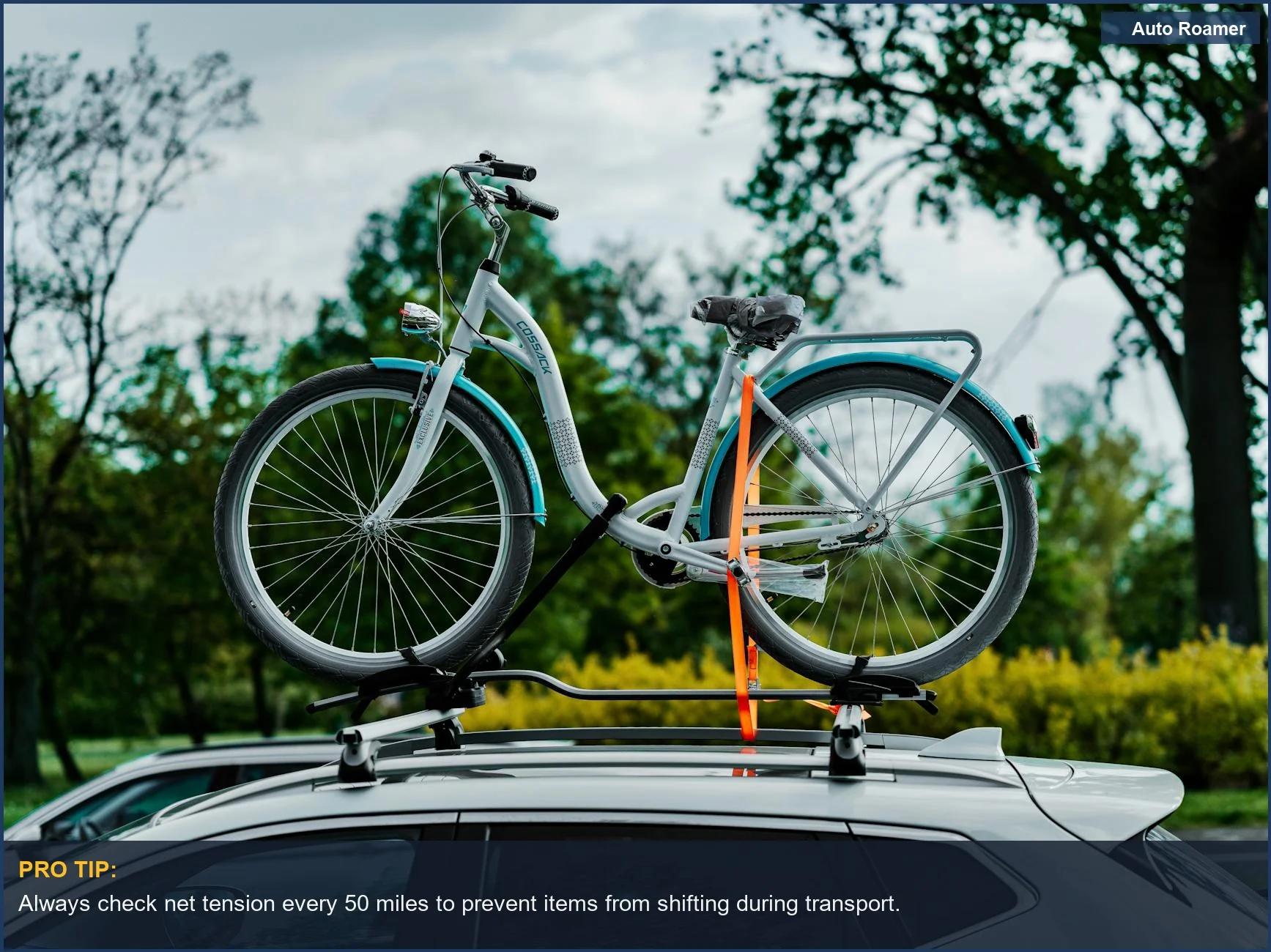
The Bottom Line
So, can you use a cargo net? Yes, but with major caveats. Think of it as a containment system for gear that's already secured. For a few sleeping bags and a tent in a roof basket, it's probably fine. But if you're strapping down lumber, appliances, or anything that could be a hazard, you need more robust tie-downs. Nets are good for containing loose items, but they need strong support. My field notes say: combine a net with straps for real security. Don't rely on a cheap bungee net to hold your life savings (or your camping gear) on the highway. It's the $20 version versus the $200 version, and sometimes, you really do get what you pay for. Always prioritize safety over convenience, especially when gravity and speed are involved.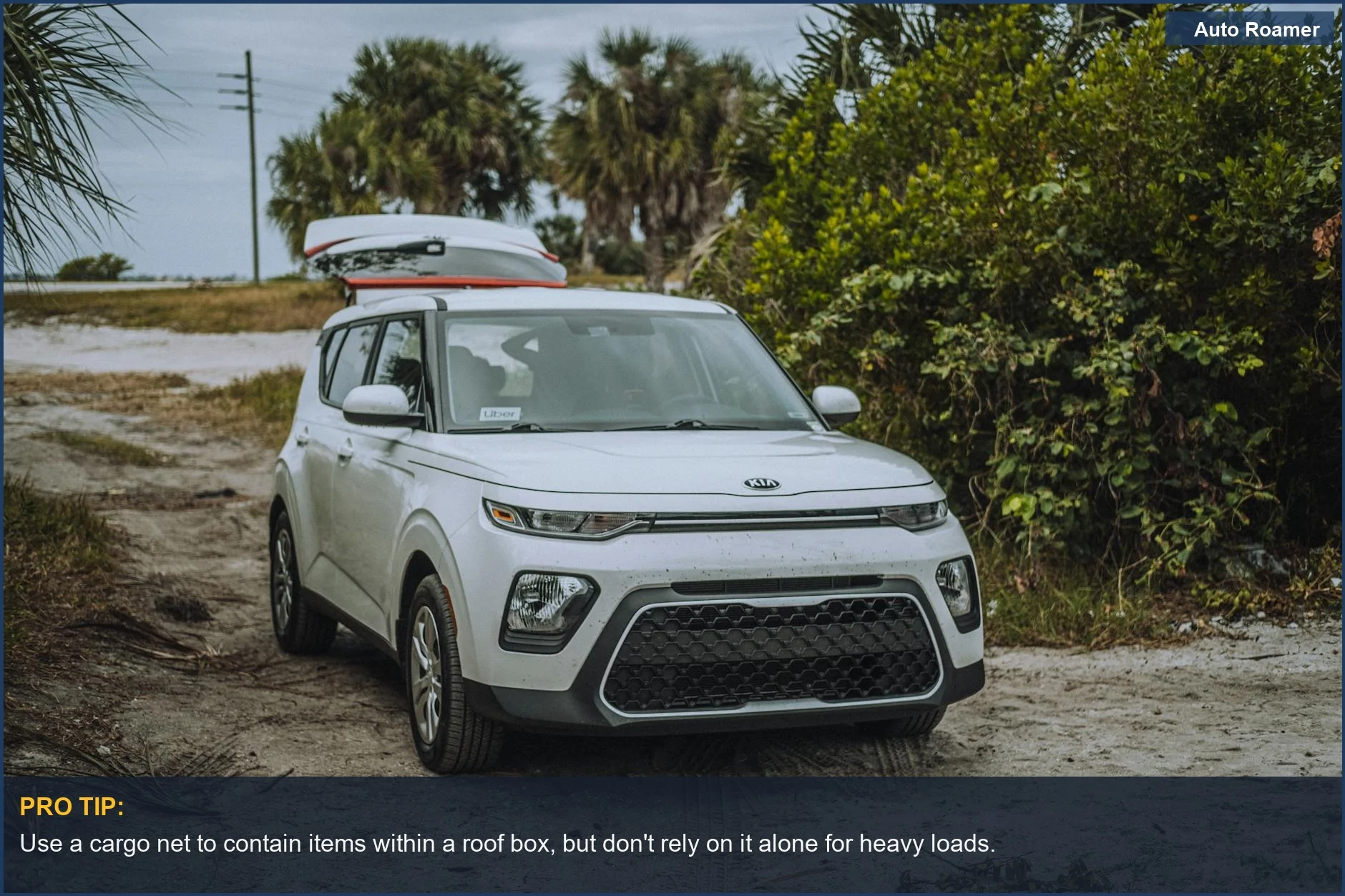
Frequently Asked Questions
I saw a guy at the auto parts store looking at a fancy cargo net for $80, and then a basic bungee net for $20. Is the $80 one really that much better, or is it just a markup?
Do I really need to measure my roof rack before buying a cargo net, or can I just eyeball it?
What if I use a cargo net and it still feels loose, even after I've tightened it as much as I can?
Can using a cargo net too tightly damage my roof rack or the gear underneath it over time?
Is it true that cargo nets are only good for light, non-essential items and shouldn't be used for anything important?
🏅 Looking for Gear Recommendations?
Check out our tested gear guides for products that work with this setup:
Sources
- Basics of Cargo Nets and Tarps - etrailer.com
- etrailer | A Closer Look at the Erickson Roof-Rack Cargo Net
- Securing Roof Rack Cargo : r/overlanding - Reddit
- Does anyone have one of these roof cargo nets? Are they any use? I ...
- 4 hour trip, cargo net question - JL Wrangler Forums
- Cargo Net 101: Uses, Benefits & Why It's Better Than Bungee Cords
- Understanding Roof Rack Basket Net: Standards, Properties, and ...