Where to Start
The roof rack on your Hyundai Santa Fe isn't just for looks; it's a serious piece of real estate for hauling stuff. What you can safely strap up there depends on a few key numbers, primarily the weight limits. Ignoring these is how you end up with a mangled roof or, worse, your gear flying down the interstate. folks on forums talk a lot about noise, but the real danger is overloading.
Trying to strap an entire surf fishing setup to a small hatchback roof makes this lesson clear. It didn't end well. The Santa Fe is built a bit sturdier, but the same rules apply. You've got a maximum weight your roof and rack system can handle, and you need to respect it. Think of it like packing your suitcase: cram too much in, and something's gotta give.
some people use the roof for essentials, but even essentials have weight.
The Core Answer
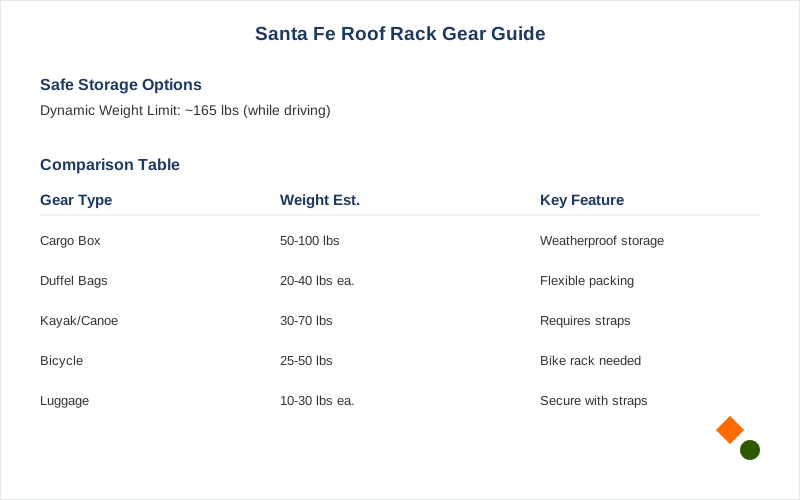
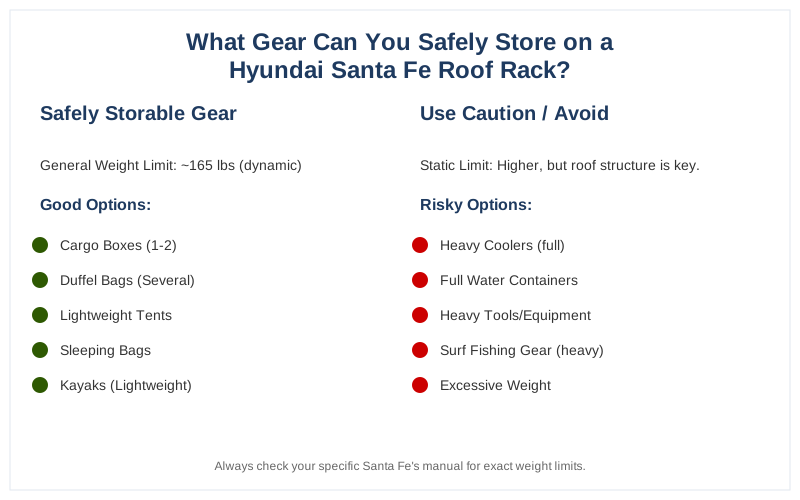
The core answer to what you can store on your Hyundai Santa Fe's roof rack boils down to two main numbers: the dynamic weight limit of the rack system itself, and the static weight limit of your vehicle's roof structure. The dynamic limit is what your rack can handle while you're actually driving. For most factory-installed or aftermarket crossbars on a Santa Fe, this typically hovers around 165 pounds when the vehicle is moving. This isn't a lot, honestly.
It's enough for a couple of decent-sized cargo boxes or a few duffel bags. Some folks suggest hitch-mounted carriers as an alternative because they handle more weight. It's tempting to strap a cooler full of ice and drinks up top. Rookie mistake. My rack groaned the whole way.
The static weight limit, which is how much the roof can support when the vehicle is parked, is usually higher, but it's less relevant for everyday driving. You might see numbers upwards of 300-400 pounds for static load, but don't get excited. That's for when the car's not moving, like if you were loading something heavy on it while it's sitting still.
Installing a cargo basket can give you more tie-down points, but it doesn't magically increase the weight capacity. The actual weight of the rack system itself also eats into that 165-pound dynamic limit. A heavy-duty cargo basket might weigh 30 pounds, leaving you with only 135 pounds for your gear. The honest version: check your owner's manual and the specifications for your specific roof rack. Don't guess.
An entire rooftop tent can rip off on the highway when the rack is overloaded. It wasn't pretty. Yakima cross bars are decent, but they still have limits. The real move is to understand the dynamic load capacity and pack accordingly. Don't treat your roof like an extension of your living room. It's a carefully engineered load-bearing surface with strict limits.
Why This Matters for Your Setup
Why this matters is simple: it keeps your car from becoming a hazard and saves you money. Trying to haul too much stuff up top is a recipe for disaster. Halfway there, one of the straps snapped, and a chair went tumbling. Thankfully, no one was behind me, but it was a close call.
Rental companies often provide guidance on weight, but they can't hold your hand on the road. You've got to know the limits yourself. Overloading can damage the roof rails, the crossbars, and even the structural integrity of your Santa Fe's roof. This isn't like trying to cram one more thing into your trunk; this is about physics and safety. Factory-installed accessories are designed to work within these limits. Aftermarket ones need careful selection.
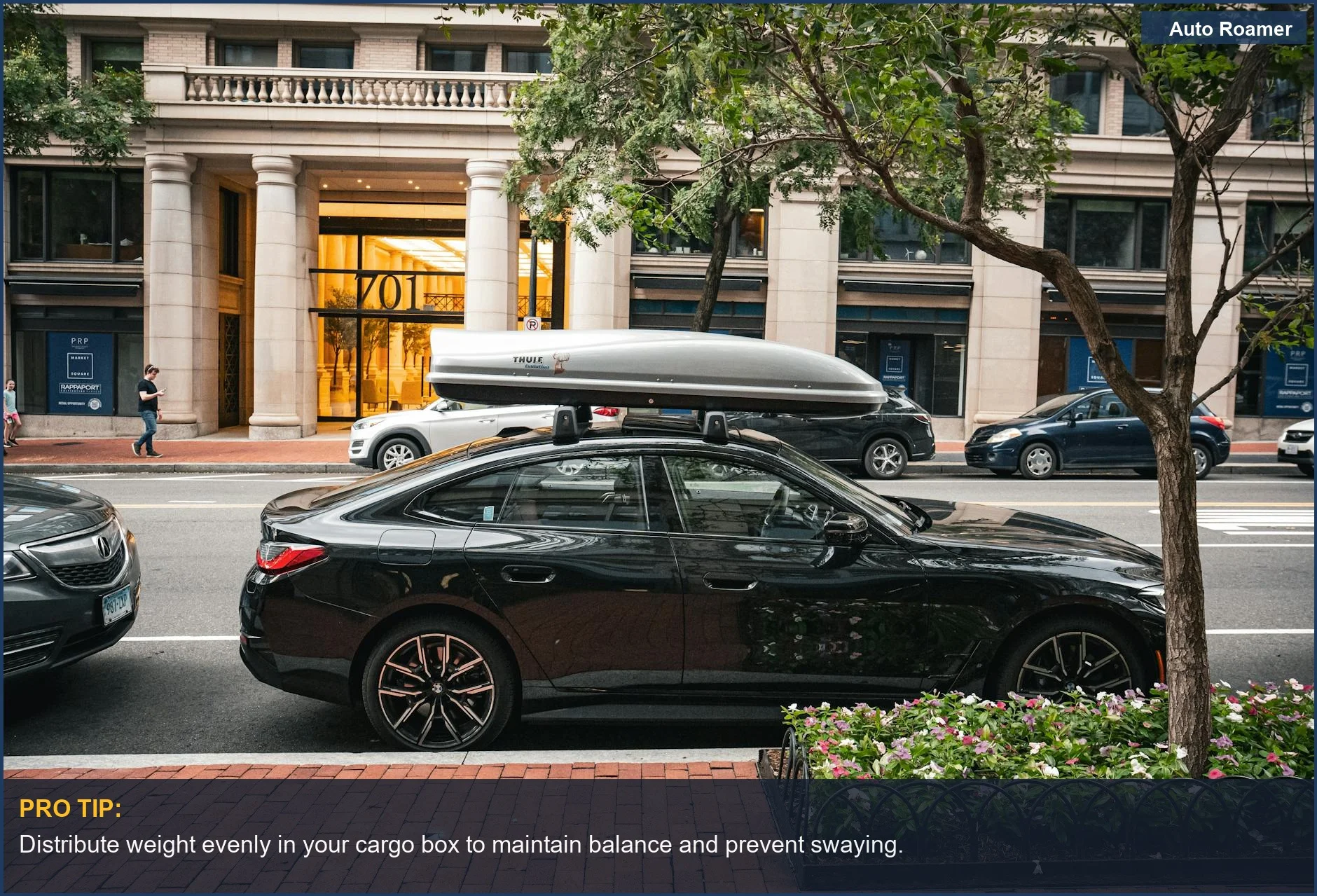
The real move is to think about what you absolutely need and then check its weight. A 40-pound rooftop tent plus a 30-pound cargo box is already 70 pounds. Add sleeping bags and other gear, and you're quickly approaching that 165-pound dynamic limit. It's game-time decision-making. Don't let a cheap cargo carrier tempt you into exceeding the load capacity. Your safety, and the safety of others, is worth more than a few extra pounds of gear.

Making the Right Choice
Making the right choice about what goes on your Santa Fe's roof rack is all about respecting the numbers. Don't just eyeball it or assume more is better. The dynamic load limit, typically around 165 pounds for most setups, is your golden rule while driving. Installing a new rack is straightforward, but understanding its capacity is crucial. If you're thinking about bringing bulky items, consider their weight.
A lightweight cargo box is one thing, but a heavy-duty one plus all your gear can add up fast. Properly secured items are key, but they still have to be within the weight limits. If you're unsure, err on the side of caution. It's better to leave a non-essential item behind than to risk damage or an accident. The honest version: know your limits, pack smart, and drive safely. Your Santa Fe's roof is not an infinite storage solution.