Where to Start
Installing a roof rack system on your Hyundai Santa Fe isn't rocket science, but it's definitely not something you want to rush. Think of it like packing for a trip: too little and you're leaving essentials behind, too much and you're just lugging dead weight. Getting it right means your gear stays put, and your car doesn't end up looking like it lost a fight with a squirrel.
Most of these systems are designed to be pretty straightforward, but there are a few hang-ups I've seen folks run into. It boils down to understanding where the mounting points are and making sure everything is snug. My first attempt involved a lot more grunting than necessary. The real move is to know what you're dealing with before you start twisting bolts.
The honest version: it's usually way less complicated than the diagrams make it seem, but reading up first saves you a headache. This is about getting it done right the first time, so you can get out there.
The Core Answer
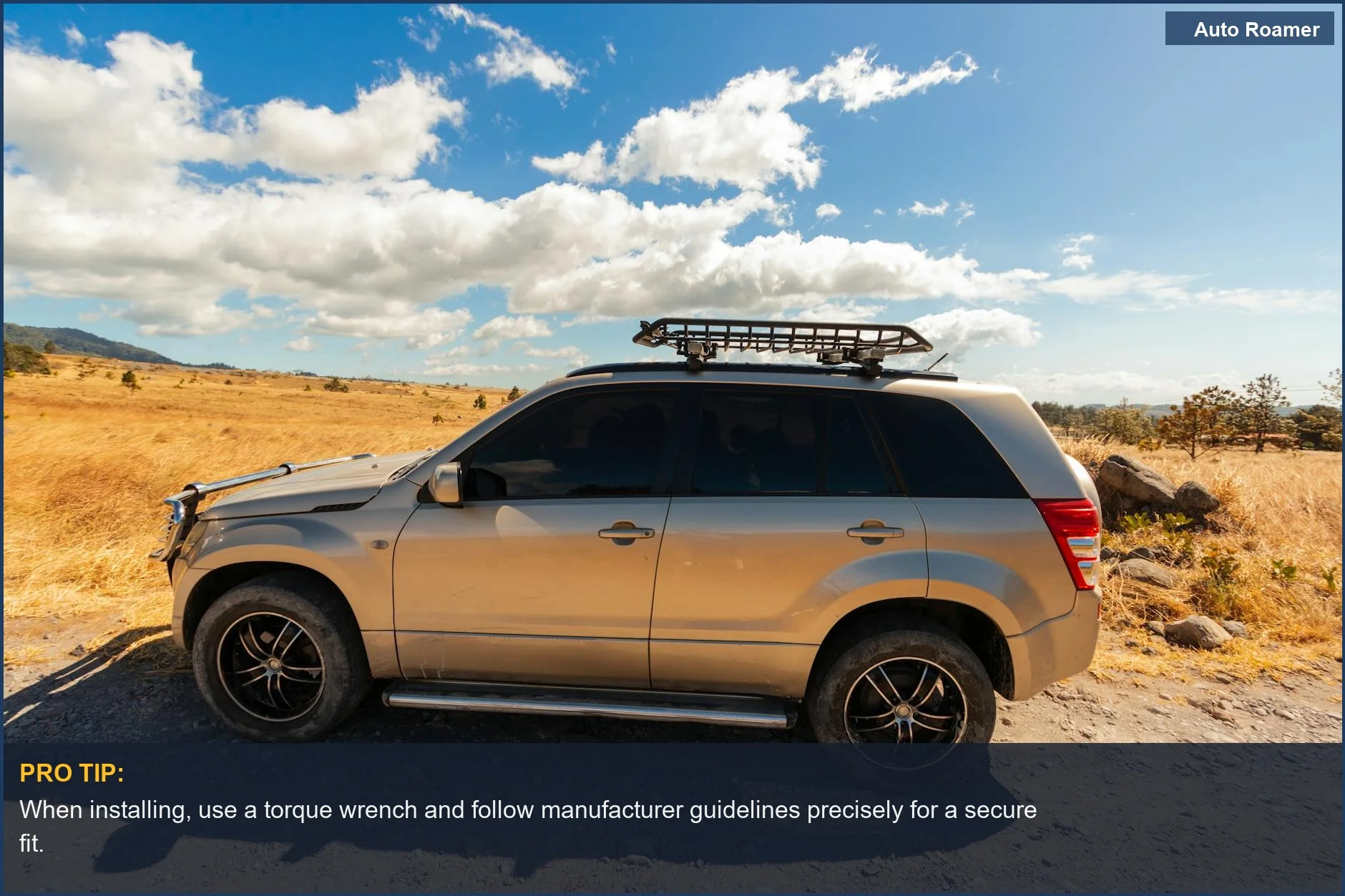
The core of installing a roof rack system on a Hyundai Santa Fe usually involves a few key steps, depending on whether your vehicle came with factory-installed rails or if you're adding them. If you have existing roof rails, the process typically involves attaching crossbars to these rails. Many systems use a clamp or clip that secures around the rail, with adjustable feet to make sure it sits flush.
You'll often find specific mounting points or channels on the factory rails where the crossbar feet are designed to sit. It's crucial to tighten these evenly. I once had a crossbar that was a hair loose on one side, and my kayak decided to do a little dance on the highway. Not ideal. Pay attention to any torque specifications if they're provided; overtightening can strip threads, and undertightening is just asking for trouble.
Sometimes, you might need to remove small plastic covers or caps on the roof rails to access the mounting points. These usually pop off with a bit of gentle persuasion, though I've seen folks use screwdrivers too aggressively and scratch the paint. A plastic trim tool is your friend here.
If your Santa Fe didn't come with factory rails, you're looking at a more involved installation that usually involves drilling into the roof or using specialized mounting points under trim pieces. This is where it gets a bit more 'game-time' and you really want to follow the manufacturer's instructions to the letter. Some kits might require you to remove the headliner, which sounds scary, but for many vehicles, it's designed to be manageable.
The key is to ensure the mounting points are sealed properly to prevent leaks. I've heard horror stories of water getting into the cabin, and that's a rookie mistake you don't want to make. Always double-check that all seals are in place and that the rack is firmly seated before you load anything up.
The real move is to take your time, read the manual that came with your specific rack system, and if you're unsure, look up a video for your exact vehicle model. There are plenty of visual aids out there that can make the process much clearer than just reading words. My first crossbar install took me about 45 minutes, and that was with reading the instructions twice.
The honest version is that most DIY installs are totally achievable with basic tools and patience.

Why This Matters for Your Setup
- Gear Capacity: Properly installed roof racks allow you to carry significantly more gear. Think kayaks, bikes, skis, or even a rooftop tent. Without them, you're limited to what fits inside your vehicle, which is usually not enough for a proper camping weekend.
- Vehicle Protection: When you're trying to stuff gear inside, you risk scratching upholstery or denting panels. A roof rack keeps the messy stuff outside, protecting your interior.
- Aerodynamics (Sort Of): While a roof rack does add some drag, a well-designed system is better than strapping bulky items directly to your roof, which is basically a giant parachute.
- Versatility for Adventures: Whether it's a weekend ski trip or a week-long camping expedition, the ability to add different types of carriers (bike racks, cargo boxes) makes your Santa Fe a much more capable adventure vehicle. It opens up possibilities for where you can go and what you can bring.
I once had a cooler slide and leave a nasty scuff mark on my leather seats. Never again.
Getting the right fit minimizes wind noise and improves fuel efficiency compared to a makeshift setup.
Making the Right Choice
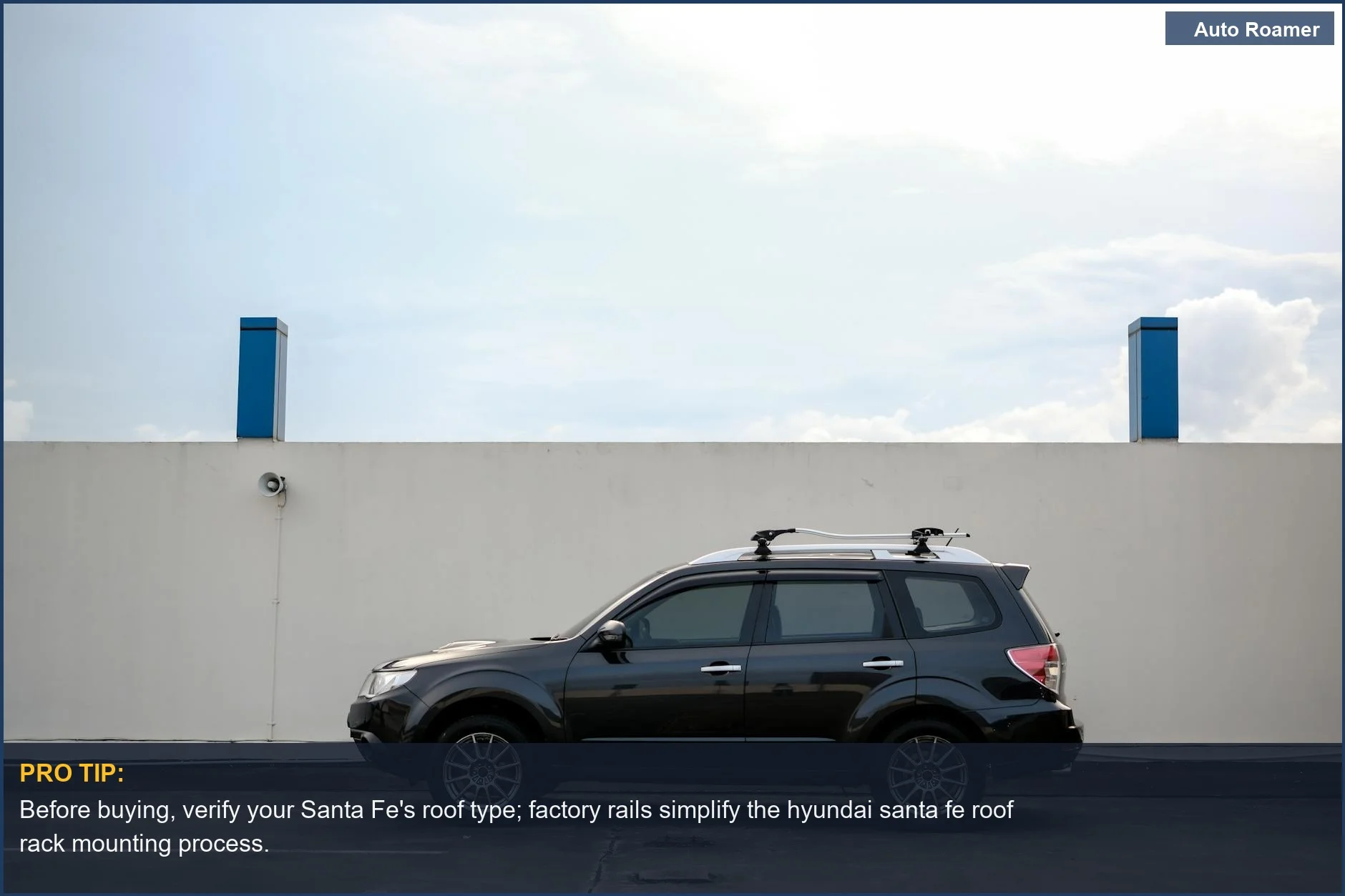
- Know Your Roof: First, figure out if your Santa Fe has factory-installed side rails. This is the easiest starting point. If not, you'll be looking at systems that mount directly to the roof or in the door jambs.
- Read the Instructions: I know, I know, nobody likes reading manuals. But for roof racks, it's critical. Manufacturer instructions are your best friend to avoid leaks or damage.
- Tools Matter: You usually don't need a ton of specialized tools.
- Check for Fit: Make sure the rack system you choose is specifically designed for your Hyundai Santa Fe model year. Generic systems might fit, but they often don't have the precise mounting points for a secure installation.
A basic socket set, a measuring tape, and maybe a trim removal tool are often all you need. Don't show up with just a butter knife and expect success.
The $50 version might seem tempting, but it could end up costing you more in the long run.