What You Need to Know
A roof rack cargo box is essentially a trunk for your car's roof. It's a hard-shelled container, typically made of plastic, that attaches to your vehicle's existing roof rack system. Think of it as adding significant storage space without sacrificing interior room for passengers or other gear.
I first saw one on a Subaru Outback at a campsite in the Smoky Mountains and immediately thought, 'I need that.' My Honda Civic's trunk was perpetually overflowing with sleeping bags and coolers, making it a Tetris game just to get to the trailhead. A cargo box promised an end to that particular brand of automotive agony.
It's a game-changer for packing smarter, not harder, especially when you're trying to fit everything for a weekend away without feeling like you're moving house. roof rack systems are the foundation, and the box is the luxury apartment on top.
The Core Answer
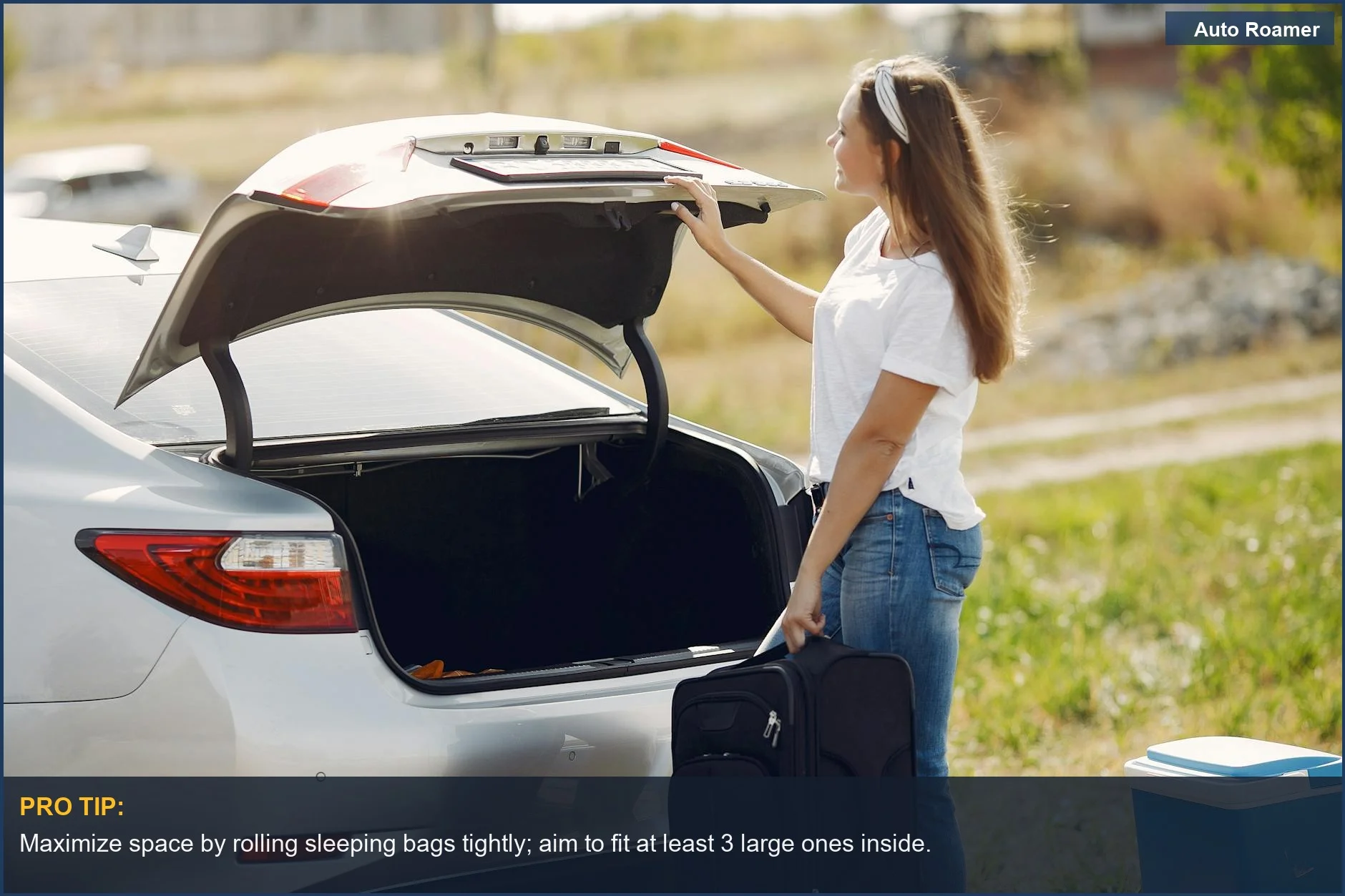
What can you pack in a roof rack cargo box? Pretty much anything that fits, really. My first big realization came when I was stuffing sleeping bags and camp chairs into one for a trip to Acadia National Park. I had them rolling around loose in the back of my car before, and the sheer relief of having them neatly stowed overhead was immense.
The honest version: you can fit all the bulky, soft, or awkward-shaped items that eat up your interior space.
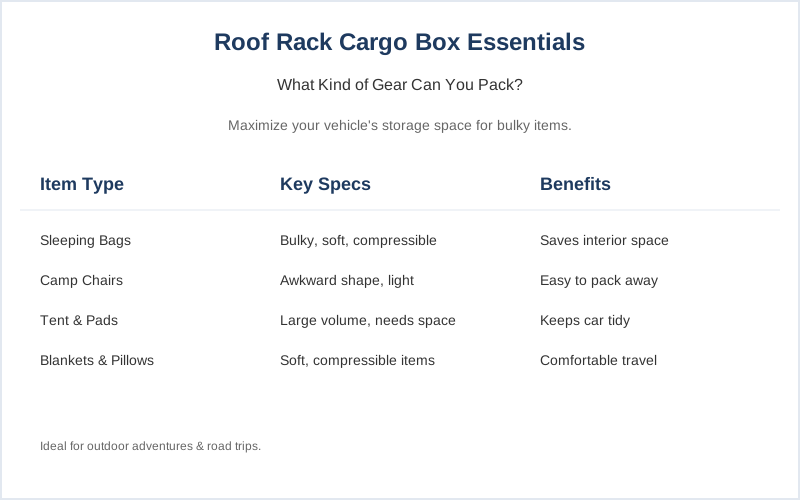
Think sleeping bags, pillows, blankets, camp chairs, and even your tent. These are the items that don't necessarily need to stay bone-dry but take up a ton of real estate. I remember shoving my $50 Walmart sleeping pad in there on one trip, just because it was easier than wrestling it into the back seat. Brilliant engineering, that. It's the stuff that makes camping comfortable but is a pain to Tetris into your vehicle.
Cooking gear is another big one. Camp stoves, fuel canisters, pots, pans, and even a small cooler can often find a home in a cargo box. This frees up your trunk for more critical items like your toolbox or first-aid kit. I learned this lesson the hard way when I had to strap a propane tank to my roof rack with bungee cords because the trunk was full of skillets. Rookie mistake.
Don't forget things like extra clothing, shoes, or even beach gear if you're heading to the coast. The key is to use the cargo box for items that are bulky, less frequently accessed, or that you just want out of the way. It's amazing how much space you gain inside your car when your sleeping bags aren't taking up the entire back seat.
Essentially, if it's not something you need to grab every 15 minutes, it's a prime candidate for the cargo box. For me, that meant packing my entire hammock setup for a weekend in the woods. The real move is to pack your car like a pro, not a panicked hoarder.
Some people even pack things like inflatable kayaks or stand-up paddleboards, though these often require specialized carriers or larger roof baskets rather than enclosed boxes. But for general camping gear, the box is your best friend. It's the $500 version of just buying a bigger car, but way more practical for weekend warriors. You can fit a surprising amount of gear in there, and it keeps it protected from the elements.
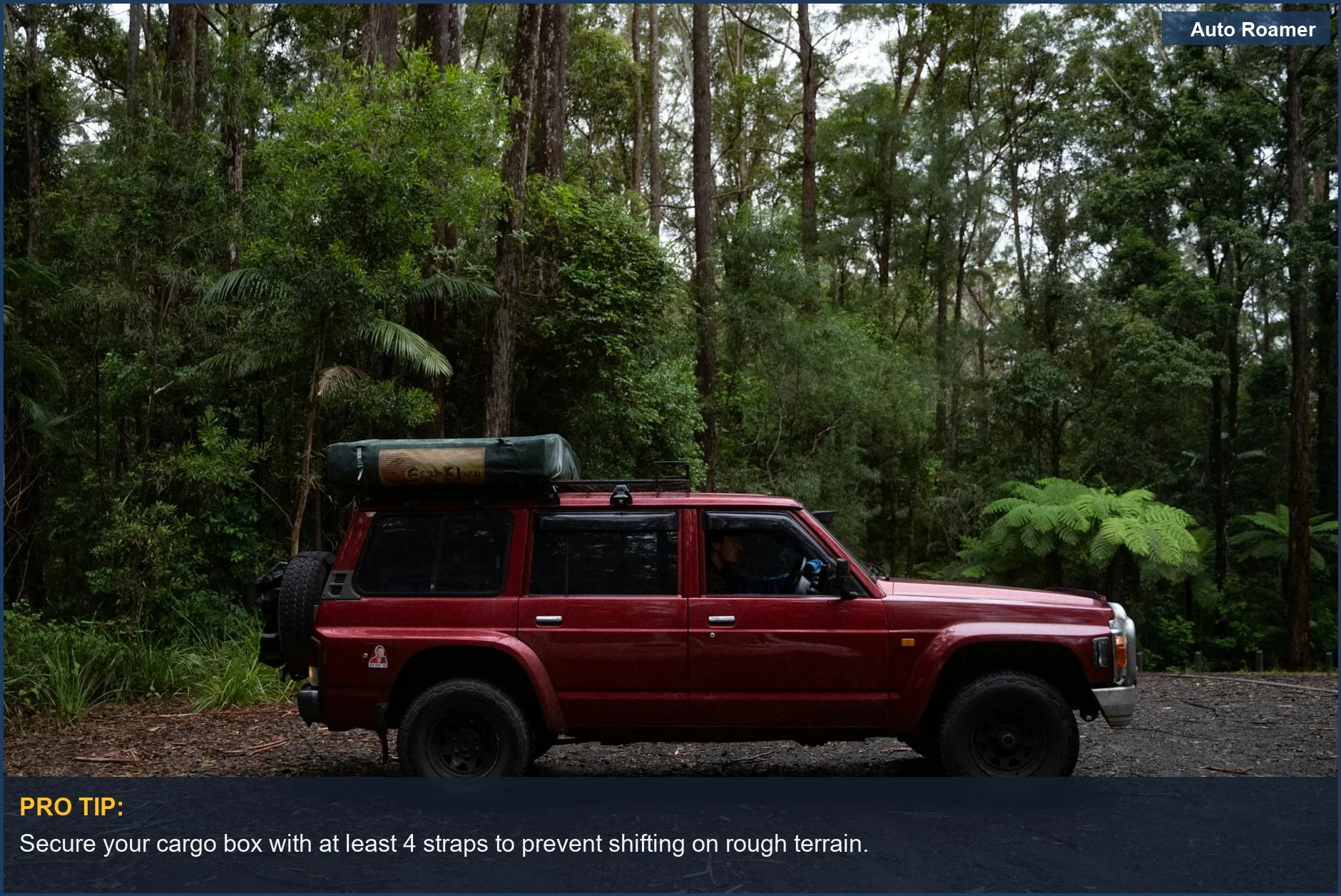
Remember that weight limits are a thing. Your roof rack and your vehicle have maximum weight capacities. Overloading can be dangerous and damage your vehicle. Always check your car's manual and your rack system's specifications. I once tried to cram an anvil in there. Don't do that. It's not a magic portal to infinite storage; it's still physics.
Why This Matters for Your Setup
- Interior Space Liberation: This is the big one for me. Before my cargo box, my Honda CR-V looked like a clown car exploded inside every time I went camping. I'd have sleeping bags crammed between seats, coolers taking up the entire floorboard, and zero visibility out the back window. Packing chairs, tables, and even my tent up top meant I could actually see where I was going and had room for my dog. Game changer.
- Weather Protection: While not fully waterproof like a dry bag, a good cargo box will keep your gear dry from rain and snow. I learned this during a torrential downpour on a trip to the Adirondacks. Everything inside stayed surprisingly dry, unlike the duffel bag that was strapped to my old roof basket. It's the difference between a cozy night and sleeping in a damp sleeping bag.
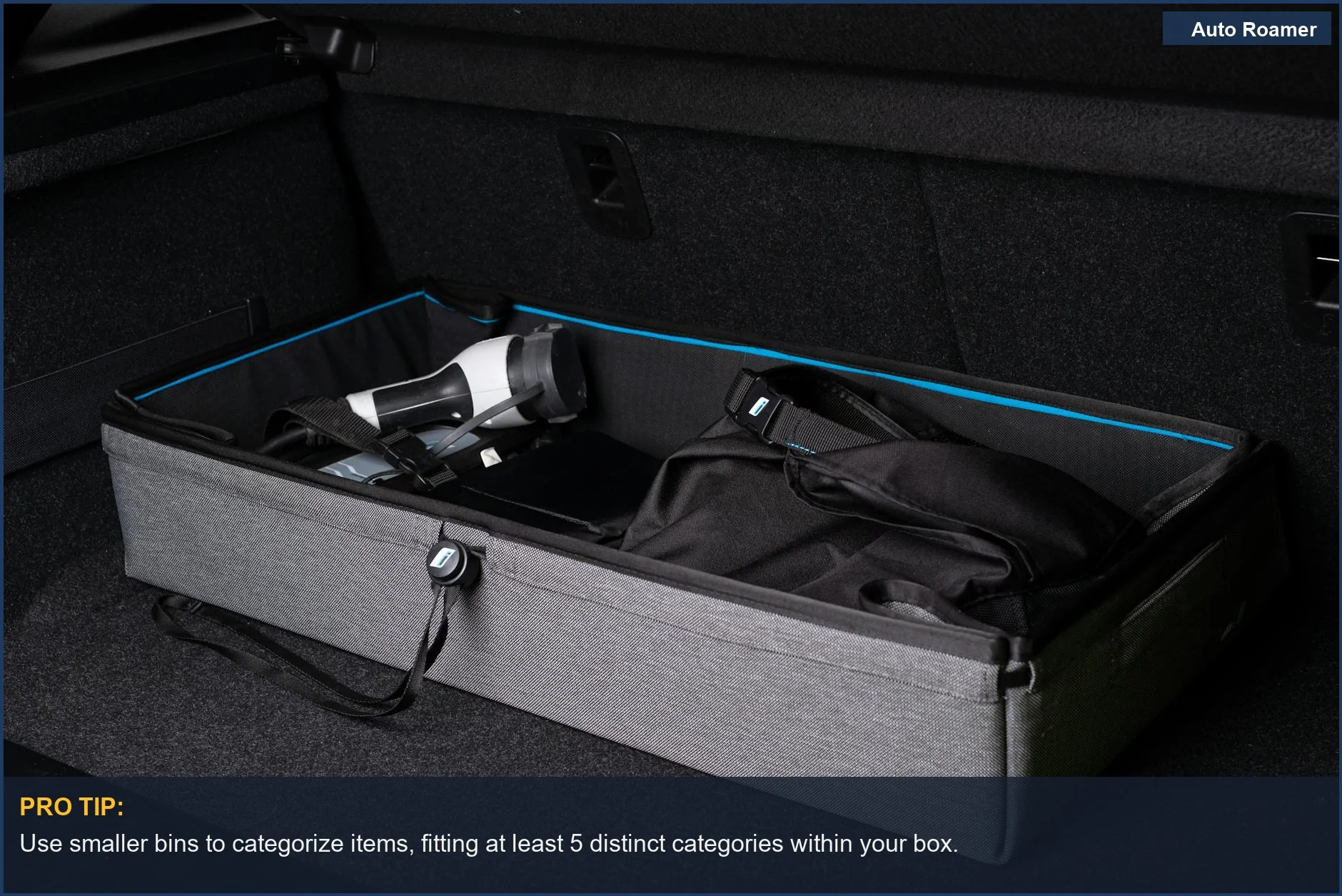
- Organization: This is where things get really satisfying. Instead of a chaotic jumble, you can organize your gear logically. Put all your sleeping gear in one box, cooking stuff in another, or even designate sections for different types of trips. I keep my winter gear in mine year-round, just to keep the garage tidy. It's like having an extra closet, but on your roof.
- Security: Most cargo boxes lock. This is a huge benefit if you're stopping at a scenic overlook or leaving your vehicle at a trailhead. I don't have to worry as much about someone snagging my expensive camping stove or my favorite camp pillow. It provides peace of mind, which is worth its weight in gold, especially on longer road trips.
Making the Right Choice
- Consider Your Needs: Before you even look at a cargo box, think about what you actually pack. Are you a minimalist or a 'better safe than sorry' packer? My first trip involved an unnecessary extra tarp, which took up precious space. The real move is to match the box size to your typical gear load.
- Vehicle Compatibility: Not all boxes fit all vehicles. You need to consider your vehicle's roof rack system and any height restrictions, like garage doors. I learned this when I almost bought a box that was too tall for my garage. Brilliant engineering, that. Measure twice, buy once.
- Weight Limits: This is critical. Your roof rack system and your car's roof have weight limits. Don't just cram it full and hope for the best. My $12 foam pad from Walmart barely weighed anything, but a fully loaded box can add up. It's physics, not magic.
- Budget: Cargo boxes can range from a few hundred dollars to over a thousand. If you're just starting out, a soft-shell cargo bag might be a more affordable option to test the waters. I started with a cheap roof bag before committing to a hard-shell. The $50 version is better than nothing, but the hard-shell is worth it if you camp a lot.