
What Kind of Roof Rack Do You Need for a Cargo Box?
My first real camping trip after the foam pad disaster involved stuffing my entire life into a Toyota RAV4. I thought I needed a cargo box to haul all my 'essential' gear. The honest version: you need a way to mount that box, and not just any junk will do.
You can't just slap a $600 cargo box onto bare roof rails and expect it to stay put. It's like putting racing slicks on a tractor. Brilliant engineering, that.
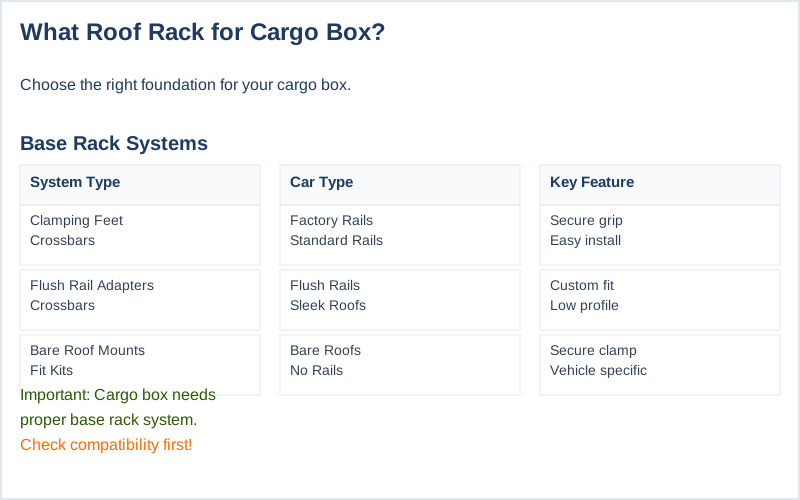
The Core Answer
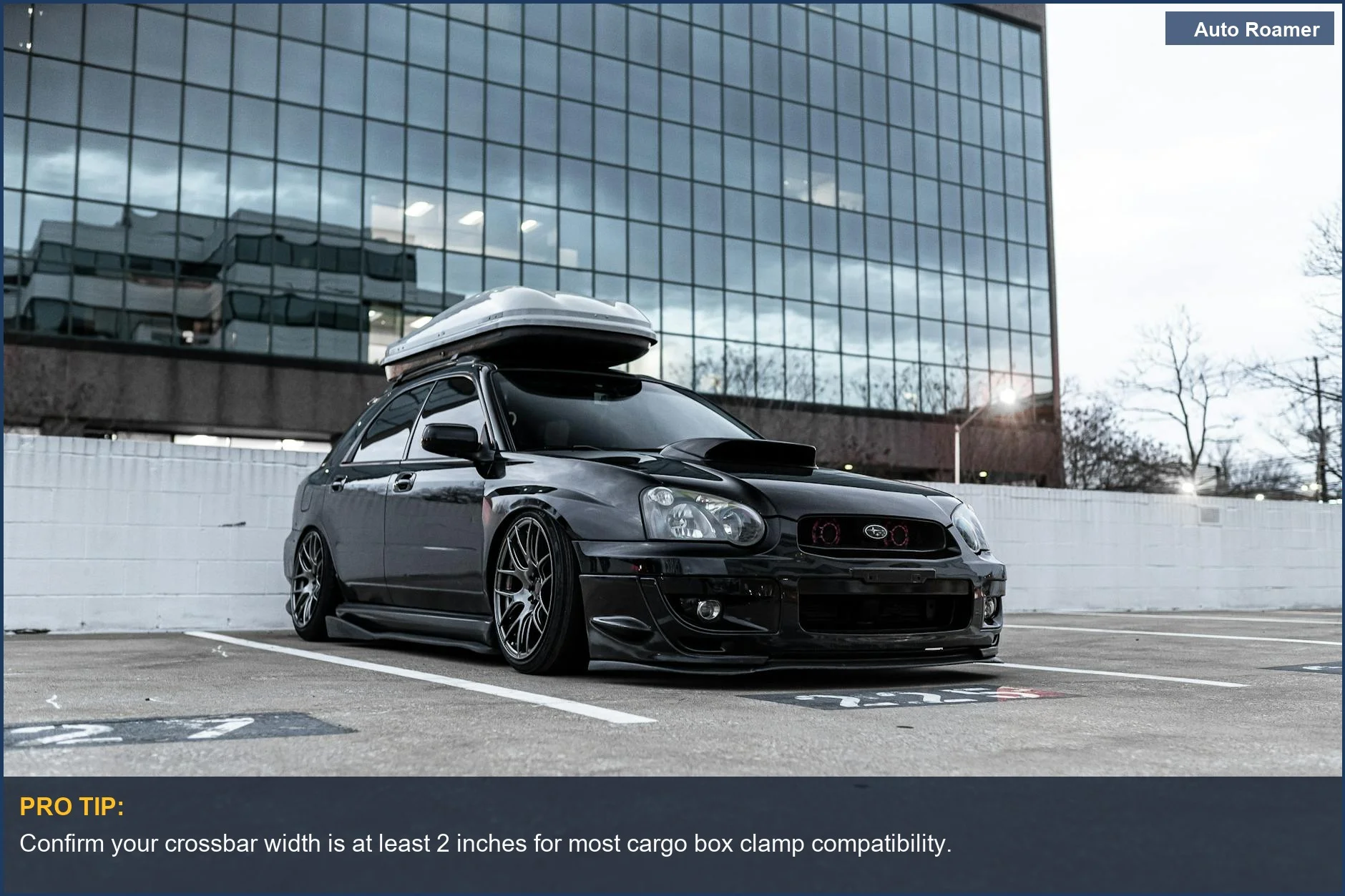
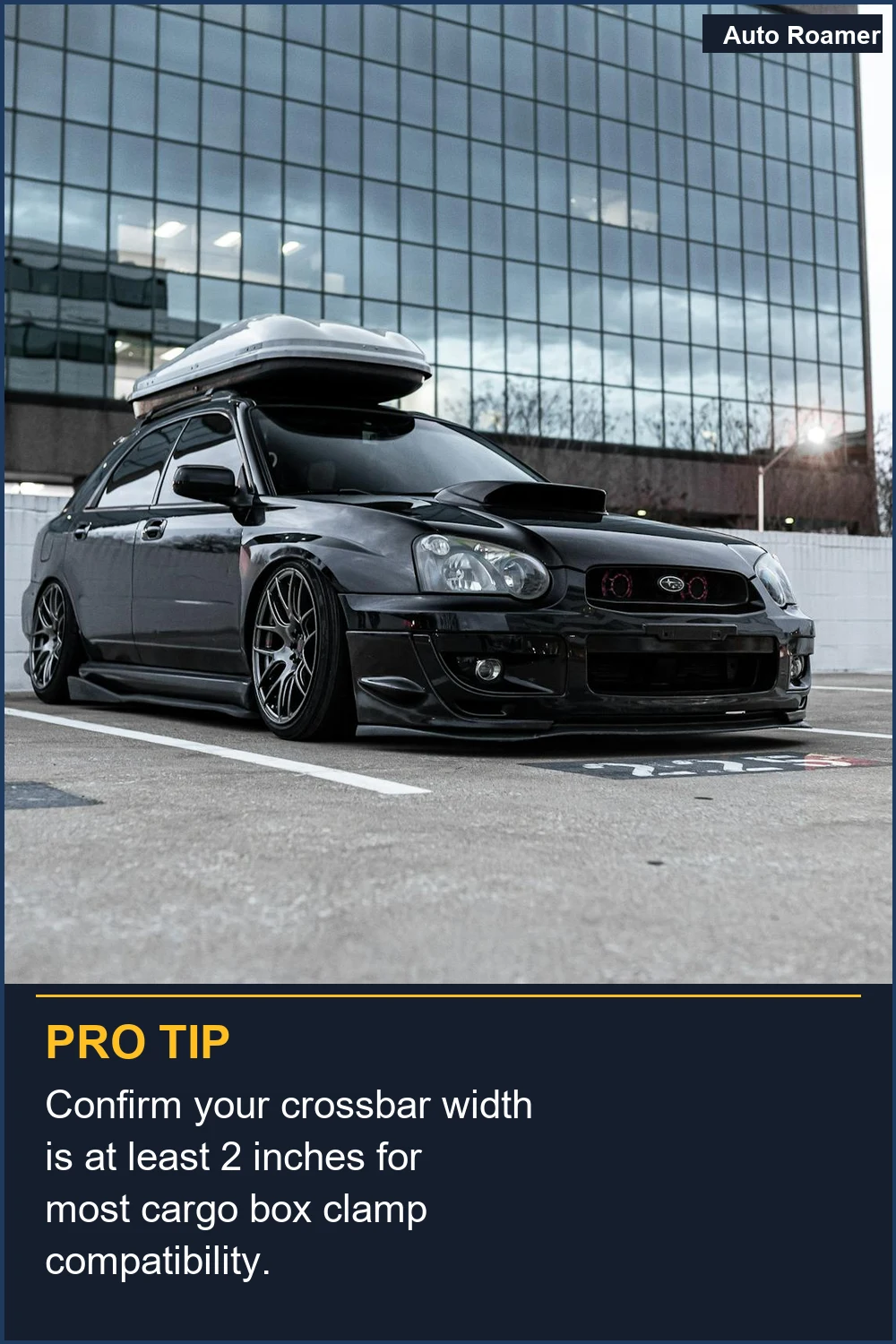
The core answer is you need a proper roof rack system *before* you even think about a cargo box. Think of it as the skeleton that holds up your storage muscles. Most hard-shell cargo boxes require specific crossbars with defined width and spacing ranges to clamp onto securely Car and Driver tested some of these. Trying to mount one without the right setup is a rookie mistake that can lead to a very expensive, very airborne cargo box.The real move is to identify what kind of roof your car has. Does it have factory-installed side rails? Do you have flush rails that run along the edge of the roof? Or is your roof completely bare? Each type needs a different base rack system.
For cars with factory side rails, you'll typically look for a system with feet that clamp onto those rails and then attach crossbars Rhino-Rack explains this clearly. If you have flush rails, you'll need specific feet designed to grip those. For a bare roof, you're looking at a clamp-on system that grips the door jambs. I learned this when I tried to put a Thule box on my old Subaru Outback with bare rails. I ended up buying a $200 Thule base rack kit after realizing my initial $50 eBay crossbars were a joke.
Brands like Thule and Yakima are the big players here, offering complete systems. You buy the feet, the fit kit (which is specific to your car model), and the crossbars. It's not cheap, often running $300-$600 for a decent setup, but it's game-time for reliable cargo hauling. Thule even suggests you can reuse the fit kit if you change vehicles, which is a nice touch.
The crossbars themselves can be flush or have an overhang. Overhang bars give you more surface area for attachments, which is great if you ever want to add a bike rack or kayak mount later. Flush bars look cleaner but offer less mounting real estate. For a cargo box, either works, but make sure the width is compatible with your box's mounting system.
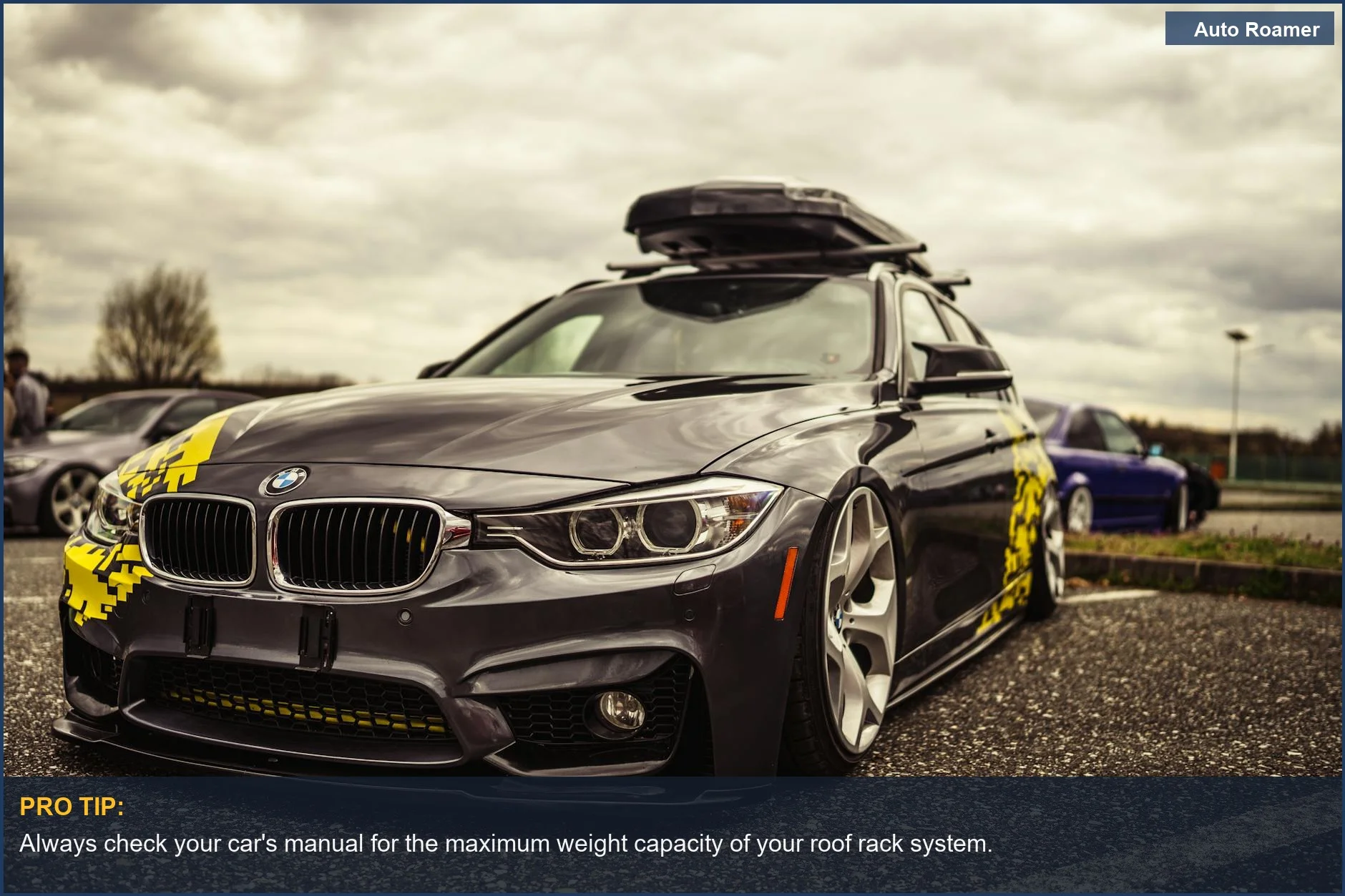
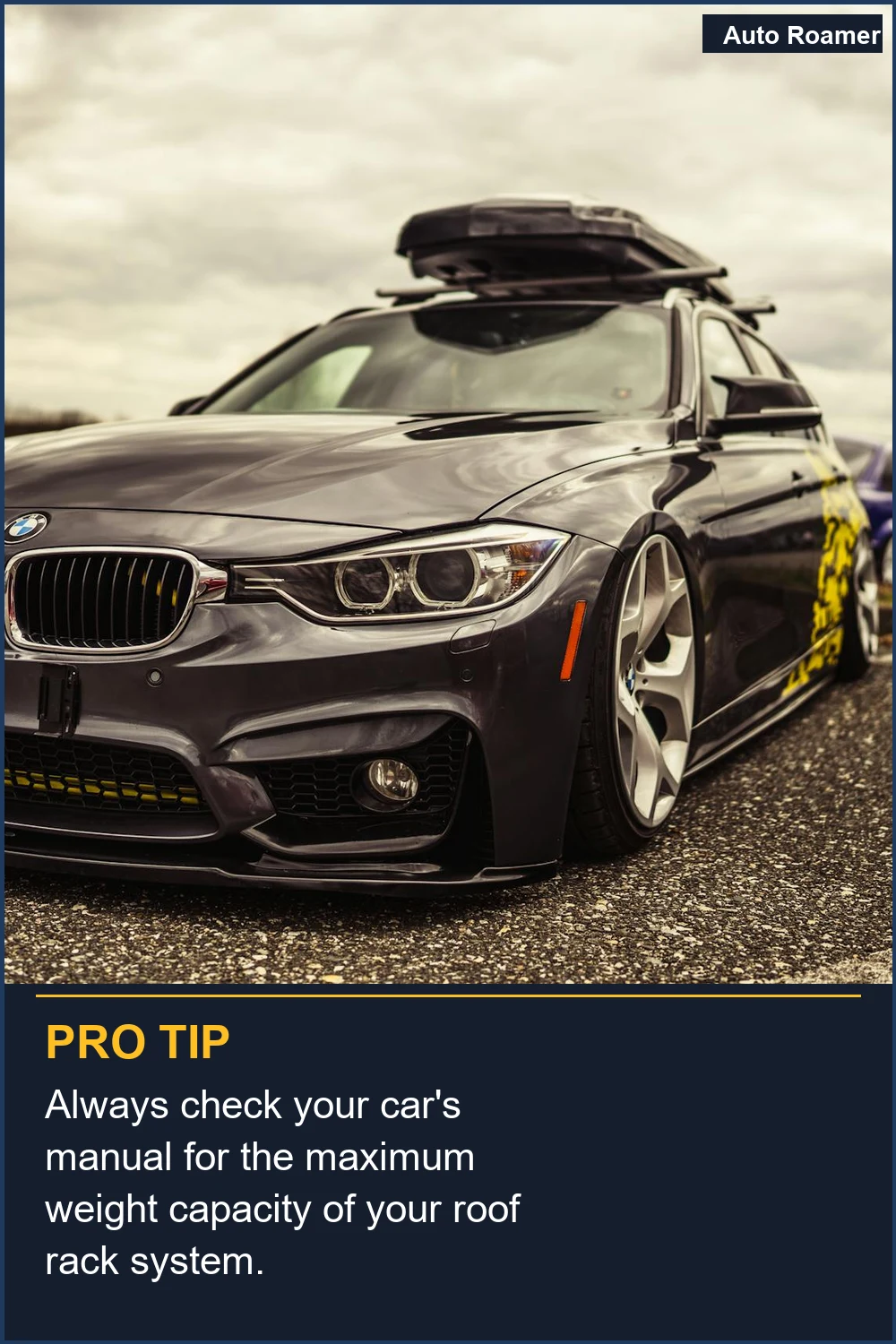
The weight rating is also crucial. Your roof rack system has a maximum load capacity, and your cargo box and its contents must stay within that limit. Most hard boxes have a total weight limit around 165lbs, even if your rack can hold more Rack Attack points this out. Don't overload it, or you'll be praying your box doesn't become a projectile.
Why This Matters for Your Setup
Why does all this rack stuff matter? Because your cargo box isn't a standalone item. It needs a partner, and that partner is the roof rack system. Without it, your box is just an expensive plastic shell going nowhere.Here's the breakdown for different setups:
- Factory-Installed Side Rails: These are the rails that run front to back on your car's roof. You'll need a system with feet that clamp onto these rails, and then crossbars that attach to those feet. Think of it as building on something that's already there.
- Flush Rails: These look like solid strips along the edge of your roof, with no gap underneath. You'll need special feet designed to grip these flush surfaces, and then crossbars. They offer a cleaner look but might have slightly less mounting flexibility.
- Bare Roof: This is when your car's roof has nothing on it. For this, you'll need a system that uses feet to clamp directly onto the door frame. This is often the most versatile, but also where you need to be extra careful about fit kits to avoid scratching your paint.
- Factory Crossbars: Some cars come with crossbars already installed. If yours does, check their specifications. Some cargo boxes will clamp directly onto these, but others might require adapter kits or a completely different rack system if the factory bars aren't compatible.
My first trip, I thought the integrated rails on my Honda CR-V were enough. Spoiler alert: they were not. The cargo box just sat there, looking sad and unstable. I eventually upgraded to a proper Thule setup for about $450, and the difference was night and day. Suddenly, my gear was secure, and I could actually see out of my rearview mirror.
Making the Right Choice
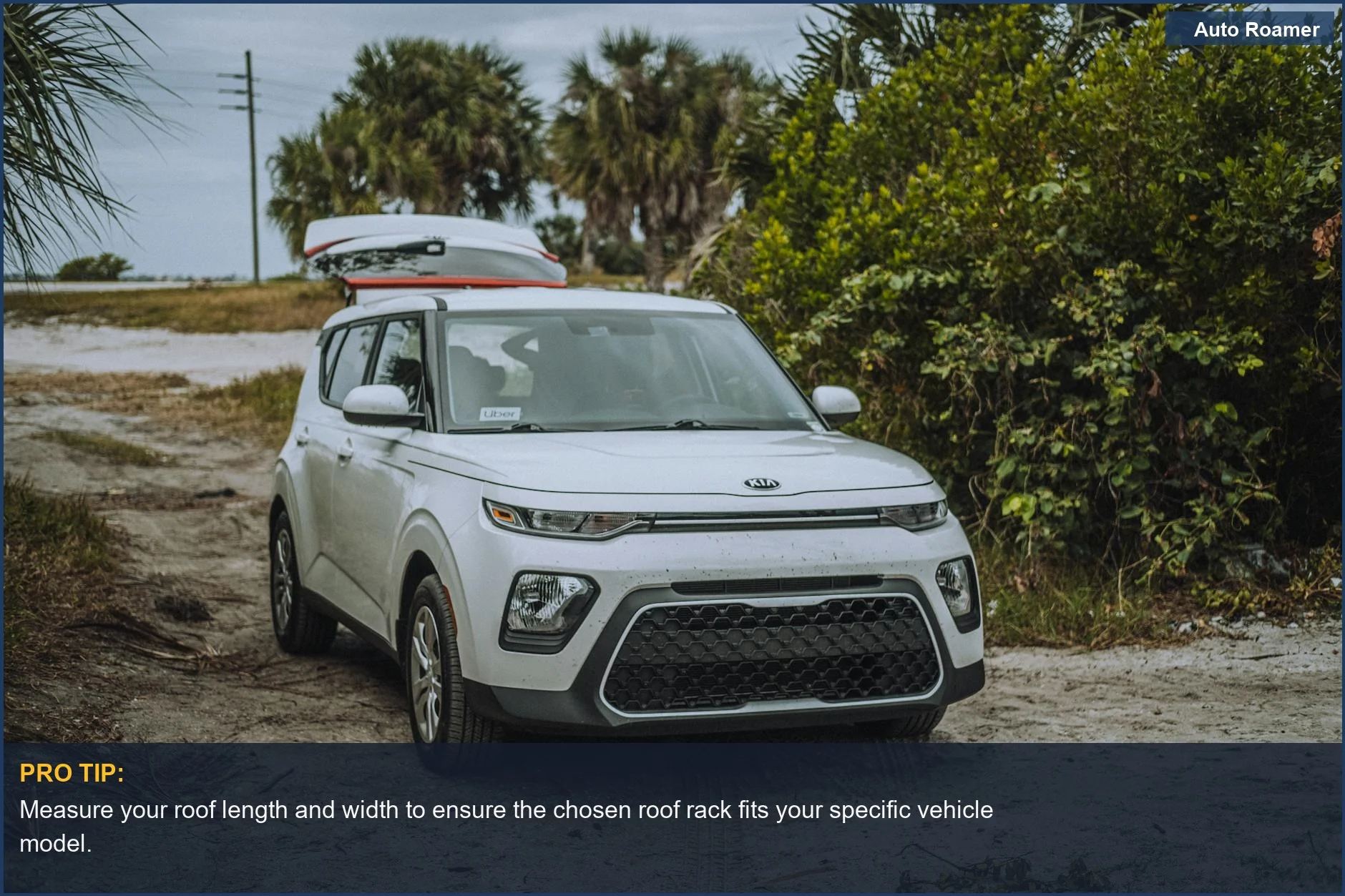
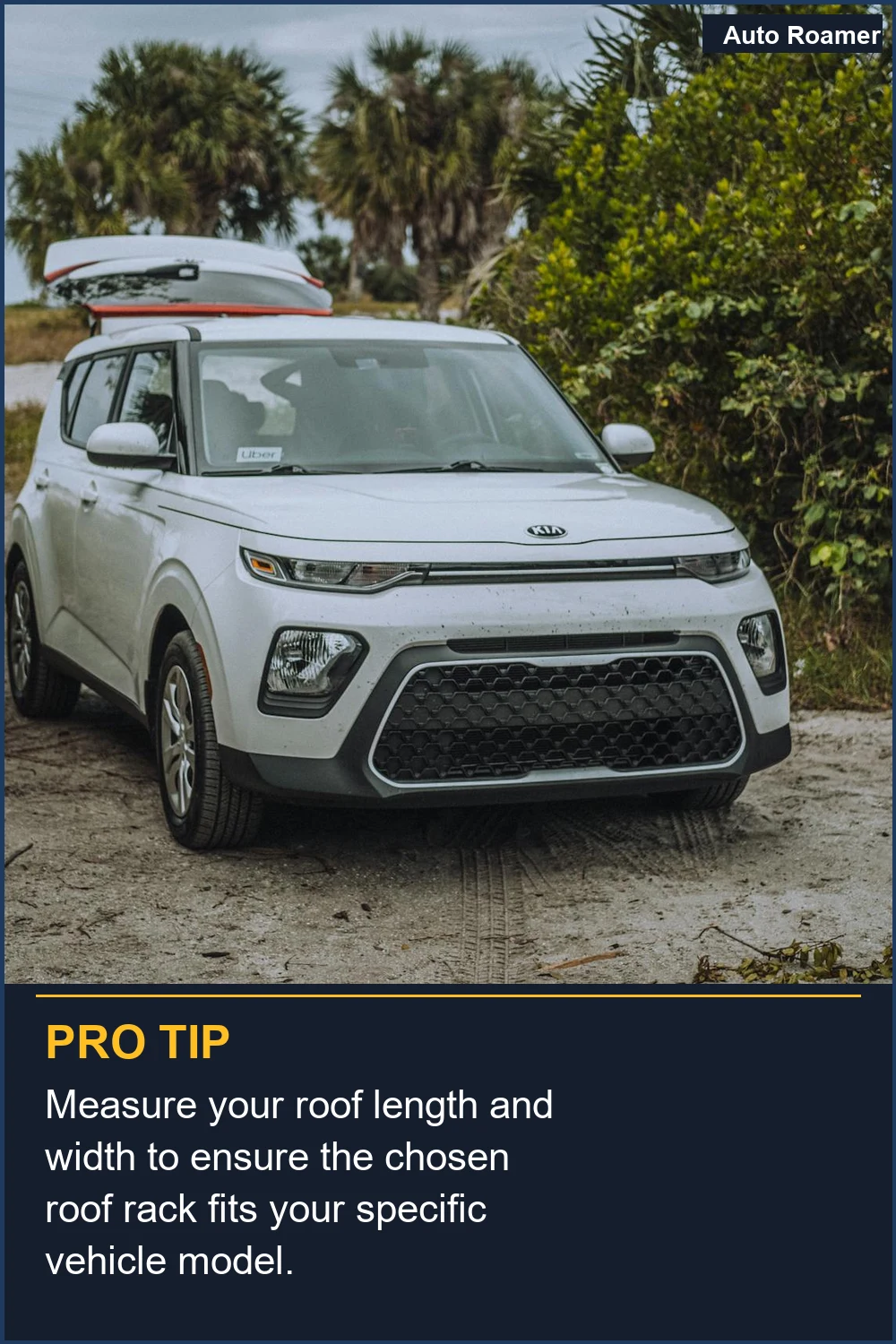
So, what's the takeaway? You can't just buy a cargo box and call it a day. It's a two-part system: the rack and the box.The most important thing is to get a roof rack system that's compatible with your specific car model. Don't guess. Measure your roof, check your car's manual, or use the online fit guides from companies like Thule or Yakima. A $50 set of universal crossbars from Amazon is not the $50 version of a proper setup; it's just a recipe for disaster.
- Identify your roof type: Rails, flush rails, or bare roof. This dictates the base rack system you need.
- Get the right fit kit: This is crucial for a secure, scratch-free installation.
- Ensure weight compatibility: Your rack and box have limits. Respect them.
- Consider your future needs: Do you want to haul bikes or kayaks later? Some rack systems are more modular than others.
This isn't just about hauling extra stuff; it's about doing it safely and without damaging your car. My first wobbling box experience taught me that much.
Frequently Asked Questions
I saw a guy at the trailhead with a cargo box that looked like it was bolted directly to his car's roof. Is that a DIY thing I can do to save money instead of buying a whole rack system?
Do I really need to buy a special tape measure to figure out if a cargo box will fit my roof rack's crossbars?
What if I buy a cargo box and my garage door is just a little too low for it once it’s mounted? Can I just deflate it or something?
Can putting a roof rack and cargo box on my car permanently warp the roof or damage the paint over time, even if I install it correctly?
I heard you can just use bungee cords to strap down a cargo basket if you don't have the specific mounting hardware. Is that true?
🏅 Looking for Gear Recommendations?
Check out our tested gear guides for products that work with this setup: