What You Need to Know
The dealer wanted $1200 to install a roof rack on my 2017 4Runner, claiming 'specialized mounting hardware' was needed. This is for four bolts that thread into existing factory mounts. Absolute ripoff. You can get a solid rack for $300 and bolt it on yourself in 45 minutes. Then you can actually put some weight on your SUV's roof, like a rooftop tent. Don't let them tell you otherwise.
Roof top tents aren't just for Instagram overlanders. They're a practical solution to getting off the ground, away from mud, and often, away from critters. That ground moisture at 40 degrees F doesn't care how thick your sleeping pad is; it'll suck the heat right out of you through conduction.
A good roof top tent converts your SUV into a proper basecamp, lifting your sleeping platform above the thermal sink of the cold ground. It also keeps your gear cleaner, because you're not tracking mud and grit into your sleeping bag. GearJunkie's testers agree on the comfort advantage.
But don't just grab the first one you see. These things are heavy, they raise your vehicle's center of gravity, and they introduce significant aerodynamic drag. Your fuel economy will drop, and your vehicle's handling characteristics will change. It's a trade-off, like everything else.
Quick Verdict
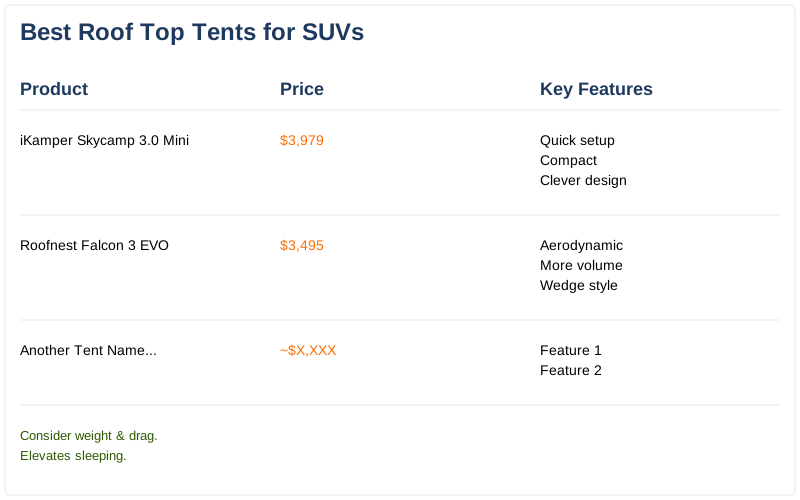
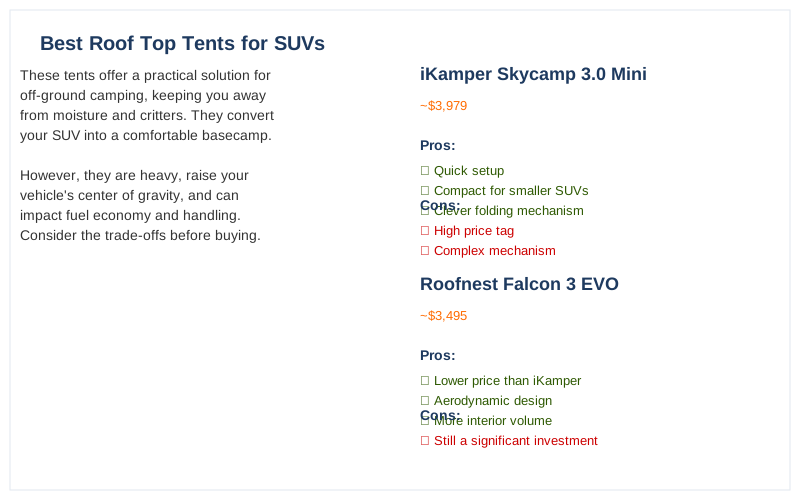
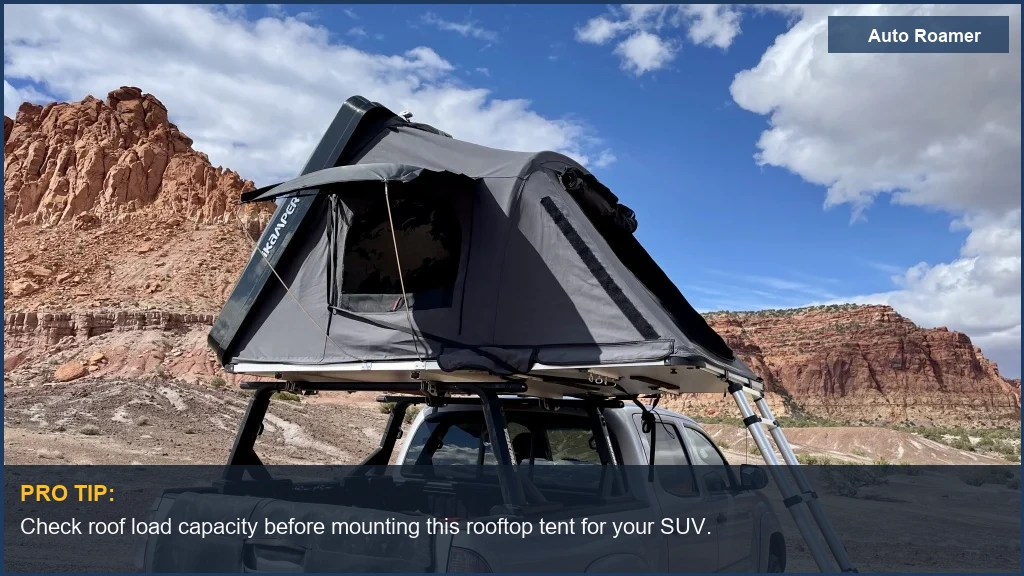
- The iKamper Skycamp 3.0 Mini (~$3,979) is a solid choice if you have cash to burn and want a quick setup. It's compact enough for smaller SUVs and deploys fast. GearJunkie praises its ultra-fast setup. The folding mechanism is clever engineering, but complex.
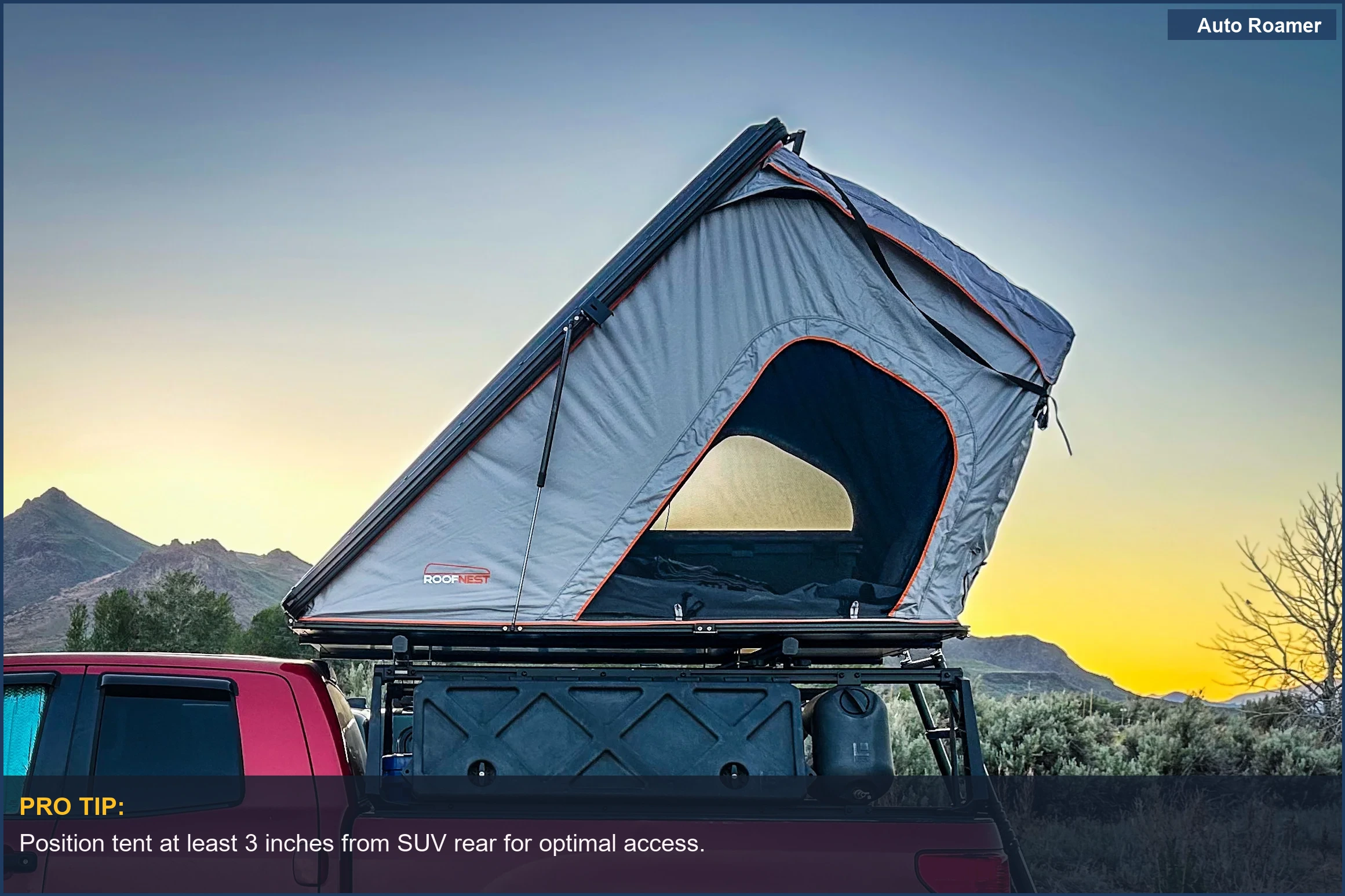
- For a hard-shell without the iKamper price tag, the Roofnest Falcon 3 EVO (~$3,495) is a strong contender. It's aerodynamic and offers more interior volume than other wedge-style tents due to its design. Outdoor Gear Lab rates it highly for these features. Less air resistance means less fuel burn.
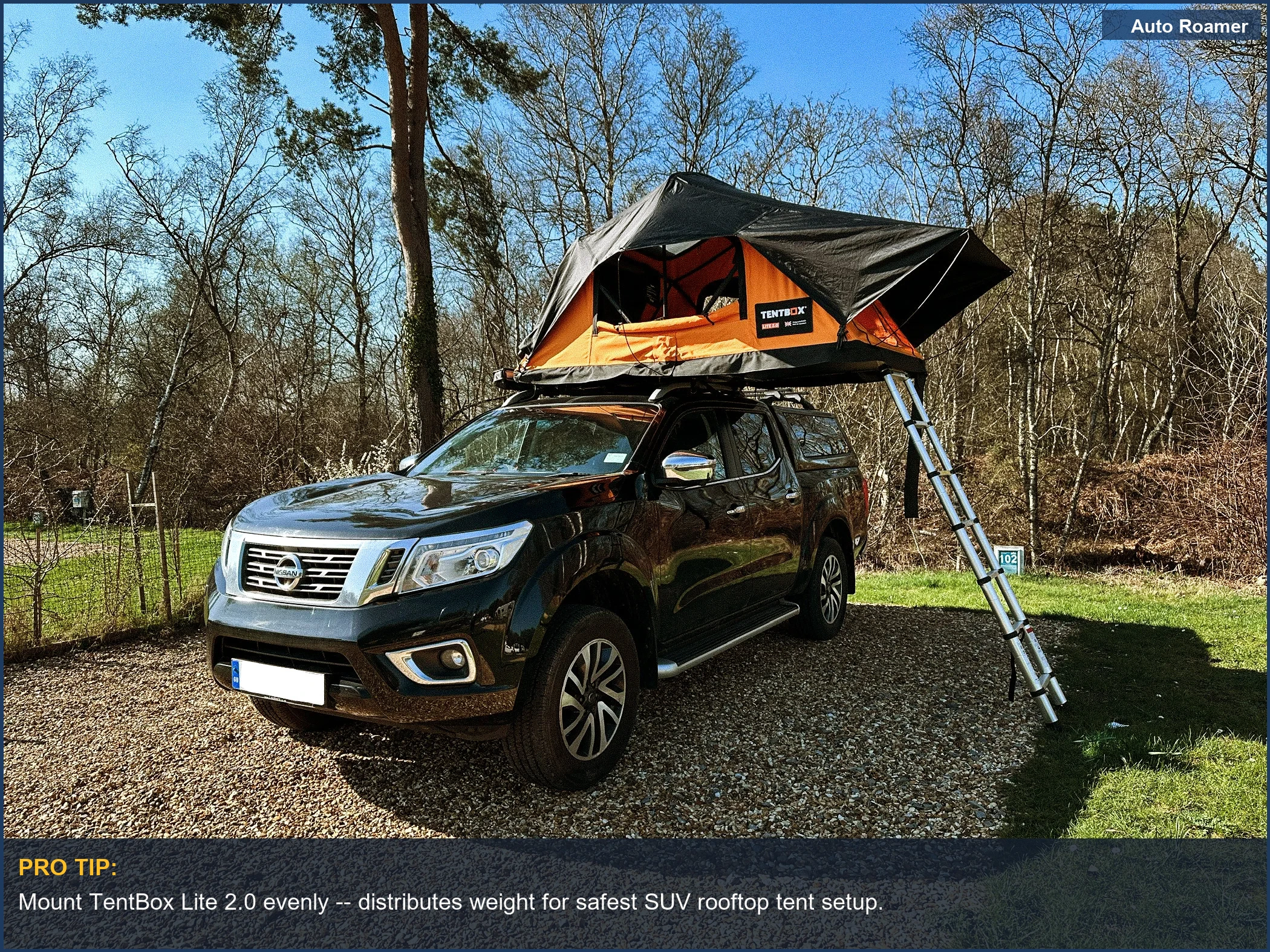
- If you're on a tighter budget, the TentBox Lite 2.0 (~$1,500) is a decent soft-shell option. It's lighter, which is good for smaller SUVs with lower dynamic roof load ratings. You'll spend more time setting it up, but your wallet won't feel like it got hit by a truck. Live for the Outdoors recommends it for small cars.
- The Thule Approach M (~$3,000) is a good middle-ground soft-shell for a family of three. It's spacious with large windows, which is great for airflow and reducing condensation. This prevents that mildew smell that plagues poorly ventilated tents.
- For ultimate durability and load-carrying capacity, the Alu-Cab Gen 3 Expedition (~$4,500+) is the gold standard. It's all-aluminum, which means less thermal expansion differential and better structural rigidity over time. You pay for that engineering, but it lasts. It's known for its robust construction.
- The James Baroud Odyssey (~$4,900+) hits the luxury niche with features like a solar-powered vent and 360-degree views. That vent is critical for managing internal humidity and preventing condensation from dripping on you at 4 AM. It's one of the most durable RTTs tested, but you're paying for fit and finish.
What to Look For
When you're bolting a grand piano to your roof, you need to think about more than just aesthetics. Here's what actually matters:
| Feature | Why it matters (Physics/Engineering) |
|---|---|
| Weight & Roof Load Rating | Your SUV's roof has a dynamic load rating (for driving) and a static load rating (for parked). Overload the dynamic rating and you risk structural failure of the roof rails or mounting points. This isn't just a number; it's a safety factor for vehicle dynamics, especially in emergency maneuvers. Your vehicle's center of gravity rises, increasing roll moment. Check your vehicle's specific rating. |
| Material Durability | Fabric denier, shell material (ABS, aluminum, fiberglass) determines resistance to UV degradation, abrasion, and impact. A cheap polyester tent fabric can lose 50% of its tear strength after 2 years of constant UV exposure due to polymer chain breakdown. Hard shells offer better thermal insulation and weather resistance, but they are heavier. Materials dictate longevity. |
| Mounting System | Look for robust clamps that distribute load evenly across your roof rack bars. Thin, stamped metal clamps can deform under vibration and road shock, leading to clamp load loss and potential detachment. Proper torque specs are non-negotiable. Loose hardware means fretting corrosion and eventual fatigue failure. |
| Deployment Mechanism | Hard shells typically use gas struts for quick 30-second deployment. Soft shells require unfolding and setting up poles. More moving parts mean more potential failure points, but gas struts can lose pressure over time, especially in cold weather due to viscosity changes in the hydraulic fluid. |
| Thermal Insulation & Ventilation | Condensation is the enemy. It forms when warm, moist air inside the tent hits colder surfaces. Good ventilation (multiple windows, vents, internal fan options) reduces humidity. Insulated shells or liners reduce the temperature differential across the material, minimizing dew point formation inside. |
| Mattress Thickness & Density | A cheap foam mattress compresses to nothing under body weight, offering zero thermal break from the cold tent floor. High-density foam maintains its loft and provides better insulation and pressure distribution, preventing pressure points that cut off circulation. Minimum 2.5 inches of high-density foam. |
Our Top Picks for Reliable Performance
I've seen enough flimsy gear to know that you get what you pay for, especially when it's going to be exposed to wind, rain, and UV radiation at 70 MPH. Here are the ones that won't leave you sleeping in a puddle.
iKamper Skycamp 3.0 Mini (~$3,979)
Capacity: 2 people / Key Specs: Hardshell, ultra-fast setup, compact footprint
Pros: Fits smaller SUVs, rapid deployment (under 60 seconds), good build quality, aerodynamic profile reduces drag. The folding floor design maximizes sleeping area while minimizing packed size.
Cons: Mattress can be too firm for some, high cost, complex folding mechanism has more potential points of failure than a simple wedge. GearJunkie notes its quick setup.
Best-for: Solo adventurers or couples with smaller SUVs who prioritize quick setup and don't mind dropping serious cash.
Roofnest Falcon 3 EVO (~$3,495)
Capacity: 2 people / Key Specs: Hardshell wedge, aerodynamic, aluminum construction
Pros: Excellent aerodynamics, lighter than many hardshells, good interior height for a wedge. The aluminum shell provides superior structural rigidity compared to ABS or fiberglass shells, reducing flex under wind load. Outdoor Gear Lab praises its space for a wedge. Cons: Still pricey, limited headroom at one end, can feel cramped for taller individuals. Wedge design means less usable space than a pop-up.
Best-for: Those prioritizing aerodynamics, lighter weight, and durable construction for highway travel and mild off-roading.
Thule Approach M (~$3,000)
Capacity: 3 people / Key Specs: Softshell, four large windows, durable cover
Pros: Spacious interior, excellent ventilation with four large windows, robust cover for travel. The softshell design allows for a larger footprint when deployed, giving you more square footage inside. It's a strong contender for stargazing. Cons: Longer setup time than hardshells, cover can be finicky to zip on, susceptible to wind noise and flapping in high winds due to fabric elasticity.
Best-for: Families or groups of three who want space and airflow, and don't mind a slightly longer setup process.
Alu-Cab Gen 3 Expedition (~$4,500+)
Capacity: 2 people / Key Specs: All-aluminum construction, heavy-duty, load-carrying top
Pros: Unrivaled durability, can carry gear on top when closed (e.g., solar panels, recovery boards), excellent weather resistance. The all-aluminum construction means minimal thermal expansion differences between structural components, reducing fatigue failure points. This is the gold standard for durability. Cons: Very heavy, highest price point, Spartan interior. The weight can push smaller SUVs past their dynamic roof load limits.
Best-for: Serious overlanders who need maximum durability, the ability to carry extra gear, and don't flinch at the price or weight.
James Baroud Odyssey (~$4,900+)
Capacity: 2-3 people / Key Specs: Fiberglass shell, solar-powered vent, 360-degree views
Pros: Luxury features, excellent ventilation with solar fan, superior fiberglass finish, blackout window shades. The solar fan actively exchanges air, preventing the humidity buildup that leads to condensation. One of the most durable RTTs tested. Cons: Extremely expensive, fiberglass can be brittle under impact compared to aluminum. Repairing fiberglass is a specialized process.
Best-for: Luxury overland enthusiasts who want premium features, superior ventilation, and aren't concerned with budget.
TentBox Lite 2.0 (~$1,500)
Capacity: 2 people / Key Specs: Softshell, lightweight, compact packed size
Pros: Affordable, relatively light for a softshell, easy to store. Good entry-level option that won't break the bank or your vehicle's suspension. Excellent for small cars. Cons: Slower setup than hardshells, less insulated, fabric less durable than premium options. The lighter fabric may have a shorter service life under constant UV exposure due to polymer degradation.
Best-for: Budget-conscious campers or those with smaller vehicles who want to try rooftop camping without a huge investment.
Head-to-Head Comparison
Let's cut through the marketing fluff and look at what really separates these things, beyond the pretty pictures.
| Feature | Hard Shell (e.g., iKamper, Roofnest) | Soft Shell (e.g., Thule Approach, TentBox Lite) |
|---|---|---|
| Deployment Time | 30-90 seconds. Gas struts do the heavy lifting. | 5-15 minutes. Requires unfolding, setting poles, securing rainfly. Reddit users often complain about soft-shell setup in the rain. |
| Aerodynamics | Generally superior. Lower profile, smoother surfaces mean less drag, less fuel consumption, and reduced wind noise at highway speeds. | Generally worse. Bulky, fabric cover creates more turbulence. Expect a 1-3 MPG hit on your fuel economy. |
| Weather Resistance | Excellent. Rigid shell provides inherent protection from wind-driven rain, snow load. Less fabric flapping means less noise in high winds. | Good, but dependent on fabric tension and rainfly design. Can experience flapping in high winds, leading to abrasive wear on fabric. |
| Durability | High. ABS, fiberglass, or aluminum shells resist punctures and UV. Hinges and gas struts are the primary wear points. | Moderate. Fabric is susceptible to tears, UV degradation, and mold if not dried properly. Zippers are often the first failure point. |
| Weight | Heavier, typically 150-200+ lbs. This impacts your vehicle's center of gravity and suspension. | Lighter, typically 100-150 lbs. Easier on smaller SUVs and less impact on handling. |
| Packed Profile | Sleeker, lower profile. Some can carry extra gear on top. | Bulkier, higher profile when folded. Often requires a separate, sometimes leaky, PVC travel cover. |
| Cost | Higher, often $2,500 - $5,000+. You're paying for the complex molds and structural rigidity. | Lower, often $1,000 - $2,500. Simpler construction, less material cost. Often the best value. |
Budget vs Premium: Where Your Money Actually Goes
Nobody wants to throw money away, but sometimes you're paying for engineering that actually prevents headaches, not just a fancy badge.
| Feature | Budget (~$1,000 - $2,000) | Premium (~$3,000 - $5,000+) |
|---|---|---|
| Shell Material | Thin ABS plastic or heavy-duty PVC fabric. ABS can become brittle with thermal cycling and UV exposure, leading to stress cracks. | Thicker, UV-stabilized ABS, fiberglass, or aluminum. These materials maintain mechanical integrity over a longer service life. Hard-shell wins for winter camping due to better insulation. |
| Fabric Quality | 280-300D polyester with a basic PU coating. This coating delaminates over time, leading to leaks. Lower tear strength. | 320-420D ripstop poly-cotton canvas (often with a higher thread count) with advanced waterproofing. Better breathability, higher abrasion resistance, and significantly less UV degradation. |
| Mounting Hardware | Stamped steel brackets, often with thin gauge. Bolts may be lower-grade steel, susceptible to corrosion and lower shear strength. | Heavy-gauge stainless steel or aluminum clamps, often with anti-vibration features. Higher-grade fasteners with appropriate torque specs ensure better clamping force retention. |
| Mattress | 2-inch low-density foam. Compresses quickly, offers poor thermal insulation. You'll feel every cold spot. | 2.5-3 inch high-density foam, often with an anti-condensation mat underneath. Provides better pressure distribution and a critical air gap for thermal insulation. |
| Zippers & Seams | Smaller gauge zippers, single-stitched seams. Zippers are often the first point of failure due to mechanical stress from opening/closing. | YKK zippers (or equivalent), double-stitched or reinforced seams. Seam sealing is more robust, preventing water ingress at stitch lines. |
| Gas Struts / Hinges | Cheaper struts with shorter lifespans, basic steel hinges. Can lose pressure faster, especially in cold weather. Hinges can develop play. | Higher-quality struts designed for outdoor use, heavy-duty aluminum or stainless steel hinges. Less play, greater fatigue resistance. |
The Bottom Line
Choosing a rooftop tent isn't just about picking a pretty picture; it's about understanding the mechanical stresses and thermal dynamics involved. You're adding a significant load to your vehicle's roof, changing its center of gravity, and exposing a fabric structure to the elements.
- Prioritize your vehicle's roof load rating. Don't exceed it, dynamically or statically. The last thing you want is a deformed roof or a tent flying off at 60 MPH because you ignored the spec sheet.
- Hard shells offer durability and convenience. They're faster to deploy and offer better weather protection, but they come with a higher price tag and more weight. Think about the thermal cycling on those ABS shells - they expand and contract with temperature, which can lead to stress cracks over time if not designed well. Consider the trade-offs.
- Soft shells are lighter and more affordable. They're a good entry point but require more setup time and are more susceptible to wind noise and fabric wear. That PVC cover is going to outgas plasticizers in the sun, slowly becoming brittle.
- Ventilation is non-negotiable. Condensation will turn your tent into a swamp if you don't manage internal humidity. Look for multiple vents, fans, or breathable fabrics.
- Don't cheap out on mounting hardware. Your life, and the life of your expensive tent, depends on those clamps maintaining proper clamping force under vibration and dynamic loads. Torque them to spec, and check them regularly.