
What is a Roof Top Tent and How Does it Work?
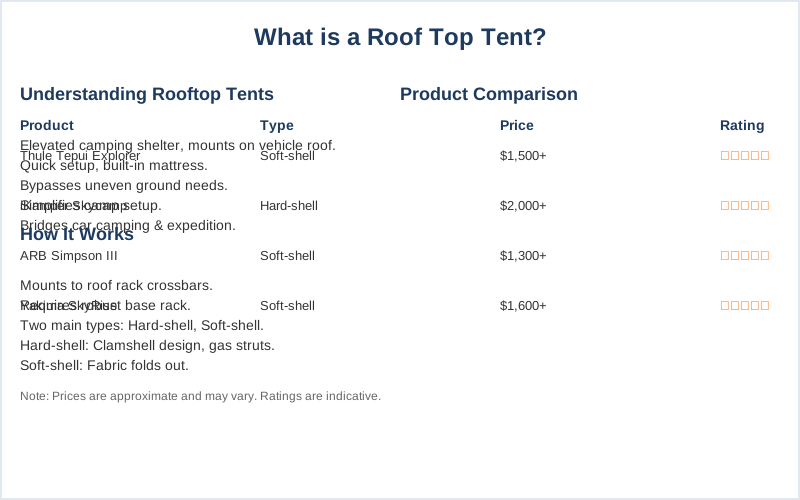
A rooftop tent is essentially a camping shelter that mounts directly onto the roof of your vehicle, offering a quick and elevated sleeping solution. Think of it as a portable, hard-sided or soft-sided box that, when opened, transforms into a tent with a built-in mattress, ready for you to crawl into.
A rooftop tent is essentially a camping shelter that mounts directly onto the roof of your vehicle, offering a quick and elevated sleeping solution. Think of it as a portable, hard-sided or soft-sided box that, when opened, transforms into a tent with a built-in mattress, ready for you to crawl into. This setup bypasses the need for finding perfectly flat ground or wrestling with traditional tent poles at your campsite.
It's a way to get your sleeping quarters off the dirt and into a more convenient spot, often unfolding in just a few minutes Thule. The whole idea is to simplify your camp setup so you can spend less time fiddling with gear and more time actually enjoying the outdoors. It bridges the gap between car camping and the more rugged expedition style of travel iKamper.
The Core Answer
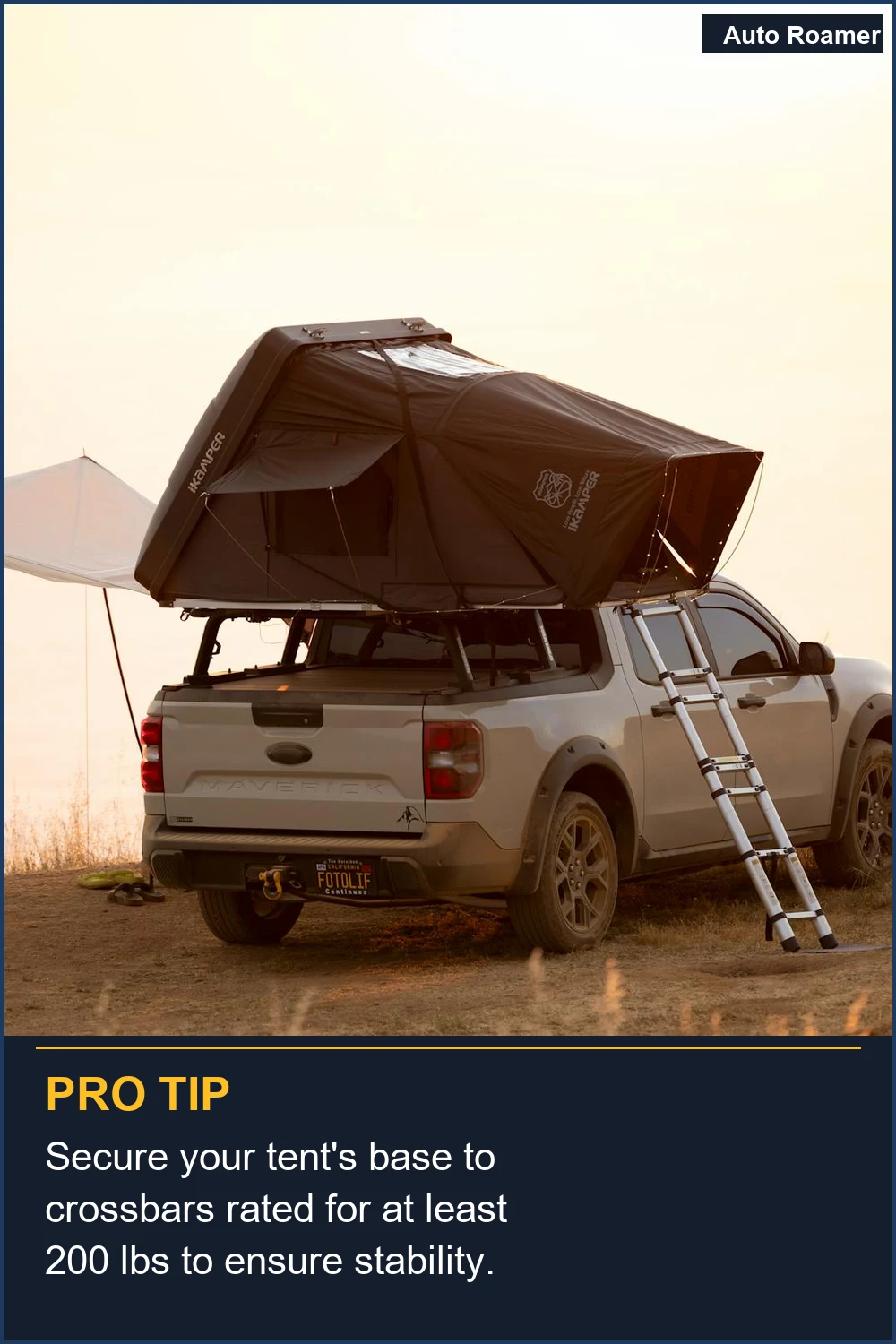
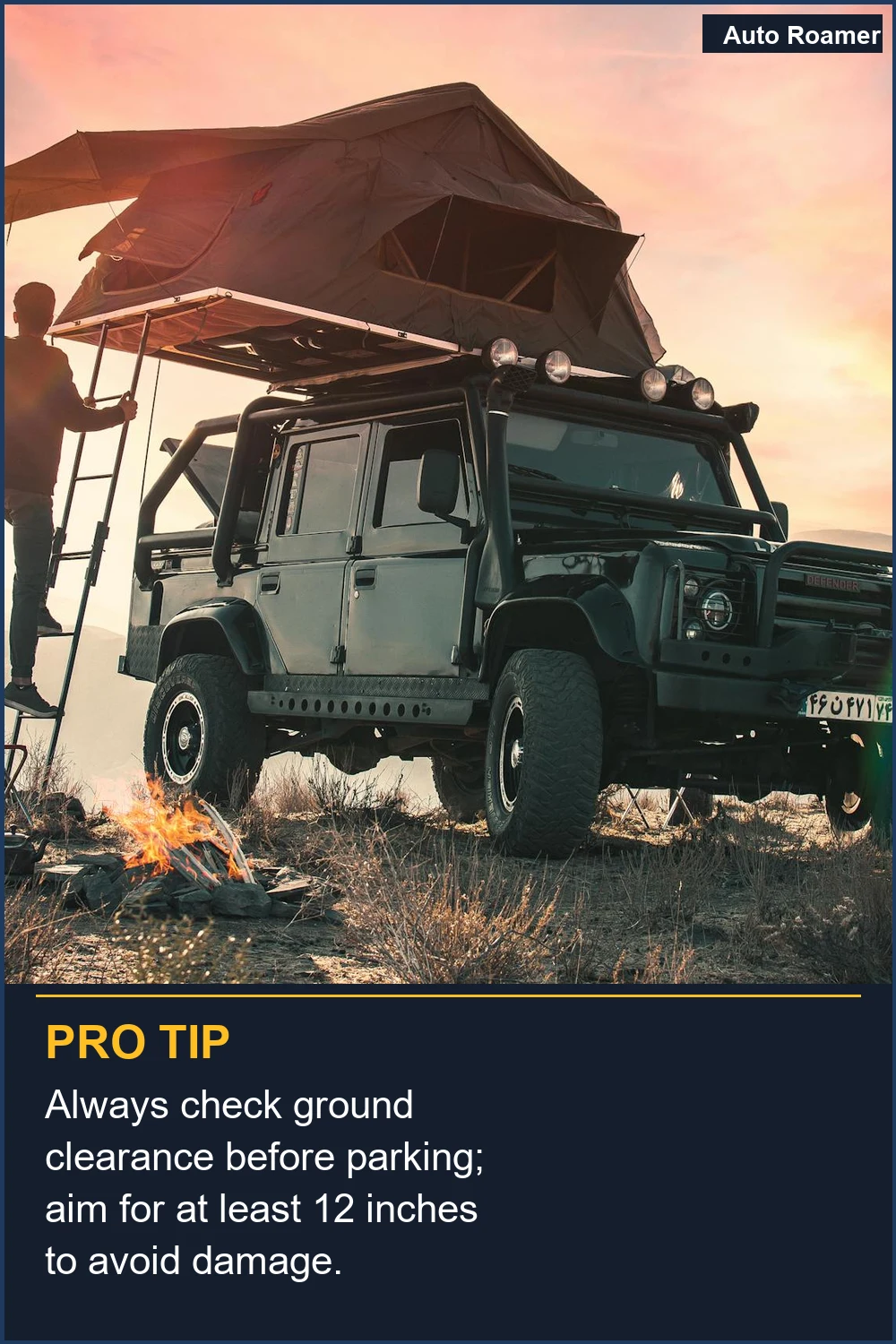
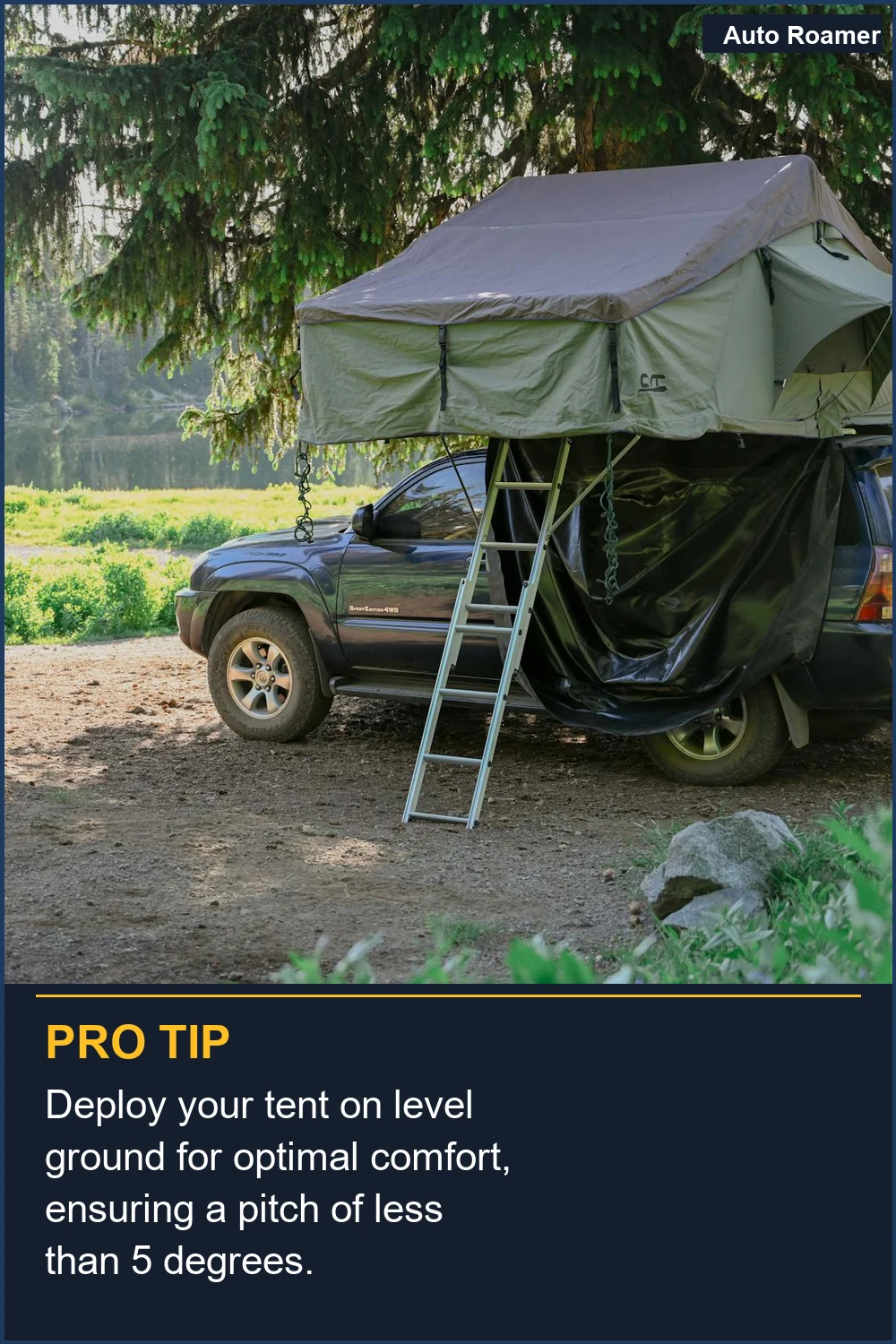
The core of how a rooftop tent (RTT) works boils down to its mounting system and its unfolding mechanism. Most RTTs attach to your vehicle's existing roof rack crossbars or a dedicated base rack system. This base is crucial because it needs to support the weight of the tent, occupants, and any gear inside, which can add up quickly. I learned this the hard way when I saw a buddy's rack sag under the weight of his RTT on his first trip; turns out, most factory racks aren't beefy enough for this kind of load YouTube. There are two main types of RTTs: hard-shell and soft-shell. Hard-shell tents usually have a clamshell design. When closed, they look like a sturdy box on your roof. To open, you typically unlatch it and, with a bit of gas strut assistance, the lid pops open, revealing the tent fabric and mattress. It's like a pop-up camper, but on your car roof. The real move here is that the structure is already in place, so you're not assembling poles and fabric from scratch. Brilliant engineering, really. Soft-shell tents are more like traditional foldable tents that are mounted to a base. They usually unfold outwards or upwards, often with an integrated ladder that extends to the ground. You might have to stake out a rainfly or extend a few poles, but it's significantly less involved than setting up a ground tent. I remember seeing one of these unfold in about 90 seconds at a campsite in Moab; the user was literally inside, zipped up, before I even had my cooler out of the trunk. That's game-time speed The Traveling Beard. The integrated mattress is a huge part of the comfort factor. Most RTTs come with a foam mattress, often around 2-3 inches thick. It's not a Tempur-Pedic, but it's miles better than an air mattress that might hiss all night. The floor of the tent is usually a rigid panel, providing a flat and stable sleeping surface, which is a big deal when you're not dealing with rocks and roots under your sleeping bag AreaBFE Tents. Access is typically via a telescoping aluminum ladder that attaches to the tent's base. This ladder is adjustable for different vehicle heights and helps support the tent structure. What nobody tells beginners is how steep that ladder can feel on your first night, especially if you have to get up in the middle of the night. A little practice on level ground first is a good idea SNAILER.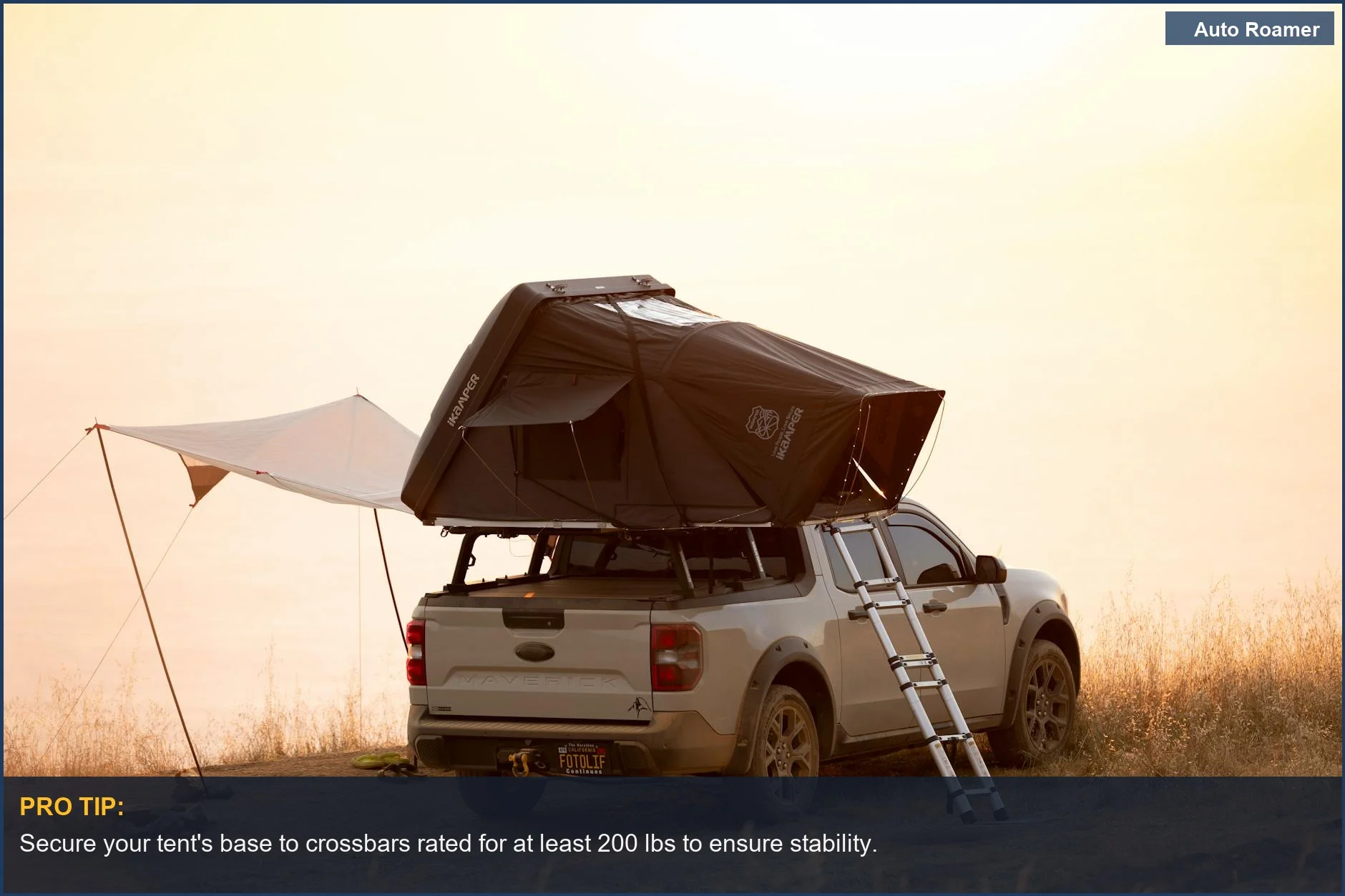
Why This Matters for Your Setup
Why does all this matter for your setup? Well, for starters, it means you can camp in places where pitching a ground tent would be impossible or a huge pain. Think rocky terrain, uneven slopes, or even just areas where you want to be off the ground for security or comfort Reddit.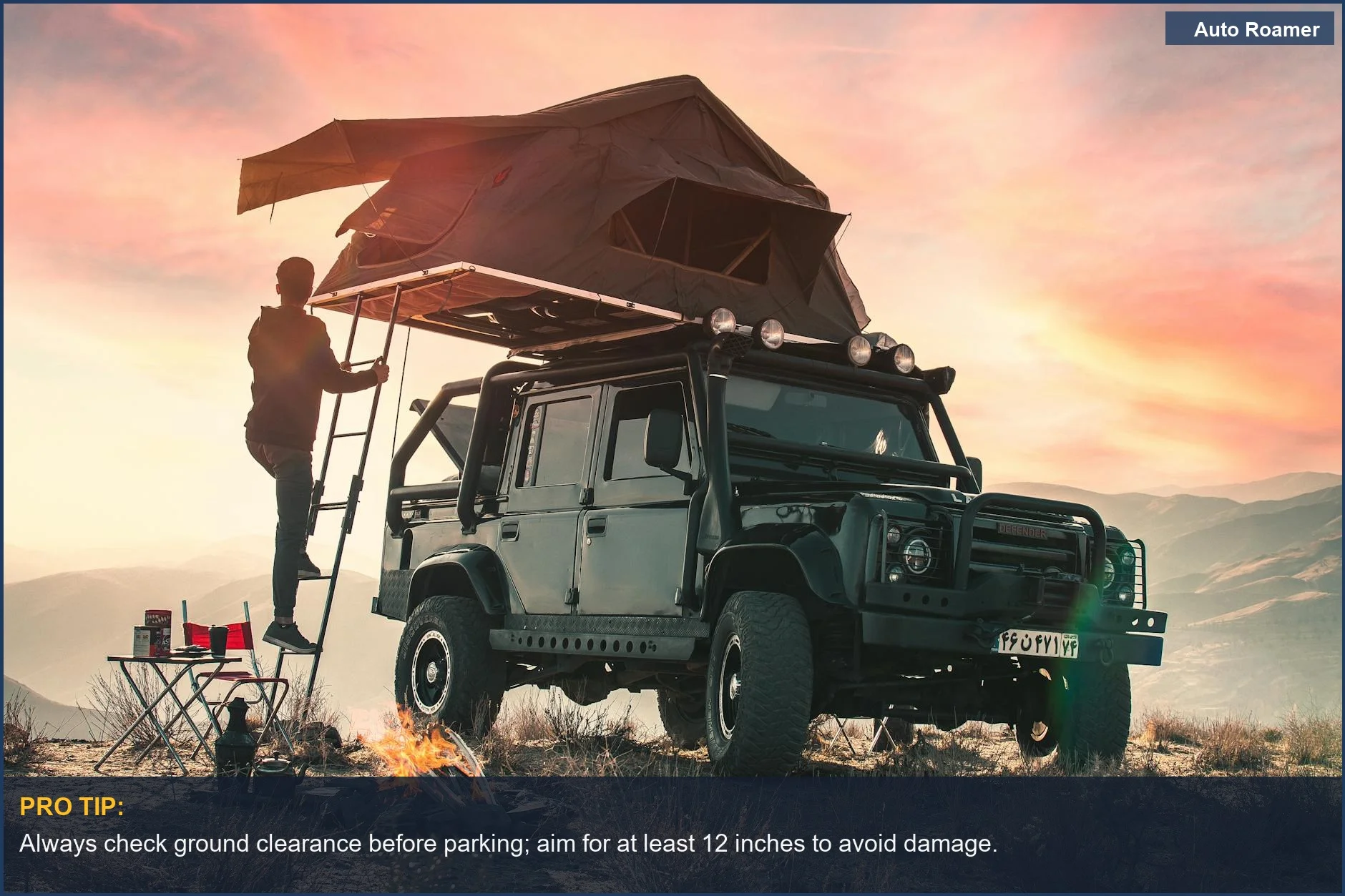
Making the Right Choice
So, what's the takeaway? A rooftop tent offers a fast, convenient, and elevated camping experience. It's a significant upgrade for those who value speed and comfort, and it opens up new possibilities for where you can camp Tuffstuff Overland.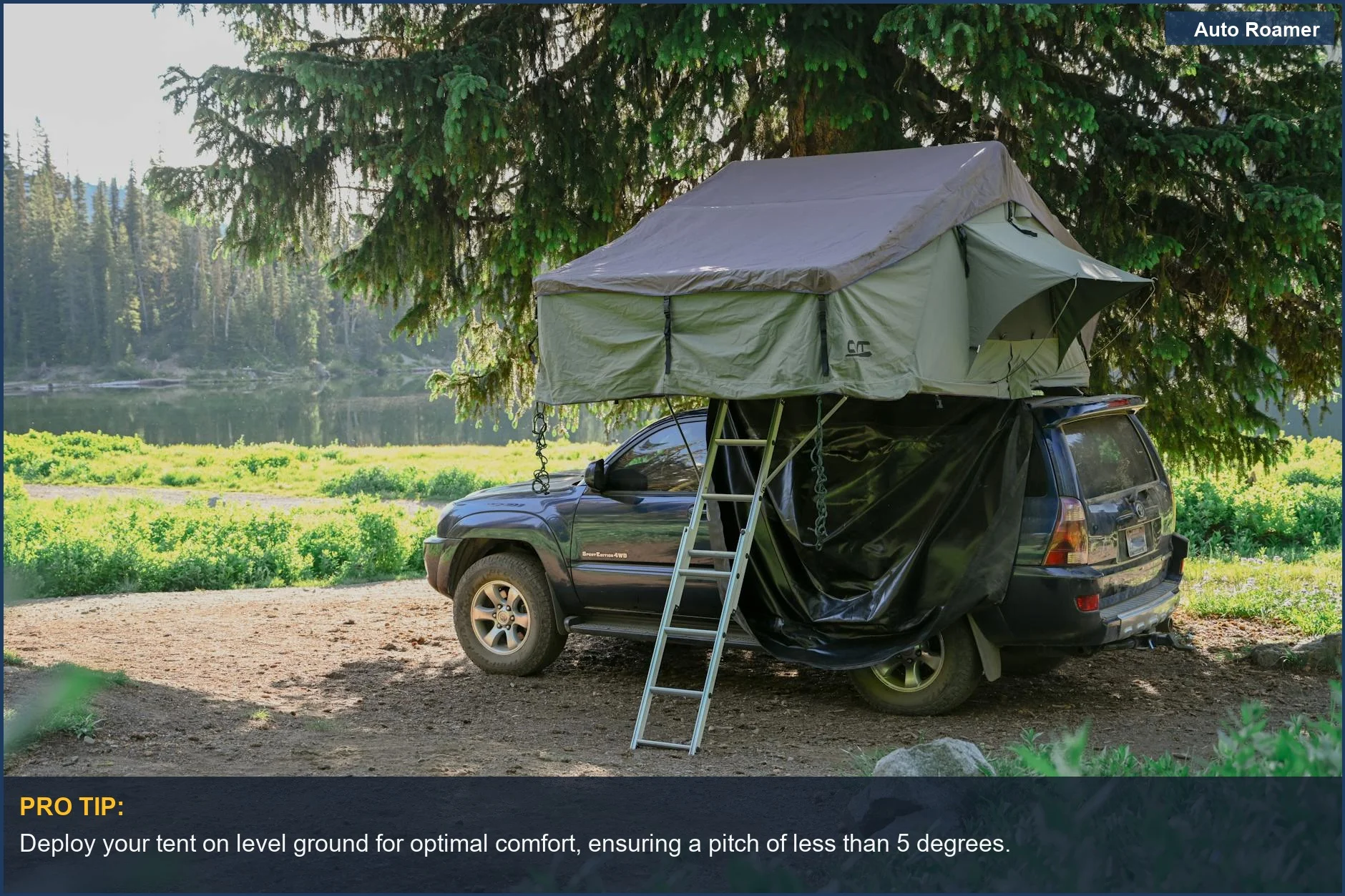
Frequently Asked Questions
I saw a guy on YouTube install a new crossbar setup himself in 30 minutes. Is it cheaper to DIY or pay a shop to put a roof rack and RTT on my SUV?
Do I really need a torque wrench to install my RTT crossbars, or can I just tighten them until they feel snug?
What if I forget to latch my hard-shell RTT all the way before driving, and it pops open on the freeway?
Can leaving a rooftop tent permanently mounted on my car for months at a time damage my vehicle's roof or paint?
Is it true that RTTs are only for off-roading and fancy expedition vehicles?
🏅 Looking for Gear Recommendations?
Check out our tested gear guides for products that work with this setup:
Sources
- What is the point of buying a rooftop tent? How is it worth the money?
- BEGINNERS GUIDE to ROOF TOP TENTS - YouTube
- How do Rooftop Tents Work - AreaBFE Tents Blog – Areabfetents
- Rooftop Tent Frequently Asked Questions (Answered)
- Pros and Cons of a Rooftop Tent - The Traveling Beard
- The complete guide to rooftop tents by Thule
- What is a roof tent and how does it work? - SNAILER®
- The Ultimate Guide to Roof Top Tents – iKamper