
The Big Picture
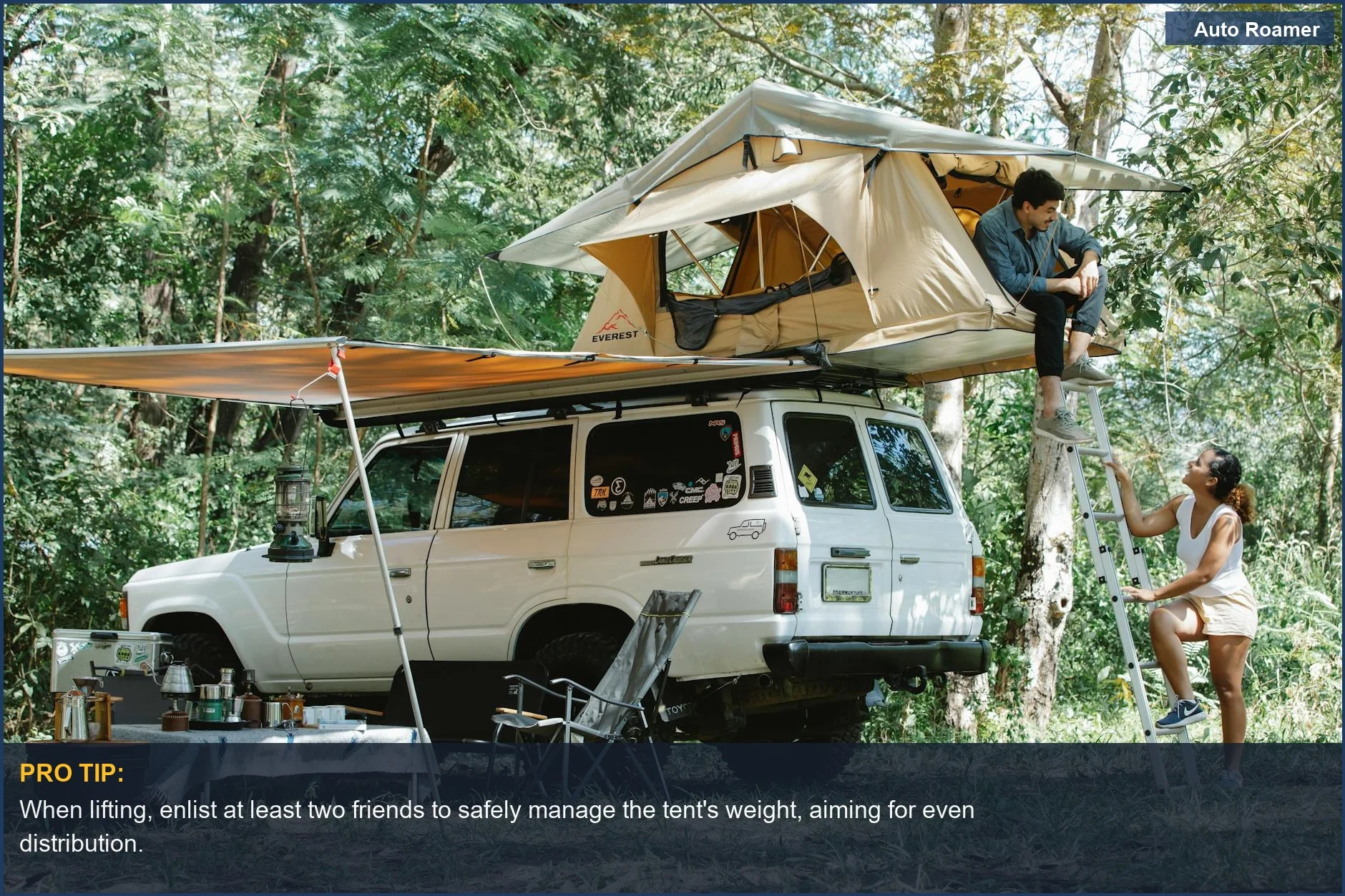
Installing a rooftop tent (RTT) yourself is a common goal for weekend warriors looking to save a few bucks and gain some serious bragging rights. The real question isn't if you can do it, but how you'll manage the weight and awkwardness. Most RTTs tip the scales between 100 and 250 pounds, which means you're not exactly going to be casually tossing it onto your car like a beach umbrella.
It's a two-person job, ideally, but with the right strategy, you can absolutely pull it off solo. This latest video shows a clever setup I wish I'd seen before my petunia incident.
The Core Answer
The core answer to whether you can install a rooftop tent yourself is a resounding 'yes, but be smart about it.' The honest version: it's a wrestling match with gravity and a large, expensive piece of gear. The biggest hurdle is lifting and maneuvering the tent onto your vehicle's roof rack. Guys on forums share all sorts of tricks, from using sawhorses to creating makeshift ramps.
The real move here is to avoid needing to lift the whole weight at once. Slick setups often involve some kind of hoist or pulley system. You can rig one using a winch anchored to your trailer hitch, or even a sturdy tree branch if you're lucky. This lets you lift the tent off the ground and then drive your vehicle underneath it.
Then, you just guide it into place on the roof rack. It's way less about brute strength and more about leverage. Think of it like a controlled descent, not a deadlift. You'll still need to slide it into the mounting brackets, which requires some careful nudging, but that's manageable. The key is patience and planning. Don't rush it. A rookie mistake is thinking you can just muscle it up there.
You'll end up with a bent tent, a scratched car, and a bruised ego. People have successfully done this using nothing but ladders and wood blocks, but that sounds like a recipe for disaster in my book. The $50 version of this involves a lot of sweat and maybe some tears.
Why This Matters for Your Setup
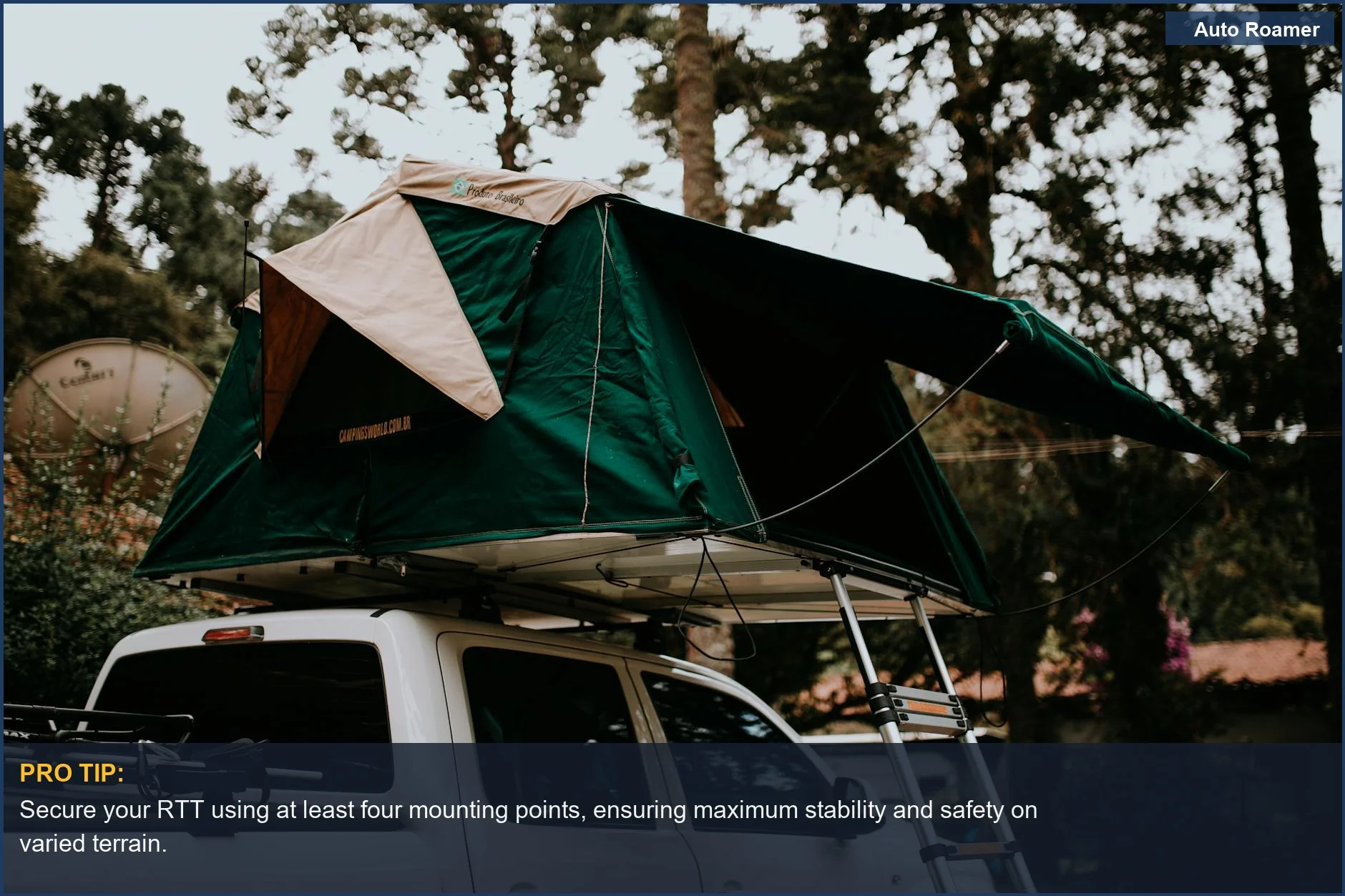
Why this matters for your setup is simple: saving money and gaining independence. Paying a shop to install your RTT can easily run you $200-$400, and honestly, it's usually just bolting it on. Why pay someone for 30 minutes of work when you can do it yourself with a little planning? It also means you can take it off when you need to for maintenance or to lighten your vehicle's load. Consider these points:
- Cost Savings: The parts for a DIY hoist system (winch, snatch block, ropes) might run you $100-$200 if you're thrifty, compared to shop fees.
- Independence: You're not beholden to someone else's schedule. Want to get your tent on this weekend? You can.
- Understanding Your Gear: Doing it yourself means you intimately understand how the tent is mounted. This is invaluable if you ever need to troubleshoot on the road.
- Weight Management: Knowing how to handle the weight solo is crucial for any adventure where you might need to remove it.
This guide emphasizes preparation, which is the absolute game-time move.
Making the Right Choice
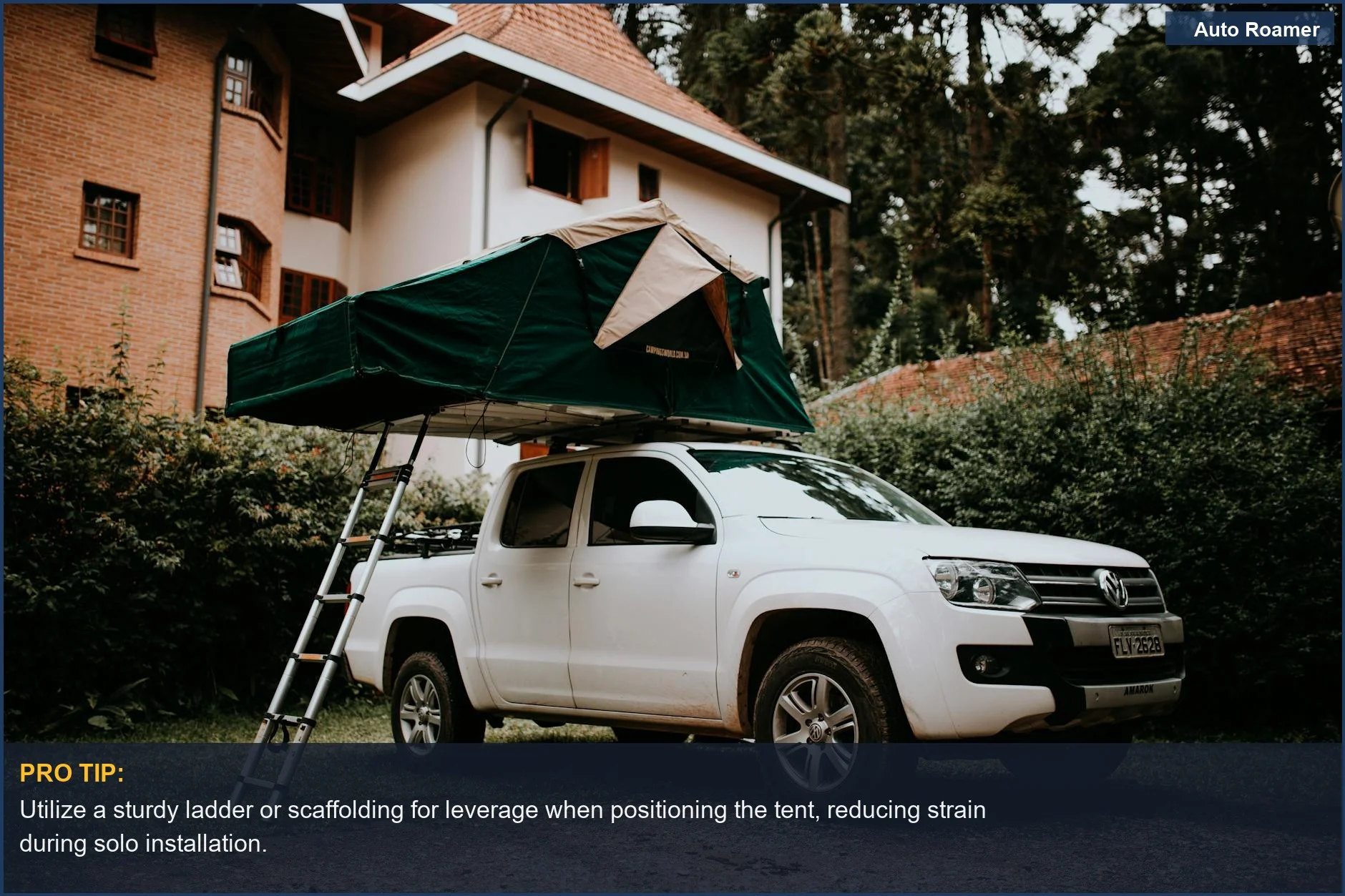
Making the right choice about installing your RTT yourself boils down to a few key factors. Don't be intimidated by the weight. The real move is to use leverage and smart rigging, not just brute force. Clever setups can make solo installation manageable. If you're on a tight budget and have some mechanical inclination, DIY is definitely doable. However, if you're worried about dropping it or damaging your vehicle, paying a professional is the safer bet. Here's the rundown:
- Assess Your Comfort Level: Be honest with yourself. If lifting 100+ pounds is a struggle, get a helper or a hoist.
- Factor in Tool Costs: A DIY hoist can cost $100-$200 in parts. Compare that to shop fees.
- Vehicle Height Matters: Taller vehicles are harder to work with. You might need a taller hoist setup.
- Safety First, Always: A dropped RTT can easily cost thousands in damage. Don't risk it for a few hundred bucks.
I've seen too many scratched hoods and cracked windshields from ambitious solo installs. Plan it out, get the right gear, and you'll be sleeping under the stars in no time.