The Short Version
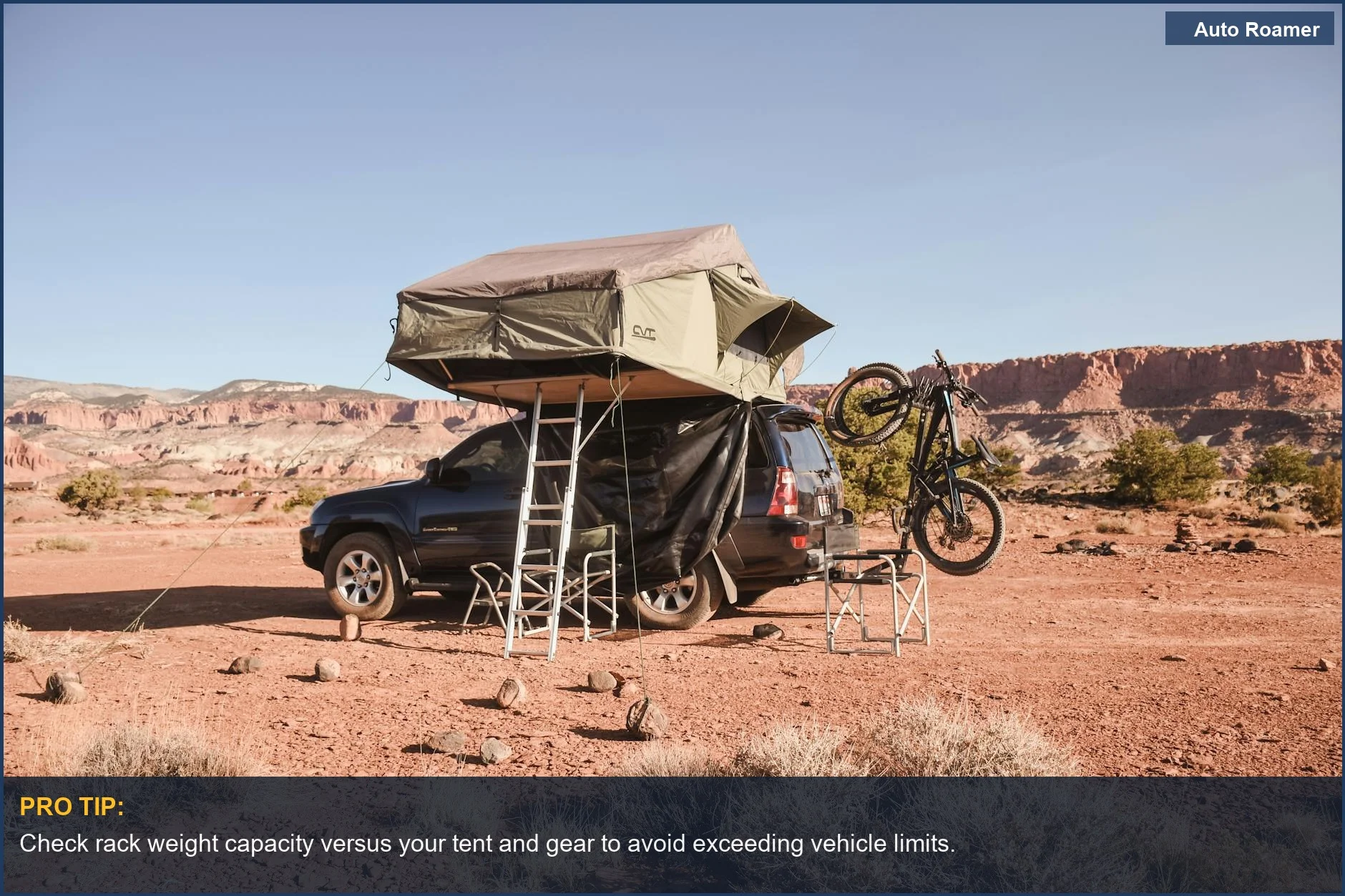
My 2017 Tacoma's factory roof rails were good for maybe 50 pounds before the plastic end caps started groaning. You load up for a weekend, hit a pothole, and suddenly you're wondering if your expensive gear is about to become roadkill. This isn't just about strapping stuff to your roof; it's about understanding the shear forces at play and the mechanical stress on your vehicle's attachment points.
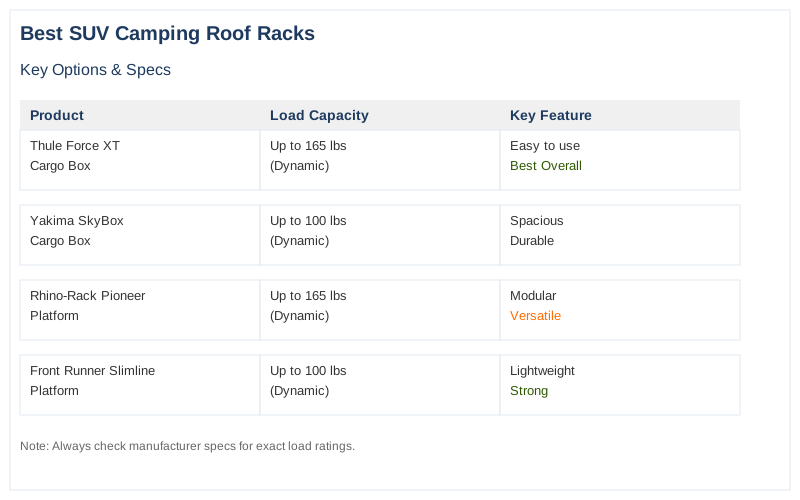
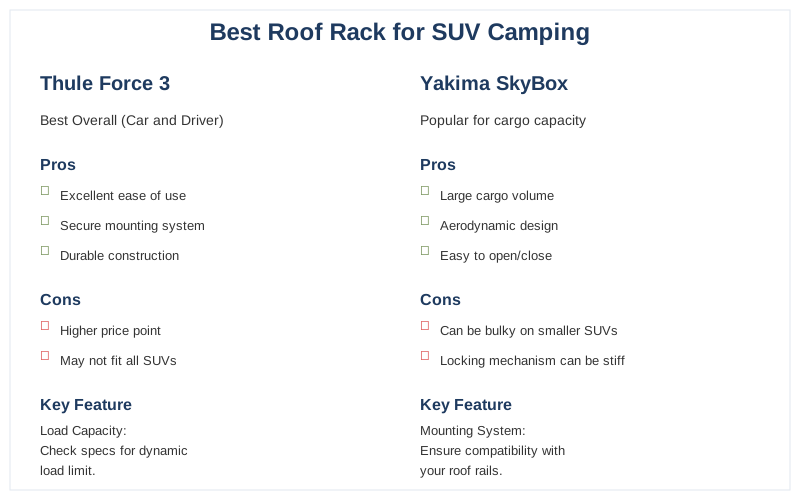
Most factory setups are designed for a couple of mountain bikes, not a 300-pound rooftop tent and a full cooler. Car and Driver even tested carriers for ease of use, which is critical when you're wrestling a heavy box. They found the Thule Force 3 to be the "Best Overall."
Key Features to Consider
Key Features to Consider
Forget the glossy ads, let's talk about what actually matters when you're bolting a grand's worth of metal to your SUV's roof. Your primary concern isn't aesthetics; it's the load path from your gear, through the rack, and into the vehicle's structural frame. That flimsy plastic trim on your roof? It's not load-bearing. You need to know how the rack clamps down.
I've seen too many cheap crossbars fail after a year of thermal cycling, leading to bolt fatigue. The constant expansion and contraction of dissimilar materials - aluminum bars on steel rails - introduces micro-fractures. Then one hard bump, and your gear is gone. Travel + Leisure tested 30 carriers for stability and security, which is exactly what I'm talking about.
| Feature | Dirtbag Engineer's Take |
|---|---|
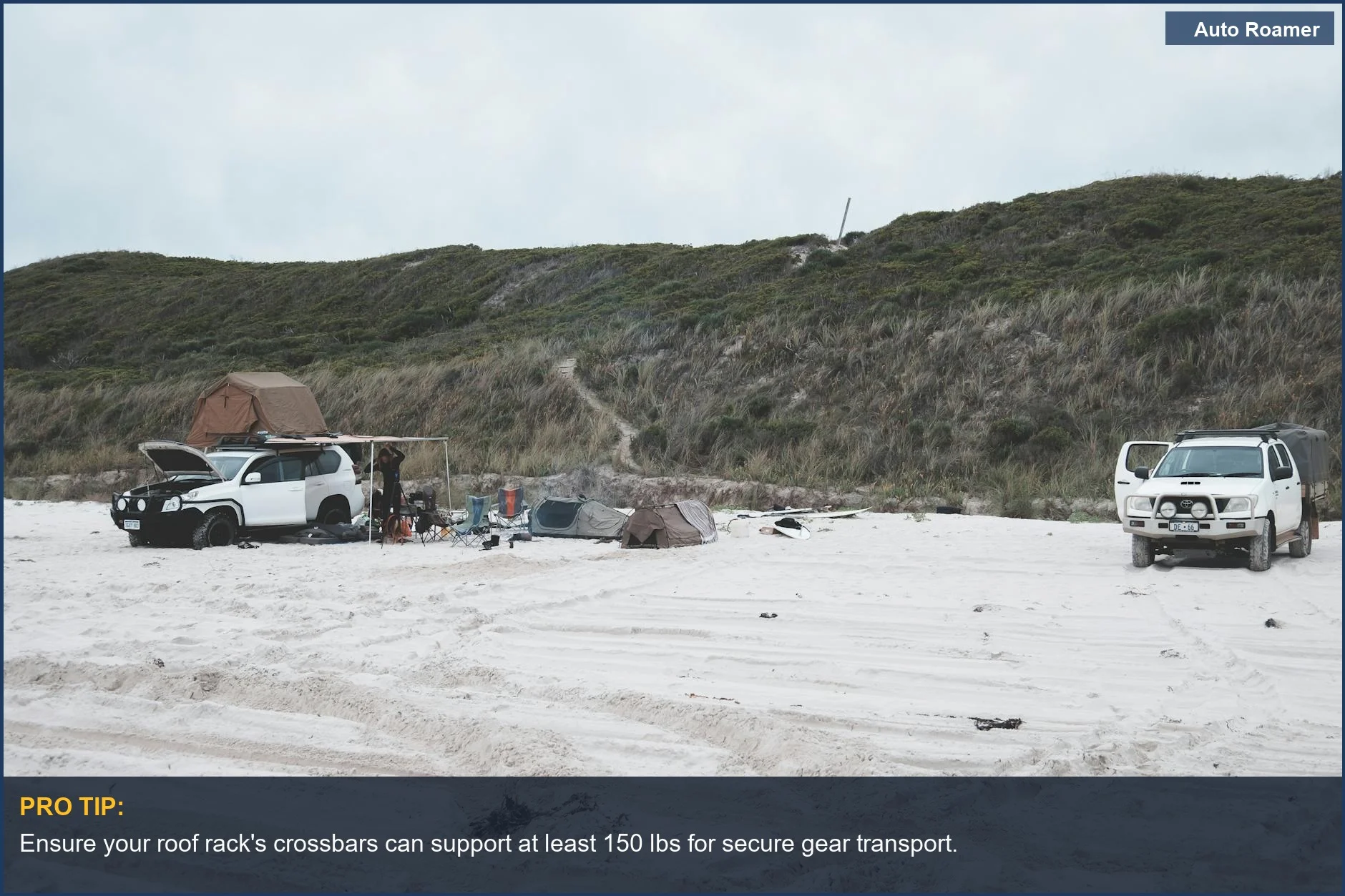
| Load Capacity (Static/Dynamic) | Static capacity (parked) is always higher. Dynamic (moving) is what matters. A 150lb dynamic rating means 150lb of gear, total, not including the rack's own weight. Exceed it and you're gambling with structural integrity at 70MPH. |
| Mounting System | Look for robust clamps that spread load across a wide area. Rail-mounted systems are generally stronger than door-jamb hooks, which can deform the sheet metal over time. No amount of rubber padding fixes a poor clamp load. |
| Material (Aluminum vs. Steel) | Aluminum is lighter, reduces parasitic drag. Steel is stronger for extreme loads but adds weight, increasing fuel consumption and raising your center of gravity. Pick your poison based on your payload, not just price. Rover Vans Gear explains the aluminum vs. steel trade-off well. |
| Wind Noise / Aerodynamics | Flat bars are cheaper, but they whistle like a banshee at 45 MPH. Aerodynamic bars reduce drag and noise, which matters on a 10-hour drive. The vibration frequency from cheap bars can actually loosen fasteners over thousands of miles. |
| Access & Security | Dual-sided opening on a cargo box is clutch. Trying to unload gear from one side in a cramped campsite is a pain. Integrated locks are good, but a determined thief with a pry bar will always win. Consider a cable lock for added deterrence. Outdoor Gear Lab notes the Kairay 500's good price. |
Don't fall for the "universal fit" garbage. Your vehicle has specific mounting points and roof curvature. A proper fit minimizes stress concentrations, preventing sheet metal deformation or cracked paint in the long run. My old Pathfinder's roof developed stress cracks from a cheap, ill-fitting rack.
Our Top Picks
Our Top Picks
Alright, let's cut through the marketing fluff and get to the gear that actually holds up. I've seen enough bent crossbars and ripped cargo bags to know what's over-engineered and what's just overpriced. The key here is understanding the load distribution and the material science behind each option. Switchback Travel's guide to cargo boxes is a decent starting point.
Thule Motion 3 XL Low - Best Overall Hard Shell ($1,150)
- Durability: This is a beast. The ABS plastic shell resists UV degradation and impact. I've seen these survive years of thermal cycling without significant material fatigue. The internal stiffeners prevent flex under load, maintaining a consistent aerodynamic profile.
- Mounting: Thule's PowerClick system is solid. It clamps internally with an audible click when proper torque is applied, ensuring even clamp load across the crossbars. This minimizes the risk of localized stress points that lead to rail deformation.
- Capacity: With 14 cubic feet, it swallows a surprising amount of gear. The dual-sided access is a lifesaver when you're parked awkwardly. Travel + Leisure calls the Motion 3 "Best Overall."
Yakima SkyBox NX 18 - Close Second ($799)
- Durability: Similar robust construction to Thule, with good resistance to road grit and minor impacts. The internal tray system helps organize gear, preventing internal shifting that can stress the box's structure during braking.
- Mounting: The quick-release mounting hardware is tactile and secure. It minimizes play between the box and the crossbars, reducing vibration and potential fastener loosening over long hauls. Reddit users praise the Yakima Skybox 16 Carbonite for its dual-sided opening and leak-free design.
- Aerodynamics: Its low-profile design reduces wind noise and drag, which directly translates to better fuel economy on long trips. Less turbulent airflow means less vibration transmitted to the roof structure.
MeeFar Car Roof Bag - Best Value Soft Shell ($100-150)
- Portability: This thing folds down to nothing. Great for occasional use when you don't want a permanent fixture on your roof. The material is typically a coated PVC, offering decent water resistance, but don't expect a submarine.
- Mounting: It uses straps that loop around crossbars or through door frames. This can introduce paint scuffs over time due to abrasive contact and dynamic loading. Ensure straps are cinched tight to prevent flapping, which causes material fatigue. Road & Track recommends the MeeFar as "Best for Camping."
- Cost-per-use: For $100, it's hard to beat. Just don't overpack it or expect it to survive a branch strike at 40 MPH. The stitching on these softer bags is often the first point of failure under tension.
My old Pathfinder had a cheap soft bag that shredded its straps after 3,000 miles on the highway. The friction from the straps vibrating against the roof rails caused localized thermal degradation of the webbing. Cheap materials, predictable failure modes. You get what you pay for in terms of material strength and UV resistance.
Budget vs Premium Options
Budget vs Premium Options
You want to save a buck, I get it. But there's a difference between being frugal and being foolish. A $150 budget rack isn't just less refined; it's often designed with thinner gauge metals, lower-grade plastics, and less precise tolerances. This translates directly to increased failure rates, especially under the dynamic loads of highway driving. YouTube tests show how these things hold up on the highway.
Premium racks, like a Thule or Yakima, are over-engineered. They use thicker aluminum extrusions, higher-quality polymers for end caps, and often stainless steel hardware. The extra cost isn't just for a logo; it's for material strength, UV resistance, and precision machining that minimizes play and vibration.
| Feature | Budget Option (e.g., generic Amazon rack) | Premium Option (e.g., Thule, Yakima) |
|---|---|---|
| Material Quality | Thinner aluminum, low-grade plastic end caps, often mild steel hardware. Prone to galvanic corrosion where dissimilar metals meet, leading to fastener failure. | Thicker, anodized aluminum extrusions, UV-stabilized ABS plastics, stainless steel fasteners. Designed for long-term thermal cycling and environmental exposure. |
| Mounting Mechanism | Basic clamps, often with minimal rubber padding. Can deform roof rails or scratch paint due to high-stress concentrations. Torque specs are often vague or non-existent. | Precision-engineered clamps with integrated torque indicators, wide load-spreading surfaces, and durable elastomeric pads. Minimizes localized stress on vehicle body. |
| Aerodynamics/Noise | Flat, unprofiled bars create significant wind noise and drag at speed. This increases fuel consumption by 5-15% and induces higher vibration frequencies into the vehicle chassis. | Wing-shaped or airfoil profiles reduce drag and noise. This is not just comfort; it reduces the fluctuating pressure loads on the rack and its attachments. |
| Security | Flimsy plastic locks or no locking mechanism. Easily defeated with a screwdriver. The primary failure mode is often low-shear strength plastic components. | Integrated metal-core locks, often with a unique key. While not impenetrable, they deter casual theft and withstand more mechanical force. |
I saw a cheap rack on a Subaru Outback once, its plastic foot pads had degraded after two years of sun exposure. The UV radiation caused polymer embrittlement, leading to cracking and a loss of clamping force. The whole setup was wobbling like a loose tooth. That's a $70 rack turning into a $700 repair if your gear flies off.
Setup and Installation Tips
Setup and Installation Tips
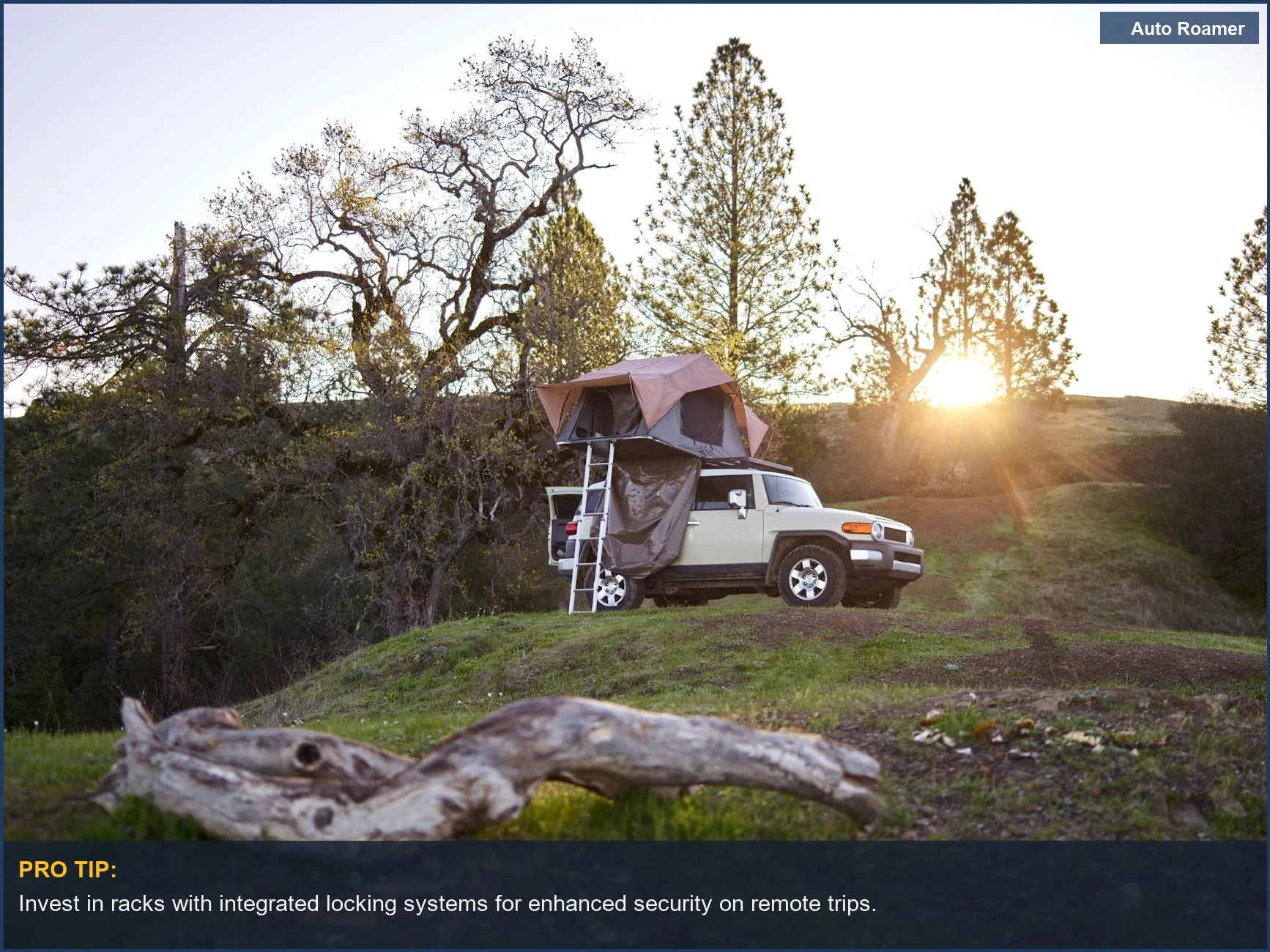
Installing a roof rack isn't rocket science, but ignoring the manufacturer's torque specs is a surefire way to introduce failure modes. Over-tighten a bolt, and you stretch it past its elastic limit, reducing its clamp load. Under-tighten, and you get vibration-induced loosening. Either way, your rack becomes a liability. Road & Track found that ease of setup was a key factor in their testing.
-
Clean Mounting Surfaces: Before you even unbox, wipe down your roof rails or mounting points with isopropyl alcohol. Any grit or grime acts as an abrasive under clamping pressure, leading to paint scratches or uneven load distribution. This isn't cosmetic; it's about minimizing stress risers.
-
Measure Twice, Install Once: Most racks have specific measurements for crossbar spread. Use a tape measure and mark the locations with masking tape. This ensures proper load distribution and prevents the rack from interfering with your sunroof or rear hatch. Texas Diamond Garage mentions the WEIZE Heavy Duty Roof Rack's efficient carrying capacity, which relies on proper setup.
-
Torque Matters: Use a torque wrench. Seriously. Most premium racks come with a specific torque setting for their mounting bolts, often around 3-5 Nm (2.2-3.7 ft-lbs). This ensures the fasteners are loaded correctly without deforming your vehicle's sheet metal or the rack components. Don't eyeball it.
-
Check for Play: After installation, give the entire rack a good shake. There should be minimal lateral or vertical play. If it wiggles, recheck all fasteners. Any movement means friction, and friction means wear, which eventually leads to a loss of clamp load and potential failure.
-
Load Distribution: When loading a cargo box, place heavier items in the center, directly over your crossbars. This minimizes cantilevered loads and reduces the bending moment on the rack. Distribute weight evenly to prevent dynamic instability at speed.
I once saw a guy try to install crossbars with a cordless impact driver. Stripped every bolt on his roof rail. Now he's got a permanent leak and a $600 repair bill for a new roof rail assembly. Don't be that guy.
Care and Maintenance Tips
Care and Maintenance Tips
A roof rack isn't a set-it-and-forget-it accessory. It's constantly exposed to UV radiation, thermal cycling, and road grime, all of which degrade materials over time. Neglect it, and you'll find fasteners seized, plastics brittle, and seals leaking. Your $800 rack can turn into $800 worth of scrap metal pretty quick. Intrepid Camp Gear emphasizes choosing the right rack for your adventures, which implies proper care.
-
Regular Fastener Checks: Every 2,000 miles, or before any major trip, visually inspect all mounting bolts and clamps. The vibration from driving can cause fasteners to back out. Give them a quick re-torque with your wrench. This prevents dynamic loosening and potential detachment.
-
Clean and Lubricate Moving Parts: For cargo boxes, periodically clean the hinges and locking mechanisms. Apply a thin coat of silicone spray or a dry lubricant to ensure smooth operation. Dirt and grit can increase friction, leading to premature wear or binding, especially in the cold.
-
Inspect Seals and Gaskets: Rubber seals on cargo boxes or between crossbars and roof rails can dry out and crack due to UV exposure. Inspect them for signs of degradation. A cracked seal means water ingress, which can damage your gear and rust out internal components. A little silicone grease extends their life.
-
Wash Regularly: Road salt, bug guts, and environmental fallout are corrosive. Wash your rack and cargo box with soap and water, just like your car. Pay attention to crevices where grime can accumulate and accelerate corrosion, especially on steel components.
-
Seasonal Removal (Optional): If you only use your rack occasionally, consider removing it during the off-season. This reduces continuous UV exposure, minimizes wind noise and drag (saving you some gas money), and allows for a more thorough inspection of your roof's paint and mounting points. Plus, why carry the extra 20-50 pounds of dead weight?
I once saw a guy's cargo box fly open on the highway because the plastic latch mechanism had become brittle from UV degradation. Everything inside went airborne. He tried to claim it was a manufacturing defect. No, buddy, that's called material failure due to lack of basic maintenance. Expecting plastic to last forever in direct sunlight is optimism, not engineering.
Final Recommendations
Final Recommendations
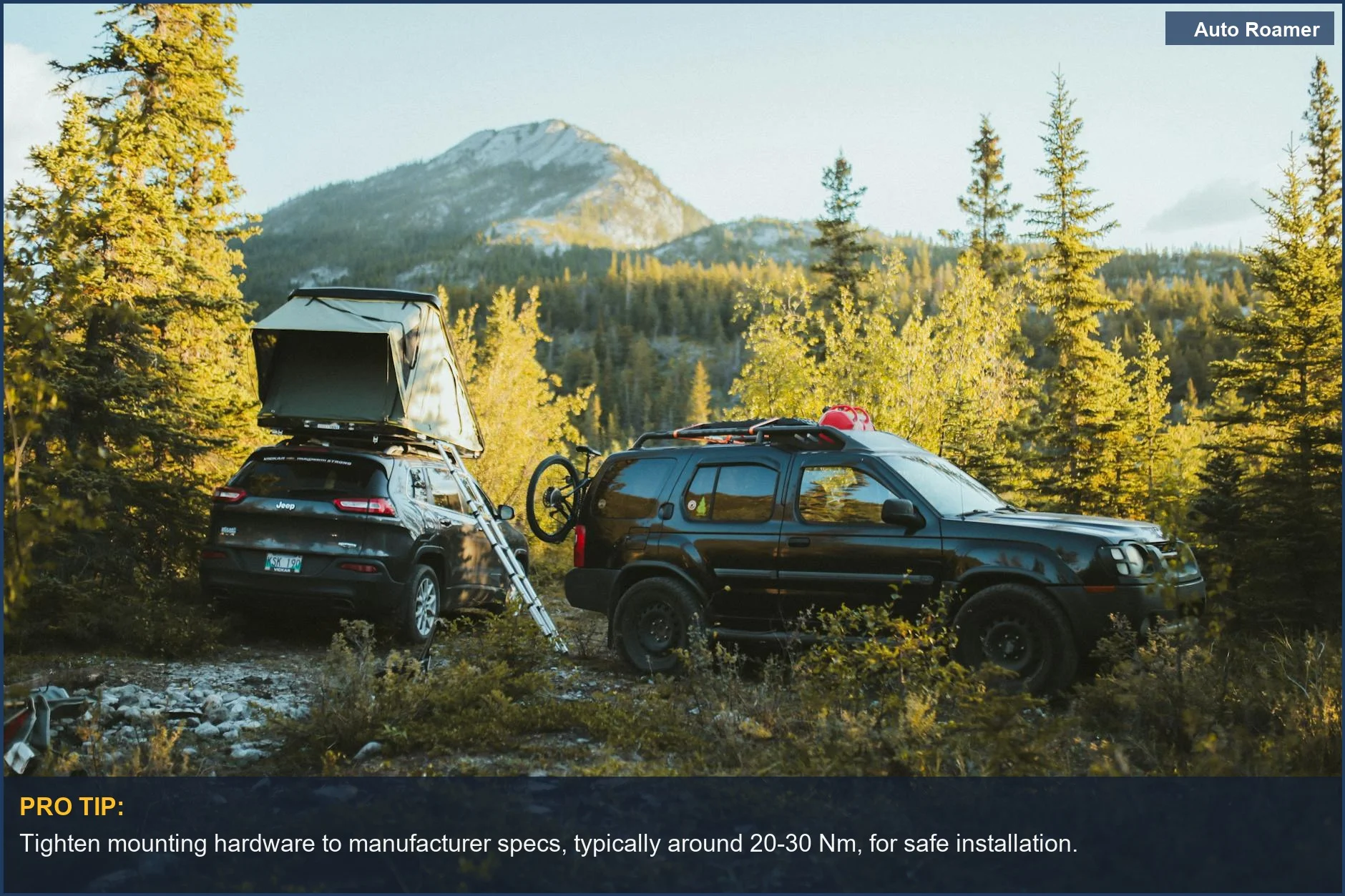
Choosing a roof rack isn't just about hauling gear; it's about understanding the physics of load transfer, material science, and the mechanical stress you're putting on your vehicle. Skimping now means dealing with costly repairs or, worse, a dangerous failure down the road. My rule of thumb: if it looks flimsy, it probably is.
- Prioritize Structural Integrity: Always check the dynamic load rating of both the rack and your vehicle's roof. Never exceed the lower of the two. This is non-negotiable for safety and preventing vehicle damage.
- Invest in Quality Mounting: Look for racks with robust, well-engineered clamping systems. Precision-fit components reduce vibration and distribute stress more evenly, protecting your vehicle's paint and sheet metal.
- Consider Aerodynamics: Flat crossbars are cheap but will cost you in fuel economy and ear-splitting wind noise. Aerodynamic profiles pay for themselves over time, especially on long trips.
- Don't Neglect Maintenance: Regular fastener checks, cleaning, and lubrication are critical. These racks live a hard life on your roof. Give them a little attention, and they'll serve you for years.
- Hard Shell vs. Soft Bag: If you're a frequent adventurer, a hard-shell box like the Thule Force 3 or Yakima SkyBox NX is worth the investment for its durability and weather protection. For occasional use, a quality soft bag is acceptable, but understand its limitations in terms of security and long-term resilience. This YouTube video can help you choose the best car roof rack.
You wouldn't trust your engine to cheap parts, so don't trust your gear to a cheap roof rack. The consequences of failure are too high. Buy once, cry once, and hit the road knowing your stuff isn't going to become shrapnel on the highway.