Setting the Scene
My first roof rack was a $150 experiment for my old Subaru Outback. It was a cheap, no-name basket that promised to hold a kayak and a weekend's worth of gear. What it actually held was a lot of anxiety and a very wobbly feeling on the highway. I learned real quick that the pretty pictures on Amazon don't tell the whole story about how much weight your SUV's roof can actually handle.
It's not just about the rack; it's about the whole system, and frankly, most people don't know the difference between a dynamic and a static load. Safe Travel taught me that. Knowing the numbers saves you from a potentially disastrous drive.
The Core Answer
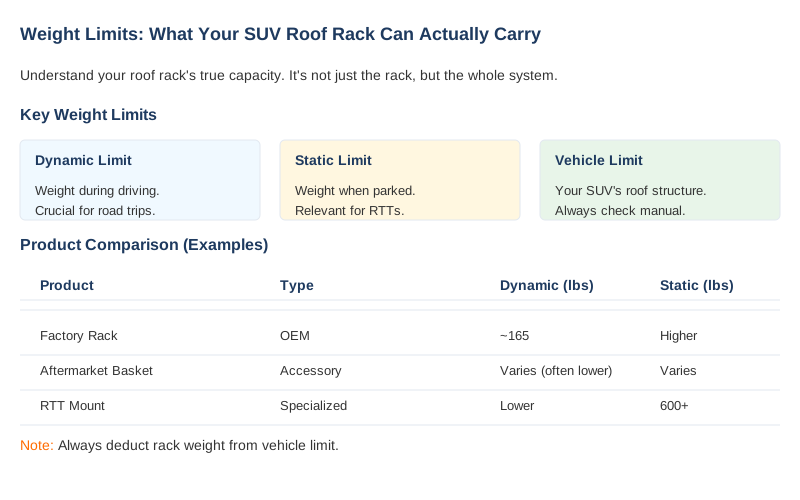
The honest version is there are two numbers you need to care about for your roof rack: dynamic and static weight limits. Think of dynamic as the weight your rack can handle while you're actually driving down the road. This is the crucial one for road trips. Most factory roof racks on SUVs are rated for around 165 pounds dynamic Source Name. This includes the weight of the rack itself, any crossbars, mounting hardware, and all your precious cargo.
So, if your rack weighs 30 pounds and your vehicle's limit is 165 pounds, you've only got 135 pounds left for your gear. That's not a lot for camping stuff.
Static weight is when your vehicle is parked. This number is always higher because you're not dealing with wind resistance, bumps, or braking forces. This is more relevant if you're planning to put a rooftop tent on your rig. Many racks can handle 600 pounds or more static Source Name.
But again, your vehicle's roof structure itself has a limit, and you can usually find that in your owner's manual under "Load Carrying" or "Roof Load Rating" Source Name.
My first camping trip, I loaded up a massive cargo box that probably weighed 50 pounds, plus my tent, sleeping bags, and a cooler. I didn't even consider the rack's dynamic limit. Driving on the highway felt like I was piloting a boat. Every little bump made me nervous. The real move is to know your vehicle's rating and subtract the weight of your rack system first. Then, be realistic about what you're packing.
A $150 basket from Amazon might say it holds 500 pounds, but that's likely static. The dynamic number is way less, and that's the game-time number Source Name.
Don't just look at the rack manufacturer's specs; the weakest link in the chain is what matters. If your vehicle's roof is rated for 165 pounds dynamic, and your fancy new rack is rated for 300 pounds dynamic, you're still only good for 165 pounds total. And remember, that includes the weight of the rack itself. So, a 40-pound rack on a 165-pound limit means you only have 125 pounds for all your gear.
That's barely enough for a decent cooler and a tent. It's a rookie mistake to think the rack's advertised number is your cargo limit. Source Name is clear on this.
Why This Matters for Your Setup
This isn't just about fitting more stuff; it's about safety and not wrecking your car. When I was learning, I thought the bigger the rack, the better. I crammed my old CR-V's roof with a giant cargo box and a couple of bikes, probably pushing 200 pounds. On the highway, my steering felt loose, and I swear I could feel the car lean more in corners. It was terrifying.
Source Name shows you can't just throw whatever you like on top.
- Handling: Exceeding your dynamic weight limit is like trying to steer a boat. Your car's center of gravity goes way up, making it unstable, especially in turns or sudden maneuvers. I once almost lost it on a windy stretch of I-80 because my overloaded roof rack was catching the wind like a sail. It was a $50 lesson in physics and humility.
- Suspension and Frame Damage: Constantly overloading your roof rack puts a ton of stress on your vehicle's suspension and even the frame over time. I've seen friends' roof rails start to pull away from the car's body because they were always hauling too much. It's not worth the thousands in repairs to save a few bucks on shipping gear. Source Name warns about damage.
- Fuel Economy: More weight on top means your engine has to work harder. You'll see a noticeable drop in your miles per gallon. On a long road trip, that extra weight can add up to a significant cost at the pump. I track my MPG religiously, and my roof box always adds at least 2-3 MPG to my consumption.
- Noise and Aerodynamics: A poorly loaded or overloaded rack can create a lot of wind noise, making your drive miserable. It can also affect your car's aerodynamics, further reducing fuel efficiency. My cheap basket whistled like a banshee at anything over 50 mph.

Making the Right Choice
The honest version? Most people overestimate what their roof rack can actually carry. You need to know your vehicle's dynamic weight limit and subtract the weight of your rack system itself. Then, be brutally honest about how much gear you really need. My second car camping trip involved half the gear and was twice as comfortable because I didn't have a swaying, overloaded roof.
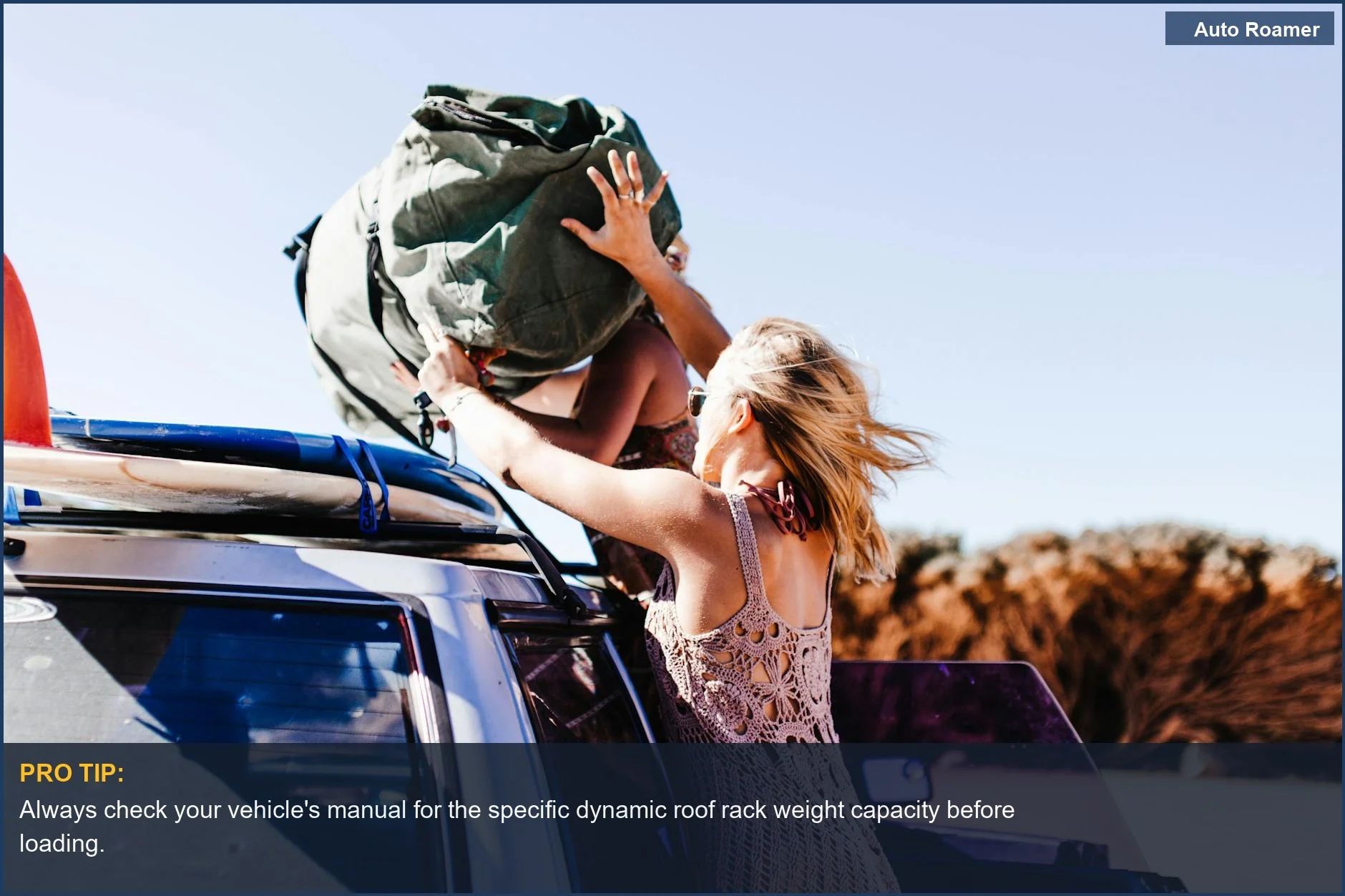
- Check Your Manual: This is non-negotiable. Your owner's manual is your best friend for finding your vehicle's specific roof load rating Source Name. Don't guess.
- Weigh Your Rack System: Seriously, put your rack, crossbars, and any mounts on a scale. This weight needs to come off your vehicle's total limit. It's a small step that makes a big difference.
- Pack Smart: Think about what you can leave behind. Do you really need that third camp chair? Can you pack lighter sleeping bags? My $50 version of a camping setup is much lighter than the $500 version.
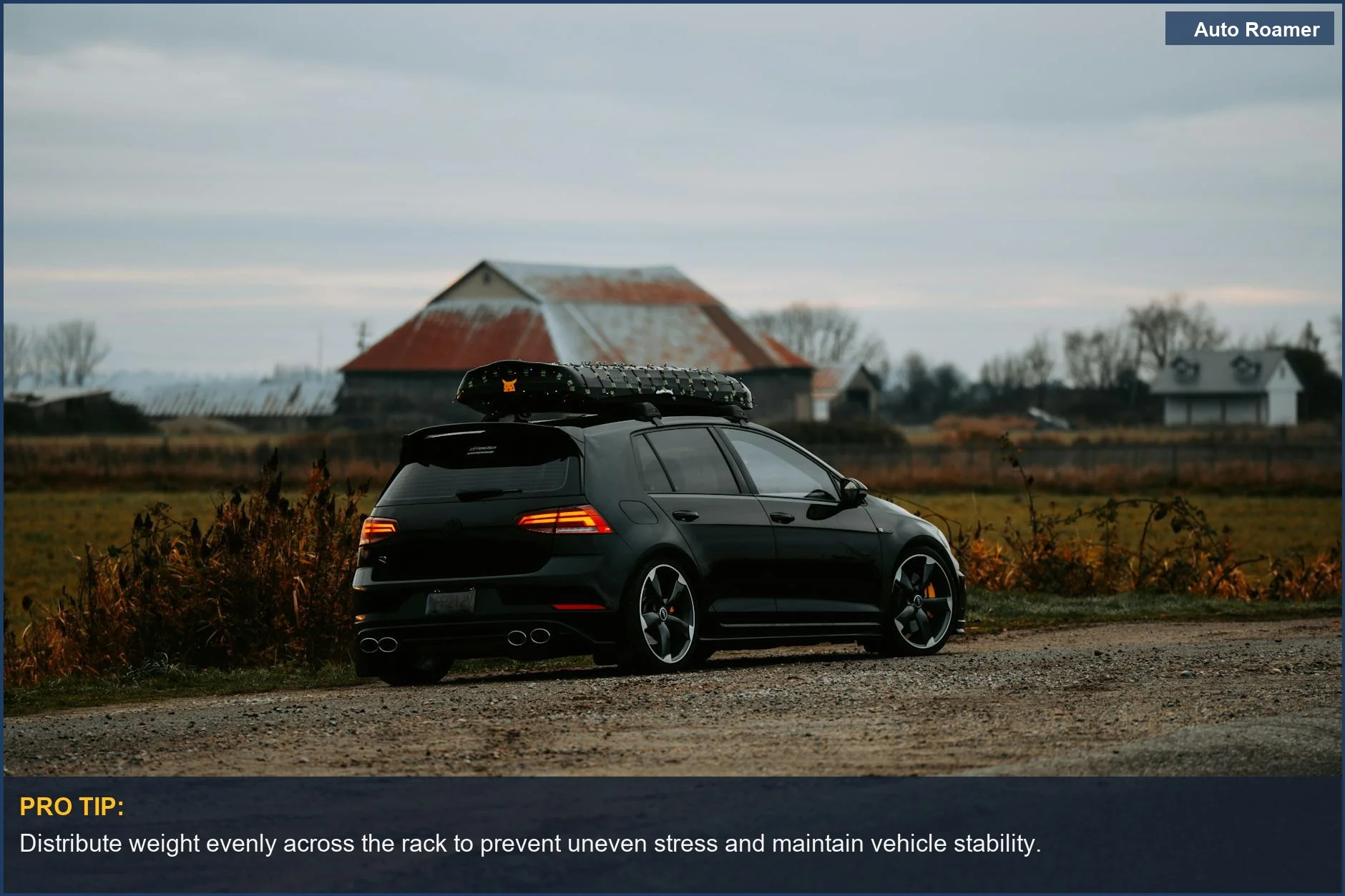
- Distribute Weight: If you do load up, spread the weight as evenly as possible across the rack and crossbars. Don't pile everything in one corner. This helps maintain balance and reduces stress on any single point Source Name. My first overloaded trip had all the heavy stuff piled in the back, making my steering feel like a boat.