
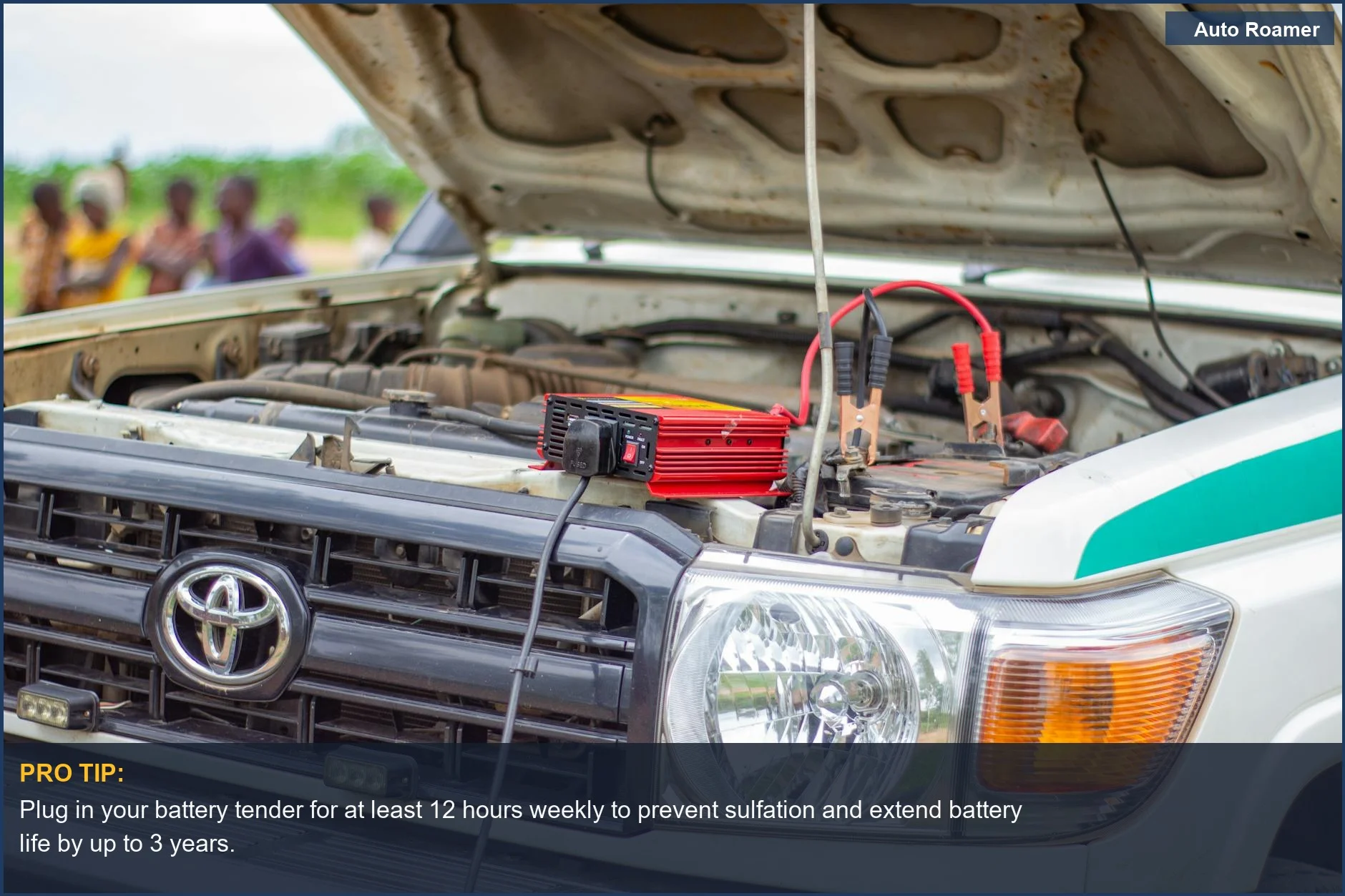
What You Need to Know
A dead battery is the automotive equivalent of showing up to a campsite with no tent. It's a rookie mistake that leaves you stranded, shivering in the cold, or worse, stuck at the trailhead. Understanding what keeps your car's power source happy is key. A battery tender, sometimes called a smart charger, is your secret weapon against that dreaded click-click-click of a dying battery. It's not rocket science, but it's also not just plugging anything into the wall.
Choosing the right one means looking at a few key things, like your battery's voltage and how often you actually drive the thing. Get it wrong, and you're just wasting electricity, or worse, potentially damaging your battery. Battery Tender has a whole line of these things, and figuring out which one is for you can feel like deciphering a treasure map. But it's worth the few minutes of thought.
A car left sitting for three months without a tender can need a battery replacement costing around $200. That's a lot of camping gear.
The Core Answer
Okay, so you need to keep your car battery topped off, especially if it sits for more than a week. This isn't about giving it a massive jolt; it's about gentle, consistent maintenance. Think of it like topping off your water bottle on a long hike, not chugging the whole thing at once. The real move is to get a battery tender that matches your car's battery voltage.
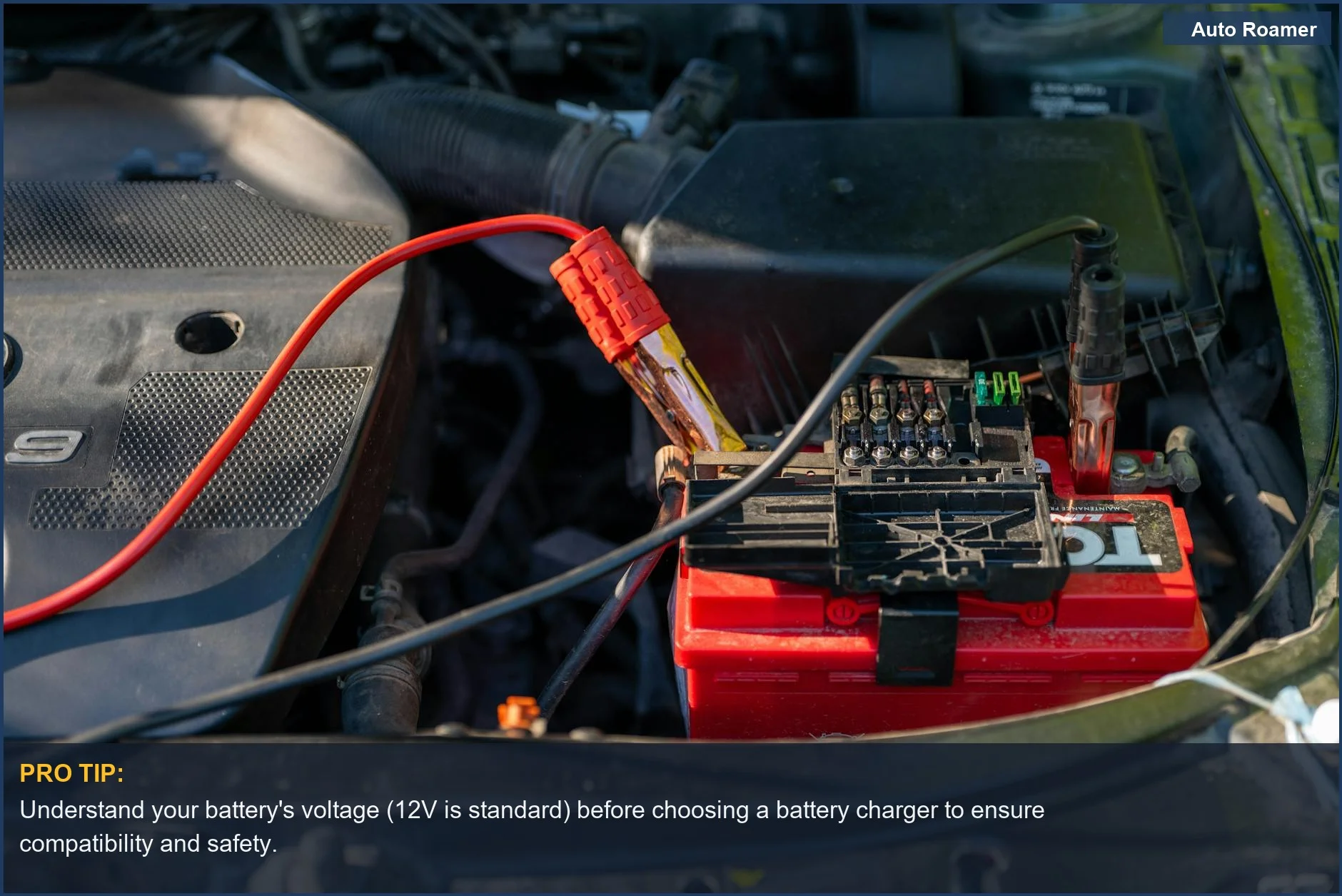
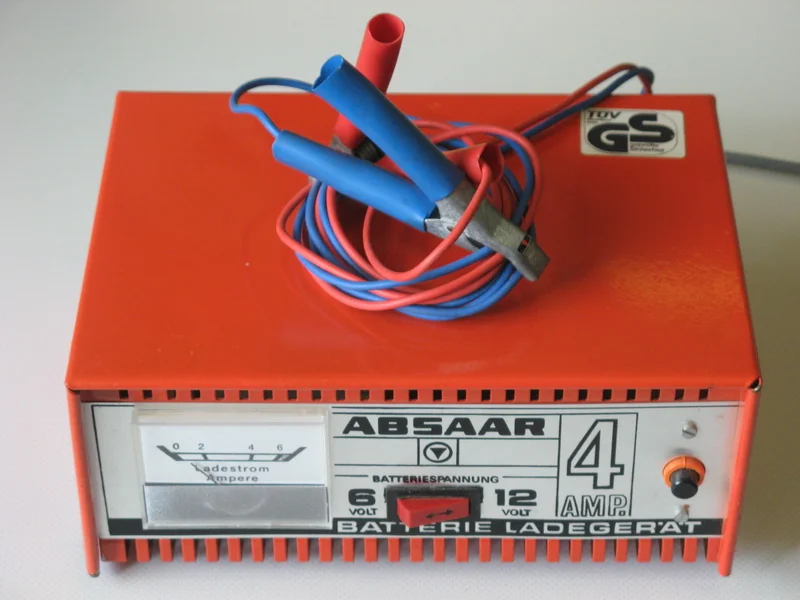
Most cars are 12-volt, but some older ones or specialized vehicles might use 6-volt. You can usually find this stamped right on the battery itself, or check your owner's manual. Car and Driver points out this is critical.
Next up is the amperage, or how much juice it puts out.
For a standard car battery that you drive regularly but maybe not every single day, a tender with 1.25 to 2 amps is usually plenty. This is the $50 version, the workhorse that'll keep things humming without going overboard. Anything much higher might be overkill and could potentially stress an older battery, though most modern tenders are 'smart' and adjust.
Motor by Motor suggests this range.
If you have a vehicle that sits for months on end - think classic cars, motorcycles, or ATVs you only pull out in the summer - you might want something a bit smaller, like a 750mA (milliamp) model, or what they call a 'Junior' version. These are designed for batteries with lower capacities and less frequent use.
Leave a dirt bike in the garage for a whole winter with no tender and the battery can be completely dead by spring, often a $150 replacement. Battery Tender has these smaller options.
What about those big trucks or SUVs?
For those beasts, especially if they have lots of electronics drawing power even when off, you might look at something in the 2A to 4A range. This gives you a bit more oomph to keep that larger battery happy. One Reddit user complained that a big diesel truck's battery died in a blizzard because a 'little' tender wasn't cutting it.
Reddit is full of these horror stories.
Crucially, you need to know your battery type. Most cars use lead-acid or AGM (Absorbent Glass Mat) batteries. These are the standard. If you have a more modern, high-performance car, or perhaps a newer motorcycle, you might have a lithium battery.
These require a specific charger designed for lithium; trying to use a standard lead-acid tender on a lithium battery is a recipe for disaster, potentially leading to fire. Always check your battery's label or your car's manual. Facebook has videos about this.
The 'smart' part of these tenders is what makes them different from old-school trickle chargers.
A smart charger will charge the battery up to about 80%, then slow down to gently top it off to 100%, and then switch to a 'float' or maintenance mode. This means it only sends power when the battery's voltage drops slightly, preventing overcharging and sulfation. Sulfation is when those lead plates get coated in gunk, making your battery useless.
Motor by Motor explains this well.
So, the honest version: you need a tender that outputs the correct voltage (usually 12V), has an amperage appropriate for your vehicle's typical use and battery size (1.25A-2A for daily drivers, maybe higher for trucks, smaller for seasonal toys), and is compatible with your battery chemistry (lead-acid, AGM, or lithium). Don't just grab the cheapest one you see; that's a rookie mistake.
A decent one will cost you around $30-$60, and it's worth every penny to avoid a dead battery when you least expect it. Plenty of people end up spending $200 on a tow because they didn't want to spend $40 on a tender.
The Bottom Line
Look, nobody wants to deal with a dead car battery. It's inconvenient, it's expensive, and it can ruin your plans, whether that's heading to work or hitting the road for a weekend adventure. A battery tender isn't just another gadget; it's a preventative measure that costs less than a single tow truck call. For a car driven only a couple of times a week, a 1.25A tender is a good match.
It keeps the battery healthy without overworking it. YouTube has tons of videos showing how simple they are to hook up.
Think about the cost of a new battery - anywhere from $100 to $300, depending on the car. A good battery tender is usually in the $30 to $70 range. That's a no-brainer for protecting your investment. This lesson tends to land after a car battery dies in the driveway in January.
That can mean a tow call, a two-hour wait, and a new battery the next day. The real move is to get the right tender and plug it in whenever the car is sitting for more than a week. Facebook shows how easy it is to connect.
So, before you find yourself staring at a silent dashboard, take five minutes to check your battery voltage and type.
Then, grab a tender that matches. It's the simplest, most effective way to ensure your car is ready when you are. Your wallet, and your future self, will thank you. It's the kind of cheap insurance that actually works.