
Best Battery Tender for Car Battery Maintenance
The dealer wanted $300 to replace a dead battery on my buddy's weekend cruiser. That's a 100% markup on a $150 lead-acid, plus 0.8 hours labor for a 15-minute job. The real problem? He let the parasitic draw kill it over three months of sitting.
The dealer wanted $300 to replace a dead battery on my buddy's weekend cruiser. That's a 100% markup on a $150 lead-acid, plus 0.8 hours labor for a 15-minute job. The real problem? He let the parasitic draw kill it over three months of sitting. No amount of charging brings back a cell that's been run to zero volts. The internal resistance spikes, and your CCA rating drops to nothing.
Road & Track experts agree, a dead battery is predictable if you don't maintain it. This isn't just about convenience; it's about extending the life of an expensive component and avoiding unnecessary repair bills. A quality battery tender, also known as a battery maintainer or smart charger, is an essential tool for anyone with a vehicle that sits for extended periods – whether it's a classic car, an RV, a motorcycle, or even a daily driver during a long vacation.
Think of it this way: a typical car battery, even a relatively new one, loses a small amount of charge every day due to internal discharge and the vehicle's parasitic draws. Modern cars, with their complex electronics, alarms, and keyless entry systems, have significantly higher parasitic draws than older models. Over weeks or months, this slow drain can push the battery voltage below the critical threshold, leading to sulfation – a process where lead sulfate crystals build up on the battery plates, reducing its capacity to hold a charge. Once a cell is truly dead, meaning it's been discharged to zero volts, the damage is often irreversible. The battery's internal resistance skyrockets, and its Cold Cranking Amps (CCA) rating, which indicates its ability to start an engine in cold weather, plummets to nothing. This is precisely what happened to my buddy's cruiser.
A good battery tender prevents this by providing a continuous, low-amperage charge that keeps the battery topped off without overcharging it. Most modern tenders utilize multi-stage charging programs that analyze the battery's condition, then cycle through bulk, absorption, and float stages. The float stage is key for long-term maintenance, delivering just enough current to counteract self-discharge and parasitic draws, typically maintaining the battery at around 13.2 to 13.6 volts. This prevents sulfation and ensures the battery is always ready to deliver its full CCA when you need it.
For example, a unit like the NOCO Genius5 (a common recommendation in expert reviews) offers 5 amps of charging power and is suitable for 6V and 12V lead-acid and lithium batteries. It features a built-in thermal sensor to detect the ambient temperature and alter the charge to prevent over-charging in hot climates and under-charging in cold climates. This level of sophistication is what differentiates a true battery tender from a basic trickle charger, which can sometimes overcharge and damage a battery if left connected indefinitely. Investing in a reliable battery tender, often costing between $50 and $100, is a small price to pay to avoid a $300 dealer bill and the frustration of a dead battery.
⭐ Quick Picks
Top Picks
Finding a reliable battery maintainer isn't rocket science, but there's plenty of garbage out there. You need something that won't cook your battery or die after two thermal cycles. Here are a few that actually hold up.
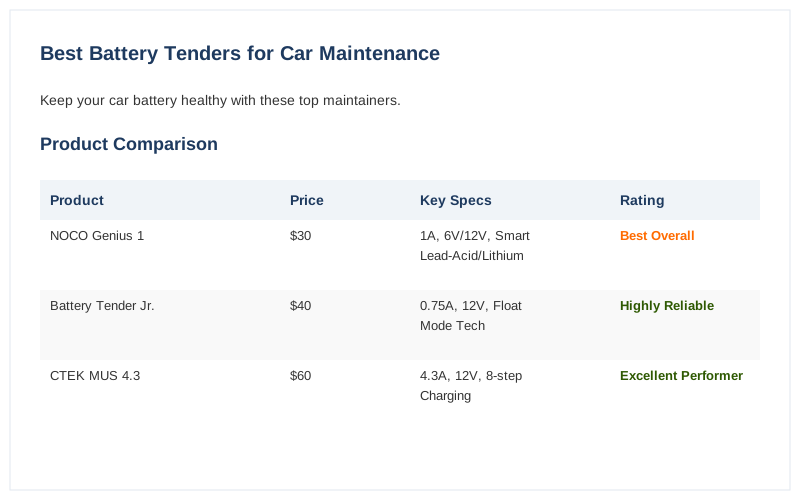
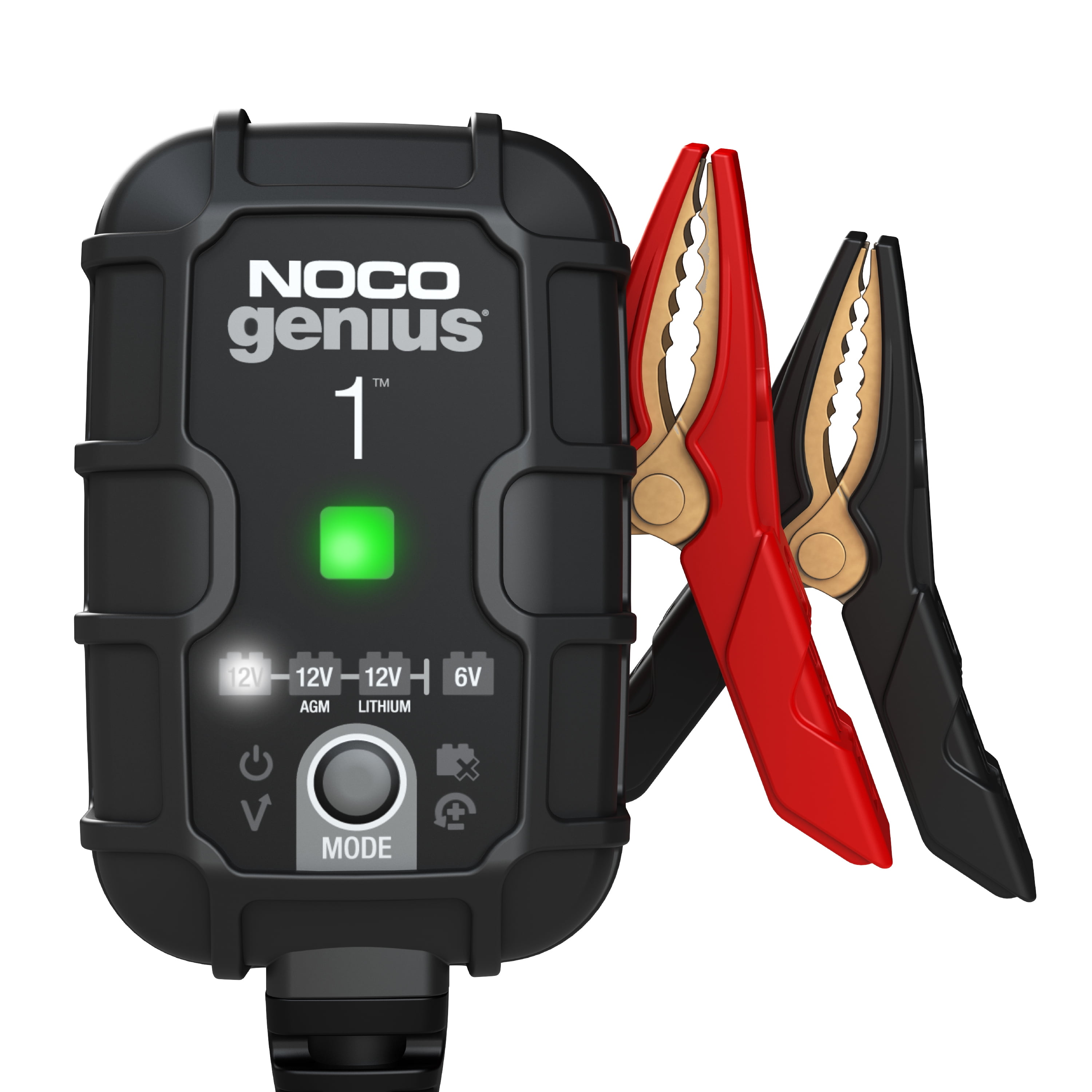
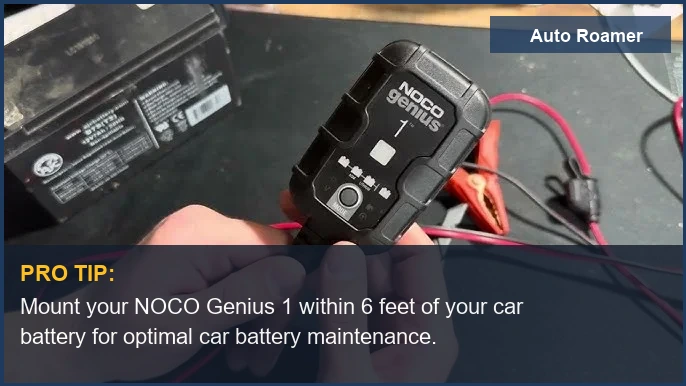
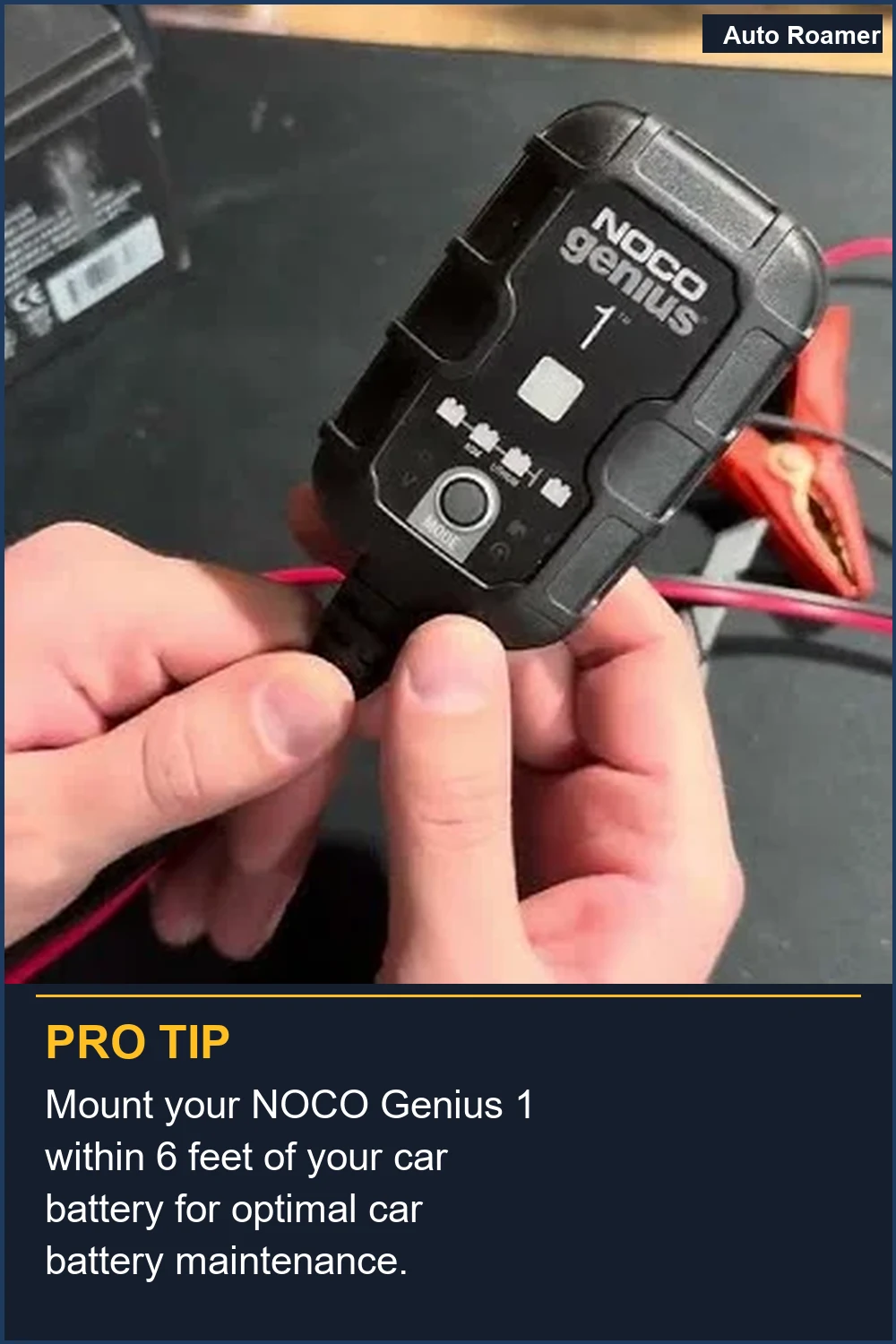
- NOCO Genius 1 (~$30)
Capacity/Key Specs: 1A, 6V/12V, smart charging for lead-acid and lithium batteries. Car and Driver rated this as Best Overall.
Pros: Compact, idiot-proof, handles multiple battery types. Great for motorcycles or lawnmowers.
Cons: Only 1A, so it's a maintainer, not a charger for a truly dead battery. Takes forever to bring a car battery from 50% SOC.
Best-for: Long-term storage for small vehicle batteries or daily maintenance on a car that sits a lot. - Battery Tender Junior (750mA) (~$40)
Capacity/Key Specs: 0.75A, 12V, float mode technology. The Drive praises its reliability.
Pros: Simple, reliable, proven design. Perfect for seasonal equipment. Battery Tender themselves state it's ideal for 6-20Ah batteries.
Cons: Only for 12V lead-acid. Low amperage means it's strictly a maintainer, not a charger.
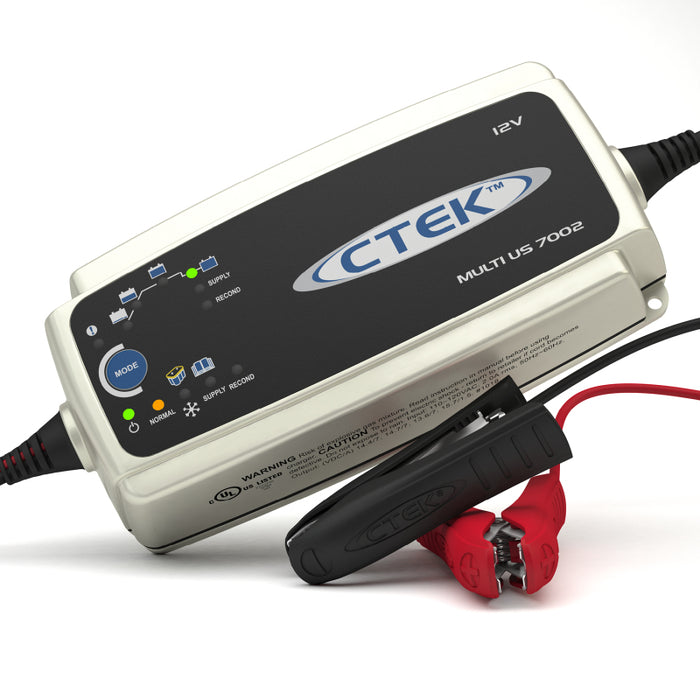
Best-for: Motorcycles, ATVs, jet skis, or that classic car in the back of the garage. - CTEK Multi US 7002 (~$120)
Capacity/Key Specs: 7A, 12V, 8-step charging, reconditioning mode. Automoblog lists CTEK among the best.
Pros: Versatile, can recondition sulfated batteries, good for larger car batteries. More amp output means it can actually charge a drained battery.
Cons: Pricey for a single-voltage unit. The reconditioning mode takes time and isn't a miracle cure for truly dead cells.
Best-for: Daily driver maintenance, or bringing slightly neglected car batteries back from the brink of sulfation. - Schumacher SC1280 (~$70)
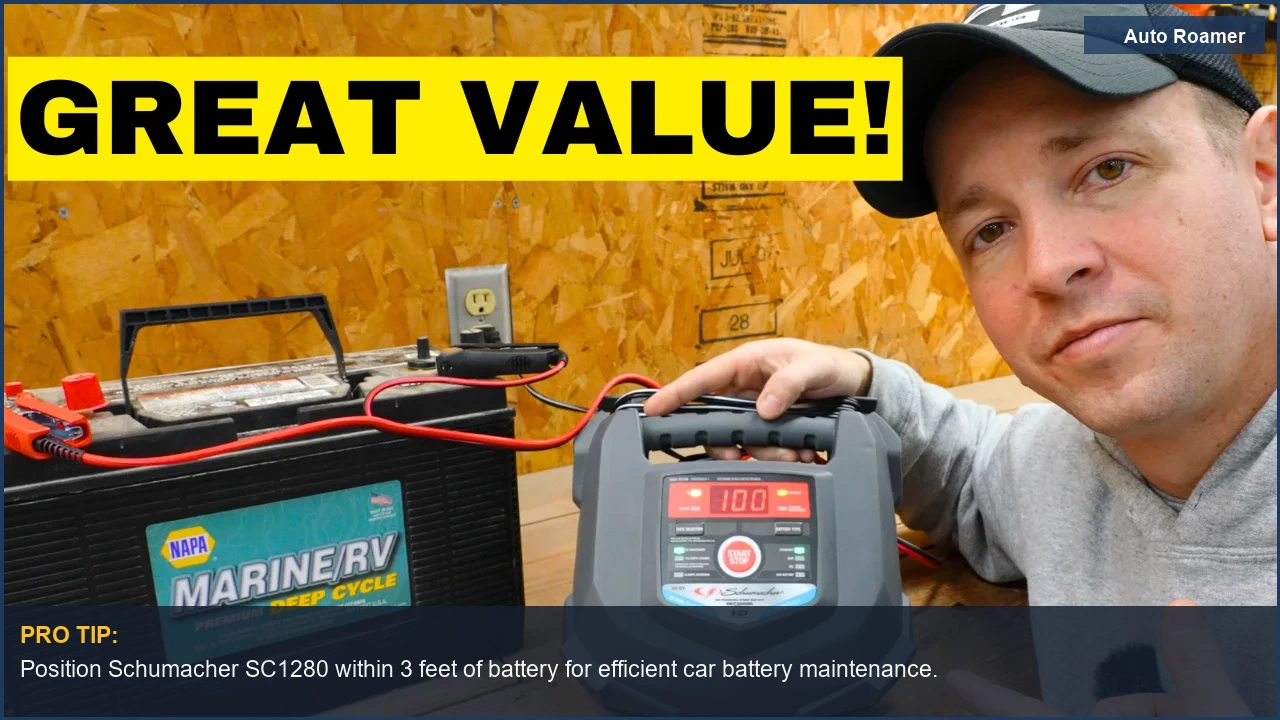
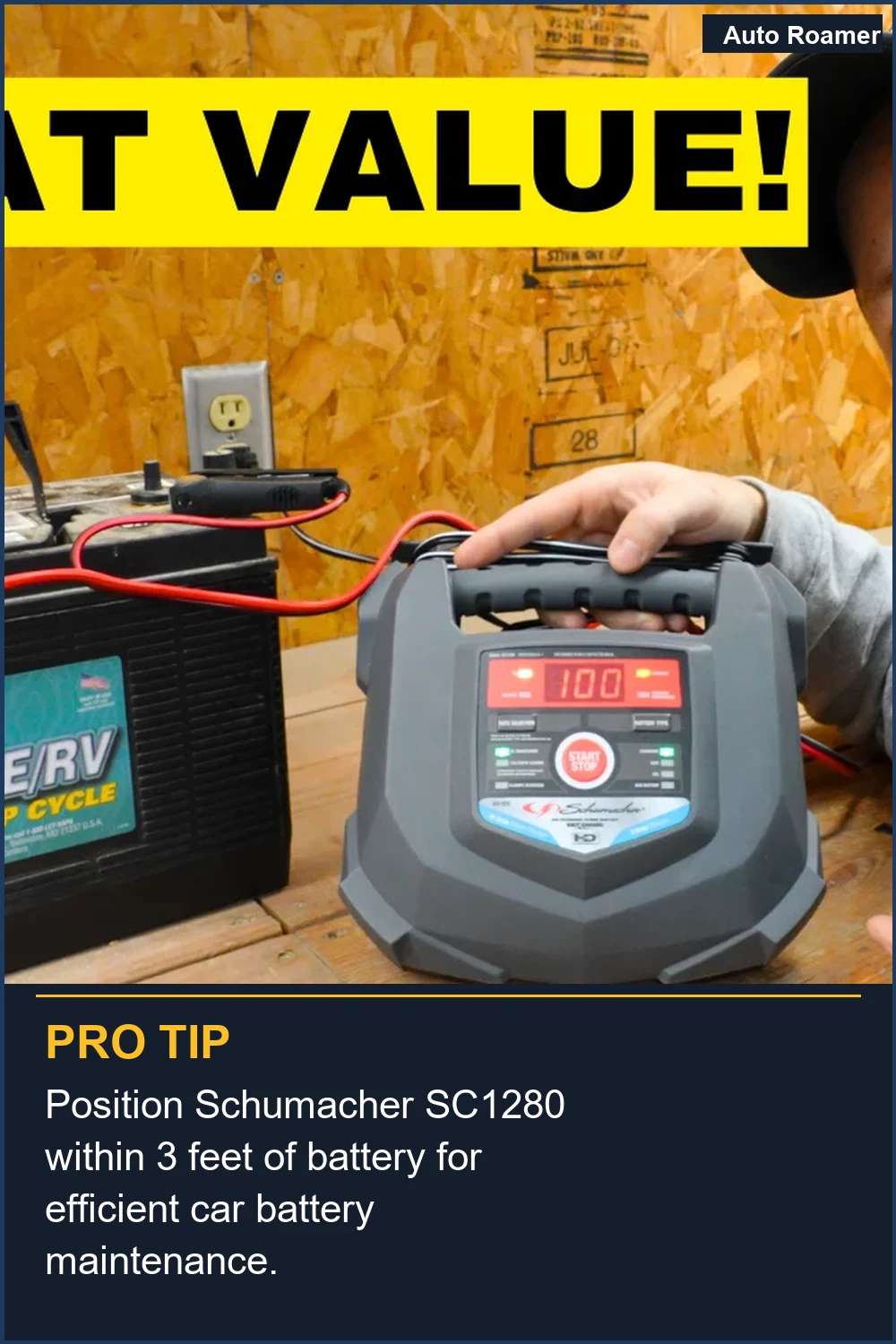
Capacity/Key Specs: 30A fast charge, 6A maintain, 6V/12V, engine start. Car and Driver notes this as the Fastest Charging option.
Pros: High amp output for quick charging and even jump-starting. Multi-voltage capable. Good for shop use.
Cons: Bulkier than dedicated maintainers. The higher amperage can be overkill for just maintenance and might stress smaller batteries if not used carefully.
Best-for: Garages with multiple vehicles, or when you need a charger that can also maintain. - TOPDON Tornado 30000 (~$180)
Capacity/Key Specs: 30A, 6V/12V, 9-step smart charging. ADAS Depot suggests this for general ADAS calibrations.
Pros: High amperage for serious charging, advanced safety features. Good for modern vehicles with heavy electrical loads.
Cons: Expensive for home use. Probably overkill if you just need to keep a basic car battery topped off.
Best-for: Professional shops, or anyone with high-demand vehicles and a need for quick turnaround. - DieHard 15-Amp 6-Volt/12-Volt Automotive Battery Charger and Maintainer (DH0162) (~$90)
Capacity/Key Specs: 15A, 6V/12V, engine start, LCD display. Road & Track praises this DieHard unit.
Pros: Good balance of charging power and maintenance features. Versatile for different battery types and voltages.
Cons: Not as compact as lower-amp maintainers. The LCD is nice, but more points of failure.
Best-for: All-around garage use, especially if you have both 6V and 12V vehicles.
View on Amazon — NOCO Genius 1
View on Amazon — Battery Tender Junior (750mA)
View on Amazon — CTEK Multi US 7002
View on Amazon — Schumacher SC1280
View on Amazon — TOPDON Tornado 30000
View on Amazon — DieHard 15-Amp 6-Volt/12-Volt Automotive Battery Charger and Maintainer (DH0162)
Quick Verdict
Look, a dead battery is a failure of basic electrical maintenance. It's not some cosmic event. Your battery is a chemical reaction in a box, and leaving it to discharge past 12.4V for extended periods allows lead sulfate crystals to harden on the plates. That's sulfation, and it chokes the cell's ability to accept a charge. It's a physical change, not a temporary drain. Battery Tender's blog emphasizes proper charging to prevent this.
A battery maintainer keeps the open-circuit voltage above that critical threshold, preventing the formation of those stubborn lead sulfate crystals. It's a low-amperage, smart charger that cycles between charging and monitoring, ensuring the electrochemical process stays healthy. Think of it as life support for your battery's internal chemistry.
- For the weekend warrior or garage queen: You need a simple, reliable maintainer like the NOCO Genius 1 (~$30) or the Battery Tender Junior (750mA) (~$40). They're cheap insurance against a dead cell.
- For the daily driver with occasional downtime: Something with a bit more punch, like the CTEK Multi US 7002 (~$120). Its reconditioning mode might save a slightly neglected battery.
- For the professional or multi-vehicle household: A higher-amperage unit like the Schumacher SC1280 (~$70) or the TOPDON Tornado 30000 (~$180) offers versatility for charging, maintaining, and even jump-starting. The Drive notes the sheer volume of options, so pick what fits your use case.
Don't let a $40 part turn into a $300 dealer bill. It's a simple calculation of cost-per-fix. Preventative maintenance always wins.
View on Amazon — NOCO Genius 1
View on Amazon — Battery Tender Junior (750mA)
View on Amazon — CTEK Multi US 7002
Frequently Asked Questions
Can I really fix a sulfated battery with a 'recondition' mode, or is that just marketing fluff from the dealer?
Do I need a fancy multimeter to check for parasitic draw, or can I just eyeball it?
What if I connect the battery maintainer and the battery still dies after a week?
Can constantly charging my car battery with a maintainer damage it in the long run?
My buddy told me to just disconnect the negative terminal if I'm storing the car. Is that good enough?
🏅 Looking for Gear Recommendations?
Check out our tested gear guides for products that work with this setup:
Sources
- Best Car Battery Chargers (2026) - Automoblog
- best-battery-maintainer?srsltid=AfmBOorTcGRX6fYgOTF55L3k5q7vywqf7OPAEOyqep39Th33nkPIv
- Tested: The Best Car Battery Chargers and Maintainers
- Best Car Battery Chargers & Maintainers of 2026, Tested by Experts
- keeping-your-power-alive-a-guide-to-battery-tender-chargers-and-battery-health?srsltid=AfmBOorzQG01xTYyqN0NnbOoQr9S5EToO6Gl81sabwr5ZmQ_DzBNkVk
- Best car battery chargers and maintainers of 2026, tested. See link ...
- Battery Tender Junior 800 Review: The Best Battery Maintainer for ...