
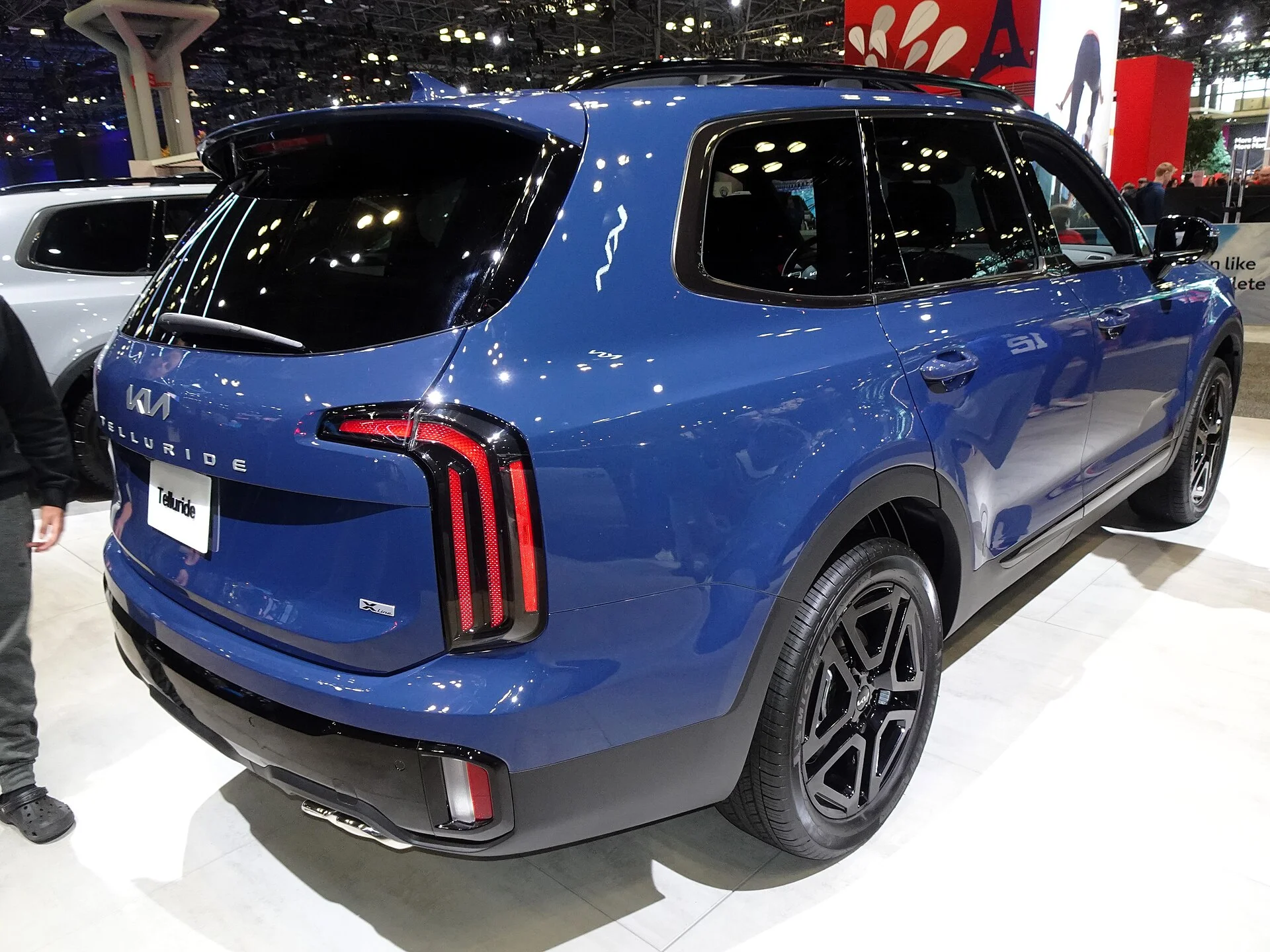
The Short Answer: Yes, With a Loading Budget to Respect
A cargo box fits a Kia Telluride, and the roof length is genuinely on your side. The install detail most people skip is not whether the box fits, but how much you can safely load into it. The Telluride owner's manual lists a roof load limit of 220 lbs, but the factory crossbars are rated to only 165 lbs, and that 165 lb figure has to cover the crossbars, the empty box, and its contents combined.
That is the whole job in one sentence. A large box like a Thule Motion XT L measures 77 by 36 by 17 inches, holds 16 cubic feet, and weighs 42 lbs empty. Before you pack a single duffel, that empty box has already spent 42 of your 165 lbs.
So yes, the box fits, and it mounts to the factory bars without drama. The rest of this guide walks the loading math, the crossbar spread and clearance an installer actually checks, and the trim differences that decide which mount you buy. Get the budget right and the box is a clean, lasting setup.
220 lb Roof, 165 lb Bars: Which Number Governs
Start where every clean install starts, with the real limit rather than the headline. The Telluride's manual states a 220 lb dynamic roof load limit, evenly distributed. That is the roof structure's rating while the vehicle is moving. It is not, however, the number your box hangs from.
The load passes through the crossbars, and Kia's factory crossbars, which mount to the side rails, are rated to 165 lbs evenly distributed. Because the box and everything in it bear on those bars, the box-plus-contents ceiling on OEM bars is 165 lbs even though the roof structure is rated 220 lbs dynamic. You never get to use capacity the bars are not rated for.
The practical loading rule follows directly: keep the box plus its contents at or under 165 lbs on factory bars, which stays well under the 220 lb structural limit with margin to spare. If you want to safely approach the full 220 lbs, that takes aftermarket bars rated at or above 165 lbs. For most owners, the factory bars and the 165 lb rule are the setup, so that is the number to install around.
The Box Itself: Size and Empty Weight
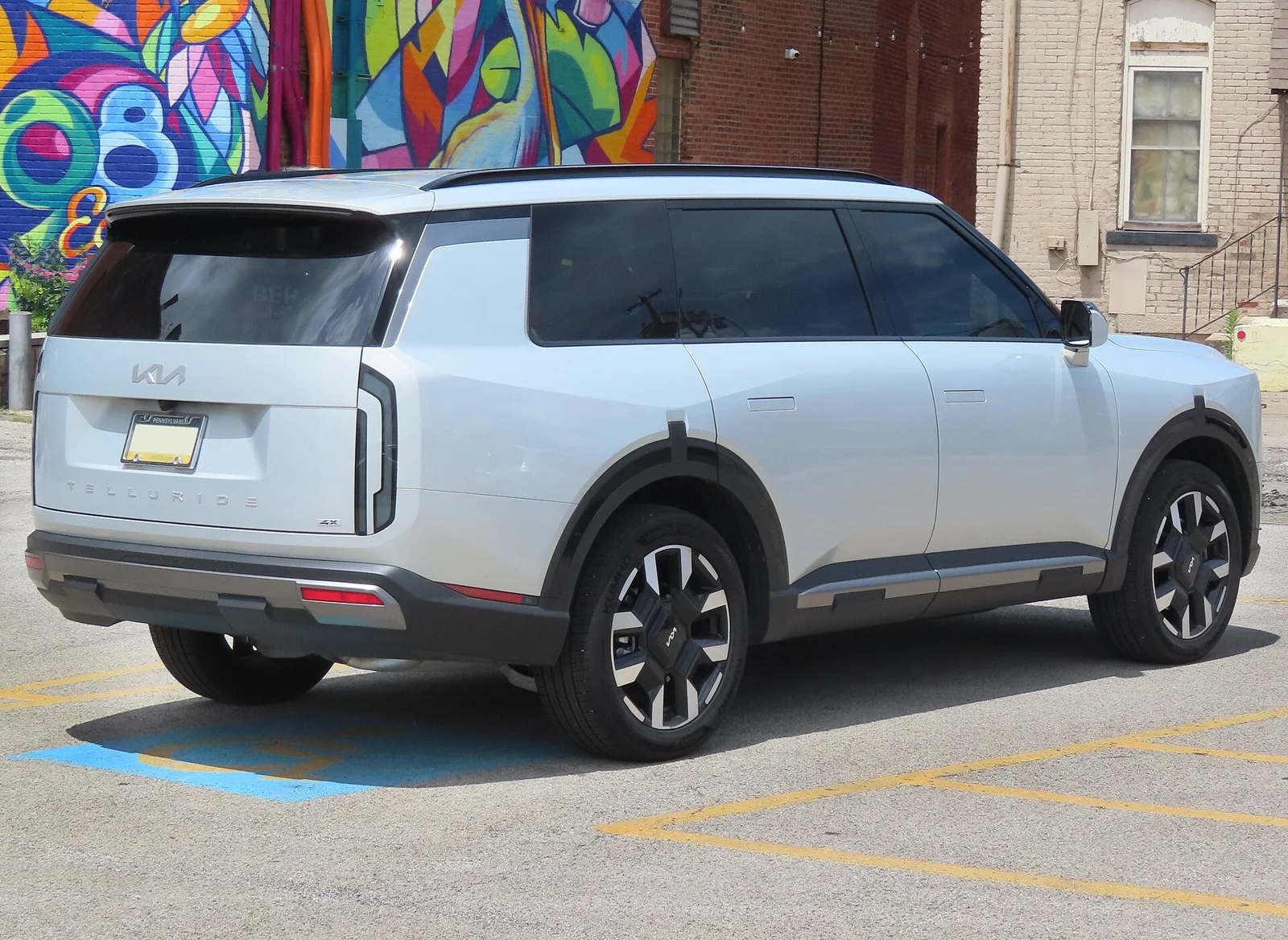
Before the math, know what you are bolting up there. A Thule Motion XT L cargo box has external dimensions of 77 by 36 by 17 inches, 16 cubic feet of volume, a 165 lb load capacity, and weighs 42 lbs empty. Step up to the Motion XT XL and you get 84.5 by 36 by 17 inches, 18 cubic feet, the same 165 lb load capacity, and 46 lbs empty.
Two of those numbers drive the install. The external length, 77 or 84.5 inches, decides whether the box clears the windshield and rear glass, which on the Telluride's long roof it comfortably does. The empty weight, 42 or 46 lbs, is the part of your 165 lb bar budget that is spent before you pack anything.
Note the box's own 165 lb load capacity is a coincidence worth understanding: that is what the box structure can hold, not what your roof can carry. On factory Telluride bars, the roof budget is the binding number, not the box's own rating. An honest note on sourcing: the Motion XT L and XL are discontinued, superseded by the Motion 3, so confirm current dimensions if you buy new, as sizes may differ slightly.
The Loading Math That Trips People Up
This is the calculation that separates a safe setup from an overloaded one. On factory bars rated 165 lbs, subtract the empty box and the carrier hardware first. A 42 lb Motion XT L box, plus the carrier, leaves roughly 115 lbs of usable gear budget on the OEM bars. That is your real capacity for clothes, camping kit, and duffels.
People miss this because they read the box's 16-cubic-foot volume and pack to fill it. Sixteen cubic feet of dense gear can weigh far more than 115 lbs, so the box will happily hold more than the bars should carry. Volume is not the limit; the 165 lb bar rating minus the box weight is.
If you run the numbers against the roof structure instead of the bars, you get more headroom: 220 lbs of roof minus a 42 lb box minus roughly 8 lbs of bars leaves about 170 lbs of gear. But that only applies if your bars are rated to carry it. On stock bars, plan for roughly 115 lbs of contents and pack light gear like sleeping bags and clothing up top, keeping the heavy items in the cabin.
There is a second reason to keep heavy gear low and light gear high, beyond the bar rating. Weight on the roof sits well above the vehicle's center of gravity, and a heavily loaded box raises it further, which affects how the Telluride handles in crosswinds and quick lane changes. So the 115 lb budget is not just about what the bars can hold, it is about keeping the mass up top modest enough that the vehicle still drives predictably. An installer thinks about where the weight sits, not only how much it weighs.
Crossbar Spread and Mounting
A box needs a minimum crossbar spread to clamp securely, and this is where the Telluride's size helps. Most cargo boxes want roughly 20 to 24 inches of front-to-rear bar spread as a minimum to grip both mounting zones. The Telluride's factory spread is about 31.5 inches per an aftermarket install sheet, which comfortably exceeds those typical minimums.
That wider spread means the box mounts with its clamps well separated, which resists the lift and flex a long box sees at highway speed. The Thule Motion XT mounts on Aero, Factory, Round, and Square bars through the PowerClick system, so it is compatible with the Telluride's factory crossbars without an adapter. From an install standpoint, that is about as clean as it gets.
Center the box front to rear over the bars so its weight sits evenly, and make sure the lid still clears the rear hatch when open. Because the box runs 77 to 84.5 inches long and the bars sit only about 31.5 inches apart, most of the box overhangs the bars fore and aft, which is normal, but centering matters so neither end levers up. Snug the PowerClick clamps to spec and confirm nothing shifts before you drive.
Roof Length: Even the XL Box Fits
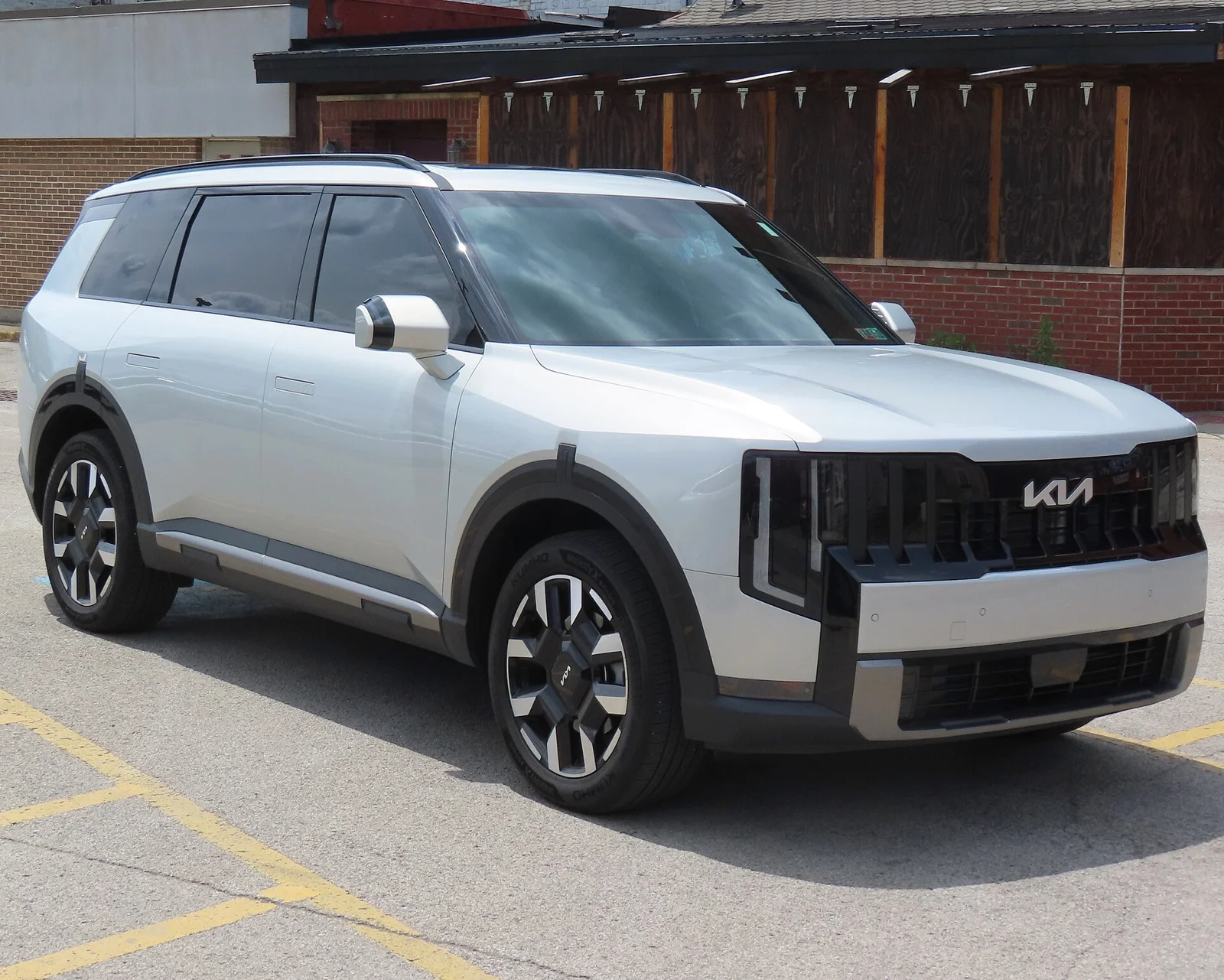
Here is where the Telluride shines. It is a large three-row SUV with a long roof, so even an 84.5-inch XL box fits the roof length without overhanging the windshield or rear glass excessively. On a shorter vehicle, an XL box forces a compromise between forward reach over the windshield and rearward reach past the hatch; on the Telluride you rarely have to make that call.
That length headroom is a real convenience. You can center a big box for balanced loading rather than sliding it forward or back just to clear the glass, and the hatch still opens under the tail of the box. It is the same advantage the Telluride offers for long kayaks, and it comes from the roof you already paid for.
For most families, the 77-inch Motion XT L at 16 cubic feet is plenty and mounts with even more room to spare. Step to the 84.5-inch XL at 18 cubic feet only if you genuinely need the extra volume, remembering that the bar budget, not the box size, still caps what you can load. Bigger box, same 165 lb ceiling.
Height and Garage Clearance
The measurement people forget until they hear a crunch is total height. A Motion XT sits about 16 to 17 inches tall above the crossbars, and the bars themselves add height above the roofline. On a tall SUV like the Telluride, that stacked height can push the vehicle past a garage door or a parking structure clearance bar.
Before the first drive, measure your loaded height and check it against your garage and any low clearances on your regular routes. It is a two-minute check that prevents an expensive mistake, and it is exactly the kind of clearance an installer confirms before calling a job done. The box adds roughly a foot and a half of height; know your new number.
The habit worth building is to note the loaded height somewhere you will see it, because the day you forget the box is up there is the day you drive into a low garage. Height is the one cargo-box number that does not care about weight limits or roof length; it just has to physically clear whatever you drive under.
A related install courtesy is to remove the box when you are not using it for a stretch. It is a one-person job with a quick mount, and taking it off restores your garage clearance, drops the wind noise, and gives back the fuel a big box costs at highway speed. A box that lives on the roof all year is convenient right up until it is not, so treat removal as part of owning one rather than a chore you never get to.
Trims, Rails, and What Kia Does Not Publish
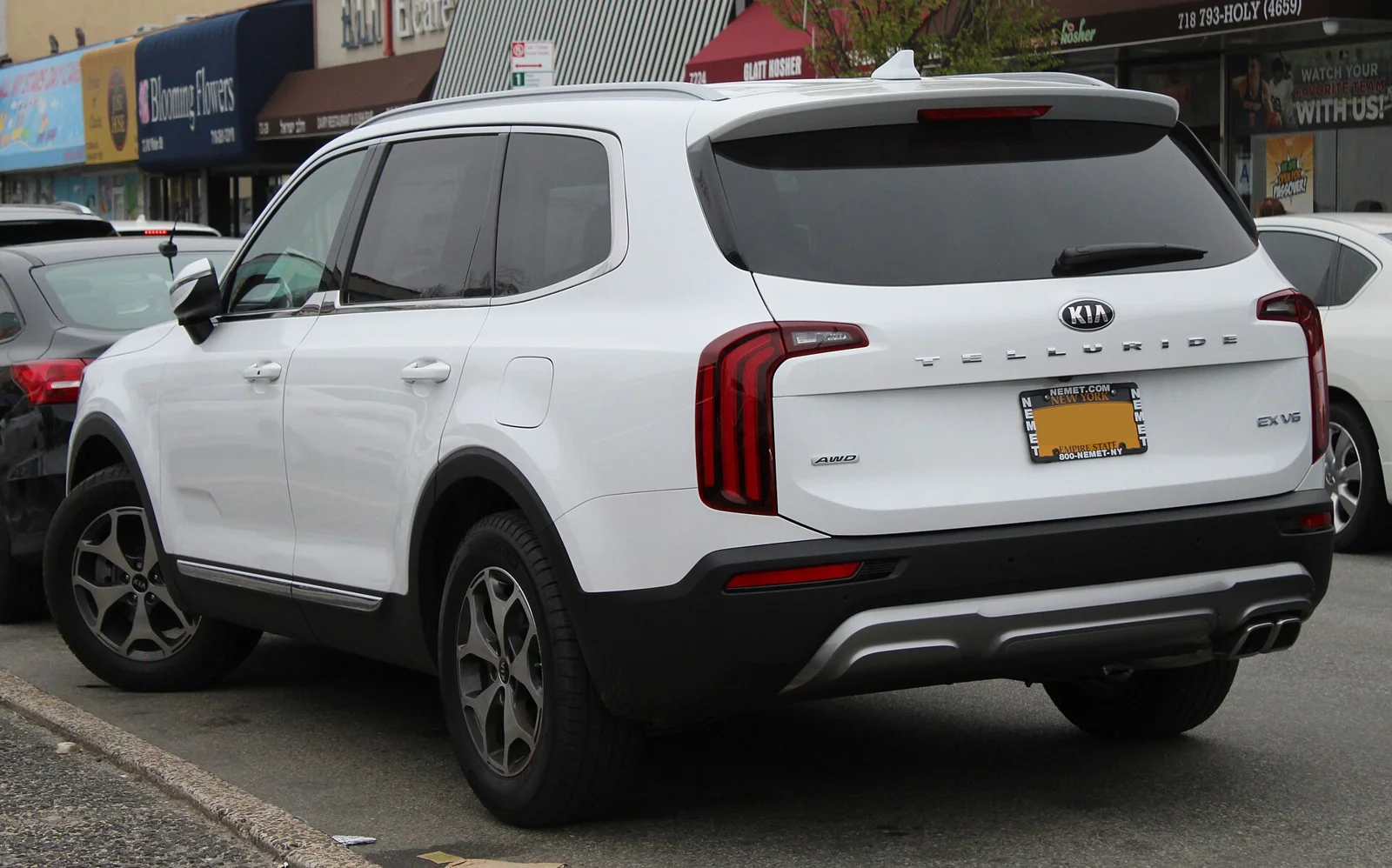
Before buying a mount, confirm your trim, because the fit is not universal. OEM Telluride crossbars fit the 2020 to 2025 model years but not the X-Line or X-Pro trims. Rail type also varies: base trims are described as flush-railed by some aftermarket makers, while the X-Line and X-Pro have raised rails, and at least one major retailer lists the Telluride with raised rails. Verify your specific trim before selecting a mount.
Two honesty notes round out the picture. Kia does not publish a separate static roof limit for the Telluride; only the 220 lb dynamic figure is documented, so parked-load planning has no official higher number. And the exact factory crossbar spread is not published by Kia either; the roughly 31.5-inch value comes from an aftermarket install sheet, so measure your own bars if you are cutting it close on box length.
None of this changes the easy yes, but each detail decides whether you buy the right mount once or the wrong one twice. Match the mount to your exact rails and model year, confirm the spread, and the box installs clean and stays put.
Setting It Up Right
The clean install sequence on a Telluride is short. Mount factory or fit-verified crossbars to your rails, set the box centered over the roughly 31.5-inch spread, and snug the PowerClick clamps to spec. Load light, bulky gear like sleeping bags and clothing up top, keep the total of box plus contents under 165 lbs on factory bars, and confirm the lid clears the open hatch.
For the box itself, a hard-shell rooftop cargo box in the 16-to-18-cubic-foot range suits the Telluride's long roof, and a PowerClick-style quick mount makes install and removal a one-person job. Buy the box for the volume you need, then load to the bar budget, not to the box's fill line.
For the full roof picture, the Telluride roof rack weight capacity guide details the 220 lb roof and 165 lb bar ratings, and the Telluride payload capacity specs cover what the cabin and roof carry together. The Telluride rooftop tent fit guide handles the heavy static load, and the Telluride cargo and sleeping measurements cover what stays inside.
The Verdict: An Easy Fit, a Real Budget
Will a cargo box fit on a Kia Telluride? Yes, and it is one of the easier installs in the class, because the long roof takes a 77-to-84.5-inch box with room to center it, the roughly 31.5-inch factory spread exceeds any box's minimum, and the PowerClick system mounts to the factory bars without adapters.
The number that governs the setup is not fit, it is load. The factory bars cap box plus contents at 165 lbs, and a 42 lb empty box leaves roughly 115 lbs of gear budget. Pack light and bulky up top, heavy items in the cabin, and check your loaded height against every garage you use.
Do it once, do it right: verify your trim and rails, center the box, respect the 165 lb bar budget, and note your new height. The Telluride carries a cargo box cleanly for years, provided you install to the loading math rather than to the box's fill line. The fit is genuinely easy; the loading budget is the real job.