
The Short Answer: Yes by Weight, Tight by Length
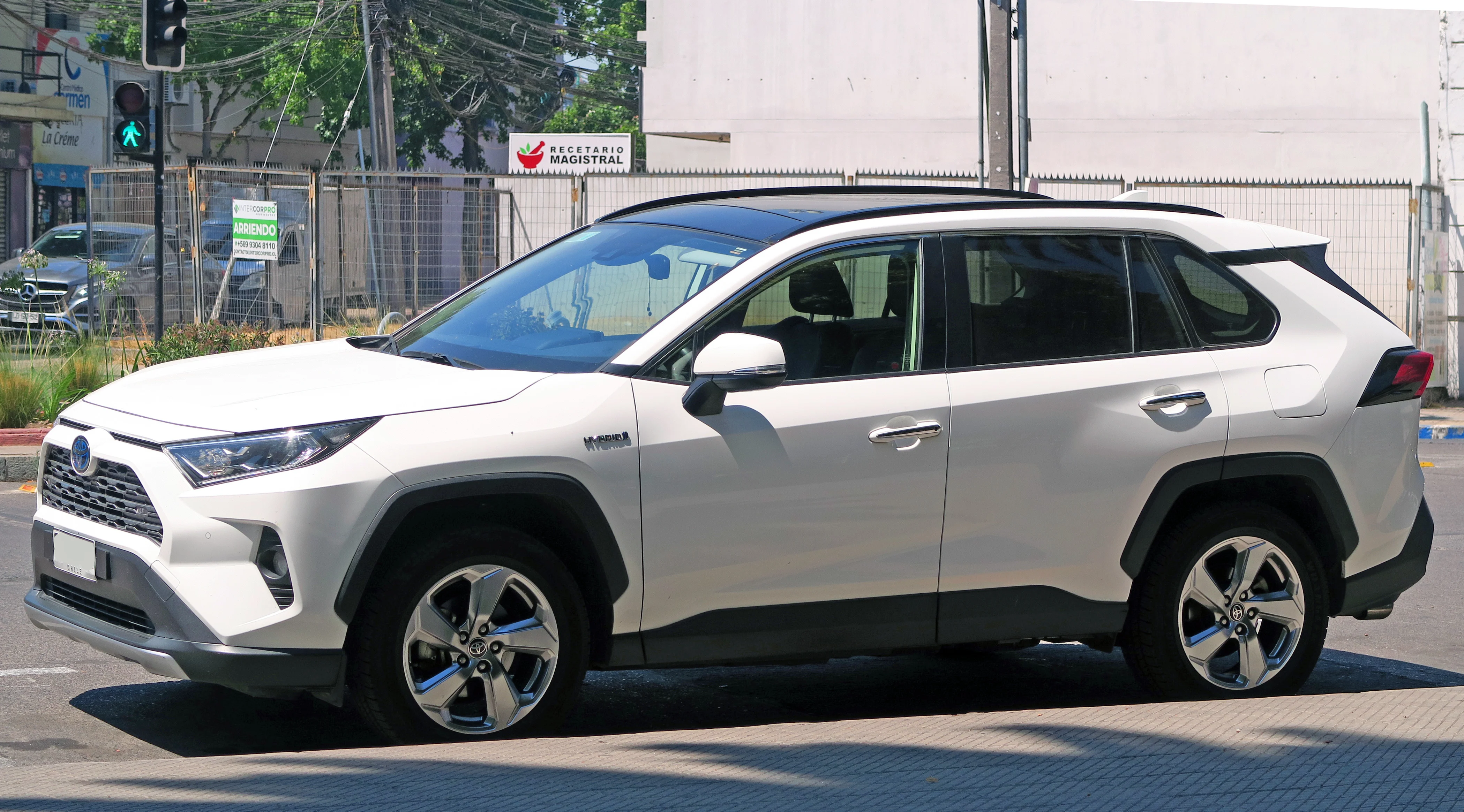
Yes, a canoe fits on a Toyota RAV4, and an installer will frame it correctly from the start: this is a geometry job, not a weight job. The roof carries plenty for a canoe, but a 16-to-17-foot hull on a roughly 15-foot vehicle is a fitment challenge that the tie-downs, not the roof rating, have to solve.
Weight clears easily. Toyota rates the RAV4 roof at roughly 176 pounds dynamic, while factory and aftermarket crossbars are commonly stamped 165 pounds, and a typical tandem canoe weighs about 50 to 90 pounds. Even a heavy plastic canoe plus crossbars lands under the budget, so the number everyone worries about is settled before you start.
The real constraint is that common canoe lengths are 14 to 17 feet, versus a RAV4 that is only about 15 feet long overall, so a 16-to-17-foot canoe extends well past both ends of the vehicle. An installer sees that overhang and knows the job is about controlling a long hull on a short support, which means bow and stern lines and the widest crossbar spread you can set. The rest of this guide walks the rating, the length problem, and the mount that makes a long canoe ride secure.
The Roof Rating: Dynamic Governs
Read the RAV4's roof numbers the way you would read a fastener spec, noting which one applies when. The RAV4's published roof-load number is a dynamic, while-driving rating, and it already includes the weight of the crossbars and carrier hardware, not just the canoe. Toyota rates it at roughly 176 pounds dynamic, while factory and aftermarket crossbars are commonly stamped 165 pounds; the effective ceiling is the lower of the vehicle and the bar rating.
The static number is far higher and mostly irrelevant to hauling. The RAV4's static, parked roof capacity is around 528 pounds, which is why the dynamic figure is the one that governs canoe transport on the highway. You never load a canoe to the static number, because the canoe is a moving load the moment you pull out.
One honest note an installer respects: sources disagree on the exact RAV4 dynamic figure, 165 versus 176 pounds, depending on model year and whether the number comes from the crossbar stamp or the owner's manual. The safe planning number is the lower one, roughly 165 pounds. Plan to 165 and you are covered whichever source your specific vehicle follows. Either way, a 50-to-90-pound canoe plus bars sits well under it, so the rating is not what limits you.
Canoe Weights Clear the Bar Easily
It helps to see where real canoes land against that roughly 165-pound ceiling, because it confirms weight is not the problem. A typical tandem recreational canoe weighs about 50 to 90 pounds depending on material: Kevlar 16-to-18-foot canoes run about 50 to 70 pounds, polyethylene or plastic ones about 80 to 90 pounds, cedar-strip wood about 65 to 75 pounds, and a light carbon canoe around 33 pounds.
A concrete example makes it tangible: the Old Town Penobscot 16 weighs 58 pounds, and the Penobscot 17 is a similar mid-weight tandem. Add crossbars at roughly 10 to 15 pounds and even the heaviest plastic canoe stays under the roughly 165-pound dynamic budget with margin to spare.
So an installer stops thinking about weight almost immediately. Because a canoe at 50 to 90 pounds plus crossbars still lands under the dynamic budget, weight usually is not the binding constraint on a RAV4; the length and overhang geometry is. The one caveat worth carrying: published canoe weights are nominal by material and model, and a water-logged or outfitted canoe with a yoke, seats, and gear can weigh more than the spec sheet. Verify the actual boat weight against the roughly 165-pound ceiling, then forget about weight and plan the mount.
The Length Problem: A 17-Foot Hull on a 15-Foot Car
Here is the fitment challenge in one sentence: a 16-to-17-foot canoe on a roughly 15-foot RAV4 overhangs both ends of the vehicle. That overhang is the whole reason a long canoe is harder to carry than its modest weight suggests, and it is what the setup has to manage.
The crossbar spread makes it more acute. The RAV4's crossbar spread is short: a Thule WingBar Evo setup spans only about 34 to 35 inches front-to-rear, so a 16-foot canoe is supported over barely a third of its length and levers hard on the tie-downs. Picture a 16-foot hull balanced on two bars about a yard apart; the long ends have enormous leverage to pitch and pivot.
An installer reads that as a support problem, not a capacity problem. The two crossbars carry the weight fine, but they cannot by themselves control the fore-and-aft pitching of a hull that long. That short spread relative to a 16-to-17-foot canoe is exactly why bow and stern lines are mandatory, not optional, on a RAV4. The bars hold the middle; the end lines control the ends. Skip that logic and the geometry works against you at highway speed.
Bow and Stern Lines Are Mandatory
On a RAV4 carrying a long canoe, bow and stern lines are not a nicety; they are load-bearing hardware. Because the roughly 34-to-35-inch crossbar spread supports only the middle third of a 16-foot canoe, the two crossbars alone cannot resist the fore-and-aft pitching of a hull that long. The end lines are what make up the difference.
Understand what they do, because it is not clamping. Bow and stern lines are not there to add downward clamping force; they stop the canoe surging forward under braking and counter wind uplift on a hull that overhangs far past the crossbars. At highway speed, wind can generate tens of pounds of upward lift on a long hull, which is what the bow and stern lines restrain when the crossbar spread is short relative to the boat.
So the standard RAV4 rig is the canoe strapped to both crossbars, plus a bow line to a front anchor point and a stern line to the rear. An installer treats those end lines as part of the mount, the same way a bolt needs a nut. They convert a hull balanced on a short support into a load anchored at four points spread the length of the vehicle, which is the difference between a canoe that rides steady and one that pivots when a truck passes.
Hull-Down: How a Canoe Rides
A canoe carries differently from a kayak, and getting the orientation right is part of a clean install. A canoe rides best hull-down, gunwales up, directly on the crossbars or on foam gunwale blocks. That is the opposite of a kayak, which typically goes hull-up in saddles or on-edge in a J-cradle.
The reason is the shape. A canoe's open hull and flat-ish bottom sit stably upside-down-relative on the bars, resting on its gunwales so the load spreads along the two rails. Set it gunwales-up on the crossbars and the hull nests naturally, giving a broad, stable contact rather than the tippy balance a rounded kayak hull would have flat on a bar.
For an installer this dictates the carrier choice. You do not need kayak J-cradles for a canoe; you need the gunwales resting on the bars or on foam blocks that cushion and locate them. Center the canoe so its weight sits evenly over both crossbars, gunwales down on the bars, then strap across the hull at each bar. Get the orientation right and the straps and end lines do their job; get it wrong, riding it like a kayak, and even a light canoe feels unstable.
The Foam-Block Option
Not every RAV4 owner wants a full crossbar rack, and there is a no-rack path worth knowing. Foam-block carry, with blocks strapped to the gunwales and no crossbars, is a no-rack option for a RAV4. The foam blocks cushion the gunwales against the roof, and straps run through the doors to hold everything down.
An installer's honest assessment is that it works but gives up security. Foam-block carry relies entirely on straps through the doors plus bow and stern lines, and it is less secure than a proper crossbar rack. There is no rigid bar locating the hull, so the whole system depends on strap tension and the end lines, with more chance for the canoe to shift.
So the foam-block method is best treated as an occasional or short-trip solution, not the everyday rig for someone hauling a canoe regularly. If you paddle often, a real crossbar rack sized to the RAV4 is the sounder investment, because it gives the hull a rigid base and lets the bow and stern lines do their proper supporting job rather than being the primary hold. For an occasional lake day, foam blocks plus disciplined end lines get a canoe there and back.
Maximize the Spread You Have
Since the short crossbar spread is the real constraint, the single most useful setup lever is spreading the bars as wide as you can. Whether the RAV4 has factory flush rails, factory raised rails, or a naked roof changes how far the bars can be spread; raised-rail cars allow a bit more spread, which helps stabilize a long canoe.
Thule's guidance gives you the window. The wider you can set the crossbar spread within Thule's 24-to-36-inch guidance, the more stable a long canoe rides, so maximum usable spread is the single most useful setup lever on a RAV4. Every extra inch of spread gives the hull a longer base and reduces how much the ends can pitch.
An installer's honest caveat is that the RAV4's roof rating assumes an evenly distributed downward load and does not address the concentrated point loads or fore-and-aft leverage a 16-to-17-foot canoe puts on just two closely spaced bars. That is another reason to spread the bars wide and lean on the end lines: you are working a long lever against a support the rating never contemplated. Set the spread to the wide end of the window, verify it against your specific rail type, and the canoe rides as steadily as a short base allows.
Setting It Up Right
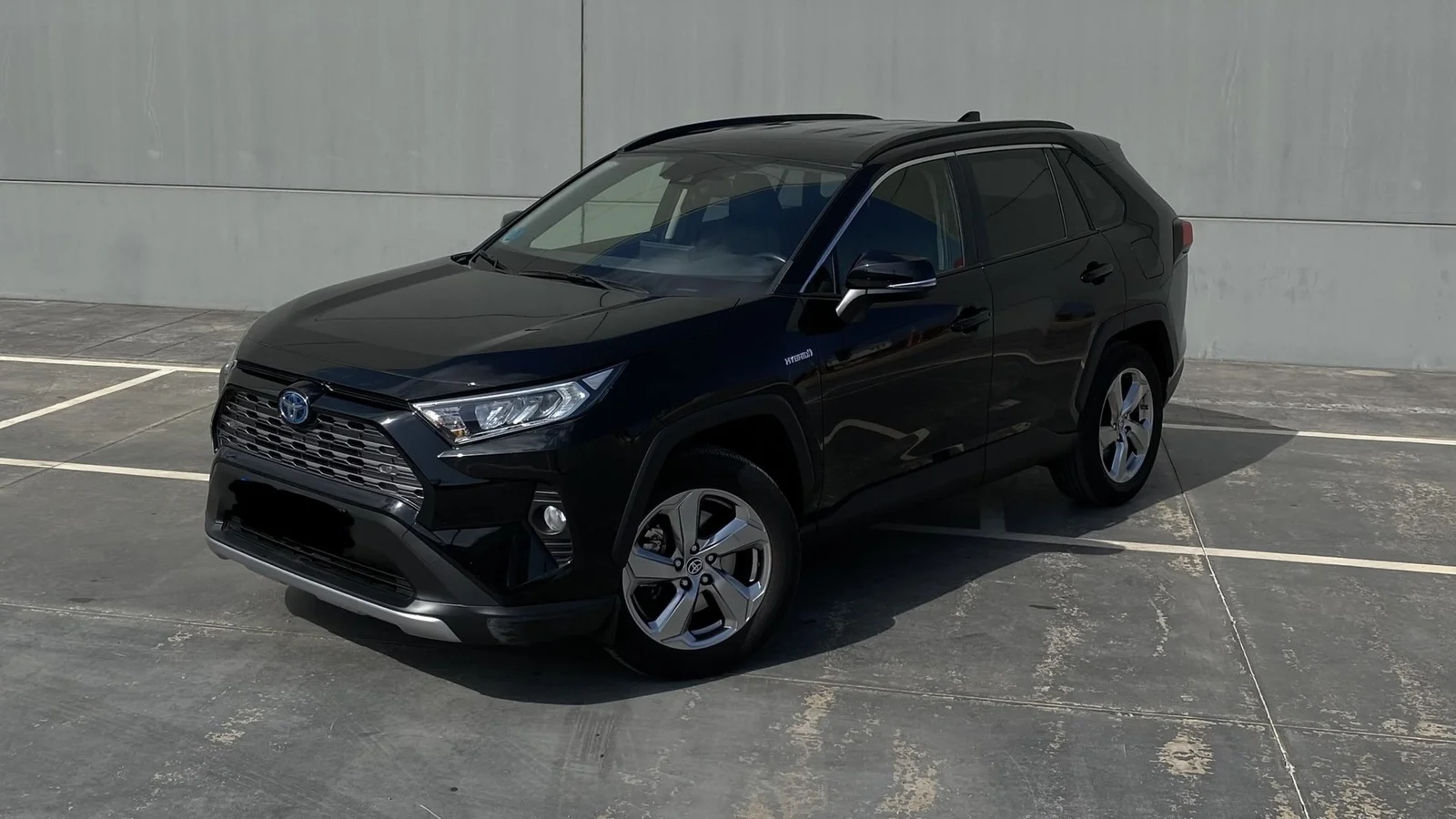
The clean RAV4 setup follows the load path. Fit crossbars matched to your rail type and spread them as wide as the 24-to-36-inch window allows, then set the canoe hull-down, gunwales resting on the bars or foam blocks, centered so its weight sits evenly over both bars. Strap across the hull at each crossbar, then run a bow line to a front anchor and a stern line to the rear before every drive.
For the mount, a set of canoe gunwale brackets and tie-down straps sized to the RAV4's bars is the standard rig, or foam blocks for occasional trips. Whatever you use, confirm it suits your rail type and spread, and always add the bow and stern lines, because on a 15-foot vehicle they carry the pitching a short spread cannot.
Match the canoe to the rest of your roof plan. The RAV4 roof rack weight capacity lays out the ratings the canoe shares, and the RAV4 rooftop tent fit guide covers another load on that same rack. For the camping side of the trip, the RAV4 car camping guide and sleeping in a RAV4 cover the nights at the lake.
The Verdict: An Easy Yes With a Geometry Caveat
Will a canoe fit on a Toyota RAV4? Yes, and by weight it is an easy yes. The roof carries roughly 165 to 176 pounds dynamic, a canoe weighs 50 to 90 pounds, and even a heavy plastic hull plus crossbars stays under the budget. Weight is simply not the number that stops you.
The caveat is geometry. A 16-to-17-foot canoe far overhangs the roughly 15-foot RAV4, and the short 34-to-35-inch crossbar spread supports only the middle third of the hull. That is why bow and stern lines are mandatory, not optional: they control the fore-and-aft pitching and the wind uplift the crossbars cannot. Carry the canoe hull-down on the widest spread you can set, and add the end lines every time.
Plan to the lower 165-pound number, verify your actual boat weight, and spread the bars wide within the 24-to-36-inch window. Do that and the RAV4 hauls a full-size canoe safely for years. The spec that matters is not the roof rating everyone quotes; it is the overhang and the spread, and once you mount and tie down for those, a 17-foot canoe on a 15-foot RAV4 rides securely.