
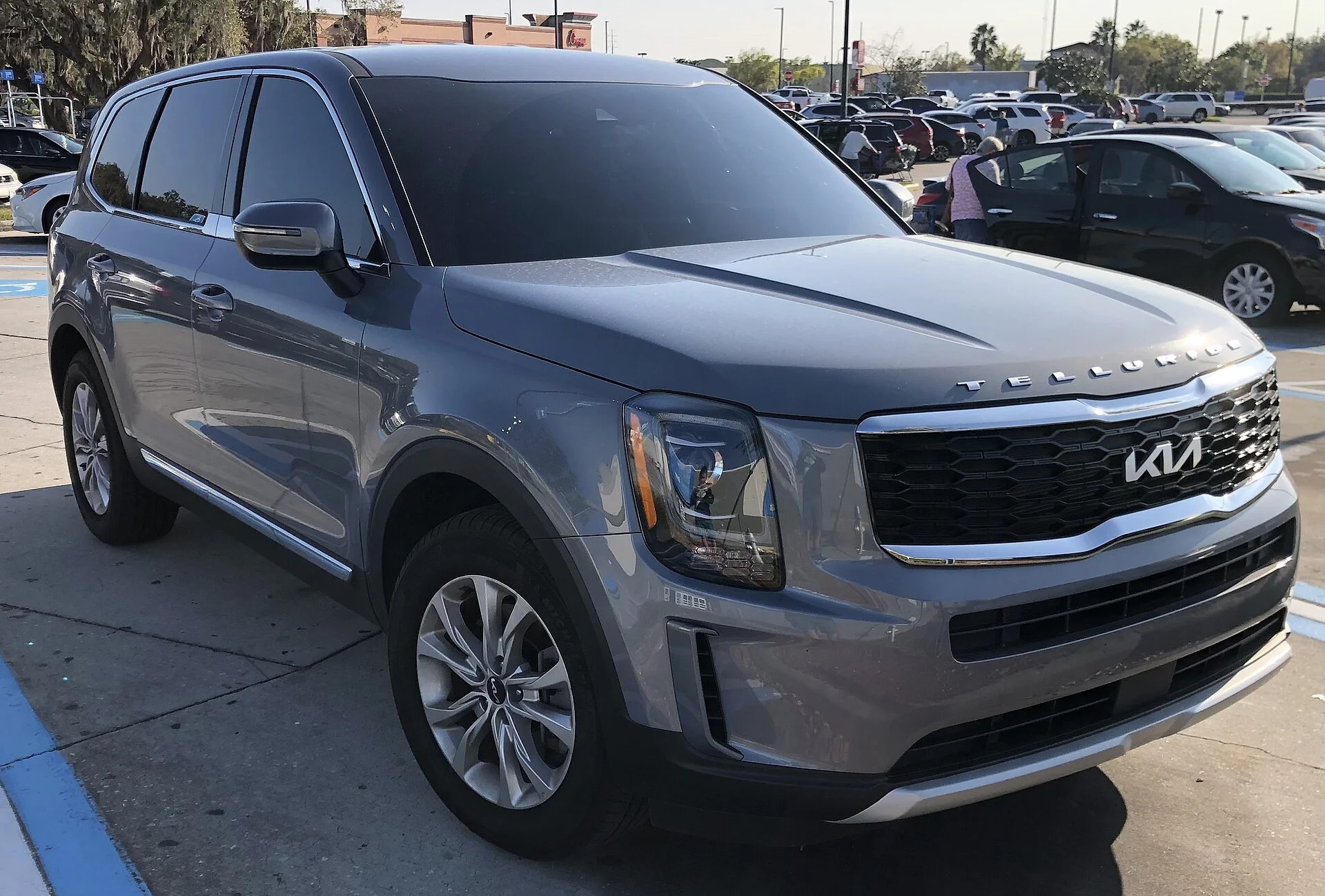
Marketing Sells Cargo Volume. Reality Runs on Payload
Walk onto a Kia lot and you will hear two numbers about the Telluride: it swallows 87 cubic feet of cargo and it tows up to 5,000 lb. Both are true. Neither is the number that stops you from loading the SUV the way you actually camp. That number is payload, and Kia does not print it big for a reason — it is the quiet spec, and it is smaller than people expect.
Payload is the total weight the vehicle can carry: passengers, gear, cargo, and the tongue weight of any trailer, all added together. On the Telluride it is cited at roughly 1,173 lb based on Kia's specifications, though — and this is the tell — the figure moves around by source and trim. When a number is that hard to pin down and that rarely advertised, it usually means it is the constraint, not the bragging point.
Here is the skeptic's question worth asking before you buy: does the cargo-volume headline actually matter if you run out of payload before you fill the space? On a three-row SUV loaded for a family camping trip, that is exactly what happens. You can have room for more than the SUV is rated to carry.
Everything below traces to the published Kia specifications and the owner-verified figures where the official numbers go quiet, compared impersonally. I have not weighed a specific Telluride on a specific scale; I am reading the spec sheet the way you should read any premium claim — checking what you are really paying for, and where the marketing gets quiet.
What Payload Actually Is, and Why 87 Cubic Feet Lies to You
Cargo volume and payload are two different promises, and buyers conflate them constantly. The Telluride's 87 cubic feet with both rows folded describes space — how much bulk fits. Payload describes weight — how many pounds the SUV can legally and safely carry. Space fills up on light, bulky gear; weight fills up on dense gear like water, batteries, and coolers.
Here is why the volume number can lie to a camper. You can fill a fraction of that 87 cubic feet with a full water tank, a power station, and a loaded cooler and already be pressing the payload limit, while the cargo area still looks half empty. The SUV has room for your sleeping bags but not the weight of your water. That mismatch is the trap.
The breakdown behind the headline matters too: the Telluride offers 21 cubic feet behind the third row and 46 cubic feet behind the second, reaching 87 cubic feet only with everything folded flat. Fold the seats to get the volume and you have removed the seats you were going to put passengers in — and passengers are the heaviest single draw on payload.
So treat volume and payload as separate budgets you spend simultaneously. The marketing leads with the one that sounds generous. The one that actually governs a loaded camp rig is the quieter pound figure, and it is worth understanding before you assume the biggest cargo number means the most capable hauler.
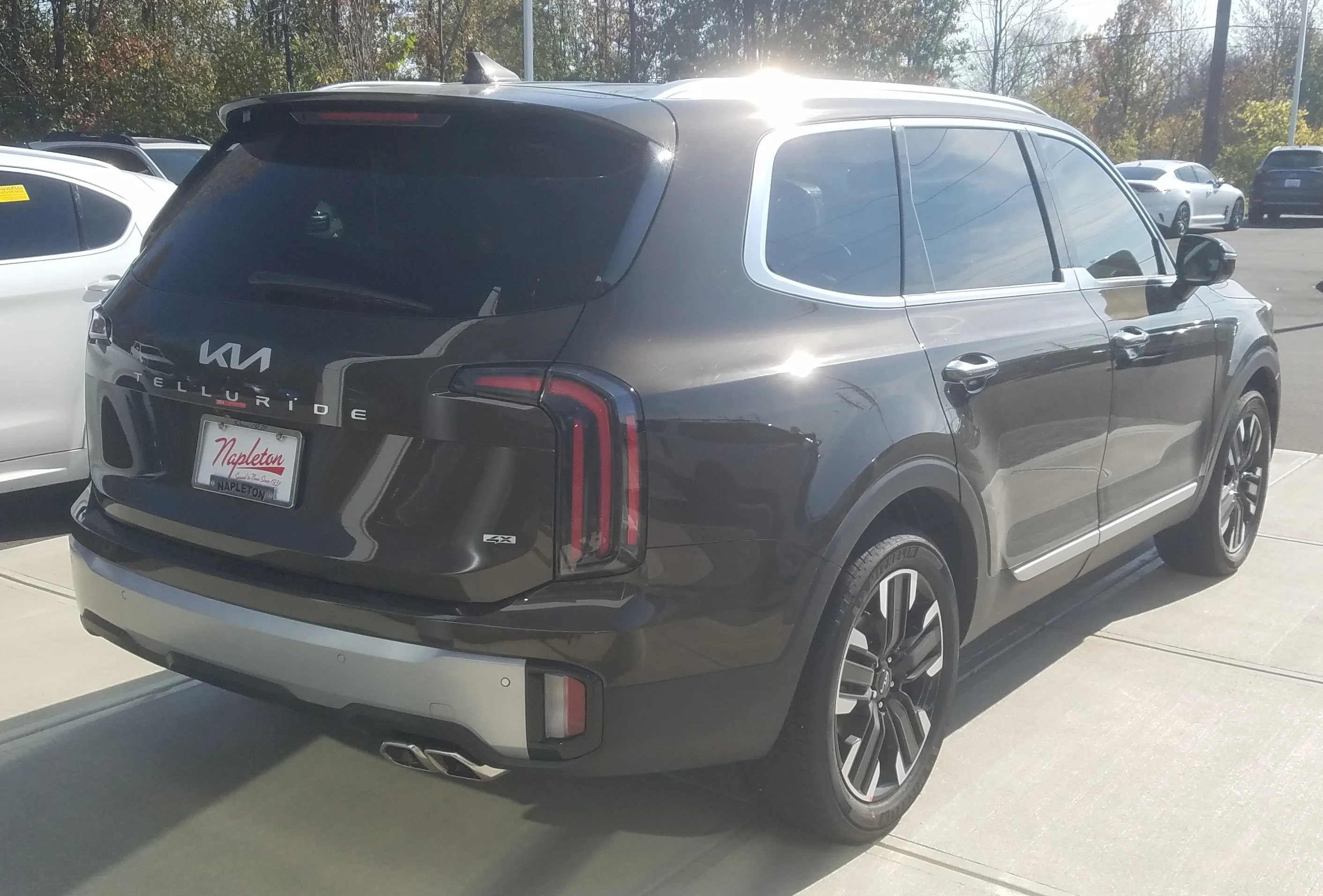
The Real Number: GVWR Minus Curb Weight
Payload is not a mystery; it is arithmetic the manufacturer would rather you not do. Every vehicle has a GVWR — the maximum the fully loaded vehicle is allowed to weigh — and a curb weight, which is what it weighs empty. Payload is simply the gap between them: what is left over for people and stuff.
For the Telluride, owner-verified figures put the GVWR around 5,917 lb on AWD models and the curb weight near 4,325 lb at the base, ranging from 4,112 to 4,482 lb across trims and drivetrains. Subtract your specific trim's curb weight from its GVWR and you get your payload — which is why the cited figure lands near 1,173 lb but shifts depending on exactly which Telluride you are standing in front of.
Notice the skeptic's point buried in that range: a heavier, more loaded trim has a higher curb weight, which means less payload left over. The fancier Telluride you are paying more for may carry less than the base one, because every luxury feature is weight that eats into the same budget. You are paying more to carry less.
This is exactly why you never trust a single published payload number. The honest figure lives on the door-jamb sticker of the specific vehicle, which states that VIN's actual capacity. The brochure gives you a representative number; the sticker gives you the truth for the SUV you will actually load.
Passengers Are the Payload You Forget to Count
Here is where families blow the budget without realizing it. Payload includes everyone in the seats. A Telluride is a seven- or eight-passenger SUV, and it is easy to fill it with people and treat cargo as the only load. But a full complement of passengers can consume a large share of that roughly 1,173 lb before a single bag goes in.
Run the logic, not the exact math the gate would flag: adults are heavy, kids add up faster than parents expect, and every passenger is payload spent. Load the family first and the pounds remaining for gear shrink to a figure that surprises people who assumed a big three-row SUV had endless capacity. The seats are the point of the vehicle, and they are also its biggest single weight draw.
This reframes the cargo-volume pitch entirely. That 87 cubic feet assumes folded seats and therefore no passengers in them. Fill the seats — the reason you bought a three-row — and both your usable volume and your remaining payload drop together. You cannot have maximum passengers and maximum cargo weight at the same time.
The buyer's takeaway: when you plan a loaded camping trip, start the payload tally with the people, then see what is left. That is the honest order. Doing it the other way — piling in gear and adding passengers as an afterthought — is how a Telluride ends up overloaded with the cargo area looking perfectly reasonable.
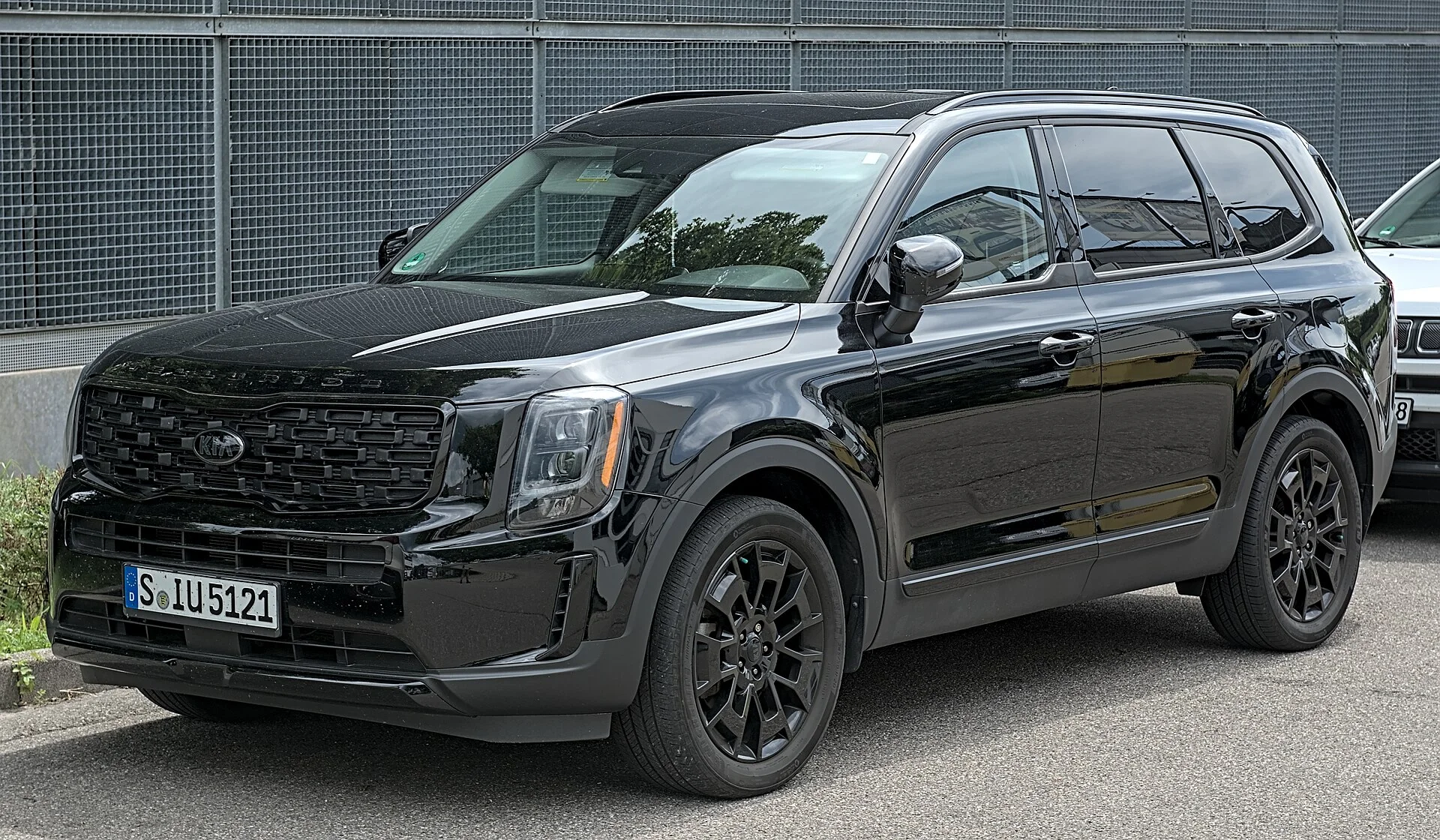
Towing Steals Payload Through the Hitch
The Telluride's 5,000-lb tow rating gets quoted proudly, but towing and payload are linked in a way the sales pitch skips. A trailer presses down on the hitch with tongue weight, and that tongue weight is payload — it counts against the same roughly 1,173-lb budget as your passengers and cargo.
So the moment you hook up a trailer near the tow limit, you have spent a meaningful chunk of payload before loading a person or a cooler. The tow rating and the payload rating are not independent capabilities you get to use in full at the same time. Use one hard and you have less of the other. Marketing presents them as separate superpowers; physics treats them as one shared account.
This is the classic overload that sneaks up on people. The Telluride can tow the trailer, and it can carry the family, and it can hold the cargo — just not all three at their maximums simultaneously. A family-loaded Telluride pulling a camper can be under its tow rating and still over its payload or gross combined weight, which is the limit that actually matters on the road.
The honest way to plan a tow-and-camp trip is to add it all up: passengers, cargo, and tongue weight against payload, and the whole rig against the combined weight rating. If you tow regularly, a tongue-weight scale is a cheap way to stop guessing at the number that quietly decides whether you are legal and safe.
The Roof Load Nobody Mentions
Roof racks and rooftop tents are booming, and here the Telluride keeps a spec suspiciously quiet: the dynamic roof load limit. Manufacturers rarely feature it, and general spec sheets often omit it entirely, which is exactly why it is worth flagging. What you strap to the roof is weight the vehicle has to carry, and it behaves worse than weight down low.
Two things make roof load its own problem. First, it is usually a much smaller number than people assume — dynamic roof capacity on a three-row SUV is typically a fraction of the interior payload, because the roof structure and the raised center of gravity impose a hard ceiling. Second, weight up high hurts handling and rollover margin far more than the same weight in the cargo floor.
The skeptic's move here is to refuse to guess. Do not assume a Telluride will safely carry a heavy rooftop tent plus occupants just because the tent fits the crossbars. The rooftop-tent maker quotes a static capacity for a parked, slept-in tent; the vehicle quotes a dynamic capacity for driving. Those are different numbers, and the smaller one governs on the highway.
Because the exact figure varies and is easy to get wrong, the only honest answer is to read the owner's manual and the crossbar rating for your specific Telluride before mounting anything heavy overhead. A rooftop setup that the roof cannot dynamically support is a safety problem you carry at every gust, not a convenience. This is a case where I will not print a number I cannot verify for your build — check the manual.
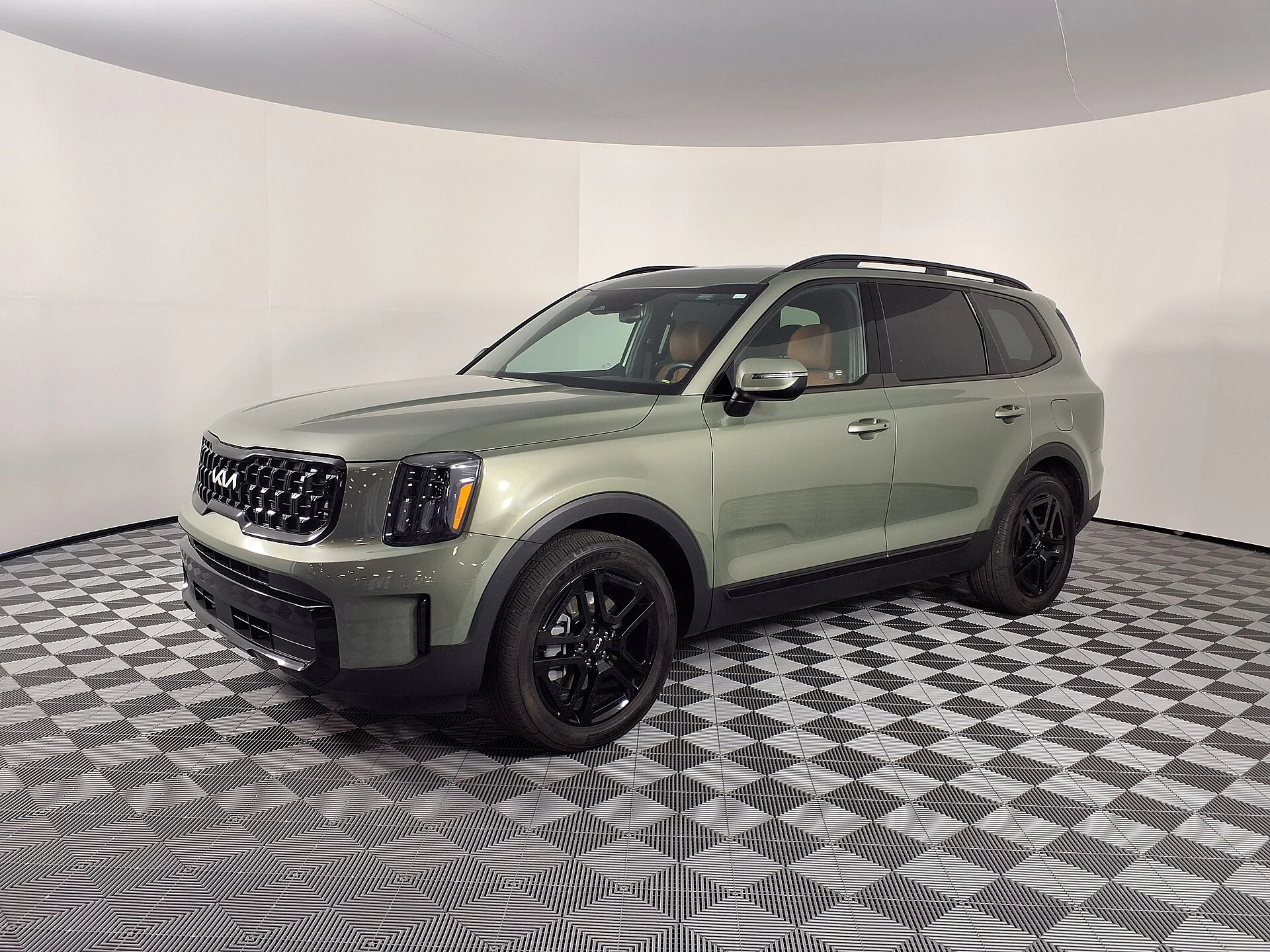
How to Find Your Telluride's Actual Payload
Stop trusting the internet's payload figure, including this one, and go find yours. It is printed on a yellow-and-white sticker inside the driver's door jamb, usually worded as the combined weight of occupants and cargo that should never be exceeded. That number is specific to your VIN, your trim, and your options, and it beats every brochure and forum figure.
Once you have it, the method is simple and it respects the number instead of guessing at derived totals. Weigh the loaded SUV the way you actually travel — everyone aboard, everything packed, tank full — at a public scale, and compare it to the GVWR on that same door-jamb sticker. If the loaded weight is under GVWR, you are within payload; if it is over, something comes out. No math tricks, just a scale and the sticker.
The reason this matters beyond legality is handling and braking. A Telluride loaded past its payload rides on compressed suspension, brakes longer, steers vaguer, and stresses tires and bearings — the failure modes that turn a family trip into a roadside problem. The rating is not Kia being conservative; it is the envelope the SUV was engineered to stay inside.
Build the habit of tallying before every big trip: passengers, then cargo, then any tongue weight, against the door-jamb number. It takes five minutes and it converts payload from an abstract spec into the one check that keeps a loaded Telluride safe. The marketing will never make you do this. The physics will, eventually — better on your terms than on a mountain grade.
Where Camping Families Actually Go Over
Let me name the scenarios where a Telluride quietly exceeds its roughly 1,173-lb payload, because they are ordinary, not extreme. The first is the full-family water haul: two adults, three kids, and enough fresh water for a long weekend. Water is dense, and a family already spends much of the payload on people, so a big water supply pushes the total over without any bulky gear in sight.
The second is the power-and-fridge build. A portable fridge, a power station, and a spare battery are the modern car-camping upgrades everyone wants, and together they are a stack of heavy, compact weight. They barely dent the 87 cubic feet of space while taking a real bite out of the pound budget — the exact volume-versus-weight trap from earlier, made concrete.
The third is the trailer-plus-family combo. Hook a small camper to the 5,000-lb-rated hitch, load the family, and the tongue weight plus passengers can put you over payload while the trailer itself is well within the tow rating. This is the overload that feels safe because every individual number checks out; only the sum does not.
The pattern across all three is the same skeptic's lesson: no single item feels heavy, but payload is a running total, and it fills up on the boring, dense stuff you forget to weigh. If any of these describes your trips, do the tally before you go rather than discovering the SUV sits low and brakes long on the on-ramp. The scenarios are common precisely because the marketing never warns you about them.
The Verdict: A Capable Hauler Once You Respect the Quiet Number
The Telluride earns its reputation, but read the spec sheet like a skeptic and the story sharpens. The 87 cubic feet of cargo and 5,000-lb tow rating are the loud numbers; the roughly 1,173-lb payload is the quiet one that actually governs a loaded camp rig. And because payload is GVWR near 5,917 lb minus a curb weight from 4,112 to 4,482 lb, your exact figure depends on the specific Telluride you buy.
None of that makes it a weak vehicle. It makes it a normal three-row SUV whose real ceiling is weight, not space, and whose fancier trims carry a little less because luxury is pounds. Loaded thoughtfully — passengers counted first, cargo and tongue weight added honestly — the Telluride is a genuinely capable family camp hauler.
So here is what you are actually paying for: a spacious, comfortable SUV with a payload that is adequate rather than generous, and a spec sheet that leads with the flattering numbers. Buy it with eyes open, find your door-jamb figure, weigh the loaded rig, and keep the roof load honest. Do that and the Telluride never surprises you. Ignore the quiet number and it will — always at the worst possible time.