
The Short Answer: Yes, and the Telluride Has Room to Spare
Engineer it like a system and the Kia Telluride is one of the least stressful vehicles in its class to put a rooftop tent on. The owner's manual sets a dynamic roof load limit of 220 lb (100 kg) while the vehicle is being driven, and states the roof rack can support up to 880 lb (400 kg) evenly distributed when parked. On a three-row SUV with a long roofline, those numbers leave real margin.
That margin is the whole point. On a compact crossover, tent weight is a constant negotiation against the roof limit. On a Telluride, most two-person tents slot in with headroom to spare, which changes the question you're actually solving. You're not asking whether a tent fits; you're asking which one is worth its downsides.
So the short answer is an easy yes, but the useful answer is a trade-off analysis. The Telluride's size gives you options a smaller vehicle doesn't, including stepping up to a larger, heavier tent. Whether you should is a cost-versus-capability decision, and that's the more interesting math this guide runs.
The 100 That Isn't 100 Pounds: Reading the Rating Right
Here's the spec-sheet trap that sends Telluride owners down the wrong path: the common '100' figure cited for the roof is actually 100 kg, which equals 220 lb, not 100 lb. People see '100' in a forum post, assume pounds, and conclude the roof is far weaker than it is. It's a units error, and it changes the whole analysis.
Read the manual carefully and the numbers are unambiguous. The dynamic limit is 220 lb (100 kg) while driving; the static limit is 880 lb (400 kg) when parked. A 100 lb ceiling would rule out most hardshell tents; the real 220 lb ceiling comfortably admits them. That factor-of-2.2 difference between a misread kilogram and a pound is the difference between 'barely fits' and 'plenty of room.'
The lesson generalizes: always confirm the unit on a roof rating before you design around it. Manufacturers publish these figures in kilograms and pounds, and a dropped unit is the most common reason a perfectly capable vehicle gets written off as too weak for a tent. On the Telluride, the honest ceiling is 220 lb, and that's a generous number.
This is not a pedantic point - it changes which tents make your shortlist. Under a mistaken 100 lb ceiling, a buyer rules out every hardshell and settles for the lightest softshell they can find, or gives up on the idea entirely. Under the real 220 lb ceiling, the same buyer can run a mid-weight hardshell that deploys in seconds and shrugs off weather. A dropped unit doesn't just misstate a number; it quietly shrinks the whole decision.
220 Moving, 880 Parked: Same Ratio, Bigger Roof
The relationship between the two limits follows the standard rule. The static parked limit of 880 lb is roughly four times the 220 lb dynamic driving limit, which lands squarely in the typical three-to-five-times range for vehicle roofs. Nothing exotic here - the Telluride's roof behaves like any other, just with more surface area to spread a load across.
Each number owns a job. Rooftop tents rely on the static, parked rating for sleeping occupants, since the vehicle is stationary while the tent is in use. The dynamic 220 lb limit is what matters while driving, and it must cover the tent plus any gear stored inside it in transit. Assign each load to the right column and the analysis stops being confusing.
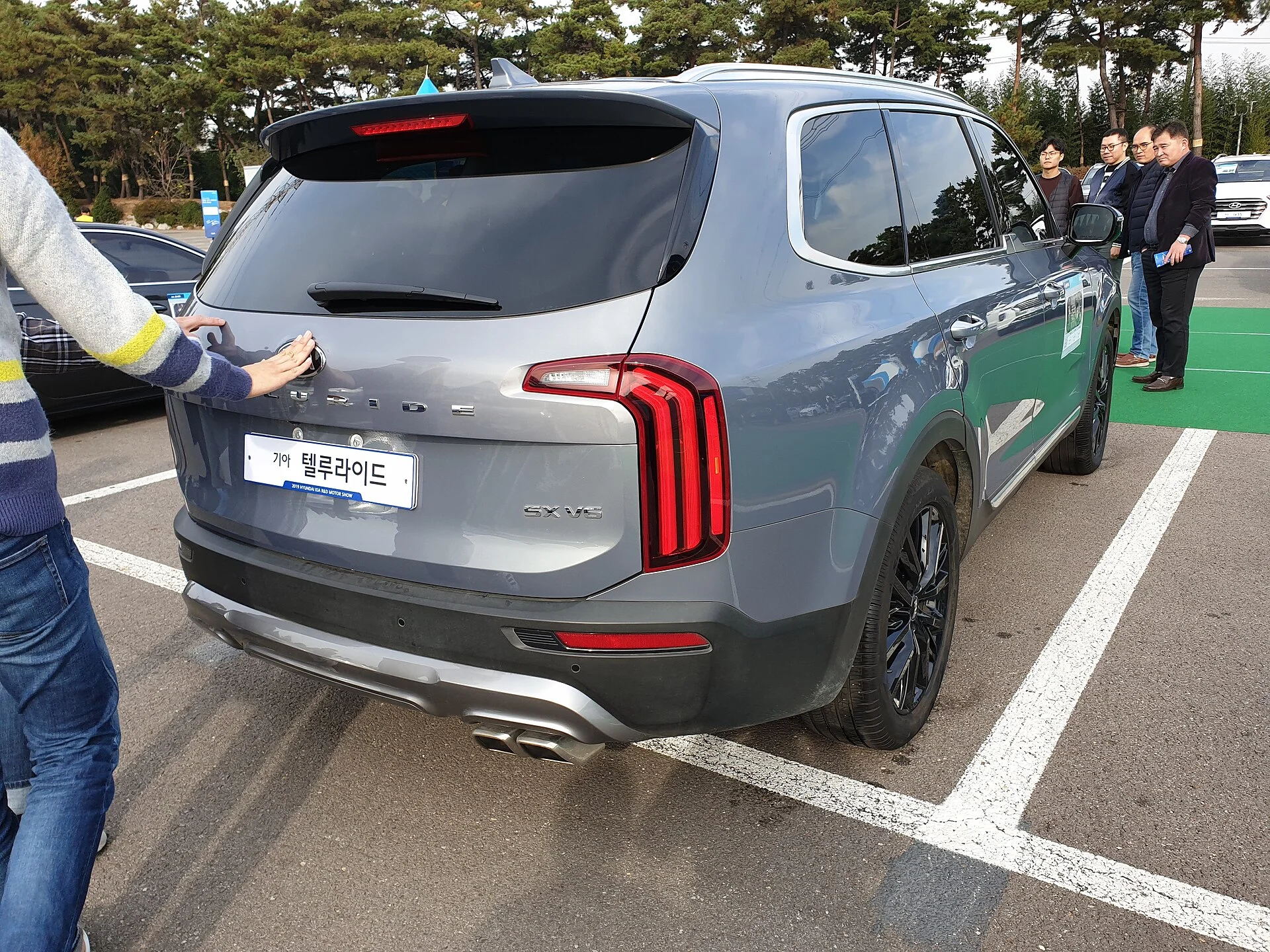
What the Telluride adds is length. A long roof means a tent's load is spread over a bigger span and the crossbars can sit farther apart, which is structurally kinder than cramming a tent onto a short crossover roof. The rating is the same class-standard ratio; the platform carrying it is simply more generous.
Rails Yes, Crossbars Still Required
Don't let the factory rails fool you into skipping a step. Many Telluride trims come with factory raised side rails that run front-to-back along the roof, and they look tent-ready. They aren't - factory raised side rails still require aftermarket crossbars before a rooftop tent can be mounted, because a tent clamps to bars running side-to-side, not to the rails.
The aftermarket support is solid. Raised-rail crossbar systems for the Telluride are offered by makers such as Thule, with its Evo Raised Rail line, and Yakima, with its BaseLine system. Either gives you a matched tower-and-bar setup sized for the Telluride's rail profile, which is what you want rather than a generic bar that only mostly fits.
One mounting rule holds regardless of brand: a rooftop tent should be mounted on two crossbars spread apart, not directly on the side rails. That spread is how the load reaches the static rating the manual assumes. A good set of rated aftermarket crossbars is the one purchase that has to happen before the tent.
The Real Engineering Question: Which Tent, Not Whether
On a Telluride, the interesting problem isn't fit - it's selection. Because the 220 lb dynamic ceiling admits most tents, you get to optimize for what you actually want out of the setup: sleeping capacity, deploy speed, closed height, or price. That's a luxury a compact-crossover owner doesn't have, and it's worth using deliberately.
Consider the range on offer. A Roofnest Falcon 3 EVO Air has a closed weight of 130 lb and sleeps two, sitting well under the driving limit. Step up and the Falcon XL weighs about 150 lb and supports up to 650 lb of static occupant load, while the larger Falcon Pro weighs about 180 lb. Even the heavier Pro is workable on the Telluride's 220 lb dynamic rating with rated bars - a tent that would be a stretch on a smaller vehicle.
That headroom is the Telluride's real advantage. Telluride owners report real-world rooftop tent use, including one owner sleeping four adults in a Condor XL tent with no issues. The engineering call is to pick the tent that matches how you'll actually use it, knowing the roof won't be the thing that says no.
The Drive: What 220 Pounds Actually Buys on a Three-Row
Run the driving budget and the Telluride looks comfortable. A 130 lb hardshell tent sits well under the 220 lb dynamic limit for driving with the tent closed, leaving margin for the crossbars and a bit of stored gear without crowding the ceiling. That's the everyday case: a mid-weight tent that never has you doing anxious arithmetic before a highway on-ramp.
Push to the heavier tents and the margin narrows but doesn't vanish. A 150 lb Falcon XL or a 180 lb Falcon Pro still fits under 220 lb closed, though the Pro leaves less room for gear stored in the tent while moving. The disciplined approach is the same as on any vehicle: count the crossbars and any in-tent gear into the driving sum, not just the tent's brochure weight.
The trade-off to name honestly is that a heavier tent uses up the driving budget you might otherwise spend on convenience - a bit of bedding left in the tent, say. On a Telluride you can usually afford some of that, but the 220 lb line is still the line, and it's worth leaving margin under it for rough roads where the dynamic rating earns its keep.
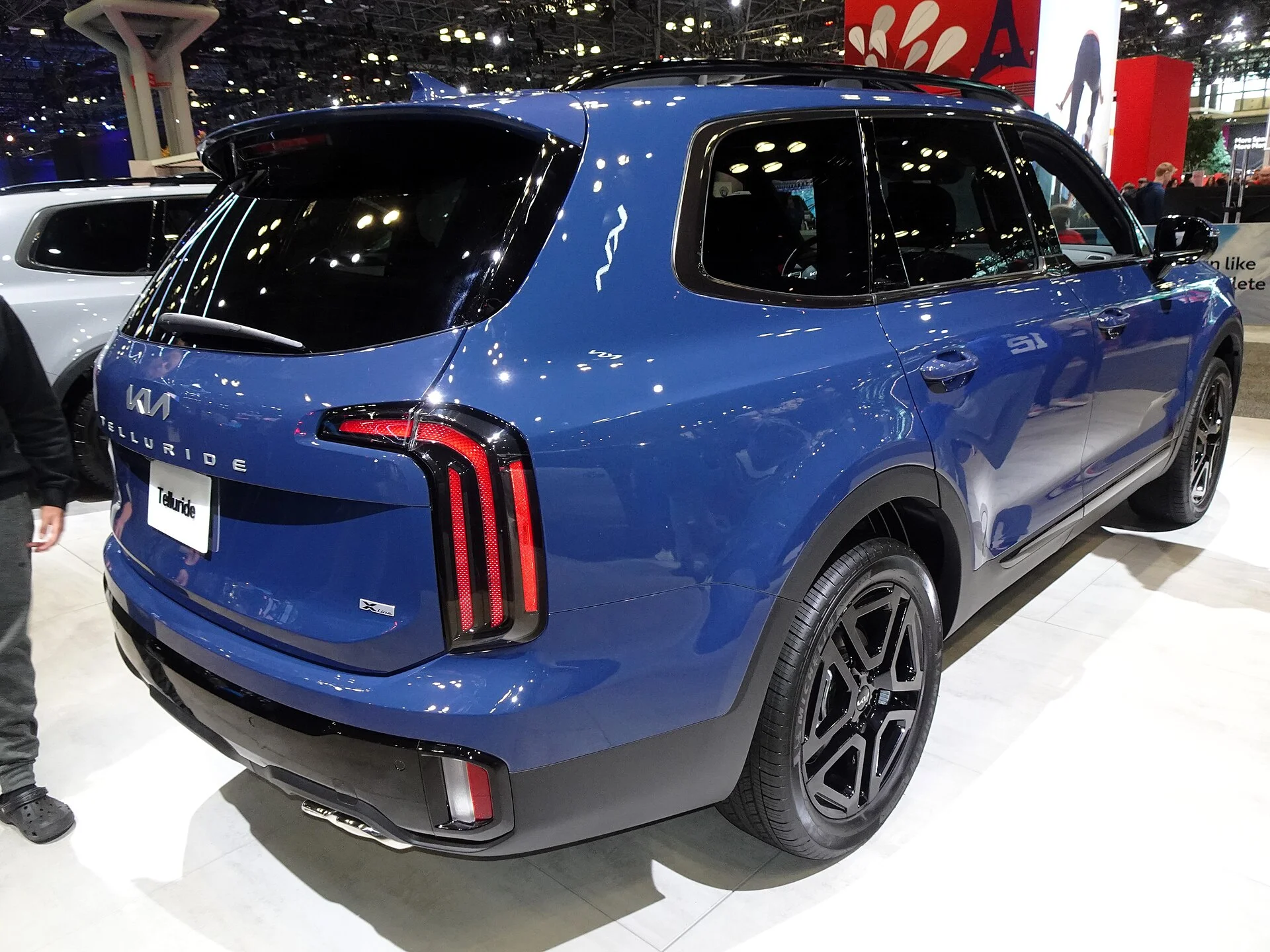
The Night: 880 Pounds and a Long Roof
Overnight, the Telluride's static rating makes the whole thing trivial. A 130 lb tent plus two adult occupants at roughly 350 lb totals about 480 lb, which is comfortably under the 880 lb static parked limit. That's less than 55 percent of the parked capacity, so there's substantial reserve even before you consider that the tent's ladder transfers weight to the ground.
The reserve is what lets the Telluride handle bigger tents and more people than a compact. That owner sleeping four adults in a Condor XL isn't defying physics - a family-size static load still sits inside an 880 lb rating spread across a long roof. The static number is generous precisely because a parked three-row roof is a stable, well-supported platform.
The rule that protects all of this is unchanging: never move the vehicle with occupants inside the tent. A 480 lb parked load is fine; the same load in motion would be measured against the 220 lb dynamic limit it blows past. Park it, level it, and the night is as easy as the numbers suggest.
Sizing a Tent to a Family Hauler
Because the Telluride is often a family vehicle, tent sizing is really about people and use, not roof anxiety. A typical hardshell rooftop tent weighs about 100 to 160 lb, while softshell tents run about 100 to 130 lb, and the Telluride comfortably drives with anything in those bands. That frees you to choose on sleeping capacity.
For couples, a 130 lb Falcon 3 EVO Air - 83 inches long by 50 inches wide, and only 8 inches tall when closed - is a low-profile, efficient pick. For families wanting more room, the heavier Falcon XL or Pro, or a large softshell, become viable in a way they wouldn't on a smaller SUV. A Smittybilt Overlander softshell at roughly 117 to 118 lb is a budget-friendly two-to-three-person option that leaves huge margin.
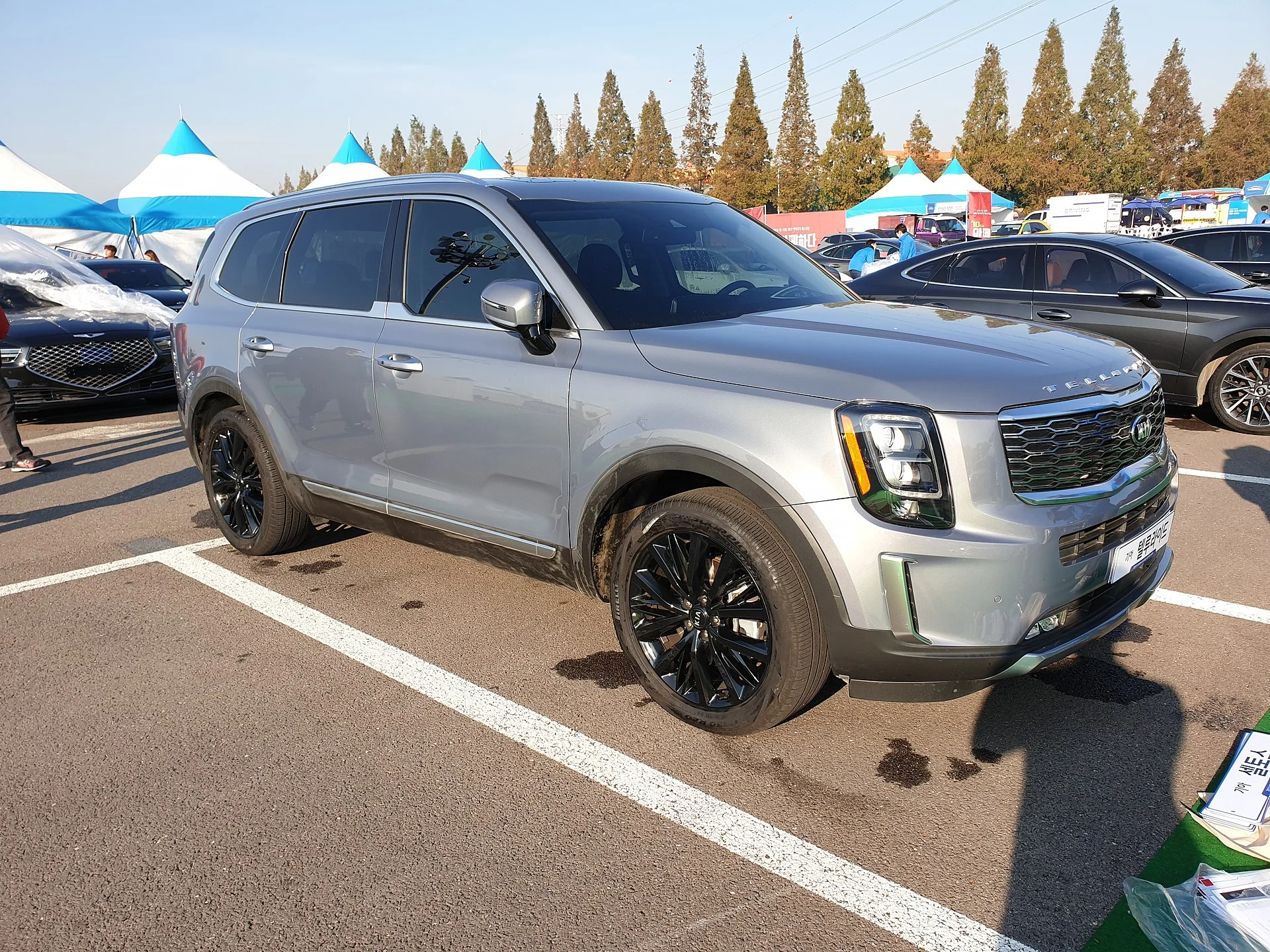
The Telluride's dimensions back this up. It measures 196.9 inches long on a 114.2-inch wheelbase, so there's ample roof length for even the larger tents and room to set the crossbars at a wide, stable spread. Size the tent to your family and trips; the roof will keep up.
One more sizing note that favors the Telluride: a longer roof lets you push the crossbars farther apart, and a wider crossbar spread is generally gentler on the mounting hardware and more stable in crosswinds than a cramped one. A compact crossover often forces the bars close together just to fit the roofline. On a three-row this long, you can set the spread to whatever the tent's mounting channels prefer, which is a small but real durability advantage over the years.
The Taxes Nobody Prices: Height, Drag, and MPG
Here's the trade-off the load ratings don't mention. A rooftop tent adds a permanent box to the roofline, and the Telluride is already a tall vehicle - roof height is listed around 68.9 inches without roof rails and up to 70.5 inches with factory rails. Add a hardshell and you're into serious garage-and-drive-through clearance territory, which is a real daily-driving cost on a family SUV.
Drag is the other tax. Any tent up top hurts fuel economy, and a big hardshell on a three-row's frontal area is not a small penalty on a road trip. That's the genuine downside of stepping up to a larger tent just because the roof allows it - you pay for the capability every mile, whether or not you're camping that night.
The engineering takeaway is to buy the smallest tent that meets your real sleeping need, not the biggest the roof permits. The Telluride's 4,134 lb to 4,439 lb curb weight barely notices a tent's mass, so the cost is never structural - it's height, drag, and mileage, paid continuously. Weigh that against how often you'll actually use the extra space.
The Verdict: An Easy Yes That Rewards a Bigger Tent
A Kia Telluride is a genuinely easy rooftop-tent vehicle. The manual's 220 lb dynamic and 880 lb static limits - remembering that the '100' figure is kilograms, not pounds - give you room that a compact crossover simply doesn't have. Almost any two-person tent fits with margin, and the roof will not be the thing that limits your choice.
That freedom is best spent deliberately. A 130 lb tent covers most couples cleanly; the Telluride's headroom under 220 lb also opens the door to a 150 lb Falcon XL or a 180 lb Falcon Pro for families who want the space, mounted on Thule or Yakima raised-rail crossbars. The static side is never in doubt - a 480 lb tent-and-two-adults load sits well under 880 lb.
The only real trade-off is the one the spec sheet hides: a bigger tent means more height, more drag, and worse mileage, paid on every drive. Engineer it like a system, buy the smallest tent that meets your need, spread the crossbars wide on that long roof, and never move with anyone aboard. Do that, and the Telluride is close to the ideal family tent platform - roomy enough to say yes to almost any tent, and stable enough that the only thing left to optimize is your own comfort.