
The One Number That Actually Decides Your Rooftop Tent
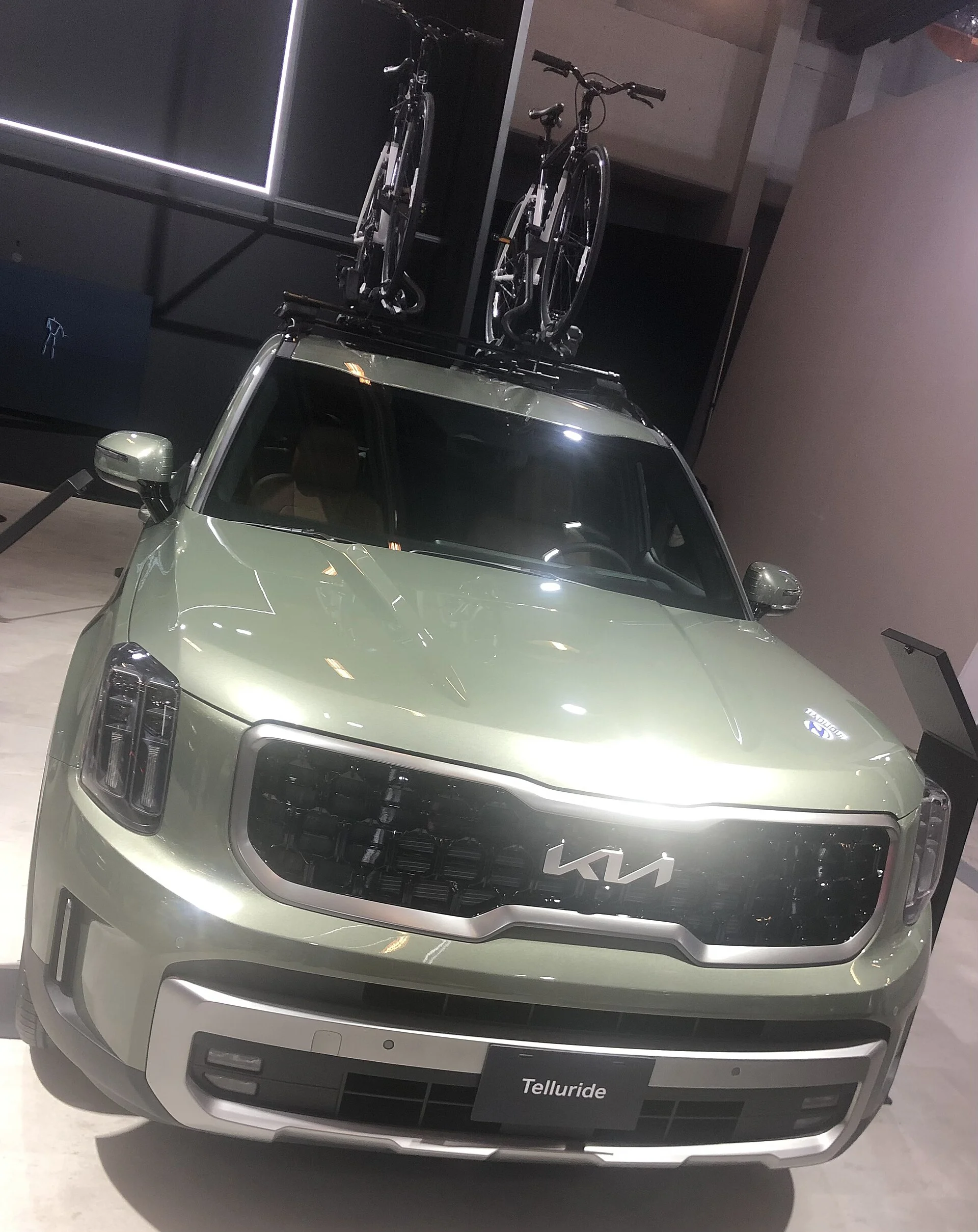
The cheap mistake here is reading the big roof number and buying a tent to match it. On the Kia Telluride, the roof rack can support up to 880 lb evenly distributed — a huge figure that looks like it clears any rooftop tent with room to spare. It does not, because that 880-pound number only applies when the vehicle is parked, and the number that governs driving is a small fraction of it.
This is the false economy of roof-rack planning: assume the headline number is the limit, load to it, and drive off with a roof carrying four times what it is rated to handle in motion. The Telluride's spec is honest and clearly stated; the trap is that owners fixate on the impressive parked figure and never find the much smaller driving figure that actually matters on the highway.
The number that decides what you can safely drive with is the dynamic limit, and for the Telluride Kia sets it plainly: never drive with more than 220 lb of cargo and accessories on the roof. That 220-pound ceiling, not the 880-pound one, is the figure a rooftop-tent buyer has to plan around.
Get those two numbers in the right order and the Telluride is a strong, capable roof platform. Get them backward — plan around 880 when you should plan around 220 — and you are overloading the roof every mile you drive. The rest of this comes down to which number applies when.
Static 880 lb vs Dynamic 220 lb
Two figures define the Telluride's roof, and they could hardly be further apart. The static rating — the weight the roof holds while parked — is 880 lb (400 kg) evenly distributed. The dynamic rating — the weight it can safely carry while driving — is 220 lb (100 kg). One is four times the other, and confusing them is the single most expensive roof-rack error.
The static 880-pound figure is what makes the Telluride genuinely capable at camp. A deployed rooftop tent with two adults asleep inside is a heavy load, and 880 pounds parked leaves real room for it. When the vehicle is stopped and set up, the roof is strong.
The dynamic 220-pound figure is the real constraint the rest of the time. Everything you drive with — a folded rooftop tent, a cargo box, bikes, an awning — has to fit under 220 lb combined while the wheels are turning. That is a much tighter budget than the parked number suggests, and it is the one that governs the drive to and from the campsite.
The way to keep them straight is to tie each to a moment. 880 pounds is a parked number, for when you are set up and not moving. 220 pounds is a driving number, for everything in transit. A rooftop tent lives under 880 at camp and under 220 on the road, and both limits are real.
Why the Two Numbers Are So Far Apart
It is fair to ask why a roof rated for 880 pounds parked can only carry 220 moving. The answer is not manufacturer caution padding the numbers; it is physics, and understanding it makes the limits intuitive rather than arbitrary.
Cargo sitting on a moving roof acts like a lever. As the vehicle accelerates, brakes, corners, and hits bumps, that weight up high swings and jerks, and the forces on the roof mounts spike to several times the cargo's static weight. A load that sits harmlessly on a parked roof can momentarily impose many times its own weight in force on the mounting points during a hard corner or a pothole, which is why the safe moving rating has to be dramatically lower than the parked one.
A parked roof experiences none of that. The weight simply presses straight down through the mounts, with no leverage, no swing, no dynamic multiplication. That is why the same structure can bear 880 pounds standing still and only 220 in motion — the parked load is pure weight, the moving load is weight amplified by motion.
For a camper, the practical lesson is to respect the dynamic number without resentment. It is not Kia being conservative; it is the roof honestly rated for the punishing forces that driving with a high load actually creates. Load to 220 in motion and the physics stays on your side; exceed it and the leverage works against the mounts every mile.
What 220 lb Dynamic Covers on the Road
The good news is that 220 pounds of dynamic capacity is genuinely useful, more than enough for most camping roof loads if you plan within it. A cargo box packed with bulky, lightweight gear, a pair of bikes, or a lighter rooftop tent in transit all fit comfortably under the ceiling when chosen with the limit in mind.
The catch for rooftop tents is that the accessory's own weight counts first. A folded hardshell rooftop tent can consume a large share of the 220-pound budget before a single item of gear is added, and heavier tents can approach the limit on their own. That is why tent selection, not just the roof rating, decides whether a Telluride can carry one on the highway.
Cargo boxes follow the same logic. An empty hardshell box has real weight, and the box plus its contents together must stay under 220 pounds while driving. The way to make the budget work is to keep roof cargo light and bulky — sleeping bags, pads, camp chairs, an awning — and put anything heavy inside the vehicle where it belongs.
Within those choices, 220 pounds handles a well-planned camping load without strain. The Telluride's dynamic capacity is not the problem; overestimating it by reaching for the 880-pound number is. Plan the roof load to the smaller figure, choose light gear, and the driving limit stops feeling like a constraint at all.
What 880 lb Static Unlocks at Camp
Once the Telluride is parked and set up, the roof's character changes completely, and the 880-pound static rating is what makes rooftop-tent camping viable. That high parked capacity is specifically why a roof tent can be used on a Telluride at all: the roof can bear the tent, its occupants, and the hardware, so long as the total stays within the limit.
Consider what fits inside 880 pounds parked: a deployed rooftop tent, two adults, bedding, and mounting hardware together still leave margin under the rating. That is the scenario the static number exists for — a stationary vehicle bearing a substantial, human-occupied load — and the Telluride handles it with room to spare.
The important boundary is that this capacity applies only while parked. The moment the vehicle moves, the 220-pound dynamic limit takes over, which is why a rooftop tent has to be within the driving budget in transit even though the roof can easily hold far more once stopped. The tent that sleeps two comfortably at camp must still fold down to under 220 pounds to be driven legally.
Kia is explicit that owners should confirm any accessory like a cargo carrier or roof tent is compatible with the Telluride's roof racks before installing it. That compatibility check, plus keeping the parked total under 880 pounds, is what turns the Telluride's generous static capacity into a safe, comfortable elevated bedroom at camp.
The Rooftop-Tent Math for a Telluride
Putting it together, the rooftop-tent decision on a Telluride is really two separate checks, and both have to pass. First, the parked check: does the tent, plus the people who will sleep in it, plus the hardware, stay under the 880-pound static rating? For virtually any consumer rooftop tent, the answer is comfortably yes, because 880 pounds is generous.
Second, and far more binding, the driving check: does the folded tent, by itself, stay under the 220-pound dynamic rating? This is where tent choice matters. A lighter softshell or a compact hardshell folds down within the budget; a large, heavy hardshell can approach or exceed it before any other roof cargo is considered.
The way to pass both checks is to shop for the tent's own weight, not just its sleeping capacity. Since the folded tent has to fit under 220 pounds in transit — often with a little room left for the mounting hardware and crossbars that also count — a lighter tent is the safe choice, and it makes the whole system work without flirting with the dynamic limit.
Do that math before buying, and the Telluride is a strong rooftop-tent vehicle: plenty of parked capacity for comfortable sleeping, and enough dynamic capacity for a sensibly chosen tent in transit. Skip the math and buy on the 880-pound number, and you end up with a tent the roof can hold at camp but is not rated to carry down the highway.
Factory Rails vs Aftermarket Crossbars
The rating on the roof is only as good as the weakest part carrying the load, and that is worth checking before trusting any number. Kia's stated limits assume a properly equipped roof-rack system, and the crossbars mounted to the rails have their own ratings that can be lower than the rails themselves. The real driving limit is whichever component is rated lowest.
For owners planning a rooftop tent, verifying the crossbar rating is as important as knowing the roof rating. A quality crossbar set rated to comfortably handle the tent's dynamic load is worth the spend, because the false economy of cheap or underrated bars is a failure at highway speed with a tent overhead — exactly the outcome the ratings exist to prevent.
This is also where Kia's compatibility advice earns its place. Before installing a cargo carrier or roof tent, confirming the accessory works with the Telluride's specific roof racks avoids mismatches that leave a mount overstressed. It is a five-minute check that prevents an expensive, dangerous mistake.
The budget-minded takeaway is not to skimp on the load-bearing hardware. Spend where the load actually transfers — the bars and mounts — and save elsewhere. A strong, correctly rated crossbar system lets the Telluride use its dynamic capacity fully; a weak one makes the roof's impressive ratings meaningless because the bars give out first.
The False Economy of Overloading the Roof
The most expensive mistake in roof loading is treating the parked rating as the driving rating, and it is worth naming plainly because it is so common. Loading the roof toward 880 pounds and then driving is not a small overage; it is exceeding the dynamic limit fourfold, and the cost when it fails is a bent roof, a lost load, or worse.
The temptation is understandable. The 880-pound figure is the one that gets printed and remembered, and 220 pounds feels stingy by comparison. But the physics does not negotiate: a roof loaded past its dynamic rating is stressed beyond its design every mile, and the failure, when it comes, tends to come at speed on a rough road far from help.
The genuine economy is the opposite — plan around 220 pounds in motion, choose light roof cargo, and put heavy items inside the vehicle. That approach costs nothing, keeps the roof within its honest limits, and preserves the full 880-pound parked capacity for when it actually applies, at camp. Nothing is given up except the illusion that the big number was ever the driving limit.
Framed as a value decision, respecting the dynamic rating is the cheapest insurance a camper can buy. It costs only the discipline to load light on top and pack heavy inside, and it eliminates the one roof-rack failure mode that turns a trip into a disaster. The number that saves you money and grief is 220, not 880.
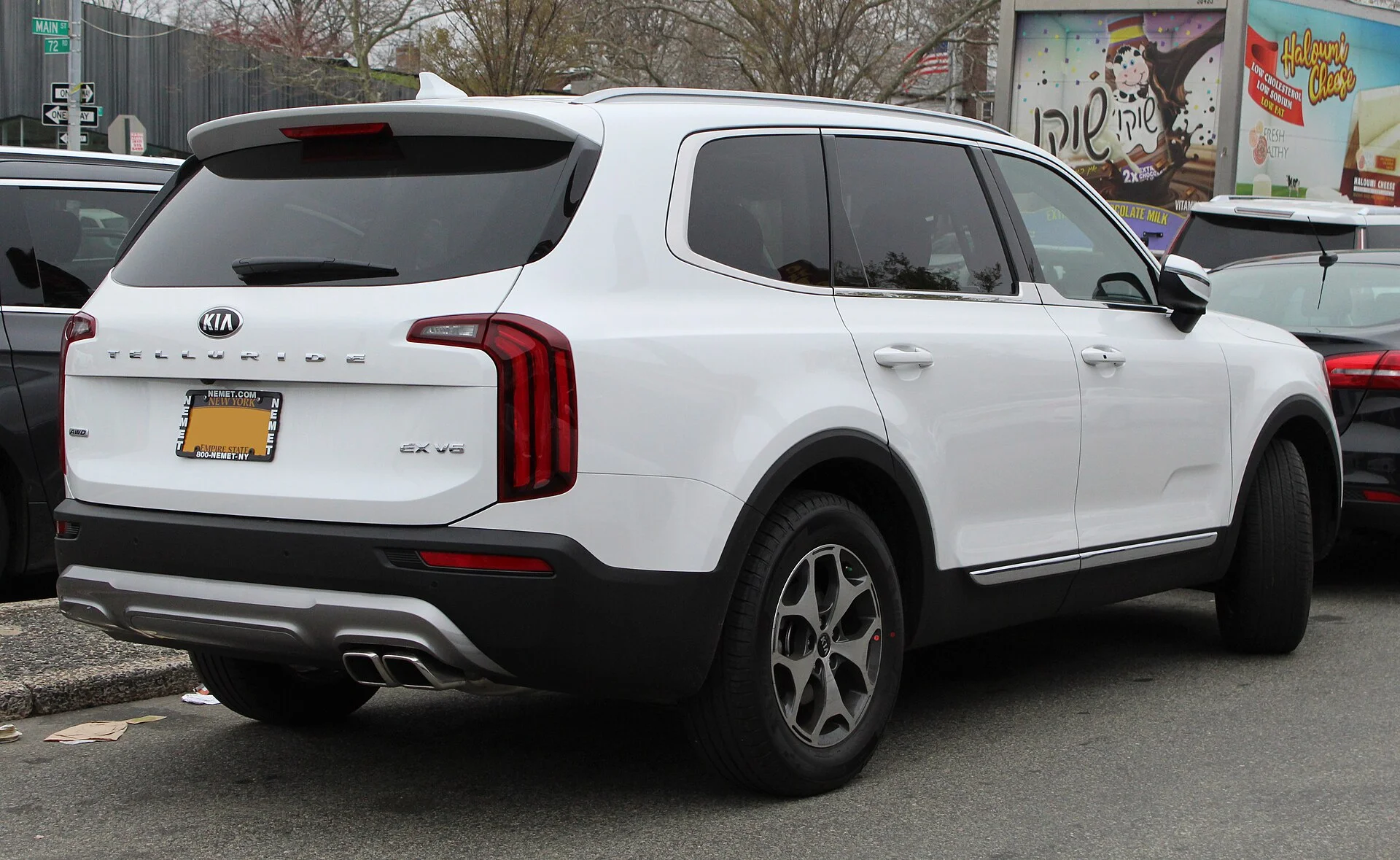
Loading Camping Gear Within the Limit
With the numbers understood, loading the Telluride's roof well is straightforward. Reserve the roof for bulky, lightweight gear — sleeping bags, foam pads, camp chairs, an awning, a lightweight tent — and keep dense, heavy items like water, tools, and food inside the vehicle, low and centered. Weight up high hurts both the roof rating and the handling.
Distribute the load evenly. Kia's 880-pound static figure specifies even distribution for a reason: a load concentrated on one bar or one side stresses those mounts disproportionately, while a balanced load spreads the force as the ratings assume. Center the cargo side to side and share it across both crossbars.
Secure everything against the leverage forces that driving creates. The same physics that lowers the dynamic rating also works on loosely secured cargo, so straps and mounts have to hold against jerking and swinging, not just gravity. A properly tied-down load within the rating is safe; a poorly secured one at the same weight can shift and overstress a mount.
Used within its limits, the Telluride's roof meaningfully expands its already-large cargo capacity, and a quality roof cargo box is the easy way to carry bulky camp gear up top while keeping the spacious cabin free for passengers and the heavy items that belong inside. Light and bulky above, heavy and dense below, everything under 220 in motion — that is the whole recipe.
The Verdict: Plan Around 220, Enjoy the 880
The Kia Telluride is an excellent roof-load and rooftop-tent platform, provided its owner reads the two numbers in the right order. The static rating of 880 lb is generous enough to support a deployed rooftop tent with occupants at camp, and it is what makes roof-tent camping on a Telluride viable in the first place.
The dynamic rating of 220 lb is the one that governs driving, and it is the figure to plan around. Everything carried in transit — a folded tent, a cargo box, bikes — has to fit under 220 pounds combined, which makes tent weight and light roof cargo the decisive choices. The gap between the two numbers is pure physics, not caution, so it cannot be argued around.
Verify the crossbars can carry the load, confirm any tent or carrier is compatible with the Telluride's roof racks before installing it, and never treat the 880-pound parked figure as a driving allowance. Those few disciplines are the difference between a roof that serves for years and one that fails at speed.
Do it right and the Telluride delivers exactly what its size promises: a strong, spacious family SUV that can carry a full camp on its roof and sleep two above it, safely, because its owner planned around 220 in motion and saved the 880 for camp. That ordering of the two numbers is the entire art of using this roof well.