
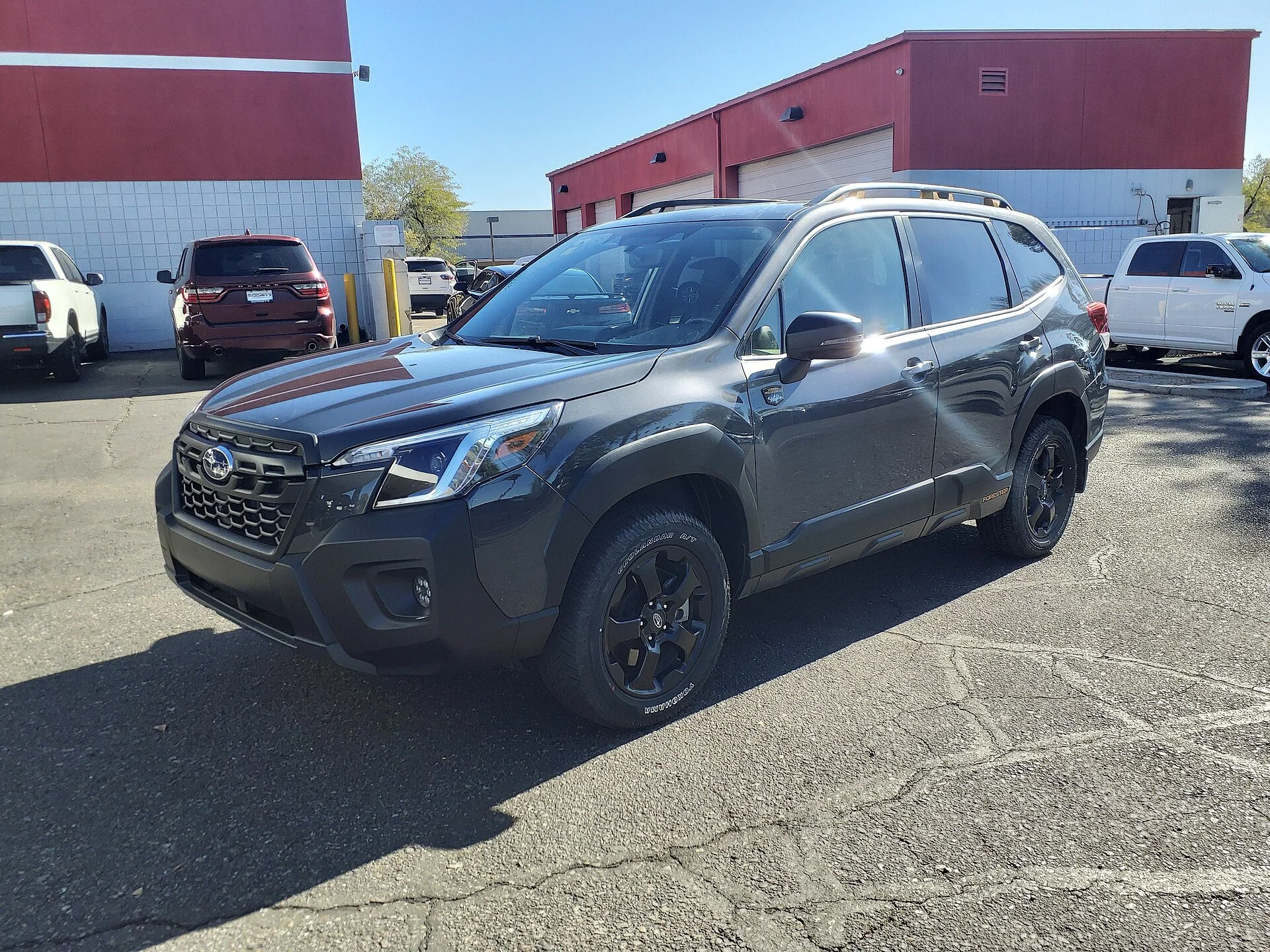
The Short Answer: A Twin, With Length as the Catch
Here is the trade-off nobody prices out for you on the Subaru Forester: a Twin mattress at 38 by 75 inches is the pad that fits, but on this vehicle the binding constraint is length, not width. The Forester is a two-row compact SUV with a load floor length of about 70.7 inches when the rear seatbacks are folded, which is shorter than a 75-inch Twin. So the front seats become part of the bed.
That flips the usual advice. On most SUVs the wheel-well width is the number that ends the conversation, and it matters here too, at roughly 41 to 43 inches. But the Forester's floor is short enough that a standard Twin does not lie flat on the cargo floor alone; you either slide the front seats forward or angle the head of the mattress up the seatbacks.
The rest of this guide sizes the Forester like a system: the 70.7-inch floor, the roughly 41-to-43-inch width, and the moonroof trim's smaller cargo volume. Understand which number binds first, and you build the bed once instead of returning a mattress that was never going to fit the way you pictured.
Why the Cubic-Foot Number Misleads
Cargo volume is the friendliest number a spec sheet can print, and it is the wrong one for a bed. It counts every cubic inch up to the headliner, including the tapered space above the wheel wells, none of which a sleeper uses. The Forester offers up to 74.4 cubic feet of maximum cargo volume on base trims with the rear seats folded, and that figure tells you nothing about whether you lie flat.
There is a trim wrinkle worth knowing before you shop. On trims equipped with the panoramic power moonroof, cargo drops to 29.6 versus 27.5 cubic feet behind the rear seats, and the maximum falls from 74.4 to 69.1 cubic feet, because the moonroof hardware eats into the ceiling. It is a small hit to volume, but it is a reminder that the brochure figure moves with options.
Read those cubic-foot numbers as how much gear you can carry, not as bed size. The flat rectangle at floor level is the only measurement that carries a body, and on the Forester that rectangle is defined by a short floor and a modest width. Size to those two numbers and the volume figure becomes what it should be: a cargo stat, not a sleeping promise.
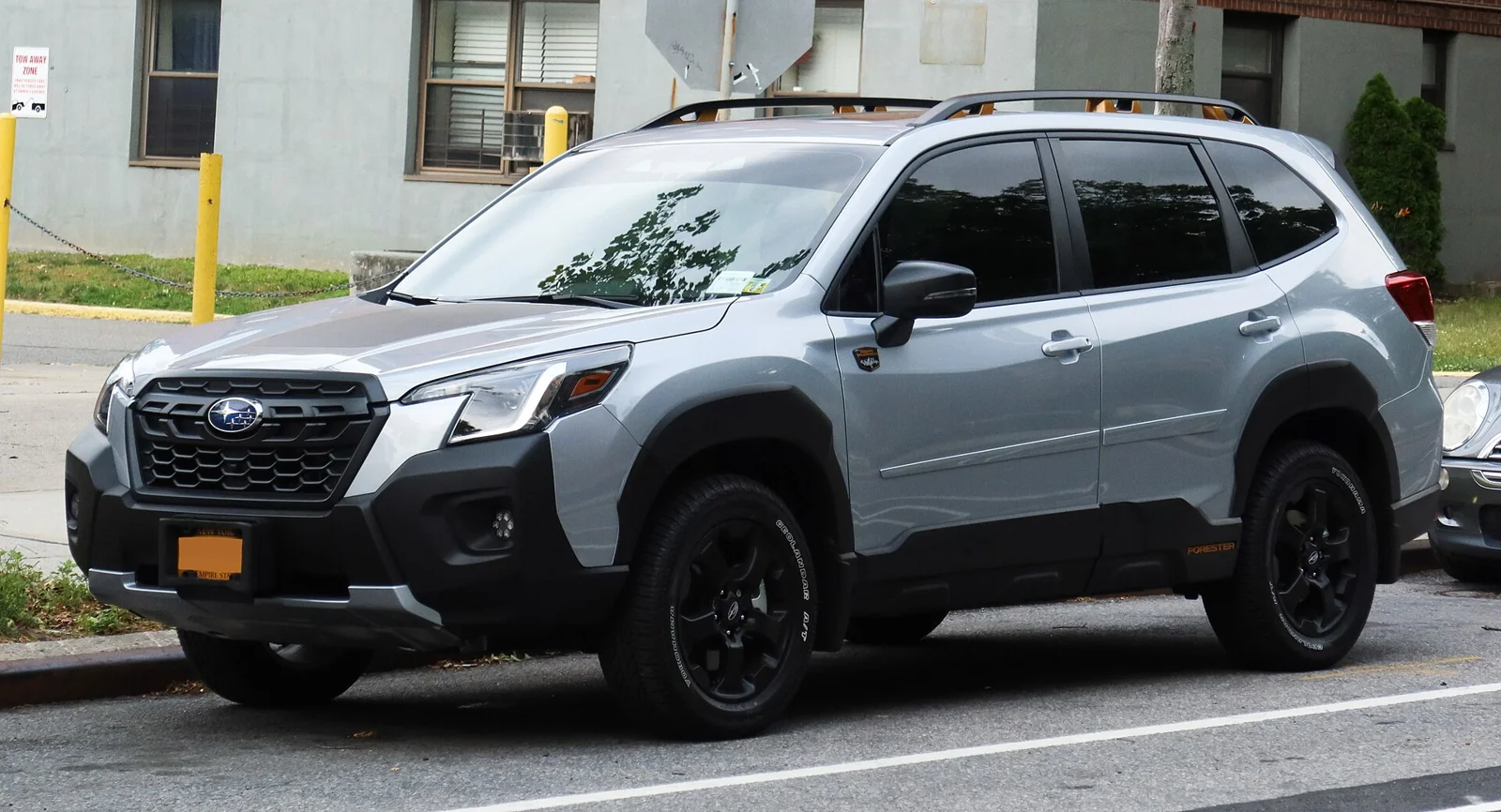
Length Is the Binding Constraint: 70.7 Inches
This is the number that makes the Forester different. Subaru's 60/40-split rear seatbacks fold to a near-flat load floor with a length of about 70.7 inches. A Twin mattress is 75 inches long. That means the mattress is longer than the floor, so on the cargo floor alone a Twin runs out of room and rides up the seatbacks at the head end.
In engineering terms, the floor is the constraint that binds first, before width even enters the picture. The fix is to treat the front seats as an extension of the sleeping surface: slide them forward and the head of the mattress rests partly on the reclined front seatbacks, or angle the pad so its top few inches climb the folded rear seatbacks. Either way you are borrowing length from outside the cargo box.
That is not a flaw so much as a design reality of a compact SUV, and Subaru markets the folded seats as a flat load floor for hauling and sleeping precisely because it is close to level. But close-to-level and long-enough are two different specs. Plan the length first on a Forester, because it is the number that decides whether your build is a simple pad or a front-seat-forward setup.
The engineering lesson generalizes: on any vehicle, find which dimension binds first and build around it, rather than assuming width is always the villain. On a big three-row SUV the width pinches while the floor is long; on the compact Forester the floor is short while the width is merely twin-sized. Same family of problem, opposite binding constraint. Diagnose which one you are solving before you spend a dollar on a mattress, and the setup falls into place instead of fighting you every night.
The Wheel-Well Pinch: Roughly 41 to 43 Inches
Width is the second constraint, and on the Forester it still rules out everything above a Twin. Secondary sources report roughly 41 to 43 inches of width between the rear wheel wells in the Forester cargo area. That pinch is the hard limit on how wide a mattress can lie flat on the floor.
A Twin is 38 inches wide, so it clears the 41-to-43-inch pinch and beds down without fighting the wheel wells. A Twin XL is also 38 inches wide, so width is a non-issue for it too. Step up to a Full at 54 inches wide and you are well over the gap, so a Full cannot lie flat between the panels. The Forester's cargo width is about the size of a twin mattress, which is exactly why the twin is the natural fit.
One honesty note: Subaru does not publish an official width-between-the-wheel-wells figure for the Forester, so the 41-to-43-inch range comes from secondary sources. Treat it as a planning range and confirm it with an in-person tape measurement. On a compact SUV the margins are tighter, so a couple of inches either way is worth knowing before you buy a pad.
Twin and Twin XL: The Realistic Single-Sleeper Sizes
The Twin at 38 by 75 inches is the default recommendation for the Forester. Its 38-inch width sits inside the roughly 41-to-43-inch pinch, so width is handled. The 75-inch length is the part that needs a plan, because it exceeds the 70.7-inch load floor, so you slide the front seats forward or angle the head up the seatbacks to make up the difference.
The Twin XL at 38 by 80 inches is the taller camper's version. The width is identical, so it clears the wheel wells the same way, but its 80-inch length well exceeds the 70.7-inch floor, so it needs the front seats moved forward and part of the mattress resting on the reclined front seatbacks. It is a workable setup, just more of a system than a drop-in pad.
Both sizes make the same point: on the Forester the width choice is trivial because both pads are 38 inches, and the real engineering is in the length. Budget your setup around borrowing length from the front seats, and a Forester sleeps one adult comfortably, or two adults in genuinely close quarters at the twin width.
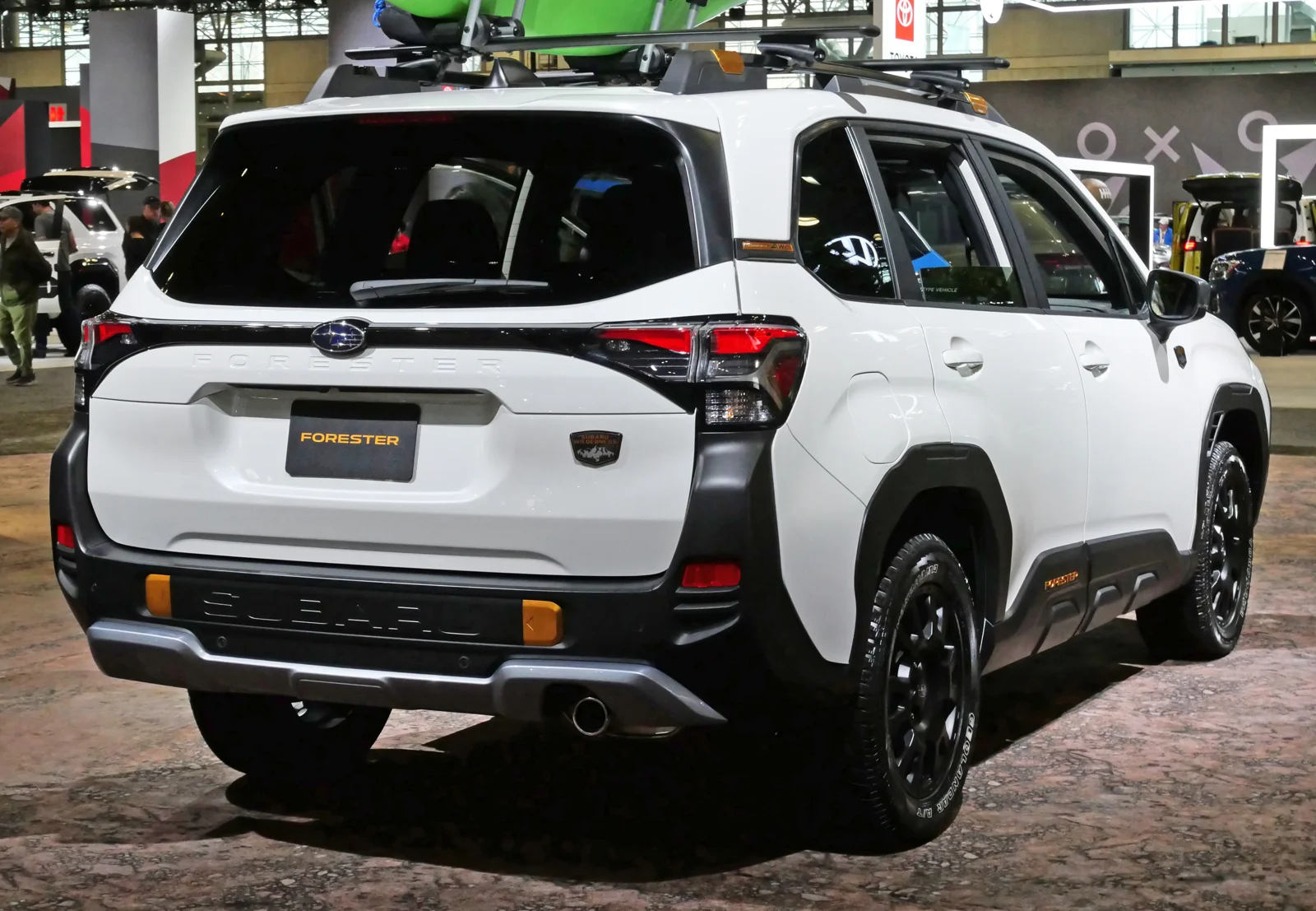
Full-Size: Only on a Raised Platform
A Full mattress is 54 by 75 inches, and it is the size where the Forester says no on the floor. At 54 inches wide, a Full is well over the roughly 41-to-43-inch wheel-well pinch, so it cannot lie flat at floor level. Its edges ride up the wheel-well humps, and because the floor is also short, you would be fighting both constraints at once.
The only way a Full works is on a raised sleeping platform built level with the tops of the wheel wells, where the usable width opens beyond the floor pinch. A deck bridges the humps and gives a wider, flatter surface, with storage underneath in exchange for build time and lost headroom. On a compact SUV that lost headroom is more noticeable, so weigh it honestly.
Whether a platform is worth it is a cost-versus-capability call. It buys width and under-bed storage; it costs headroom, weight, and a build weekend. For most solo Forester campers a Twin with the front seats forward is the smart engineering call, because it delivers a flat bed for the price of a pad. The platform earns its keep mainly when two people insist on sleeping inside.
Queen and King: The Honest No
A Queen is 60 by 80 inches and a King is 76 by 80 inches, and neither fits flat in a Subaru Forester. Both are far wider than the roughly 41-to-43-inch pinch at the floor, and both are also longer than the 70.7-inch floor. A true queen air mattress laid in the back fails on width and length at once and will never sit flat.
This is the reality-grounding surprise that trips up buyers. The 74.4-cubic-foot volume figure sounds like it should swallow a queen, but volume counts air the mattress cannot occupy. The usable flat sleeping width is gated by the pinch and the length by the 70.7-inch floor, and a 60-by-80-inch queen exceeds both.
If two people must sleep in a Forester, the honest setups are two narrow pads at the twin width, or a single wider pad trimmed to the interior and extended over the front seats. A retail queen is the wrong tool for a compact SUV. Believe the tape over the brochure, and you will not buy a mattress that fails on two dimensions before it ever leaves the box.
Headroom, Thickness, and the Forester's One Advantage
The Forester gives back some of what it costs in floor length through headroom. It has a tall cargo opening that gives more sitting headroom than the lower Subaru Outback or Crosstrek, so you can sit up, cook, and change more comfortably than the compact footprint suggests. That vertical room is the Forester's quiet advantage for car camping.
Because the folded seats are near-flat, a modest pad beds down evenly and preserves that headroom. A thinner foam or self-inflating pad is the smart pick, since it hugs the floor and leaves the most room overhead; a tall inflatable eats into the sitting height and magnifies any seam underneath. Lower and firmer is the efficient choice on a compact SUV.
Where the head of the mattress climbs the seatbacks or rests on the front seats, a small amount of extra padding smooths the transition so you are not sleeping on a slope. Think of it as leveling a system: the floor, the seatback rise, and the front-seat extension should read as one continuous surface. Get that right and the Forester's tall interior makes it feel roomier than its numbers.
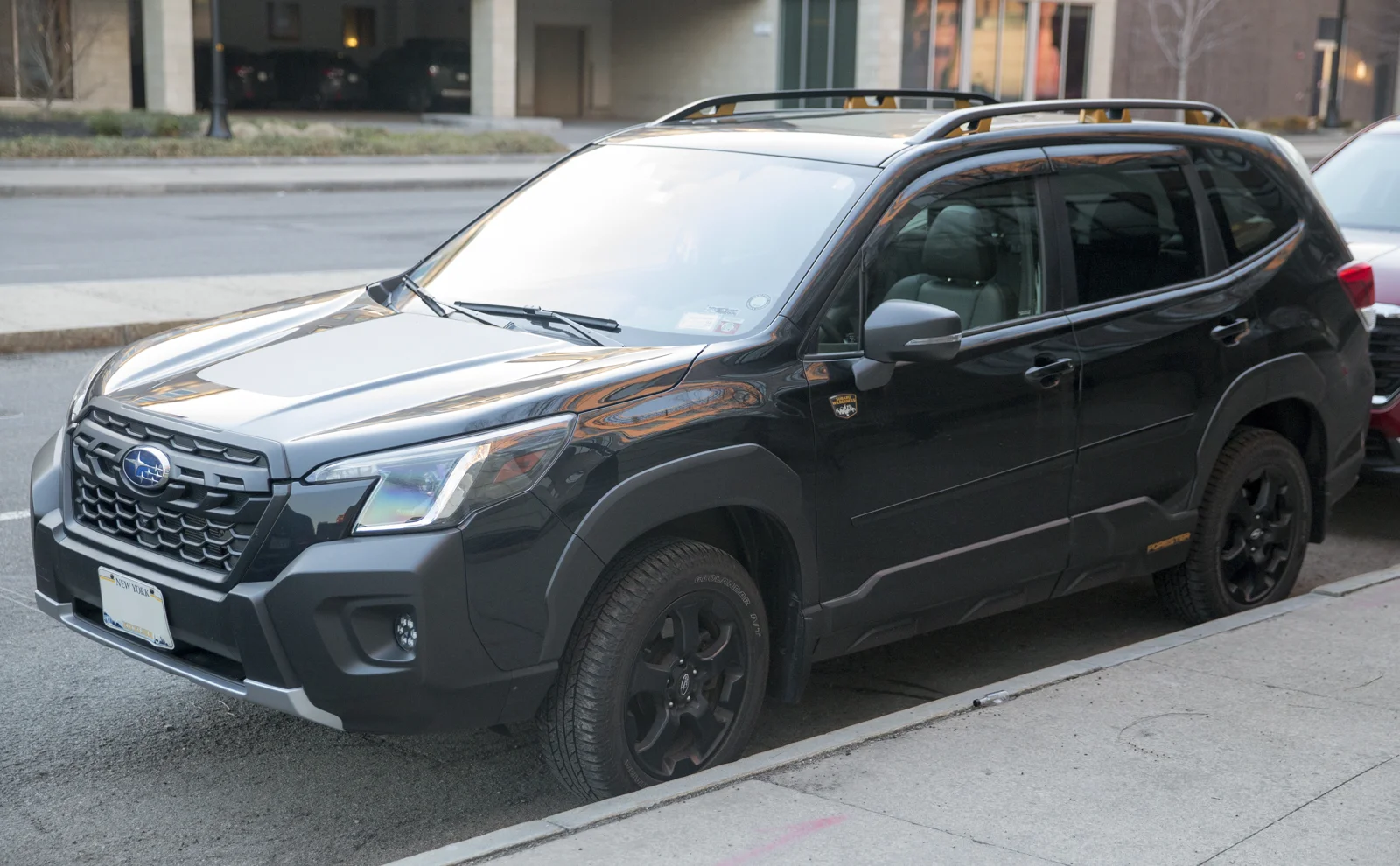
Building the Forester Bed
Putting it together is a length exercise. Fold the 60/40 rear seatbacks flat, set the front seats for your height, and plan for the mattress to run from the tailgate over the 70.7-inch floor and onto the front seat area. Lay the pad head toward the front seats or the tailgate depending on how you angle it, and confirm it clears the roughly 41-to-43-inch width before you inflate.
For the pad itself, a Twin-size car-camping air mattress sized to a Twin footprint is the easiest match, since anything wider fights the wheel wells. A foam pad or self-inflating mat handles the slight rise where the floor meets the seatbacks better than a tall inflatable, and it preserves the Forester's headroom advantage.
Two accessories finish the job: window covers for light and privacy, and a filler pad to bridge the transition onto the front seats. For the full sleeping picture, the Forester cargo dimensions for sleeping and the can you sleep in a Subaru Forester guide cover ventilation and layout, while the Forester awning size guide handles shade and rain cover outside the tailgate.
The Verdict: A Twin Vehicle Where Length Is the Job
The Subaru Forester is a solid one-person sleeper with a twist most SUV mattress guides get wrong: its binding constraint is length, not width. A Twin at 38 by 75 inches is the pad it takes, narrow enough for the roughly 41-to-43-inch wheel-well pinch, but longer than the 70.7-inch load floor, so the front seats have to carry the last few inches.
Scale up only with a plan. A Twin XL fits the width and needs even more front-seat extension for its 80-inch length. Anything wider than a Twin needs a raised platform to clear the wheel wells, a Full fails on both width and floor length, and a Queen or King does not fit flat at all, despite the 74.4-cubic-foot volume.
Engineer it as a system and the Forester rewards you: build the length out of the front seats, keep the pad thin to protect the tall headroom, and buy to the roughly 41-to-43-inch width. Measure your own vehicle, and remember the moonroof trim carries a little less cargo. Do that homework once and the Forester turns into a genuinely comfortable little basecamp for one. For how the sizing logic carries across vehicles, the SUV mattress size guide lets you sanity-check your pad before it ships.