
The Short Answer: A Twin Fits, but Measure Your Own
For a single sleeper in a Kia Sorento, a Twin mattress at 38 by 75 inches is the realistic answer, with one honest caveat that separates this SUV from most: the second row slides, so the seats-down length is not a fixed number, and Kia does not publish the width between the wheel wells. On the Sorento more than most vehicles, the tape measure is the real spec sheet.
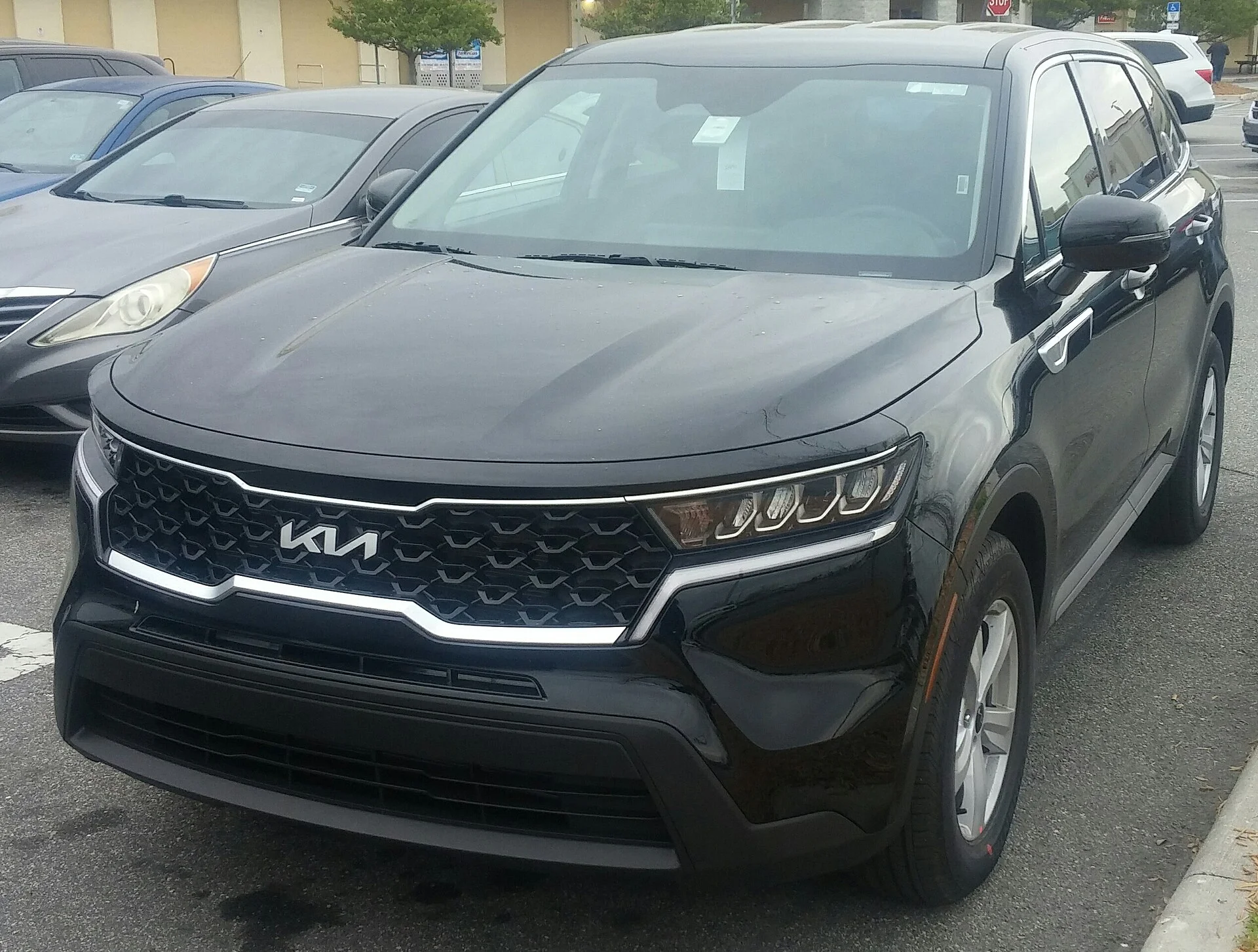
The current-generation Sorento, from 2021 and newer, is a three-row compact-to-midsize SUV. Fold both rear rows and it offers up to 75.5 cubic feet of maximum cargo volume. That number sounds generous, but volume is not a bed measurement, because a mattress is a rectangle and the cargo bay is pinched by wheel wells.
The rest of this guide walks the two measurements that decide the fit, both of which you should confirm in your own Sorento: the roughly 42-to-44-inch wheel-well pinch and a seats-down length in the neighborhood of 72 to 75 inches with just the third row folded. Open it up, run a tape, and you will know exactly what you are working with.
Why the Cubic-Foot Number Misleads
Cargo volume is a bragging figure. It counts every cubic inch up to the headliner, including the tapered space above the wheel wells and the air over the seatbacks, none of which a person lying down can use. A Sorento advertised at 75.5 cubic feet still forces a mattress onto a floor far narrower than the volume implies.
The Sorento's own numbers show how the figure climbs without helping a sleeper. With all three rows up there are 12.6 cubic feet behind the third row; fold the third row and that rises to between 38.5 and 45.0 cubic feet depending on how far forward the second-row seats are slid; fold both rear rows and it reaches 75.5 cubic feet. That 38.5-to-45.0 range is the tell that this vehicle's interior is adjustable rather than fixed.
Open the panels up and the reason is obvious: the sliding second row trades cargo length for legroom, so the space behind it is whatever you set it to. Read the 75.5-cubic-foot figure as how much gear you can pile in, not as a promise of bed size. The flat footprint at floor level is the only measurement that carries a body, and on the Sorento it is one you dial in.

The Wheel-Well Pinch: Roughly 42 to 44 Inches
Here is the number that governs everything. Secondary sources report roughly 42 to 44 inches of width between the rear wheel wells on the Sorento. That pinch is the hard limit on any mattress laid directly on the floor, and it is the single most important figure in this guide, even though Kia does not print it.
A Twin is 38 inches wide, so it clears the 42-to-44-inch pinch and beds down without fighting the wheel wells. A Twin XL is also 38 inches wide, so it clears the pinch the same way. Step up to a Full at 54 inches wide and you are well over the gap, so a Full simply cannot lie flat between the panels. The Sorento's pinch runs a little narrower than the roomier midsize SUVs, which makes it a solo-first vehicle.
Here is the honesty part a tinkerer cares about: Kia does not publish an official seats-down width between the wheel wells, and a first-hand owner tape measurement was not located, so the 42-to-44-inch figure comes from secondary sources. Treat it as a planning range, not gospel. Lay a tape across the back of your own Sorento before you buy anything; on this vehicle that step is not optional, it is the whole game.
Length: The Sliding Second Row Changes the Answer
On most SUVs the seats-down length is a single published number. On the Sorento it is a moving target, because the second row slides. Secondary sources report roughly 72 to 75 inches of length with just the third row folded, but where in that range you land depends on how far forward you have set the second-row seats.
That variability is why Kia does not publish a clean seats-down floor length for the Sorento: there isn't one. Slide the second row forward and you gain cargo length behind it; slide it back for passenger legroom and you lose some. For sleeping, you want it forward, which pushes you toward the longer end of that 72-to-75-inch range and lets a 75-inch Twin fit with the front seats nudged as needed.
The practical move is to set the second row where you want it, fold everything flat, and then measure the actual length you have before choosing a mattress. A Twin at 75 inches fits when the geometry is set for cargo; a Twin XL at 80 inches asks for both rows folded and the front seats slid forward to reach the full length. Measure the specific configuration you plan to sleep in, not a generic spec.
This adjustability is genuinely a feature once you stop fighting it. A fixed-floor SUV gives you one length and you live with it; the Sorento lets you borrow a few inches from the back seat when you are sleeping solo and give them back when you are carrying passengers. The only cost is that you cannot buy a mattress off a spec-sheet number, because the number depends on where you left the seats. Set them, then shop, and the Sorento rewards the small extra effort with a bed sized exactly to how you actually travel.
Twin and Twin XL: The Realistic Single-Sleeper Sizes
The Twin at 38 by 75 inches is the default recommendation for the Sorento, and it earns that spot on both dimensions. Its 38-inch width sits inside the roughly 42-to-44-inch wheel-well pinch, and its 75-inch length fits the longer end of the 72-to-75-inch seats-down range once you slide the second row forward. It is the size the vehicle is shaped for.
The Twin XL at 38 by 80 inches is the taller camper's version of the same pad. The width is identical, so it clears the wheel wells the same way, but the 80-inch length asks for both rows folded and the front seats slid forward to reach the full seats-down length. If you are over six feet, the Twin XL is worth the extra setup for the length at your feet.
Both sizes share the same logic: the width is already settled at 38 inches, so your only real variable is length, and on the Sorento that variable is literally adjustable. That is a strength once you understand it. Set the geometry, confirm the length with a tape, and the Sorento sleeps a solo camper cleanly on a Twin.
Full-Size: Only on a Raised Platform
A Full mattress is 54 by 75 inches, and it is the size where the Sorento starts saying no. At 54 inches wide, a Full is well over the roughly 42-to-44-inch wheel-well pinch, so it cannot lie flat on the cargo floor. Lay one down and its edges ride up the wheel-well humps, leaving you sleeping in a shallow trough.
The only way a Full works is on a raised sleeping platform built level with the tops of the wheel wells, where the usable width opens up beyond the floor pinch. A deck bridges the humps and gives a wider, flatter surface, with storage underneath in exchange for the build time and lost headroom. It is the standard trick for squeezing more width out of a compact-to-midsize SUV.
Whether it is worth it depends on how you camp. Given the Sorento's narrower roughly 42-to-44-inch pinch, a platform gains proportionally more here than on a wide SUV, but it is still a build. For most solo Sorento campers a Twin on the flat floor is simpler and just as comfortable; the platform earns its keep mainly when two people insist on sleeping inside.
Queen and King: The Honest No
A Queen is 60 by 80 inches and a King is 76 by 80 inches, and neither fits flat in a Kia Sorento. Both are far wider than the roughly 42-to-44-inch pinch at the floor, and both stay too wide even up above the wheel wells. A true queen air mattress laid in the back will buckle against the wheel wells and never sit flat, no matter how you angle it.
This is the reality-grounding surprise that trips up buyers. The 75.5-cubic-foot volume figure sounds like it should swallow a queen, but volume counts air the mattress cannot occupy. The usable flat sleeping width is gated by the pinch, not by the cubic-foot number, and a 60-inch queen sits well past that pinch.
If two people must sleep inside a Sorento, the honest setups are two narrow pads side by side on a platform, or a single wider pad trimmed to the interior. The Sorento is best suited to solo campers or shorter couples given the narrow width between the wheel wells. Believe the tape measure over the brochure, and you will not waste money on a mattress that never lies down.
Thickness and the Sitting-Height Trade
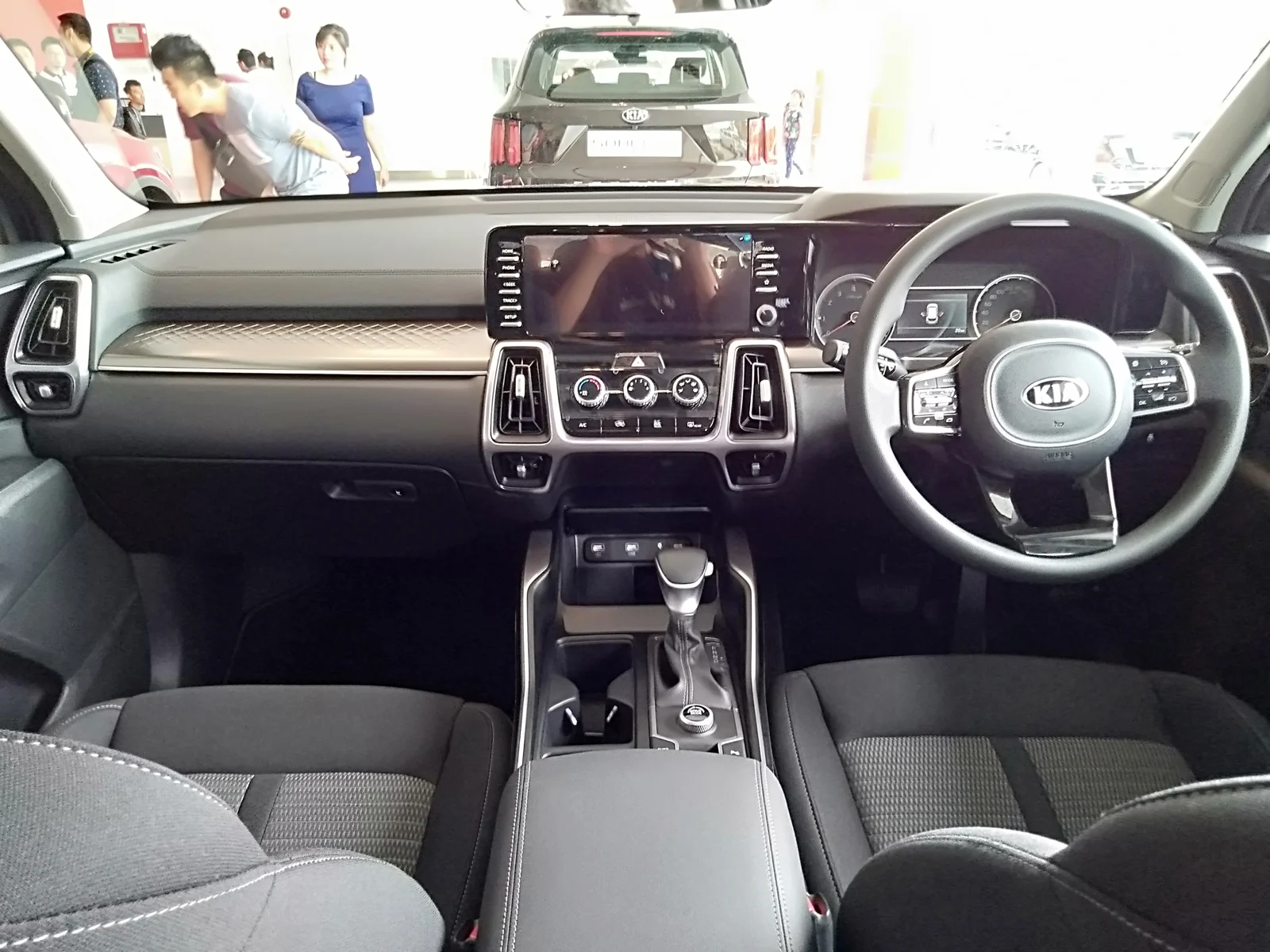
Once the footprint is right, pad thickness is the next lever, and a tinkerer approaches it as a trade rather than a comfort upgrade. The Sorento's second- and third-row seats fold to a largely flat load floor, so a modest pad beds down evenly. Every inch of pad you add, though, is an inch of sitting room you give back, which on a compact-to-midsize SUV you feel sooner than on a big three-row.
That is why a thinner foam or self-inflating pad tends to win here over a tall inflatable. The thin pad hugs the largely flat floor and preserves the most headroom for sitting up, cooking, or changing clothes. A tall air mattress feels plush in a showroom but magnifies any seam underneath and steals the room you want overhead.
If the folded floor shows any small rise where the seatbacks meet the cargo area, a thin gap-filler pad or folded blanket bridges it so nothing sags. It is the same principle as shimming any part that does not sit perfectly flush: fill the gap, then load the surface. Match a modest thickness to the Sorento's flat floor and you sleep better than you would on a plusher pad in a bumpier vehicle.
Building the Sorento Bed
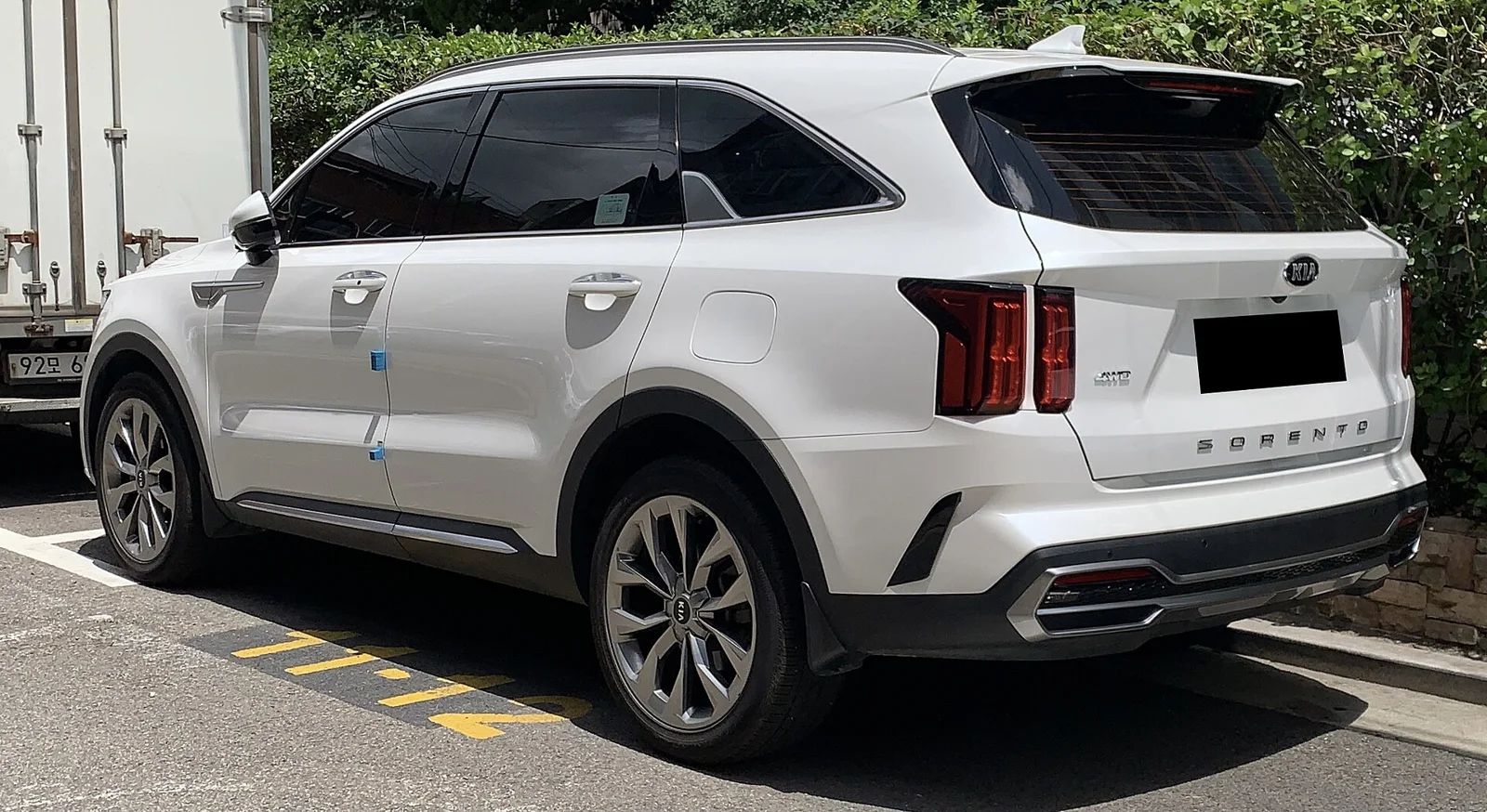
Putting it together starts with geometry, because on the Sorento that is a choice. Set the second row where it gives you the cargo length you want, fold both rear rows flat, and set the front seats for your height. Lay your pad head toward the tailgate, and confirm it clears the roughly 42-to-44-inch pinch and fits the length you measured before you inflate.
For the pad itself, a Twin-size car-camping air mattress sized to a Twin footprint is the easiest match, since anything wider will fight the wheel wells. If you want a firmer, flatter surface that preserves headroom, a foam pad or self-inflating mat suits the Sorento's flat floor better than a tall inflatable. Add a fitted sheet and any seam disappears.
Two accessories finish the job: window covers for light and privacy, and a small gap-filler pad for any seatback seam. For the full sleeping picture, the Sorento cargo dimensions for sleeping and the can you sleep in a Kia Sorento guide cover ventilation and power, while the Kia Sorento camping guide handles the broader trip setup.
The Verdict: A Solo Sleeper You Measure First
The Kia Sorento is a capable one-person sleeper that rewards a tape measure more than most. A Twin at 38 by 75 inches is the mattress it was shaped for: narrow enough for the roughly 42-to-44-inch wheel-well pinch, and short enough for the 72-to-75-inch seats-down range once you slide the second row forward. That is the recommendation for almost everyone.
Scale up only with a plan. A Twin XL needs both rows folded and the front seats forward, and anything wider than a Twin needs a raised platform to clear the wheel wells. A Full is a platform-only size, and a Queen or King does not fit flat at all, despite the 75.5-cubic-foot volume.
The Sorento's honest quirk is that two of its key numbers, the wheel-well width and the seats-down length, are not OEM-published, one because Kia never printed it and one because the sliding second row changes it. So measure your own vehicle in the configuration you will sleep in, then buy to the pinch. For how the sizing logic carries across vehicles, the SUV mattress size guide lets you sanity-check your pad before it ships.