
The Cargo Number That Actually Decides If You Can Sleep In It
Here is the trade-off nobody prices out for a would-be Sorento camper: the cubic-foot figure everyone quotes is not the number that decides whether you can sleep back there. Cubic feet measure volume, and sleeping needs a flat length and a usable width. The Kia Sorento's 75.5 cubic feet behind the first row sounds generous, and it is — but volume and sleepable space are different specs, and confusing them is how people end up cramped.
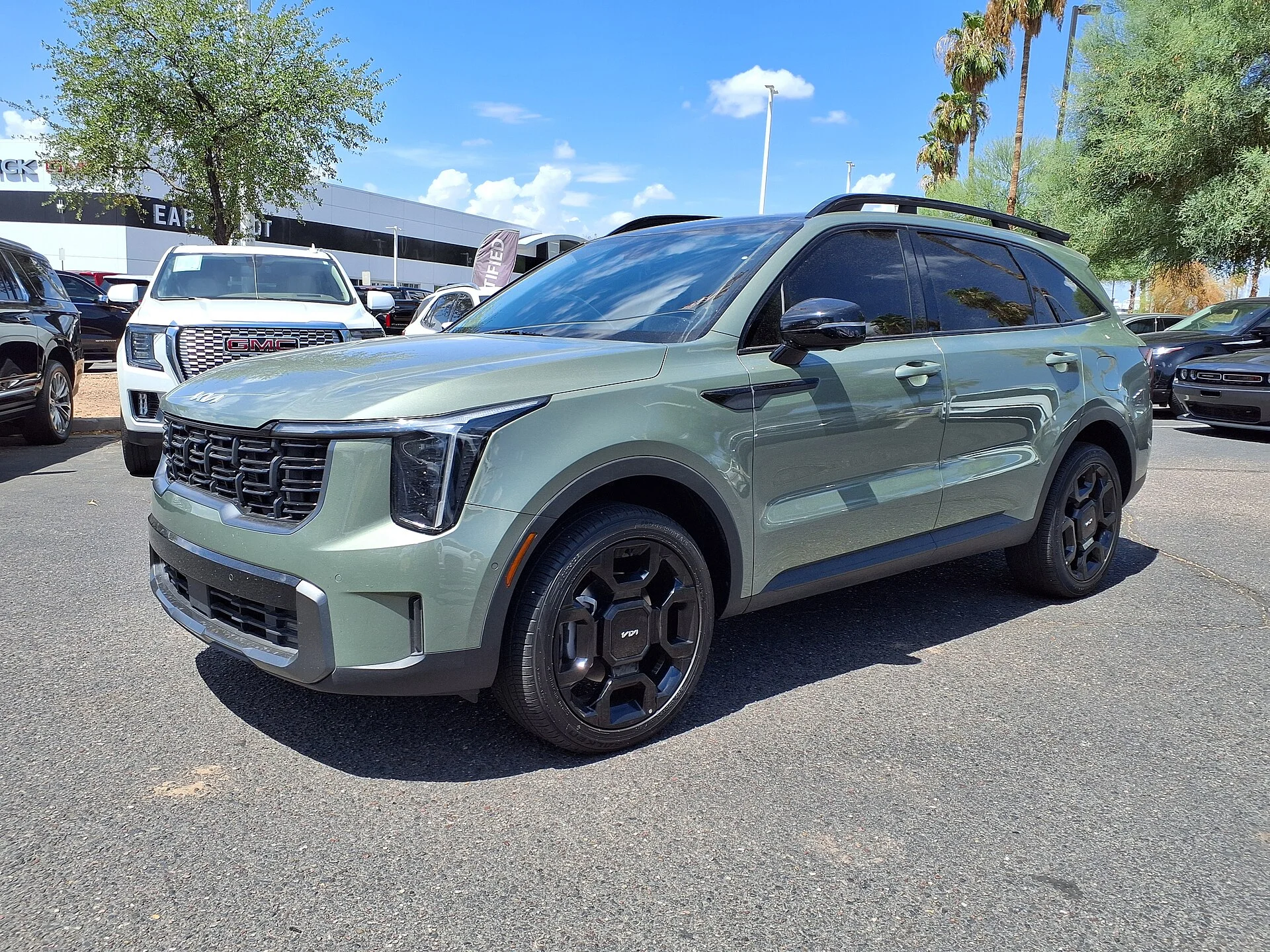
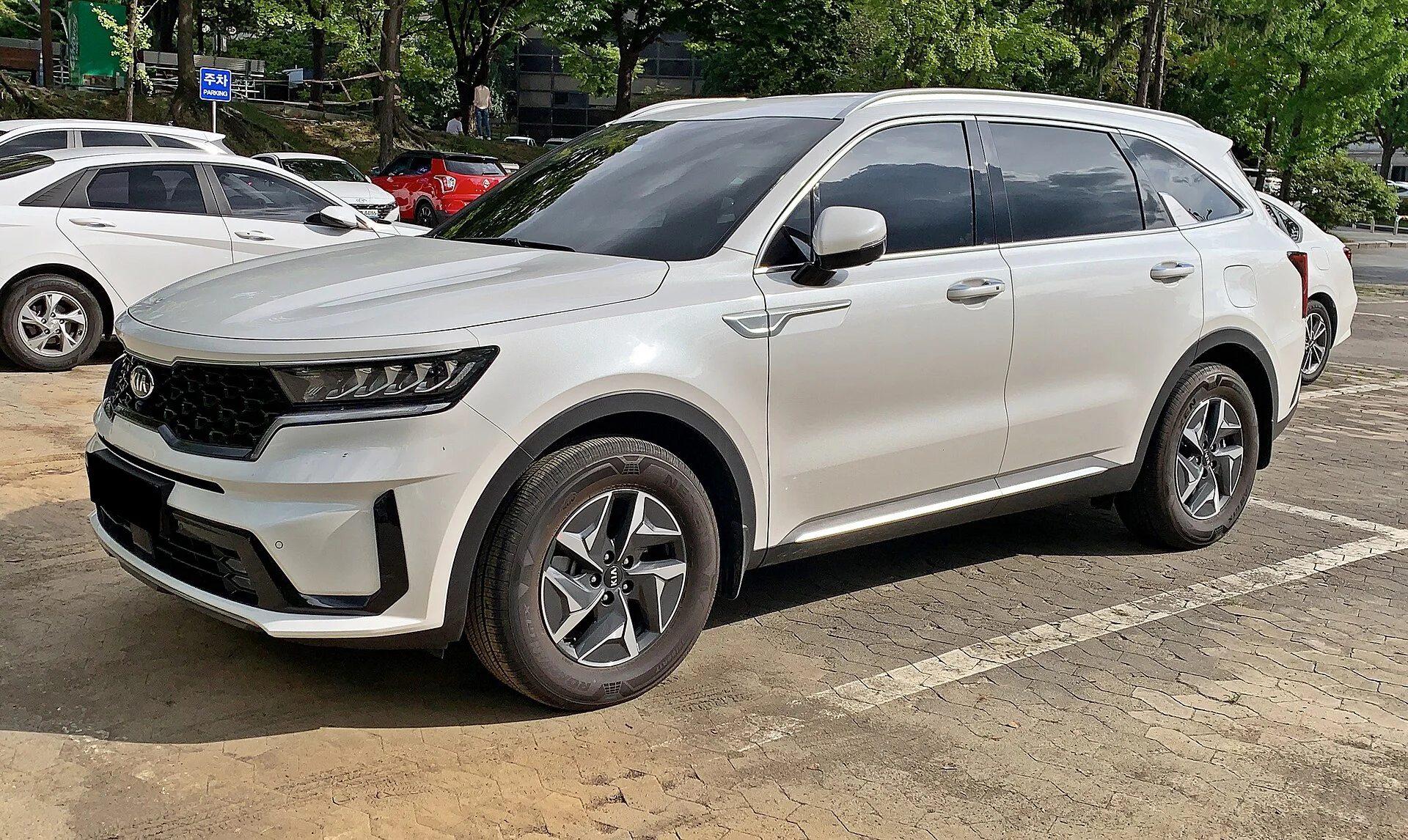
The Sorento is a midsize three-row SUV, which makes it an interesting sleeping candidate: bigger than a compact crossover, smaller than a full-size body-on-frame SUV. That in-between size is exactly why the real dimensions matter. It has genuine room, but it is not limitless, and the layout has to be understood to use it well.
The engineering way to look at this is to break the cargo space into its three real configurations, understand what each one enables, and then reason about the flat sleeping surface honestly — including the one dimension, length, that a compact-footprint SUV like the Sorento constrains. That is where the sleeping decision actually lives.
Every figure here is a published Kia specification, read for what it means to a person lying down rather than to a moving company. The goal is a clear, honest picture: how much space each seating configuration frees, what fits, and how to turn the Sorento's flat floor into a genuinely usable bed.
The Three Cargo Configurations
The Sorento's cargo space is really three different spaces depending on which seats are folded, and each serves a different camper. Behind the third row, with all seats up, there is 12.6 cubic feet — enough for a stroller or a couple of carry-on suitcases, but not a sleeping space. This is the daily-driver configuration, useful for a full carload of people plus a modest amount of gear.
Fold the third row — which splits 50/50, so you can keep half a seat if you need it — and the space behind the second row grows to roughly 45 cubic feet, holding a family's checked luggage or a real load of camping equipment. This is the configuration for a couple or a small family who sleep elsewhere but carry gear in the Sorento.
Fold both rear rows and the Sorento opens up to its full 75.5 cubic feet behind the first row. This is the sleeping configuration, the flat load floor that runs from the front seatbacks to the tailgate, and it is the only one that matters for turning the Sorento into a bed.
Understanding these three is the foundation. A camper sleeping solo or as a couple lives in the 75.5-cubic-foot full-fold configuration; a family that needs to seat more people trades sleeping length for seats. The Sorento's flexibility is real, but every configuration is a trade between passengers and flat space, and picking the right one is the first decision.
What 75.5 Cubic Feet Really Gives You
The full 75.5 cubic feet behind the first row is the Sorento's sleeping platform, and it is worth understanding what that volume translates to in practice. It is described as enough for moving-day boxes, a flat-packed dresser, or camping gear for a whole scout troop — a genuinely large hauling volume for a midsize SUV.
For sleeping, though, the relevant question is the shape of that volume, not its size. The 75.5 figure includes height up to the headliner and width across the whole cabin, much of which is irrelevant to a person lying flat. The sleepable portion is the length and width of the load floor, and that is a subset of the total volume.
The good news is that the width is genuinely usable. The Sorento is 74.8 inches wide overall, which leaves a cargo-floor width between the wheel wells sufficient for one adult to sleep straight and comfortable, or two adults sleeping close. Width is rarely the Sorento's limitation for sleeping.
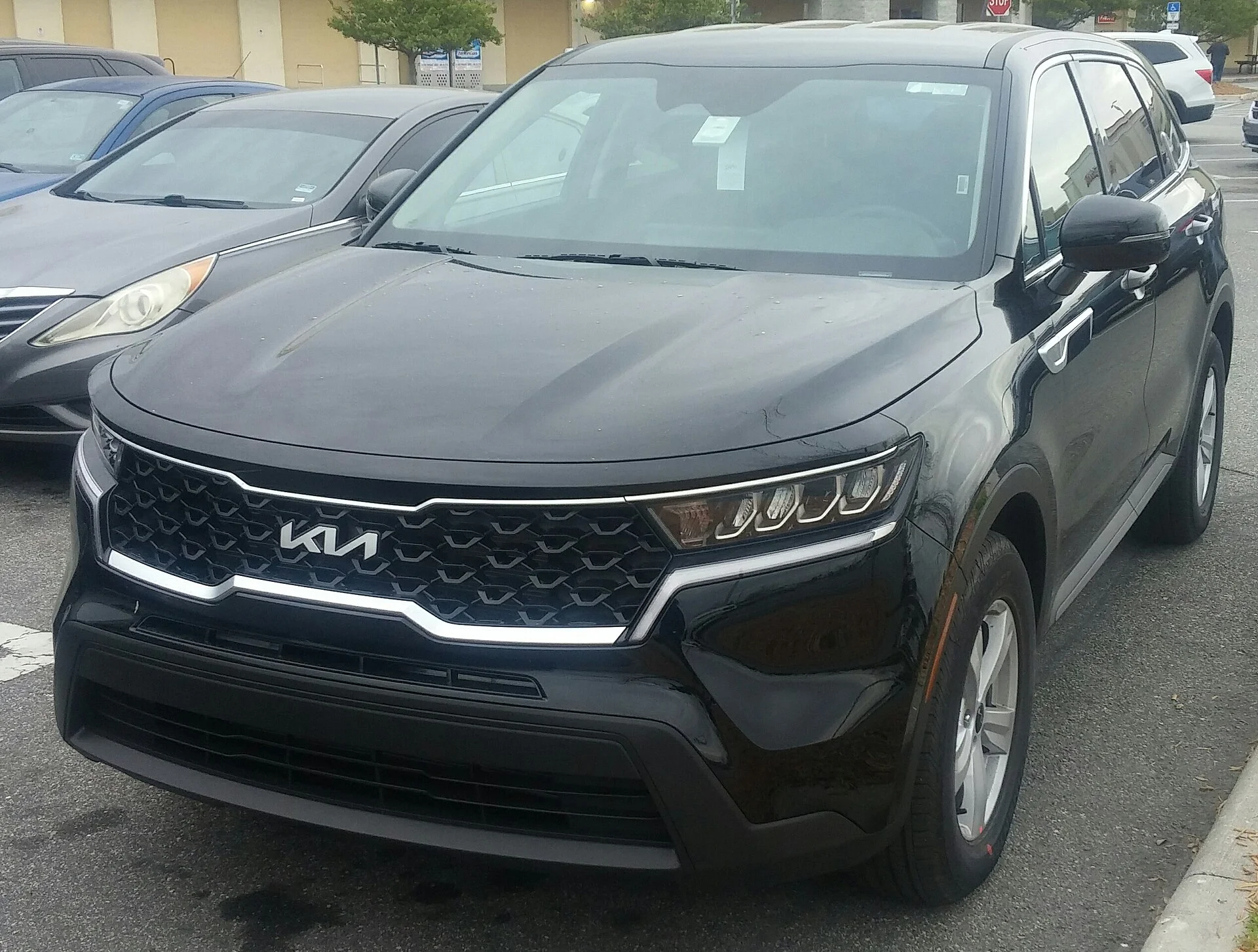
The honest constraint is length, and it follows directly from the vehicle's compact footprint. At 189.0 inches overall, the Sorento is a relatively short three-row, and the flat floor behind the folded seats is on the shorter side for a taller sleeper. That single dimension, more than the impressive volume figure, decides how comfortable a night in a Sorento actually is — which the next section tackles head-on.
The Length Question a 189-Inch SUV Can't Escape
Length is the spec that separates SUVs that sleep two adults straight from those that require a diagonal or a platform, and the Sorento's 189.0-inch overall length puts it on the shorter side of the three-row class. A compact exterior footprint means a compact flat floor, and there is no way to package around basic geometry.
For a shorter sleeper, the flat floor behind the folded rows may be long enough to stretch out fully, and the Sorento works cleanly as a one-person bed. For a taller camper, the honest expectation is that the flat length will be tight, and some accommodation — a diagonal sleeping position or a slight recline of the front seats to gain a few inches — becomes necessary.
This is not a knock on the Sorento so much as the reality of its class. A full-size SUV on a longer wheelbase gives more flat length; the Sorento trades some of that length for a more maneuverable, efficient, easier-to-park midsize footprint. For many campers that trade is worth it, but it has to be made with eyes open about the length.
The practical way to handle it is to measure before committing. Fold the seats, lie down, and see whether the flat floor accommodates your height or whether you need a technique to extend it. Better to learn that in the driveway than at a campsite, and the next sections cover exactly how to gain the length the Sorento's footprint does not give for free.
Building a Flat, Level Sleeping Surface
Folding the Sorento's rear seats creates a large cargo area, but like most SUVs it is not perfectly flat — there is usually a slight step or angle between the folded seatbacks and the cargo floor. Turning that into a genuine bed means leveling it, and a simple sleeping platform or the right padding does the job.
The engineering approach is to fill the low spots rather than pile foam everywhere. A modest platform built to bridge the step between the folded seats and the floor creates a continuous flat surface, and it has the bonus of freeing storage underneath. This is where the Sorento's generous volume pays off: there is room for a platform with gear stowed below it.
If a built platform is more than you want, dense foam or an inflatable mattress sized to the load floor can smooth the surface, provided the mattress bridges the step firmly rather than sagging into it. The goal is the same: a level surface with no ridge under your hips, which is what actually determines whether you sleep or toss all night.
Either way, the flat floor is the starting point and the leveling is the craft. A Sorento with a properly leveled sleeping surface is comfortable within its length; one where you sleep across an unlevelled seat-to-floor step is not, regardless of how many cubic feet the brochure claims. Level first, then worry about length.
Sleeping Solo vs as a Couple
The Sorento's sleepable width comfortably handles one adult and can handle two who sleep close, but the couple configuration is where the length constraint bites hardest. Two adults lying side by side both need the full flat length, so the vehicle's shorter footprint limits comfort for two taller people more than it does for one.
For a solo camper, the Sorento is a straightforward win. One person has the full width to spread out and can position diagonally if extra length is needed, using the cabin's corner-to-corner diagonal to gain inches the straight length does not offer. A single sleeper rarely finds the Sorento cramped.
For a couple, the honest assessment is that the Sorento works best for two people of average or shorter height, or two who do not mind a cozy fit. Taller couples will feel the length limit, and the diagonal trick that helps a solo sleeper does not work when two people need to lie parallel. This is the configuration where a longer vehicle would genuinely serve better.
The takeaway is to match the Sorento to the sleeping party. As a solo or shorter-couple camper's rig, it is comfortable and capable; as a bed for two tall adults, it is workable but tight. Knowing which case you are in before the trip is the difference between a good night and a compromised one, and it comes straight from the length spec.
How the Sorento Compares Within Its Class
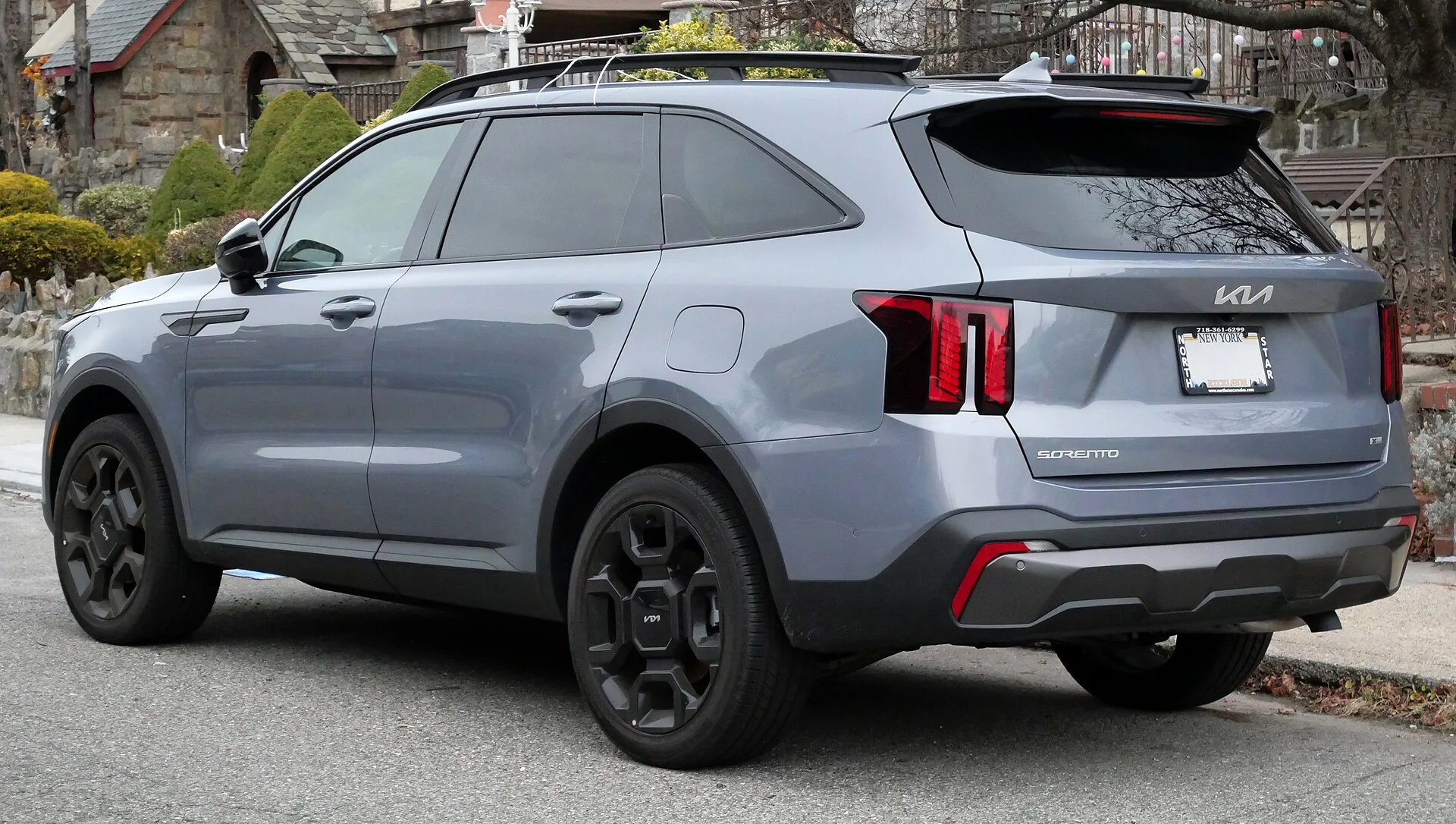
Placing the Sorento honestly among three-row SUVs helps set expectations. Its 75.5 cubic feet of maximum cargo volume is competitive for a midsize three-row, and its 50/50 folding third row and folding second row give it the flexibility to shift between passenger and cargo duty easily. On paper, the space is strong for the class.
Where it sits mid-pack is flat sleeping length, a direct function of its 189.0-inch footprint. Larger three-rows and full-size SUVs offer more flat length for taller sleepers, while compact two-row crossovers offer less. The Sorento lands in between: more sleepable than a compact, shorter than a full-size, which is exactly what its midsize positioning implies.
The compensating advantages are real. That same compact footprint makes the Sorento easier to maneuver on tight forest roads, simpler to park at a trailhead, and more efficient to drive to the campsite — practical benefits a full-size SUV gives up. For many campers, a slightly tighter bed in exchange for a more usable vehicle is a sensible trade.
The engineering verdict is that the Sorento is a well-balanced compromise rather than a specialist. It is not the roomiest sleeper in the class, but it carries a genuinely useful 75.5 cubic feet, folds flexibly, and drives like the manageable midsize it is. Judged as a versatile all-rounder that can also sleep one or two, it earns its place.
Packing Gear Around the Sleeping Setup
Sleeping in the Sorento means the cargo floor is your bed, so the gear has to go somewhere else, and the vehicle's volume gives options. The cleanest approach is a platform build that puts the bed on top and the gear in bins underneath, using the Sorento's height and the 75.5-cubic-foot volume to store below the sleeping surface.
Without a platform, gear has to migrate to the footwells, the front seats, and the roof. The front seats can hold soft bags overnight, the footwells swallow bins, and a roof box or cargo carrier takes the bulky, lightweight items — camp chairs, an awning, sleeping bags not in use. Keeping the flat floor clear for sleeping is the priority; everything else finds a home around it.
A hitch-mounted cargo carrier is worth considering for a Sorento specifically because the interior length is tight. Moving gear outside the vehicle preserves every inch of the flat floor for the bed, which matters more in a compact-footprint SUV than in a full-size one. A quality hitch cargo carrier keeps the sleeping area uncompromised.
The organizing principle is that in a midsize SUV, flat floor space is precious and should not be spent on gear that can live elsewhere. Store below the bed, in the cabin's margins, or outside the vehicle, and reserve the load floor for sleeping. Do that and the Sorento's real limitation — length — is not made worse by clutter.
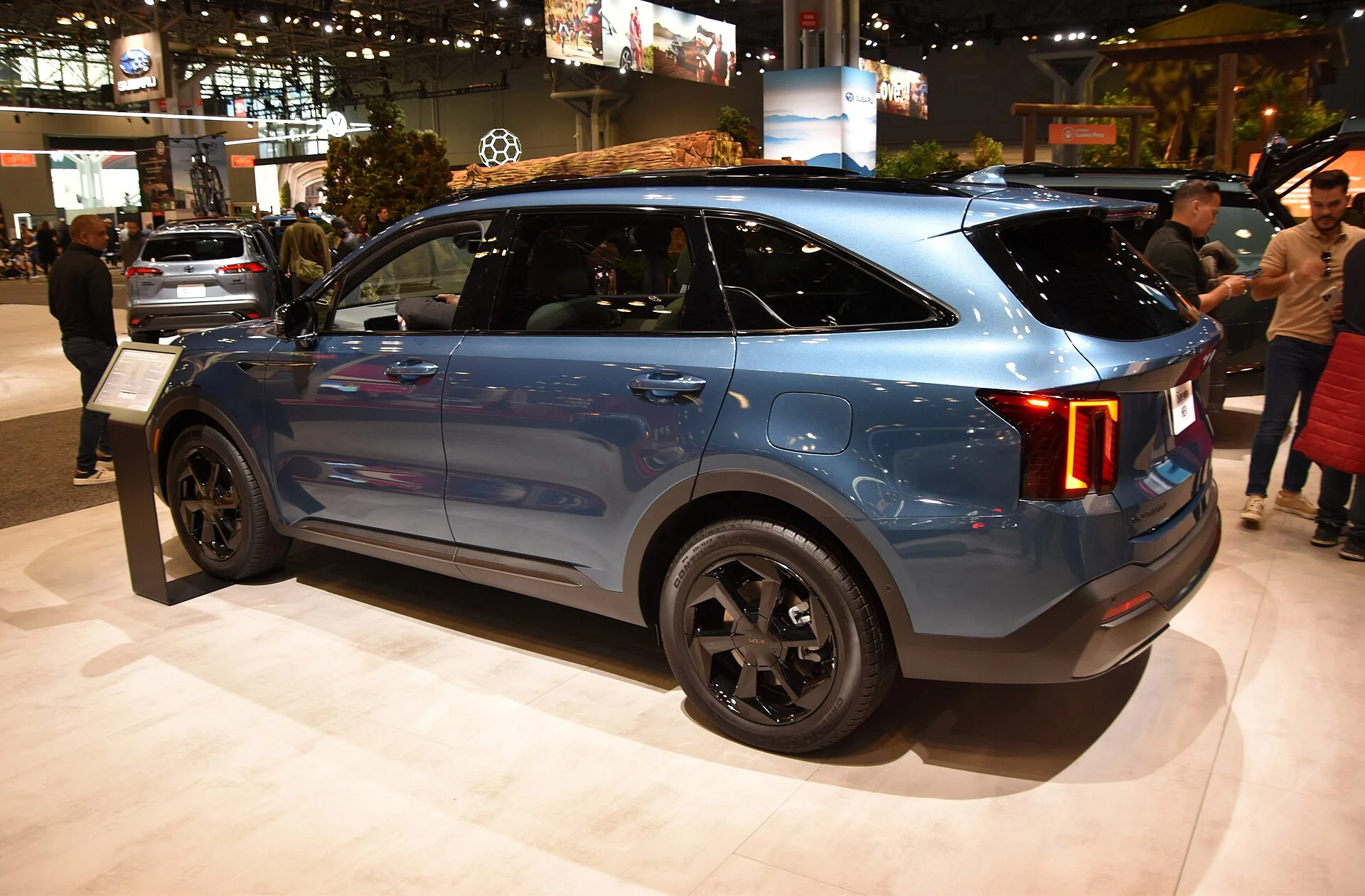
Who the Sorento Fits Best for Sleeping
Pulling it together, the Sorento is a strong sleeping choice for a specific set of campers and a compromise for others, and the dimensions make the sorting clear. It fits a solo camper excellently: full width, diagonal length available, and 75.5 cubic feet to organize gear around. One person sleeps well in a Sorento.
It fits a couple of average or shorter height well, and taller couples workably but tightly. The width handles two; the length is the constraint, so the shorter the sleepers, the better the fit. Couples who camp occasionally and value the vehicle's everyday usability will find the trade reasonable.
It fits a family for gear-hauling superbly but not for sleeping the whole family — the Sorento sleeps one or two in its cargo area, not a household. Families use it to carry gear and people to a campsite where they tent or cabin-camp, with the option of one or two sleeping in the vehicle.
The honest summary is that the Sorento is a versatile midsize that sleeps one or two comfortably within its length, hauls a genuine 75.5 cubic feet of gear, and drives like the manageable vehicle it is. Buyers who want a dedicated two-adult bed with room to stretch should look at a longer SUV; those who want an all-rounder that also sleeps a person or two will find the Sorento fits the job well.
The Verdict: Space Enough, If You Respect the Length
The Kia Sorento's cargo space is genuinely useful for camping, with 75.5 cubic feet behind the first row when both rear rows are folded, roughly 45 behind the second row with the 50/50 third row down, and 12.6 with all seats up. That flexibility lets it shift cleanly between passenger and sleeping duty.
The number that decides the sleeping experience is not the volume but the length, and the Sorento's compact 189.0-inch footprint puts it mid-class: comfortable for a solo sleeper straight or diagonal, comfortable for a shorter couple, and workable but tight for two tall adults. Width is rarely the issue; length is the honest constraint.
Handled right — seats folded to the full 75.5-cubic-foot configuration, the seat-to-floor step leveled into a flat surface, and gear stored below the bed or outside the vehicle — the Sorento makes a comfortable bed within its dimensions. The craft is leveling the floor and respecting the length, not chasing the cubic-foot number.
As a midsize all-rounder that sleeps one or two and hauls a full load, the Sorento earns its keep. It trades some flat length for a footprint that is easier to drive, park, and live with, and for the camper who values that balance it is a smart, capable choice. Know the length before the trip, plan around it, and the Sorento sleeps better than its compact exterior suggests.