
The Short Answer: A Twin, on a Floor That Is Not Flat
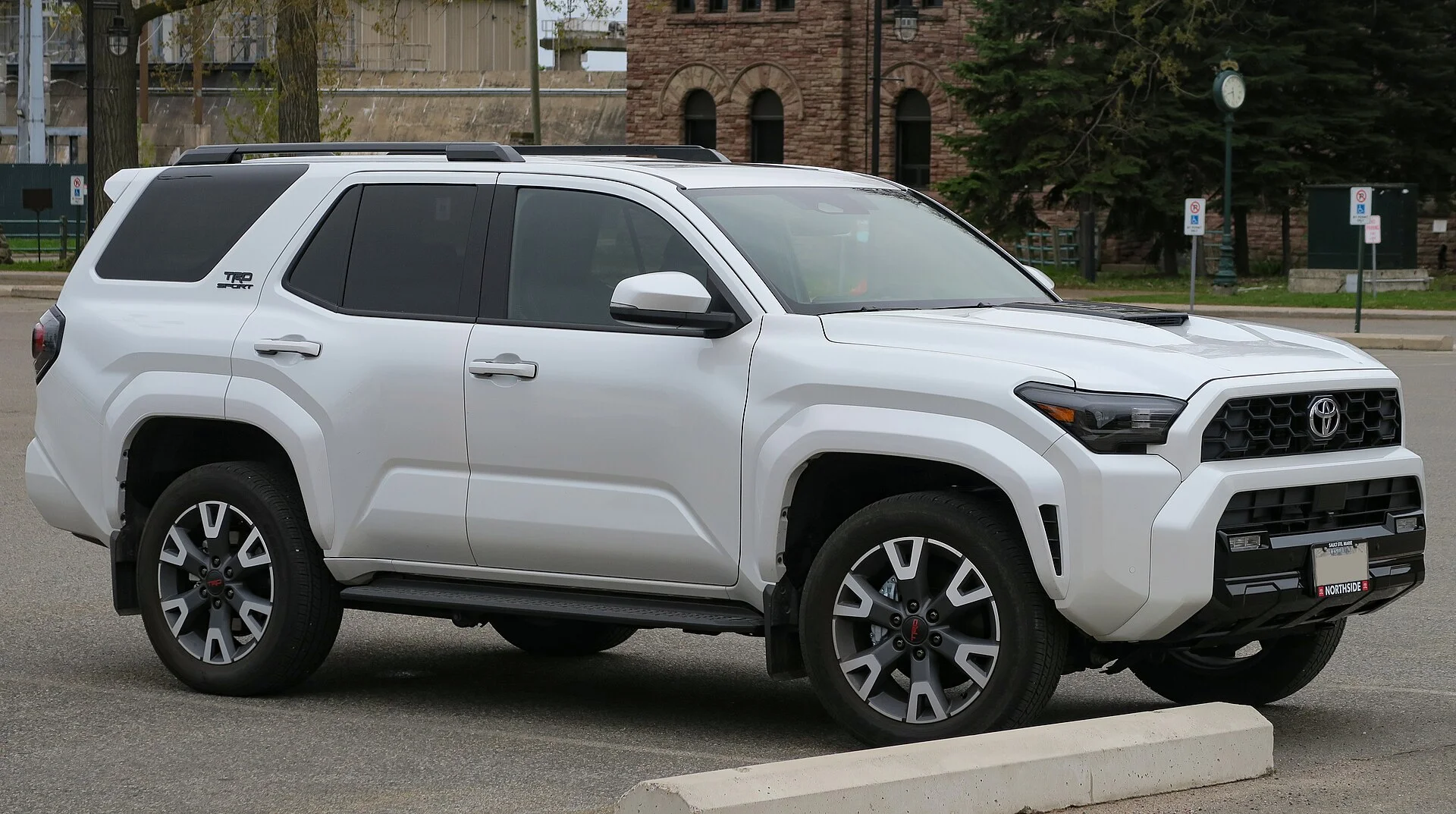
Here is what the spec sheet will not tell you up front: a Twin mattress at 38 by 75 inches fits a Toyota 4Runner, but the cargo floor is not flat, and that changes the whole setup. The 4Runner is a two-row midsize SUV, with an optional third row on some trims of the sixth generation from 2025 and newer, and in two-row form it gives up to about 90.2 cubic feet of maximum cargo volume with the rear seats folded.
That volume number is the one the brochure prints big. The two numbers that actually decide how you sleep are the 43-inch wheel-well pinch and the roughly 2-inch step from the rear cargo area up to the folded seatbacks. The pinch caps how wide a mattress lies flat; the step is why owners so often build a leveling platform instead of tossing a pad on the floor.
The rest of this guide walks the real measurements the 4Runner gives you, the platform question, and which mattress sizes survive contact with the wheel wells. Get the pinch and the step in your head first, because on this vehicle the flat-floor assumption is exactly what fails at mile 300.
Why the Cubic-Foot Number Misleads
Cargo volume is a marketing figure. It counts every cubic inch up to the headliner, including the tapered space above the wheel wells and the air over the seatbacks, none of which a sleeper can use. A 4Runner advertised near 90.2 cubic feet still forces a mattress down onto a floor far narrower and less even than the volume suggests.
The 4Runner's own numbers show how the figure shifts with configuration. In two-row form there are about 48.4 cubic feet behind the second row with the seats up, and up to about 90.2 cubic feet with them folded. A three-row sixth-generation model maxes out near 84.8 cubic feet, and the i-FORCE MAX hybrid drops to about 82.6 cubic feet because the hybrid battery housing sits under the floor. None of those numbers changes the flat rectangle your body needs.
That is the spec that matters versus the spec that sells. Volume sells; the flat footprint at floor level is what you actually sleep on. If you are shopping a hybrid 4Runner, know that the 82.6-cubic-foot figure reflects a raised floor section, which is one more reason the platform conversation comes up on this truck more than on most.
It is worth pausing on why the 4Runner draws so many home-built sleeping decks when flatter crossovers do not. The truck is built on a body-on-frame platform aimed at trail work, and that ruggedness comes with a taller, stepped cargo bay rather than the low, flat floor a car-based crossover offers. The owners who love these trucks tend to accept that trade and engineer around it, which is exactly why the measurements below matter more here than the headline volume ever will.

The Wheel-Well Pinch: 43 Inches of Truth
Here is the number that governs everything. Owners who put a tape to the sixth-generation 4Runner report about 43 inches between the rear wheel wells at floor level. That pinch is the hard limit on any mattress laid directly on the floor, and it is the single most important figure in this guide.
A Twin is 38 inches wide, so it clears the 43-inch pinch and beds down without fighting the wheel wells. A Twin XL is also 38 inches wide, so it clears the pinch the same way. Step up to a Full at 54 inches wide and you are well over 43 inches, so a Full cannot lie flat between the panels. The math is unforgiving, and on the 4Runner it is a little tighter than on the roomier midsize crossovers.
There is an escape hatch, and it is the reason platforms are so popular on this truck. Owners measure the cargo floor at about 52 inches wide at its widest point above the wheel wells. A deck built level with the tops of the wells uses that wider 52-inch span instead of the 43-inch floor pinch, which opens the door to a wider pad. On the flat floor, though, 43 inches is your world.
The Step: Why a Platform Comes Up So Often
The 4Runner does not fold to a flat load floor, and this is the detail that catches people. Owners report roughly a 2-inch step from the rear cargo area up to the folded seatbacks, so a pad laid straight across bridges two levels and sags into the gap. That is exactly the kind of small mismatch that turns into a sore back three nights into a trip.
For sleeping, owners report a usable flat length of about 68 inches on the folded seat surface, with 6 to 9 inches of additional head or pillow room above the folded seat bottom. In other words, the flat part is shorter than the full cargo bay, because the step eats into where you can actually lie level. A 75-inch Twin overhangs that 68-inch flat patch unless you address the step.
The common fix is a leveling sleeping platform, and it solves two problems at once: it bridges the roughly 2-inch step into one continuous surface, and it lets you use the wider 52-inch span above the wheel wells. If you would rather not build, a foam topper or a wedge cut to fill the step is the low-effort version. Either way, plan for the step; do not assume a flat floor that is not there.
Length: The Front Seats Are Your Lever
Width is fixed by the sheet metal, but length is adjustable, and the 4Runner gives you real room to work with. Owners measure about 59 inches of length from the folded rear seatbacks to the rear hatch, which alone is short for an adult. The length comes from the front seats.
With the front seats in their normal position, owners measure about 72 inches from the tailgate to the seats; slide them all the way forward and that extends to about 84 inches. That 84-inch measurement is the lever that lets a 75-inch Twin or an 80-inch Twin XL fit lengthwise, with the sleeper's head toward the tailgate and feet toward the front seats.
The practical move is to set the front seats for your height before you commit to a size, then confirm the flat portion works with the step in mind. A shorter camper on a platform can lie within the leveled surface; a taller one slides the seats forward toward 84 inches and runs a Twin XL. On the 4Runner, length is a setting you dial in, not a fixed limit.

Twin and Twin XL: The Realistic Single-Sleeper Sizes
The Twin at 38 by 75 inches is the default recommendation for the 4Runner. Its 38-inch width sits inside the 43-inch wheel-well pinch, and its 75-inch length fits once the front seats slide forward toward the 84-inch measurement. The catch is the step: on the bare floor a Twin overhangs the 68-inch flat patch, so a platform or a step-filler makes it lie truly flat.
The Twin XL at 38 by 80 inches is the taller camper's version. The width is identical, so it clears the wheel wells the same way, and the 80-inch length fits with the front seats forward toward 84 inches. Like the Twin, it wants the step addressed to bed down level rather than sagging into the roughly 2-inch gap.
Both sizes share the same plan: the width is already settled at 38 inches, so your decisions are length and how you handle the step. That is different from the flatter crossovers, where you just lay a pad down. On the 4Runner, the mattress size is the easy part; the leveling is the part worth doing right.
Full-Size: Only on a Raised Platform
A Full mattress is 54 by 75 inches, and it is the size where the 4Runner says no on the bare floor. At 54 inches wide, a Full is well over the 43-inch wheel-well pinch, so it cannot lie flat at floor level. Force one in and its edges ride up the wheel-well humps while the middle drops into the step, which is the worst of both problems.
The only way a Full works is on a raised platform built level with the tops of the wheel wells, using the wider roughly 52-inch span. That deck clears the humps, bridges the step, and gets you close to a 54-inch width with a slight overhang the platform lip can support. This is precisely why the 4Runner platform build is such a well-worn project.
Whether it is worth it depends on how you camp. A platform adds weight and build time in exchange for a wider, flatter bed and storage underneath, which on a long overland trip is genuinely useful. For a solo camper, a Twin on a simple leveled surface is lighter and just as comfortable; the platform earns its keep when two people sleep inside or when you want the storage below.
Queen and King: The Honest No
A Queen is 60 by 80 inches and a King is 76 by 80 inches, and neither fits flat in a Toyota 4Runner. Both are wider than the 43-inch floor pinch, and both exceed even the 52-inch span above the wheel wells. A true queen air mattress laid in the back will buckle against the wheel wells and never sit flat, no matter how you angle it.
This is the reality-grounding surprise. The 90.2-cubic-foot volume figure sounds like it should swallow a queen, but volume counts air the mattress cannot occupy, and the 4Runner's usable flat width is capped by the 43-inch pinch and the 52-inch upper span. A 60-inch queen sits past both, so no platform height rescues it.
If two people must sleep inside a 4Runner, the honest answer is two narrow pads side by side on a platform built to the 52-inch span, or a single wider pad trimmed to the interior. A retail queen is the wrong tool for this bay. Believe the tape over the brochure and you will not haul a mattress into the backcountry that never lies down.
Building the 4Runner Bed
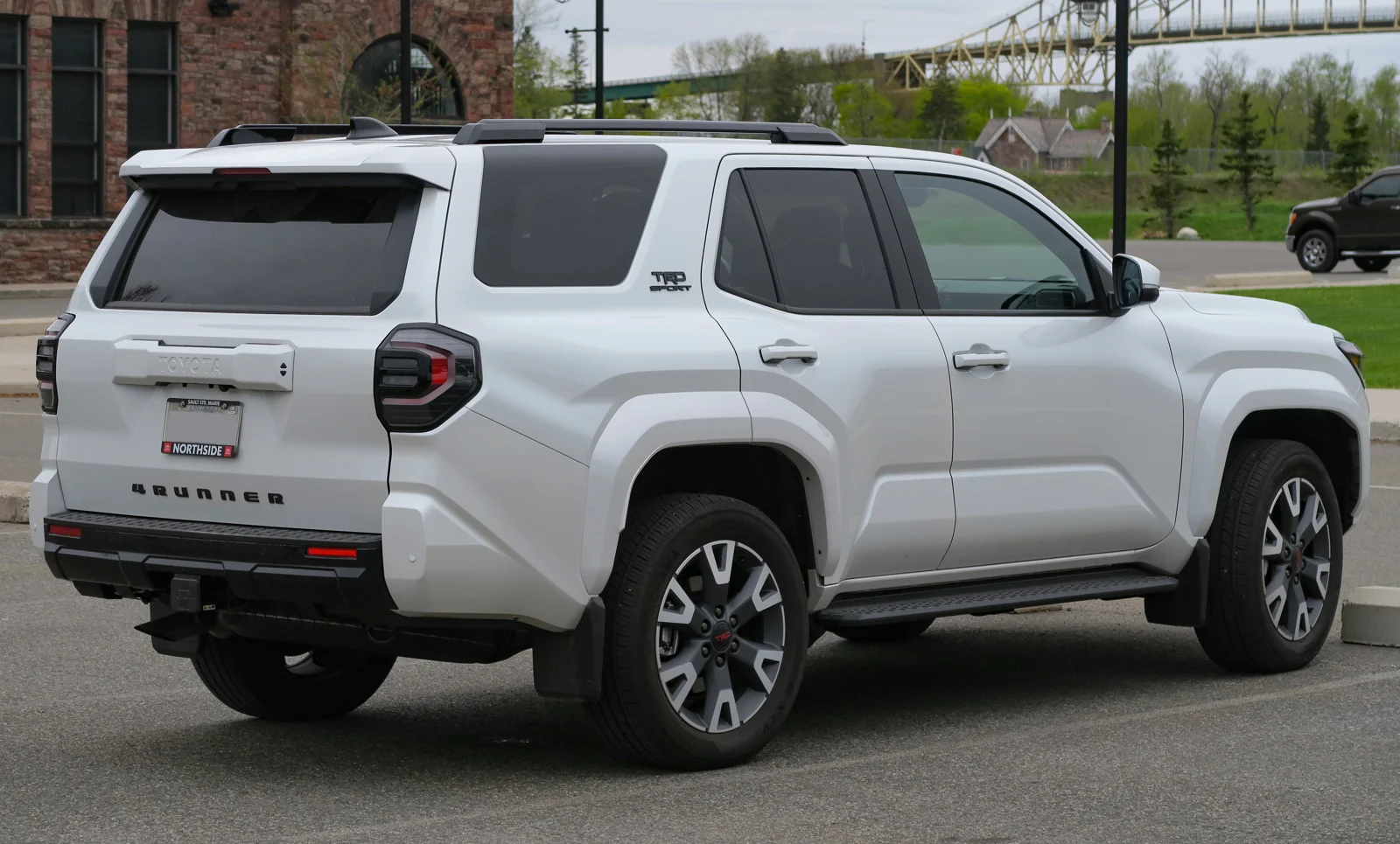
Putting it together starts with a decision most other SUVs do not force: platform or no platform. If you go simple, fold the rear seats, slide the front seats forward toward 84 inches, fill the roughly 2-inch step with a wedge or topper, and lay a Twin head toward the tailgate. If you build, size the deck to the 52-inch span above the wheel wells so you gain width and bridge the step in one move.
For the pad itself, a Twin-size car-camping air mattress sized to a Twin footprint is the easiest match on the floor, since anything wider fights the 43-inch pinch. On a platform, a foam pad cut to the 52-inch span rides flatter than a tall inflatable and holds its shape over multiple nights.
For the full build, the 4Runner cargo dimensions for sleeping guide and the 4Runner sleeping platform build dimensions cover deck height and framing, while the 4Runner car camping setup walks ventilation and power for longer stays.
The Verdict: A Twin Truck That Rewards a Platform
The Toyota 4Runner is a capable one-person sleeper that asks for a little more setup than a flat-floor crossover. A Twin at 38 by 75 inches is the mattress it takes, narrow enough for the 43-inch wheel-well pinch and long enough with the front seats forward toward 84 inches, provided you handle the roughly 2-inch step so it lies level.
Scale up only with a plan. A Twin XL fits the width and the length with the seats forward, but anything wider than a Twin needs a platform built to the 52-inch span above the wheel wells. A Full is a platform-only size, and a Queen or King does not fit flat at all, whatever the 90.2-cubic-foot figure implies.
Trust the numbers that matter, not the one printed big: 43 inches of floor width, a roughly 2-inch step to bridge, and up to 84 inches of length with the seats forward. Measure your own 4Runner, decide on the platform, and buy to the pinch. Do that once and the truck becomes one of the better places to sleep in the class, precisely because the same frame that complicates the floor is the frame that takes you somewhere worth sleeping. For how the sizing logic carries across vehicles, the SUV mattress size guide lets you sanity-check your pad before it ships.