
The Mounting Detail That Decides Your Awning
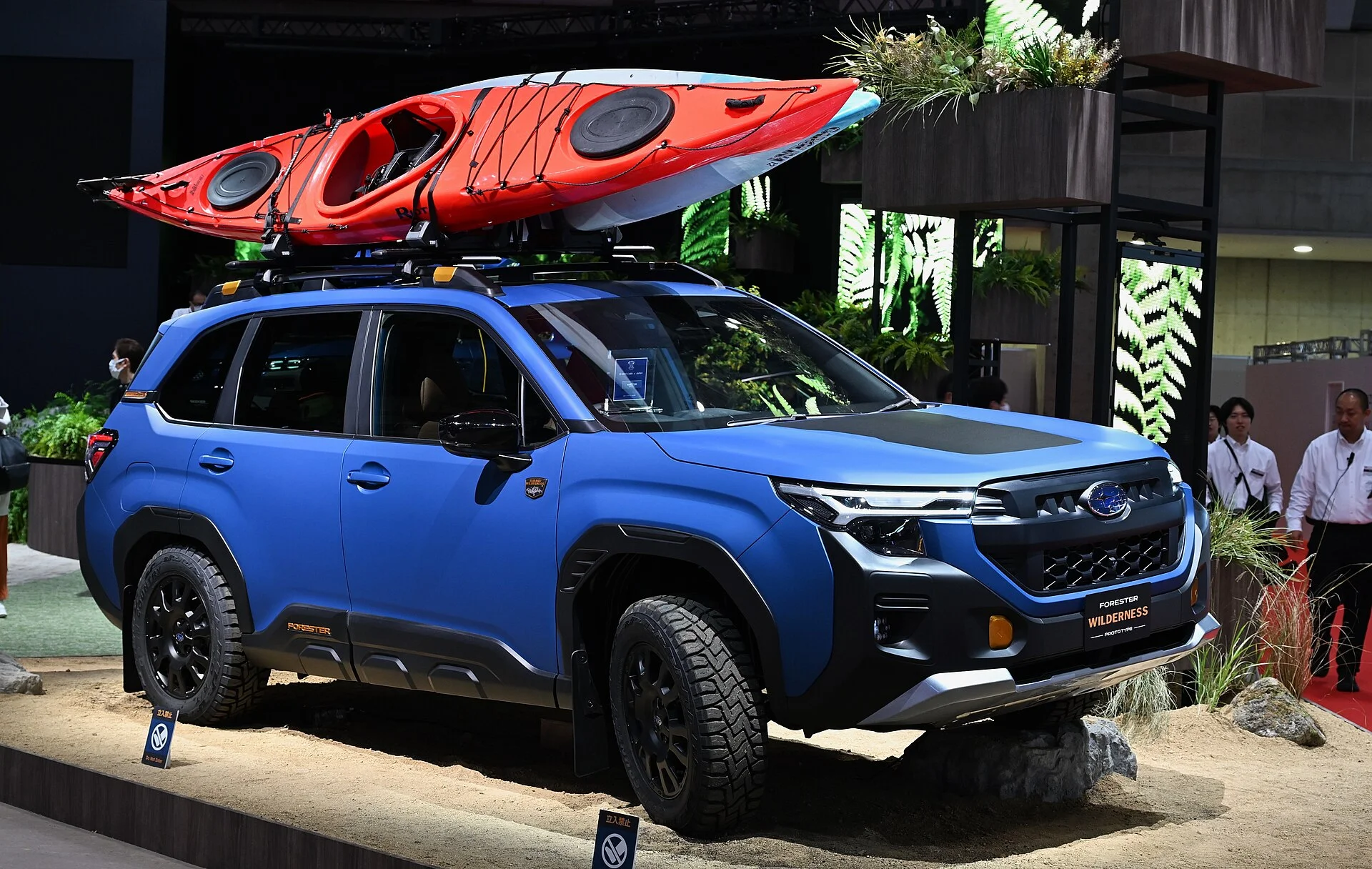
Open up how a vehicle awning actually attaches and the truth is right there: it does not bolt to the roof, and it does not clamp to the roof rails. It mounts to the crossbars, and that single fact governs which awning fits a Subaru Forester, how strong the mount is, and whether the whole setup survives a windy afternoon at camp. Skip that detail and you buy the wrong awning; understand it and the choice becomes simple.
The Forester is a natural awning platform — it has factory roof rails, it is a popular camping vehicle, and its size suits a shade awning perfectly. But the rails alone do not carry an awning. The crossbars mounted across them do, and the crossbars' length, spacing, and strength are what a fitment decision actually hinges on.
This is the part that most buyers get backward. They shop awnings by brand or by shade area, mount up, and discover the crossbar spread does not match the awning's mounting brackets, or that the rails they trusted were never the load path. The awning attaches to the bars, and the bars attach to the rails, so both links in that chain have to be right.
What follows is the honest fitment logic for a Forester awning — how the crossbars determine everything, what the factory bar spacing actually is, the difference between a straight and a 270-degree awning, and how to build a mount strong enough to trust. Every figure here is a documented Forester or awning specification, read the way someone actually mounting one needs it.
Why the Crossbars, Not the Rails, Carry the Awning
The core principle is worth stating plainly: vehicle awnings mount to the crossbars rather than directly to the roof rails, so crossbar strength and spacing determine what awning will fit. The rails run front-to-back along the roof edges; the crossbars run side-to-side across them; and the awning's mounting brackets clamp to those side-to-side bars. That is the load path.
The reason matters for strength. A roof rack attached to both sides of the vehicle — rails on each side, crossbars spanning between — creates a mount far stronger than attaching an awning directly to a single roof rail. A 270-degree awning in particular can be installed on the roof racks precisely because the racks distribute the load across both sides, where a single-rail mount would be dangerously weak.
This is why builders who try to shortcut the system by clamping an awning to one rail end up with a mount that flexes, sags, or tears loose. The rail was never designed to carry a cantilevered awning on its own; the crossbar system spanning both rails was. Respecting that is the difference between an awning that holds in wind and one that becomes a sail.
The practical takeaway is that the awning decision starts with the crossbars. Before choosing an awning, a Forester owner needs solid crossbars properly mounted to both rails, because that is what the awning bolts to and what carries it. Get the crossbars right and the awning has something trustworthy to hang on; skip them and no awning is safe.
The Forester's Factory Crossbar Spread
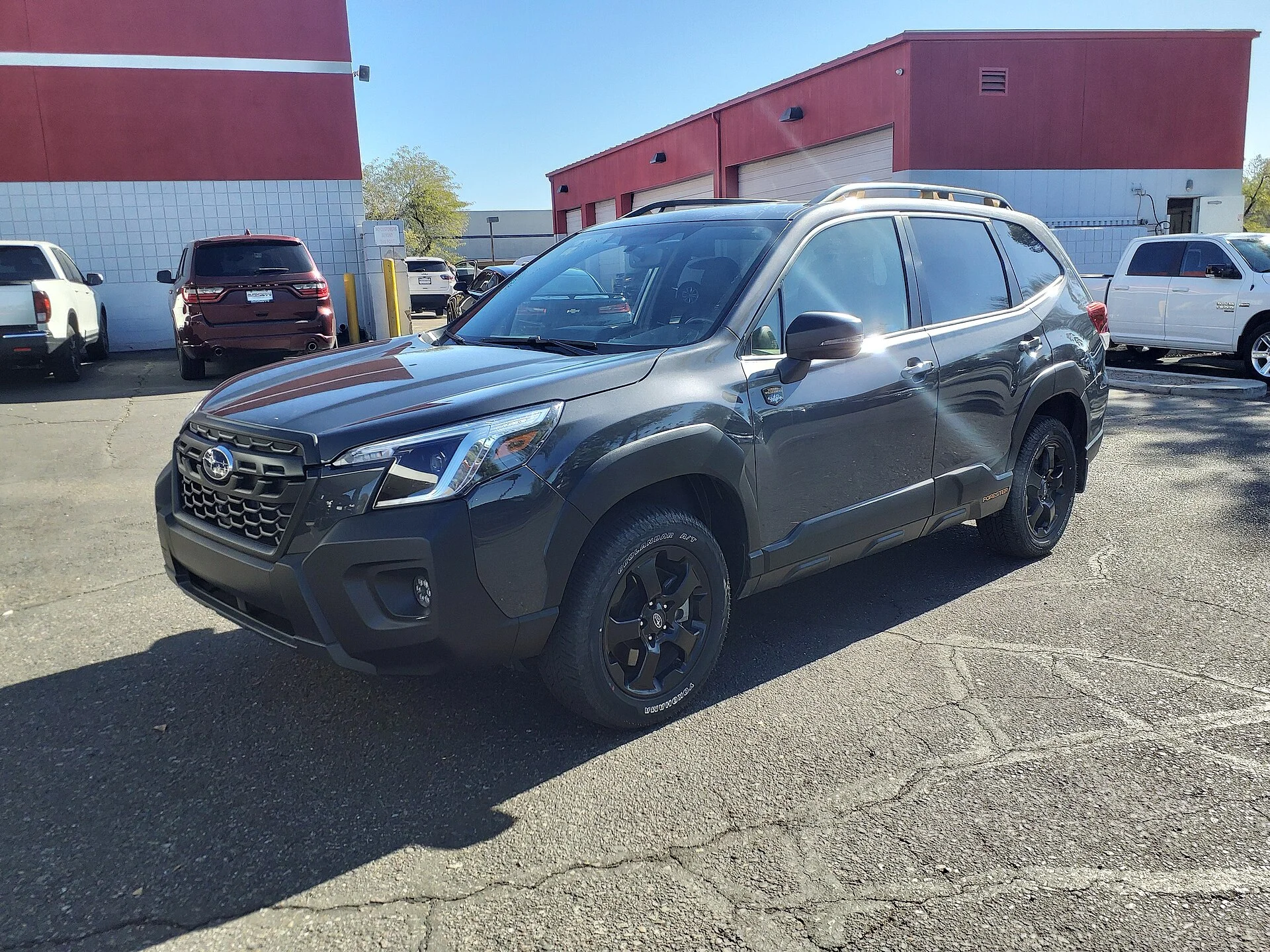
The number that governs awning fitment is the crossbar spread — the front-to-back distance between the two bars — and the Forester's is well documented. The suggested crossbar spread is about 32 inches, with a maximum distance of about 41 inches. That window is what an awning's mounting brackets have to span.
Owners measuring their own bars report roughly 31 to 34 inches center-to-center in typical positions, and the spread can expand toward 39 inches if the rear bar is moved back along the rails. That adjustability matters, because an awning that needs a wider bracket span can sometimes be accommodated by sliding the bars apart within the rails' limits.
The genuine Subaru crossbars mount to the factory roof rails using integrated stanchions and are adjustable along the length of the rails, which is the feature that makes this flexibility possible. Rather than a fixed position, the bars can slide fore and aft to set the spread the awning requires, within the roughly 32-to-41-inch range the rails allow.
For a buyer, this means checking two things before ordering an awning: the awning's required or supported bracket span, and whether the Forester's crossbars can be set to match it within about 32 to 41 inches. Most vehicle awnings are designed to clamp to bars in this common range, but confirming the fit against these specific numbers avoids the frustration of brackets that do not reach or overhang.
Fixed-Length Factory Bars vs Adjustable Aftermarket
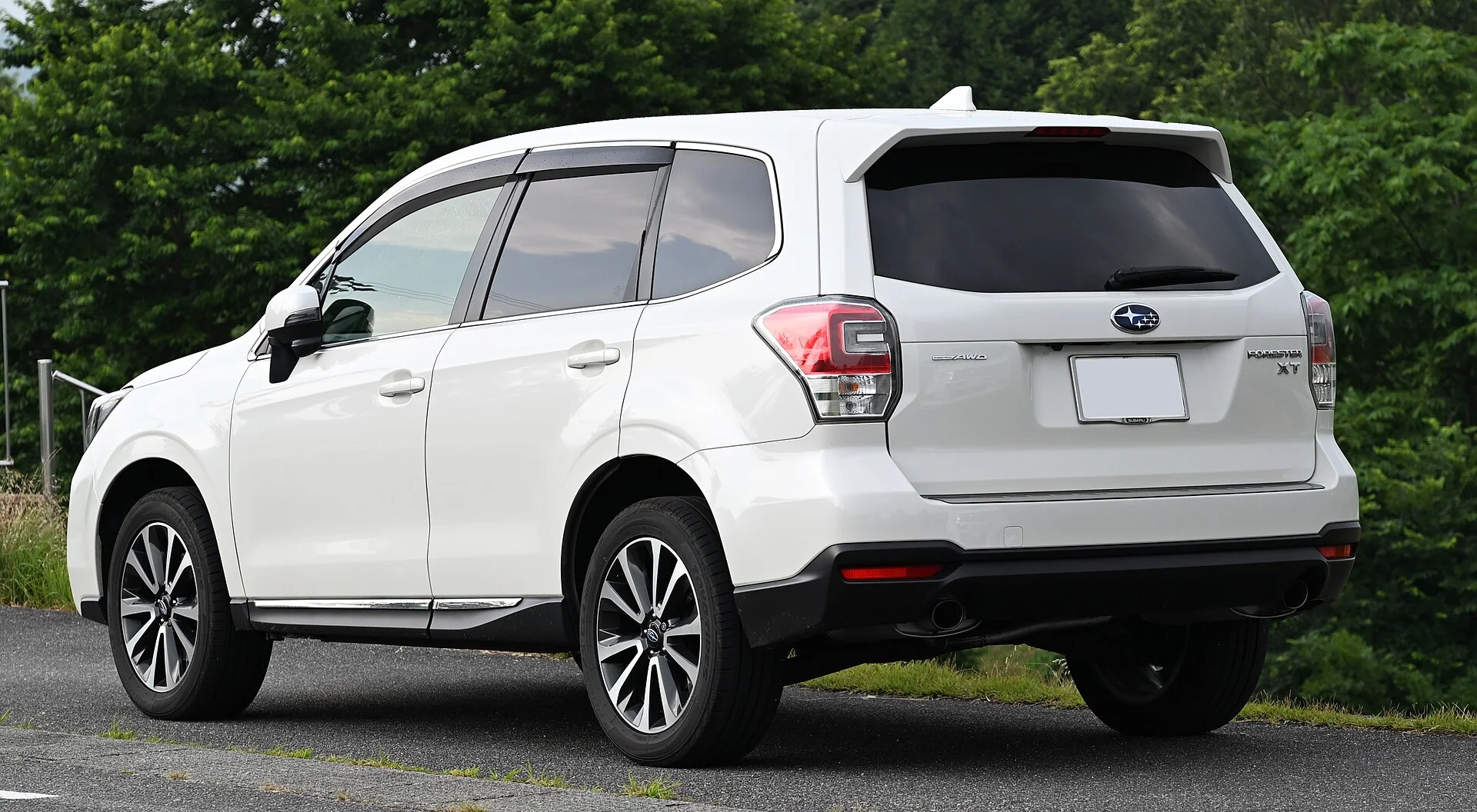
A Forester-specific quirk shapes the awning decision: the factory crossbars are a fixed length, so they only work if their length matches the distance between the vehicle's roof rails, unlike most third-party crossbars. That fixed length is fine for the Forester they were made for, but it removes a dimension of flexibility that aftermarket bars offer.
The practical consequence is about the side-to-side bar length, not the front-to-back spread. Factory bars are cut to the Forester's rail width and cannot be widened; aftermarket bars from the major rack brands often come in lengths or are trimmable, giving more room to position awning brackets across the bar. For a wide awning or an off-center mount, that extra bar length can matter.
Where the factory bars shine is integration and simplicity. They mount cleanly to the rails with integrated stanchions, adjust along the rails for spread, and are matched to the vehicle, so for most straight shade awnings they are entirely adequate. The fixed length is only a limitation if the awning demands more bar than the Forester's rail width provides.
The honest guidance is to start with the factory bars if you have them, confirm the awning's brackets fit within their length and the adjustable 32-to-41-inch spread, and only move to aftermarket bars if the awning needs more span than the fixed factory length allows. That keeps the setup simple and matched, and reserves the aftermarket expense for the cases that genuinely require it.
Straight Awning vs 270-Degree Awning
The two main awning styles suit different Forester setups, and the choice affects both fitment and mounting demands. A straight awning extends shade off one side of the vehicle — a rectangular canopy that pulls out from the roof rack and props on legs. It is simpler, lighter, and mounts to the crossbars with basic brackets, making it the easy starting point.
A 270-degree awning wraps around from one side across the rear (or front) corner, shading a much larger wrap-around area without repositioning the vehicle. It is the premium option for a basecamp, and the documented fact is clear: a 270-degree awning can be installed on a Forester's roof racks. But it is heavier and cantilevers a large canopy off the mount, which raises the demand on the crossbars and their attachment.
That extra demand is exactly why the both-sides rack mount matters more for a 270 than a straight awning. A 270-degree awning's larger, further-reaching canopy imposes more leverage on the mount, so the strength that comes from crossbars spanning both rails is not optional — it is what makes the heavier awning safe. A single-rail mount that might barely hold a small straight awning has no business under a 270.
The decision comes down to shade area versus simplicity and mounting robustness. A straight awning is lighter, cheaper, and less demanding on the mount; a 270-degree awning shades far more but requires solid crossbars firmly attached to both rails. For a Forester used as a frequent basecamp, the 270 is worth the extra mounting care; for occasional shade, the straight awning is the sensible, simpler choice.
Setting the Crossbar Spread for Your Awning
Because the Forester's crossbars adjust along the rails, setting the right spread for the awning is a real step in the install, not an afterthought. Most awnings specify a bracket span or a supported range, and the goal is to position the two crossbars so the awning's mounting points land squarely on them within the roughly 32-to-41-inch adjustable window.
The method is to loosen the crossbars' stanchions, slide them to the spread the awning brackets need, and re-secure them along the rails. Owners have shown the spread can range from about 31 inches in a close position out toward 39 inches with the rear bar moved back, so there is meaningful room to match an awning's requirement within the rails' limits.
Two constraints bound the adjustment. The bars cannot exceed the roughly 41-inch maximum spread the rails allow, and they should not be set so close that the awning cantilevers far beyond both bars, which concentrates leverage and stresses the mount. A spread that puts the awning's brackets near the awning's own recommended span keeps the load where the brackets expect it.
The tinkerer's payoff here is a mount that fits the awning as designed rather than forced. Taking the time to set the crossbars to the awning's span — rather than mounting the awning to whatever position the bars happen to be in — is the difference between a canopy that deploys cleanly and one that binds or stresses its brackets. The adjustability is there to be used; using it is what makes the install right.
Building a Mount Strong Enough to Trust
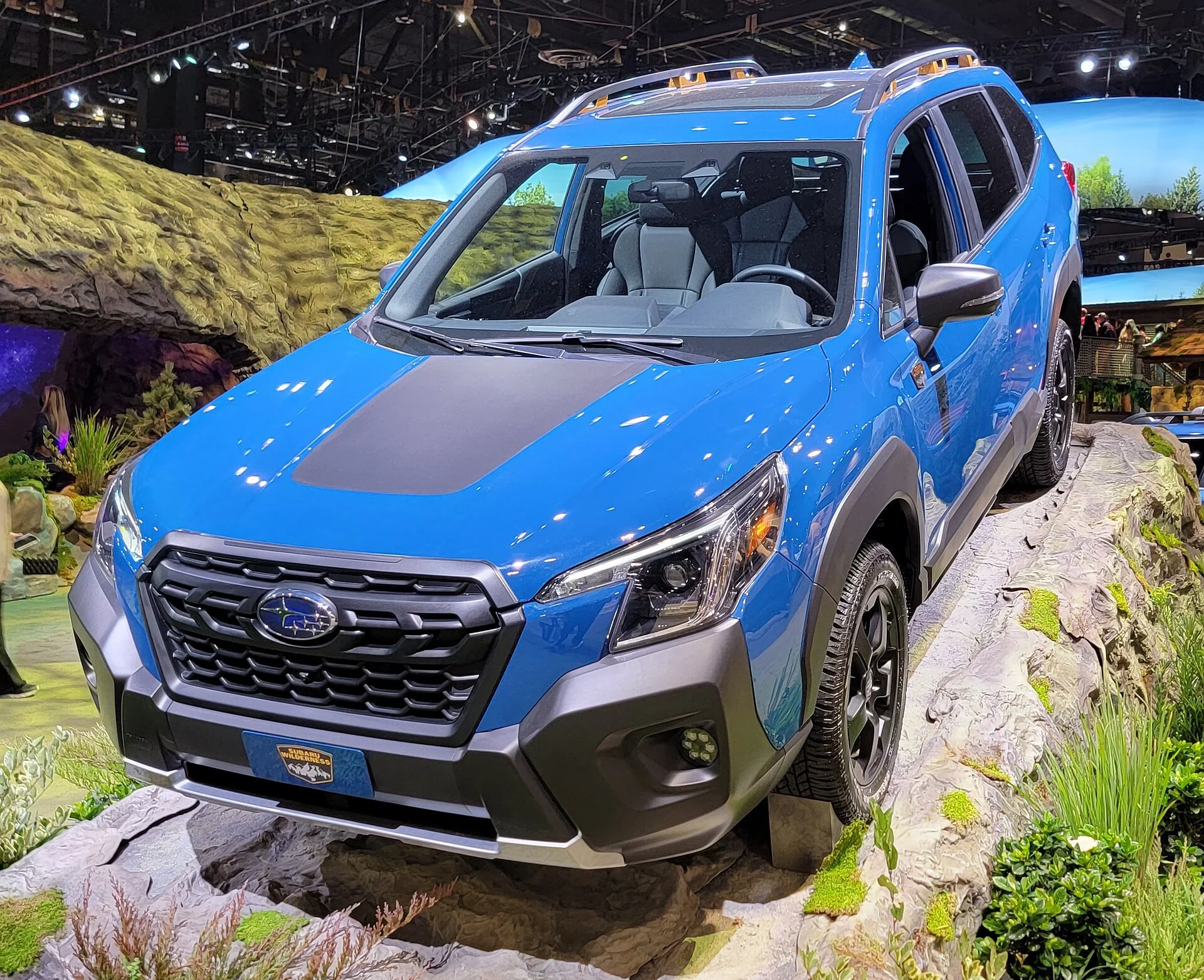
An awning lives outdoors in wind, and a mount that merely holds in still air is not enough. The strength principle is the one already established: attach the awning to crossbars that are themselves firmly mounted to both roof rails, never to a single rail. That both-sides load path is what turns a cantilevered canopy into a mount that resists the leverage wind imposes.
The weak points to check are every junction in the chain. The crossbar stanchions must be torqued properly to the rails, the awning brackets clamped solidly to the crossbars, and the awning's own arms and fabric in good condition. A failure anywhere in that chain — a loose stanchion, an under-clamped bracket — becomes the point that lets go in a gust, so each junction deserves attention.
Wind management is part of the mount, not separate from it. Even a well-mounted awning should be guyed out with lines and stakes when deployed for any length of time, because guy lines transfer wind load to the ground rather than concentrating it all on the roof mount. The roof mount holds the awning; the guy lines keep the wind from testing that mount to failure.
The honest standard is a mount you would trust in a sudden gust, because camp weather does not ask permission. Solid crossbars on both rails, every junction tight, the awning guyed out — that is the setup that survives. A quality vehicle awning mounted this way gives years of reliable shade; one clamped hastily to a single rail becomes a liability the first windy afternoon.
Matching Awning Size to the Forester
Awning size should suit both the vehicle and the use, and the Forester's dimensions guide the choice. The vehicle's side length sets a natural upper bound for a straight awning — one that extends beyond the roofline front or rear overhangs awkwardly and stresses its mounts — so an awning sized to roughly the Forester's usable roof length mounts cleanly and looks right.
For coverage, the question is how much shaded space you actually need. A straight awning throws a rectangle of shade off one side, sufficient for a chair, a cooking area, or a doorway out of the sun. A 270-degree awning wraps shade around a corner for a full outdoor living space. Matching the awning's shade area to your camp style avoids overbuying a heavy 270 for what a straight awning would cover.
Weight is the constraint that ties back to the crossbars. A larger awning weighs more, both as static load parked and as leverage in wind, and it counts against the crossbars' capacity. Keeping the awning's weight sensibly within what the Forester's bars and their attachment can handle is part of sizing it — bigger is not automatically better when the mount has to carry it.
The balanced choice for most Forester owners is an awning sized to the vehicle's roof length, in the style that matches their camp — straight for simplicity and light weight, 270 for maximum shade and social space. Sized and matched this way, the awning complements the Forester rather than overtaxing its rails and bars, and it deploys and stows without a fight.
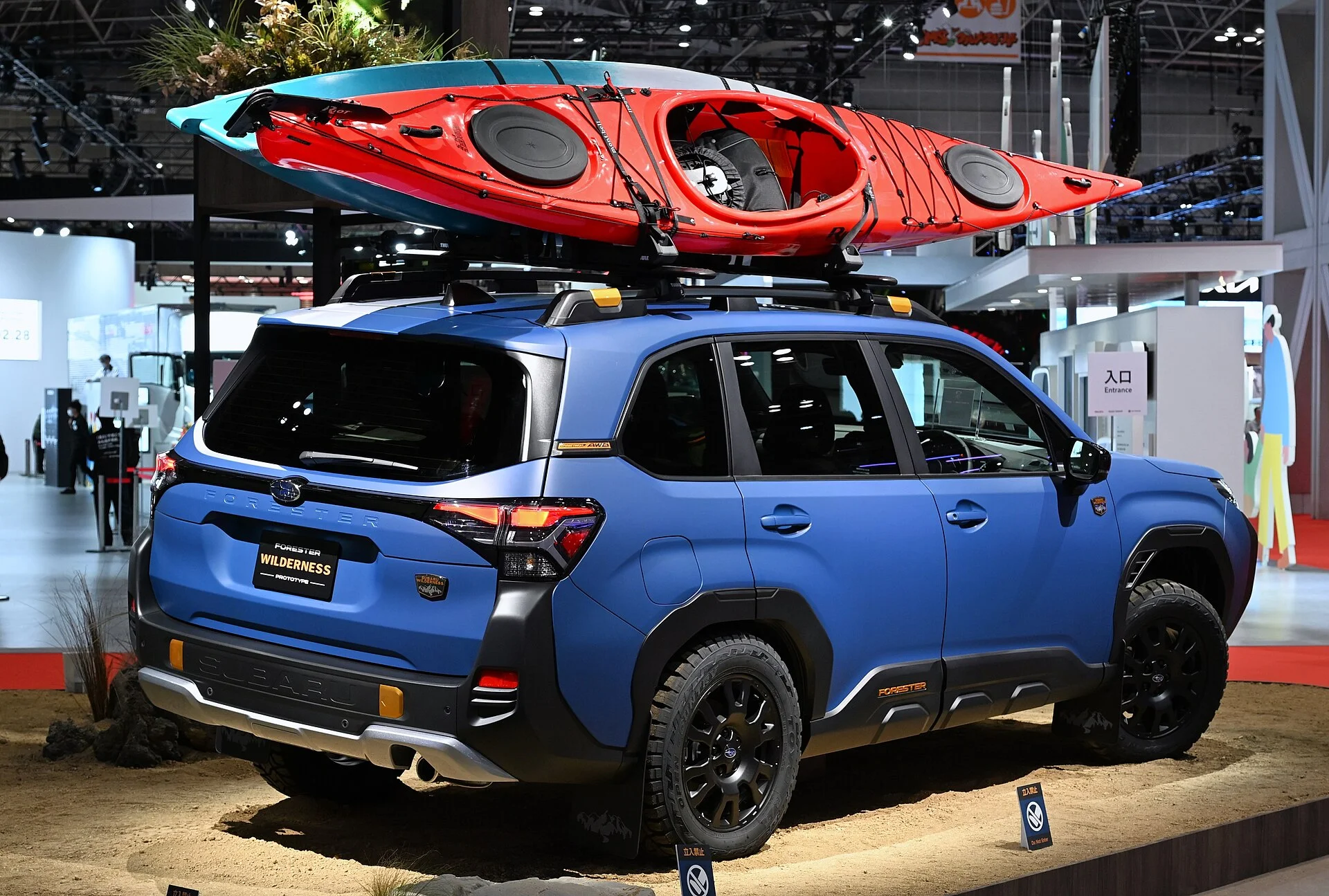
Living With a Forester Awning
Once mounted, an awning changes how a Forester camps, and a few habits keep it working well. Deployment should be a quick, repeatable routine: pull the awning out, extend the legs or arms, and guy it out if the weather or the duration warrants. An awning that deploys in a minute gets used; one that fights you stays rolled up.
Stowing matters as much as deploying. An awning left rolled damp mildews, and one stowed loose flaps and wears on the highway, so drying it before packing and securing the cover properly extends its life. These are small disciplines, but they are the difference between an awning that lasts years and one that degrades in a season.
The awning also interacts with the rest of the roof load. Because it occupies crossbar space and adds weight up high, it competes with a cargo box or other roof gear for both room and capacity. Planning the roof as a system — awning on one side, cargo box or rack elsewhere, total weight within the crossbars' limit — keeps everything mounted safely without overloading the bars.
The reward for all of it is genuine outdoor living space that travels with the vehicle. A Forester with a well-mounted, well-maintained awning has instant shade or rain cover at any stop, turning a parking spot into a livable camp. That capability, mounted correctly to crossbars on both rails and cared for through simple habits, is one of the highest-value additions a Forester camper can make.
The Verdict: Get the Crossbars Right First
A Subaru Forester makes an excellent awning platform, but the whole decision hinges on a detail buyers routinely overlook: the awning mounts to the crossbars, not the roof rails, so crossbar strength and spacing decide everything. Start there, and the rest of the choice falls into place.
The Forester's crossbars adjust along the rails to a spread of about 32 inches, up to a maximum near 41, and owners see roughly 31 to 34 inches in typical positions expandable toward 39 — a range that accommodates most vehicle awnings' bracket spans. The factory bars are fixed in length but adjustable in spread and integrate cleanly, making them adequate for most straight awnings; aftermarket bars only earn their cost when an awning needs more than the factory length provides.
Choose the style to match the camp: a straight awning for simplicity and light weight, a 270-degree awning for wrap-around shade, remembering that the heavier 270 demands the strength of crossbars firmly attached to both rails. That both-sides mount is what makes any awning safe in wind, and it is non-negotiable for the larger canopies.
Get the crossbars solid and correctly spread, match the awning to the vehicle and the mount, keep every junction tight, and guy it out in wind — and the Forester gains reliable, trustworthy outdoor living space for years. Skip the crossbar fundamentals and even the best awning becomes a sail. The mount is the whole game, and it starts with the bars.