The Sienna's power story starts with one honest fact: nothing runs key-off
Here's what breaks a lot of Sienna camping plans before they start: people assume a van with a 1500-watt household outlet can run a fridge overnight. It can't - not with the key off. On the 4th-generation Toyota Sienna, every factory outlet dies when the vehicle isn't running or in READY mode. The 12V sockets are accessory-gated, and the big 120-volt inverter only lives while the hybrid system is awake. That single fact shapes everything else on this page, so I'm putting it first instead of burying it under the spec-sheet glamour.
Eighteen years under hoods taught me to separate the spec that sells from the spec that matters. The Sienna's headline is real - it genuinely has the best factory outlet in the minivan class - but the number that decides your night is not 1500 watts, it's zero, because that's what any of these outlets deliver while you sleep with the key off. This guide maps where the sockets and fuse boxes actually are, explains what the inverter does and doesn't do, tells you honestly where Toyota stops publishing numbers, and lays out the way to power a night that doesn't leave you jump-starting a hybrid in a campground at dawn.
The 1500-watt inverter: real household power, on XLE and up
Let's give the Sienna its due, because the good part is genuinely good. Toyota offers a 1500-watt, 120-volt household outlet on the 4th-gen Sienna - a factory option on the XLE grade and above, and standard on the Woodland Edition. At 1500 watts, fed by the hybrid system, it's a real appliance-grade outlet, not the 150-watt device plug you find in most vans. That's the class-best figure, and it's officially Toyota's, from the launch materials.
- 1500 watts, 120 volts: runs a real load - a small kitchen appliance, tools, a laptop, charging - off the hybrid battery and engine.
- Trim-gated: it's optional on XLE and up and standard on the Woodland Edition, so base LE and some XLE builds won't have it. Confirm your specific van has the outlet before you plan around it - a VIN or window-sticker check beats an assumption.
- Hybrid-fed: because a Sienna is hybrid-only from 2021, the outlet draws from the traction system, which is why it can push so much more than a 12V-fed inverter.
So the hardware is legitimately strong for daytime and camp-setup use. The catch is entirely about when it runs, which is the next section - and it's the part the brochure is quiet about.
Why READY mode is the catch nobody explains
Here's the reality the marketing skips. The 1500-watt outlet only works when the Sienna is in READY mode - the hybrid equivalent of running - and you have to switch the AC inverter on from a dash control. Worse for campers, owners report the inverter is non-persistent: it doesn't remember its state, so every time the van cycles you have to re-press the switch. It is not a set-and-forget supply.
READY mode means the van decides for itself when to spin the engine to keep the hybrid battery charged. So 'running the outlet overnight' really means leaving the van in READY and letting the gas engine auto-cycle in your sleep - noise, exhaust, and fuel burn you don't control.
That's why I don't treat the 1500-watt outlet as an overnight power source. Leaving a vehicle in READY to keep an outlet alive means the engine starts and stops on its own through the night, which is loud, burns fuel, and - most important - puts exhaust near where you're sleeping. For anything that has to run while you're unconscious, you want power that doesn't require the van to be awake. The inverter is a daytime and camp-chores tool; plan the night around a battery.
There's a subtler reason the non-persistent switch matters on a trip. Every time the van sleeps and wakes - say you move it, or the READY state drops - the inverter forgets it was on, so a load you thought was running has quietly been cut. I've watched a phone that was 'charging' sit dead all night because the outlet reset when the van did. If you must use the inverter for a long charge, check the switch is lit after any restart, and never assume it carried over.
Where the 12V sockets live, and when they die
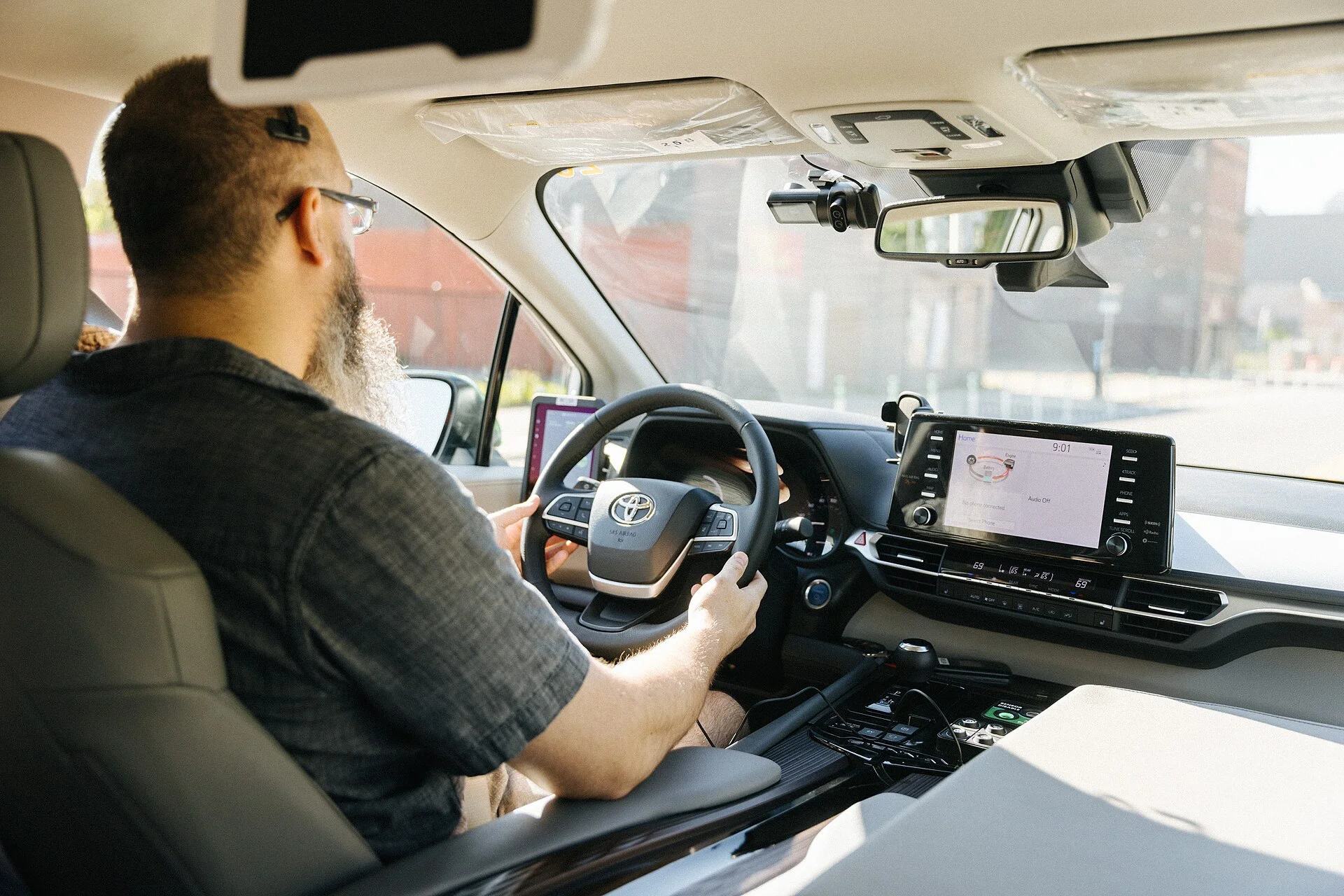
Now the 12-volt sockets, the ones you'll actually use for charging and small gear. Toyota's parts catalog confirms the Sienna carries both front and rear accessory sockets. In practice the useful ones for a camper sit behind the center dash facing the second row, and behind the third-row seat in the cargo area - handy spots for running a light or a small cooler while you drive.
- Front console socket: the usual dashboard 12V outlet for charging up front.
- Second-row socket: behind the center dash, facing the second row - good for passengers and a mid-cabin setup.
- Cargo socket: behind the third-row seat - the one campers reach for to feed a 12V cooler or fan in the back.
The catch is the same as the inverter's: these sockets are accessory-gated, meaning they only have power with the key in accessory or on. Turn the van fully off and they go dead, so they won't run a cooler overnight either. Toyota also doesn't publish a clean per-trim count of exactly how many sockets each Sienna build has, so verify what's in your specific van rather than trusting a generic diagram.
Don't confuse the USB ports with the 12V sockets, either - they're different circuits with different limits. The Sienna's USB charging ports are fine for phones and tablets but deliver only a handful of watts, so they can't run a fan or a 12V cooler; that job needs a real 12V accessory socket and a proper plug. When I plan a Sienna's cabin power, I map the 12V sockets first for the loads that matter and treat the USB ports as a bonus for small devices, because reaching for a USB port to run camp gear is how people end up disappointed by an outlet that was never meant for it.
The fuse boxes, and why I won't hand you an amperage
Every camper eventually wants the fuse map - which fuse feeds which socket, and at what amperage - so they can add a wire or chase a dead outlet. Here I have to be straight with you: Toyota does not publish the Sienna's accessory-socket and inverter fuse amperages in a form I can verify. The Sienna has fuse boxes in the usual places - under the dash and in the engine bay - but the specific amp ratings for the power outlets are not in a public, trustworthy Toyota source.
Plenty of sites will hand you a confident '15-amp' for the power outlet. That number comes from aggregator fuse-diagram sites, not Toyota, and the fuse-box aggregators are notorious for cross-templating one model's diagram onto another. I won't repeat a number I can't stand behind.
The honest, safe move is the one printed right where you need it: read your own van's fuse-box lid. Every Sienna has the fuse legend molded into the underside of the fuse-panel cover, listing each circuit and its amperage for that exact vehicle. That lid is the only fuse map I'd trust for wiring decisions - it's specific to your VIN, and it's free. Match the circuit there before you tap a socket or swap a fuse.
One practical habit for the road: throw a small pack of assorted spare blade fuses in the glovebox and note where the fuse-puller clips inside the box. If a socket goes dead mid-trip, a blown fuse is the first and cheapest thing to check, and the lid legend tells you the exact amperage to replace it with. A socket that stops working is far more often a two-dollar fuse than a wiring fault, so rule that out before you start pulling panels apart in a campground.
The internet's Sienna trap: a 100-watt number from the wrong decade
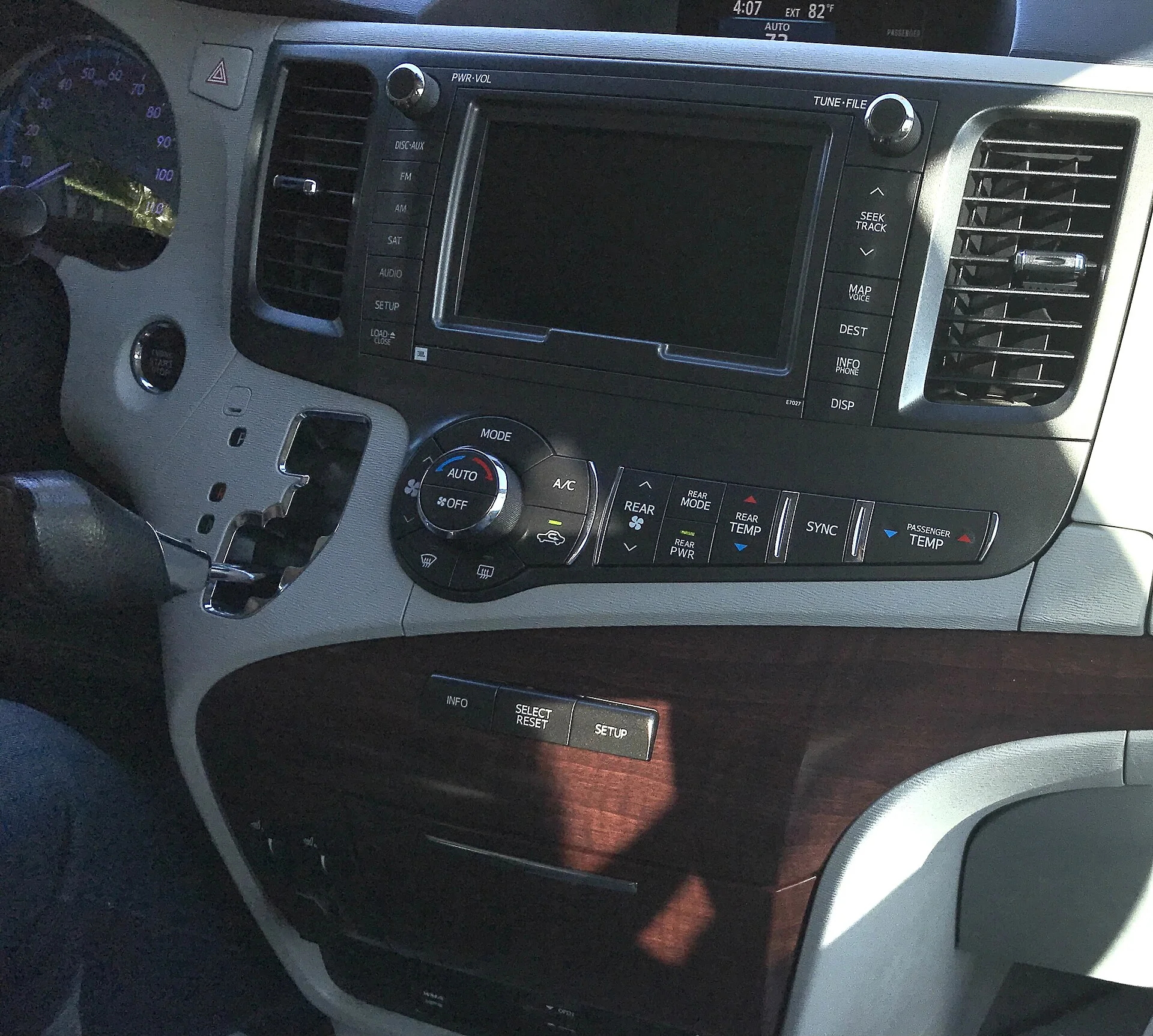
Here's a trap that catches Sienna owners researching power, and it's worth calling out by name. Some popular Sienna manual sites serve a merged owner's manual that stitches together model years from roughly 2010 all the way to today. Search 'Sienna outlet wattage' and you can land on a passage describing a 100-watt outlet - which belongs to the third-generation Sienna, a completely different van, not the 4th-gen you're camping in.
- The 100-watt figure is old: it's the previous-generation Sienna's small device outlet, not the current 1500-watt inverter.
- Don't conflate the two: the current Sienna's household outlet is 1500 watts; treating it like a 100-watt plug will make you either under-use it by day or mis-wire something.
- Check the generation, not just the model: any Sienna advice written before 2021 is about a different vehicle with different power - the 4th gen was a clean redesign.
The lesson from mile 300: match the source to your exact generation before you trust a number. A merged manual is how a 2013 spec ends up shaping a 2023 build, and power is exactly the place that mistake bites.
Running a fridge or fan overnight without wrecking your battery
So how do you actually run a 12V fridge or a fan through the night in a Sienna, given nothing factory works key-off? You have two honest options here, both both.
- Leave the van in READY: the outlet and, on some setups, accessory power stay alive, but the engine auto-cycles all night. This works in a pinch but it's loud, burns fuel, and puts exhaust near you - I only do it when I have no other choice and never in an enclosed space.
- Carry a separate battery: a portable power station runs your overnight loads silently and independent of the van, then recharges off the 12V socket while you drive the next day. This is the setup that actually lets you sleep.
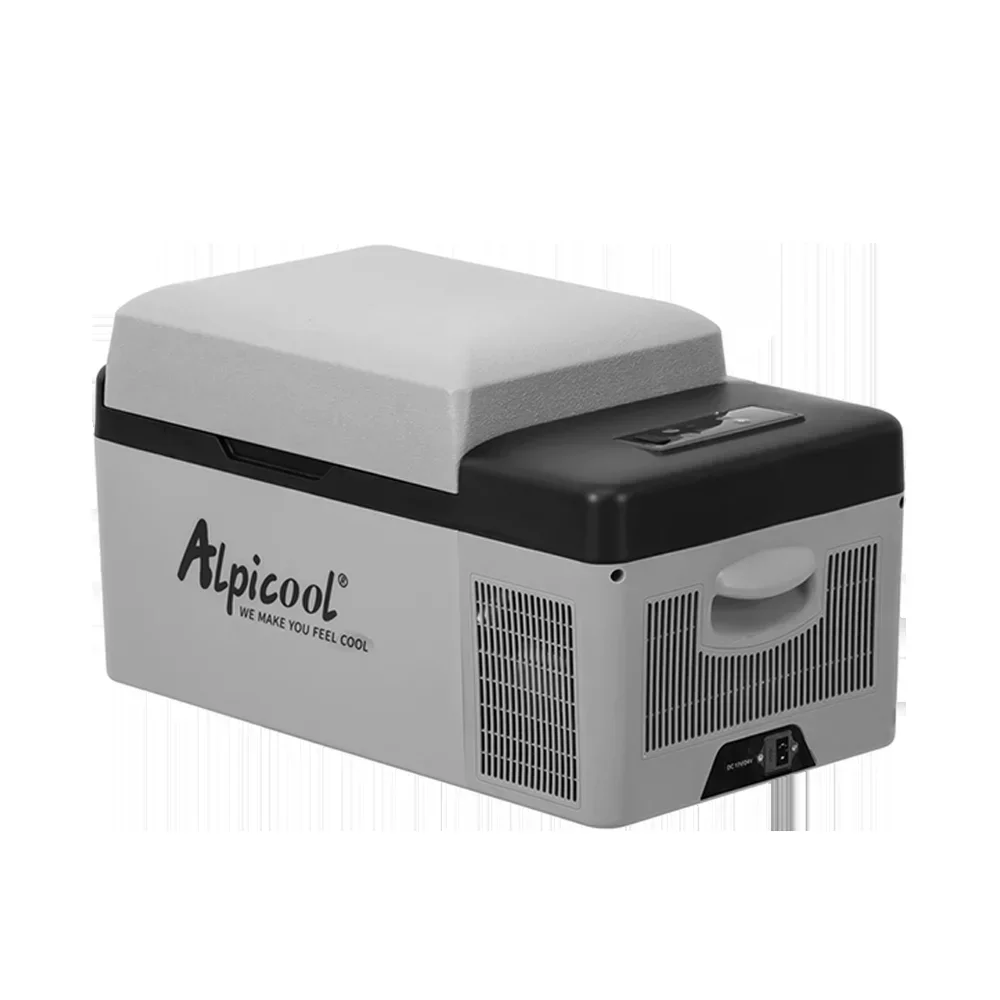
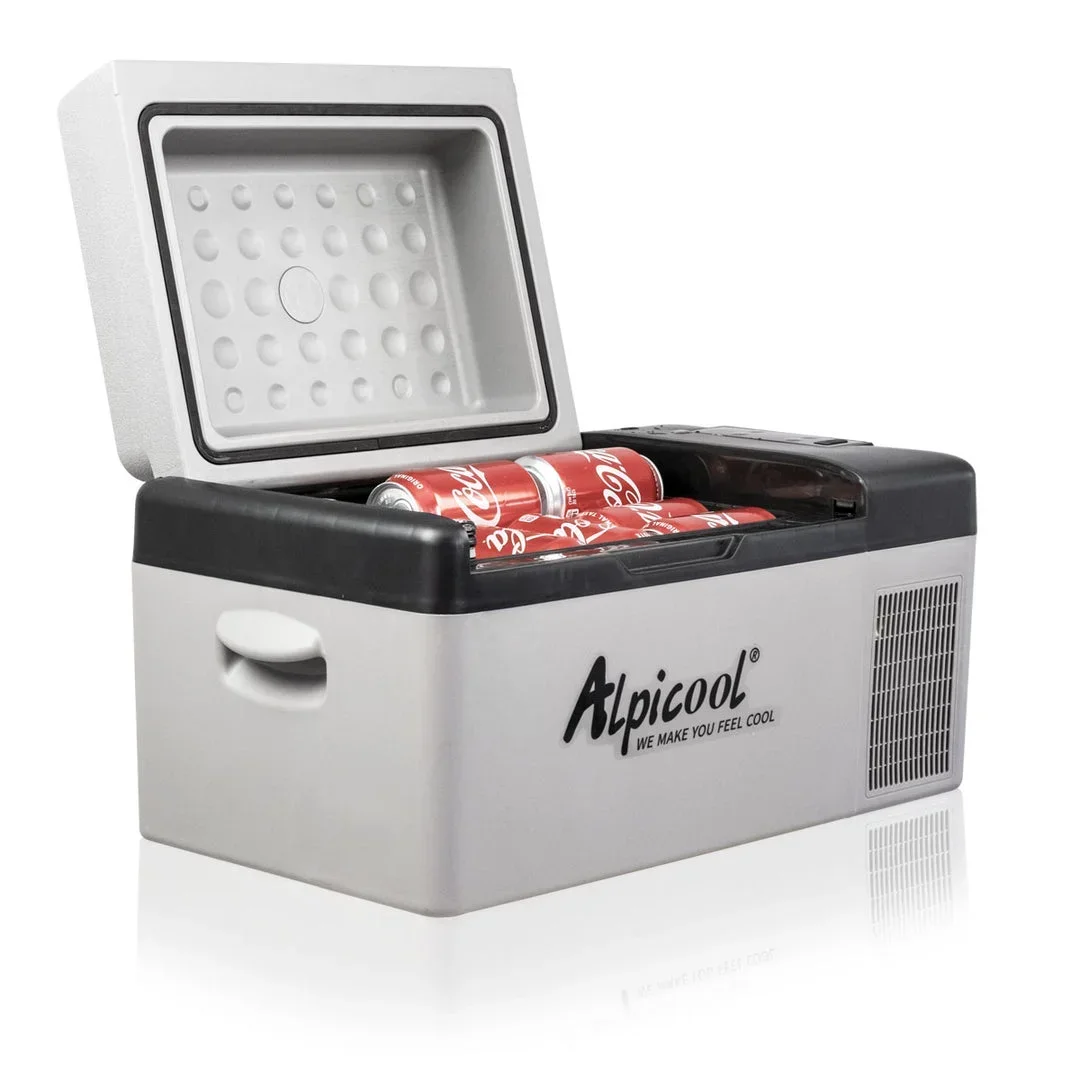
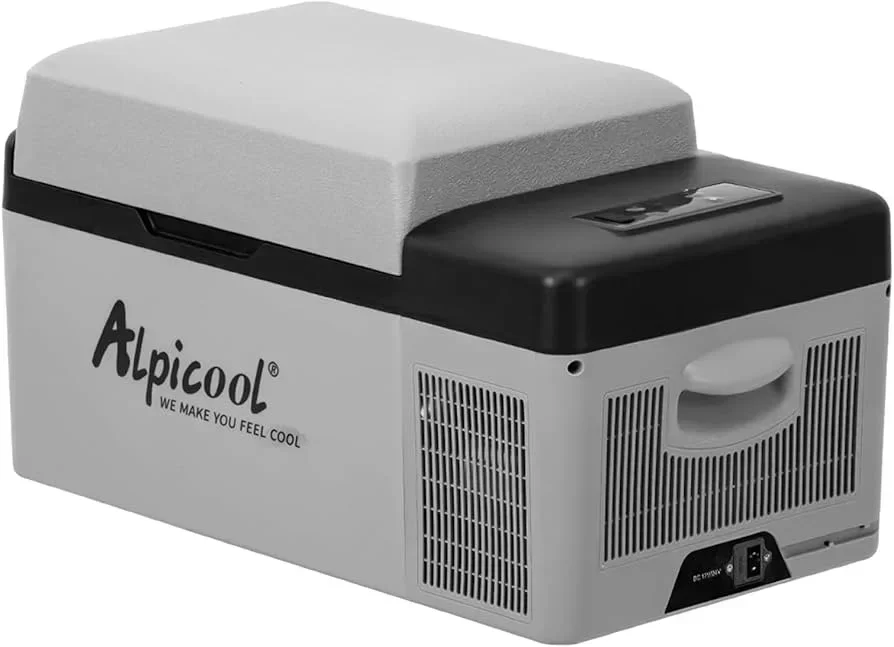
A Alpicool C20 12V fridge draws only around 45 watts and cycles rather than running constantly, so it's an easy overnight load for a modest power station - the practical way to keep food cold in a Sienna without leaving the van running. Size the battery to the fridge's real cycling draw, not its peak, and you'll get a full night with margin to spare.
Powering the setup: a power station is the honest overnight answer
Because the Sienna gives you strong daytime power and zero key-off power, the clean system is simple: use the van's outlets while you drive and set up, and use a battery while you sleep. That split plays to the van's strengths and sidesteps its one weakness.
- Daytime: the 1500-watt outlet (if your trim has it) and the 12V sockets handle charging, a cooler, and camp chores while the van is on.
- Overnight: a power station carries the fridge, a fan, and device charging on its own cells - no engine, no exhaust, no noise.
- Recharge on the move: top the station back up from the 12V socket as you drive to the next camp, so you start each night full.
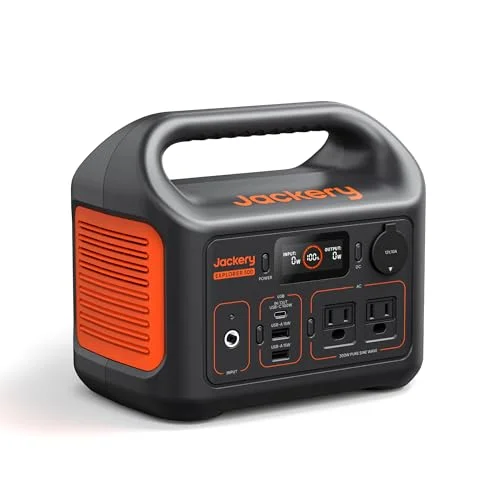
A Jackery Explorer 300 power station is right-sized for this: 292 watt-hours runs a fan and a night of charging, or a small fridge's cycling draw, and it refills from the Sienna's 12V socket between camps. It's the piece that turns the Sienna's daytime-only outlets into a full 24-hour power system.
What the 1500-watt outlet actually runs at camp
Since you've got the best outlet in the class for daytime use, it's worth knowing what 1500 watts genuinely handles at a campsite - because this is where the Sienna shines and you should use it.
- Camp kitchen: a 1500-watt outlet runs many low-draw electric kettles, a small induction burner on low, or a coffee maker while the van is on - things a 150-watt outlet can't touch.
- Tools and recharging: it'll run a tire inflator, charge power-tool batteries, or top up a big power station fast during a lunch stop.
- The limit: 1500 watts is a real ceiling - a full-size microwave or a hair dryer can trip it, and running heavy loads leans on the hybrid system, so keep an eye on total draw.
Used for what it's good at - daytime, engine-on, camp-setup power - the Sienna's outlet is a genuine advantage over every other minivan. Just keep the overnight job on a separate battery and you get the best of both.
A pre-trip power checklist: five minutes in the driveway
Before you rely on the Sienna's power for a trip, run this five-minute check so you're not discovering a gap in a dark campground. I do a version of this every time I take an unfamiliar vehicle out, because the driveway is a cheap place to find a problem and a dark forest is an expensive one.
- Confirm the inverter: verify your trim actually has the 1500-watt outlet and find its dash switch - base and some XLE builds skip it.
- Test key-off: turn the van fully off and confirm which sockets die - all of them should, so plan accordingly.
- Read the fuse lid: open the fuse-panel cover and note the amperage for the power-outlet circuits on your specific van.
- Charge the station: top up your portable battery and confirm it recharges from the 12V socket while driving.
- Match the fridge: know your cooler's real cycling draw so you can size the overnight battery with margin.
Five minutes in the driveway saves a cold breakfast and a dead phone. The Sienna rewards a little planning - its power is strong where it's strong, and predictable where it isn't.
The verdict: great daytime power, bring your own night power
The 4th-gen Toyota Sienna has the best factory power in the minivan class for daytime and camp-setup use - a real 1500-watt household outlet on XLE and up, plus front, second-row and cargo 12V sockets. The honest catch is that none of it runs with the key off: the sockets are accessory-gated and the inverter is READY-mode only and non-persistent, so overnight loads mean either leaving the van running (loud, exhaust, fuel) or carrying a battery.
Use the Sienna's outlets by day, a power station by night, read your own fuse-box lid for any wiring, and don't trust the merged-manual 100-watt figure - that's a different Sienna from a different decade.
Buy or build around that split and the Sienna is a strong camping van. The full sleeping setup lives in our Toyota Sienna camping guide, the Sienna cargo dimensions for sleeping covers the bed itself, and the Sienna vs Odyssey and Carnival vs Sienna comparisons weigh it against the other minivans. For the socket layout on a close cousin, our Honda Pilot 12V outlet and fuse map shows the same honest approach.