
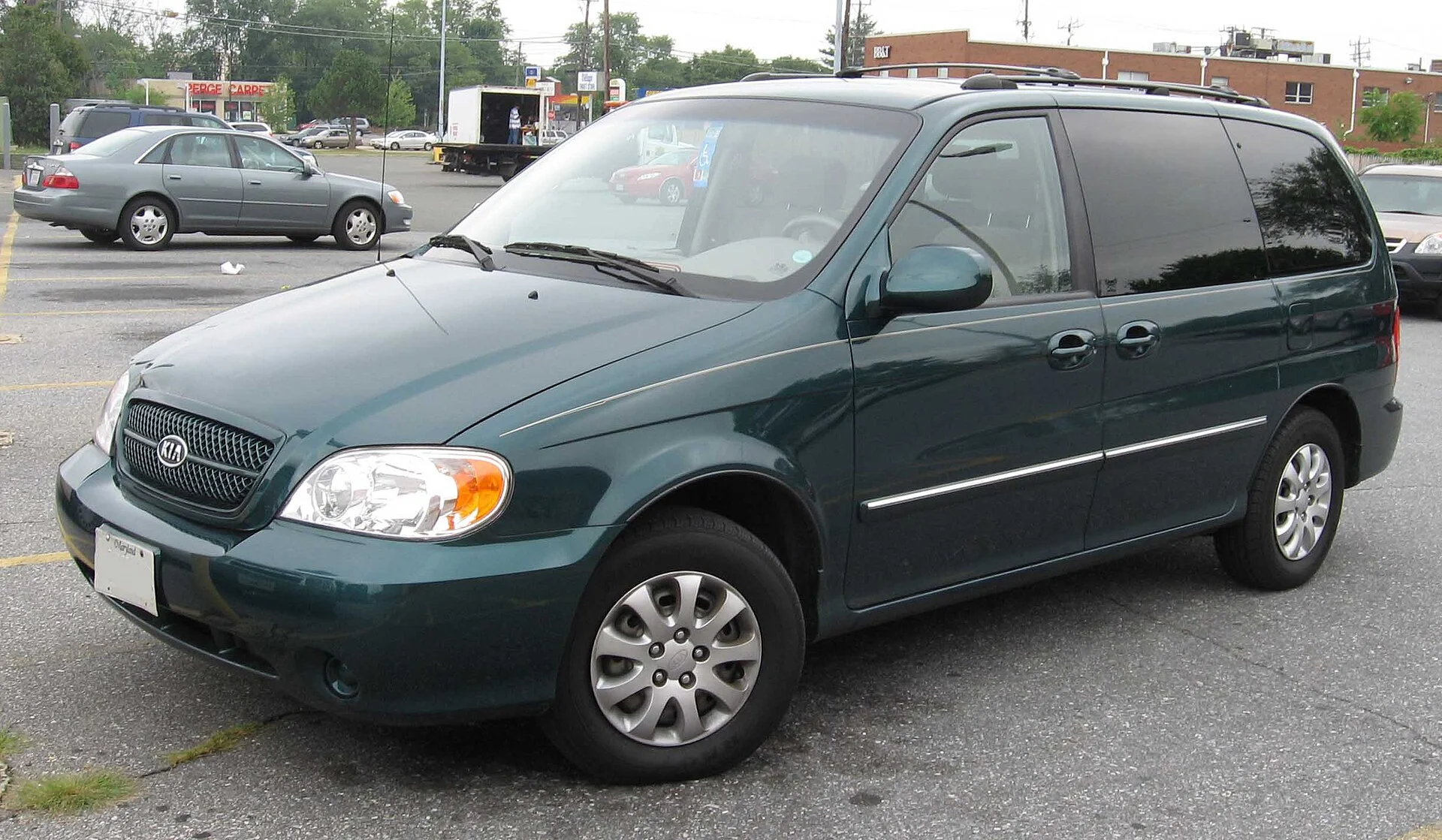
Two minivans, two of the best campers you can buy
Minivans are quietly the best-kept secret in car camping, and the Kia Carnival and Toyota Sienna are the two most cross-shopped. Both give you something no SUV can touch at this price: a long, tall, nearly flat cargo floor once the third row is out of the way, plus sliding doors, a low load height, and room to actually sit up and change clothes. Turn either into a camper and you have a rolling bedroom that still does school runs on Monday.
They solve the job differently. The Carnival is the roomier, more SUV-styled box with a gas V6 (and a new hybrid), while the Sienna is hybrid-only with available all-wheel drive — a real advantage for reaching a snowy or muddy trailhead. Both still want the same basics to sleep in: the rear rows stowed or folded, a mattress cut to the floor, and window shades for privacy. This comparison walks cargo volume and floor length, how flat the bed really is, power and AWD, and which van suits your kind of trip.
Cargo space and sleeping length: the Carnival is bigger
Both are enormous next to any SUV; between the two, the Carnival has the edge.
| Spec | Kia Carnival | Toyota Sienna |
|---|---|---|
| Behind 3rd row | 40.2 cu ft | 33.5 cu ft |
| Behind 2nd row (3rd folded/stowed) | 86.9 cu ft | 75.2 cu ft |
| Maximum cargo | 145.1 cu ft | 101.0 cu ft |
| 3rd-row handling | Folds into a well | Stows flat into the floor |
| All-wheel drive | No (FWD) | Available |
| Powertrain | V6 (hybrid available) | Hybrid only |
The Carnival leads at every level — 40.2 cubic feet behind the third row, 86.9 with it folded, and up to 145.1 cubic feet maximum — while the Sienna offers 33.5, 75.2, and 101.0. In practice both give you a bed far longer than any adult, so the raw cargo lead matters less for sleeping than for gear: the Carnival simply swallows more bins, bikes, and a bigger fridge. The more important sleeping difference is how the seats get out of the way, which the next section covers. A minivan-sized mattress turns either flat floor into a true queen-ish bed for two.
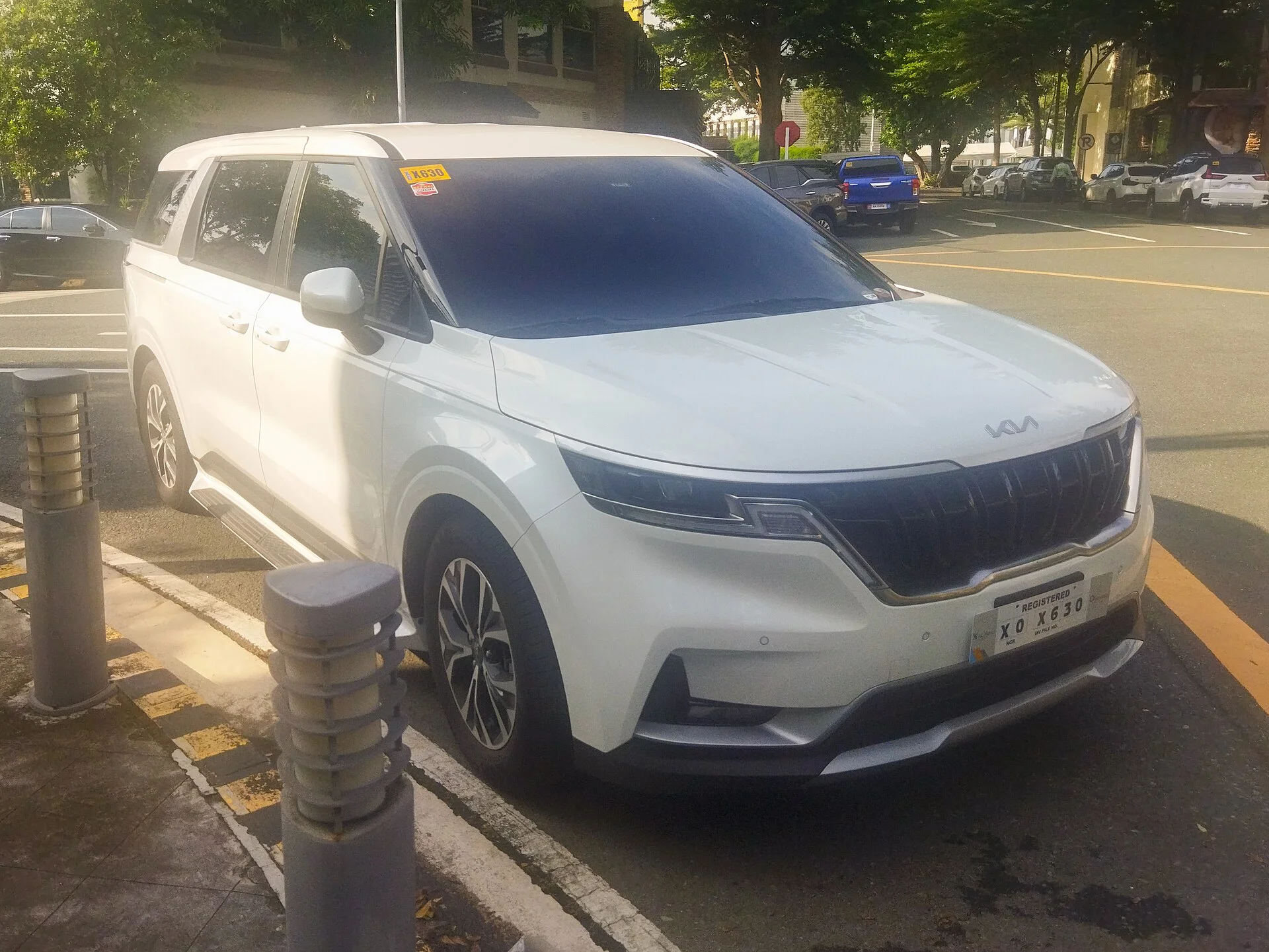
The sleeping platform
Both minivans make a flat bed long enough for two adults; the difference is the Sienna's third row disappears into the floor, while the Carnival's folds into a well and its second-row seats are heavy to remove.
The Sienna has one genuinely clever camping trick: its third row stows completely flat into a floor well, leaving a long, level surface behind the second row with no seats to haul out and store in the garage. Drop or slide the second row and you have a flat platform that two adults can sleep on comfortably, which makes the Sienna one of the easiest vehicles anywhere to convert for a night with zero disassembly.
The Carnival's third row also folds into a well, and its maximum-space figure is bigger — but reaching that 145 cubic feet means removing the second-row seats, which are heavy and need somewhere to live while you camp. Left in place and folded, the Carnival still makes a long, flat bed, just with a little more of a seat-back step to bridge. For both, a foam or inflatable mattress cut to the floor and a few pool noodles or a topper over the seams give you a genuinely flat, comfortable night — and unlike an SUV, you can sit up and move around inside either one.
That standing-height cabin is a comfort advantage worth using. Because you can sit up fully, you make the bed, change clothes, and organize gear without crawling — a small thing that transforms multi-night trips. Insulate from below with a pad that has genuine R-value, and manage condensation by cracking the front windows a half-inch behind bug screens, since the large sealed cabin of a minivan fogs up fast with two people breathing overnight. Both vans have the room to keep a fridge running and gear organized off to one side without ever disturbing the sleeping area — the real luxury of camping in a van.
Power and all-wheel drive
This is where the Sienna answers the Carnival's space advantage with two of its own. First, drive: the Sienna offers available all-wheel drive, a real benefit for reaching a snowy pass or a muddy forest road, while the Carnival is front-wheel drive only. For a camper that chases trailheads, that AWD option is a meaningful edge.
Second, power: the Sienna's Woodland Edition adds an available 1500-watt AC inverter/outlet that can run camp gear directly from the van's hybrid system — a feature the Carnival doesn't offer from the factory. Outside that trim, both vans rely on 12V and USB power, so for most trips the reliable answer in either is a portable power station that runs a fridge and lights overnight without draining the starter battery. Both vans have ample room to store even a large battery and a full-size fridge, so power is never a packaging problem the way it can be in a compact SUV — it's just a question of whether you want the Sienna's factory outlet or a station you can carry between vehicles.
Living with it: drive, doors, and ownership
Both are excellent daily family haulers; the camping-relevant differences are clear.
- Space: the Carnival is roomier overall and feels the most SUV-like, with the largest maximum cargo and a bold, boxy body.
- Efficiency and AWD: the Sienna is hybrid-only for strong fuel economy on long drives and offers all-wheel drive the Carnival can't match.
- Convenience: both have dual sliding doors, low load floors, and flat-folding rows — the Sienna's floor-stowing third row is the slickest for quick overnight setup.
- Ownership: the Sienna has Toyota's long hybrid track record and strong resale; the Carnival counters with more space and features per dollar.
Put simply: the Sienna is the easier van to convert and the better one for bad-weather trailheads, while the Carnival is the roomier one that hauls the most gear and feels the most like a rugged SUV.
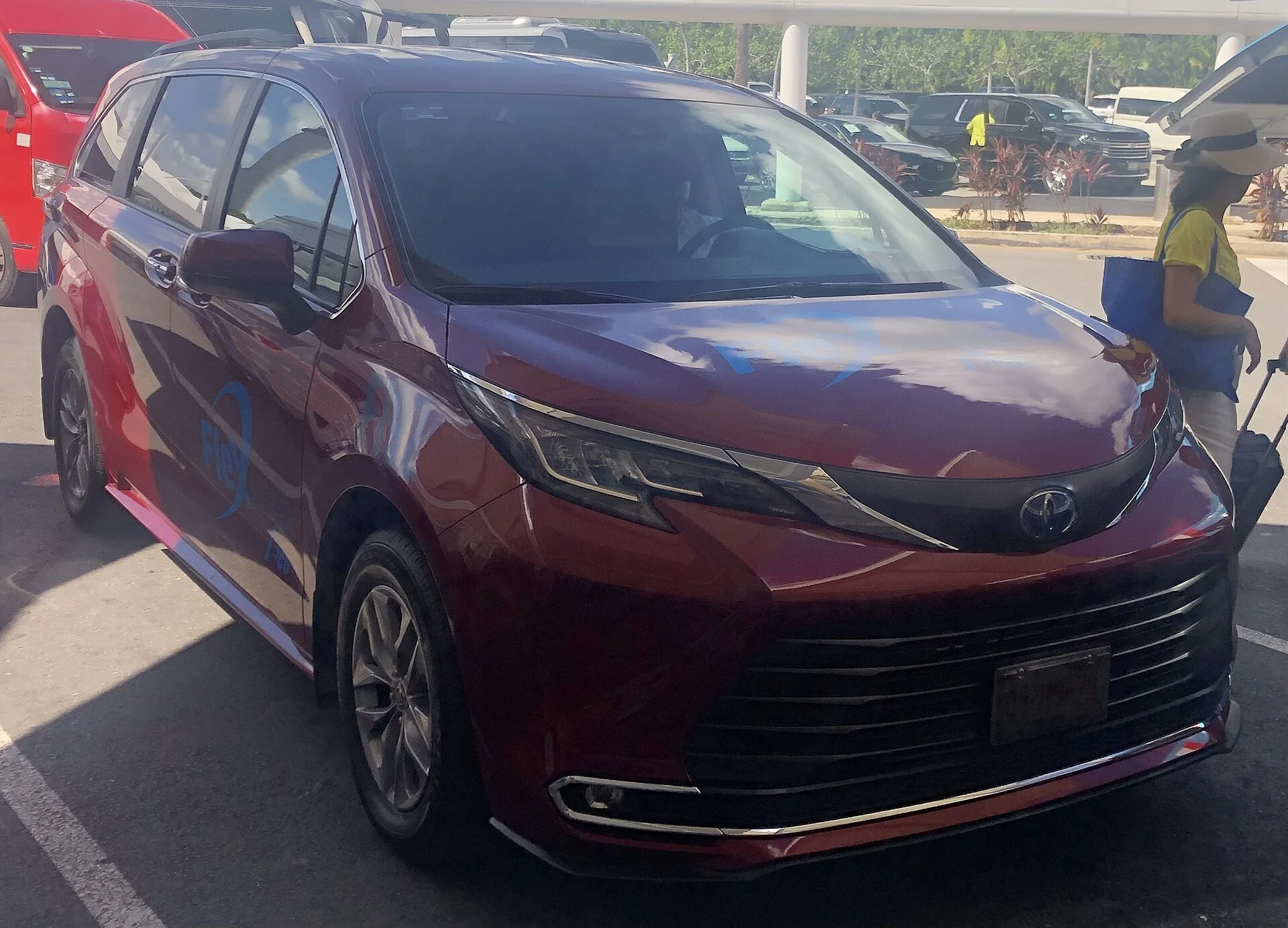
Which should you camp in?
Match the van to how and where you camp:
- Choose the Toyota Sienna if you want the easiest conversion (third row stows into the floor), hybrid efficiency for long drives, available AWD for rough or snowy access, or the Woodland's 1500W outlet.
- Choose the Kia Carnival if you want the most total space, the biggest maximum cargo for bikes and bulky gear, and the most SUV-like styling and feature content for the money.
- Chasing remote or winter trailheads? The Sienna's available AWD makes it the safer bet on unpaved or snowy roads.
Budget can tilt either way depending on trim, and both hold value well, so this usually comes down to AWD and conversion ease (Sienna) versus outright space (Carnival). If you want the full single-vehicle picture, dedicated guides on sleeping in and building out each van cover the layouts that work best.
The verdict
For car camping, this is closer than the cargo numbers suggest, because both minivans make a flat bed longer than any adult and roomy enough to sit up inside — the exact things that make a van beat an SUV for sleeping. The tie-breakers are practical.
The Toyota Sienna is the better camper for most people: its third row stows flat into the floor for a zero-effort conversion, it's hybrid-only for long-haul efficiency, it offers all-wheel drive for rough access, and the Woodland trim adds a 1500W outlet. The Kia Carnival is the better hauler: more total space (up to 145 cubic feet), the most SUV-like feel, and more features per dollar, at the cost of front-wheel drive and heavier seats to remove for maximum space.
Pick the Sienna if easy conversion and all-weather capability matter most; pick the Carnival if you want maximum room and value. Either way, a mattress cut to the flat floor, window shades, and a power source turn a minivan into the most livable basecamp on this list.