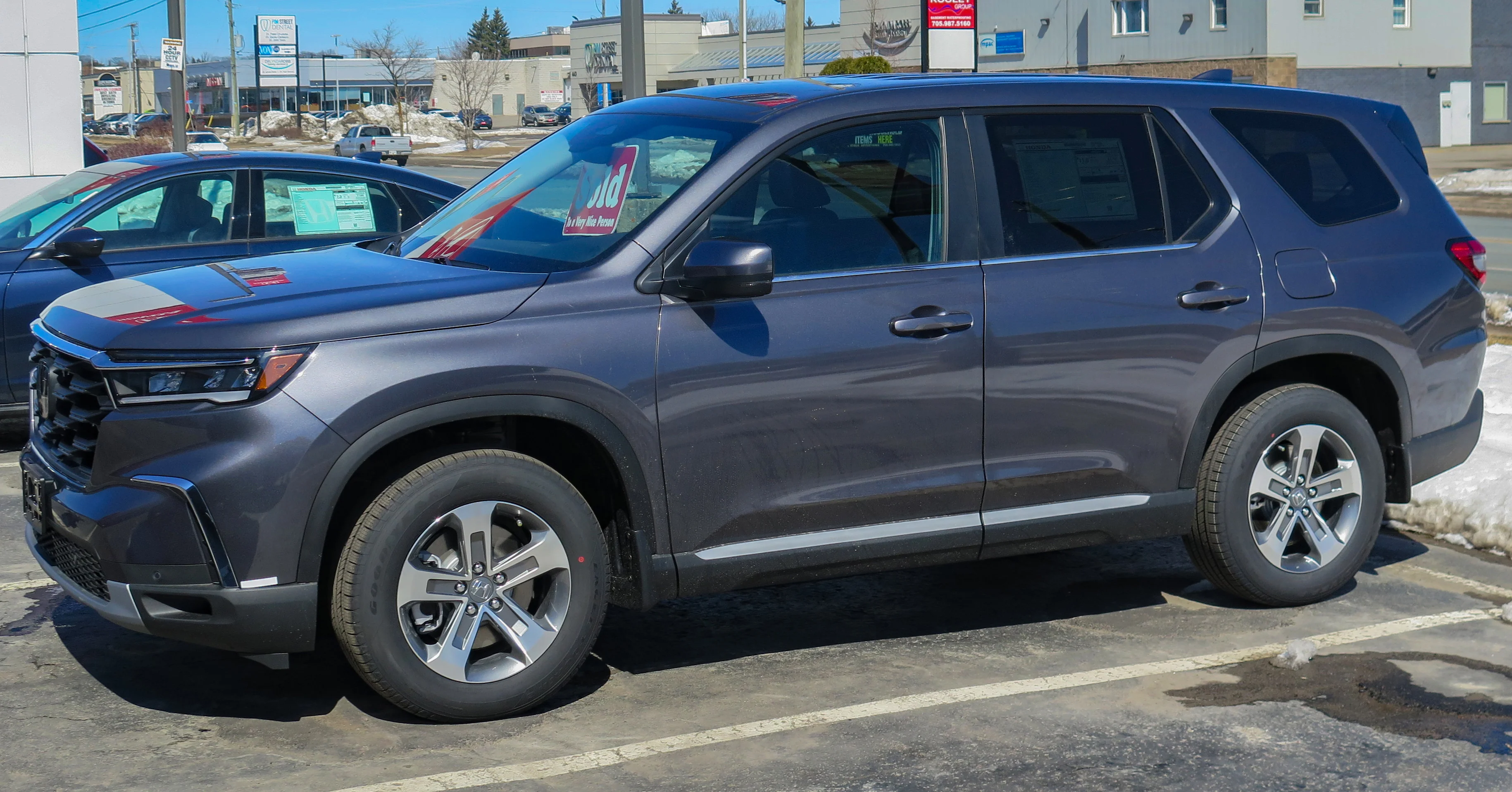
The Pilot's power, in one honest sentence
Plan the 4th-gen Honda Pilot as a vehicle with zero overnight power: every 12V socket dies when you pull the key, the useful budget while the ignition's on is 120 watts, and the 115-volt outlet you've heard about is only on two trims - TrailSport and Elite - not Touring.
I've mapped a lot of rigs for sleeping in, and the Pilot is a clean story to tell once you get past one persistent myth about that household outlet. It gives you a socket or two depending on trim, a solid USB setup, a 120-watt device ceiling, and then it shuts all of it off the moment the car is truly off. That's not a flaw; it's the design, and once you know it you build around it and never get surprised at a cold trailhead.
This page walks the Pilot's actual sockets, the fuses behind them with their ratings, the trim truth about the 110-volt outlet, and the overnight plan a switched-power SUV forces on you. Where a fuse number is aggregator-sourced rather than straight from Honda, I'll say so - because a wrong fuse number is worse than no number when you're chasing a dead socket a long way from a parts store.
One more framing before the details. I treat every vehicle I map as two separate electrical systems that happen to share a battery: the drive system that has to crank an engine in the morning, and the camp system that runs your comfort at night. The Pilot fuses those two jobs together and then switches the whole thing off with the key, which is honest engineering but leaves the camp side empty the moment you're parked. Keep the two jobs separate in your head and the rest of this page reads like a parts list instead of a puzzle.
One socket or two, depending on your trim
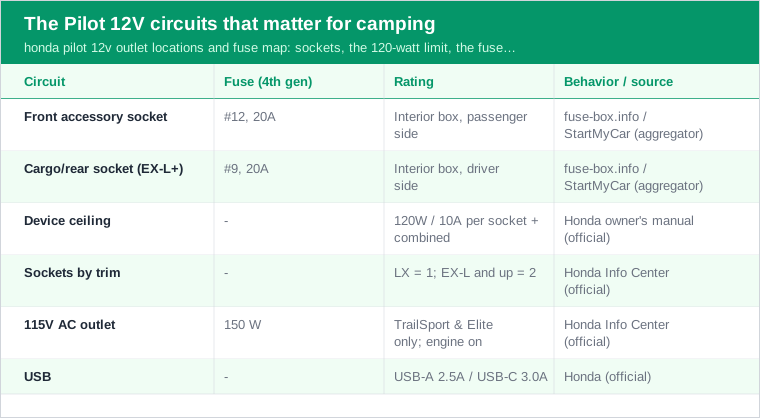
Honda keeps the Pilot's 12V layout simple, but how many sockets you get depends on which Pilot you bought. Per Honda's own feature guide, the base LX has a single front accessory socket in the console area; move up to EX-L and higher and you add a second socket in the cargo area out back.
- Front accessory socket: the one everyone uses, in the console area, on every trim from LX up.
- Cargo socket (EX-L and up): a second socket in the cargo bay - genuinely useful for a fridge or a fan back where you sleep, but confirm your trim actually has it before you plan around it.
- USB: a front USB-A at 2.5 amps plus USB-C at 3.0 amps, with more USB-C in the rear rows on higher trims - fine for devices, useless for a compressor.
The mechanic's habit: don't assume the cargo socket is there. On an LX it isn't, and even on the trims that have it, open the trim and meter it before you build a rear fridge around it. The socket you assumed was there is the one that isn't when you're set up for the night.
Metering that cargo socket is a two-minute job worth doing. Set a multimeter to DC volts, key in the on position, and probe it - center pin positive, the shell as ground. You want to see somewhere around 12.5 to 14.2 volts depending on whether the alternator's spinning and topping the battery. If a trim that's supposed to have that socket reads nothing, you're looking at a pulled fuse or a socket that never got wired at the factory, and I've chased down both. Do that test in the driveway with the toolbox open, not at camp with a warm fridge and a headlamp in your teeth. The socket you trusted on a forum thread is not the same thing as the socket you metered yourself.
The number to build around: 120 watts
Honda rates the Pilot's accessory sockets at 120 watts, 10 amps, and that's both the per-socket limit and the combined ceiling across sockets - so two sockets don't double your budget. It's a modest number, smaller than the 180 watts some rivals give you, so respect it and don't read the 20-amp fuse as permission for more.
The 20-amp fuse protects Honda's wiring; the 120-watt rating protects your gear. Build to 120 and the Pilot's electrical system never becomes the thing that ends your night.
What 120 watts covers: a 45-watt 12V compressor fridge with room for a fan and phone charging alongside, comfortably. What it won't do is run a heating element - a 12V kettle or a resistance blanket pulling hard is exactly the load that blows past the ceiling. Translate it into the loads you'll actually plug in:
- A 12V fridge (40-60W running): comfortable, with a little headroom for a fan.
- A laptop charger on a small inverter (65-90W): fine alone, tight if the fridge kicks on at the same moment.
- A 12V mug warmer or kettle (150W+): over the line - resistance heat is the one category these sockets won't serve.
The mental model: 120 watts runs cooling, lighting and charging together, but it won't make heat. Anything with a glowing element belongs on a power station's high-output port, not a Honda 12-volt socket.
Watch the inrush, too, because the running wattage isn't the whole story. A compressor fridge doesn't sip its 45 watts the instant it starts - the motor pulls a short surge two or three times its running draw as it kicks over, and that spike is what nuisance-trips a socket already sitting near its ceiling. It's the same reason a fridge and a laptop charger can each run fine on their own yet pop the circuit the moment the compressor cycles while the laptop's already loaded up. So I build with headroom, not to the number. I plan the Pilot's sockets to about 90 watts of steady load and let the surge live in the gap I left behind.
Every socket dies with the key
This is the Pilot's defining power trait, and it decides your whole setup: none of its 12V sockets are constant. Honda's manual has the sockets working in the accessory or on position only, and the guidance is to use them with the engine running to avoid draining the battery. There's no documented factory always-on socket on the Pilot. Pull the key, and the power's gone.
Why that matters more to a camper than a commuter: a switched socket can't run a fridge overnight without slowly killing the battery you need to leave in the morning. The failure mode is quiet - leave the Pilot in accessory to keep a socket live and the fridge hums along while the starter battery sags, until by dawn the compressor's still running but the battery won't crank. A modern Pilot is electronic everything; nobody push-starts it.
So the switched design is really Honda sparing you that by default - no key, no draw - but it offers zero help for the one job a camper wants: holding a cooler cold while nobody's driving. That's why the overnight plan at the end of this page is a power station or a fused direct-to-battery line, not the car's own sockets.
And give Honda credit for the switched design, cynical as I am about most of what ends up in a brochure. A permanent always-on socket is exactly how people cook a starter battery - a dashcam, a phone left charging, a cooler someone forgot about - and three weeks later the car won't crank in a parking garage. By tying every socket to the ignition, the Pilot makes the default behavior the safe one: no key, no draw, no dead battery in the morning. It costs you the overnight fridge, sure, but it spares you the far more common failure that a constant socket invites. On a daily driver I'll take that trade every time.
The fuse map: front #12, cargo #9, and a generation caveat
Here's where to look when a socket goes dead, with an honesty flag up front: Honda's own techinfo fuse pages are cert-blocked, so these numbers are aggregator-sourced, not read off Honda's diagram - though two independent aggregators agree on the key two. Verify against the label on your own fuse-box lid before pulling anything.
- 4th gen (2023+): front accessory socket on #12 (20A) in the passenger-side interior box, and the cargo socket on #9 (20A) in the driver-side interior box (fuse-box.info and StartMyCar agree). A 40-amp accessory-socket main and the 115V outlet's fuse live in the engine bay.
- 3rd gen (2016-2022): a different layout - front accessory around #5 in the interior box, with center and rear sockets fused underhood (aggregator). Do not cross-apply these to a 4th-gen car.
The generational split is the part people get wrong most often, so keep it clean: the 4th-gen car moved its socket fuses into interior boxes (#12 and #9), while the 3rd-gen routed the center and rear sockets through the underhood box. Grabbing a 3rd-gen number for a 4th-gen Pilot is the classic way to burn twenty minutes on a fuse that has nothing to do with the socket that died. Hold the lid's printed legend against the slot numbers - the legend molded into your car always outranks a table read online, this one included.
The reason the generations split like this is packaging, not malice. The 3rd-gen car (2016-2022) ran its center and rear socket feeds back to the underhood box because that's where the harness happened to route on that platform; the 4th-gen redesign moved the interior power distribution into the cabin boxes, so the socket fuses came along for the ride. Nothing about a 3rd-gen diagram is wrong - it's just describing a different car. That's why I never trust a fuse table that doesn't state the exact model years across the top. A '2016-2022 Pilot' listing and a '2023+' listing are two separate vehicles wearing the same nameplate, and the fuse that fixes one has nothing to do with the socket that died on the other.
The 110-volt outlet, and the Touring myth
Kill this myth before it costs you a plan: the Pilot's 115-volt, 150-watt household outlet is not on the Touring. On the 4th-gen car, per Honda's own feature guide, the AC outlet is TrailSport and Elite only - and it needs the engine running. A lot of cross-shoppers assume the loaded Touring gets it because it's near the top of the range; it doesn't.
If you want the 115-volt outlet on a Honda Pilot, buy a TrailSport or an Elite. The Touring, despite the price, doesn't have it - that's the single most common Pilot power mistake.
And read the 150 watts honestly even when you do have it:
- What 150 watts runs: device chargers, a laptop, a CPAP on many models - light, steady loads.
- What it won't: a 12V fridge is better off its own supply, and anything with a heating element is out.
- Engine-on only: it's not a key-off camp outlet, so it doesn't solve the overnight problem even on the trims that have it.
So the household outlet is a real convenience on two trims and a non-feature on the rest - and either way it's an engine-running outlet, not an overnight one. Plan your AC power as if the car provides none while you sleep, because it does.
Where does the Touring myth even come from? Cross-shopping, mostly. The Touring sits just under the Elite on price, buyers assume the features climb straight up the ladder, and a household outlet feels like a top-trim perk - so the brain fills the gap on its own. Honda didn't help by handing the outlet to the off-road TrailSport and the loaded Elite while skipping the trim in between. It looks like an oversight, and it reads like one on a forum, but the feature guide is unambiguous about which trims carry it. Check the actual trim's spec sheet, not the price rank, before you promise yourself an outlet that isn't in the car.
What survives the night: the power plan
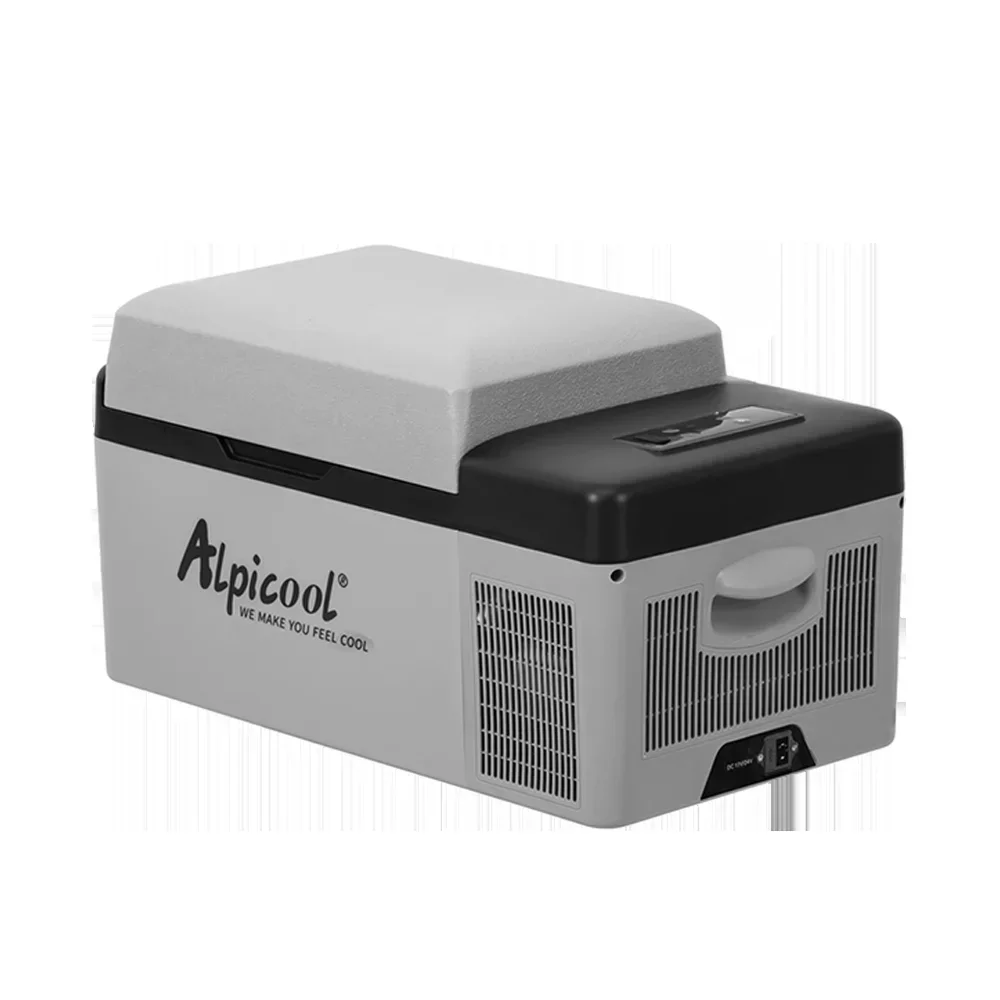
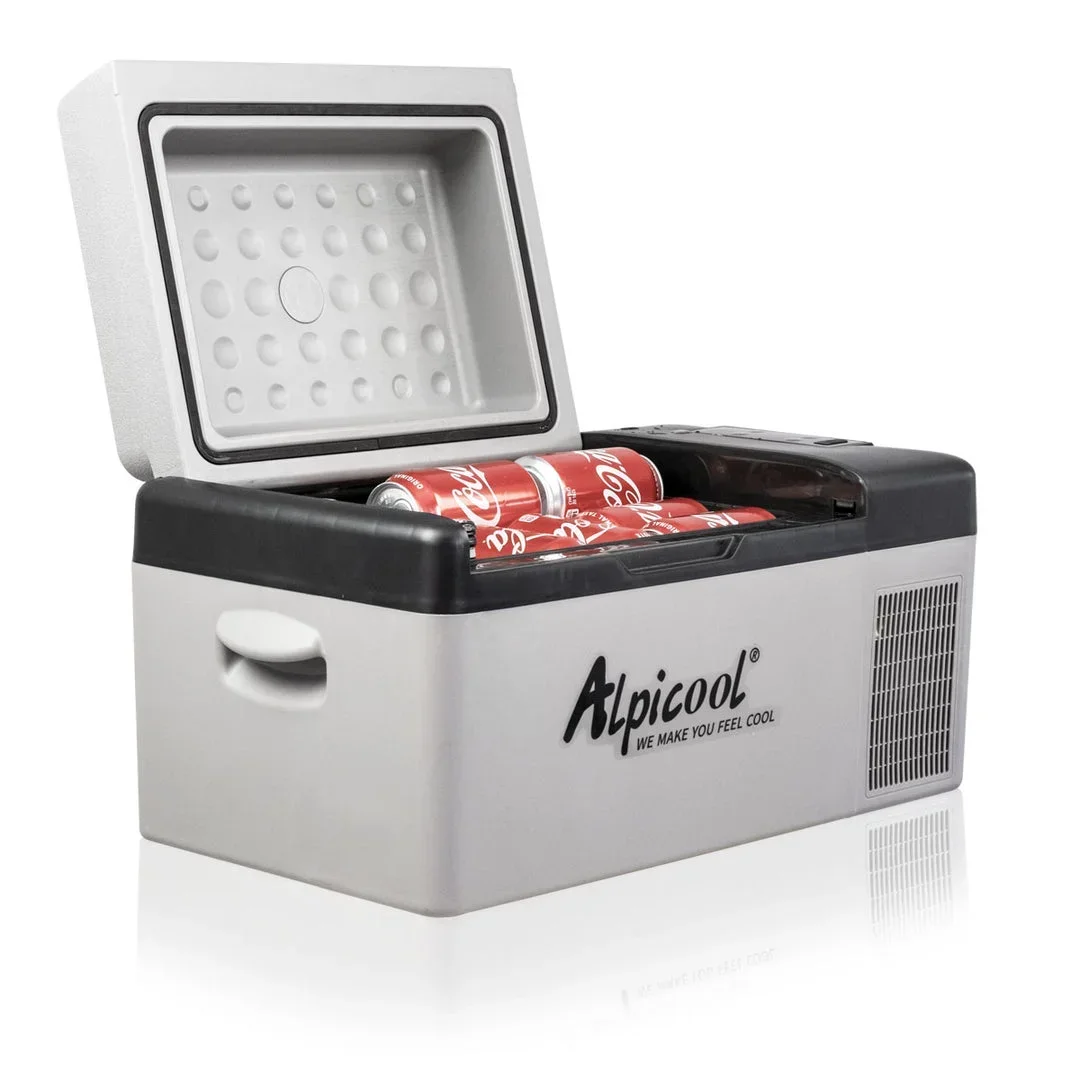
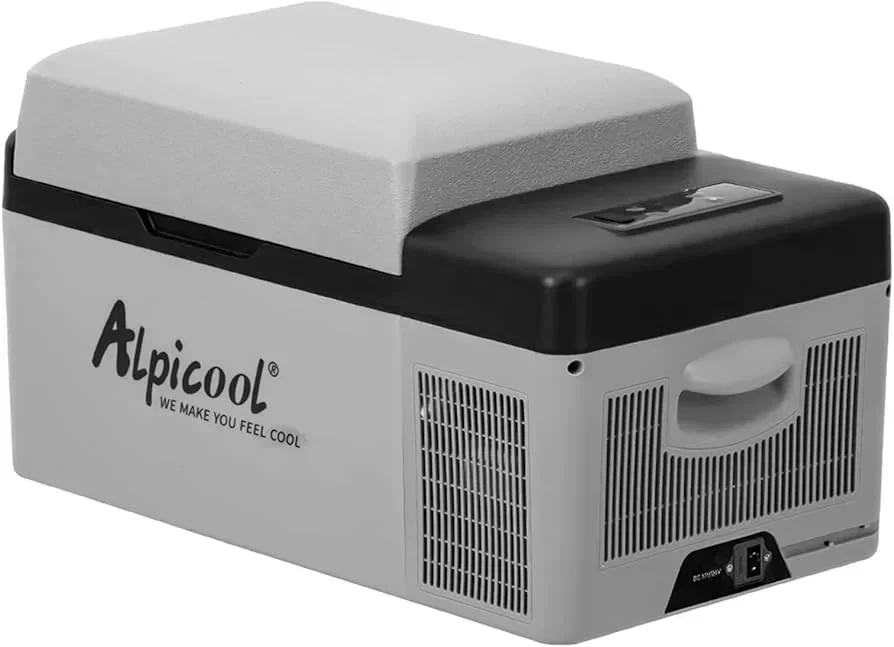
Put it together and the Pilot's switched, engine-on-only layout points to one reliable setup. Because the sockets die with the key, the thing you never want to do is run an Alpicool C20 fridge straight off a Pilot socket overnight - it either quits when the car's off or, if you leave accessory power on, drains the start battery. At a remote trailhead, that's the failure mode that strands you.
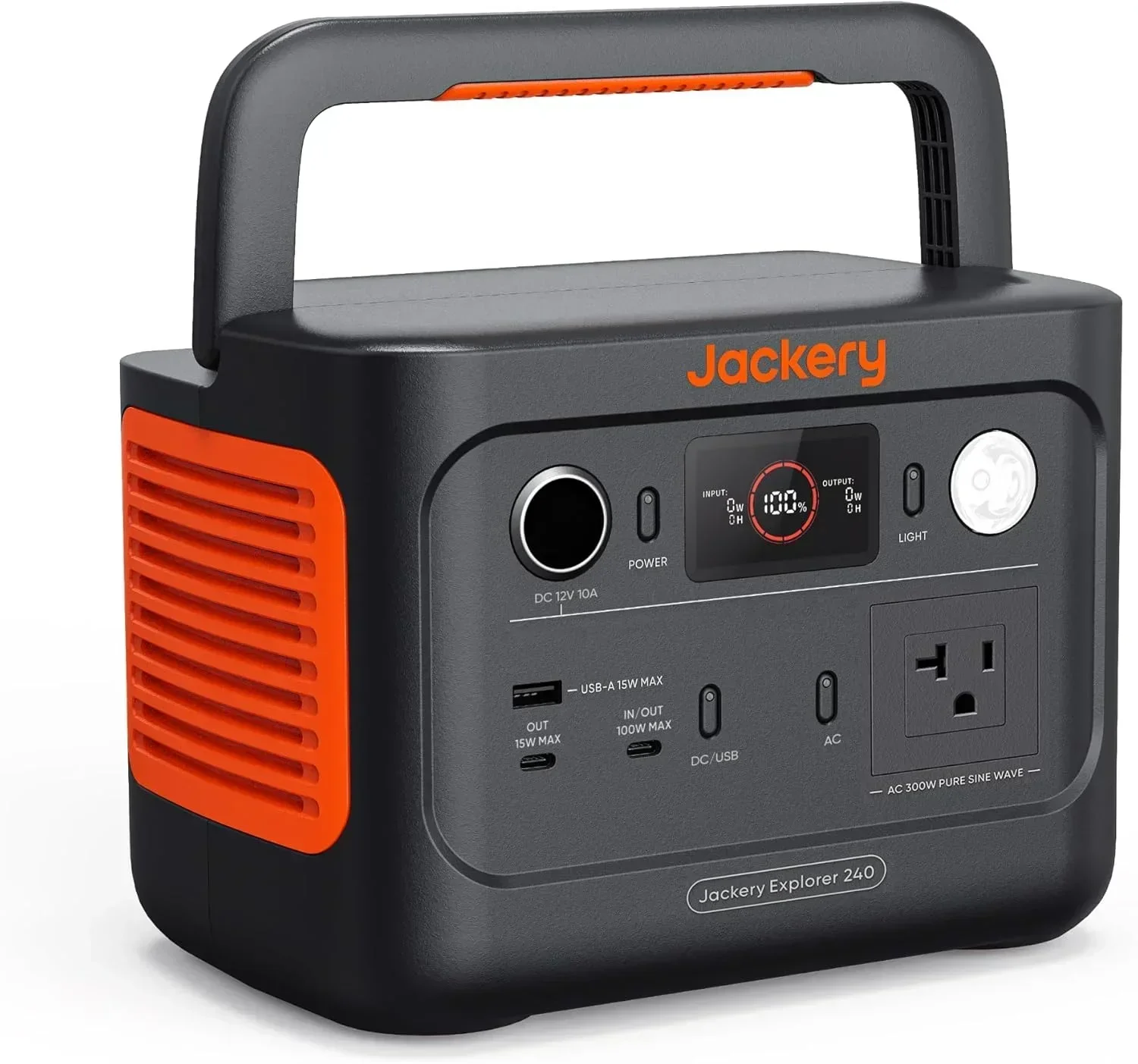
The plan I'd run: a Jackery Explorer 240 v2 power station carries the fridge, a fan and a night of charging off its own 256 watt-hours, then recharges from the 12V socket while you drive to the next camp - the Pilot's battery never gets touched. If you camp often, a fused direct-to-battery lead with a low-voltage cutoff does the same job hardwired. Either way, the principle holds: on a Pilot, the house power is something you bring.
A little math makes the case: a 20-liter fridge sips 30 to 40 watt-hours an hour in mild weather, so a ten-hour night is 300 to 400 watt-hours - already past the Explorer 240's 256, which is why the recharge-while-driving loop earns its keep. Top the unit on every leg and the fridge leans on a battery that refills daily, while the Pilot's starter battery stays a starter battery. The full kit list lives in our Honda Pilot camping gear guide.
Run the recharge math the other direction and it gets reassuring in a hurry. A Pilot socket at the 120-watt ceiling pushes maybe 100 usable watts into a power station after the conversion losses, so an hour of highway between camps buys you roughly 100 watt-hours back - call it three hours of that 20-liter fridge. Two hours of driving in a day more than covers a cold night. The loop only breaks if you sit parked for days on end, and at that point you want solar or a second battery, not a fatter cable to a socket that shuts off with the key anyway.
The verdict on Pilot camp power
The Honda Pilot is a straightforward camping-power platform once you accept its terms. You get 120 watts of usable 12V budget, a front socket on fuse #12 and a cargo circuit on #9 (EX-L and up), a solid USB setup, and nothing that survives the key coming out. No constant socket, and a 115-volt outlet only on TrailSport and Elite - never the Touring. That's a clean spec; it just means the overnight power is on you.
Bring your own battery to a Pilot. A power station on the recharge-while-driving plan turns 'no key-off power' from a problem into a non-issue, and it goes to the picnic table too.
Confirm your trim's sockets and outlet, keep every load under 120 watts, and carry your house power, and the Pilot handles a weekend cleanly. If you cross-shopped it against the Telluride or the Tahoe expecting an always-on socket, the Pilot doesn't have one - that's the honest reason a fridge needs a plan here. The sleeping side of the build is in our Honda Pilot sleeping setup.
Last word from the bench: don't let the switched sockets sour you on the Pilot as a camp rig. It's a roomy, reliable platform, and 'bring your own power' is the same rule that applies to nearly every modern SUV once you stop expecting a wall outlet waiting in the trunk. Know your trim, respect the 120 watts, carry a battery you keep charged as you drive, and the electrical side of a Pilot weekend quietly becomes the part you never think about again.
Related on Auto Roamer: Honda Pilot storage solutions; Honda Pilot towing capacity specs.